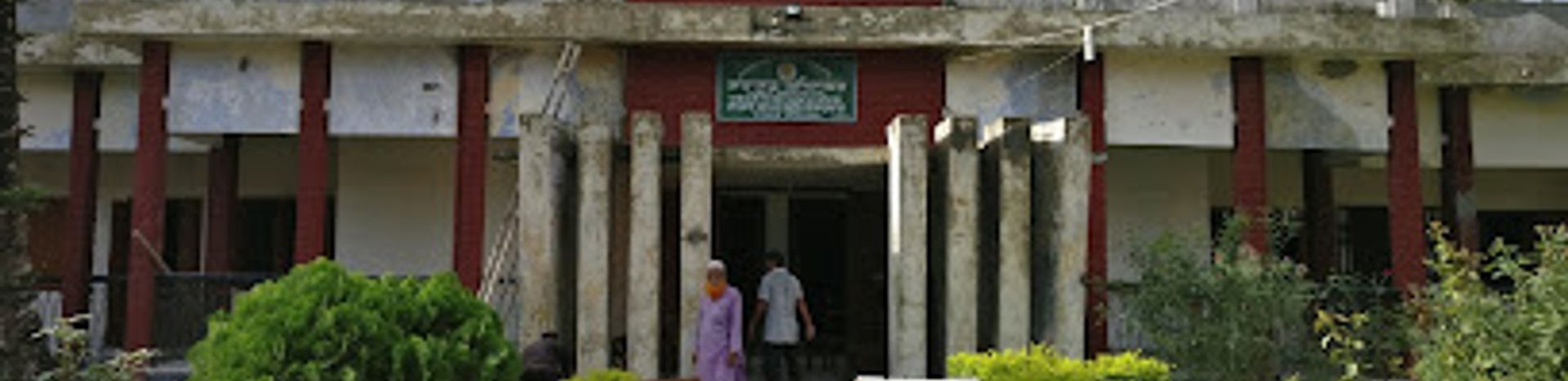
Sher-e-Bangla Memorial Museum: A Tribute to a Statesman
Discover the life and legacy of A.K. Fazlul Huq, the 'Tiger of Bengal,' at his memorial museum in Barisal, showcasing his pivotal role in shaping Bangladesh's history.
The Sher-e-Bangla Memorial Museum in Chakhar Union, Barisal, stands as a tribute to A.K. Fazlul Huq, the 'Tiger of Bengal,' a key figure in Bengal's history and the first Prime Minister of East Bengal. Built on a 27-acre site of his ancestral home, the museum, also known locally as the Chakha Archaeological Museum, showcases his life, political career, and contributions to the region. Visitors can explore a collection of personal belongings, rare photographs, and historical documents that narrate the story of his impactful legacy. The museum not only serves as a repository of history but also as a beautifully preserved building surrounded by lush gardens, offering a tranquil escape and a chance to reflect on the past. With its informative displays and serene environment, the Sher-e-Bangla Memorial Museum provides an engaging and educational experience for history enthusiasts and curious travelers alike. The museum operates daily, providing ample opportunity to explore its exhibits and picturesque grounds.
A brief summary to Sher-e-Bangla Memorial Museum
- R54V+MGM, Chakhar Union, BD
- Visit website
- Monday 10 am-6 pm
- Tuesday 10 am-6 pm
- Wednesday 10 am-6 pm
- Thursday 10 am-6 pm
- Friday 10 am-6 pm
- Saturday 10 am-6 pm
Local tips
- Visit on weekdays to avoid crowds and enjoy a more personal and reflective experience.
- Allocate at least two hours to fully explore the museum's exhibits and the surrounding gardens.
- Check for any special exhibitions or events that may be happening during your visit to enhance your experience.
- Take a stroll through the gardens surrounding the museum for a peaceful escape and picturesque photo opportunities.
- Engage with the knowledgeable staff to gain deeper insights into the life and times of Sher-e-Bangla A.K. Fazlul Huq.

Getting There
-
Public Transport
From Barisal city, the most common way to reach Sher-e-Bangla Memorial Museum is by local bus or 'shrimp van' heading towards Chakhar Union. Buses depart from major points in Barisal, such as the Nathullahbad bus stand. The fare typically ranges from 30 to 50 BDT. Upon arrival in Chakhar Union, the museum is approximately 1 km away. From the Chakhar bus stand, you can hire a rickshaw to the museum for around 50-100 BDT, depending on your negotiation skills. Alternatively, you can enjoy a pleasant walk to the museum, following local signposts or asking residents for directions.
-
Taxi/Ride-Share
If starting from within Barisal city, a taxi or ride-sharing service (such as CNG auto-rickshaw) offers a direct route to the Sher-e-Bangla Memorial Museum. Negotiate the fare beforehand, as meters are not always reliable. A ride from Barisal city center to Chakhar Union typically costs between 300 to 500 BDT, depending on the distance and traffic conditions. Be sure to specify 'Sher-e-Bangla Memorial Museum' in Chakhar Union to the driver.
-
Driving
For those driving from within the Barisal Division, head towards Chakhar Union. Use a GPS navigation system or a mapping application, entering the address 'R54V+MGM, Chakhar Union' or the coordinates 22.8067173, 90.1938054. The museum is located off the main road, requiring a turn onto a smaller road leading into the union. Ensure your vehicle can handle the road conditions, especially after rain. Parking is available near the museum, and there are currently no parking fees.
Discover more about Sher-e-Bangla Memorial Museum
Iconic landmarks you can’t miss

ছারছিনা দরবার শরীফ প্রধান প্রবেশ গেইট
11.1 km
পিরোজপুরের ছারছিনা দরবার শরীফ: আধ্যাত্মিক ঐতিহ্যের ধারক ও মুসলিম বিশ্বের পরিচিত একটি ধর্মীয় কেন্দ্র।
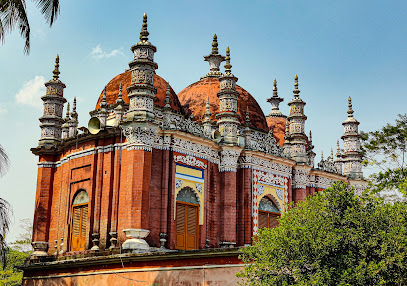
Karapur Mia Bari Masjid
13.4 km
Discover the Mughal-era beauty of Karapur Mia Bari Masjid, a historical treasure in Barisal with stunning architecture and tranquil surroundings.
Birshreshtho Captain Mohiuddin Jahangir Memorial Museum
13.9 km
Honor a national hero at the Birshreshtho Captain Mohiuddin Jahangir Memorial Museum, a tribute to Bangladesh's Liberation War.
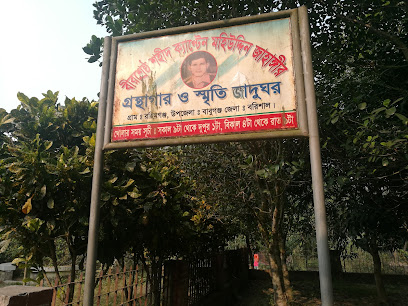
পেয়ারা বাজার
17.7 km
Experience the vibrant culture of Barishal at পেয়ারা বাজার, the unique floating guava market, where local traditions and fresh produce meet on the water.
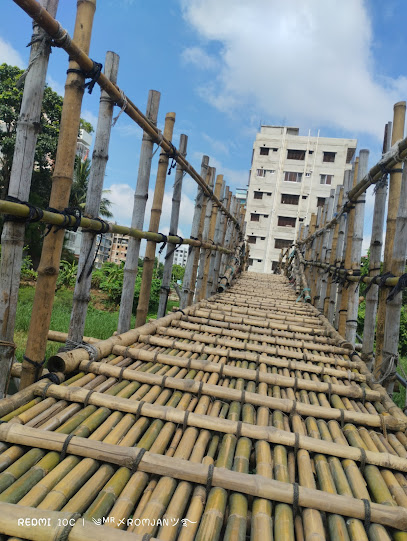
নতুল্লাবাদ বাজার, বরিশাল
19.0 km
Experience the vibrant culture and commerce of Barishal at Natullabad Bazar, a bustling marketplace brimming with local life.
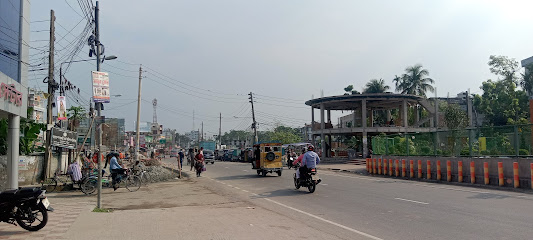
Bangladesh
19.1 km
Explore Barishal, the 'Venice of the East': A riverine city with vibrant culture, historical sites, and bustling floating markets.
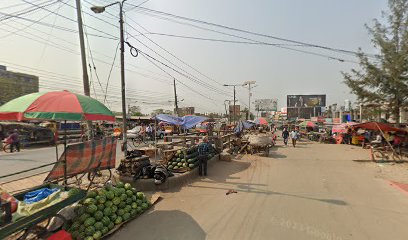
Morok-kholar Pool
20.0 km
Experience the serene beauty and vibrant culture of Barishal at Morok-kholar Pool, a perfect spot for relaxation and local exploration.
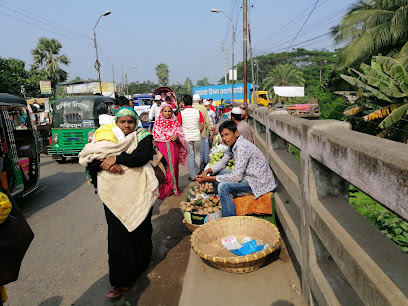
HumaHum Restaurant
21.2 km
Experience authentic Bangladeshi cuisine at HumaHum Restaurant in Barishal, where fresh, local ingredients create memorable flavors.
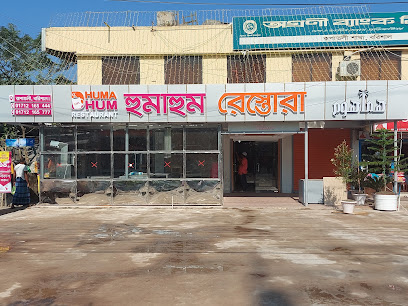
Mermaid Coffee Barishal
21.4 km
Experience cozy ambiance & delightful coffee at Mermaid Coffee Barishal, a community hub on Sadar Road offering quality beverages & tasty treats.
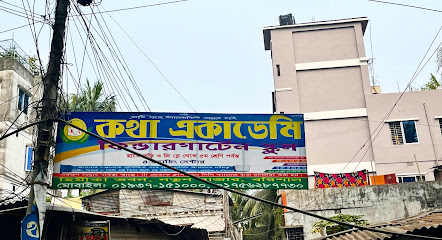
Mahmudia Madrasa Jame Masjid
21.4 km
Discover the serene beauty & cultural richness of Mahmudia Madrasa Jame Masjid, a vibrant center of Islamic architecture, spirituality, and community in Barishal.
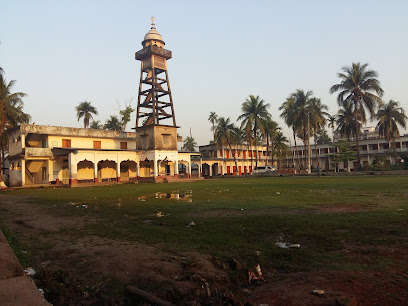
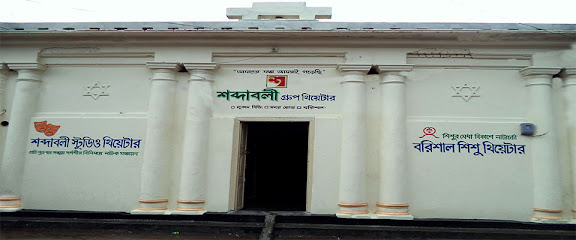
Shabdaboli Group Theatre
21.5 km
Experience the heart of Bangladeshi culture at Shabdaboli Group Theatre, Barisal's vibrant performing arts center.
Barisal Online Shop
21.5 km
Discover unique finds and local crafts at Barisal Online Shop, a vibrant shopping destination in the heart of Barisal, Bangladesh.
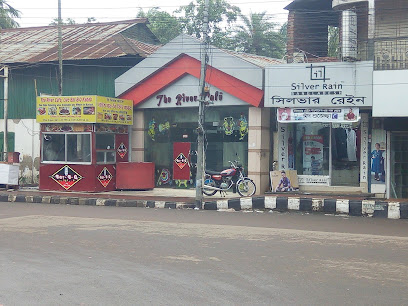
The River Cafe
21.5 km
Enjoy diverse cuisines and riverside views at The River Cafe in Barishal, a perfect spot for casual meet-ups and family gatherings.
Handi Korai
21.6 km
Experience authentic Bangladeshi cuisine at Handi Korai in Barishal, where traditional flavors meet contemporary dining in a vibrant atmosphere.
HOT PLATE Restaurant
21.6 km
Savor flavorful Biryani & diverse cuisine at Barishal's HOT PLATE Restaurant. Fresh ingredients, cozy ambiance, and a memorable dining experience await!
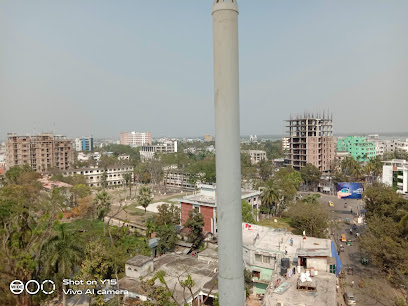
Unmissable attractions to see

বানকাঠি গ্রাম
3.8 km
Experience the tranquility of rural Bangladesh in Bankati, a traditional village offering a peaceful escape and authentic cultural immersion.
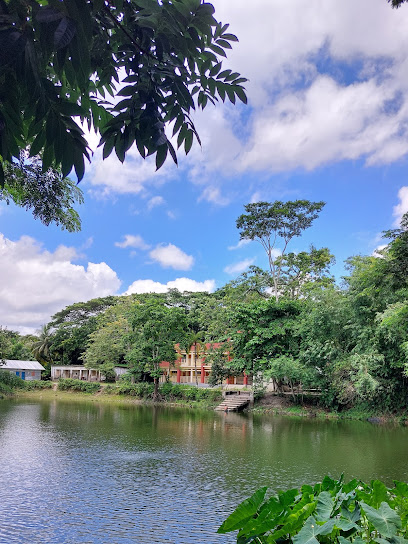
Baitul Aman Jame Masjid and Eidgah Complex
5.3 km
Discover the architectural brilliance & serene spirituality of Baitul Aman Jame Masjid, a must-visit destination in Barisal, Bangladesh.
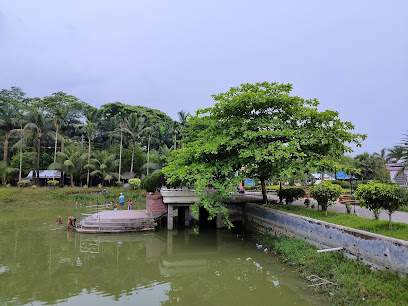
Floating Guava Market
8.2 km
Experience the vibrant floating markets of Bangladesh: a unique cultural journey through the heart of Atghar Kuriana's river commerce.
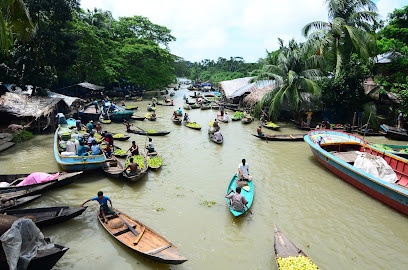
Durga Sagar
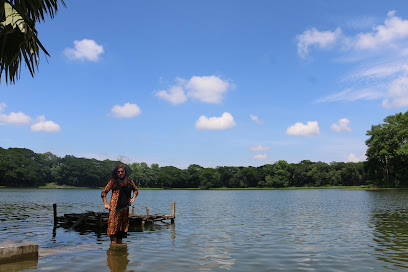
11.0 km
Escape to Durga Sagar: A historic lake offering serene beauty, diverse birdlife, and tranquil picnic spots near Barisal, Bangladesh.
Kirtipasha Jamindar Bari
14.2 km
Explore the historical Kirtipasha Jamindar Bari in Bangladesh, a majestic palace showcasing the grandeur and heritage of the Zamindar era.
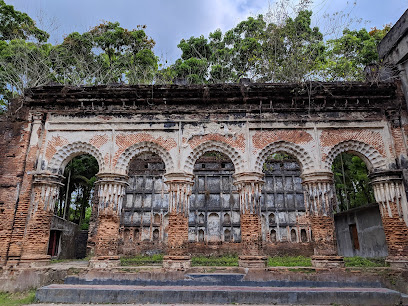
Lakutia Zamindar Bari
14.8 km
Explore Lakutia Zamindar Bari: Step back in time and discover the opulent legacy of Bengal's zamindars amidst serene ruins and lush landscapes.
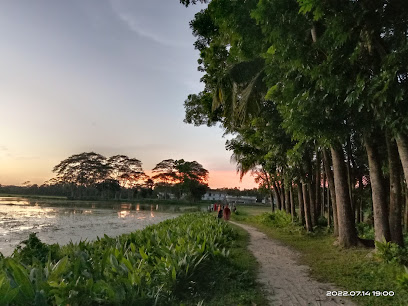
নারায়ণকাঠি ঝিল
16.6 km
Escape to the tranquility of Narayankaঠি ঝিল in Barisal, a serene lakeside retreat offering natural beauty and a peaceful atmosphere for all visitors.
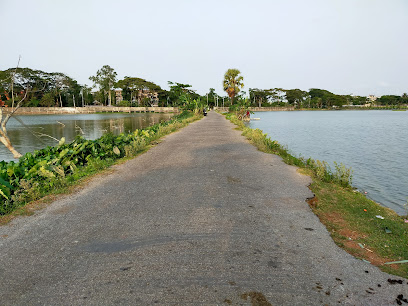
Howlader bari
17.6 km
Discover the serene beauty and cultural heritage of Howlader Bari, Barishal, offering a glimpse into Bangladesh's rich past and traditional life.
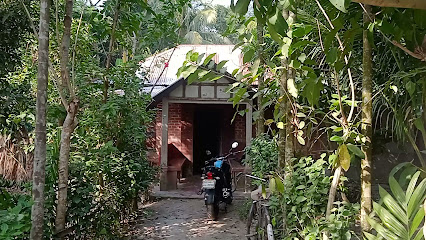
ডিগ্রি হোস্টেল পুকুর
19.6 km
Barishal-এর BM কলেজ রোডে অবস্থিত একটি শান্ত পুকুর, যা শহরের কোলাহল থেকে দূরে প্রকৃতির সান্নিধ্যে বিশ্রাম নেওয়ার এক আদর্শ স্থান।
Shahan Ara Begom Park
20.0 km
A peaceful retreat in Barishal dedicated to freedom fighter Shahan Ara Begom, offering green spaces and a glimpse into local culture.
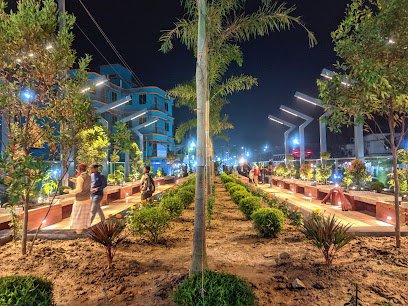
Choumatha Lake
20.1 km
Escape to the serene beauty of Choumatha Lake in Barishal, a tranquil oasis offering relaxation and recreation amidst lush greenery.
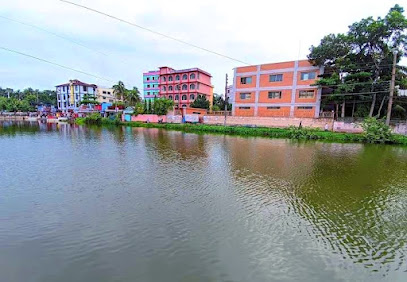
Taltoli Bridge
20.3 km
Discover the beauty of Taltoli Bridge in Barishal: stunning landscapes, serene waters, and a tranquil escape await. A must-visit scenic gateway!
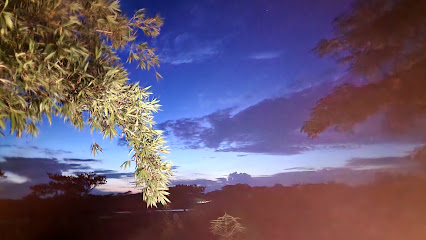
Oxford Mission Epiphany Cathedral Church
20.7 km
Discover the serene beauty and historical significance of Barisal's Oxford Mission Epiphany Cathedral Church, an architectural marvel and beacon of faith.
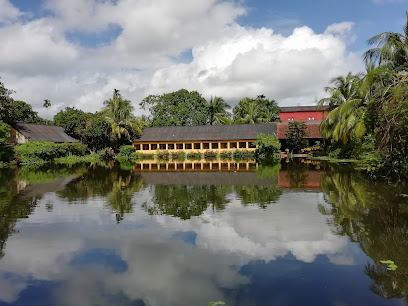
Shadhinota Park
21.2 km
Escape to Shadhinota Park in Barishal: a serene oasis of lush greenery, tranquil trails, and historical significance, perfect for nature lovers and families.
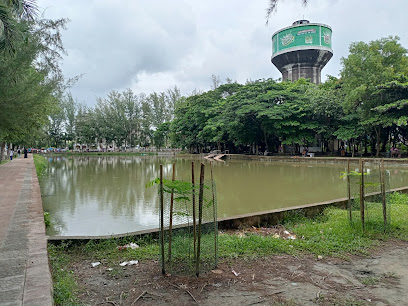
লামছড়ি- Laamchori
21.2 km
Discover Laamchori in Barishal: A tranquil escape filled with lush landscapes, rich culture, and authentic Bangladeshi experiences.
Essential places to dine

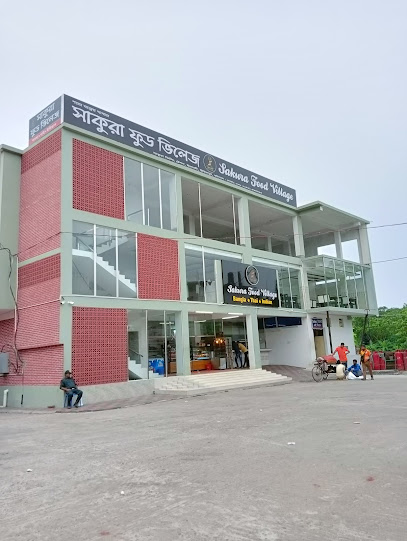
Sakura Food Village
7.0 km
Experience authentic flavors at Sakura Food Village - where tradition meets taste in every dish.
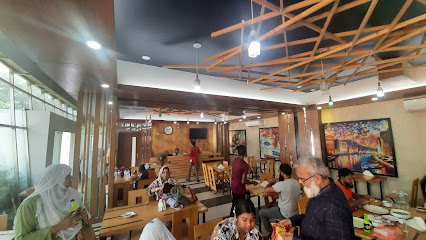
Kamini Refresh Zone
10.2 km
Experience the vibrant flavors of Bangladesh at Kamini Refresh Zone – where every meal tells a story.
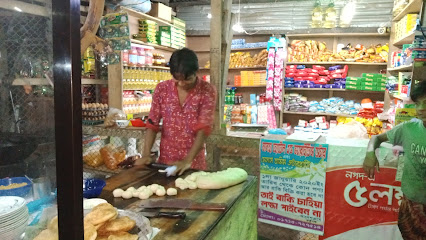
Tanha hotel and restaurant
14.2 km
Experience authentic Bangladeshi cuisine at Tanha Hotel and Restaurant, where every dish tells a story.
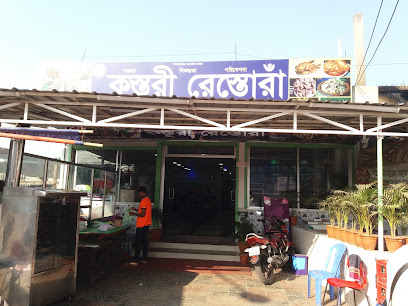
Kosturi Restora
19.0 km
Explore authentic Bangladeshi flavors at Kosturi Restora in Barishal - where tradition meets taste in every dish.
DUBAI RESTORA
19.0 km
Discover the vibrant culinary scene at Dubai Restora in Barishal, where local flavors meet global cuisine in an inviting atmosphere.
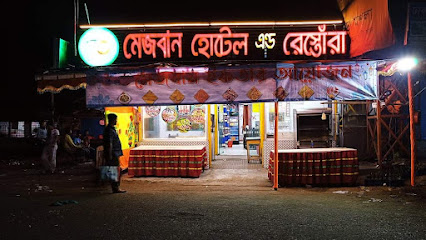
Dream kitchen Barisal
19.1 km
Discover the ultimate chicken dining experience at Dream Kitchen in Barisal – where flavor meets hospitality!
খাবার ঘর হোটেল এন্ড রেস্তরা
19.6 km
Discover authentic Bangladeshi cuisine at খাবার ঘর হোটেল এন্ড রেস্তরা in Barishal – perfect for family gatherings and culinary adventures.
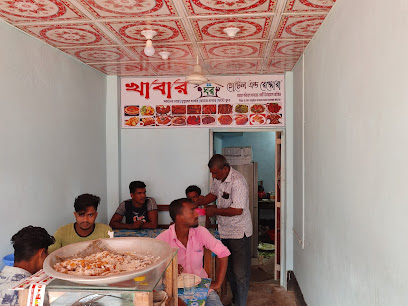
Govinda's Restaurant
20.0 km
Experience exquisite vegetarian cuisine at Govinda's Restaurant in Barishal - where flavor meets health in every dish.
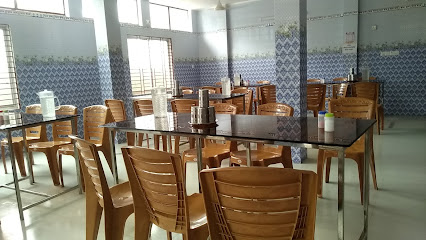
Lake View Restaurant
20.1 km
Experience delightful dining with breathtaking views at Lake View Restaurant near Choumatha Lake in Barishal.
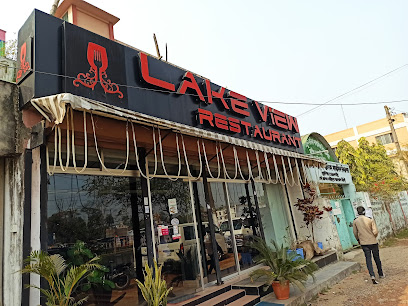
Sultani Dine
20.1 km
Discover the flavors of Bangladesh at Sultani Dine in Barishal - where tradition meets taste in every dish.
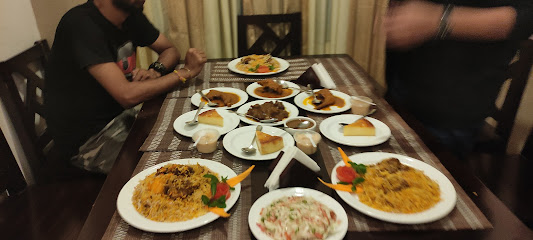
Arabella Barishal
20.1 km
Discover the best barbecue experience at Arabella Barishal - where tradition meets taste in every bite.
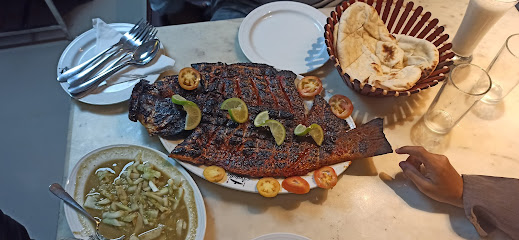
Gharoa Restaurant & Sweets
20.1 km
Experience the authentic taste of Bangladeshi cuisine at Gharoa Restaurant & Sweets in Barishal, where delightful dishes and exquisite sweets await.
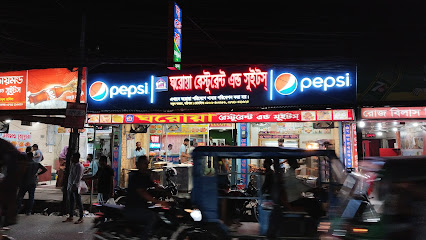
মাটির সাঁজ
20.1 km
Discover authentic Bangladeshi cuisine at মাটির সাঁজ near Taltoli Bridge – where tradition meets taste.
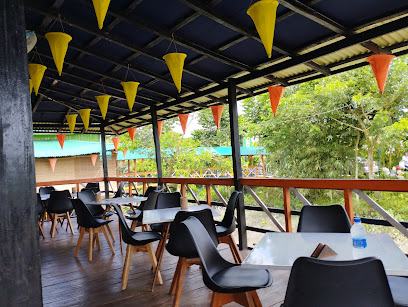
Muslim Sweet and Restaurant
20.1 km
Experience the rich flavors of Bangladeshi cuisine at Muslim Sweet and Restaurant in Barishal—perfect for families and food lovers alike.
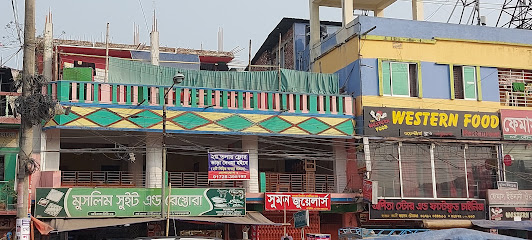
BANGLA BAZAAR
20.2 km
Experience authentic Bangladeshi cuisine at Bangla Bazaar in Barishal – where tradition meets flavor in every dish.
Markets, malls and hidden boutiques

The Unique E-commerce Shop
8.2 km
Explore modern shopping at The Unique E-commerce Shop in Dehergoti, where technology meets local craftsmanship for an unforgettable experience.
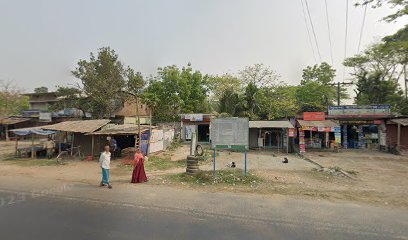
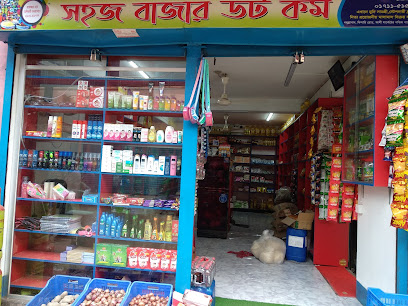
সহজ বাজার ডট কম
18.7 km
Discover the heart of Barishal at Sohaj Bazar Dot Com, a bustling general store offering local goods and a taste of vibrant culture.
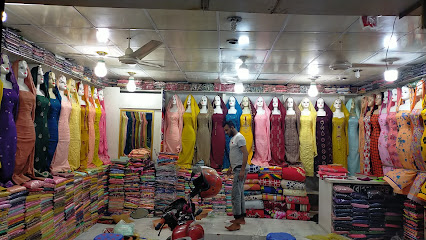
Bhai bhai Shopping Mall - ভাই ভাই শপিং মল
18.8 km
Experience the vibrant shopping scene at Bhai Bhai Shopping Mall in Gournadi, where culture meets commerce in a delightful blend.
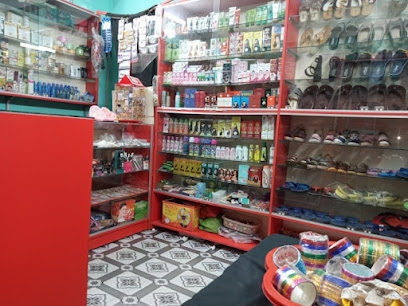
A to Z, best Fashion House in Barisal.
18.9 km
Explore Barisal's vibrant fashion scene at A to Z, where traditional meets modern in a unique clothing collection.
Hawker Mizan Bondhu At Barishal
18.9 km
Explore the vibrant culture of Barishal at Hawker Mizan Bondhu, a charming tobacco shop where local life flourishes.
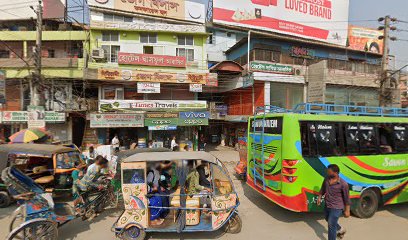
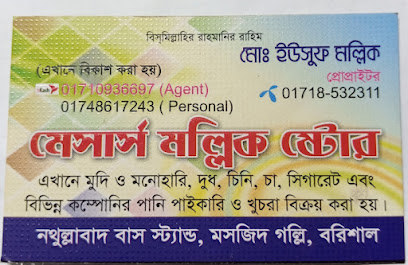
মেসার্স মল্লিক ষ্টোর
18.9 km
Discover the sweet essence of Barishal at Messrs Mallik Store, where delightful Bangladeshi treats await every visitor.
ফুলঝুড়ি কনফেক্শনারী এন্ড জেনারেল ষ্টোর
18.9 km
Explore the essence of Barishal at ফুলঝুড়ি কনফেক্শনারী এন্ড জেনারেল ষ্টোর, your go-to spot for local treats and everyday essentials.
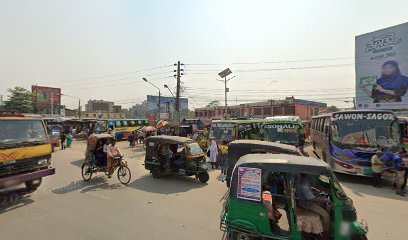
ফেয়ার বিজনেস
18.9 km
Discover the essence of Barishal at Fair Business, where local culture meets unique shopping experiences in a vibrant store.
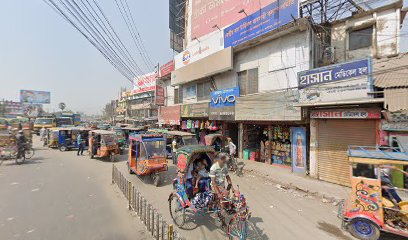
ST Collection
19.0 km
Explore the finest selection of women's clothing at ST Collection, where modern trends meet traditional charm in Barishal.

Juhod Shop - যুহদ শপ
19.0 km
Discover Juhod Shop in Barishal, your ultimate destination for organic goods, unique clothing, and inspiring books.
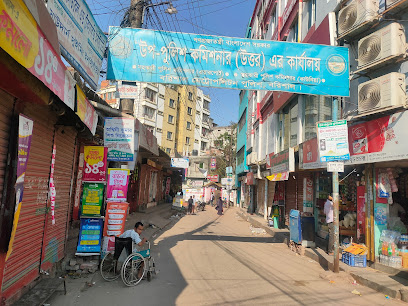
মেসার্স শাহীন ফার্মেসী
19.0 km
Explore the vibrant atmosphere of Barishal's Central Point Market at মেসার্স শাহীন ফার্মেসী, where local culture comes to life.
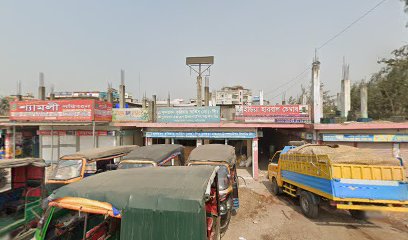
ওম্যান ফ্যাশন এন্ড গার্মেন্টস
19.1 km
Explore Barishal's premier women's clothing store, showcasing the latest trends and local craftsmanship in a welcoming atmosphere.
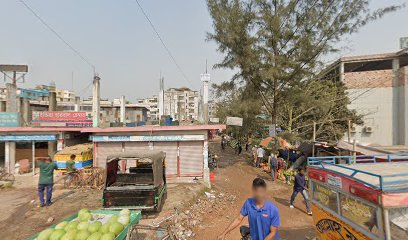
Shown
19.1 km
Explore Barishal's premier shopping mall, where local charm meets modern retail, offering a unique experience for every tourist.
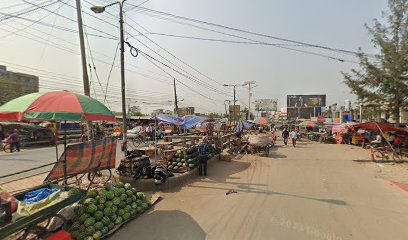
স্মৃতি ষ্টোর
19.1 km
Explore the local flavors and everyday essentials at স্মৃতি ষ্টোর, Barishal's charming grocery store reflecting the region's rich culture.
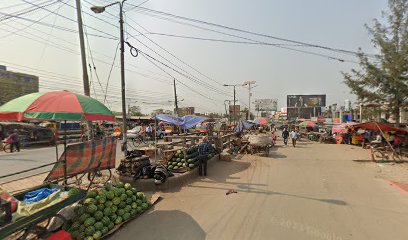
City multiple market, Barishal, Bangladesh
19.1 km
Explore the colorful clothing market in Barishal, Bangladesh, where vibrant fabrics and local craftsmanship meet a rich cultural heritage.
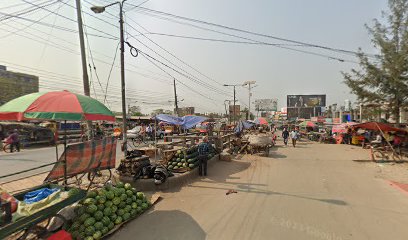
Essential bars & hidden hideouts

Babugang
13.4 km
Experience the vibrant nightlife and local culture at Babugang, Barishal's premier bar destination for tourists and locals alike.

উওর কাফিলা হাওলাদার বাড়ি SM Taijul rider
19.1 km
Discover the vibrant nightlife at উওর কাফিলা হাওলাদার বাড়ি SM Taijul Rider in Barishal, where local culture meets a lively atmosphere.
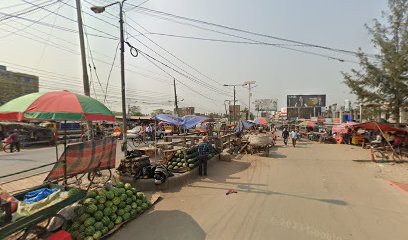
Kalo Megha lauge
19.2 km
Discover the tranquility of Kalo Megha Lounge in Barishal, a perfect blend of nature and modern culinary experiences.
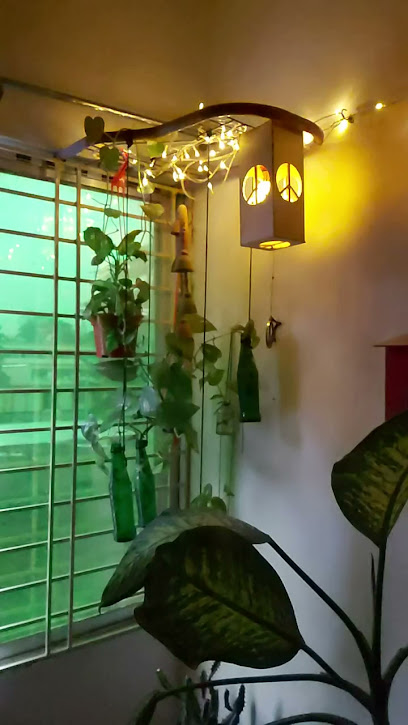
Principal's House
19.6 km
Discover the serene ambiance of the Principal's House in Barishal, where relaxation meets local culture in a cozy lounge setting.
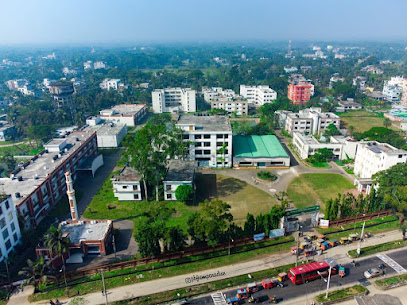
Arpita Gournodi Mishtanno Vandar
20.1 km
Indulge in the sweet flavors of Bangladesh at Arpita Gournodi Mishtanno Vandar, a must-visit dessert shop in Barishal.
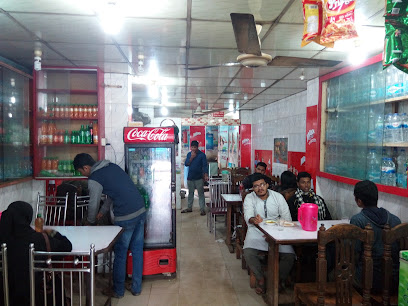
B.U. Caffe
20.2 km
Experience the authentic flavors of Barishal at B.U. Caffe, where local cuisine meets a vibrant atmosphere near the University.
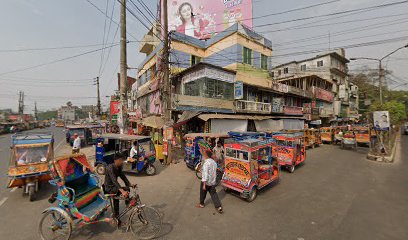
Golpata restaurent
20.3 km
Experience the authentic flavors of Bangladesh at Golpata Restaurant, a cozy café in Barishal that delights with local and international dishes.
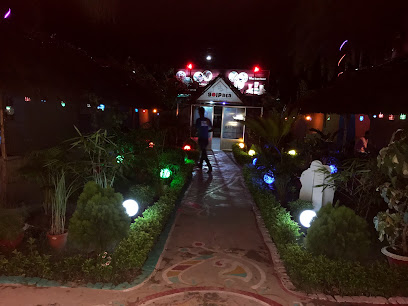
The Barishal Brand Bar-B-Q and Fish Fry Zone
20.7 km
Experience the essence of Barishal’s culinary traditions at The Barishal Brand Bar-B-Q and Fish Fry Zone, a must-visit for barbecue and seafood lovers.
23 Juice Bar & Coffee Station
21.4 km
Discover the vibrant flavors of Barishal at 23 Juice Bar & Coffee Station, where fresh juices and aromatic coffee await you in a cozy setting.
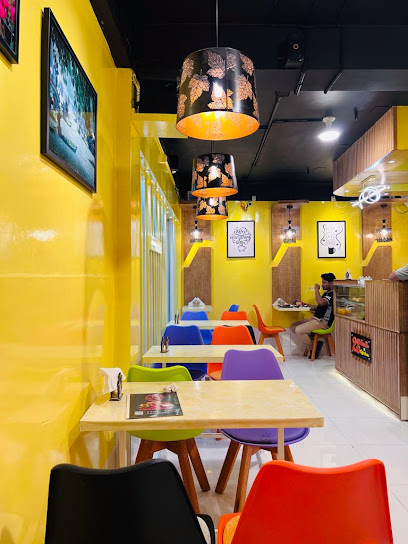
Zone
21.5 km
Experience the vibrant nightlife of Barishal at this charming bar, where local flavors meet a lively atmosphere.
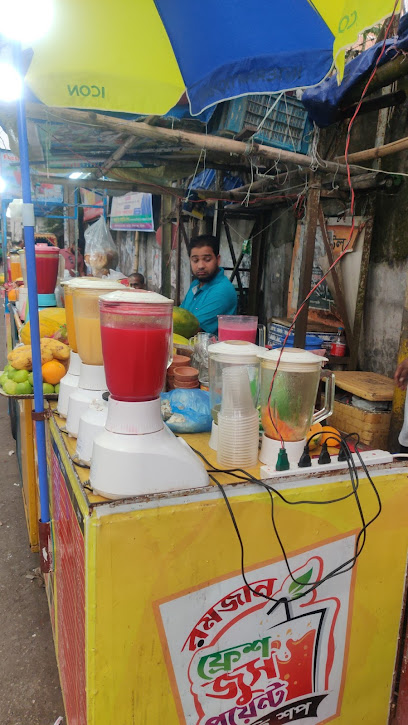
Ramzan Fresh juice point
21.5 km
Discover the vibrant flavors of Barishal at Ramzan Fresh Juice Point, a hidden gem for refreshing juices and local culture.
Arena Bar
21.6 km
Experience Barishal's nightlife at Arena Bar, where great drinks and a vibrant atmosphere await every night of the week.
Barishal Bar Association Judge Court
21.6 km
Explore the Barishal Bar Association Judge Court, a key institution of justice and community engagement in the vibrant city of Barishal, Bangladesh.
Hotel Ghorowa & Restaurant
21.7 km
Discover authentic Bangladeshi cuisine in a cozy setting at Hotel Ghorowa & Restaurant, Barishal's culinary gem.
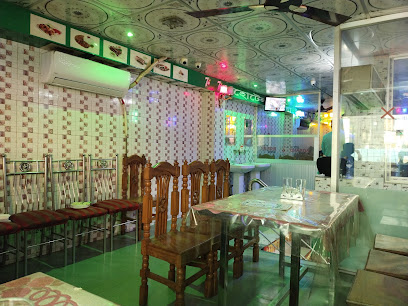
Barishal Club Ltd.
21.8 km
Discover leisure and entertainment at Barishal Club Ltd., featuring dining, games, and sports in a vibrant social atmosphere.
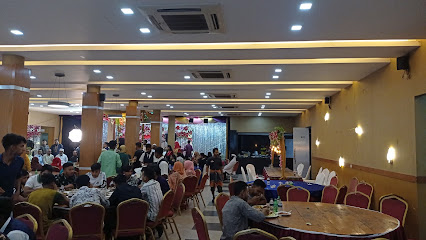
Nightclubs & after hour spots

Karpara New Star Club
5.1 km
Dive into the heartbeat of Banaripara's nightlife at Karpara New Star Club, where entertainment meets vibrant culture in an unforgettable experience.
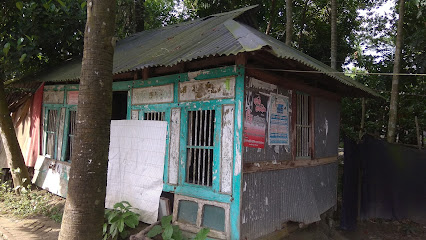
জঙ্গল স্টোর
11.1 km
Discover the vibrant nightlife of Bangladesh at Jungle Store, a premier night club offering music, dance, and an electrifying atmosphere.
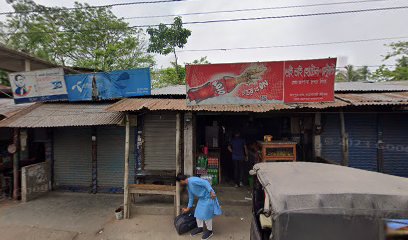
Birshrestha Captain Mohiuddin Jahangir Hall, PSTU
11.8 km
Discover the energetic vibe of Birshrestha Captain Mohiuddin Jahangir Hall, the ultimate nightlife destination in Bangladesh for tourists seeking fun and local culture.
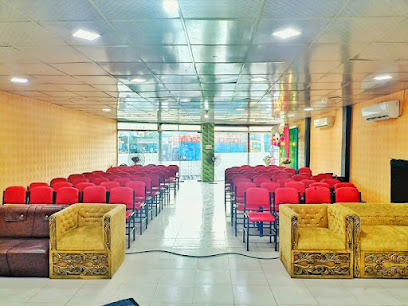
Pavilion Convention Hall
19.6 km
Explore the Pavilion Convention Hall in Barishal for an unforgettable cultural experience filled with music, entertainment, and local charm.
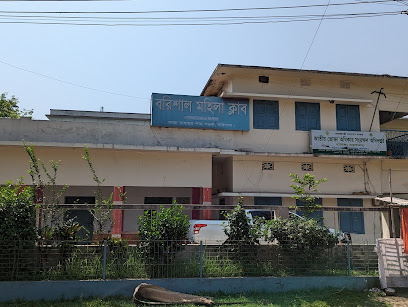
BARISHAL Women's Clubs
21.9 km
Discover the vibrant nightlife at BARISHAL Women's Clubs, where local music and culture come alive in an energetic atmosphere.
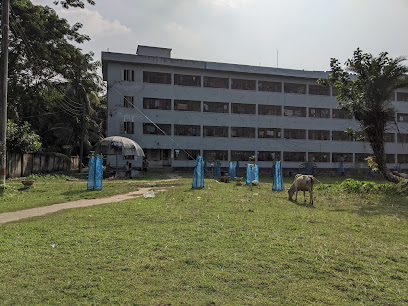
Barisal Officers Club
22.0 km
Experience the essence of Barisal at the Officers Club, a unique venue blending history, culture, and community spirit.
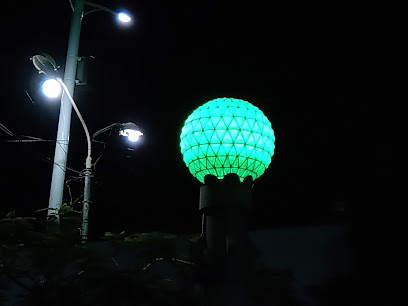
ORION
37.1 km
Discover the electrifying nightlife of Bishnapur at ORION, a premier night club offering vibrant music and a lively dance atmosphere.
Officers Club
46.7 km
Discover the lively atmosphere and diverse events at Officers Club, the ultimate destination for nightlife enthusiasts in the city.
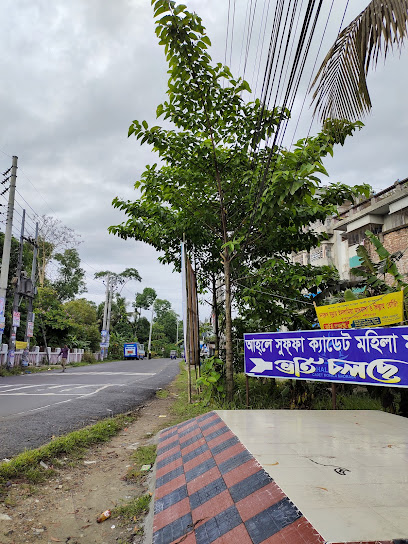
Gazi Kandi Tekpar
47.9 km
Experience the vibrant nightlife at Gazi Kandi Tekpar, Bangladesh's top disco club, where music and dance unite for unforgettable nights.
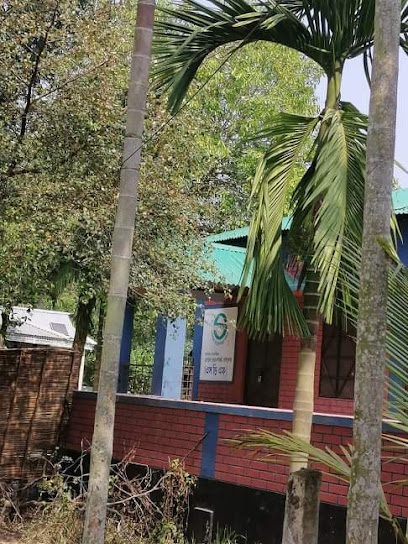
পিনিকের দ্বীপে
48.9 km
Explore the pulsating nightlife of Bhedarganj at পিনিকের দ্বীপে, where music, dance, and culture collide in an unforgettable party experience.
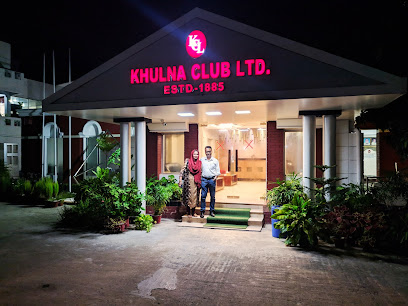
Khulna Club Ltd
63.8 km
Discover the charm of Khulna Club Ltd, a social club offering delicious cuisine and a vibrant atmosphere in the heart of Khulna.
Mostak store
64.2 km
Experience the electrifying nightlife at Mostak Store in Rajapur, where music, dance, and vibrant energy create unforgettable moments.
হিমেলের চিপা
64.4 km
Dive into Khulna's nightlife at হিমেলের চিপা, a vibrant night club offering exquisite drinks, lively music, and an unforgettable party atmosphere.
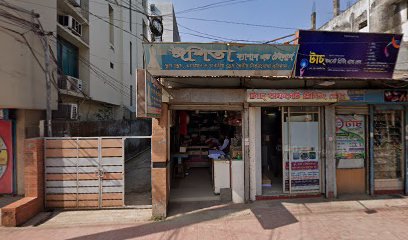
Bachelor Center
64.9 km
Discover Khulna's nightlife at Bachelor Center, where rhythm meets revelry in a vibrant atmosphere that promises unforgettable experiences.
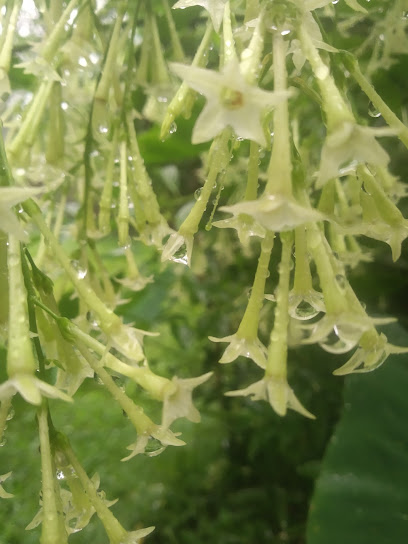
Sports 24 BD
66.3 km
Immerse yourself in a lively sports atmosphere at Sports 24 BD, Khulna's premier sports bar, where every match is an unforgettable experience.