Background

Bharat Rajar Deul, Eastern Bengal Travel Guide

4.3 (123)

Unearth the mysteries of ancient Bengal at Bharat Rajar Deul, a Gupta-era Buddhist temple whispering tales of kings, monks, and a rich cultural heritage amidst serene landscapes.

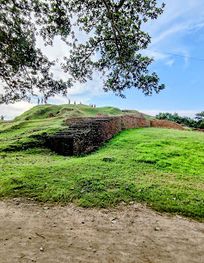
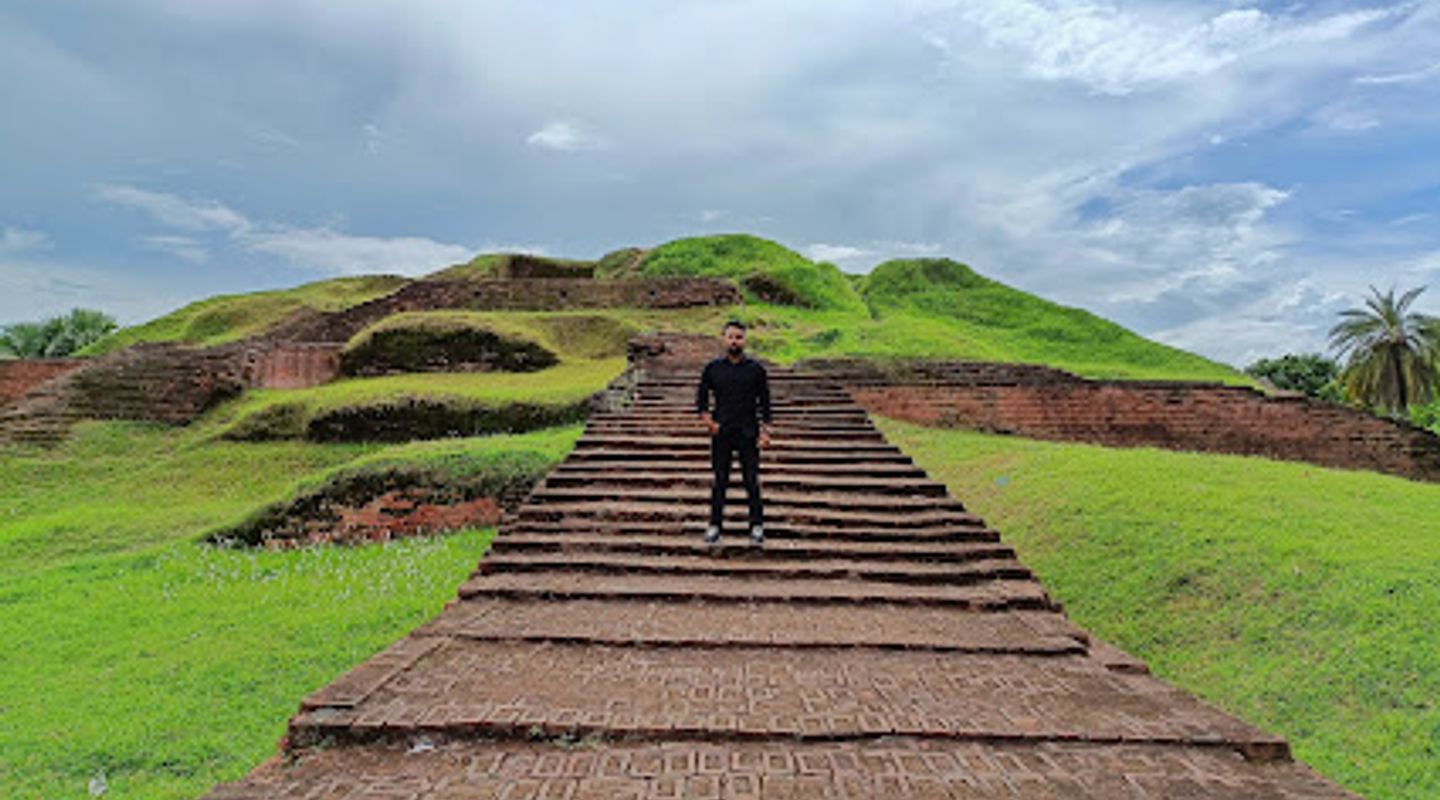
Bharat Rajar Deul, an ancient Buddhist temple in Jessore, Bangladesh, whispers tales of a bygone era. Believed to have been constructed during the Gupta period, roughly between the 3rd and 6th centuries AD, this archaeological site offers a glimpse into the region's rich history. Once a towering structure, the temple suffered damage from an earthquake in 1897, yet its remnants continue to captivate visitors. Excavations have revealed a complex of 94 rooms, intricate terracotta work, and the foundations of what was once a magnificent shrine. Exploring Bharat Rajar Deul provides a unique opportunity to connect with the past and imagine the lives of those who once walked these grounds. The surrounding rural landscape adds to the sense of stepping back in time, making it a worthwhile destination for history enthusiasts and those seeking a tranquil escape.

A brief summary to Bharat Rajar Deul

  • Monday 10:01 am-5 pm
  • Tuesday 10 am-5 pm
  • Wednesday 10 am-5 pm
  • Thursday 10 am-5 pm
  • Friday 10 am-5 pm
  • Saturday 10 am-5 pm
Eve
From Eve

Know before you go

Hi, I'm Eve. Here are a few practical things to know before exploring Bharat Rajar Deul.

  • Visit during the cooler months (November to February) for a more comfortable experience, as the weather can be hot and humid during other times of the year.
  • Hire a local guide at the entrance for a more in-depth understanding of the temple's history and significance. Bargain for a fair price before starting the tour.
  • Combine your visit with a trip to the nearby Sixty Dome Mosque in Bagerhat, a UNESCO World Heritage Site, to explore more of the region's historical treasures.
  • Dress modestly out of respect for the site's religious significance. Comfortable shoes are recommended for walking around the ruins.
  • Carry water and snacks, as there are limited options available near the temple. Be mindful of littering and help preserve the site's natural beauty.

Do you manage this location?

Take control to get all the benefits, like improved information, better appearance, and stronger visibility across AI-powered discovery. Learn more about listing your business on Evendo

Activate your presence

Other nearby places you may find interesting

The closest places of the same kind, if this one is not quite what you had in mind.
Explore Bharat Rajar Deul on the Map

A handpicked selection of must-see spots near Bharat Rajar Deul, mapped for you.

Unlock the Best of Bharat Rajar Deul

Buy tickets

  • No tickets available

Book tours with entry

  • No tours available

Book tours without entry

  • No tours available

Getting There

  • Public Transport

    From Khulna or Jessore, take a bus to Chuknagar Bazar. From Chuknagar, hire an easybike (CNG) or a van to Bharat Rajar Deul, approximately 5 km away. Bus fares from Khulna or Jessore to Chuknagar range from 50-80 BDT. The easybike/van fare from Chuknagar to the temple is around 80-120 BDT, depending on your negotiation skills.

  • Taxi/Ride-Share

    Alternatively, hire a taxi or ride-sharing service from Khulna directly to Bharat Rajar Deul. This is the most convenient option but also the most expensive. A taxi ride from Khulna will cost approximately 800-1200 BDT, depending on the distance and negotiation. Ensure the driver knows the location as 'Bharat Deul' to avoid confusion.

Discover more about Bharat Rajar Deul

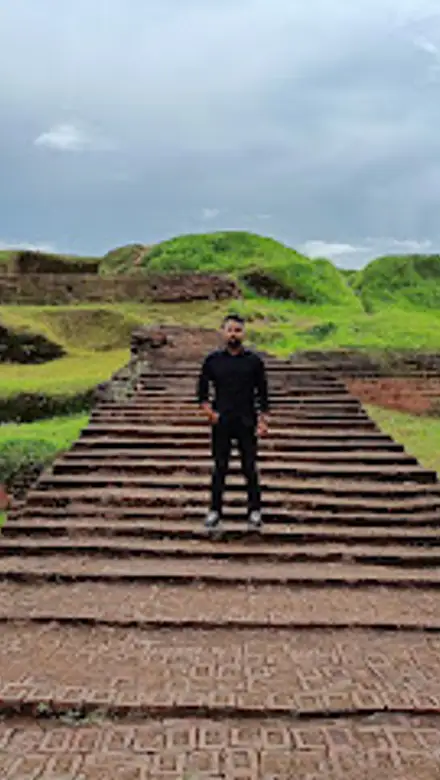
Bharat Rajar Deul, also known as Bharater Deul, stands as a compelling testament to the ancient history of Bangladesh. Located near the Bhadra River in the Jessore district, this archaeological site is believed to have been built during the Gupta period, between the 3rd and 6th centuries AD. The temple is attributed to a local ruler named Bharat, though historical details about him remain scarce, adding an air of mystery to the site. Originally, Bharat Rajar Deul was a substantial structure, likely a Buddhist temple complex. Historical accounts from the early 20th century describe a mound rising over 12 meters high with a circumference of over 250 meters. The temple's strategic location on the banks of the Bhadra River suggests its importance as a religious and possibly administrative center. The river would have facilitated transportation and communication, connecting the temple to other settlements in the region. Over the centuries, the temple fell into disrepair, with much of its structure buried beneath layers of soil and vegetation. An earthquake in 1897 caused significant damage, further obscuring the site. It wasn't until the late 20th century that systematic archaeological excavations began to reveal the temple's secrets. Excavations conducted by the Department of Archaeology of Bangladesh between 1984 and 2001 uncovered a wealth of information about the temple's layout and construction. The excavations revealed a total of 94 rooms, arranged around a central stupa. The presence of four wing walls suggests a cruciform structure, a common design for Buddhist temples of the period. The rooms likely served various purposes, including living quarters for monks, storage spaces, and meditation chambers. One of the most significant finds at Bharat Rajar Deul is the collection of terracotta artifacts. These include intricately carved bricks, terracotta plaques depicting human and animal figures, and fragments of religious iconography. The size and quality of the terracotta work suggest a high level of craftsmanship and artistic skill. The motifs and designs on the terracotta provide valuable insights into the religious beliefs and cultural practices of the people who inhabited the region during the Gupta period. The layout of Bharat Rajar Deul reflects the principles of Buddhist architecture. The central stupa would have served as the focal point of the temple, housing sacred relics or images of the Buddha. The surrounding rooms and corridors would have provided space for religious rituals, meditation, and communal activities. The presence of a three-meter-wide path around the palace suggests that Buddhist monks used to circumambulate around the shrine to attain merit. Today, Bharat Rajar Deul stands as a protected archaeological site, attracting visitors from near and far. While much of the temple remains unexcavated, the exposed ruins offer a glimpse into its former grandeur. The site is surrounded by a fence to protect it from further damage, and visitors can explore the excavated areas and admire the intricate terracotta work. The surrounding landscape, with its lush greenery and tranquil atmosphere, adds to the site's allure. Visiting Bharat Rajar Deul is an opportunity to connect with the past and imagine the lives of those who once lived and worshipped here. The site's remote location and serene setting make it a perfect destination for those seeking a peaceful escape from the hustle and bustle of modern life. As you wander through the ruins, you can almost hear the echoes of ancient chants and the footsteps of monks who once walked these grounds. While there are no hotels in the immediate vicinity of Bharat Rajar Deul, Khulna offers a range of accommodation options. Visitors can stay in Khulna and make a day trip to the temple, returning to the city in the evening. This allows you to explore other attractions in Khulna, such as the Khan Jahan Ali Bridge and the Sundarbans mangrove forest. Bharat Rajar Deul is more than just an archaeological site; it is a living testament to the rich cultural heritage of Bangladesh. It is a place where history comes alive, where you can connect with the past and gain a deeper understanding of the region's unique identity. Whether you are a history enthusiast, a spiritual seeker, or simply someone looking for a peaceful escape, Bharat Rajar Deul is sure to leave a lasting impression. The local community surrounding Bharat Rajar Deul is also an integral part of the site's charm. The villagers are friendly and welcoming, and they are proud of their heritage. Engaging with the local community can provide valuable insights into the history and culture of the region. You can learn about traditional crafts, local cuisine, and the stories that have been passed down through generations. In conclusion, Bharat Rajar Deul is a hidden gem in the heart of Bangladesh, offering a unique and enriching experience for those who venture off the beaten path. Its historical significance, architectural beauty, and serene setting make it a must-see destination for anyone interested in exploring the cultural heritage of this fascinating country.
Mobile App

Your all‑in‑one travel companion app

Explore expert travel guides, compare and book tours, experiences, hotels, and more—all from the palm of your hand. Download now for seamless trip planning wherever your wanderlust takes you.


Explore More of Eastern Bengal
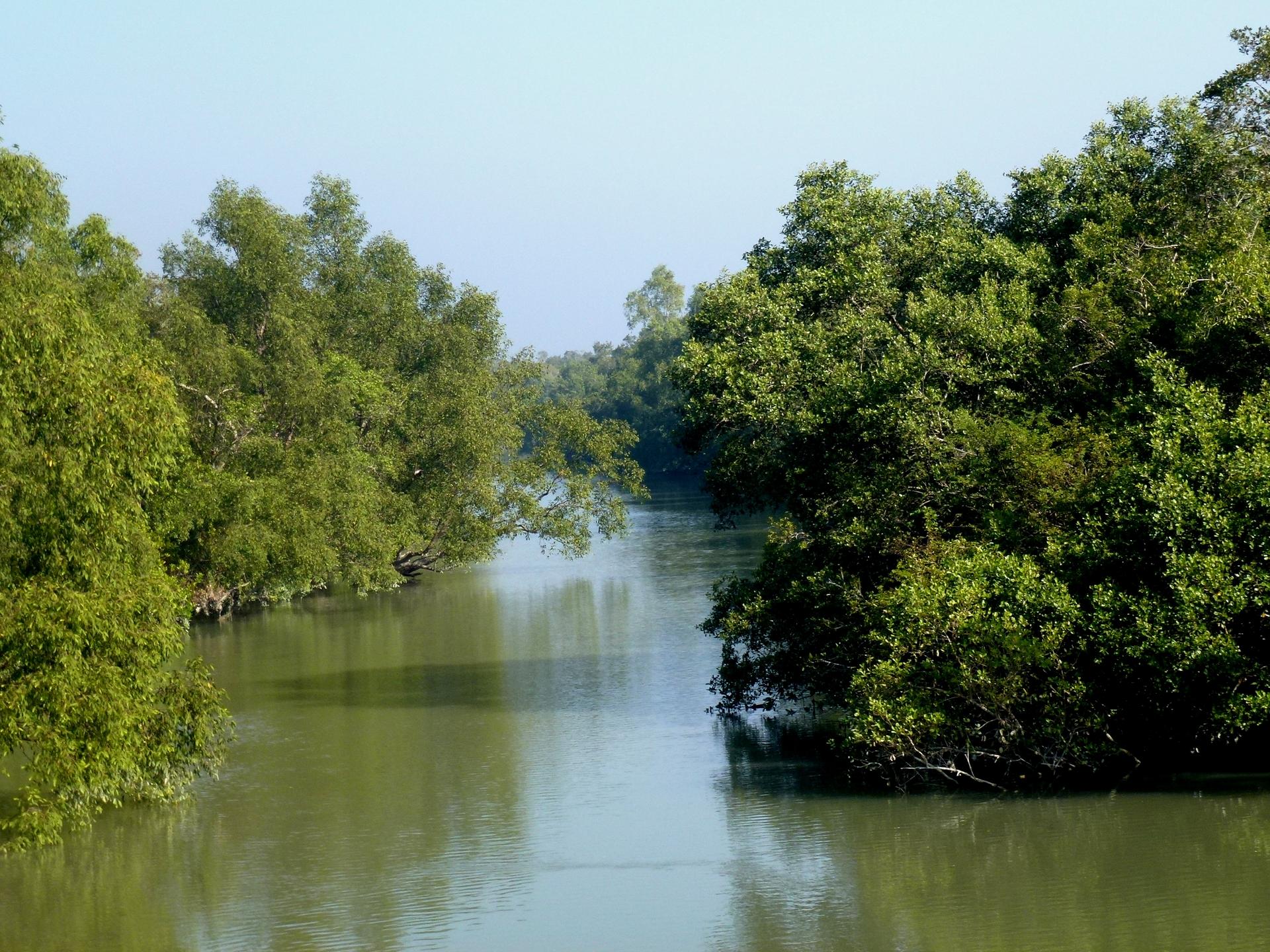
Looking beyond Bharat Rajar Deul? Discover Eastern Bengal for broader travel guides, local hot-spots, and regional highlights.

Explore Eastern Bengal
Select Currency