
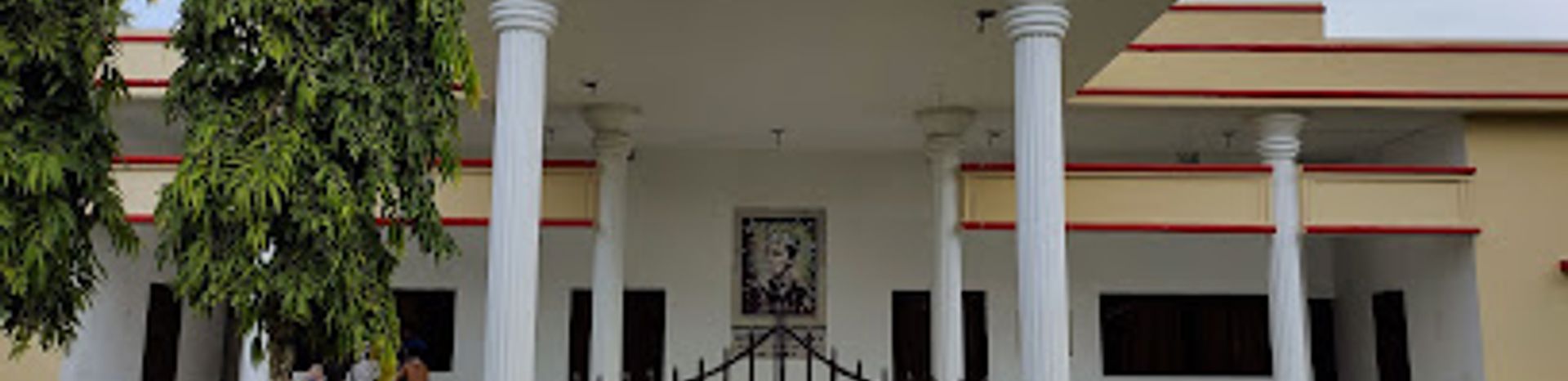
Shaheed Jabbar Memorial Library and Museum: A Tribute to a Language Martyr
Discover the legacy of language martyr Abdul Jabbar at this poignant memorial and library in Gafargaon, a tribute to the spirit of the 1952 Language Movement and Bengali identity.
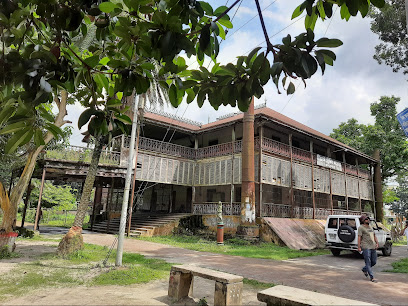
The Shaheed Jabbar Memorial Library and Museum in Gafargaon stands as a poignant tribute to Abdul Jabbar, a martyr of the 1952 Language Movement, and the broader struggle for Bengali linguistic rights. More than just a repository of books, it's a place of remembrance, education, and inspiration. The museum showcases artifacts and photographs related to Jabbar's life and the Language Movement, offering visitors a glimpse into a pivotal moment in Bangladesh's history. The library houses a collection of books on history, literature, and the liberation war, providing resources for researchers and anyone interested in learning more about the nation's heritage. Visiting this memorial offers a chance to pay respects to a national hero and gain a deeper understanding of the sacrifices made for the preservation of Bengali identity. The serene atmosphere and the surrounding natural beauty of Jabbar Nagar make it a worthwhile destination for those seeking cultural enrichment and historical insight.
A brief summary to Shaheed Jabbar Memorial Library and Museum
- CGR5+4GH, BD
Local tips
- Visit during the week for a quieter, more reflective experience.
- Combine your visit with a walk through Jabbar Nagar to experience rural Bangladeshi life.
- February 21st (International Mother Language Day) is a significant day to visit, but expect large crowds.

Getting There
-
Public Transport
From Gafargaon town, the most convenient way to reach the Shaheed Jabbar Memorial Library and Museum is by CNG (auto-rickshaw) or rickshaw. CNGs are readily available in Gafargaon and cost approximately 50-80 BDT for the ride to Jabbar Nagar, which is about 5-6 km away. Alternatively, a rickshaw ride will cost around 30-50 BDT, but the journey will be slower. From Panchua Bazar, you can see the main gate of Jabbar Nagar, from where the Bahasa Shaheed Abdul Jabbar Road begins. You need to go 3km further along this road if you want to visit the 'Language Martyr Abdul Jabbar Library and Memorial Museum' established in the courtyard of Shaheed Jabbar's house.
Discover more about Shaheed Jabbar Memorial Library and Museum
Iconic landmarks you can’t miss

Shaheed Jabbar Memorial Library and Museum
0.0 km
Discover the legacy of language martyr Abdul Jabbar at this poignant memorial and library in Gafargaon, a tribute to the spirit of the 1952 Language Movement and Bengali identity.
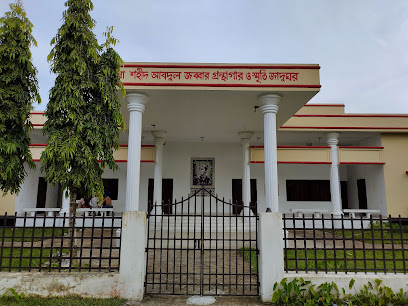
Bhawal Kachari
4.3 km
Explore Bhawal Kachari in Shilar Bazar: A window into Bangladesh's history and the architectural legacy of the Bhawal Estate.
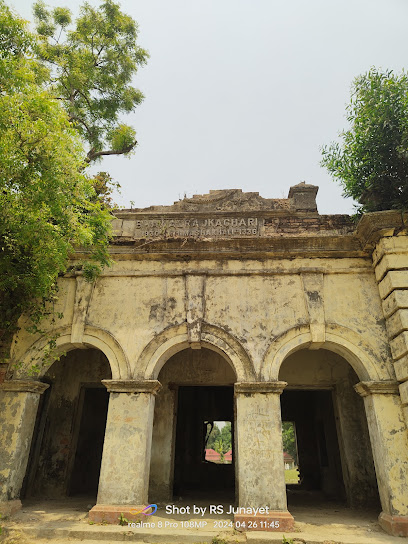
Bhramman kandi mor (ভ্রাম্যনকান্দি মোড়)
27.3 km
Discover the rich cultural heritage and architectural beauty of Bhramman Kandi Mor, a must-visit historical landmark in Bangladesh.
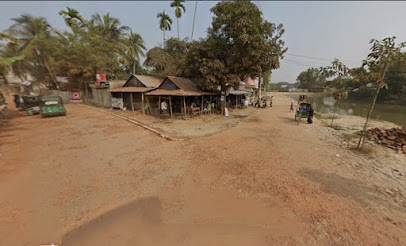
Bhawal Resort & Spa
32.2 km
Escape to tranquility at Bhawal Resort & Spa, a serene getaway nestled in the lush Bhawal forest near Dhaka.

Hasan Monjil
37.1 km
Discover Hasan Monjil in Mymensingh: A historical landmark showcasing Mughal-Colonial architecture, lush gardens, and the rich cultural heritage of Bangladesh, offering a serene escape.
Raja View Tower
38.1 km
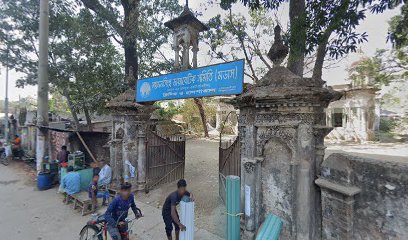
Discover panoramic views and serene luxury at Raja View Tower, Gazipur, a perfect escape blending heritage with modern comfort, offering a unique retreat near Dhaka.
Madhupur tract
40.4 km
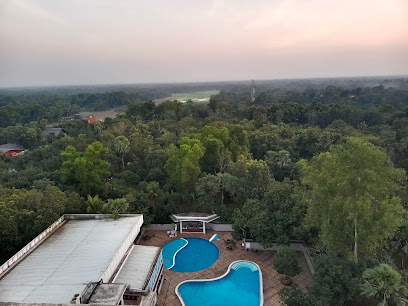
Explore the Madhupur Tract: Where natural beauty meets cultural heritage in the heart of Bangladesh. Discover forests, wildlife, and indigenous traditions.
Masterbari
43.9 km
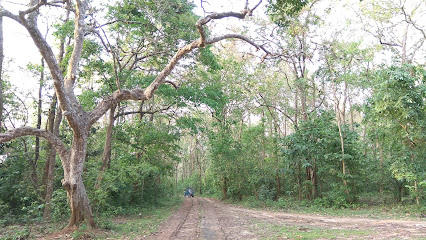
Experience the vibrant culture and commerce of Gazipur at Masterbari, a bustling marketplace offering local crafts, street food, and the famous special tea.
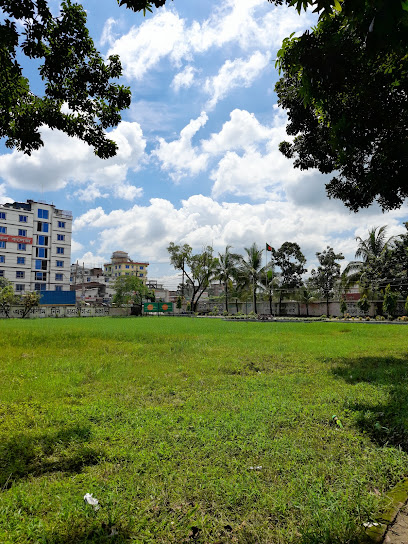
Bhawal College Playground
51.9 km
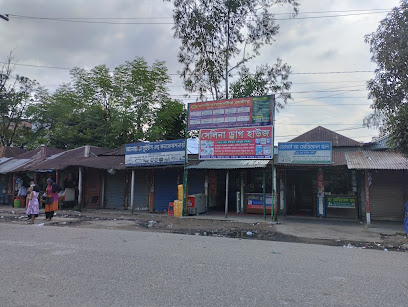
Escape to nature in the heart of Gazipur at Bhawal College Playground, a perfect spot for family fun and relaxation.
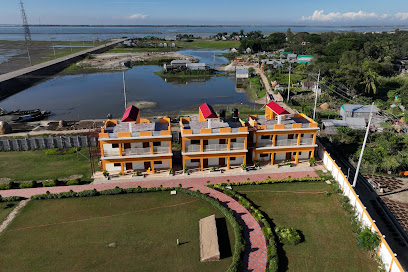
Haor Resort
54.5 km
Discover tranquility and natural beauty at Haor Resort, a perfect getaway in Mithamain for relaxation and adventure amidst stunning wetlands, offering a unique cultural and natural experience.
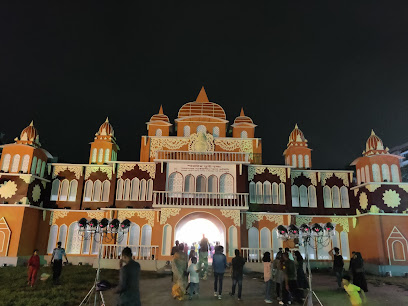
শহীদ মিনার
63.5 km
A poignant symbol of Bangladesh's Language Movement, the Shaheed Minar honors linguistic pride and cultural identity, drawing visitors to reflect on history and heritage.
Uttara Sector 11 No Park
63.8 km
Escape the city bustle at Uttara Sector 11 No Park: a green oasis for relaxation, recreation, and community connection in Dhaka.
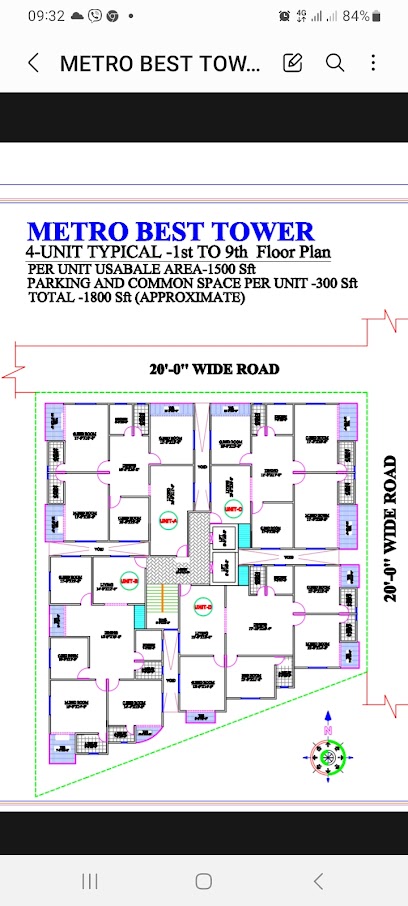
Metro Best Tower
64.2 km
Discover panoramic views and modern architecture at Metro Best Tower in Dhaka, a vibrant landmark offering a unique perspective on the city's dynamic blend of culture and progress.
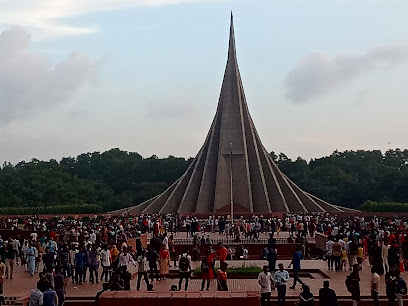
National Martyrs' Monument
64.2 km
Explore the National Martyrs' Monument in Savar, a powerful symbol of Bangladesh's resilience and a tribute to the heroes of the Liberation War.
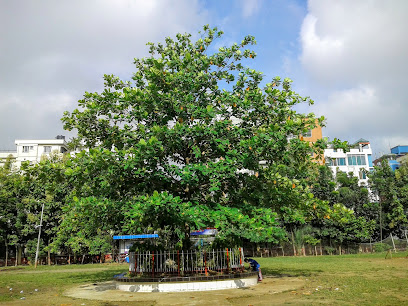
Uttara Sector 12 Park
64.5 km
Escape the city bustle at Uttara Sector 12 Park: a green haven for relaxation, recreation, and community in the heart of Dhaka.
Unmissable attractions to see

Priyokunjo Park - প্রিয়কুঞ্জ পার্ক, চুরখাই, ময়মনসিংহ
28.9 km
Escape to Priyokunjo Park in Mymensingh for a serene retreat amidst lush greenery and tranquil pathways, perfect for relaxation and nature connection.
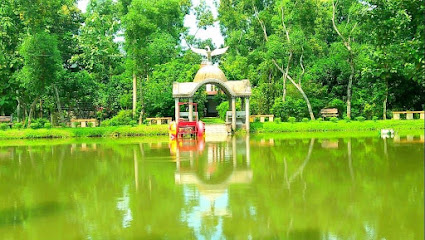
Moyna Deep
30.8 km
Discover Moyna Deep in Mymensingh: A serene island escape with lush greenery, clear waters, and a rich history waiting to be explored.
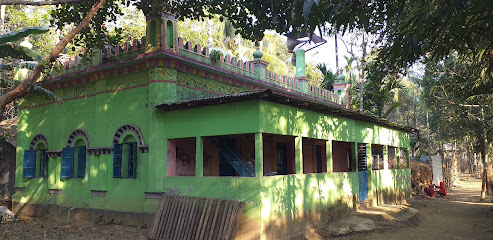
Bangabandhu Sheikh Mujib Safari Park, Gazipur
32.1 km
Discover diverse wildlife in a natural setting at Bangabandhu Sheikh Mujib Safari Park, Gazipur – a perfect day trip for nature lovers.
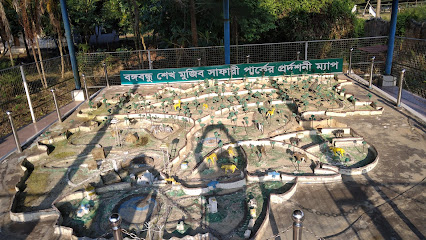
Botanical Garden, BAU
32.3 km
Discover a serene escape in Mymensingh at the Botanical Garden, BAU, home to diverse plant species and tranquil paths.
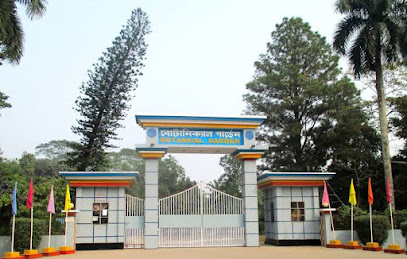
Fish Museum & Biodiversity Centre
32.7 km
Explore Bangladesh's aquatic life at Mymensingh's Fish Museum & Biodiversity Centre, promoting conservation and education.
Nodir par
33.2 km
Escape to Nodir Par in Mymensingh: A riverside haven of natural beauty, tranquility, and local connection for a rejuvenating experience.
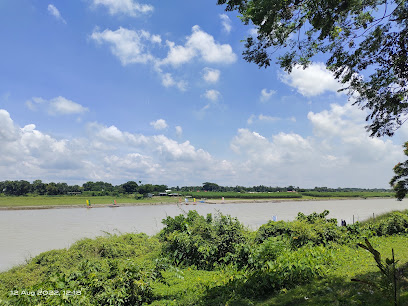
Nuhash Polli
34.4 km
Discover Nuhash Polli: A serene natural retreat and artistic haven created by the legendary Humayun Ahmed in the heart of Bangladesh.
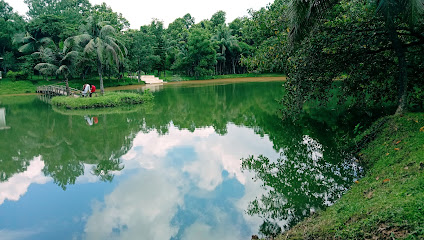
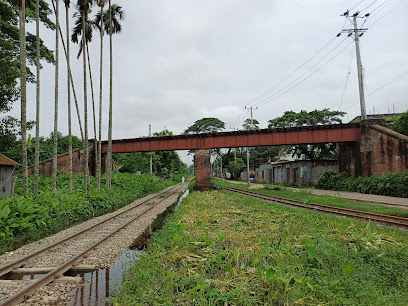
Bolashpur Railway Bridge
34.4 km
Discover the scenic Bolashpur Railway Bridge in Mymensingh, a vital connection offering picturesque views and a glimpse into local life.
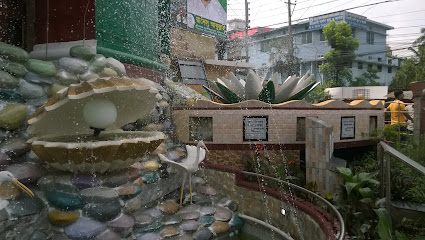
Shapla Square, Mymensingh
36.7 km
Experience the heart of Mymensingh at Shapla Square, a symbolic landmark and bustling hub reflecting the city's vibrant culture and spirit.
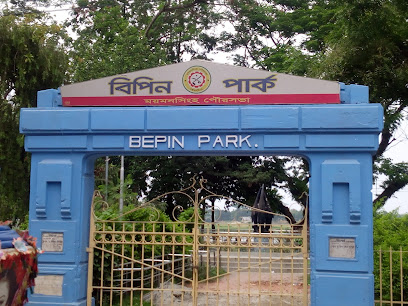
Bepin Park
37.0 km
A historic park on the Brahmaputra River, offering relaxation and recreation in the heart of Mymensingh.
Mymensingh Museum
37.1 km
Discover historical artifacts and cultural heritage at Mymensingh Museum, showcasing the rich past of the Mymensingh region in Bangladesh.
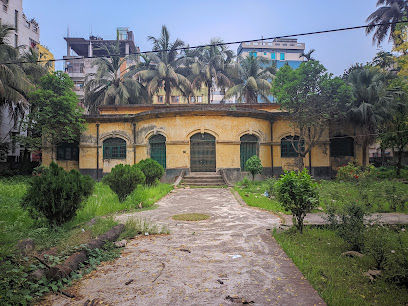
Shashi Lodge
37.3 km
Explore Shashi Lodge in Mymensingh: A majestic palace showcasing European architecture and zamindari history, now a captivating museum.
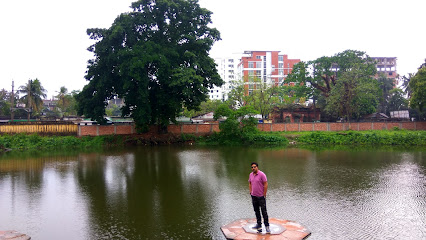
Shoshi Lodge Sculpture
37.4 km
Explore the remnants of a royal past at Shoshi Lodge Sculpture in Mymensingh, a historical palace with architectural beauty and cultural significance.
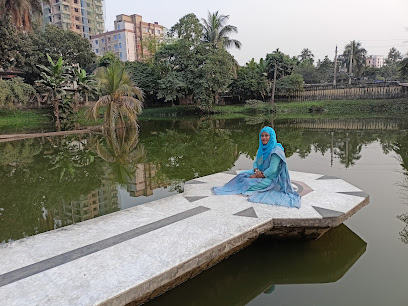
Zero Point, Mymensingh
37.4 km
Mymensingh's central landmark, a key reference point for navigating the city and exploring its historical surroundings.
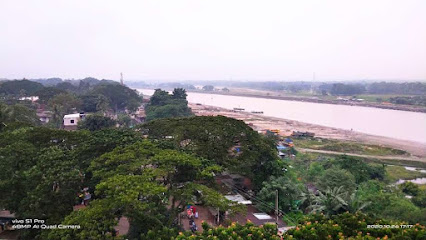
Alexander Castle
37.8 km
Explore Alexander Castle in Mymensingh, a historic landmark blending European architecture with Bangladeshi heritage, once visited by Tagore and Gandhi.
Essential places to dine

Daruchini Restaurant (দারুচিনি রেস্টুরেন্ট)
14.6 km
Discover authentic Bangladeshi flavors at Daruchini Restaurant in Madhupur – where every meal tells a story.
Ahar Restaurant
32.0 km
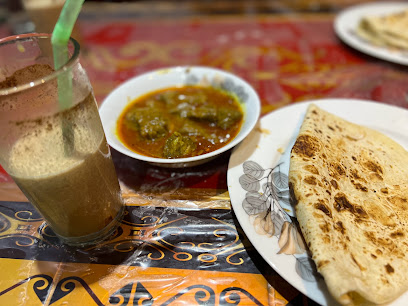
Experience authentic Bangladeshi cuisine at Ahar Restaurant in Mymensingh – a culinary delight that promises unforgettable flavors.
Bhawal Resort Resturant
32.2 km
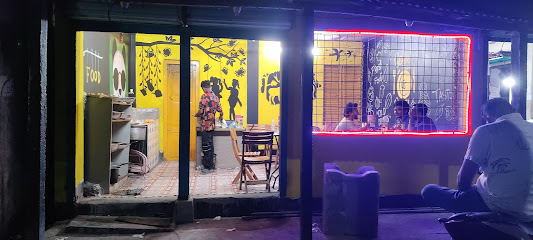
Discover exquisite Asian flavors at Bhawal Resort Restaurant, nestled in Kaligonj's lush landscape—a true culinary escape.
Grameen restura
32.3 km
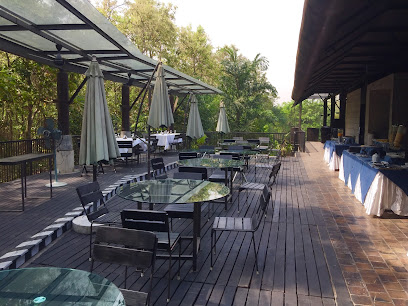
Savor the essence of Bangladeshi cuisine at Grameen Restaurant in Mymensingh - where tradition meets flavor.
ফুড কর্ণার- Food Corner, Mymensingh
32.6 km
Experience authentic Bangladeshi cuisine at Food Corner in Mymensingh - where every dish tells a story.
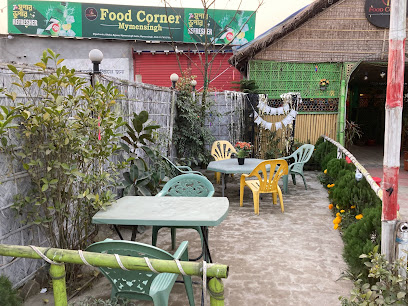
Wabi Sabi
33.4 km
Discover Wabi Sabi in Mymensingh: A culinary journey blending local flavors with international delights in an inviting atmosphere.
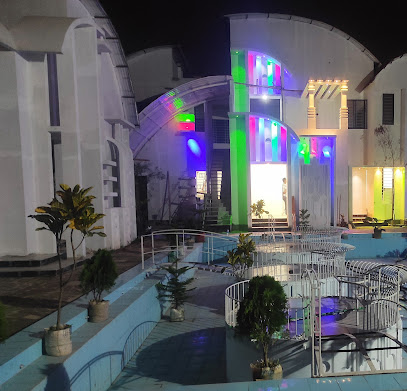
Apon Hotel
33.5 km
Experience authentic Bangladeshi flavors at Apon Hotel in Mymensingh - a must-visit culinary gem for all food enthusiasts.
Valenty Restaurant and Coffee House
33.8 km
Experience the rich flavors of Bangladesh at Valenty Restaurant and Coffee House in Mymensingh - a must-visit for food lovers.
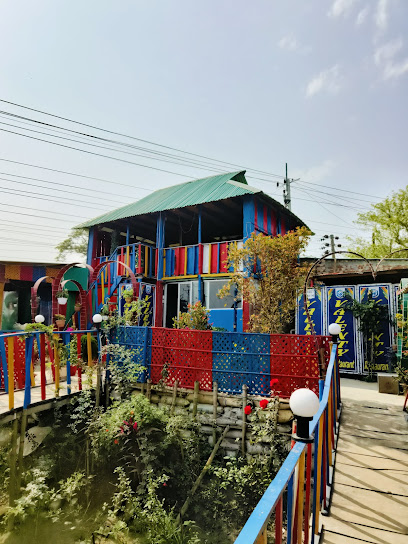
shelim more Bolashpur bylane,Mymensingh
34.1 km
Discover authentic Bangladeshi flavors at Shelim More in Mymensingh - where tradition meets taste!
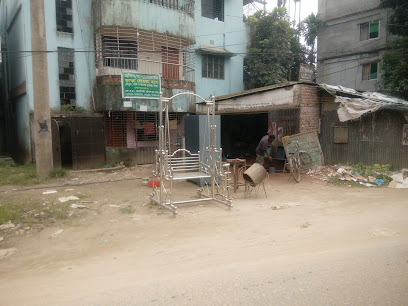
Kababji Cafe & Restaurant
34.3 km
Experience authentic local cuisine at Kababji Cafe & Restaurant in Mymensingh—a serene culinary retreat with flavorful dishes.
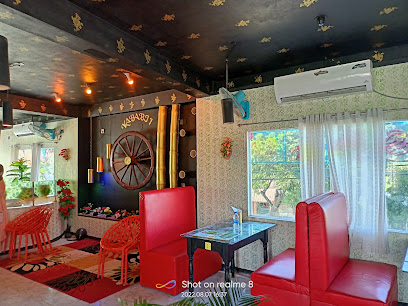
LUMINOUS Cafe & Restaurant
34.3 km
Experience delightful dining at LUMINOUS Cafe & Restaurant in Mymensingh with diverse menus and exceptional service.
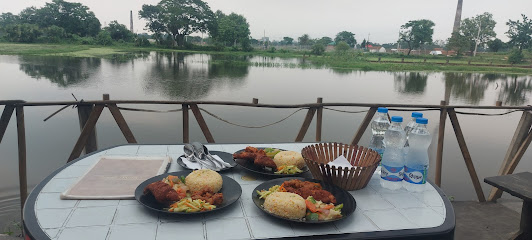
Chef Time Restaurant
34.7 km
Experience authentic Bangladeshi cuisine at Chef Time Restaurant in Mymensingh—where every dish tells a story of flavor.
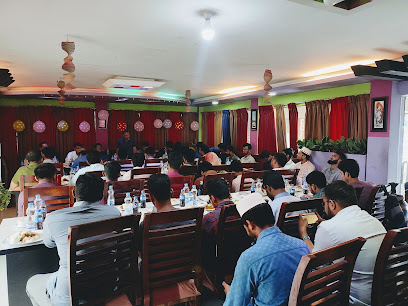
7-Eleven Restaurant
34.8 km
Discover delightful dishes and local flavors at 7-Eleven Restaurant in Mymensingh - perfect for travelers craving convenience and taste.
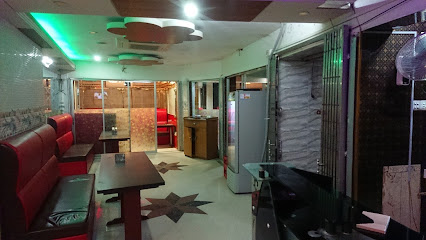
Sorgoram Restaurant, Mymensingh
35.5 km
Experience authentic Bangladeshi flavors at Sorgoram Restaurant in Mymensingh—where delicious meets affordable dining.
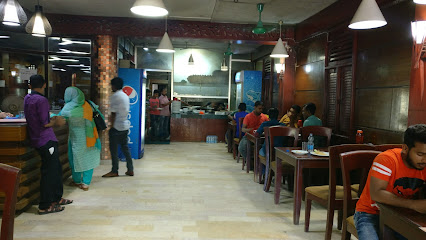
Noor's Dine Restaurant
35.7 km
Experience the rich flavors of Bangladesh at Noor's Dine Restaurant in Mymensingh – where every dish tells a story.
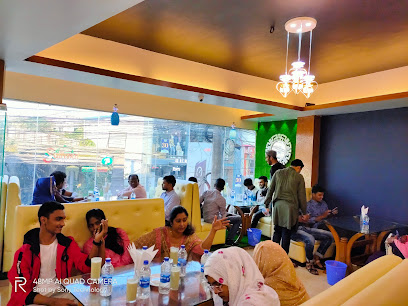
Markets, malls and hidden boutiques

Purbah Bhaluka Khalpar (Bacho Market)
11.4 km
Explore the vibrant Purbah Bhaluka Khalpar in Bhaluka, Bangladesh, for unique gifts and local crafts that celebrate the region's rich culture.
Pagla Bazar
31.3 km
Explore the vibrant Pagla Bazar in Mymensingh for an authentic taste of local produce, spices, and Bangladeshi culinary delights.
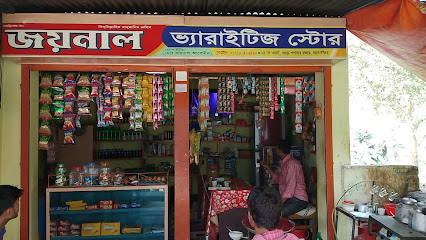
Firoz Store
31.5 km
Experience the authentic flavors of Bangladesh at Firoz Store in Mymensingh, your go-to destination for local groceries and unique snacks.
Kadir Store Md. Harun-or-rashid
31.6 km
Discover a world of quality home goods at Kadir Store Md. Harun-or-rashid, a must-visit destination for tourists in Mymensingh.
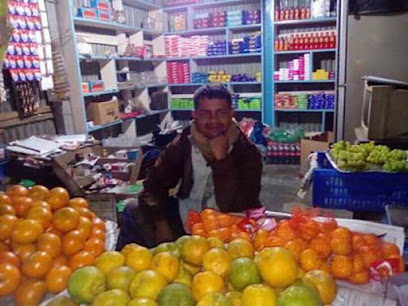
Ibrahim Store
33.5 km
Experience the charm of Mymensingh at Ibrahim Store, your go-to spot for local goods and friendly service.
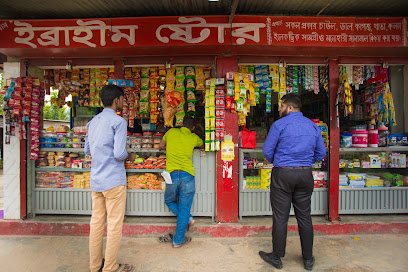
Amirul's Shop /আমিরুলের দোকান
33.6 km
Experience the essence of Mymensingh at Amirul's Shop, where local culture and unique treasures await.
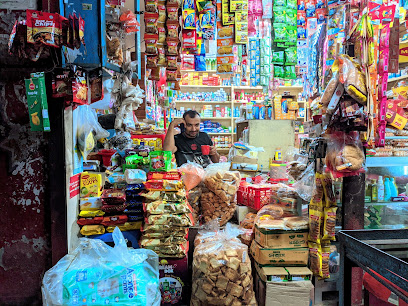
M/S. Shofik Varieties Store
34.0 km
Explore M/S. Shofik Varieties Store in Mymensingh for unique souvenirs and authentic Bangladeshi products, all in a warm and welcoming atmosphere.
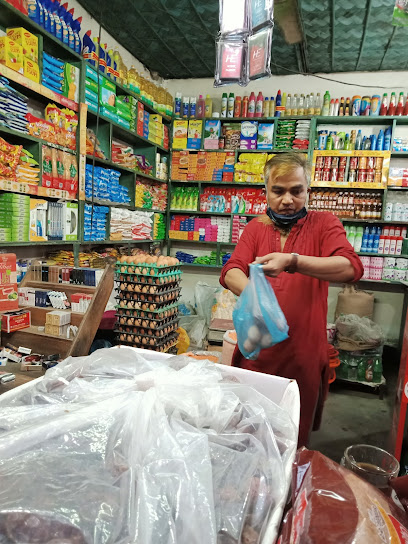
Odhora Store
34.0 km
Discover the charm of Odhora Store in Mymensingh, where local culture meets shopping in a friendly atmosphere.
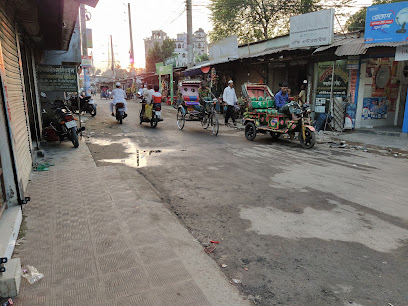
Snigdha's Artwork & Creativities
34.2 km
Explore Mymensingh's vibrant artistry at Snigdha's Artwork & Creativities, where each handmade piece tells a unique story.
Azizul Store
34.4 km
Experience local culture and community at Azizul Store in Mymensingh, where convenience meets charm.
Bismillah gift and accessories shop
34.5 km
Discover the charm of Mymensingh with unique gifts at Bismillah Gift and Accessories Shop, where every item tells a story.
Gonshar Mor
34.8 km
Explore Gonshar Mor in Mymensingh for a delightful shopping and dining experience, blending local culture with modern retail.
Kids & Mons
35.0 km
Explore Kids & Mons in Mymensingh for delightful toys and gifts that spark joy and creativity in every child.
VIRGO
35.6 km
Discover the latest fashion trends at VIRGO, Mymensingh's premier clothing store offering stylish attire for everyone.
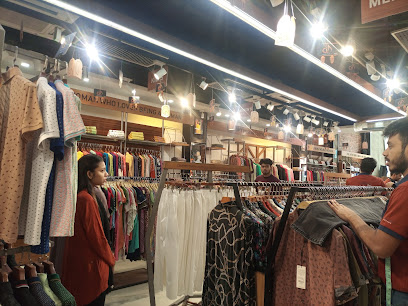
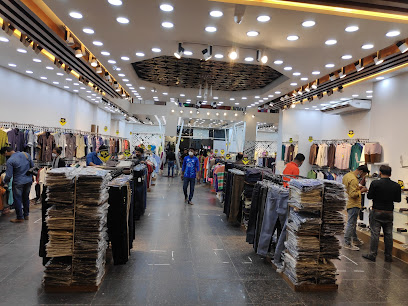
MIlan lifestyle store
35.7 km
Explore the Milan Lifestyle Store in Mymensingh for trendy clothing that captures the spirit of local and contemporary fashion.
Essential bars & hidden hideouts

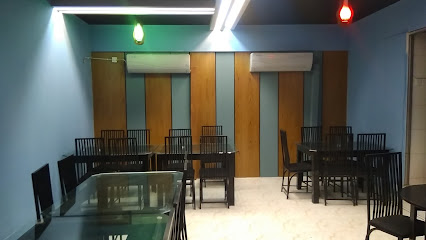
Doctors Cafe
12.8 km
Explore Doctors Cafe in Bhaluka for a delightful mix of local and international flavors in a cozy setting.
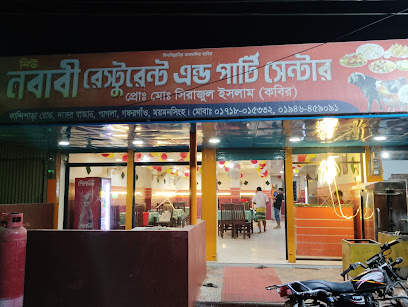
নিউ নবাবী রেস্টুরেন্ট এন্ড পার্টি সেন্টার
15.5 km
Discover authentic Bangladeshi flavors at New Nawabi Restaurant and Party Center, a vibrant dining destination in Dattor Bazar.
Raju Store
18.2 km
Experience the vibrant local nightlife at Raju Store, where culture and camaraderie come together in a lively bar atmosphere.
Tower
18.5 km
Discover The Tower, a lively bar offering creative cocktails and a vibrant atmosphere, perfect for experiencing the local nightlife in the heart of the city.
Kalmegerchala unique Spot
21.7 km
Experience the essence of Bangladeshi culture at Kalmegerchala, a unique bar perfect for relaxation and socializing.
Mondir
25.1 km
Discover the vibrant nightlife of Mawna at Mondir, a lively bar offering an array of refreshing beverages and a welcoming atmosphere.
Nurjul Babocir Porir House
26.8 km
Discover the lively atmosphere of Nurjul Babocir Porir House in Mawna, a vibrant bar perfect for unwinding with friends and enjoying local nightlife.
Arif TEA stoll
27.9 km
Discover the essence of Nizmawna at Arif TEA Stoll, where authentic local teas meet a tranquil atmosphere for the perfect retreat.
NazimUddin Stor
30.2 km
Experience the vibrant culture and refreshing drinks at NazimUddin Stor, a must-visit bar in Bara Rathura for tourists seeking local flavor.
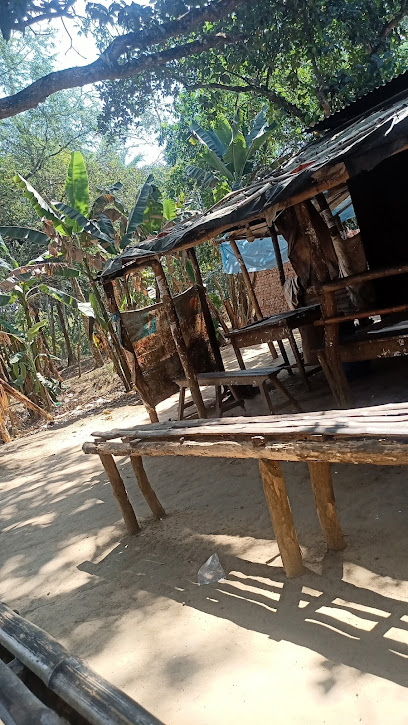
Pracheen Dwip Juice Bar and Coffee Shop
32.3 km
Experience the vibrant flavors of fresh juices and aromatic coffees at Pracheen Dwip Juice Bar & Coffee Shop in Mymensingh.
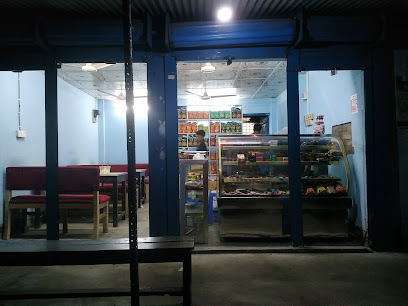
ADDA BARI RESTAURANT & CAFÉ
32.4 km
Experience the rich flavors of Mymensingh at Adda Bari Restaurant & Café, where tradition meets culinary creativity in a charming setting.
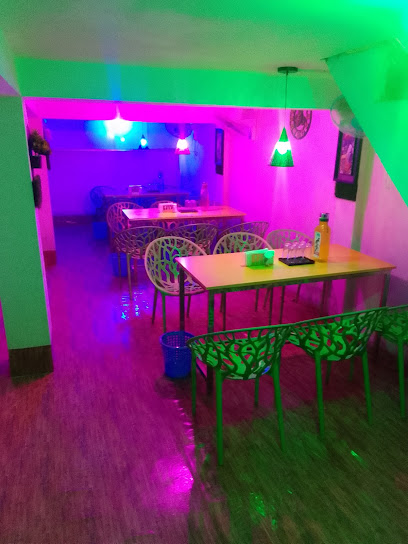
Pine & Dine Restaurant
32.5 km
Discover a culinary gem in Mymensingh with exquisite dishes and a cozy ambiance at Pine & Dine Restaurant.
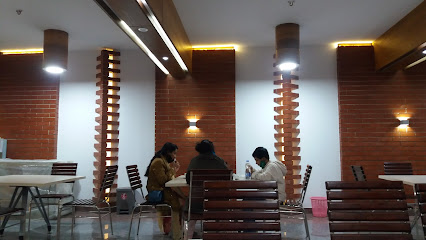
Sabbir Store
34.6 km
Discover the charm of Sabbir Store, a cozy bar in Mymensingh offering local beverages and a welcoming atmosphere for tourists and locals alike.
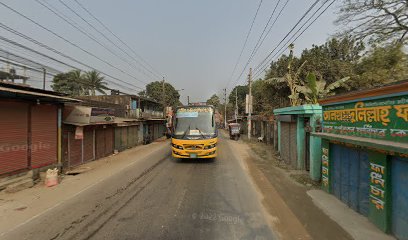
Manik Vaier Store ( Manio)
34.9 km
Discover Mymensingh's vibrant nightlife at Manik Vaier Store (Manio), where great drinks and friendly vibes await you.
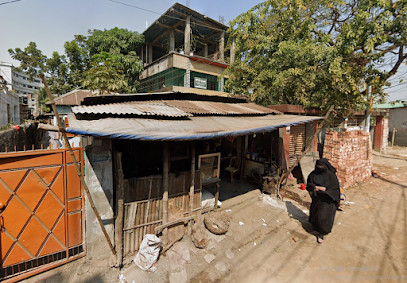
HomeCity Network
35.2 km
Discover Mymensingh's vibrant nightlife at HomeCity Network - a modern bar offering exquisite drinks and a welcoming atmosphere.
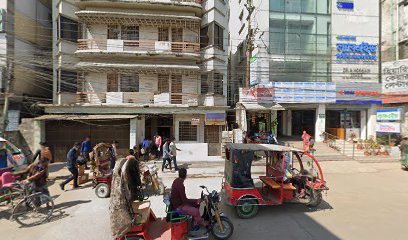
Nightclubs & after hour spots

Fana Hotale See place
24.3 km
Discover the electrifying nightlife at Fana Hotale See Place, a top night club for an unforgettable experience in local entertainment.
Telespati Media
24.9 km
Discover Telespati Media, the ultimate adult entertainment club for an electrifying nightlife experience in the heart of the city.
Adnan Sagor
25.2 km
Discover the vibrant nightlife of Tikuaile at Adnan Sagor, a night club where music and entertainment come alive every night.
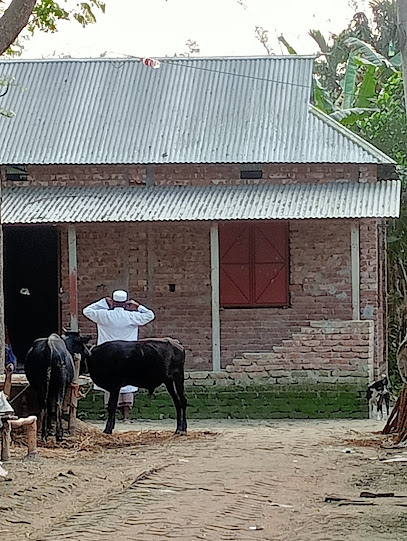
Nostho Zone
25.7 km
Dive into the vibrant nightlife of Bangladesh at Nostho Zone, where unforgettable moments await in a lively atmosphere.
Isadighi Sorzo sontan kriya sohggo club
29.5 km
Unleash your night at Isadighi Sorzo Sontan Kriya Sohggo Club, where vibrant beats and electric atmosphere create unforgettable memories.

Dhumketu Club
32.7 km
Experience the charm of Mymensingh at Dhumketu Club, a social haven for relaxation and cultural immersion.
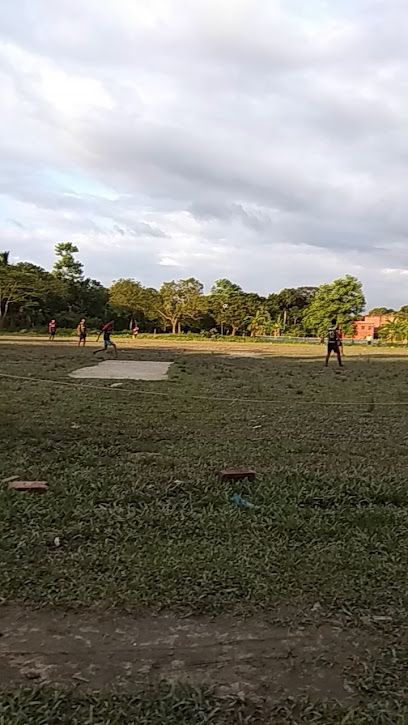
BAU Club
33.5 km
Experience the vibrant nightlife at BAU Club in Mymensingh, where music, dance, and unforgettable memories await you.
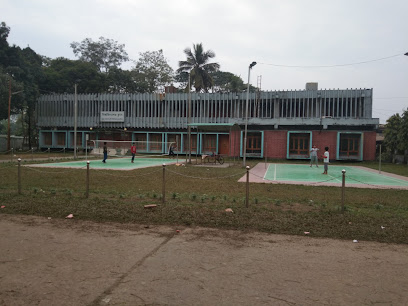
Rafiq Uddin Bhuiyan Stadium, Mymensingh
38.3 km
Discover the exhilaration of live sports at Rafiq Uddin Bhuiyan Stadium, Mymensingh, a cultural hub for sports enthusiasts and local events.
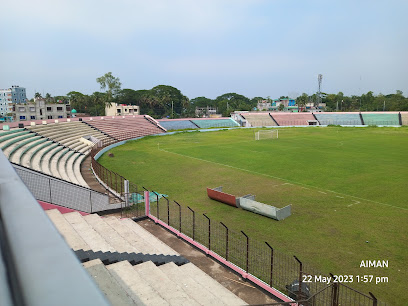
Style Hok Bindas
41.9 km
Dive into the exciting nightlife of Bangladesh at Style Hok Bindas, where unforgettable experiences and electrifying music await.
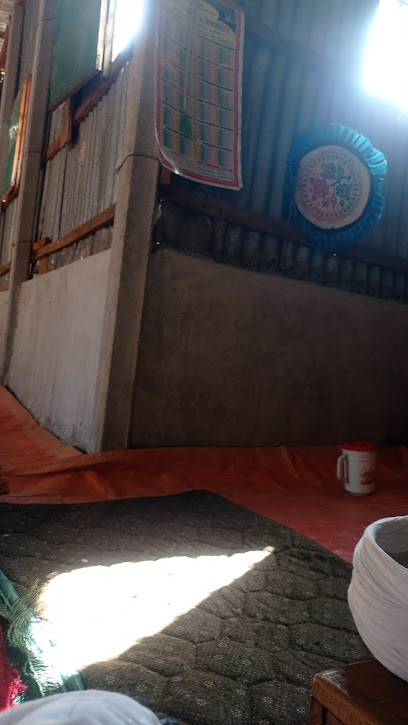
Nanur kutha
45.6 km
Discover the excitement of Nanur Kutha, the premier night club in Tarafpur, offering vibrant nightlife and unforgettable experiences.
DEV BARI
57.2 km
Unleash your nightlife spirit at DEV BARI, where music and dance converge for an unforgettable experience in the heart of the city.
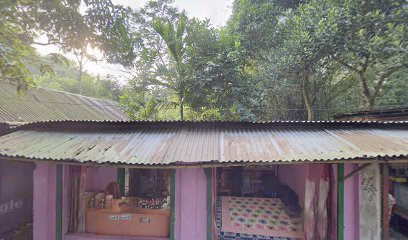
Uttara Model Club
64.5 km
Experience the vibrant nightlife at Uttara Model Club, Dhaka's premier destination for electrifying music and unforgettable moments.
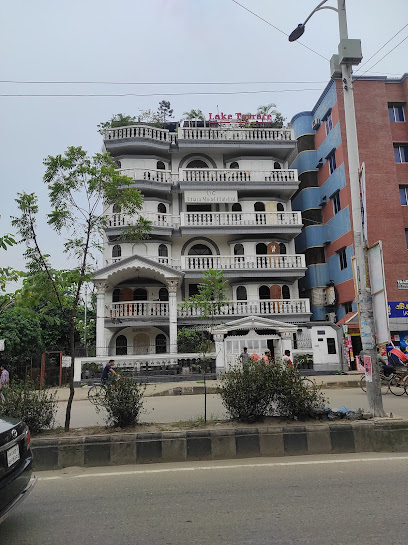
Uttara Press Club
64.6 km
Discover the vibrant cultural scene at Uttara Press Club, where locals and tourists alike connect over art, music, and delicious cuisine.
Club DE BackBencherS
65.0 km
Unwind in Dhaka's premier social hub at Club DE BackBencherS, where relaxation meets entertainment in a vibrant atmosphere.
Dhaka Royal Club Limited
65.0 km
Discover relaxation and sophistication at the Dhaka Royal Club Limited, a premier social club in Uttara, perfect for unwinding and socializing.


