
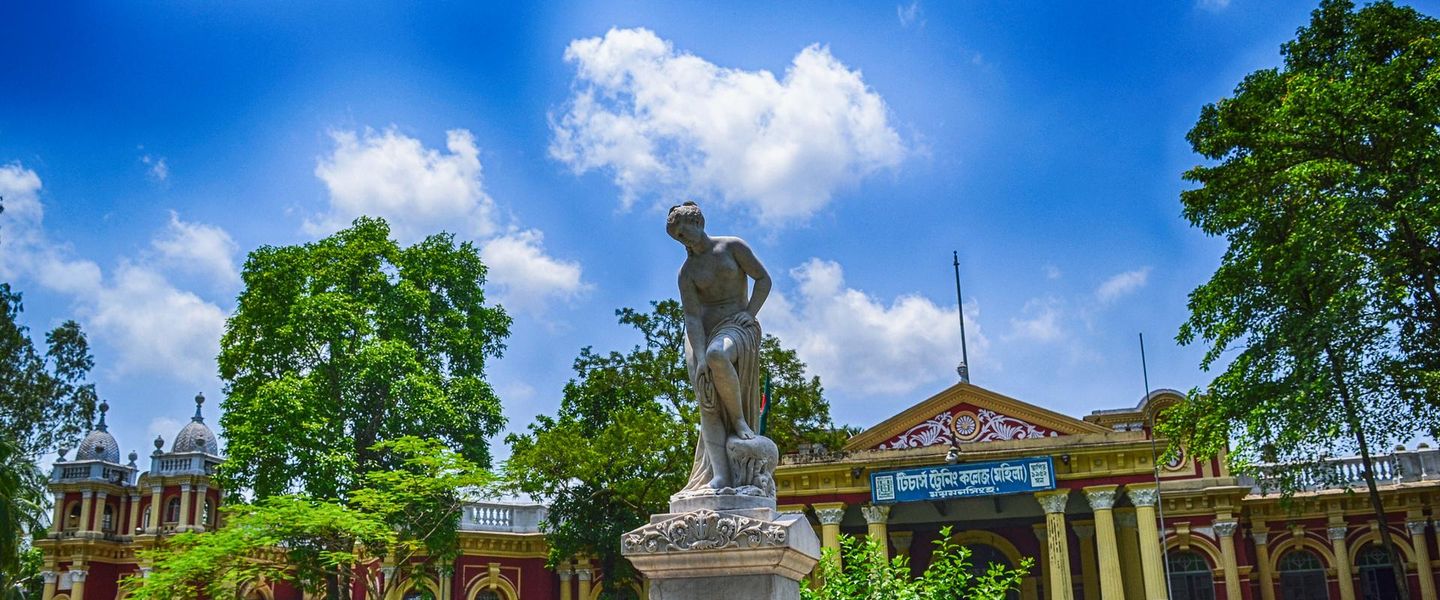
Mymensingh Division, Bangladesh Travel Guide
Discover Mymensingh Division in Bangladesh: A blend of rich history, vibrant culture, and breathtaking natural beauty along the Brahmaputra River.
Mymensingh Division, nestled in the northern region of Bangladesh, is a treasure trove of culture, history, and natural beauty. The division boasts a rich heritage, where age-old traditions and modern influences coexist harmoniously. Visitors can explore the ancient ruins of Mahasthangarh, a testament to the area's historical significance, or take a leisurely stroll through the lush countryside dotted with quaint villages and vibrant markets. The Brahmaputra River, one of the major rivers in South Asia, flows gracefully through Mymensingh, offering opportunities for serene boat rides and picturesque views. The division is also home to several wildlife sanctuaries and national parks, such as the Madhupur National Park, where nature enthusiasts can witness a diverse array of flora and fauna. Mymensingh is not just about scenic beauty; it is also a hub of artistic expression. The region is famous for its traditional crafts, including Nakshi Kantha (embroidered quilts) and pottery. Visitors can immerse themselves in the local culture by attending folk music performances and festivals that celebrate the vibrant spirit of the people. Whether you're an adventurer, a history buff, or someone seeking a tranquil retreat, Mymensingh Division offers a unique and enriching experience that will leave you with lasting memories.

Know before you go
Hi, I'm Eve. Here are a few practical things to know before exploring Mymensingh Division.
- Visit the ancient ruins of Mahasthangarh early in the morning to avoid crowds and enjoy the site at its most peaceful.
- Take a boat ride on the Brahmaputra River during sunset for the most stunning views and a serene experience.
- Explore the local markets for unique handmade crafts like Nakshi Kantha and pottery. These make for excellent souvenirs.
- If you're a wildlife enthusiast, don't miss a trip to Madhupur National Park for a chance to see diverse flora and fauna.
- Attend local festivals and folk music performances to get a true taste of the vibrant local culture.
Top City Travel Guides in Mymensingh Division
The cities of Mymensingh Division, and the easiest places to base yourself.

Explore Mymensingh Division: Things to Do, Places to Eat, Hotels & More
Handpicked recommendations for top attractions, local dining, accommodations, and more

Top Attractions & Sightseeing in Mymensingh Division
Top-rated picks
Best Attractions

Bijoypur Lake
Discover Bijoypur Lake: A serene escape in Netrokona with stunning landscapes, white clay hills, and rich cultural heritage. Perfect for nature lovers!

Botanical Garden, BAU
Discover a serene escape in Mymensingh at the Botanical Garden, BAU, home to diverse plant species and tranquil paths.

Dream World Park, Valuka,Mymensingh
Experience thrilling rides and serene nature at Dream World Park, a perfect family destination on the Dhaka-Mymensingh Highway in Bhaluka.

Muktagacha Jomidar Bari ~ Muktagacha,Mymensigh
Explore the historical Muktagacha Jomidar Bari in Mymensingh, Bangladesh, and discover the legacy of the Acharya Chowdhury zamindars.

Best landmarks in Mymensingh Division
Top-rated picks
Best Landmarks

Bepin Park
A historic park in Mymensingh by the Brahmaputra River, offering recreation, relaxation, and scenic views for all ages.

Circuit House Park, Mymensingh
Discover a serene riverside oasis in Mymensingh at Circuit House Park, offering lush greenery, historical charm, and tranquil views of the Brahmaputra River for an unforgettable escape.

Moyna Deep
Discover the serene beauty of Moyna Deep in Mymensingh: a tranquil island escape with lush lemon groves, vibrant birdlife, and captivating sunsets on the Brahmaputra River.

Muktagacha Jomidar Bari ~ Muktagacha,Mymensigh
Explore the ruins of Muktagacha Jomidar Bari, a historical palace showcasing Bengal's zamindari past in Mymensingh. Don't miss the famous Monda sweet!

Best restaurants in Mymensingh Division
Top-rated picks
Best Restaurants

Sarinda Restaurant
Experience the rich flavors of Bangladeshi and international cuisine at Sarinda Restaurant in Mymensingh.

Avanti Restaurant
Discover delightful pizzas and authentic Bangladeshi cuisine at Avanti Restaurant in Mymensingh - a must-visit culinary destination.

Sorgoram Restaurant, Mymensingh
Experience authentic Bangladeshi flavors at Sorgoram Restaurant in Mymensingh—where delicious meets affordable dining.

Dhansiri Restaurant
Discover the essence of Bangladeshi flavors at Dhansiri Restaurant in Mymensingh – where every dish tells a story.

Best bars in Mymensingh Division
Top-rated picks
Best Bars

Sarinda Restaurant
Explore Sarinda Restaurant in Mymensingh for a culinary journey through local Bangladeshi and international flavors, all in a vibrant dining atmosphere.

Avanti Restaurant
Discover the delicious pizzas and charming ambiance at Avanti Restaurant in Mymensingh, the perfect dining spot for tourists seeking local flavors.

Sorgoram Restaurant, Mymensingh
Discover the essence of Bangladeshi cuisine at Sorgoram Restaurant in Mymensingh, where every dish tells a story.

Dhansiri Restaurant
Experience the essence of Bangladeshi cuisine at Dhansiri Restaurant, a culinary gem in Mymensingh offering a rich variety of traditional and modern dishes.

Best nightclubs in Mymensingh Division
Top-rated picks
Best Nightclubs

Shashi Lodge
Experience the rich historical tapestry of Mymensingh at Shashi Lodge, a captivating landmark showcasing Bangladesh's educational heritage.

Bluemoon Recreation Club
Discover Bluemoon Recreation Club: A vibrant social hub in Dhaka offering dining, fitness, and entertainment for an unforgettable experience.

Rafiq Uddin Bhuiyan Stadium, Mymensingh
Discover the exhilaration of live sports at Rafiq Uddin Bhuiyan Stadium, Mymensingh, a cultural hub for sports enthusiasts and local events.

Himu Adda Restaurant
Experience the essence of Bangladeshi cuisine at Himu Adda Restaurant, a must-visit culinary destination in Mymensingh.

Best shops in Mymensingh Division
Top-rated picks
Best Shops

Notun Bazaar
Discover the colorful essence of Mymensingh at Notun Bazaar, a vibrant market filled with unique crafts, delicious street food, and local culture.

Easy fashion ltd Mymensingh ck Ghosh road
Discover contemporary fashion at Easy Fashion Ltd in Mymensingh, where style meets affordability in a vibrant shopping atmosphere.

Aarong
Discover the essence of Bangladeshi craftsmanship at Aarong, where traditional elegance meets contemporary style in Mymensingh.

Samsung Smartphone Shop,Mymensingh
Discover cutting-edge mobile technology at the Samsung Smartphone Shop in Mymensingh, where innovation meets style and convenience.

Explore Mymensingh Division on the Map
A handpicked selection of must-see spots in Mymensingh Division, mapped for you.
Mymensingh Division Essentials
-
Mymensingh Division is accessible by various modes of transportation. The nearest major international airport is Hazrat Shahjalal International Airport in Dhaka, approximately 120 kilometers away. From Dhaka, you can travel to Mymensingh Division by bus, train, or private car. Buses are frequent and cost-effective, taking around 4 to 5 hours, while trains offer a more scenic and comfortable journey of about 3 to 4 hours.
-
Within Mymensingh Division, local buses, auto-rickshaws, and cycle rickshaws are the primary modes of transport. Auto-rickshaws and cycle rickshaws are convenient for short distances, while buses connect larger towns and cities. For a more personalized experience, you can hire a private car with a driver. Renting a bicycle is also a great way to explore the countryside and smaller towns.
-
The official currency is the Bangladeshi Taka (BDT). Credit cards are accepted in some hotels, restaurants, and shops in larger towns, but cash is essential for smaller establishments and rural areas. ATMs are available in major towns within the division, but it is advisable to carry sufficient cash. Currency exchange services are also available in larger towns and cities.
-
Mymensingh Division is generally safe for tourists, but standard travel precautions should be taken. Avoid walking alone at night in unfamiliar areas and be cautious with your belongings in crowded places. Some areas in larger towns may have higher crime rates, so stay vigilant. Always use reputable transportation services and avoid displaying valuables openly.
-
In case of emergency, dial 999 for police, fire, or medical assistance. Major towns have police stations and hospitals, while smaller towns have clinics and pharmacies for minor health issues. It is recommended to have travel insurance that covers medical emergencies. Keep a list of important contacts, including your country's embassy or consulate, local emergency numbers, and your accommodation details.
-
Fashion: Do dress modestly, especially in rural areas and religious sites. Avoid wearing revealing clothing. Religion: Do respect local customs and traditions. Always remove your shoes when entering someone's home or a religious site. Public Transport: Do be courteous and give up your seat to elderly passengers. Don't eat or drink on public transport. Greetings: Do greet people with a smile and a slight nod. A handshake is common among men, but it is best to wait for the other person to offer. Eating & Drinking: Do try local dishes and accept food offerings graciously. Don't refuse hospitality, as it is considered impolite.
-
To experience Mymensingh Division like a local, visit the bustling markets where you can buy fresh produce, traditional crafts, and local delicacies. Engage with locals, who are often friendly and eager to share stories about their culture and history. Don't miss the scenic beauty of the Brahmaputra River, the historic Shoshi Lodge, and the religious significance of the ancient temples and mosques. For a unique experience, attend a traditional Baul music performance, which is an integral part of the area's cultural heritage.
When is the best time to visit Mymensingh Division?
Useful Local Phrases for Mymensingh Division
You don't need to speak the language perfectly. Even learning a few simple words can make conversations warmer—and locals usually appreciate the effort.
— Eve

Here are the phrases I use most often in Mymensingh Division. Try a few—you'll be surprised how far they go! 😊
❤️
-
- Helloহ্যালো
[Hyālo] - Goodbyeবিদায়
[Bidāẏ] - Yesহ্যাঁ
[Hyā̃] - Noনা
[Nā] - Please/You're welcomeদয়া করে
[Doyā kare] - Thank youধন্যবাদ
[Dhonnobād] - Excuse me/Sorryমাফ করবেন
[Māph korbēn] - How are you?কেমন আসেন?
[Kēmōn āsen?] - Fine. And you?ভাল আছি। আপনি?
[Bhāl āchi. Āpni?] - Do you speak English?আপনি কি ইংরেজি বলতে পারেন?
[Āpni ki iṅrēji bōlte pārēn?] - I don't understandআমি বুঝতে পারছি না
[Āmi bujhte pārchhi nā]
- Helloহ্যালো
-
- I'd like to see the menu, pleaseমেনু দেখতে চাই, দয়া করে
[Mēnu dēkhtē chāi, doyā kare] - I don't eat meatআমি মাংস খাই না
[Āmi māṅsa khāi nā] - Cheers!চিয়ার্স!
[Chiyārs!] - I would like to pay, pleaseআমি পেমেন্ট করতে চাই, দয়া করে
[Āmi pēmēnṭ karṭē chāi, doyā kare]
- I'd like to see the menu, pleaseমেনু দেখতে চাই, দয়া করে
-
- Help!সাহায্য করুন!
[Sāhāyya karun!] - Go away!দূরে যাও!
[Dūrē jāo!] - Call the Police!পুলিশ ডাকুন!
[Pōliś dākun!] - Call a doctor!ডাক্তার ডাকুন!
[Ḍāktār dākun!] - I'm lostআমি হারিয়ে গেছি
[Āmi hāriẏē gēchi] - I'm illআমি অসুস্থ
[Āmi asusṭha]
- Help!সাহায্য করুন!
-
- I'd like to buy...আমি কিনতে চাই...
[Āmi kintē chāi...] - I'm just lookingআমি শুধু দেখছি
[Āmi suḍu dēkhchi] - How much is it?এটার দাম কত?
[Ēṭār dām kata?] - That's too expensiveএটা খুব ব্যয়বহুল
[Ēṭā khub byaybahul] - Can you lower the price?আপনি কি দাম কমাতে পারেন?
[Āpni ki dām komātē pārēn?]
- I'd like to buy...আমি কিনতে চাই...
-
- What time is it?এখন কতটা বাজে?
[Ēkhana katā bājē?] - It's one o'clockএখন একটা বাজে
[Ēkhana ēkaṭā bājē] - Half past (10)সাড়ে (১০)
[Sāṛē (10)] - Morningসকাল
[Sakāl] - Afternoonদুপুর
[Dupur] - Eveningসন্ধ্যা
[Sandhyā] - Yesterdayগতকাল
[Gatakāl] - Todayআজ
[Āj] - Tomorrowকাল
[Kāl] - 1১
[1] - 2২
[2] - 3৩
[3] - 4৪
[4] - 5৫
[5] - 6৬
[6] - 7৭
[7] - 8৮
[8] - 9৯
[9] - 10১০
[10]
- What time is it?এখন কতটা বাজে?
-
- Where's a/the...?একটা/একটি ... কোথায়?
[Ēkaṭā/ēki ... kōthāẏ?] - What's the address?ঠিকানা কি?
[Ṭhikānā ki?] - Can you show me (on the map)?আপনি কি আমাকে দেখাতে পারেন (মানচিত্রে)?
[Āpni ki āmākē dēkhātē pārēn (mānchitrē)?] - When's the next (bus)?পরবর্তী (বাস) কখন?
[Parabartī (bās) kakhana?] - A ticket (to ....)একটি টিকিট (থেকে ....)
[Ēki ṭikiṭ (thēkē ....)]
- Where's a/the...?একটা/একটি ... কোথায়?
History of Mymensingh Division
-
Mymensingh Division, located in the north-central region of Bangladesh, has a rich history dating back to ancient times. Archaeological evidence suggests that the area was inhabited as early as the Neolithic period. The fertile lands along the Brahmaputra River attracted early settlers who engaged in agriculture, fishing, and trade. Over the centuries, various indigenous communities, including the Garo, Hajong, and Koch, established their presence in the region, contributing to its cultural diversity.
-
During the Mughal period, Mymensingh became an important administrative region. The Mughals established a thana (administrative unit) in the area to maintain control and collect revenue. The strategic location of Mymensingh along the Brahmaputra River facilitated trade and communication. The influence of Mughal architecture and culture can still be seen in some of the historical structures and traditions in the division.
-
The British colonial period brought significant changes to Mymensingh. In 1787, the British East India Company established Mymensingh as a district under the Bengal Presidency. The colonial administration introduced modern education, infrastructure, and new agricultural practices. Mymensingh town became a prominent center for education with the establishment of institutions like Mymensingh Zilla School and Mymensingh Medical College. The railways and roads built during this period helped in the economic development of the region.
-
Mymensingh played a crucial role in the Language Movement of the 1950s, which aimed to recognize Bengali as one of the state languages of Pakistan. The people of Mymensingh actively participated in protests and demonstrations, contributing to the eventual success of the movement. During the Bangladesh Liberation War in 1971, Mymensingh witnessed significant events and battles. The local population supported the Mukti Bahini (Liberation Army) in their struggle for independence from Pakistan.
-
Mymensingh Division is known for its vibrant cultural heritage. The region is home to a variety of folk traditions, music, and dance forms. The Bhawaiya and Baul songs are popular in the area, reflecting the rural life and emotions of the people. Mymensingh is also famous for its traditional handicrafts, including Nakshi Kantha (embroidered quilts) and pottery. The division hosts numerous festivals throughout the year, such as Durga Puja, Eid, and Pahela Baishakh (Bengali New Year), showcasing the rich cultural tapestry of the region.
-
Mymensingh Division boasts stunning natural landscapes, including the Garo Hills, Madhupur Forest, and the Brahmaputra River. The region's natural beauty attracts eco-tourists and nature enthusiasts. The Garo Hills are a sanctuary for various wildlife species and offer opportunities for trekking and bird-watching. The Brahmaputra River provides a picturesque setting for boat rides and fishing. Efforts are being made to promote sustainable tourism in the area, preserving its natural and cultural heritage for future generations.
Neighbouring Regions of Mymensingh Division
The closest regions to Mymensingh Division, if you have time for more than one.



Your all‑in‑one travel companion app
Explore expert travel guides, compare and book tours, experiences, hotels, and more—all from the palm of your hand. Download now for seamless trip planning wherever your wanderlust takes you.


Explore More of Bangladesh

Looking beyond Mymensingh Division? Discover Bangladesh for broader travel guides, local hot-spots, and regional highlights.
Explore BangladeshMymensingh Division in Photos
Browse through our photo collection highlighting the charm and character of the destination.
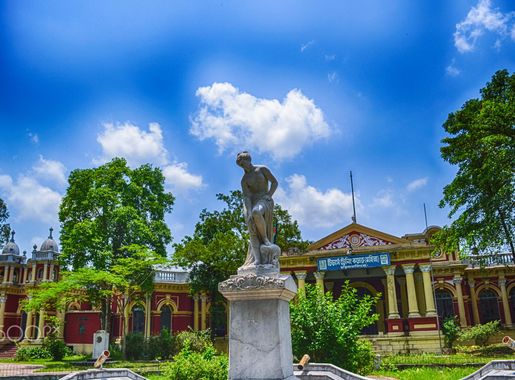


Mymensingh Division: The Heartbeat of Bengal's Heritage
Mymensingh Division, nestled in the northern region of Bangladesh, is a treasure trove of culture, history, and natural beauty. The division boasts a rich heritage, where age-old traditions and modern influences coexist harmoniously. Visitors can explore the ancient ruins of Mahasthangarh, a testament to the area's historical significance, or take a leisurely stroll through the lush countryside dotted with quaint villages and vibrant markets. The Brahmaputra River, one of the major rivers in South Asia, flows gracefully through Mymensingh, offering opportunities for serene boat rides and picturesque views. The division is also home to several wildlife sanctuaries and national parks, such as the Madhupur National Park, where nature enthusiasts can witness a diverse array of flora and fauna. Mymensingh is not just about scenic beauty; it is also a hub of artistic expression. The region is famous for its traditional crafts, including Nakshi Kantha (embroidered quilts) and pottery. Visitors can immerse themselves in the local culture by attending folk music performances and festivals that celebrate the vibrant spirit of the people. Whether you're an adventurer, a history buff, or someone seeking a tranquil retreat, Mymensingh Division offers a unique and enriching experience that will leave you with lasting memories.