Kaptai National Park: A Verdant Escape
Discover Kaptai National Park: A historic forest in Rangamati with diverse wildlife, lush landscapes, and tranquil escapes.
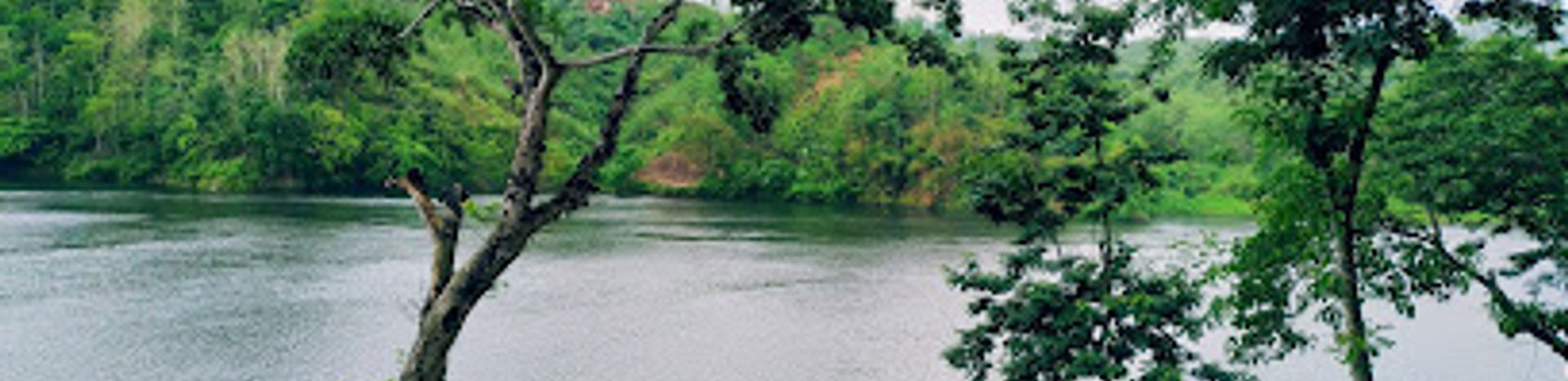
Established in 1999, Kaptai National Park is a 5,464-hectare (13,503-acre) sanctuary in Rangamati, Bangladesh, known for its lush greenery, diverse wildlife, and historical significance as the site of early teak plantations. The park offers a refreshing escape into nature with opportunities for boating, hiking and spotting wildlife.
A brief summary to Kaptai National Park
- F5XH+H3M, Upazilla, BD
- +8801999-003260
- Monday 8 am-5 pm
- Tuesday 8 am-5 pm
- Wednesday 8 am-5 pm
- Thursday 8 am-5 pm
- Friday 8 am-5 pm
- Saturday 8 am-5 pm
- Sunday 8 am-5 pm
Local tips
- The best time to visit is between October and February when the weather is cool and rainfall is minimal.
- Wear appropriate outdoor attire and bring essentials like water, sunscreen, and insect repellent.
- Respect park regulations to help preserve the natural environment and ensure the safety of wildlife.
- Take a boat trip on Kaptai Lake to explore hidden spots, waterfalls and tribal villages.

Getting There
-
Public Transport
From Rangamati town, take a bus heading towards Kaptai. Inform the conductor that you wish to get off near Kaptai National Park. The bus ride typically takes 30-40 minutes and costs approximately 30-50 BDT. From the drop-off point, a short walk to the park entrance is required.
-
Taxi/CNG
Taxis and CNG auto rickshaws are readily available in Rangamati town. Simply tell the driver you want to go to Kaptai National Park. Negotiate the fare before starting the journey, which should cost approximately 200-300 BDT. The ride takes about 30-45 minutes.
Discover more about Kaptai National Park
Iconic landmarks you can’t miss

Love Point, Bangladesh
15.9 km
Discover Love Point in Rangamati, Bangladesh: A touching memorial to eternal love nestled in scenic Polwell Park, offering solace and inspiration to all visitors.
Rangamati Central Shaheed Minar
16.6 km
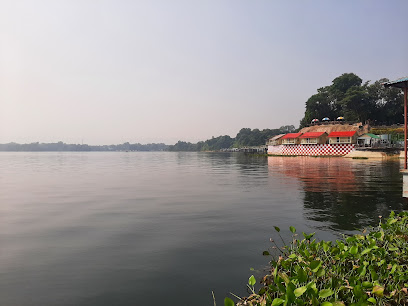
A waterfront monument in Rangamati honoring the martyrs of the Bengali Language Movement, symbolizing resilience and cultural pride.
Rangamati College Shaheed Minar
18.2 km
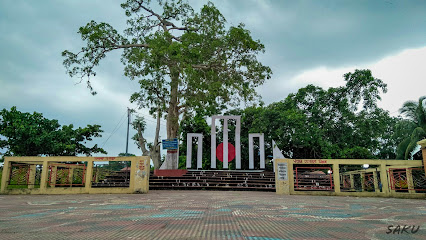
A poignant tribute to the Language Movement martyrs, the Rangamati College Shaheed Minar stands as a symbol of Bengali identity and cultural pride in the heart of Rangamati.
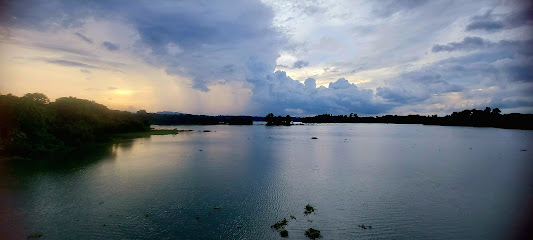
Chakma Rajbari - চাকমা রাজবাড়ি, রাঙামাটি পার্বত্য জেলা
18.4 km
Discover the rich heritage of Chakma Rajbari in Rangamati, a historical landmark reflecting the culture and traditions of the Chakma community.
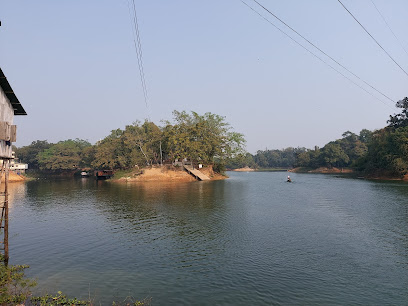
Rajban Vihar
18.6 km
Discover tranquility at Rajban Vihar, Bangladesh's largest Buddhist temple, a serene sanctuary on the banks of Kaptai Lake in Rangamati.
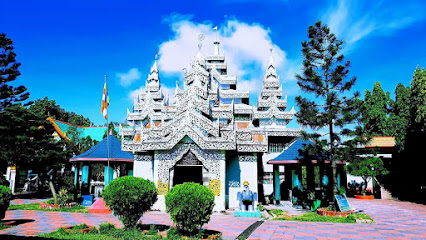
Balaghata Bazar
31.8 km
Experience the vibrant culture of Bandarban at Balaghata Bazar, a bustling market offering fresh produce and local goods.
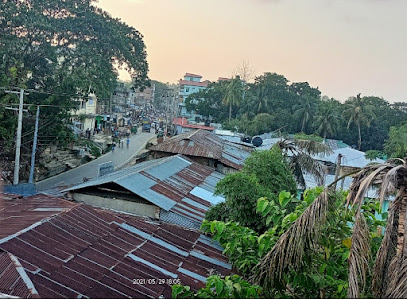
Aggmeda Khyang Monastery
32.3 km
Discover tranquility at Aggmeda Khyang Monastery in Chittagong, a sanctuary of Buddhist culture, history, and spiritual reflection.
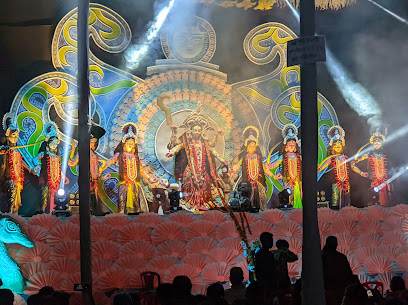
Tong Resort - Best eco and natural view resort in Bandarban city
33.6 km
Escape to nature at Tong Resort Bandarban: Eco-friendly lodging with breathtaking views and a tranquil atmosphere.
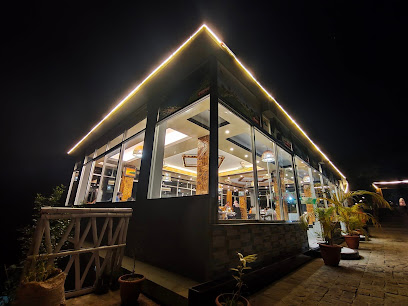
বাদামতল, চিনারপুল।
33.6 km
Discover the historical charm of Badamtal in Chattogram, where ancient architecture meets vibrant local culture, offering a journey through time.
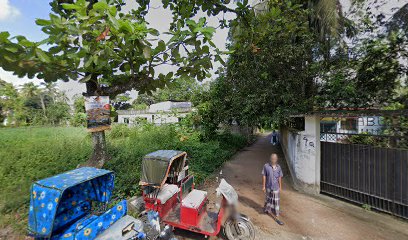
Chowdhury Market
33.7 km
Experience the vibrant culture of Bandarban at Chowdhury Market, a bustling hub of commerce, local crafts, and delicious regional flavors.
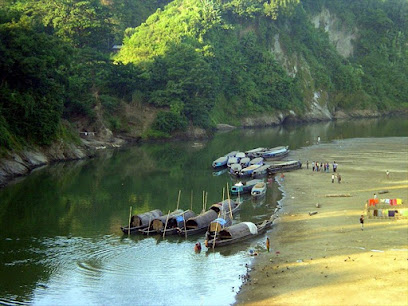
Cup of Joy
34.1 km
Experience the taste of Bandarban at Cup of Joy, where local flavors and international cuisine meet in a charming and inviting setting.
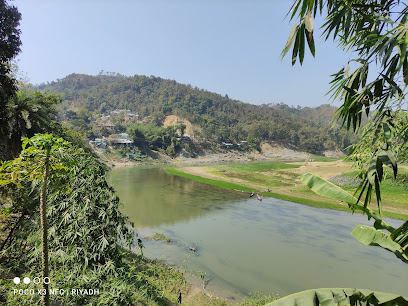
Hotel River View Bandarban
34.2 km
Experience comfort and convenience at Hotel River View Bandarban, your gateway to the natural wonders of the Hill District.
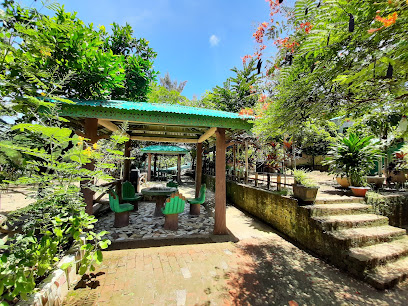
HOTEL PLAZA BANDARBAN
34.3 km
Explore Bandarban's beauty from Hotel Plaza: Comfortable stay, scenic views, and easy access to the region's top attractions and cultural treasures.

Hilltop Rest House, CHTDB,Bandarban.
34.4 km
Escape to tranquility at Hilltop Rest House in Bandarban, Bangladesh. Discover breathtaking views, immerse in local culture, and reconnect with nature in the heart of the Chittagong Hill Tracts.
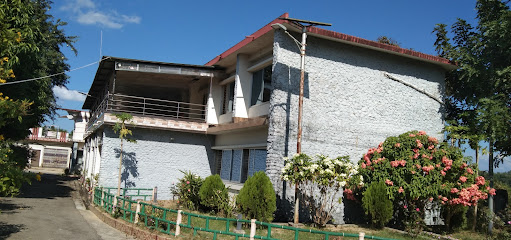
Bandarban Zilla Porishod Daakbanglo
34.5 km
Experience the serene beauty and local hospitality at Bandarban Zilla Porishod Daakbanglo, the perfect retreat in the hills of Bangladesh.
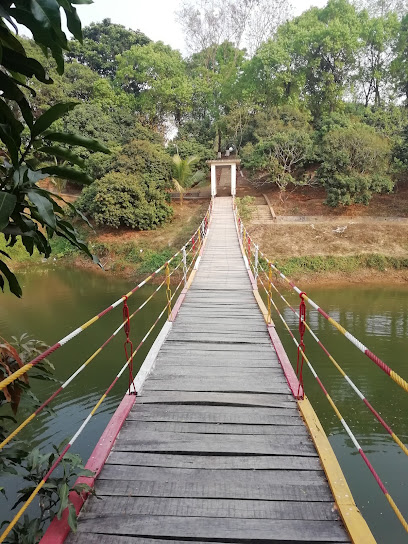
Unmissable attractions to see

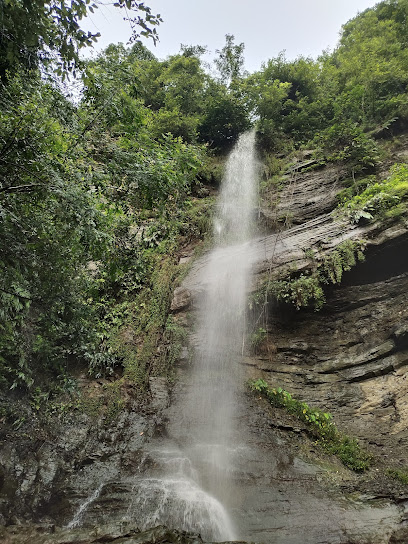
Silchori Waterfall
2.1 km
Discover the serene beauty of Silchori Waterfall in Kaptai, Bangladesh, a perfect escape for nature lovers and adventure seekers.
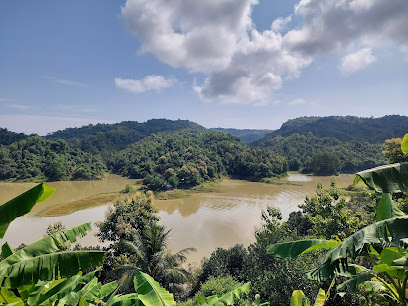
Kaptai Lake View Point
3.9 km
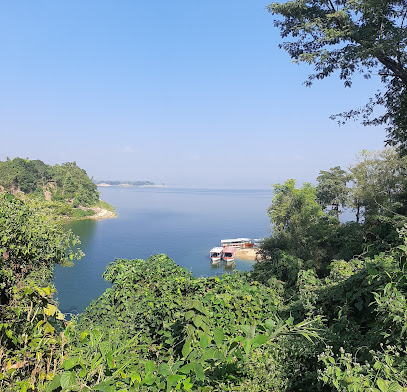
Experience breathtaking panoramic views of Kaptai Lake, Bangladesh, a perfect blend of nature, culture, and history.
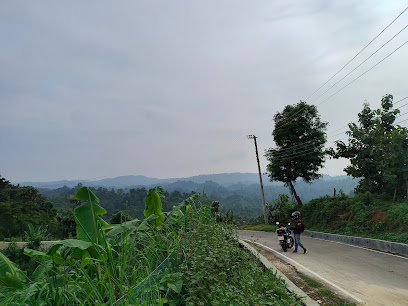
Hill view point
4.0 km
Experience breathtaking panoramic views of Cox's Bazar from Hill View Point, where the sea meets the hills in a stunning display of nature's beauty.
Gung par garden resort
4.4 km
Discover tranquility at Gung Par Garden Resort in Kaptai. Lush gardens, serene landscapes, and a peaceful retreat await in nature's embrace.
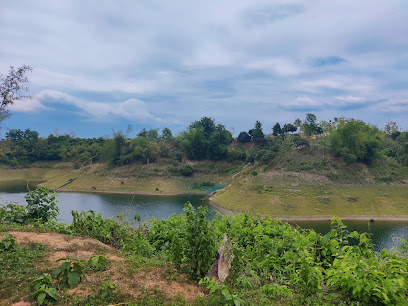
Lake paradise
5.6 km
Discover the serene beauty of Kaptai Lake in Bangladesh: a perfect blend of nature, culture, and tranquility awaits in this picturesque destination, offering an unforgettable escape.
কাপ্তাই বেরাইন্না লেক
8.1 km
পাহাড় আর জলের মেলবন্ধন, কাপ্তাইয়ের বেরাইন্না লেক - যেখানে প্রকৃতি কথা বলে।
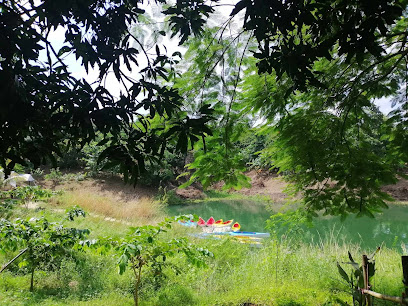
Kaptai Lake View
8.9 km
Experience the beauty of Kaptai Lake: panoramic views, serene waters, and lush green hills await in Rangamati's stunning landscape.
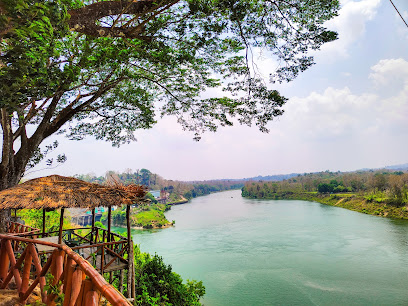
I love Rangamati
10.3 km
Capture the beauty of Rangamati from this scenic viewpoint along the Kaptai Lake route. A must-stop for nature lovers!
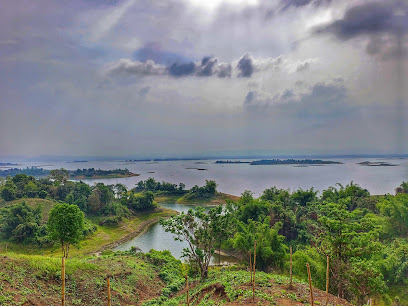
Kaptai Lake
11.1 km
Discover the serene beauty of Kaptai Lake: boat tours, lush hills, and cultural experiences await in Bangladesh's largest artificial lake.
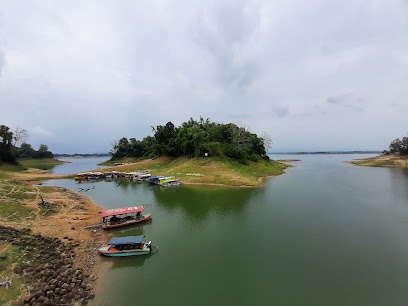
রিটাং ঝর্ণা / Ritang Katal waterfall
11.4 km
Escape to the tranquil রিটাং ঝর্ণা / Ritang Katal Waterfall in Rangamati, Bangladesh, a perfect natural getaway for relaxation and adventure.
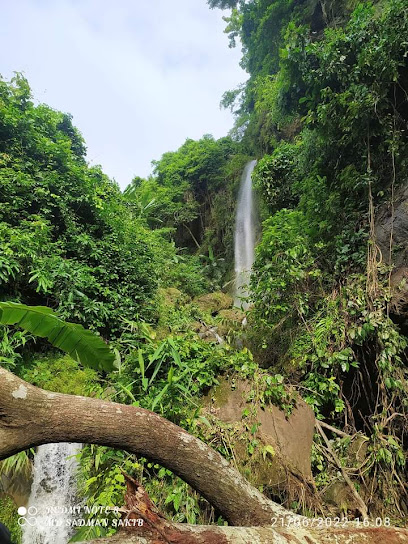
Bilaichari para
11.9 km
Discover the untouched beauty of Bilaichari Para in Rangamati, Bangladesh: a serene escape into lush hills, cascading waterfalls, and vibrant indigenous culture.
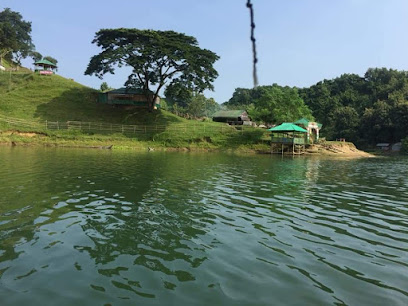
ধুপ টারেঙ্গ/ Dup Tareng
11.9 km
Discover the serene beauty of Dup Tareng in Ghagra, Bangladesh – a perfect escape for nature lovers and peace seekers.
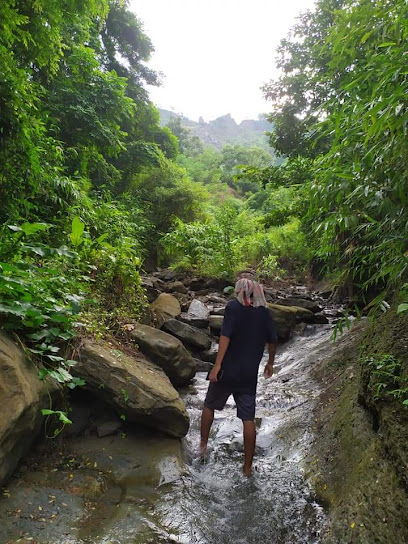
Mayaleen Floating Villa
13.8 km
Experience luxury on the water at Mayaleen Floating Villa, Rangamati. Discover Kaptai Lake's beauty with comfort and style.
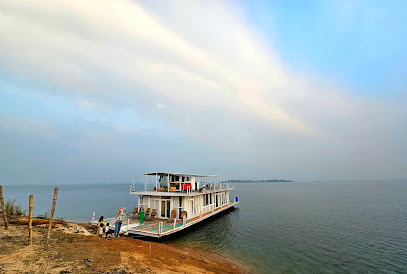
Divine Lake Island
13.9 km
Experience tranquility and natural beauty at Divine Lake Island, a unique island resort on Kaptai Lake, Rangamati.
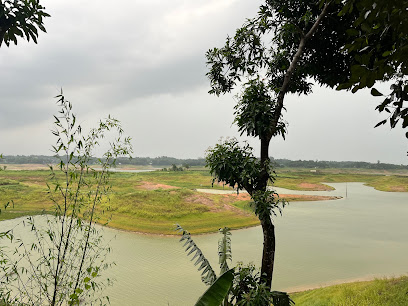
Lake View
14.2 km
Enjoy the serene beauty of Lake View in Rangamati, a perfect spot for relaxation and scenic views within the Parjatan Complex.
Essential places to dine

Panorama Zoom Restaurant And Kayak Club
3.5 km
Experience breathtaking views and delicious local cuisine at Panorama Zoom Restaurant and Kayak Club in Rangamati.
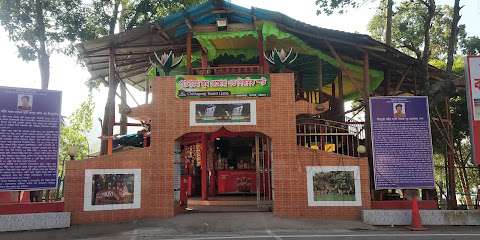
Si mohon
4.5 km
Discover authentic Bangladeshi flavors at Si Mohon in Kaptai - a culinary gem surrounded by stunning natural beauty.

Berannye Lake Shore Cafe
8.1 km
Experience authentic tribal cuisine with stunning views at Berannye Lake Shore Cafe - a must-visit culinary destination.
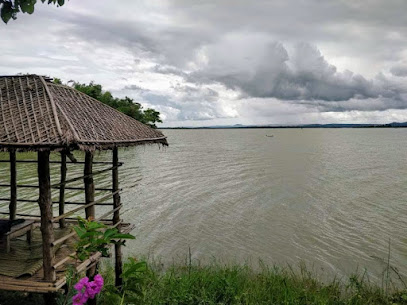
Borgaang Restaurant
8.3 km
Discover authentic Bangladeshi flavors at Borgaang Restaurant with stunning views of Kaptai Lake - a must-visit dining destination.
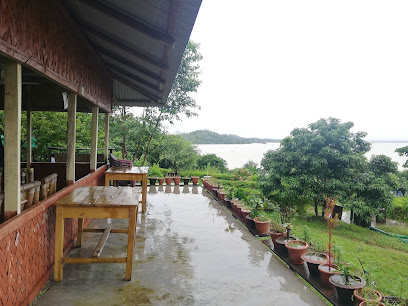
Gang Sabarang
15.0 km
Discover the vibrant flavors of Rangamati at Gang Sabarang, where local cuisine meets international delights in a warm atmosphere.
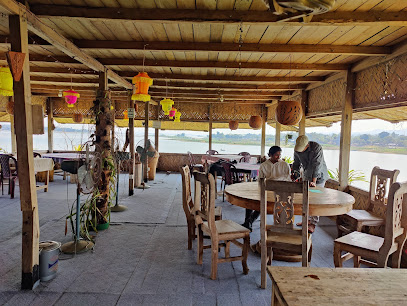
Hill N High Cafe
15.2 km
Experience breathtaking views and delightful cuisine at Hill N High Cafe in Rangamati - where nature meets flavor.
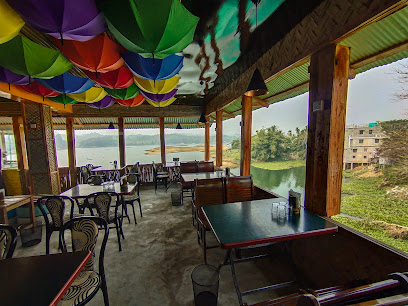
নিউ ক্যান্ডি ভাত ঘর
15.6 km
Experience authentic Bangladeshi cuisine at নিউ ক্যান্ডি ভাত ঘর in Rangamati – where every dish tells a story.
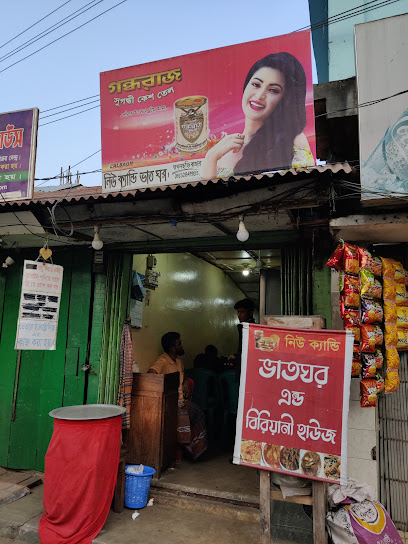
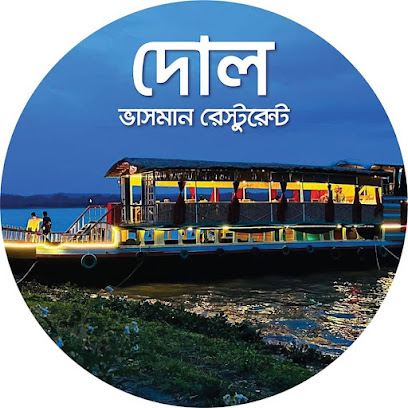
দোল - A Floating Lake view Restaurant in Rangamati
16.7 km
Experience exquisite dining with stunning lake views at Dól - Rangamati's premier floating restaurant offering local flavors and tranquil ambiance.
মামুর দোকান
16.7 km
Discover the heart of Bangladeshi cuisine at মামুর দোকান in Rangamati – where every dish is a celebration of flavor and tradition.
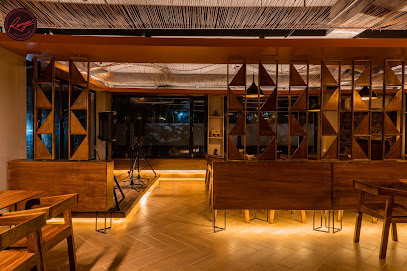
Ranga Cafe & Restaurant
17.1 km
Experience delightful Italian cuisine at Ranga Cafe & Restaurant in Rangamati - where every meal is a taste of tradition and comfort.
Kutum bari restora
17.2 km
Experience authentic Bangladeshi cuisine amidst breathtaking views at Kutum Bari Restaurant in Rangamati.
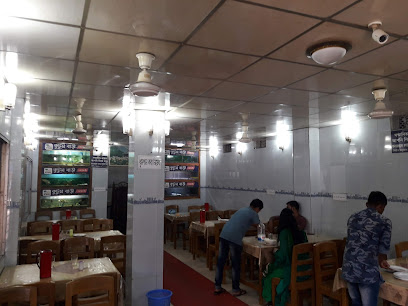
বন্ধুর বাড়ি রেস্তোরাঁ
17.2 km
Experience authentic Bangladeshi cuisine in a warm and inviting atmosphere at বন্ধুর বাড়ি রেস্তোরাঁ in Rangamati.
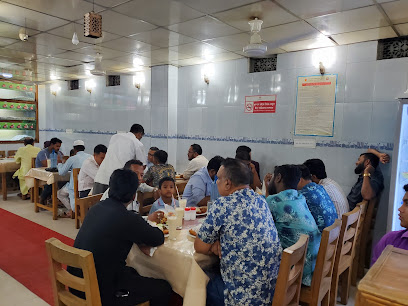
Dreamland Restaurant
17.4 km
Discover authentic Bangladeshi cuisine at Dreamland Restaurant in Rangamati - a perfect blend of flavor and culture awaits you.
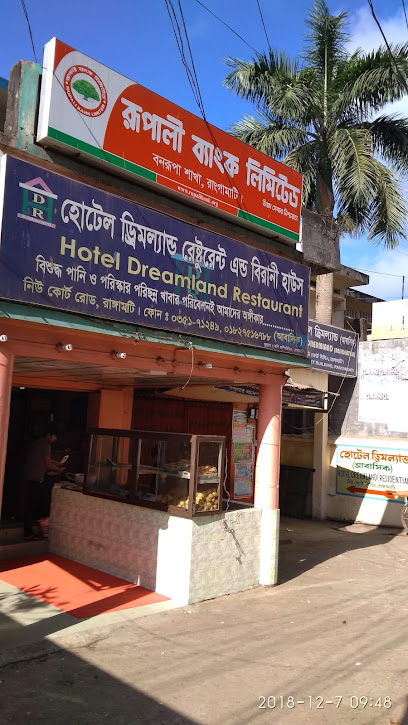
Rhong Raang Restaurant, Somota Ghat, Rangamati
17.7 km
Experience authentic Bangladeshi flavors at Rhong Raang Restaurant in Rangamati – where every meal is a delightful journey through local cuisine.
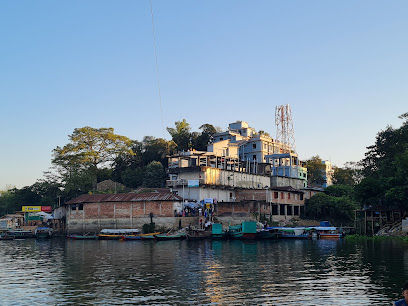
River view Restaurant, Rangamati
17.7 km
Experience culinary bliss at River View Restaurant in Rangamati, where every meal comes with stunning river views and authentic Bangladeshi flavors.
Markets, malls and hidden boutiques

Munna Store (মুন্না ষ্টোর)
2.2 km
Explore local delights and essentials at Munna Store in Kaptai, where community spirit meets unique Bangladeshi products.
Masum Store
2.4 km
Experience the vibrant local culture at Masum Store, Kaptai's cherished shopping destination for unique souvenirs and local delicacies.
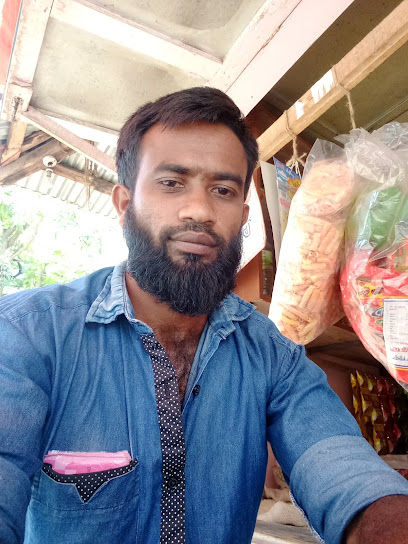
Recent tailor's & cloth store
3.6 km
Explore Kaptai's premier tailor shop for custom clothing and exquisite fabrics, perfect for unique souvenirs and tailored experiences.
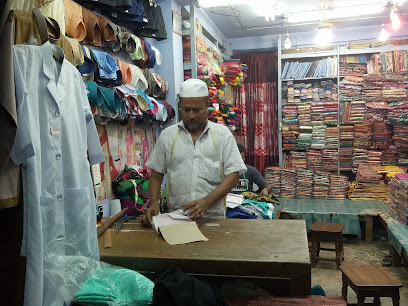
Edaning store
3.6 km
Shop at Edaning Store in Kaptai for a delightful mix of fashion, home goods, and unique souvenirs that capture the essence of local culture.
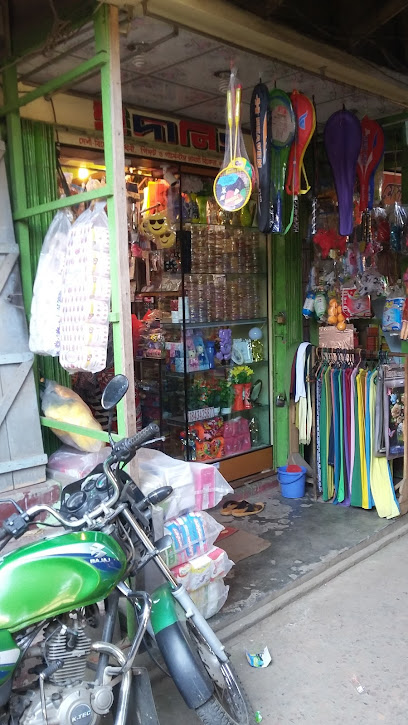
Boss Tailors And Cloth Store
3.6 km
Experience exceptional tailoring and personalized fashion at Boss Tailors And Cloth Store in Kaptai, where style meets craftsmanship.
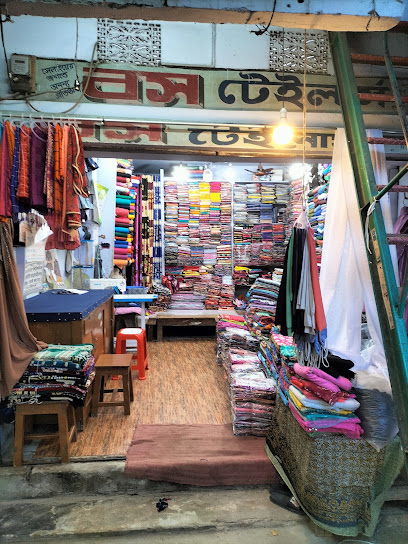
A.B.Barmij & Textile Collection.
4.1 km
Explore the vibrant A.B.Barmij & Textile Collection in Kaptai for a unique blend of local textiles and everyday groceries.
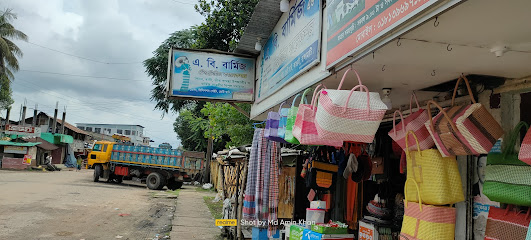
Sahin Store
4.4 km
Discover the heart of Chittagong at Sahin Store - a local treasure trove of Bangladeshi culture and products.
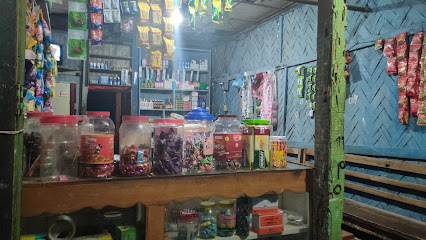
B N F W A Super Shop Arif Hossan
5.8 km
Explore B N F W A Super Shop for unique gifts and souvenirs that embody the spirit of Bangladesh, perfect for any traveler seeking local treasures.
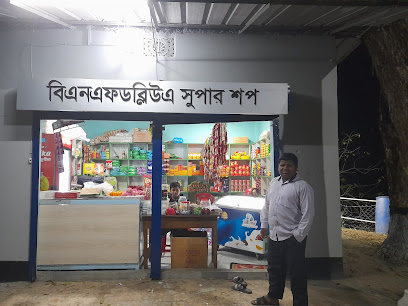
উপজাতি মার্কেট
14.1 km
Discover the essence of Rangamati at Upajati Market, where vibrant culture meets unique handicrafts and local delicacies.
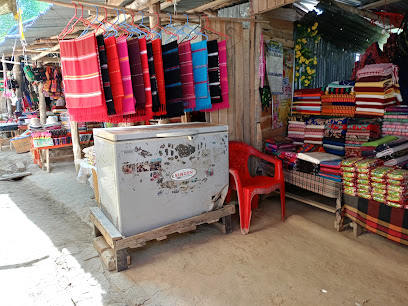
Shopno Kutiro
17.0 km
Discover the essence of Rangamati fashion at Shopno Kutiro, where traditional meets modern in a vibrant shopping experience.
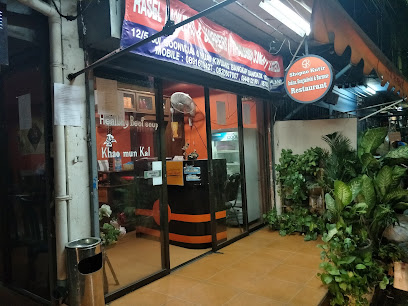
নকশী আড়ং রাঙ্গামাটি
17.1 km
Discover the essence of Bangladeshi culture at Nokkshi Aarong, a vibrant clothing store in Rangamati offering traditional garments and unique handicrafts.
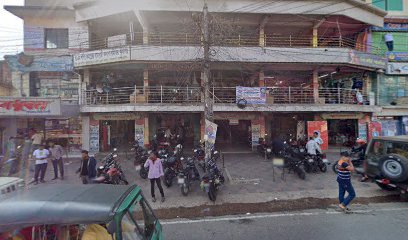
B M Shopping Complex
17.1 km
Discover local culture and modern shopping at B M Shopping Complex in Rangamati, a vibrant hub for tourists seeking unique experiences.
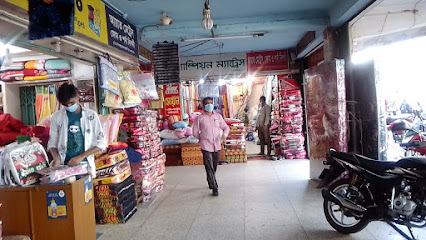
Sabangee
17.2 km
Discover unique handcrafted treasures at Sabangee, the premier gift shop in Rangamati, showcasing the best of local artistry.
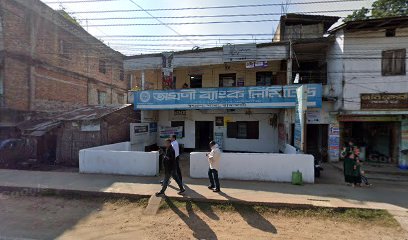
Ranga Shopping Best Online Shop In Rangamati
17.2 km
Experience the vibrant culture of Rangamati at Ranga Shopping, your destination for authentic local crafts and souvenirs.

Sandwip
17.3 km
Explore Sandwip, a vibrant gift shop in Rangamati, showcasing unique local crafts and artifacts that celebrate Bangladeshi culture.
Essential bars & hidden hideouts

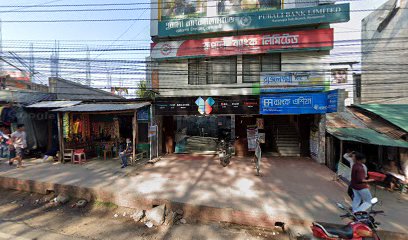
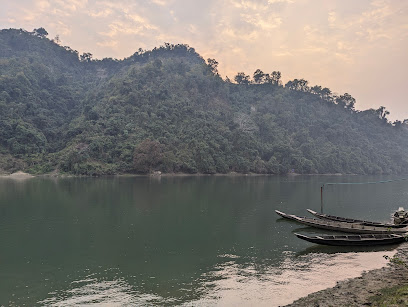
কাপ্তাই প্রশান্তি পার্ক ও তাবু নিবাস
1.0 km
Experience the serene beauty of Kaptai Shanti Park, a perfect picnic and camping destination surrounded by nature's tranquility.
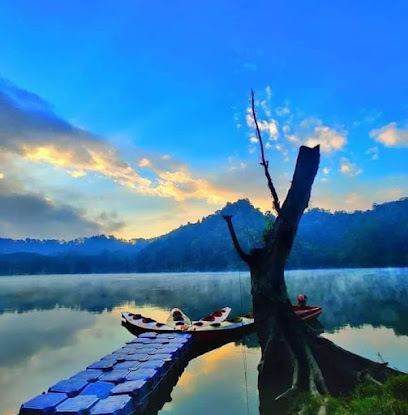
Paharika Picnic Spot and Restaurant.
1.8 km
Discover a peaceful retreat at Paharika Picnic Spot and Restaurant, where nature meets authentic Bangladeshi flavors.
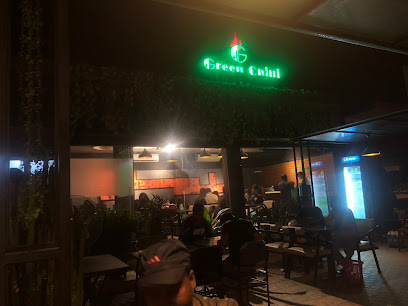
Green Chilli
7.1 km
Experience the rich culinary heritage of Bangladesh at Green Chilli, a must-visit restaurant in Chandraghona for authentic flavors.
Different Taste Tea & Juice Shop
15.2 km
Experience the authentic flavors of Rangamati at Different Taste Tea & Juice Shop, where every sip is a taste of local culture and freshness.

Chilekotha Cafe & Restaurant
15.2 km
Savor the flavors of Bangladesh at Chilekotha Cafe & Restaurant, where culinary tradition meets stunning landscapes in Rangamati.

Kingdom's Garden & Restaurant-KGR
16.0 km
Discover the flavors of Bangladesh at Kingdom's Garden & Restaurant-KGR, a serene dining spot in Rangamati offering local culinary delights.
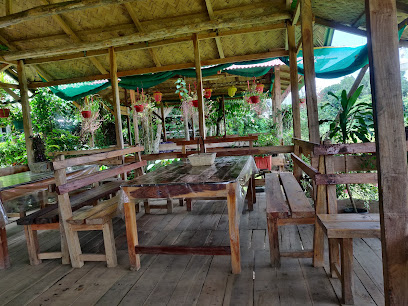
Rangamati Hill Tourist Restaurant & Coffee House
16.7 km
Experience the perfect blend of taste and scenery at Rangamati Hill Tourist Restaurant & Coffee House, where every meal is a feast for the senses.
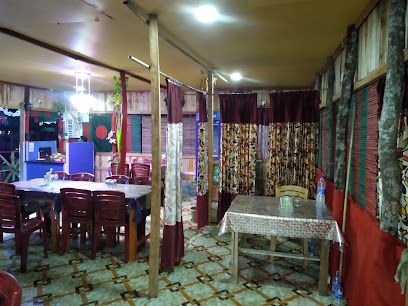
Robi adda centre
17.1 km
Experience the vibrant nightlife at Robi Adda Centre, the go-to bar in Rangamati for unwinding and socializing over local drinks.
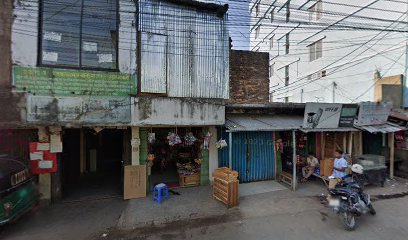
সলিউশন ডাইনিং
17.2 km
Experience authentic Bangladeshi cuisine at Solution Dining in Rangamati, where local flavors and warm hospitality await every visitor.
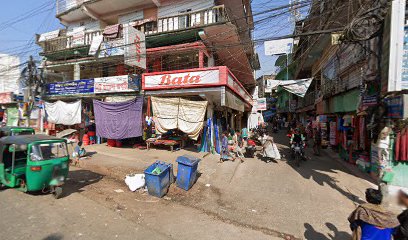
Akash
17.2 km
Discover the vibrant nightlife of Rangamati at Akash, a lively bar offering a diverse selection of drinks and a welcoming atmosphere.
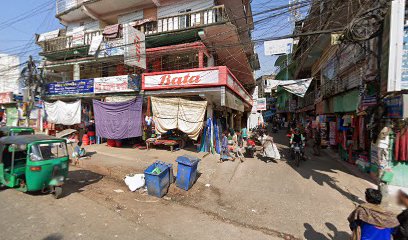
Irish Restaurent
17.2 km
Experience authentic Irish cuisine in the scenic beauty of Rangamati, where tradition meets culinary excellence.
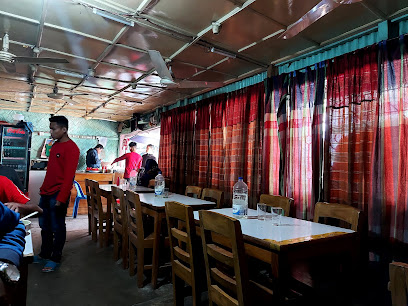
Cafe Sholoana
17.3 km
Discover the flavors of Rangamati at Café Sholoana, where local and international cuisines blend in a serene setting.
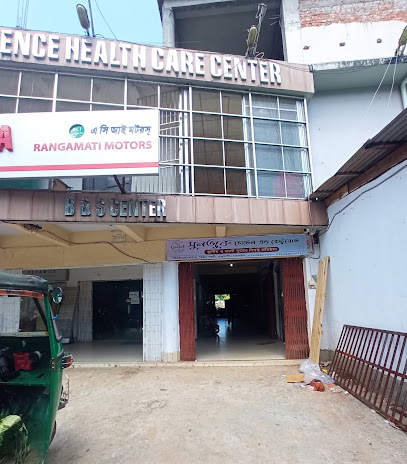
Sunjuk Hotel & Restaurant
17.7 km
Discover the flavors of Rangamati at Sunjuk Hotel & Restaurant, where local ingredients meet international cuisine in a cozy setting.
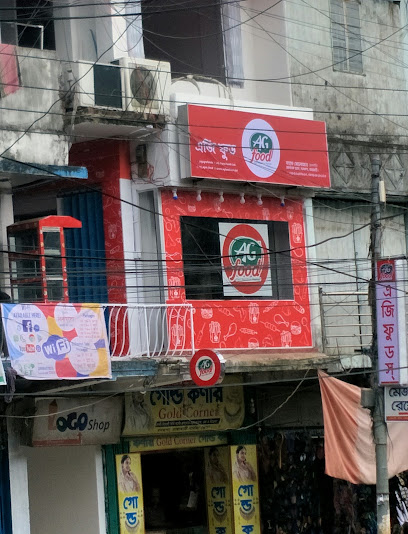
Amader Restora Rangamati
18.0 km
Experience authentic Bangladeshi cuisine at Amader Restora in Rangamati, where traditional flavors meet a cozy dining atmosphere.
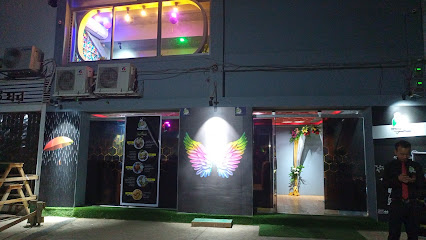
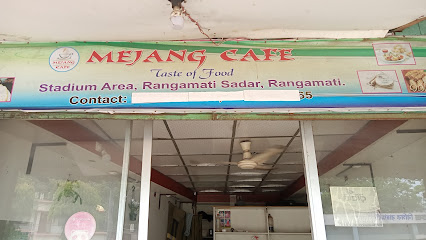
Mejang Cafe
18.0 km
Experience authentic Bangladeshi cuisine at Mejang Cafe, a cozy eatery located in the beautiful town of Rangamati.
Nightclubs & after hour spots

Kaptai Kayak Club
3.3 km
Discover adventure and tranquility at Kaptai Kayak Club, a premier destination for kayaking and relaxation by the stunning Kaptai Lake.
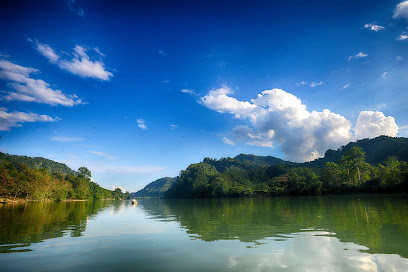
Nilanjana Boat Club & Resort
14.0 km
Experience the serene beauty and adventure at Nilanjana Boat Club & Resort in Rangamati, the perfect retreat for nature lovers and adventure seekers.
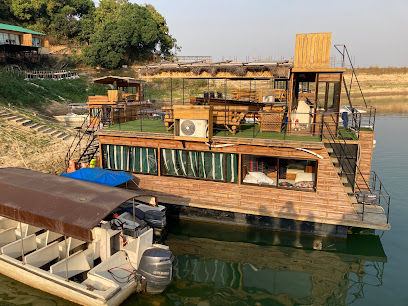
Parjatan Holiday Complex
14.5 km
Discover the serene beauty of Rangamati at Parjatan Holiday Complex, your perfect retreat amidst nature's splendor.
Bangladesh Parjatan Corporation(BPC) - Complex
14.8 km
Explore the beauty and culture of Rangamati at the Bangladesh Parjatan Corporation Complex, your serene retreat in nature's embrace.
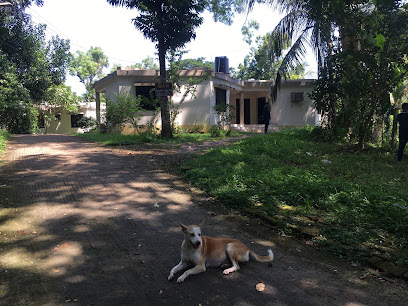
Hotel Nadisa International, Rangamati
16.9 km
Experience the serene beauty of Rangamati at Hotel Nadisa International, your gateway to comfort and adventure in the hill tracts.
এলিট মুরগি খামার
18.5 km
Dive into the vibrant nightlife of Rangamati at এলিট মুরগি খামার, where music, dance, and local culture collide for an unforgettable experience.
The Grand Hill Taj
19.0 km
Experience luxurious comfort and stunning natural beauty at The Grand Hill Taj, an idyllic resort hotel in the heart of Rangamati, Bangladesh.
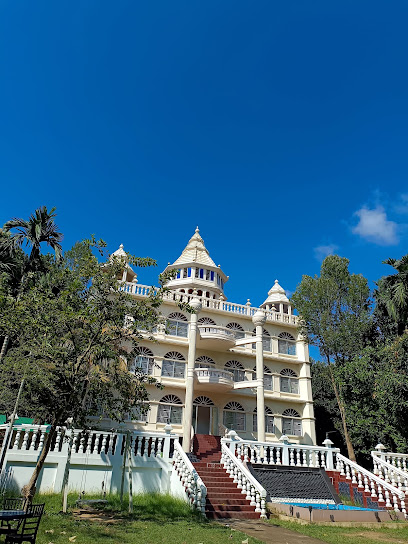
কটি কাটি ক্যান্টিন
21.0 km
Explore the heart of Pahartali's nightlife at কাটি কাটি ক্যান্টিন, where music, dance, and local culture come alive.

করিম মানশন
31.4 km
Dive into the vibrant nightlife of Bandarban at করিম মানশন - where music meets culture and unforgettable moments are created.
Shekh Rasel Smirity Songshod
33.5 km
Discover the energetic nightlife of Chattogram at Shekh Rasel Smirity Songshod, where music, dance, and fun unite for an unforgettable experience.

বিয়ে বাড়ি
33.8 km
Discover the lively nightlife at বিয়ে বাড়ি in Bandarban, where music, drinks, and culture come together for an unforgettable experience.
Hotel Green Hill
34.0 km
Discover tranquility at Hotel Green Hill, a serene haven in Bandarban, surrounded by lush hills and rich culture, perfect for nature lovers and adventurers.
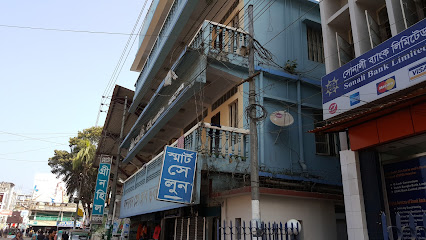
Officer's Club ,Bandarban
34.5 km
Discover the lively nightlife at Officer's Club in Bandarban, where local culture meets entertaining experiences amidst stunning natural beauty.
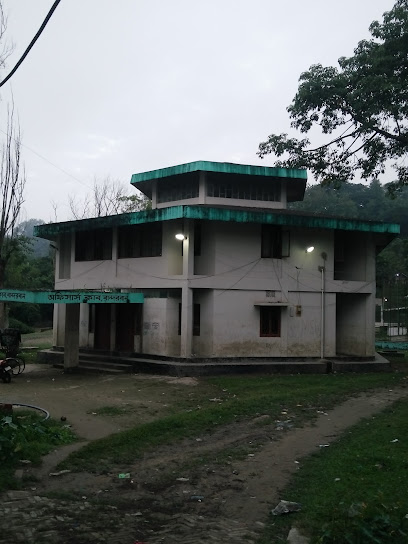
Hotel Hillton (Residence)
34.5 km
Discover the tranquility of Bandarban at Hotel Hillton, your perfect retreat in the heart of Bangladesh's stunning hill country.
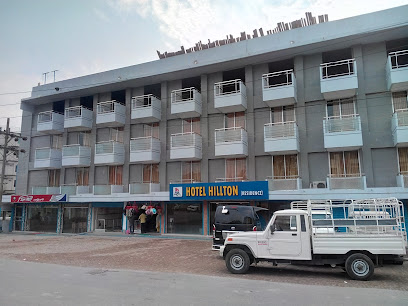
Sumon Tong
37.4 km
Discover the electrifying nightlife at Sumon Tong, Chattogram's vibrant night club offering unforgettable music, dancing, and socializing.