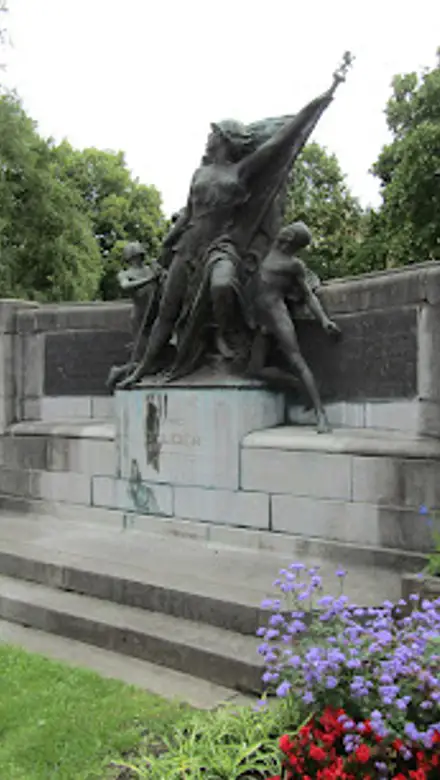
Oorlogsmonument Aalst, Aalst Travel Guide
Free Guide: A solemn war memorial on Aalst's Graanmarkt, commemorating the city's fallen soldiers and civilian victims of both World Wars, serving as a place for reflection and remembrance.


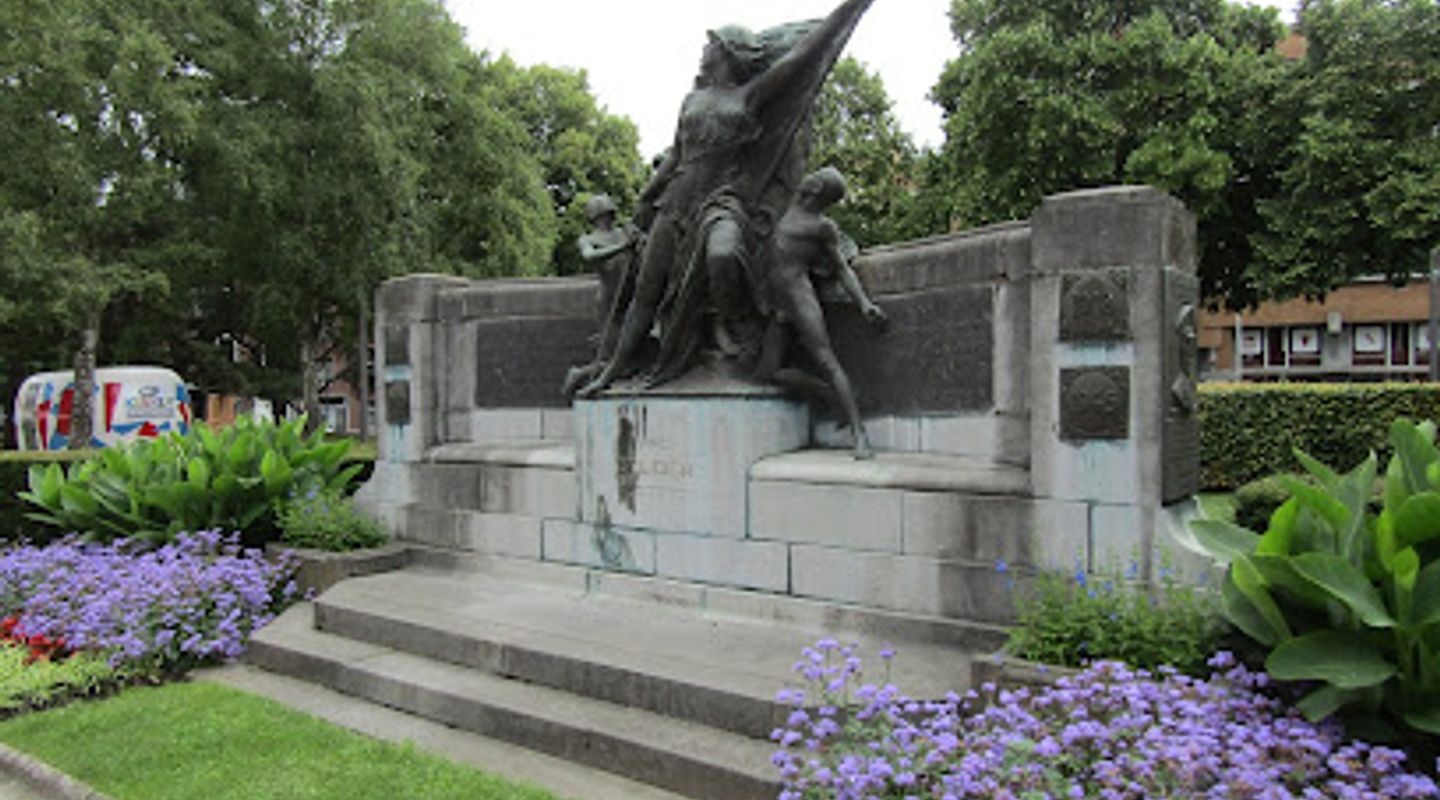
A brief summary of Oorlogsmonument Aalst
A solemn war memorial on Aalst's Graanmarkt, commemorating the city's fallen soldiers and civilian victims of both World Wars, serving as a place for reflection and remembrance.
The Oorlogsmonument Aalst, or War Memorial Aalst, stands solemnly on the Graanmarkt, a poignant reminder of the sacrifices made by the city's sons during the First and Second World Wars. Erected in 1921-1922, this monument is dedicated to the former students, troop children, and pupils of Aalst who perished for their country. The monument's location, opposite the former Pupillenschool where young boys received military training, adds to its historical context. It serves as a place for reflection and remembrance, inviting visitors to contemplate the cost of conflict and honor those who served. The monument is a reminder of the impact of war on the Aalst community and a place to pay respects to those who lost their lives.
Opening hours
- Every dayOpen 24 hours
Opening hours as listed on the venue’s Google Business Profile. Hours can change for services and special events, so check with the venue before you go.
- Address
- Graanmarkt 5/1, 9300 Aalst
- Website
Getting there
Walking
Public Transport
Driving
Discover more about Oorlogsmonument Aalst
Overview
The Oorlogsmonument Aalst, a war memorial located on the Graanmarkt in Aalst, Belgium, serves as a solemn tribute to the city's fallen soldiers and civilian victims of war. Specifically, it honors the "Oud-leerlingen, de Troepenkinderen en leerling-Pupillen" (former students, troop children, and pupils) of Aalst who lost their lives during the First and Second World Wars. The monument's origins trace back to the period following World War I, a time of profound grief and remembrance across Europe. In Aalst, a special national committee was established in early 1921 to oversee the construction of a memorial that would adequately honor the sacrifices made by its citizens. The location chosen for the monument was the Graanmarkt, directly across from the entrance of the old Pupillenschool, where young boys received military training until the 1960s. This placement was particularly significant, as it created a direct visual link between the monument and the institution that had prepared many of the fallen for military service. The monument was inaugurated on July 23, 1922, in a ceremony led by Prince Leopold. However, the grand scale of the event and the extensive decorations were met with criticism from some Flemish nationalists and socialists, who viewed the display as an excessive glorification of militarism. Despite this controversy, the monument has remained a central point of remembrance in Aalst. The Oorlogsmonument is the creation of sculptor Marcel Rau, architect Georges Hendrickx, and stonemason Michel Verhulst. Hendrickx, a former corporal in the Belgian army's 4th engineering regiment, also designed a memorial stone in Wulpen for the same division. Rau, a renowned classical sculptor and medalist, was responsible for numerous official commissions, including several war memorials. The collaboration between Rau and Hendrickx resulted in a monument that is both artistically significant and deeply meaningful to the community. Following World War II, two commemorative plaques and the years "1940-1945" were added to the monument to honor those who perished in the second global conflict. These additions further solidified the monument's role as a comprehensive memorial for all major wars of the 20th century. The monument features two memorial plaques dedicated to Captain Charles Claser and Colonel Jean de Schrijver. Captain Claser, a cadet from 1919 to 1920, died in a concentration camp. Colonel de Schrijver, a pupil from 1906 to 1909, disappeared in the Gross-Rosen concentration camp in 1945. The Graanmarkt, where the monument stands, has undergone significant transformations over the years. Historical maps and aerial photographs reveal the evolution of the square and its surrounding buildings, highlighting the monument's enduring presence amidst the changing urban landscape. Today, the Oorlogsmonument Aalst continues to serve as a place of remembrance and reflection. It stands as a reminder of the human cost of war and the importance of honoring those who have served their country. Visitors to the monument can pay their respects, contemplate the sacrifices made by the people of Aalst, and reflect on the broader themes of peace and reconciliation.
Evendo Review Centre
 Google
Guest reviews
Explore Oorlogsmonument Aalst on the map
A handpicked selection of must-see spots near Oorlogsmonument Aalst, mapped for you.
Get your free copy of our complete guide to Oorlogsmonument Aalst, delivered straight to you.
Everything on this page, from opening hours and how to get there to Eve’s tips and the best time to go, in one PDF you can read offline, print or share.
Already have an account? Sign in
Your Oorlogsmonument Aalst guide is ready.
We'll send it to · Not you? Sign out

Getting your guide ready…
We are putting together a fresh copy of the Oorlogsmonument Aalst guide. This can take up to a minute.
This can take a few moments. If your browser asks, choose Allow so the download can start. You'll find the guide in your Downloads folder.
Nothing happened? Download it again
Sorry, the guide is taking longer than usual. Please try again in a minute, or get it by email instead.
Other nearby places you may find interesting
The closest places of the same kind, if this one is not quite what you had in mind.
-
-
-
-
-


Swipe for more places
More to explore near Oorlogsmonument Aalst

 Best experiences near Oorlogsmonument Aalst
 Best hotels near Oorlogsmonument Aalst
 Best landmarks near Oorlogsmonument Aalst
 Best attractions near Oorlogsmonument Aalst
 Best shops near Oorlogsmonument Aalst
 Best restaurants near Oorlogsmonument Aalst
 Best bars near Oorlogsmonument Aalst
Do you manage this location?
Take control to get all the benefits, like improved information, better appearance, and stronger visibility across AI-powered discovery.
Explore more
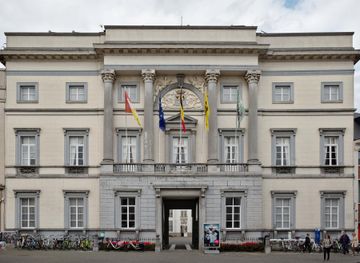
Explore more of Aalst
Discover Aalst: A historic city in Flanders, Belgium, known for its medieval charm, vibrant carnival, and delicious local cuisine.
Explore Aalst
Explore more of Belgium
Discover Belgium: A blend of medieval charm, culinary delights, and stunning landscapes. Explore historic cities, savor exquisite chocolates, and enjoy a perfect getaway.
Explore Belgium