

Sint-Martens plein, Aalst Travel Guide
Free Guide: Discover Sint-Martensplein in Aalst, a historic square blending architectural beauty with vibrant community life, offering a glimpse into the town's rich past and lively present.


A brief summary of Sint-Martens plein
Discover Sint-Martensplein in Aalst, a historic square blending architectural beauty with vibrant community life, offering a glimpse into the town's rich past and lively present.
Sint-Martensplein, a vibrant square in Aalst, Belgium, offers a captivating blend of history and modern life. Once a bustling marketplace and former graveyard, it now serves as a central hub for community events and daily life. Bordered by the impressive Sint-Martinuskerk and charming historical buildings, the square provides a picturesque setting for visitors. Its transformation over the centuries reflects Aalst's rich heritage, making it a must-see destination for those seeking to immerse themselves in the town's unique atmosphere. Whether you're exploring the architectural landmarks, enjoying a coffee at a local café, or attending a festive event, Sint-Martensplein encapsulates the spirit of Aalst.
- Address
- Beekveldstraat 31, 9300 Aalst
Getting there
Walking
Public Transport
Taxi/Ride-Share
Driving
Discover more about Sint-Martens plein
Overview
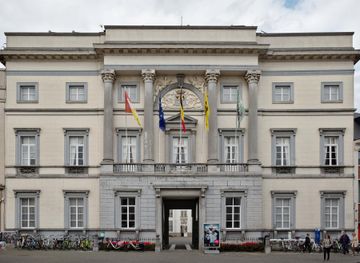
Sint-Martensplein, located in the heart of Aalst, Belgium, is more than just a square; it's a living testament to the town's rich and evolving history. This central space has transformed over centuries from a marketplace and graveyard to a vibrant hub of community life, surrounded by architectural landmarks and bustling with activity. The square's history is deeply intertwined with the Sint-Martinuskerk, a magnificent Gothic church that dominates the landscape. Originally, the area around the church served as a graveyard. Over time, as the town grew, the need for a central marketplace became apparent. Gradually, parts of the graveyard were repurposed, and Sint-Martensplein began its evolution into a commercial and social center. The square's function as a marketplace was solidified in 1241 when the right to establish a Koornhal (grain hall) was granted, situated northeast of the church. This Koornhal stood until 1871 when it was purchased by the Dames van Maria, who incorporated it into their complex and built a wall along the square. Adding to the square's commercial activity, the Vlasmarkt (flax market) was located near the Pontstraat, and the Pondelmarkt operated southeast of the church. These markets contributed to the square's bustling atmosphere, making it a focal point for trade and social interaction. The square's expansion was also influenced by the gradual reduction of the two churchyards: 't Nieuw Kerckhof (1588) to the southeast and Groen Kerckhof (1663). The Groen Kerckhof was first reduced in size in 1714, and in 1765, the churchyard wall was renovated, further expanding the square. In 1784, Emperor Joseph II prohibited private churchyards, leading to the evacuation of the graveyards after a new cemetery was purchased outside the Kattestraatpoort. Throughout the 17th century, the square was also known for its hostelries, including the famous 'de Corenblomme,' located at the corner of the Instituut der Dames van Maria and the pastorij-dekenij. The north side of the market formed a continuous block of houses connected to the last houses of the Kerkstraat. In contrast, the current market wall is interrupted by the open space of the former Koornhal, connecting to the curved and angular wall with white-plastered facade, providing a counterpoint to the bustling choir section. Today, Sint-Martensplein is a dynamic space that hosts various events and activities. The square is often used for markets, festivals, and other public gatherings, drawing both locals and tourists. The surrounding buildings, including the Sint-Martinuskerk, contribute to the square's architectural charm, making it a popular spot for photographers and history enthusiasts. The Sint-Martinuskerk, with its Gothic architecture, is a dominant feature of the square. Construction of the church began in the 15th century, and it houses several important works of art, including a painting by Peter Paul Rubens, 'Saint Rochus Beseeching Christ to Terminate the Plague at Aalst.' The church's rich history and artistic treasures make it a significant cultural landmark. While exploring Sint-Martensplein, visitors can also appreciate the surrounding historical buildings. The square is bordered by a mix of architectural styles, reflecting different periods in Aalst's history. These buildings add to the square's character and provide a glimpse into the town's past. Accessibility is an important consideration for visitors to Sint-Martensplein. The square is generally accessible, but it's always a good idea to check for any temporary closures or restrictions due to events or construction. Public transportation options are available for reaching the square, and parking is available nearby, though it can be limited at times. Sint-Martensplein is not only a historical and architectural landmark but also a place where people come together to celebrate and enjoy life. The square hosts various events throughout the year, including the Sint-Maarten festivities, which are particularly popular with children. During this event, children traditionally receive gifts and treats, adding to the square's festive atmosphere. Moreover, the square provides a perfect starting point to explore Aalst. From here, one can easily walk to the Grote Markt, visit the Belfry, or stroll along the Dender River. The Tourism Office is located nearby on the Hopmarkt, where visitors can gather information about the city and its attractions. In conclusion, Sint-Martensplein is a captivating destination that offers a blend of history, culture, and community spirit. Its transformation from a graveyard to a bustling square reflects Aalst's dynamic past and present. Whether you're interested in architecture, history, or simply soaking up the local atmosphere, Sint-Martensplein is a must-see destination in Aalst.
Evendo Review Centre
 Google
Guest reviews
Explore Sint-Martens plein on the map
A handpicked selection of must-see spots near Sint-Martens plein, mapped for you.
Get your free copy of our complete guide to Sint-Martens plein, delivered straight to you.
Everything on this page, from opening hours and how to get there to Eve’s tips and the best time to go, in one PDF you can read offline, print or share.
Already have an account? Sign in
Your Sint-Martens plein guide is ready.
We'll send it to · Not you? Sign out

Getting your guide ready…
We are putting together a fresh copy of the Sint-Martens plein guide. This can take up to a minute.
This can take a few moments. If your browser asks, choose Allow so the download can start. You'll find the guide in your Downloads folder.
Nothing happened? Download it again
Sorry, the guide is taking longer than usual. Please try again in a minute, or get it by email instead.
Other nearby places you may find interesting
The closest places of the same kind, if this one is not quite what you had in mind.
-
-
-
-
-


Swipe for more places
More to explore near Sint-Martens plein

 Best experiences near Sint-Martens plein
 Best hotels near Sint-Martens plein
 Best landmarks near Sint-Martens plein
 Best attractions near Sint-Martens plein
 Best shops near Sint-Martens plein
 Best restaurants near Sint-Martens plein
 Best bars near Sint-Martens plein
Do you manage this location?
Take control to get all the benefits, like improved information, better appearance, and stronger visibility across AI-powered discovery.
Explore more
Explore more of Aalst
Discover Aalst: A historic city in Flanders, Belgium, known for its medieval charm, vibrant carnival, and delicious local cuisine.
Explore Aalst
Explore more of Belgium
Discover Belgium: A blend of medieval charm, culinary delights, and stunning landscapes. Explore historic cities, savor exquisite chocolates, and enjoy a perfect getaway.
Explore Belgium
