From Eve
Know before you go
Hi, I'm Eve. Here are a few practical things to know before exploring Fort Eben-Emael.
Local know-how to help you travel smarter and make the most of every moment.


Explore Fort Eben-Emael: a colossal WWII fortress with underground tunnels, artillery bunkers, and a museum showcasing its dramatic history.
Fort Eben-Emael, a massive Belgian fortress built in the 1930s, stands as a testament to pre-World War II military strategy. Located near Liège, it was once considered impregnable but fell to German forces in a daring glider attack in 1940. Today, it serves as a museum, offering a glimpse into the lives of soldiers and the intricacies of a bygone era of warfare.
Opening times, essentials, and a few local tips gathered into one calmer, easier-to-scan planning section.
Hi, I'm Eve. Here are a few practical things to know before exploring Fort Eben-Emael.
Local know-how to help you travel smarter and make the most of every moment.
Public Transport
To reach Fort Eben-Emael by public transport from Liège, begin at Liège-Guillemins train station. Take a train to Visé (approximately 15 minutes). From Visé station, take bus line 76 towards Ében-Émael. Get off at the stop 'Ében-Émael, Rue du Fort', and walk about 500 meters to the fort. The total cost for the train and bus may range from €5 to €10. Bus line 76 also runs directly from Liège to Bassenge/Eben-Emael.
Car
If driving from Liège, head southeast and take the E25 motorway towards Namur. Take exit 2 towards Visé/Landen and merge onto N608, following signs for Ében-Émael. Stay on Rue du Fort until you reach Fort Eben-Emael. Free parking is available for cars, motorcycles and coaches.
Use Tower Bridge as your starting point for nearby food, family ideas, nightlife, and more local discoveries.

Explore expert travel guides, compare and book tours, experiences, hotels, and more—all from the palm of your hand. Download now for seamless trip planning wherever your wanderlust takes you.
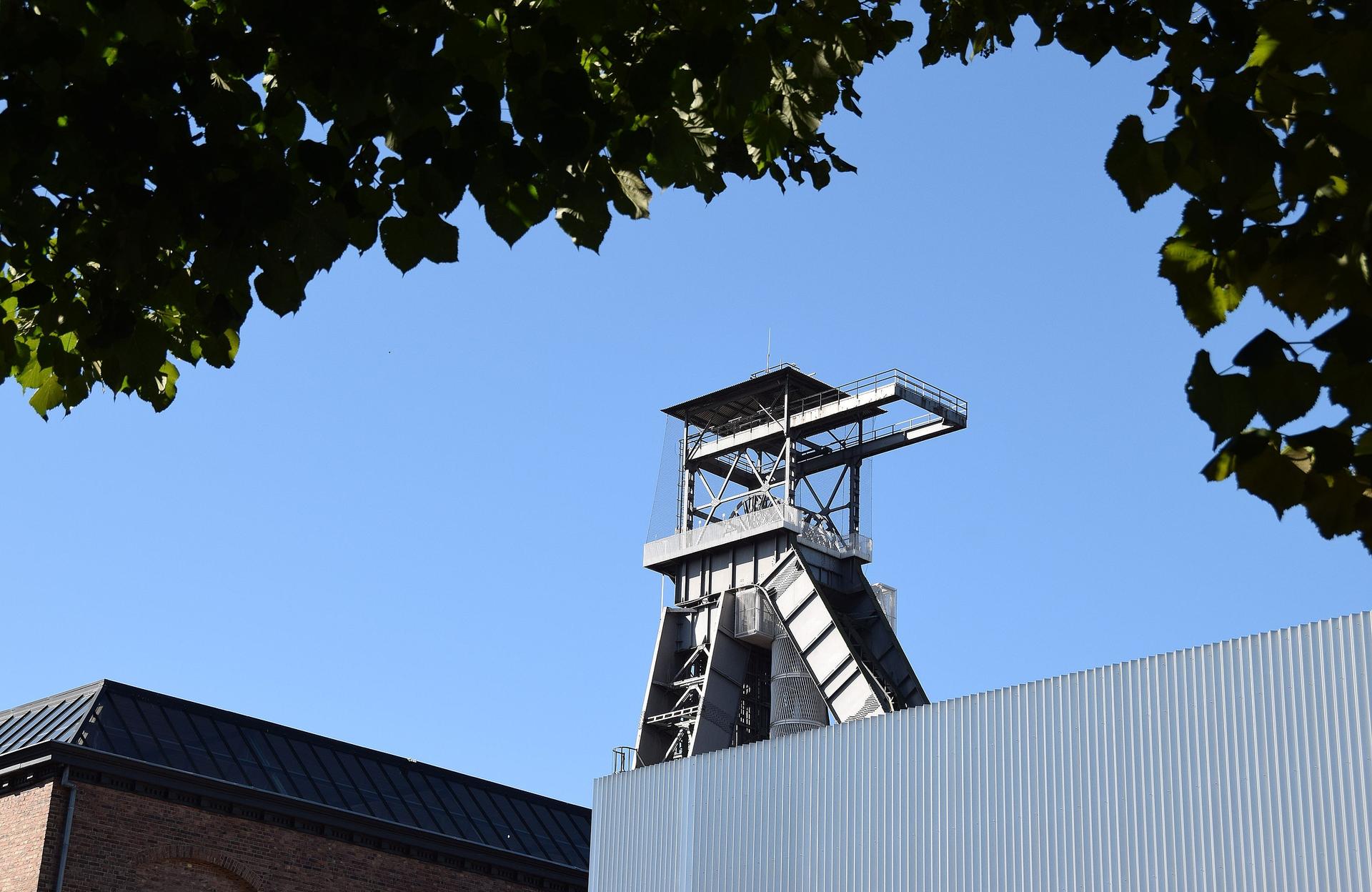
Discover Genk, Belgium's hidden gem, where industrial heritage meets natural beauty and vibrant culture, offering a unique experience for every traveler.
Tell me more about Genk