Ancient Mayan Roots
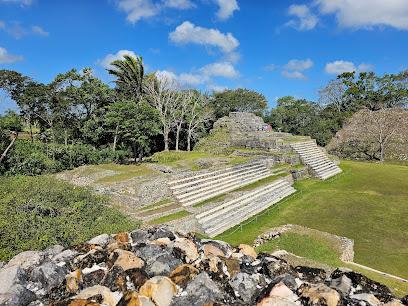
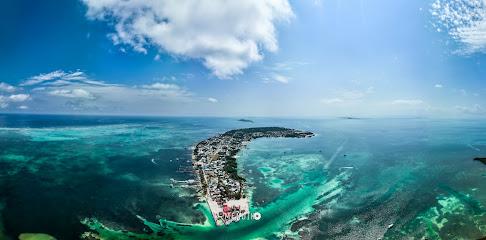
San Pedro, located on Ambergris Caye, has its origins rooted in the ancient Mayan civilization. The island was part of a vast network of trade routes that connected various Mayan cities. Archaeological evidence suggests that the island was inhabited by the Mayans as early as 1500 BC. The Mayans used the island primarily for fishing and trade, taking advantage of its strategic location along the Caribbean Sea.
Spanish Exploration
The first Europeans to arrive in the area were the Spanish in the 16th century. Conquistadors like Hernán Cortés passed through the region, although they did not establish permanent settlements on Ambergris Caye. The Spanish influence is still evident in the region's language, culture, and place names.
Pirates and Buccaneers
During the 17th and 18th centuries, Ambergris Caye and the surrounding waters became a haven for pirates and buccaneers. The island's secluded bays and coves provided perfect hiding spots for these seafaring outlaws. Legends of buried pirate treasure still intrigue visitors and locals alike.
British Colonial Era
In the 18th century, the British began to establish control over the region, which later became British Honduras. Ambergris Caye, including San Pedro, was not heavily settled but served as a strategic point for the British. The British influence brought about changes in governance, trade, and culture that are still evident today.
Formation of San Pedro Village
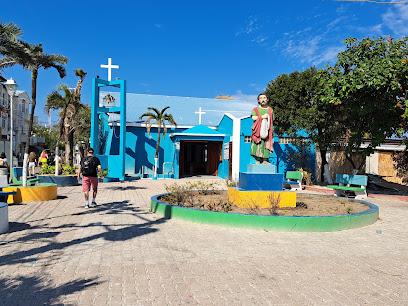
San Pedro was officially founded in 1848 by refugees from the Caste War in Yucatán, Mexico. These settlers were primarily Mestizos and they contributed to the town’s initial development. The village was named after Saint Peter, the patron saint of fishermen, reflecting the community’s reliance on fishing as a primary industry.
Tourism Boom
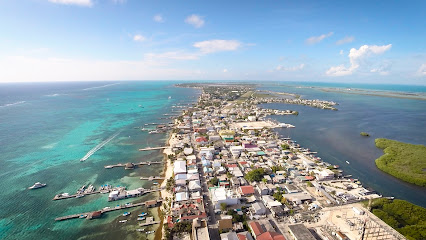
Starting in the late 20th century, San Pedro began to transform from a quiet fishing village into a bustling tourist destination. The establishment of the Hol Chan Marine Reserve in 1987 marked a turning point, attracting divers and snorkelers from around the world. The local economy shifted significantly towards tourism, leading to rapid development and modernization.
Cultural Melting Pot
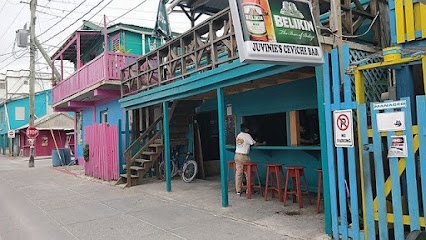
Today, San Pedro is a vibrant community that reflects a rich tapestry of cultures. The influence of the Mayans, Spanish, British, and the Mestizo settlers is evident in the town’s festivals, cuisine, and architecture. Annual events like the San Pedro Lobster Fest and the Costa Maya Festival celebrate the island’s diverse heritage and draw visitors from across the globe.