

Free Dangriga Travel Guide & Mobile App
Plan your Dangriga trip with Evendo. Get free guides to top attractions, restaurants, hotels, and bars. Web access or download the mobile app.


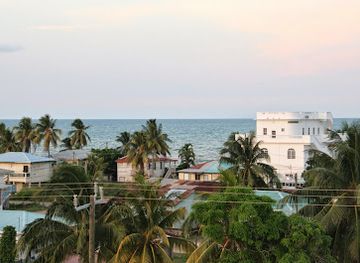
Dangriga, Belize, brings Garifuna culture, Caribbean coastlines, local seafood, drumming and access to the Maya Mountains and southern cayes for immersive travel.
Caribbean Setting and Garifuna Identity
Dangriga lies on Belize’s southern Caribbean coast, where the Stann Creek River meets the sea and coconut palms fringe a low, sunlit shoreline. Formerly known as Stann Creek Town, it is widely regarded as the cultural centre of Belize’s Garifuna community, whose West African, Carib and Arawak heritage is expressed through language, food, music, dance and ceremony. The town feels lived-in rather than resort-built: bicycles move along sandy streets, fishing boats gather near the waterfront, and conversations drift from modest shops and family-run eateries.Read more about Dangriga
Music, Food and Local Life
Coast, River and Southern Belize
When is the best time to visit Dangriga?
Best: March–May · 30–31°C| Month | High (°C) | Rainfall (mm) |
|---|---|---|
| January | 30 | 71 |
| February | 30 | 43 |
| March (best) | 30 | 17 |
| April (best) | 30 | 8 |
| May (best) | 31 | 11 |
| June | 30 | 25 |
| July | 30 | 55 |
| August | 30 | 67 |
| September | 30 | 84 |
| October | 30 | 101 |
| November | 30 | 94 |
| December | 29 | 73 |
Getting to and around Dangriga
How to get there
Transportation
Best attractions in Dangriga
Dangriga’s attractions are closely tied to its living culture and coastal setting. The Gulisi Garifuna Museum introduces the history, migration and traditions of the Garifuna people through displays and interpretation, while the Pen Cayetano Studio offers insight into the work of a leading Garifuna artist and musician. The town’s waterfront and riverside areas provide an immediate sense of its fishing heritage, with boats, palms and broad Caribbean horizons shaping the everyday landscape. Central Park and the market are useful places to observe local routines and sample regional produce rather than formal sightseeing venues. Cultural centres and drumming performances reveal the importance of punta music, language and dance, especially around Garifuna Settlement Day. From Dangriga, organised boat excursions extend the experience offshore to Tobacco Caye and South Water Caye, where the focus shifts to reefs and island ecology. Inland, the Stann Creek Valley leads towards rainforest landscapes and Maya Mountain scenery, though these are regional outings rather than attractions within the town itself.
-
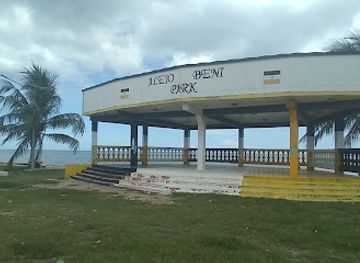
Park
Alejo Beni Park
Experience tranquility at Alejo Beni Park, a lush green haven in Dangriga, Belize, perfect for relaxation and cultural immersion.
5 min drive · 1.5 km from city centre
-
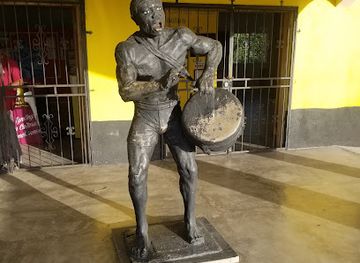
Museum
Gulisi Garifuna Museum
Explore the vibrant heritage of the Garifuna people at the Gulisi Garifuna Museum in Dangriga, Belize, where culture comes alive.
12 min walk · 0.9 km from city centre
-
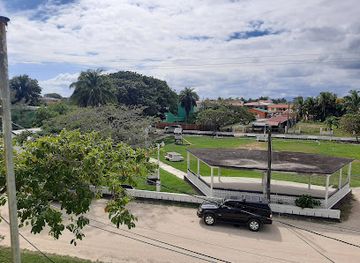
Park
BTL Princess Royal Park Dangriga
Discover tranquility at BTL Princess Royal Park in Dangriga, where nature, wildlife, and relaxation come together in a beautiful Belizean setting.
17 min walk · 1.3 km from city centre
Best landmarks in Dangriga
Dangriga’s most meaningful landmarks are connected with Garifuna memory, public life and the physical geography of the settlement. The Gulisi Garifuna Museum stands as an important cultural reference point, presenting the history of a community whose influence reaches far beyond the town. The Pen Cayetano Studio represents the continuing role of visual art and music in expressing Garifuna identity. Along the waterfront, the Stann Creek River and Caribbean shoreline are defining geographic landmarks that explain Dangriga’s history as a fishing, trading and transport settlement. Central Park and civic spaces provide settings for public gatherings, parades and national celebrations, while local churches and community buildings reflect the town’s layered social history. Rather than a concentration of grand colonial monuments, Dangriga’s character is found in modest public places, cultural institutions, river views and the landscape that has supported coastal life for generations.
-
Restaurant
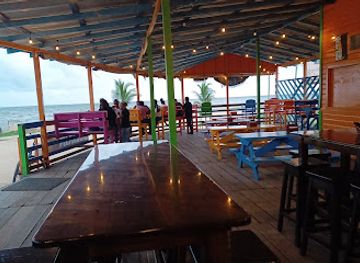
Island Breeze Bar & Grill
Experience the vibrant flavors of Belize at Island Breeze Bar & Grill, where local cuisine meets a breathtaking riverside view in Dangriga.
5 min drive · 1.5 km from city centre
-
 Indoor lodging
Pelican Beach Resort - Dangriga
Experience the serene beauty of Pelican Beach Resort in Dangriga, Belize, offering beachfront relaxation and access to vibrant local culture.
5 min drive · 1.8 km from city centre
-
Airport
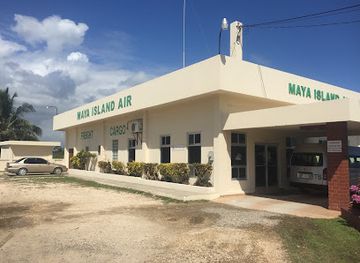
Dangriga Airport
Experience the vibrant culture and stunning natural beauty of Belize when you arrive at Dangriga Airport, your gateway to adventure.
5 min drive · 1.8 km from city centre
-
Hotel
Chaleanor Hotel
Experience the vibrant culture of Dangriga at Chaleanor Hotel, your cozy retreat for exploring the beauty of Belize.
18 min walk · 1.4 km from city centre
Explore Dangriga on the map
Plan your Dangriga trip on one map. See where the top attractions, landmarks, restaurants, bars and hotels are, find what's near where you're staying, and book hotels and experiences in a few clicks.
Best hotels in Dangriga
Best restaurants in Dangriga
Dangriga’s food culture is one of the clearest expressions of its Garifuna identity. Traditional dishes include hudut, in which fish is served with mashed green and ripe plantain, and tapou, a coconut-based fish soup; sere, cassava bread, fried plantain, rice and beans, fresh conch and grilled seafood also reflect the town’s coastal pantry. Coconut milk, cassava, plantain, fish and herbs connect home cooking with the wider Caribbean, while local restaurants and small eateries often offer practical, informal meals rather than elaborate dining rooms. The market and central streets are useful for finding snacks, fruit, juices and everyday Belizean cooking. Menus and opening patterns can vary, so the most characteristic meals may be found through locally run establishments, cultural centres or arrangements made with residents rather than through a formal restaurant district.
-
Restaurant
Island Breeze Bar & Grill
Discover authentic Belizean flavors at Island Breeze Bar & Grill in Dangriga – your ultimate dining destination for relaxation and culinary delight.
5 min drive · 1.5 km from city centre
-
Chicken
Quality Poultry Products
Experience authentic Belizean cuisine with delectable chicken dishes at Quality Poultry Products in Dangriga.
7 min walk · 0.5 km from city centre
-
Restaurant
Tuani Garifuna
Discover authentic Garifuna cuisine at Tuani Garifuna in Dangriga – a culinary journey filled with rich flavors and cultural heritage.
18 min walk · 1.4 km from city centre
-
Diner
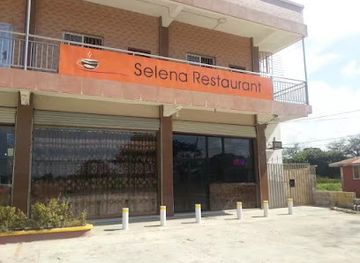
Selena Restuarant
Discover authentic Belizean flavors at Selena Restaurant in Dangriga – where every dish tells a story.
11 min walk · 0.9 km from city centre

Best bars in Dangriga
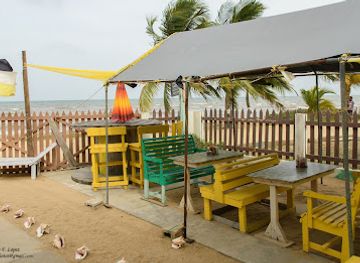
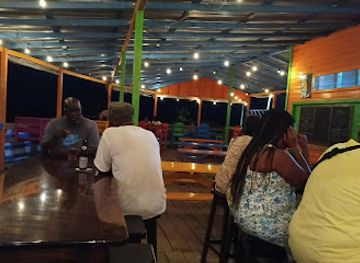
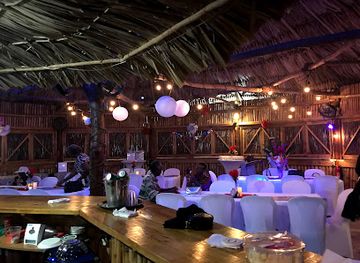
Dangriga’s evening life is modest, social and community-oriented rather than shaped by large nightclubs. Local bars and small rum shops provide places to talk, listen to music and meet residents, while some restaurants and guesthouses offer relaxed drinks near the waterfront. Garifuna drumming, punta music and dance are more culturally significant than a conventional club scene, with performances and celebrations becoming especially prominent around Settlement Day and other community events. Occasional live music and cultural programmes may take place at local venues, but schedules are not as predictable as in Belize City or San Pedro. After dark, visitors should use trusted taxis, remain aware of their surroundings and ask accommodation staff which places are active and suitable on a particular evening. The town’s nightlife is best understood through music, conversation and communal events rather than late-night entertainment infrastructure.
-
Restaurant
Island Breeze Bar & Grill
Experience the vibrant flavors of Belize at Island Breeze Bar & Grill, a must-visit dining destination in Dangriga.
5 min drive · 1.5 km from city centre
-
Restaurant
Tuani Garifuna
Experience authentic Garifuna cuisine at Tuani Garifuna in Dangriga, where local flavors and cultural heritage come together for an unforgettable dining experience.
18 min walk · 1.4 km from city centre
-
Cafe
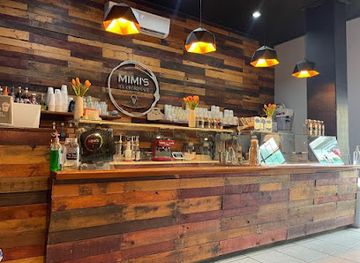
Mimi's Ice Cream Café
Discover the delicious flavors of Belize at Mimi's Ice Cream Café, a local favorite in Dangriga, offering a tropical twist on classic treats.
5 min drive · 1.5 km from city centre
-
Diner
Selena Restuarant
Discover the authentic Belizean dining experience at Selena Restaurant, where local flavors meet warm hospitality in Dangriga.
11 min walk · 0.9 km from city centre
Best nightclubs in Dangriga
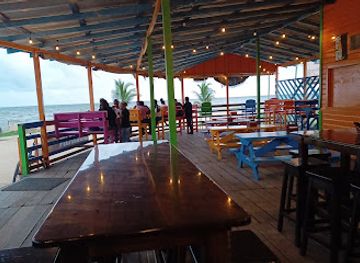
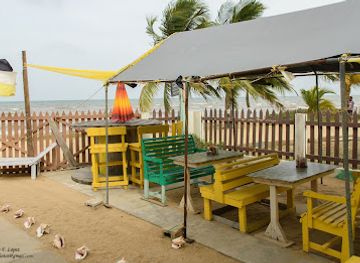
Dangriga’s evening life is modest, social and community-oriented rather than shaped by large nightclubs. Local bars and small rum shops provide places to talk, listen to music and meet residents, while some restaurants and guesthouses offer relaxed drinks near the waterfront. Garifuna drumming, punta music and dance are more culturally significant than a conventional club scene, with performances and celebrations becoming especially prominent around Settlement Day and other community events. Occasional live music and cultural programmes may take place at local venues, but schedules are not as predictable as in Belize City or San Pedro. After dark, visitors should use trusted taxis, remain aware of their surroundings and ask accommodation staff which places are active and suitable on a particular evening. The town’s nightlife is best understood through music, conversation and communal events rather than late-night entertainment infrastructure.
-
Restaurant
Island Breeze Bar & Grill
Discover the vibrant flavors of Belize at Island Breeze Bar & Grill, where local cuisine meets a lively atmosphere in stunning Dangriga.
5 min drive · 1.5 km from city centre
-
Grill
Aba Isieni Cool Spot
Discover the vibrant flavors of Belize at Aba Isieni Cool Spot, a grill in Dangriga known for its delicious food and lively atmosphere.
5 min walk · 0.4 km from city centre
-
Bar
Ocean View Beach Facility
Experience the perfect blend of relaxation and celebration at Ocean View Beach Facility in Dangriga, Belize's premier coastal destination.
5 min drive · 1.8 km from city centre
-
Night club
White Swan Bar
Discover the vibrant nightlife of Hope Creek at White Swan Bar, where unforgettable music and great company await every night.
25 min drive · 8.3 km from city centre
Best shops in Dangriga
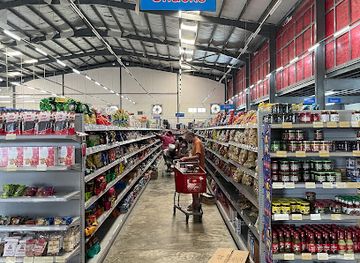
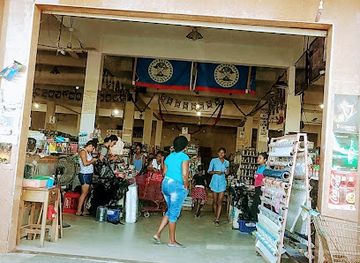
Shopping in Dangriga is centred on practical local commerce, food and cultural craft rather than large-scale retail. The town market and small shops are useful for fruit, vegetables, snacks, drinks and everyday Belizean products, while independent sellers and cultural venues may offer handmade drums, paintings, carvings, jewellery, textiles and other work associated with Garifuna creativity. Cassava products, hot sauces, spices and packaged regional foods can make more meaningful souvenirs than generic beach merchandise, provided that visitors check what can legally be carried across borders. Pen Cayetano’s artistic world also gives the town a distinctive creative dimension, although individual artworks and studio hours vary. Bargaining is not a universal expectation, and respectful conversation is preferable to treating handmade cultural objects as anonymous commodities. Retail activity is dispersed through the central town rather than concentrated in a single formal shopping quarter.
-
Shopping mall
Family City Import Limited
Discover the vibrant shopping experience at Family City Import Limited in Dangriga, your gateway to local crafts, souvenirs, and culinary delights.
9 min walk · 0.7 km from city centre
-
Grocery store
Grigalizean Store
Discover local flavors and essentials at Grigalizean Store in Dangriga, the heart of Belizean grocery shopping.
11 min walk · 0.9 km from city centre
-
Grocery store
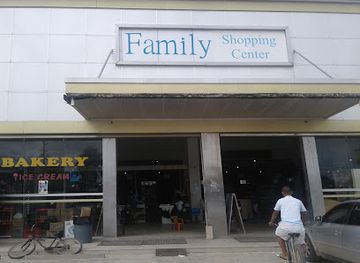
Family Shopping Center
Explore the vibrant Family Shopping Center in Dangriga for local produce, snacks, and a taste of Belizean culture.
10 min walk · 0.8 km from city centre
-
Home goods store
A & D Construction & Home Essentials
Explore A & D Construction & Home Essentials in Dangriga for quality home goods and exceptional service during your Belize adventure.
14 min walk · 1.1 km from city centre
Get your free copy of our complete guide to Dangriga, delivered straight to you.
Everything on this page, from attractions and restaurants to essentials and local phrases, in one PDF you can read offline, print or share.
Already have an account? Sign in
Your Dangriga guide is ready.
We'll send it to · Not you? Sign out

Getting your guide ready…
We are putting together a fresh copy of the Dangriga guide. This can take up to a minute.
This can take a few moments. If your browser asks, choose Allow so the download can start. You'll find the guide in your Downloads folder.
Nothing happened? Download it again
Sorry, the guide is taking longer than usual. Please try again in a minute, or get it by email instead.
Dangriga essentials
Currency and Payment
Safety
Emergency Situations
Do's and Don'ts
Local Tips
From Eve
Local phrases worth knowing
You don't need to get them perfect. A few words go a long way, and locals appreciate the effort.
Basics
| English | Local | Say it |
|---|---|---|
| Hello | Wey wa gwaan | [wey wa gwaan] |
| Goodbye | Lata | [lay-ta] |
| Yes | Yes | [yes] |
| No | Noh | [noh] |
| Please/You're welcome | Plis/Tank yu | [plees/tank you] |
| Thank you | Tenk yu | [tenk you] |
| Excuse me/Sorry | Ekskyu mi/Saari | [eks-kew mee/saa-ree] |
| How are you? | Eena weh we gud? | [ee-na way we good] |
| Fine. And you? | Fahn. An yu? | [fahn. an you] |
| Do you speak English? | Yu spiik Inglish? | [you speak ing-lish] |
| I don't understand | Mi noh andastan | [mee noh an-das-tan] |
Eating & Drinking
| English | Local | Say it |
|---|---|---|
| I'd like to see the menu, please | Mi wahn si di menu, plis | [mee wan see dee men-oo, plees] |
| I don't eat meat | Mi noh it mit | [mee noh eet meet] |
| Cheers! | Chis! | [cheers] |
| I would like to pay, please | Mi wahn paay, plis | [mee wan pay, plees] |
Emergencies
| English | Local | Say it |
|---|---|---|
| Help! | Help! | [help] |
| Go away! | Go aweh! | [go ah-way] |
| Call the Police! | Kaal di Poliis! | [kaal dee pole-eese] |
| Call a doctor! | Kaal ah dakta! | [kaal ah dak-ta] |
| I'm lost | Mi liis | [mee lees] |
| I'm ill | Mi siik | [mee seek] |
Shopping
| English | Local | Say it |
|---|---|---|
| I'd like to buy... | Mi wahn bai... | [mee wan buy] |
| I'm just looking | Mi joss lukin | [mee joss look-in] |
| How much is it? | Ee miich di kyaas? | [ee meech dee kyas] |
| That's too expensive | Da tuu ekspensiv | [da too ex-pen-siv] |
| Can you lower the price? | Yu kyan laawaa di prais? | [you kyan la-waa dee price] |
Time & Numbers
| English | Local | Say it |
|---|---|---|
| What time is it? | Weh taim eez? | [weh time eez] |
| It's one o'clock | Ii wahn aaklak | [ee wan ah-klok] |
| Half past (10) | Haaf paas (10) | [half pass (10)] |
| Morning | Maanin | [maa-nin] |
| Afternoon | Aftanuun | [af-ta-noon] |
| Evening | Iivnin | [eev-nin] |
| Yesterday | Yeside | [yes-ide] |
| Today | Tudeh | [too-deh] |
| Tomorrow | Tumaaro | [too-maa-ro] |
| 1 | Wahn | [wan] |
| 2 | Tu | [too] |
| 3 | Chrii | [chree] |
| 4 | Fuor | [fu-or] |
| 5 | Faiv | [fayv] |
| 6 | Siks | [siks] |
| 7 | Sivin | [see-vin] |
| 8 | Eit | [ate] |
| 9 | Nain | [nine] |
| 10 | Ten | [ten] |
Transport & Directions
| English | Local | Say it |
|---|---|---|
| Where's a/the...? | Weh ih deh...? | [weh ee deh] |
| What's the address? | Weh di adres? | [weh dee ah-dress] |
| Can you show me (on the map)? | Yu kyan shuo mi (ahn di maap)? | [you kyan shoo ohn dee map] |
| When's the next (bus)? | Weh taim di neks (bas)? | [weh time dee neks bus] |
| A ticket (to ....) | Wahn tiket (tu ....) | [wan ticket (too)] |
History of Dangriga
Garifuna Arrival on the Coast
Dangriga’s modern identity is rooted in the arrival and settlement of Garifuna people along the coast of what is now Belize during the early nineteenth century. The Garifuna are descendants of Africans and Indigenous Carib and Arawak peoples whose society developed in the eastern Caribbean. Garifuna settlers established communities suited to fishing, farming and river access, and the settlement that grew around the Stann Creek area became an important centre. Belizean Garifuna communities commemorate the arrival at Dangriga on 19 November 1823, the event remembered through Garifuna Settlement Day. The observance reflects migration, resilience and cultural continuity rather than a single episode of urban foundation.
Stann Creek Town and British Honduras
During the nineteenth and early twentieth centuries, the settlement was generally known as Stann Creek Town, after the river and district surrounding it. Under British colonial rule in British Honduras, the southern coast developed through small-scale agriculture, fishing, forestry and trade, while waterways connected communities that were difficult to reach by road. Garifuna residents maintained their language, music, farming practices and foodways alongside the institutions of colonial society. The town’s position between the sea and the Stann Creek Valley gave it practical importance, even though it never developed into a large industrial port. Its social history was shaped by movement between coastal settlements, inland farms and nearby islands.
Coconut, Citrus and Coastal Commerce
Economic activity in the wider Stann Creek region changed during the twentieth century as coconut cultivation, citrus farming and other agricultural enterprises became increasingly important. Dangriga served as a commercial and transport centre for produce and fishing communities, with the river and coastal waters continuing to influence the rhythm of work. These industries brought new economic connections but did not erase the town’s Garifuna foundations. Seasonal labour, family networks and migration also linked Dangriga with other parts of Belize and the wider Caribbean. The modest scale of the town today reflects this mixed history of agriculture, marine livelihoods, local trade and public administration rather than a single defining industry.
A Name Reflecting Garifuna Heritage
The town was officially renamed Dangriga in 1975, a change that recognised its Garifuna character and the community’s importance in Belizean national life. The name is commonly associated with the Garifuna language and is often interpreted as referring to sweet or standing waters, although explanations of its exact meaning vary. The renaming formed part of a wider post-colonial effort to affirm Belize’s diverse cultural identities. In Dangriga, that identity is visible in public celebrations, music, visual art, cuisine and the continued use of Garifuna. The town became one of the clearest places in Belize to encounter the culture not simply as heritage, but as an active community tradition.
Independence and Cultural Recognition
Belize became independent from the United Kingdom in 1981, and Dangriga entered the national era as a regional centre with a particularly strong cultural voice. Garifuna Settlement Day, first observed nationally in 1977 and held each year on 19 November, helped place Garifuna history within Belize’s public story. In 2001, UNESCO proclaimed the language, music and dance of the Garifuna among the Masterpieces of the Oral and Intangible Heritage of Humanity; the tradition was later included in the Representative List of the Intangible Cultural Heritage of Humanity. Contemporary Dangriga continues to balance cultural preservation with tourism, migration, environmental pressures and the practical needs of a growing coastal community.
Dangriga in Photos
Browse through our photo collection highlighting the charm and character of the destination.
Cities near Dangriga
The closest cities to Dangriga, if you have time for more than one stop.
-

-

-

-

-


Swipe for more cities
Explore more
Explore more of Belize
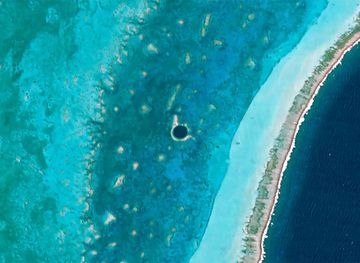
Discover Belize: A Caribbean paradise known for its stunning barrier reef, rich cultural heritage, and eco-friendly adventures in lush rainforests and pristine waters.
Explore Belize