

Free Orange Walk Town Travel Guide & Mobile App
Plan your Orange Walk Town trip with Evendo. Get free guides to top attractions, restaurants, hotels, and bars. Web access or download the mobile app.


Orange Walk Town, Belize pairs Maya heritage, New River boat trips, Mestizo cuisine and sugar-country culture in an easygoing northern setting.
A Northern Belizean Crossroads
Orange Walk Town stands beside the New River in northern Belize, roughly an hour and a half by road from Belize City. Known locally as Sugar City, it is the commercial centre of Orange Walk District and a place where Mestizo, Creole, Maya and other Belizean traditions meet. The town is less polished for tourism than San Ignacio or the Caribbean coast, but that is central to its appeal: daily life unfolds around market stalls, bus departures, family-run eateries and the broad river channel that has long connected inland communities.Read more about Orange Walk Town
River Expeditions and Maya Heritage
Culture, Food and Local Rhythm
When is the best time to visit Orange Walk Town?
Best: June–August · 30°C| Month | High (°C) | Rainfall (mm) |
|---|---|---|
| January | 29 | 66 |
| February | 29 | 61 |
| March | 29 | 47 |
| April | 30 | 28 |
| May | 30 | 16 |
| June (best) | 30 | 12 |
| July (best) | 30 | 12 |
| August (best) | 30 | 12 |
| September | 30 | 15 |
| October | 29 | 21 |
| November | 29 | 39 |
| December | 29 | 53 |
Getting to and around Orange Walk Town
How to get there
Transportation
Best attractions in Orange Walk Town
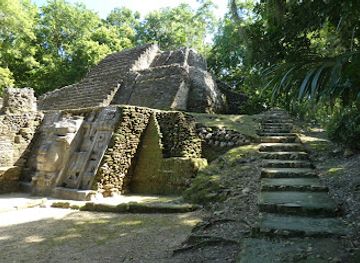
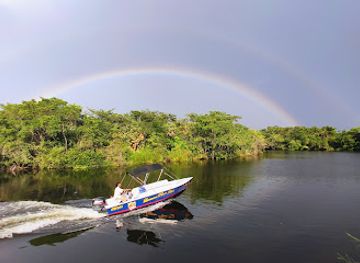
Orange Walk Town's principal attractions extend from its everyday streets into the surrounding river landscape. Central Park and the nearby commercial centre offer a low-key introduction to local life, with food stalls, small shops and the rhythms of northern Belizean transport. The New River is the area's defining sightseeing feature, and guided boat journeys pass through reeds, forest and wildlife-rich wetlands before reaching Lamanai, an extensive Maya archaeological site in Orange Walk District. At Lamanai, visitors encounter monumental temples, plazas and carved monuments set beside the New River Lagoon, with the boat journey forming part of the experience rather than merely a transfer. Within town, the local market and riverside areas provide opportunities to observe food traditions and commerce, while the surrounding sugar-cane country explains Orange Walk's nickname and economic history. Excursions should be planned as district outings, since the most significant archaeological and natural attractions are outside the built-up centre.
-
Park
Trial Farm Park
Experience the natural beauty and tranquility of Trial Farm Park in Orange Walk, Belize, a perfect retreat for nature lovers and families alike.
6 min drive · 2.0 km from city centre
-
Park
San Lorenzo Housing Site Park
Experience the serene beauty of San Lorenzo Housing Site Park in Orange Walk, Belize, a perfect escape for relaxation and nature lovers.
8 min drive · 2.6 km from city centre
-
Tourist attraction
Lamanai
Explore the ancient wonders of Lamanai, an archaeological gem in Belize teeming with history and surrounded by breathtaking nature.
7 min walk · 0.6 km from city centre
-
 Park
ParkBotanical Park
Explore the natural beauty of the Botanical Park in Orange Walk, a serene escape filled with tropical flora and peaceful landscapes.
18 min walk · 1.4 km from city centre
Best landmarks in Orange Walk Town
Orange Walk's most significant landmarks are tied to the river, the sugar economy and the wider archaeological landscape rather than to a large concentration of grand civic buildings. Central Park provides the town's principal public reference point, while local churches and commercial streets reflect the Mestizo and Belizean communities that shaped its modern identity. The New River is an important geographical and historical landmark, having supported movement, settlement and trade across the district for generations. Beyond the town itself, Lamanai is the region's outstanding monumental landmark: its Maya temples, plazas and carved stone features reveal a major centre occupied over a long period beside the lagoon. The former Tower Hill area and surrounding cane country are closely associated with the sugar industry, whose mills, fields and transport needs helped establish Orange Walk as the district's commercial centre.
-
Hotel
Hotel de la Fuente
Enjoy a delightful stay at Hotel de la Fuente in Orange Walk, Belize, where comfort meets convenience for memorable travel experiences.
4 min walk · 0.3 km from city centre
-
Museum
Banquitas House of Culture (NICH)
Explore the vibrant history and culture of Belize at Banquitas House of Culture, where tradition meets modern artistry in Orange Walk.
5 min walk · 0.4 km from city centre
-
Hotel
El Gran Mestizo Riverside Cabins
Discover comfort and nature at El Gran Mestizo Riverside Cabins, your serene getaway in Orange Walk, Belize, blending adventure with relaxation.
15 min walk · 1.2 km from city centre
-
Tour operator
Lamanai River Tours
Discover the magnificent blend of nature and history at Lamanai River Tours, where adventure meets ancient Mayan wonders in Belize.
16 min walk · 1.3 km from city centre
Explore Orange Walk Town on the map
Plan your Orange Walk Town trip on one map. See where the top attractions, landmarks, restaurants, bars and hotels are, find what's near where you're staying, and book hotels and experiences in a few clicks.
Best hotels in Orange Walk Town
Best restaurants in Orange Walk Town
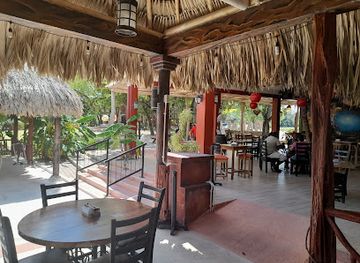
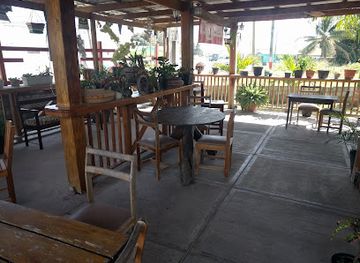
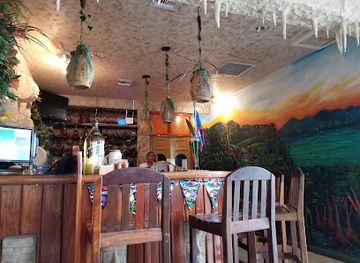
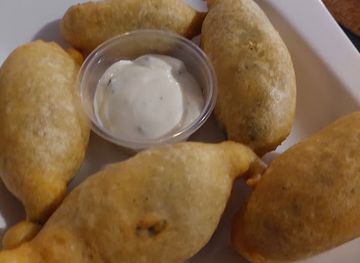
Orange Walk's dining identity reflects its strong Mestizo heritage alongside the broader cooking traditions of Belize. Tacos, tamales, garnaches, panades and other corn-based foods are common local choices, while rice and beans, stewed chicken, fried plantain and fresh seafood connect the town with national Belizean cuisine. Small family-run eateries, market stalls and informal taco stands often provide a more representative introduction to local food than formal dining rooms. Breakfast and lunch are important parts of the town's daily rhythm, and menus may draw on Spanish, Maya, Caribbean and Central American influences. The commercial centre and market area are practical places to look for casual food, while river excursions and rural visits may include meals arranged through local operators. Visitors with dietary restrictions should explain them clearly, as recipes and cooking methods vary between establishments.
-
Grill
Maracas Bar & Grill
Experience authentic Belizean cuisine at Maracas Bar & Grill – where flavor meets vibrant culture in Orange Walk.
16 min walk · 1.3 km from city centre
-
Restaurant
Cocina Sabor
Experience authentic Belizean cuisine at Cocina Sabor in Orange Walk - where every dish tells a story.
5 min drive · 1.7 km from city centre
-
Restaurant
Nahil Mayab Restaurant and Patio
Discover flavorful Belizean cuisine at Nahil Mayab Restaurant and Patio - where every meal tells a story amidst lush tropical surroundings.
5 min walk · 0.4 km from city centre
-
Restaurant
La Enramada Restaurant & Cabañas
Experience authentic Belizean cuisine at La Enramada Restaurant & Cabañas in Orange Walk - where local flavors meet warm hospitality.
15 min walk · 1.2 km from city centre
Best bars in Orange Walk Town
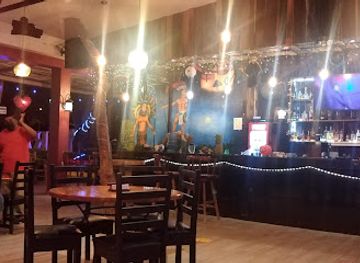
Orange Walk has a modest, locally oriented evening scene rather than a concentrated nightlife quarter. After dark, residents gather at neighbourhood bars, casual restaurants and small social venues, where Belizean music, conversation and televised sport are often more prominent than elaborate club nights. The town's Mestizo influence can also be felt in its preference for relaxed family and community settings, while occasional live music or celebrations bring greater activity to public venues. Visitors should expect nightlife to be quieter and more dispersed than in Belize City or San Pedro, with limited late-night options outside the centre. Evening walks are best kept to familiar, well-used streets, and transport home should be arranged rather than assumed. Cultural events, local festivals and community performances may offer a more characteristic night-time experience when taking place.
-
Grill
Maracas Bar & Grill
Discover the vibrant flavors of Belize at Maracas Bar & Grill, a culinary oasis in Orange Walk, perfect for a delightful dining experience.
16 min walk · 1.3 km from city centre
-
Restaurant
Cocina Sabor
Discover the vibrant flavors of Belizean cuisine at Cocina Sabor, a culinary gem in Orange Walk offering an authentic dining experience.
5 min drive · 1.7 km from city centre
-
Restaurant
Nahil Mayab Restaurant and Patio
Experience the rich flavors of Belize at Nahil Mayab Restaurant and Patio, where every dish tells a story of culture and tradition.
5 min walk · 0.4 km from city centre
-
Restaurant
Aroma Cafe and Lounge
Experience the best of local and international cuisine at Aroma Cafe and Lounge in Orange Walk, a must-visit dining destination for every traveler.
7 min walk · 0.6 km from city centre

Best nightclubs in Orange Walk Town
Orange Walk has a modest, locally oriented evening scene rather than a concentrated nightlife quarter. After dark, residents gather at neighbourhood bars, casual restaurants and small social venues, where Belizean music, conversation and televised sport are often more prominent than elaborate club nights. The town's Mestizo influence can also be felt in its preference for relaxed family and community settings, while occasional live music or celebrations bring greater activity to public venues. Visitors should expect nightlife to be quieter and more dispersed than in Belize City or San Pedro, with limited late-night options outside the centre. Evening walks are best kept to familiar, well-used streets, and transport home should be arranged rather than assumed. Cultural events, local festivals and community performances may offer a more characteristic night-time experience when taking place.
-
Grill
Maracas Bar & Grill
Discover the vibrant flavors of Belize at Maracas Bar & Grill, where every bite is a celebration of culinary delight.
16 min walk · 1.3 km from city centre
-
Pub
BSI Staff Club
Experience the lively ambiance of BSI Staff Club, a must-visit pub in Orange Walk, where local culture meets affordable entertainment.
14 min walk · 1.1 km from city centre
-
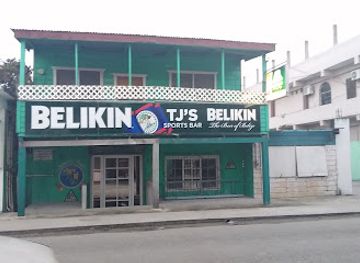
Sports bar
Tj Sports Bar & Karaoke
Experience the lively atmosphere of Tj Sports Bar & Karaoke in Orange Walk, where sports, music, and fun collide for an unforgettable night out.
2 min walk · 0.2 km from city centre
-
Pub
Tipsy Lounge & Pub
Tipsy Lounge & Pub: A lively destination in Orange Walk for drinks, music, and unforgettable nightlife experiences.
5 min walk · 0.4 km from city centre

Best shops in Orange Walk Town
Shopping in Orange Walk is practical and local in character, centred on small businesses, grocery shops, market stalls and independent retailers rather than a major tourist shopping district. The central market area is the best place to look for fresh produce, prepared foods and everyday goods, while town shops may carry Belizean snacks, drinks, clothing and modest souvenirs. Local food products, including hot sauces, spices and packaged sweets, are portable reminders of northern Belize's culinary culture. Travellers may also find handmade items through markets or community sellers, although craft stock is variable and should not be assumed. Shopping reflects Orange Walk's role as a service centre for surrounding farming communities, so the experience is more about observing local commerce and finding regional flavours than browsing a curated souvenir quarter.
-
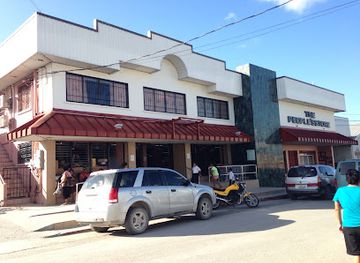
Supermarket
People's Store
Explore the vibrant flavors and local goods at People's Store, the must-visit supermarket in Orange Walk, Belize.
3 min walk · 0.2 km from city centre
-
Supermarket
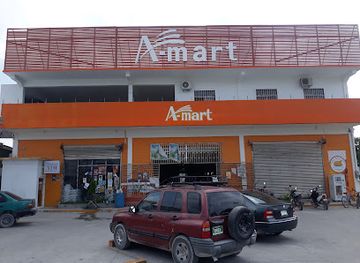
A MART
Discover the local flavors and essentials at A MART, the premier supermarket in Orange Walk, Belize, ideal for all your shopping needs.
7 min drive · 2.2 km from city centre
-
Fruit and vegetable store
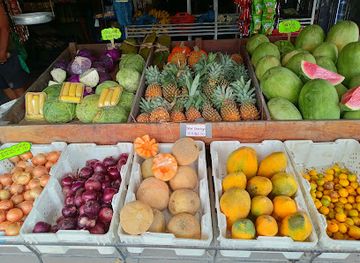
THE VEG SHOP
Discover the freshest fruits and vegetables at The Veg Shop in Belize, a local favorite for vibrant produce and authentic flavors.
10 min walk · 0.8 km from city centre
-
Store
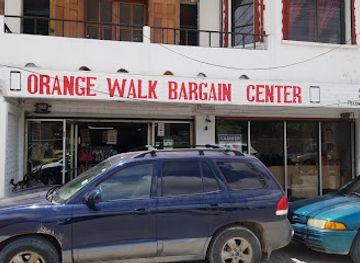
Orange Walk Bargain Center
Experience the heart of Orange Walk at the Bargain Center, where quality meets affordability in a vibrant shopping atmosphere.
3 min walk · 0.2 km from city centre
Get your free copy of our complete guide to Orange Walk Town, delivered straight to you.
Everything on this page, from attractions and restaurants to essentials and local phrases, in one PDF you can read offline, print or share.
Already have an account? Sign in
Your Orange Walk Town guide is ready.
We'll send it to · Not you? Sign out

Getting your guide ready…
We are putting together a fresh copy of the Orange Walk Town guide. This can take up to a minute.
This can take a few moments. If your browser asks, choose Allow so the download can start. You'll find the guide in your Downloads folder.
Nothing happened? Download it again
Sorry, the guide is taking longer than usual. Please try again in a minute, or get it by email instead.
Orange Walk Town essentials
Currency and Payment
Safety
Emergency Situations
Do's and Don'ts
Local Tips
From Eve
Local phrases worth knowing
You don't need to get them perfect. A few words go a long way, and locals appreciate the effort.
Basics
| English | Local | Say it |
|---|---|---|
| Hello | Hola | [oh-la] |
| Goodbye | Adiós | [ah-dee-ohs] |
| Yes | Sí | [see] |
| No | No | [noh] |
| Please/You're welcome | Por favor | [por fah-vor] |
| Thank you | Gracias | [grah-see-ahs] |
| Excuse me/Sorry | Disculpe | [dees-kool-peh] |
| How are you? | ¿Cómo estás? | [koh-moh ehs-tahs] |
| Fine. And you? | Bien. ¿Y tú? | [byen. ee too] |
| Do you speak English? | ¿Hablas inglés? | [ah-blahs een-glehs] |
| I don't understand | No entiendo | [noh ehn-tee-ehn-doh] |
Eating & Drinking
| English | Local | Say it |
|---|---|---|
| I'd like to see the menu, please | Me gustaría ver el menú, por favor | [meh goos-tah-ree-ah behr ehl meh-noo, por fah-vor] |
| I don't eat meat | No como carne | [noh koh-moh kahr-neh] |
| Cheers! | ¡Salud! | [sah-lood] |
| I would like to pay, please | Me gustaría pagar, por favor | [meh goos-tah-ree-ah pah-gahr, por fah-vor] |
Emergencies
| English | Local | Say it |
|---|---|---|
| Help! | ¡Ayuda! | [ah-yoo-dah] |
| Go away! | ¡Vete! | [veh-teh] |
| Call the Police! | ¡Llama a la Policía! | [yah-mah ah lah poh-lee-see-ah] |
| Call a doctor! | ¡Llama a un doctor! | [yah-mah ah oon dohk-tohr] |
| I'm lost | Estoy perdido | [ehs-toy pehr-dee-doh] |
| I'm ill | Estoy enfermo | [ehs-toy ehn-fehr-moh] |
Shopping
| English | Local | Say it |
|---|---|---|
| I'd like to buy... | Me gustaría comprar... | [meh goos-tah-ree-ah kohm-prahr...] |
| I'm just looking | Sólo estoy mirando | [soh-loh ehs-toy meer-ahn-doh] |
| How much is it? | ¿Cuánto cuesta? | [kwan-toh kwehs-tah] |
| That's too expensive | Eso es demasiado caro | [eh-soh ehs deh-mah-see-ah-doh kah-roh] |
| Can you lower the price? | ¿Puede bajar el precio? | [pweh-deh bah-har ehl pree-syoh] |
Time & Numbers
| English | Local | Say it |
|---|---|---|
| What time is it? | ¿Qué hora es? | [keh oh-rah ehs] |
| It's one o'clock | Es la una en punto | [ehs lah oo-nah ehn poon-toh] |
| Half past (10) | Y media | [ee meh-dee-ah] |
| Morning | Mañana | [mah-nyah-nah] |
| Afternoon | Tarde | [tahr-deh] |
| Evening | Noche | [noh-cheh] |
| Yesterday | Ayer | [ah-yehr] |
| Today | Hoy | [oy] |
| Tomorrow | Mañana | [mah-nyah-nah] |
| 1 | Uno | [oo-noh] |
| 2 | Dos | [dohs] |
| 3 | Tres | [trehs] |
| 4 | Cuatro | [kwah-troh] |
| 5 | Cinco | [seen-koh] |
| 6 | Seis | [says] |
| 7 | Siete | [syeh-teh] |
| 8 | Ocho | [oh-choh] |
| 9 | Nueve | [nweh-veh] |
| 10 | Diez | [dyehs] |
Transport & Directions
| English | Local | Say it |
|---|---|---|
| Where's a/the...? | ¿Dónde está el/la...? | [dohn-deh ehs-tah ehl/lah] |
| What's the address? | ¿Cuál es la dirección? | [kwahl ehs lah dee-rehk-syohn] |
| Can you show me (on the map)? | ¿Puede mostrarme (en el mapa)? | [pweh-deh mohs-trar-meh (ehn ehl mah-pah)] |
| When's the next (bus)? | ¿Cuándo es el próximo (autobús)? | [kwan-doh ehs ehl proh-ksee-moh (ow-toh-boos)] |
| A ticket (to ....) | Un boleto (a ...) | [oon boh-leh-toh (ah ...)] |
History of Orange Walk Town
Maya Landscapes Before the Town
Long before Orange Walk Town developed, northern Belize was shaped by Maya communities whose settlements, fields and waterways formed an interconnected landscape. The ancient city of Lamanai, on the shore of the New River Lagoon, was occupied for more than two millennia and remained important long after many other Maya centres declined. Its temples, plazas and carved monuments provide the most visible evidence of the region's pre-colonial history. The river was not merely a scenic feature: it served as a route through wetlands and forest, linking communities and supporting movement, trade and subsistence across what is now Orange Walk District.
Colonial and Riverine Change
Spanish influence reached the wider region during the colonial period, although northern Belize developed within a contested frontier shaped by Maya resistance, British settlement and trade. The New River and adjoining waterways became important routes for transporting timber and agricultural goods. Rather than emerging as a large colonial capital, the settlement that became Orange Walk grew gradually around commerce, river access and rural production. Its position near the northern frontier also connected it with communities in what is now Mexico, helping create the cross-border cultural influences that remain visible in food, language and family histories.
Mestizo Settlement and Migration
The town's modern cultural character was strongly influenced by Mestizo migration from the Yucatán Peninsula during the Caste War, which began in 1847. Families fleeing conflict settled in northern Belize and established agricultural communities, bringing Spanish-language traditions, Catholic practices, corn-based cooking and distinctive social customs. Orange Walk became one of the principal centres of this population. The movement transformed the demographic and cultural character of the area, while contact among Mestizo, Maya, Creole and other communities produced the plural identity associated with northern Belize today.
Sugar and the Making of Sugar City
Sugar cultivation became the foundation of Orange Walk's modern economy during the nineteenth and twentieth centuries. Large-scale production and processing brought agricultural employment, transport links and commercial activity, while the surrounding cane fields gave the town its enduring nickname, Sugar City. The industry also tied local life to seasonal work and international commodity markets. Rail and road infrastructure developed in response to the movement of cane and sugar, helping Orange Walk become a service and trading centre for the district rather than simply a rural settlement.
An Independent Belizean Town
Belize became independent from the United Kingdom in 1981, and Orange Walk continued to function as the administrative and commercial centre of its northern district. Its economy remains connected to sugar, farming, retail and transport, while tourism has grown around river excursions and the archaeological landscape of Lamanai. Contemporary Orange Walk retains the layered identity formed by Maya antiquity, nineteenth-century migration and the sugar economy. The result is a town whose history is encountered less through a dense collection of preserved civic buildings than through its communities, foodways, working landscape and relationship with the New River.
Orange Walk Town in Photos
Browse through our photo collection highlighting the charm and character of the destination.
Cities near Orange Walk Town
The closest cities to Orange Walk Town, if you have time for more than one stop.
-

-

-

-

-


Swipe for more cities
Explore more
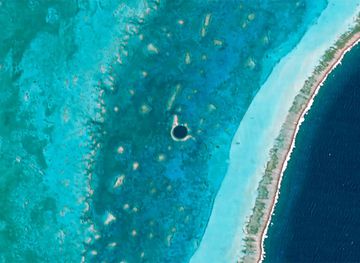
Explore more of Belize
Discover Belize: A Caribbean paradise known for its stunning barrier reef, rich cultural heritage, and eco-friendly adventures in lush rainforests and pristine waters.
Explore Belize