
ǂKhomani Cultural Landscape: A Living Heritage
Discover the ancient wisdom and unique cultural heritage of the ǂKhomani San people in the heart of the Kalahari Desert.
The ǂKhomani Cultural Landscape, a UNESCO World Heritage Site, lies within the Kalahari Gemsbok National Park, bordering Botswana and Namibia. This vast expanse of sand dunes is home to the ǂKhomani San people, who have lived in harmony with this harsh desert environment for millennia, developing unique survival strategies and a rich cultural heritage.
A brief summary to paysage culturel des ǂKhomani
- ZA
Local tips
- Visit during the cooler months (April to September) for more comfortable temperatures.
- Engage with local guides to gain deeper insights into the ǂKhomani culture and traditions.
- Bring plenty of water and sun protection due to the arid desert environment.
- Respect the local customs and traditions of the ǂKhomani San people during your visit.

Getting There
-
Car
The ǂKhomani Cultural Landscape is located within the Kgalagadi Transfrontier Park. From the Kgalagadi Park Main Camp (Twee Rivieren), drive southwest on the main road towards the Botswana border. Follow signs for the Nossob River Road. Continue for approximately 60km until you reach the border crossing into South Africa. After entering South Africa, continue straight for 10km to reach the ǂKhomani Cultural Landscape. Park entry fees to the Kgalagadi Transfrontier Park are required, approximately ZAR 384 per adult per day. Ensure you have your passport and necessary documentation.
-
Public Transport
Public transport directly to the ǂKhomani Cultural Landscape is limited. You can take a bus from Gaborone to Upington, South Africa. From Upington, hire a taxi or arrange a private transfer to Kgalagadi Transfrontier Park. This is approximately a 3-4 hour drive. Once inside the park, use local guides or ranger services to reach the ǂKhomani landscape. Bus fare from Gaborone to Upington ranges from ZAR 400-600. Taxi/transfer from Upington to the park can cost ZAR 1500-2500. Park entry fees are additional.
Discover more about paysage culturel des ǂKhomani
Iconic landmarks you can’t miss

Kalahari Tented Camp
37.4 km
Discover the magic of the Kalahari Desert at Kalahari Tented Camp, where adventure meets tranquility in a stunning natural setting.

Mata-Mata Rest Camp @ Kgalagadi Transfrontier Park
38.6 km
Discover the stunning landscapes and diverse wildlife of Kgalagadi Transfrontier Park at Mata-Mata Rest Camp, an unforgettable lodging experience in nature.
!Xaus Lodge
52.8 km
!Xaus Lodge: A unique retreat in Kgalagadi Transfrontier Park, offering stunning landscapes, rich wildlife, and an immersive desert experience.
Kalahari Desert
72.9 km
Explore the stunning Kalahari Desert, a unique ecosystem filled with vibrant wildlife, captivating landscapes, and rich cultural experiences in Southern Africa.
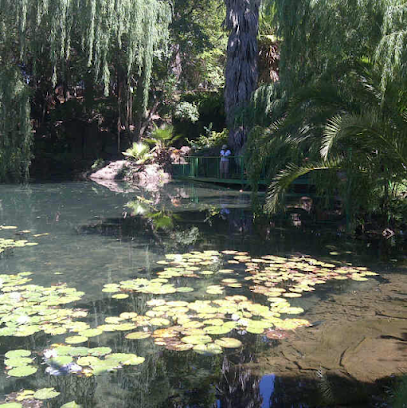
Kij Kij
74.0 km
Explore Kij Kij, a serene watering hole in South Africa, offering breathtaking views and unforgettable wildlife experiences for nature lovers.
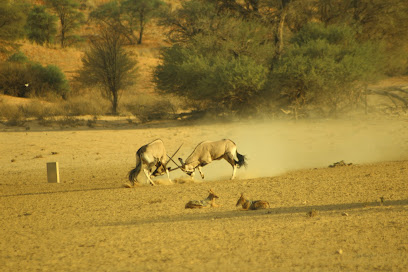
Gharagab Wilderness Camp
77.4 km
Discover the untouched wilderness of Kgalagadi at Gharagab Wilderness Camp, where adventure and tranquility meet in the heart of nature.
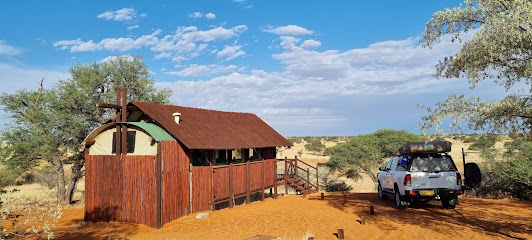
Kgalagadi lifestyle Lodge
95.9 km
Experience the Kalahari: Luxurious lodge near Kgalagadi Transfrontier Park with diverse activities, dining, and comfortable accommodations.
Unmissable attractions to see

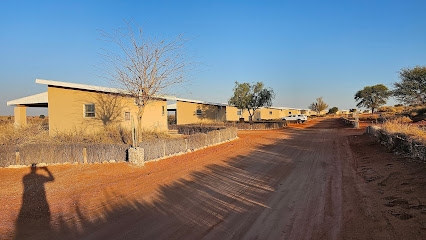
Bitterpan Wilderness Camp
4.3 km
Experience the wild allure of Bitterpan Wilderness Camp in Kgalagadi Transfrontier Park, a serene oasis for nature enthusiasts and adventure seekers alike.
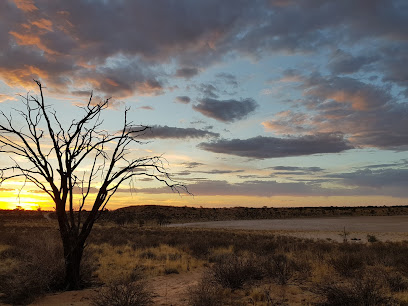
Urikaruus
36.0 km
Discover the serene beauty of Urikaruus Campground in the Kgalagadi Desert, where nature and adventure await every traveler.
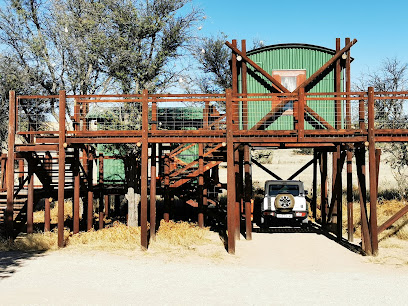
Nossob Rest Camp @ Kgalagadi Transfrontier Park
37.0 km
Experience thrilling predator sightings and serene Kalahari nights at Nossob Rest Camp in the heart of the Kgalagadi Transfrontier Park.
Kamqua Picnic Site @ Kgalagadi Transfrontier Park
37.4 km
Discover the serene Kamqua Picnic Site in Kgalagadi Transfrontier Park, where stunning landscapes and rich wildlife create an unforgettable outdoor experience.
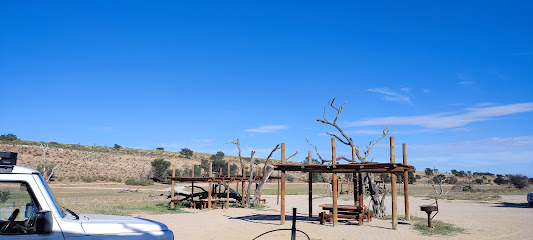
Kalahari Game Lodge
51.7 km
Discover the enchanting wildlife and serene landscapes at Kalahari Game Lodge, Namibia's ultimate retreat for nature lovers and adventurers.
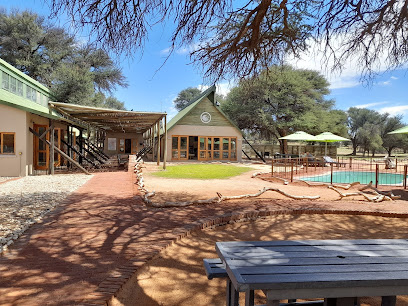
Auchterlonie Museum
57.9 km
Discover the rich history and cultural heritage of South Africa at the Auchterlonie Museum, a captivating tourist attraction for all ages.
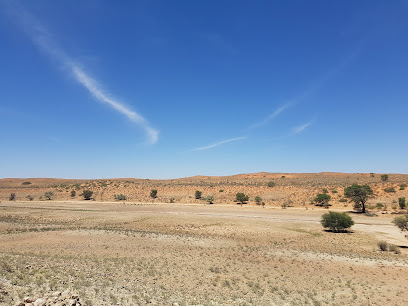
Kieliekrankie Wilderness Camp (SANParks)
59.3 km
Experience the untamed beauty of the Kalahari at Kieliekrankie Wilderness Camp, a serene retreat in the Kgalagadi Transfrontier Park.
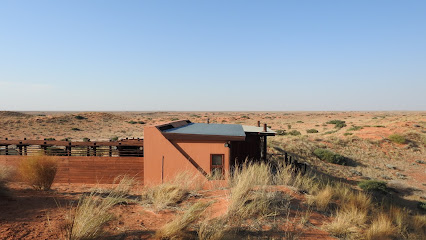
Lijersdraai Picnic Site @ Kgalagadi Transfrontier Park
73.5 km
Experience the tranquility of Lijersdraai Picnic Site in Kgalagadi Transfrontier Park, where nature's beauty invites relaxation and exploration.
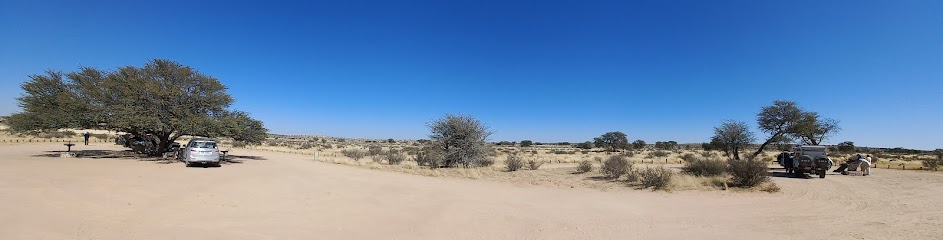
Kgalagadi Transfrontier Park
77.0 km
Explore the untamed beauty of the Kalahari: vast landscapes, diverse wildlife, and unforgettable safari experiences in Botswana and South Africa.
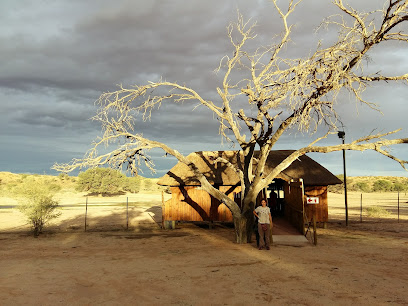
Rooiputs Campsite 1
80.0 km
Experience unfenced wilderness camping in Botswana's Kgalagadi Transfrontier Park. A unique desert adventure awaits!
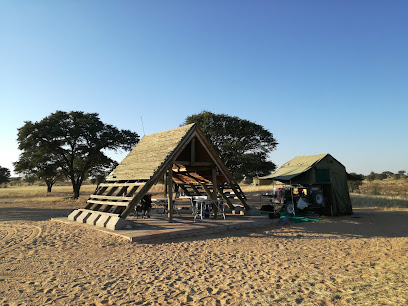
Tashebube, Rooiputs Lodge
80.1 km
Experience the raw beauty of the Kalahari at Rooiputs Lodge, where luxury meets untamed wilderness in Botswana's Kgalagadi Transfrontier Park.
Twee Rivieren
90.4 km
Experience the breathtaking wilderness of Twee Rivieren, the gateway to Kgalagadi Transfrontier Park, where nature and adventure await.
Essential places to dine

Kgalagadi Lion Den
90.5 km
Discover unique flavors at Kgalagadi Lion Den, the only restaurant in Kgalagadi Transfrontier Park offering an unforgettable dining experience surrounded by nature.
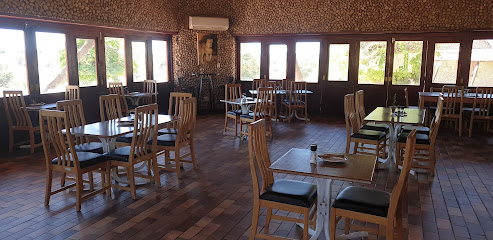
Black Mane Butcher & Grill
95.9 km
Experience authentic South African cuisine at Black Mane Butcher & Grill in Askham – where every meal is a celebration of flavor.
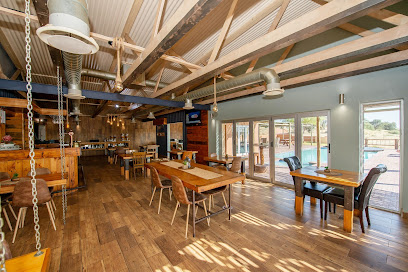
Markets, malls and hidden boutiques

TotalEnergies Kgalagadi Frontier Park Nossob
37.1 km
Explore the Kgalagadi Transfrontier Park with convenience and comfort at TotalEnergies Kgalagadi Frontier Park Nossob, your perfect travel pit stop.
Twee Rivieren Border Control (RSA)
90.8 km
Discover the gateway to Kgalagadi Transfrontier Park at Twee Rivieren Border Control, where adventure awaits amidst stunning Kalahari landscapes.
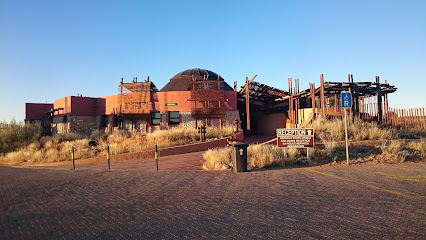
Grootkolk
91.5 km
Discover the tranquility of Grootkolk in Kgalagadi Transfrontier Park, where luxury meets the wild in a stunning African setting.


