

Kgalagadi Transfrontier Park, Botswana Travel Guide
Discover the remote beauty and abundant wildlife of Kgalagadi Transfrontier Park, a vast wilderness straddling the border between Botswana and South Africa.
Kgalagadi Transfrontier Park, straddling the border between Botswana and South Africa, is a vast and untouched wilderness. The park offers spectacular landscapes, from red sand dunes to arid savannahs. Wildlife enthusiasts can spot a variety of animals, including lions, cheetahs, and large herds of gemsbok and springbok. The park's remoteness ensures an unspoiled environment, ideal for those seeking solitude and a true connection with nature. Visitors can engage in exciting activities like game drives, bird watching, and guided walking safaris. The pristine night sky, free from light pollution, makes for incredible stargazing opportunities. Accommodation in Kgalagadi ranges from basic campsites to more luxurious lodges, catering to different preferences and budgets. Whether you're an adventure seeker or a nature lover, Kgalagadi Transfrontier Park promises an unforgettable experience in one of Africa's most remarkable landscapes.

Know before you go
Hi, I'm Eve. Here are a few practical things to know before exploring Kgalagadi Transfrontier Park.
- Bring sufficient water and supplies, as facilities are limited within the park.
- 4x4 vehicles are recommended for navigating the park's sandy roads.
- Book accommodation well in advance, especially during peak seasons.
- Ensure you have all necessary travel documents for crossing between Botswana and South Africa.
- Pack warm clothing for evenings, as temperatures can drop significantly.
Explore Kgalagadi Transfrontier Park: Things to Do, Places to Eat, Hotels & More
Handpicked recommendations for top attractions, local dining, accommodations, and more

Best attractions in Kgalagadi Transfrontier Park
Top-rated picks
Best Attractions

paysage culturel des ǂKhomani
Discover the ancient wisdom and unique cultural heritage of the ǂKhomani San people in the heart of the Kalahari Desert.
Sociable Weaver Nest
Discover the incredible communal nests of sociable weaver birds in Botswana, a marvel of natural engineering and social cooperation.

Best landmarks in Kgalagadi Transfrontier Park
Top-rated picks
Best Landmarks

Northern Tuli Game Reserve
Explore the breathtaking Northern Tuli Game Reserve, where wildlife roams free and adventure awaits in the heart of Botswana's pristine wilderness.

Chobe National Park
Discover Botswana's Chobe National Park: Home to massive elephant herds, diverse wildlife, and breathtaking African landscapes.

Bitterpan Wilderness Camp
Experience the raw beauty of the Kalahari at Bitterpan Wilderness Camp, an exclusive 4x4 accessible retreat in the heart of the Kgalagadi Transfrontier Park.
Camp Kalahari
Experience adventure and relaxation at Camp Kalahari, where unique wildlife encounters and cultural experiences await in the heart of Botswana's Makgadikgadi.

Best restaurants in Kgalagadi Transfrontier Park
Top-rated picks
Best Restaurants

Bull & Bush
Experience authentic cuisine in Gaborone at Bull & Bush – where delightful flavors meet warm hospitality.

Kgalagadi Transfrontier Park
Explore Kgalagadi Transfrontier Park: A breathtaking national park offering stunning landscapes, diverse wildlife encounters, and unforgettable stargazing opportunities.

Twee Rivieren
Experience the wild allure of Kgalagadi at Twee Rivieren Campground – where adventure meets tranquility under the African stars.

Kgalagadi lifestyle Lodge
Experience unparalleled comfort amidst breathtaking landscapes at Kgalagadi Lifestyle Lodge—your gateway to adventure in South Africa's Kalahari Desert.

Best bars in Kgalagadi Transfrontier Park
Top-rated picks
Best Bars

Arebbusch Travel Lodge
Experience the perfect blend of comfort and local charm at Arebbusch Travel Lodge in Windhoek, Namibia, your gateway to unforgettable adventures.

Bull & Bush
Experience the vibrant culinary scene at Bull & Bush, where Botswana's flavors meet a welcoming atmosphere for all travelers.

Chicken Licken Roodepoort
Experience the authentic taste of South Africa at Chicken Licken Roodepoort, famous for its mouthwatering spicy fried chicken.

Kgalagadi lifestyle Lodge
Experience the serene beauty of the Kalahari Desert at Kgalagadi Lifestyle Lodge, where adventure meets comfort in a wildlife paradise.

Best nightclubs in Kgalagadi Transfrontier Park
Top-rated picks
Best Nightclubs

Kgalagadi Transfrontier Park
Explore Kgalagadi Transfrontier Park: A National Park of Stunning Vistas and Rich Wildlife Encounters in the Heart of the Kalahari Desert.

Kgalagadi lifestyle Lodge
Discover the enchanting Kgalagadi Lifestyle Lodge, your gateway to the breathtaking Kalahari desert and its incredible wildlife.
Nossob Rest Camp @ Kgalagadi Transfrontier Park
Discover the beauty of Kgalagadi Transfrontier Park at Nossob Rest Camp, where wildlife and desert landscapes create unforgettable experiences.

Kalahari Flying Club
Discover the lively Kalahari Flying Club in Gaborone, Botswana, where vibrant nightlife meets friendly locals and unforgettable karaoke experiences.

Best shops in Kgalagadi Transfrontier Park
Top-rated picks
Best Shops

Airport Junction Shopping Centre
Discover a vibrant shopping experience at Airport Junction Shopping Centre in Gaborone, featuring top brands, diverse dining options, and exciting events.

Riverwalk Mall
Experience the pulse of Gaborone at Riverwalk Mall, where shopping meets dining and entertainment in a vibrant atmosphere.

Kgalagadi Transfrontier Park
Explore the stunning landscapes and vibrant wildlife of Kgalagadi Transfrontier Park, a top destination for adventure and nature lovers in Southern Africa.

Kgalagadi lifestyle Lodge
Discover breathtaking landscapes and vibrant wildlife at Kgalagadi Lifestyle Lodge, a perfect blend of adventure and luxury in the Kalahari Desert.

Explore Kgalagadi Transfrontier Park on the Map
A handpicked selection of must-see spots in Kgalagadi Transfrontier Park, mapped for you.
Kgalagadi Transfrontier Park Essentials
-
Kgalagadi Transfrontier Park is located in the Kalahari Desert region of Botswana and South Africa. The closest international airport is Upington Airport in South Africa, about 250 kilometers south of the park. From Upington, you can rent a car and drive to the park's entrance at Twee Rivieren. Alternatively, you can fly into Maun or Gaborone in Botswana and then take a domestic flight to the nearby town of Tsabong, from where you can drive to the park.
-
Within Kgalagadi Transfrontier Park, the best way to get around is by renting a 4x4 vehicle, as many of the roads are unpaved and can be challenging to navigate. Guided tours are also available for those who prefer not to drive. Note that there is no public transportation within the park, so self-driving or guided tours are the primary options.
-
The official currency in Botswana is the Botswana Pula (BWP). Credit cards are accepted at major lodges and campsites within the park, but it is advisable to carry cash for smaller transactions and in case of connectivity issues. There are no ATMs within the park, so ensure you withdraw enough cash in major towns like Upington, Maun, or Gaborone before heading to the park.
-
Kgalagadi Transfrontier Park is generally a safe destination for tourists. However, standard precautions should be taken. Avoid traveling at night and always follow the park's rules and guidelines. Be aware of wildlife and never approach animals too closely. There are no specific high-crime areas targeting tourists, but it is always best to stay vigilant and keep your belongings secure.
-
In case of an emergency, contact the park's main office at Twee Rivieren, which is equipped to handle medical emergencies and coordinate rescue operations if needed. It is highly recommended to have travel insurance that covers medical emergencies. For minor health issues, carry a well-stocked first aid kit and any necessary medications, as medical facilities within the park are limited.
-
Fashion: Do wear lightweight, breathable clothing and sturdy shoes suitable for walking. Don't wear bright colors that may attract wildlife. Religion: Do respect local customs and traditions if visiting nearby communities. Public Transport: Not applicable within the park. Greetings: Do greet park staff and fellow visitors with a friendly hello. Eating & Drinking: Do carry sufficient water and snacks, as services are limited within the park. Don't leave food unattended, as it may attract wildlife.
-
To experience Kgalagadi Transfrontier Park like a local, consider camping at one of the park's wilderness camps for a more immersive experience. Engage with park rangers and guides to learn more about the local wildlife and ecosystems. Visit during the early morning or late afternoon for the best wildlife viewing opportunities, as animals are most active during these times.
When is the best time to visit Kgalagadi Transfrontier Park?
Useful Local Phrases for Kgalagadi Transfrontier Park
You don't need to speak the language perfectly. Even learning a few simple words can make conversations warmer—and locals usually appreciate the effort.
— Eve

Here are the phrases I use most often in Kgalagadi Transfrontier Park. Try a few—you'll be surprised how far they go! 😊
❤️
-
- HelloDumela
[doo-meh-lah] - GoodbyeSala sentle
[sah-lah sen-tleh] - YesEe
[ee] - NoNnyaa
[knee-yah] - Please/You're welcomeKe kopa
[keh koh-pah] - Thank youKe a leboga
[keh ah leh-boh-gah] - Excuse me/SorryNtshwarele
[n-tshwa-reh-leh] - How are you?Le kae?
[leh kah-eh] - Fine. And you?Ke gona. O kae?
[keh goh-nah. oh kah-eh] - Do you speak English?O bua sekgowa?
[oh boo-ah seh-koh-wah] - I don't understandGa ke itse
[gah keh eet-seh]
- HelloDumela
-
- I'd like to see the menu, pleaseKe kopa go bona menu
[keh koh-pah goh boh-nah meh-noo] - I don't eat meatGa ke ja nyama
[gah keh jah nyah-mah] - Cheers!Tswee tswee!
[tsway tsway] - I would like to pay, pleaseKe kopa go dira setlhare
[keh koh-pah goh dee-rah set-lah-reh]
- I'd like to see the menu, pleaseKe kopa go bona menu
-
- Help!Boipuso!
[boh-ee-poo-soh] - Go away!Tlhaela!
[tlah-eh-lah] - Call the Police!Bula mokgosi!
[boo-lah moh-koh-see] - Call a doctor!Bula mofoko!
[boo-lah moh-foh-koh] - I'm lostKe itlhokomelwa
[keh eet-loh-koh-mehl-wah] - I'm illKe a lwa
[keh ah l-wah]
- Help!Boipuso!
-
- I'd like to buy...Ke kopa go rekisa...
[keh koh-pah goh reh-kee-sah] - I'm just lookingKe ka bona fela
[keh kah boh-nah feh-lah] - How much is it?E reng?
[eh reh-ng] - That's too expensiveKe tshwere ka setlhare se se nnyaka
[keh tshweh-reh kah set-lah-reh seh seh knee-yah-kah] - Can you lower the price?O ka nna le go dira setlhare se se itirele?
[oh kah nah leh goh dee-rah set-lah-reh seh seh ee-tee-reh-leh]
- I'd like to buy...Ke kopa go rekisa...
-
- What time is it?Ke nako e kae?
[keh nah-koh eh kah-eh] - It's one o'clockKe nako ya moepeng
[keh nah-koh yah moh-eh-peng] - Half past (10)Ka leleme la nngwe
[kah leh-leh-meh lah n-nweh] - MorningMosimane
[moh-see-mah-neh] - AfternoonMoletlo
[moh-let-loh] - EveningMasweu
[mah-sweh-oo] - YesterdayNgwaga o fetile
[ngwah-gah oh feh-tee-leh] - TodayNako
[nah-koh] - TomorrowNgwaga o tla
[ngwah-gah oh tlah] - 1Nngwe
[n-nweh] - 2Pedi
[peh-dee] - 3Tharo
[tah-roh] - 4Nne
[n-neh] - 5Tlhano
[t-lah-noh] - 6Tlhano tse nngwe
[t-lah-noh tse n-nweh] - 7Tlhano tse pedi
[t-lah-noh tse peh-dee] - 8Tlhano tse tharo
[t-lah-noh tse tah-roh] - 9Tlhano tse nne
[t-lah-noh tse n-neh] - 10Lesome
[leh-soh-meh]
- What time is it?Ke nako e kae?
-
- Where's a/the...?Kae...?
[kah-eh] - What's the address?E kae lefaseng?
[eh kah-eh leh-fah-seng] - Can you show me (on the map)?O ka nna le go nna (ka map)
[oh kah nah leh goh nah (kah map)] - When's the next (bus)?Nako e kae ya bus e e tla?
[nah-koh eh kah-eh yah bus eh eh tlah] - A ticket (to ....)Litshelelo (go ....)
[lee-tsheh-leh-loh goh]
- Where's a/the...?Kae...?
History of Kgalagadi Transfrontier Park
-
The Kgalagadi Transfrontier Park, one of the largest conservation areas in the world, was formally established on April 12, 1999. This transfrontier park is a result of the amalgamation of the former Gemsbok National Park in Botswana and the Kalahari Gemsbok National Park in South Africa. This historic agreement marked the first formally declared transfrontier park on the African continent, promoting cross-border conservation and fostering regional cooperation between Botswana and South Africa.
-
The Kgalagadi region has been home to the San people, also known as the Bushmen, for thousands of years. Their rich cultural heritage is deeply intertwined with the land, which they have traditionally relied upon for hunting and gathering. Their knowledge of the environment and wildlife is unparalleled, making them integral to the cultural fabric of the park. The San's rock art, ancient tools, and oral traditions continue to be a vital part of the area's cultural landscape.
-
Kgalagadi Transfrontier Park covers an area of approximately 38,000 square kilometers, making it a significant ecological region. The park is characterized by its semi-arid to arid landscapes, featuring red sand dunes, sparse vegetation, and salt pans. It serves as a refuge for a variety of wildlife species including lions, cheetahs, leopards, and numerous bird species. The park's unique ecosystem and its role in biodiversity conservation make it a key focus for ecological studies and environmental protection efforts.
-
Since its establishment, the Kgalagadi Transfrontier Park has been a cornerstone for various conservation initiatives. The park aims to maintain the ecological integrity of the region while providing sustainable tourism opportunities. Conservation efforts have included anti-poaching measures, wildlife monitoring, and habitat restoration projects. These initiatives ensure that the park remains a sanctuary for its diverse flora and fauna, while also benefiting the local communities through eco-tourism.
-
Tourism in the Kgalagadi Transfrontier Park has seen significant development over the years. The park offers a range of activities for visitors, including game drives, guided walks, and bird watching. Several camps and lodges have been established to accommodate tourists, providing them with opportunities to experience the park's stunning landscapes and wildlife up close. The development of tourism has not only boosted the local economy but also raised awareness about the importance of conservation in the region.
-
The establishment of the Kgalagadi Transfrontier Park has fostered a strong collaboration between Botswana and South Africa. This partnership has facilitated joint management efforts, resource sharing, and coordinated conservation strategies. The cross-border collaboration has also enabled the seamless movement of wildlife across the park's boundaries, ensuring the preservation of migratory patterns and genetic diversity. This cooperation serves as a model for transboundary conservation efforts worldwide.
Cities in Kgalagadi Transfrontier Park
Browse our curated selection of top destinations, scenic points, and must-visit spots in the area.
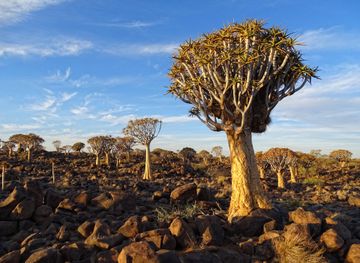
Neighbouring destination travel guides
Browse our curated selection of top destinations, scenic points, and must-visit spots in the area.
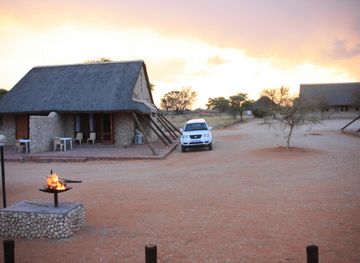


Your all‑in‑one travel companion app
Explore expert travel guides, compare and book tours, experiences, hotels, and more—all from the palm of your hand. Download now for seamless trip planning wherever your wanderlust takes you.


Explore More of Kgalagadi District

Looking beyond Kgalagadi Transfrontier Park? Discover Kgalagadi District for broader travel guides, local hot-spots, and regional highlights.
Explore Kgalagadi DistrictExplore More of Botswana
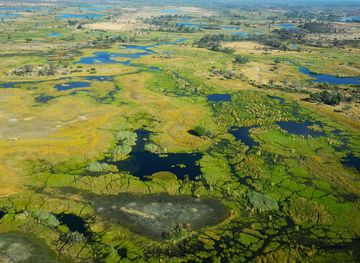
Looking beyond Kgalagadi Transfrontier Park? Discover Botswana for broader travel guides, local hot-spots, and regional highlights.
Explore BotswanaKgalagadi Transfrontier Park in Photos
Browse through our photo collection highlighting the charm and character of the destination.

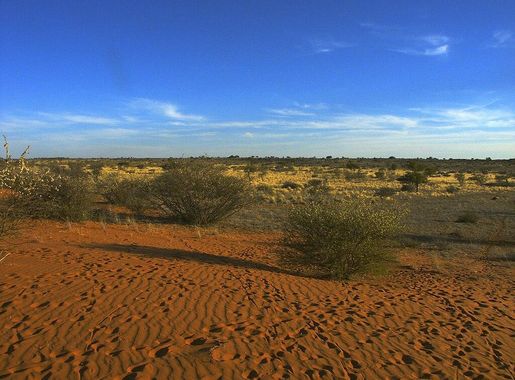



Kgalagadi Transfrontier Park: A Wilderness Experience
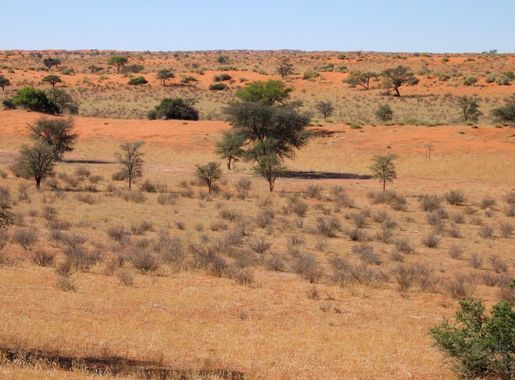
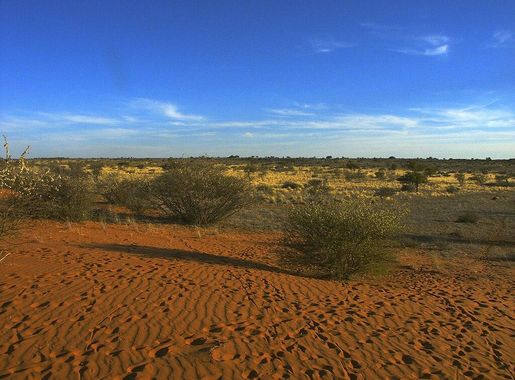
Kgalagadi Transfrontier Park, straddling the border between Botswana and South Africa, is a vast and untouched wilderness. The park offers spectacular landscapes, from red sand dunes to arid savannahs. Wildlife enthusiasts can spot a variety of animals, including lions, cheetahs, and large herds of gemsbok and springbok. The park's remoteness ensures an unspoiled environment, ideal for those seeking solitude and a true connection with nature. Visitors can engage in exciting activities like game drives, bird watching, and guided walking safaris. The pristine night sky, free from light pollution, makes for incredible stargazing opportunities. Accommodation in Kgalagadi ranges from basic campsites to more luxurious lodges, catering to different preferences and budgets. Whether you're an adventure seeker or a nature lover, Kgalagadi Transfrontier Park promises an unforgettable experience in one of Africa's most remarkable landscapes.