
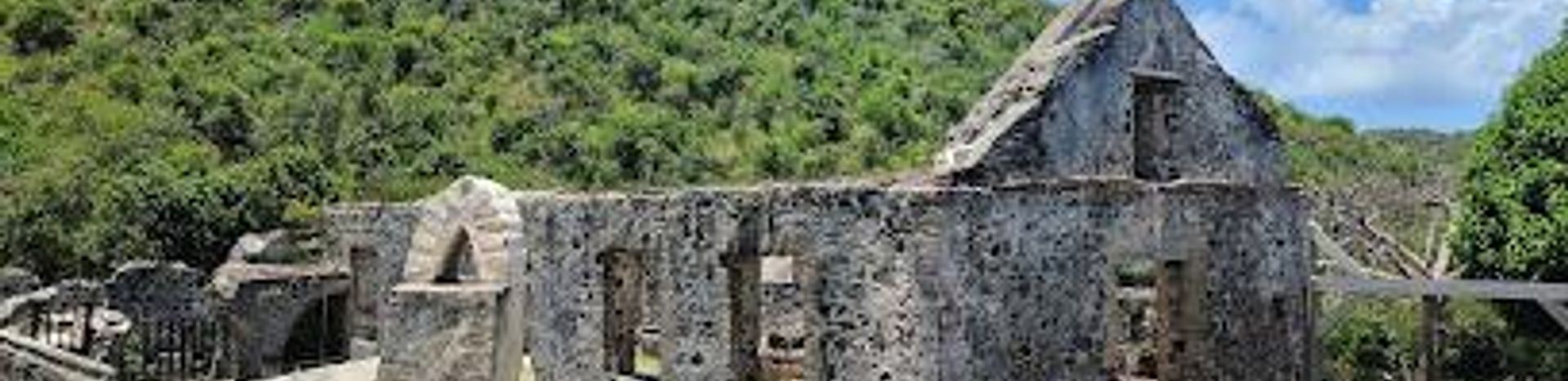
Annaberg Sugar Plantation: Echoes of History in St. John
Discover the haunting beauty and history of Annaberg Sugar Plantation, a preserved glimpse into St. John's colonial past and the lives of its enslaved people.
Explore the ruins of Annaberg Sugar Plantation, a significant historical site on St. John, US Virgin Islands. This former sugar-producing estate offers a glimpse into the island's Danish colonial past and the lives of enslaved Africans who labored here. Wander through the remains of the windmill, factory, and slave quarters, set against a backdrop of stunning natural beauty.
A brief summary to Annaberg Sugar Plantation
- 977C+34J, St John, 00830, VI
- +1340-776-6201
- Monday 8 am-5 pm
- Tuesday 8 am-5 pm
- Wednesday 8 am-5 pm
- Thursday 8 am-5 pm
- Friday 8 am-5 pm
- Saturday 8 am-5 pm
- Sunday 8 am-5 pm
Local tips
- Wear comfortable shoes for walking on uneven terrain.
- Bring water and sunscreen, as the site offers limited shade.
- Allow at least 1-2 hours to explore the entire site.
- Combine your visit with a trip to nearby beaches like Maho Bay or Trunk Bay.

Getting There
-
Driving
From Cruz Bay, drive east on North Shore Road for approximately 20 minutes. Follow the signs for Annaberg Plantation. Turn right when you reach the water, then drive a short distance to reach the parking lot on your right. Parking is free. Taxis are available from Cruz Bay and popular beaches, but arranging return transport in advance is recommended.
-
Public Transport
Take the VITRAN bus from Cruz Bay to the Annaberg Historic District. Bus routes 108 and 109 stop near Annaberg Historic District. From the bus stop, follow the signs to the plantation entrance. The bus fare is approximately $1 - $3.
Discover more about Annaberg Sugar Plantation
Iconic landmarks you can’t miss

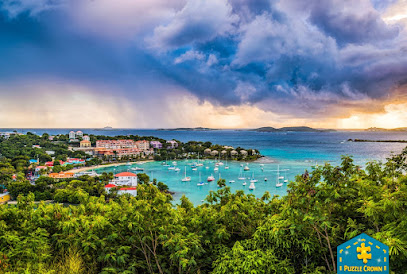
St John
2.9 km
Experience the serene beauty and vibrant culture of St. John, the jewel of the U.S. Virgin Islands, featuring stunning beaches and lush landscapes.
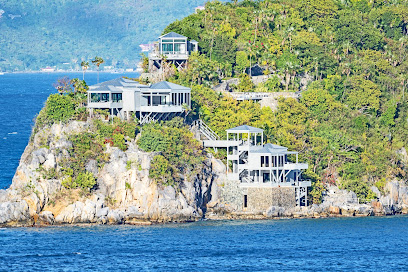
Steele Point Estate
3.4 km
Discover the ultimate group getaway at Steele Point Estate, a luxurious retreat in the British Virgin Islands with breathtaking ocean views and top-notch amenities.
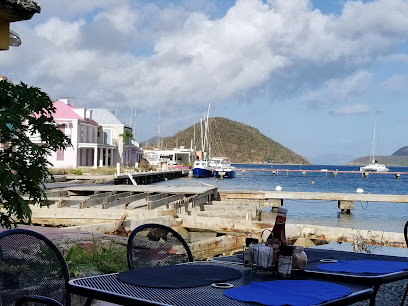
Omar's Fusion
3.8 km
Experience the vibrant flavors of the Caribbean at Omar's Fusion, a top restaurant in Soper's Hole, Tortola, known for its fresh seafood and live music.
VOYAGE Charters
3.8 km
Experience the beauty of the British Virgin Islands with luxury yacht rentals at VOYAGE Charters, your gateway to unforgettable sailing adventures.
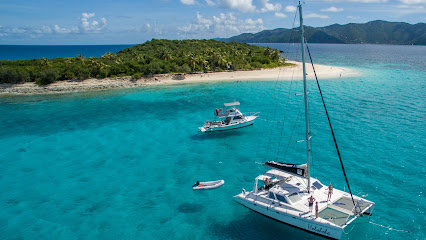
Arawak West End
3.9 km
Discover unique island-inspired fashion at Arawak West End, where vibrant Caribbean culture meets stylish apparel and accessories for the perfect island vibe.
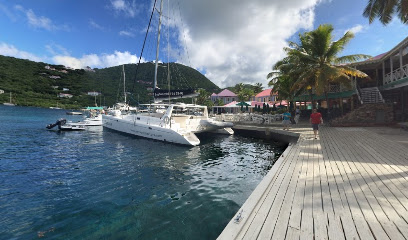
Pusser's Landing
3.9 km
Discover Pusser's Landing, a vibrant pub at Soper's Hole Marina, serving Caribbean cuisine and refreshing drinks with stunning waterfront views.
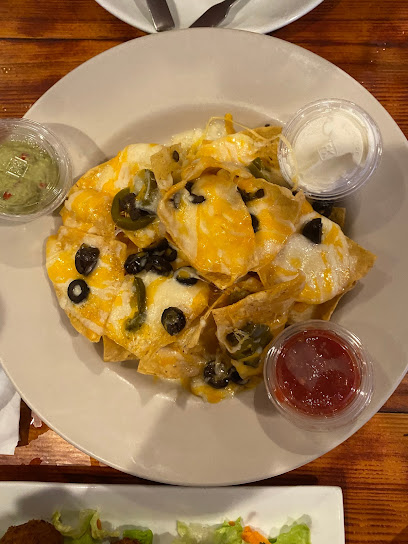
DAY TRIPS BVI
3.9 km
Explore the breathtaking landscapes of the British Virgin Islands with personalized boat tours from DAY TRIPS BVI, where adventure meets relaxation.
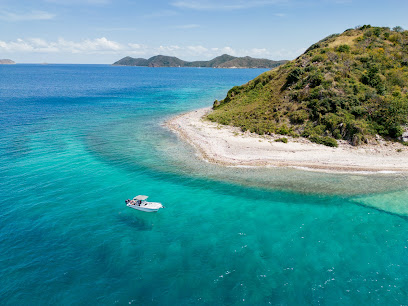
West End Ferry Terminal
3.9 km
Connect to paradise from Tortola's West End: your gateway to the British Virgin Islands and beyond.
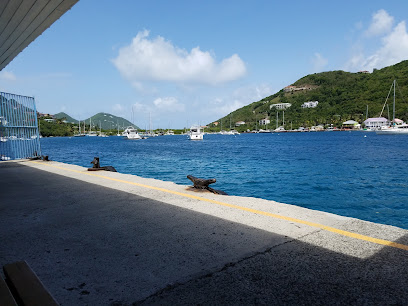
Omar's Coffee House
3.9 km
Discover Omar's Coffee House in Soper's Hole Marina for a delightful breakfast and brunch experience paired with stunning views in the British Virgin Islands.
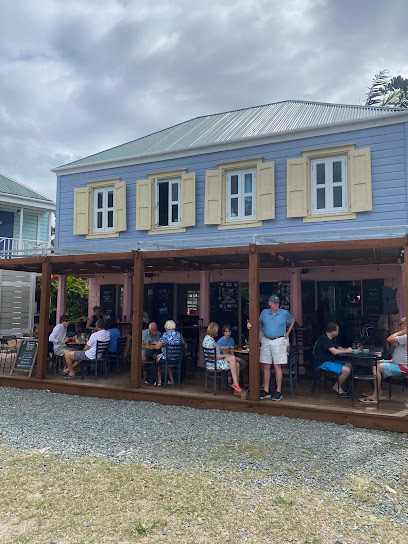
Trunk Cay, United States Virgin Islands
4.2 km
Explore the underwater wonders of Trunk Cay, a stunning islet in St. John's famed Trunk Bay, offering an unforgettable snorkeling experience.

villa del mar tortola
4.7 km
Experience unparalleled luxury and breathtaking views at Villa del Mar Tortola, your perfect Caribbean retreat in the British Virgin Islands.
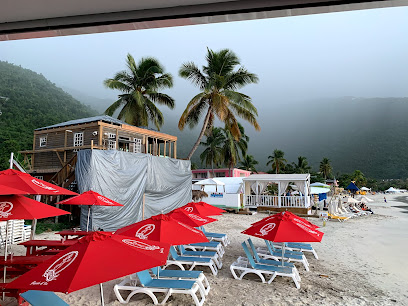
Reef Bay Sugar Mill Ruins
4.7 km
Explore the enchanting Reef Bay Sugar Mill Ruins and immerse yourself in the historical charm and natural beauty of St. John in the US Virgin Islands.
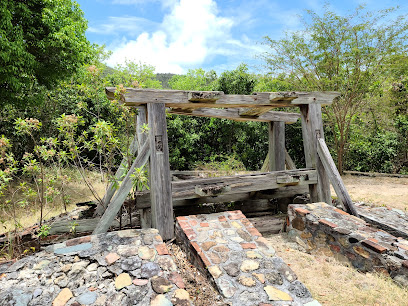
Tortola
4.7 km
Explore the stunning beaches, lush landscapes, and vibrant culture of Tortola, the jewel of the British Virgin Islands, perfect for adventure and relaxation.
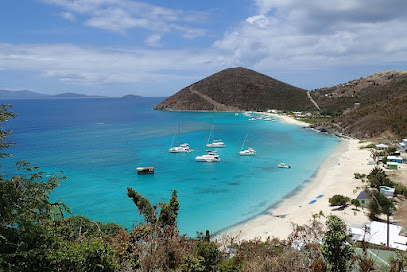
Smuggler's Cove
4.8 km
Experience the tranquil beauty of Smuggler's Cove, a hidden beach paradise in the British Virgin Islands, ideal for relaxation and marine exploration.
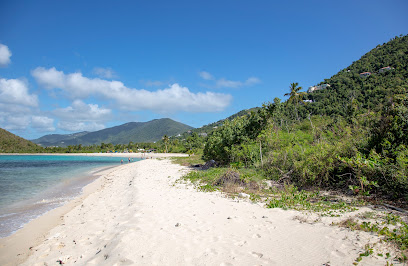
Denzil Clyne Jeep & Car Rental - Tortola BVI
4.8 km
Explore Tortola's beauty with reliable jeep and car rentals. Family-owned, West End location, and excellent customer service.
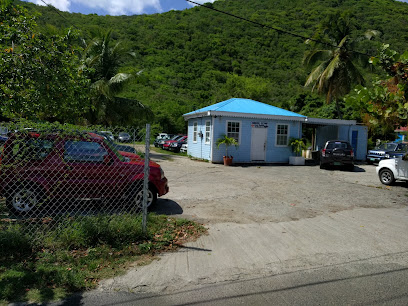
Unmissable attractions to see

Francis Bay
1.9 km
Escape to the serene shores of Francis Bay in St. John, where calm waters, rich history, and abundant wildlife create an unforgettable Caribbean experience.
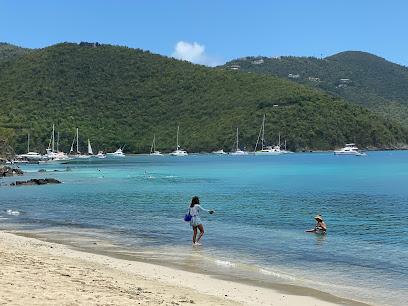
Maho Bay Beach
2.1 km
Discover St. John's Maho Bay Beach: a serene escape with calm waters, abundant sea turtles, and stunning natural beauty.
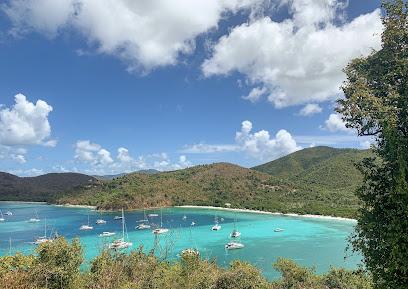
Coral Bay
2.3 km
Discover Coral Bay, St. John: A serene escape with stunning views, rich history, and tranquil beaches away from the crowds.
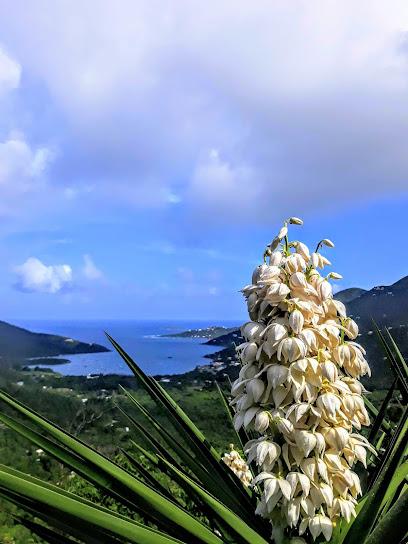
America Hill Great House Ruins
2.4 km
Discover St. John's history at America Hill Great House Ruins, offering panoramic views and a glimpse into the island's colonial past.
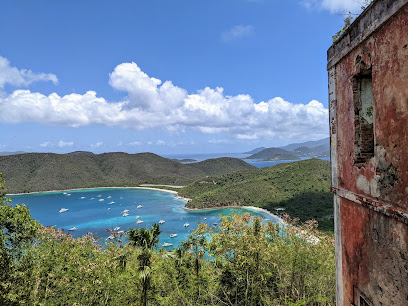
Brown Bay Trail
2.4 km
Discover St. John's hidden gem: Hike the scenic Brown Bay Trail for snorkeling, history, and stunning Caribbean views.
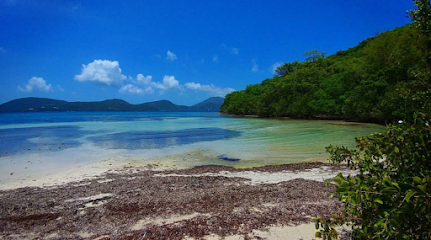
Little Thatch
2.5 km
Discover Little Thatch: A serene British Virgin Islands escape with pristine beaches, vibrant marine life, and a rich pirate history.
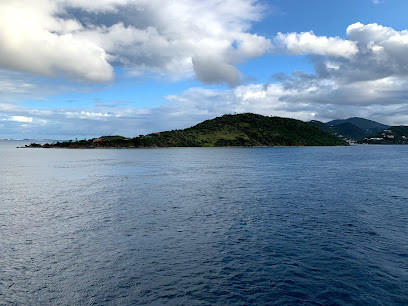
Cinnamon Bay Trail
2.6 km
Hike through history and nature on St. John's Cinnamon Bay Trail, exploring sugar plantation ruins and enjoying panoramic Caribbean views.
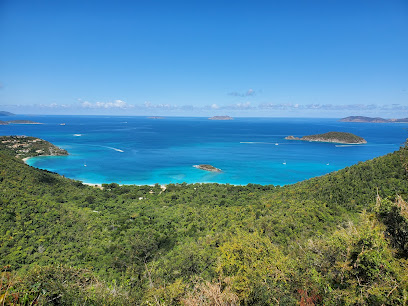
Coral Harbor
2.7 km
Discover Coral Bay, St. John: a tranquil harbor with rich history, stunning nature, and a laid-back island vibe away from the crowds.
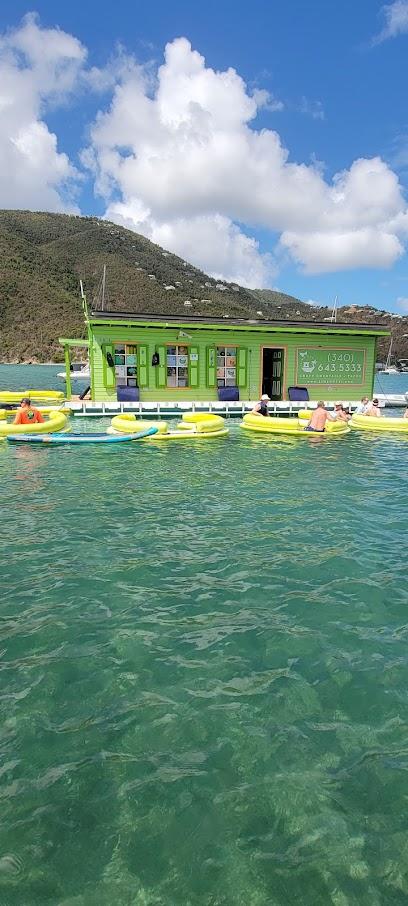
Great Thatch Island
2.8 km
Discover Great Thatch Island: Unspoiled beauty, tranquil beaches, and historical ruins await in this British Virgin Islands paradise.
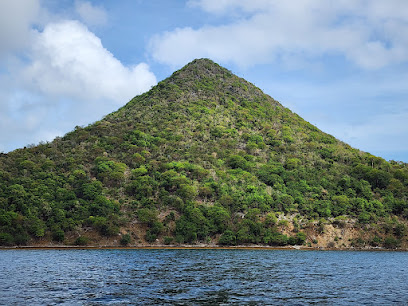
Cinnamon Bay Beach
2.8 km
Discover St. John's longest beach: Cinnamon Bay, a haven for snorkeling, watersports, history, and natural beauty in Virgin Islands National Park.
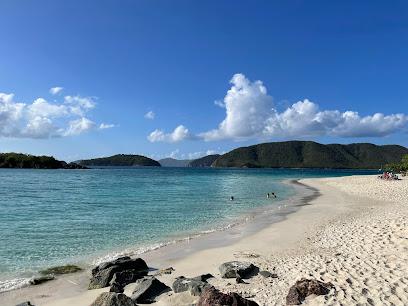
Whistling Cay, United States Virgin Islands
2.9 km
Discover Whistling Cay: A secluded US Virgin Islands islet offering snorkeling, history, and natural beauty within Virgin Islands National Park.
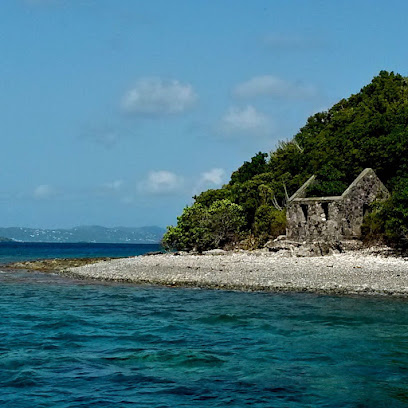
Cinnamon Bay Plantation Ruins
2.9 km
Step back in time at Cinnamon Bay Plantation Ruins, exploring St. John's captivating history and the echoes of its sugar plantation era.
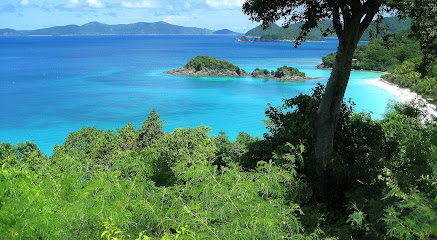
Virgin Islands National Park
3.0 km
Discover pristine beaches, lush trails, and historical ruins in this Caribbean national park. Explore St. John's natural and cultural treasures.
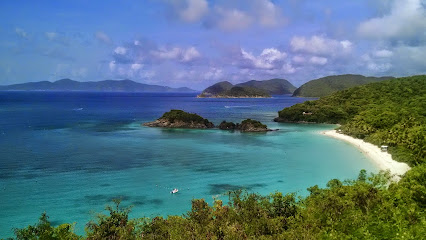
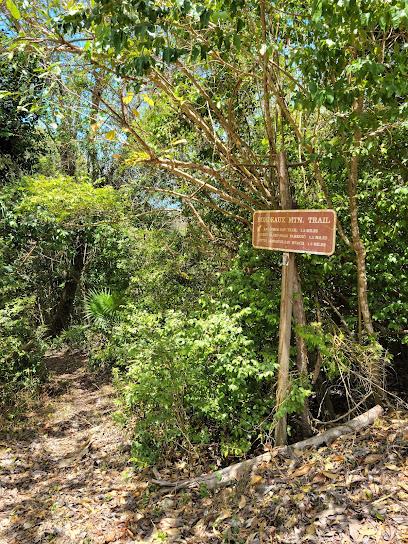
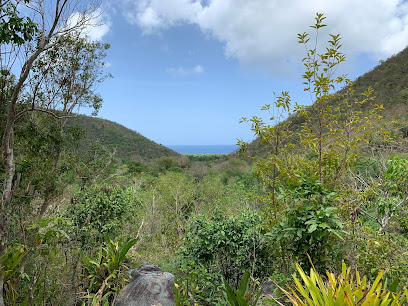
Bordeaux Mountain Trail
3.4 km
Hike to St. John's highest peak on this challenging trail, rewarded with panoramic views and a glimpse into island history.
Petroglyphs
3.8 km
Discover ancient Taíno carvings, sugar mill ruins, and a pristine beach on St. John's iconic Reef Bay Trail in Virgin Islands National Park.
Essential places to dine

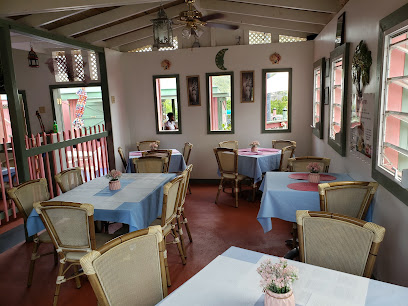
Ekaete Pink Corner
2.3 km
Discover the flavors of the Caribbean at Ekaete Pink Corner in Coral Bay - a delightful restaurant serving authentic dishes with stunning views.
Lime Out VI
2.7 km
Discover unforgettable flavors at Lime Out VI, a premier restaurant in Coral Bay offering fresh seafood and stunning ocean views.
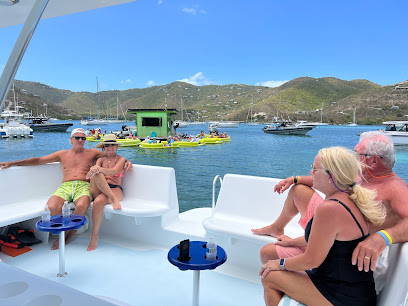
Patricias Beach Bar
4.6 km
Discover culinary delights at Patricias Beach Bar - a tropical grill haven in the heart of the British Virgin Islands.
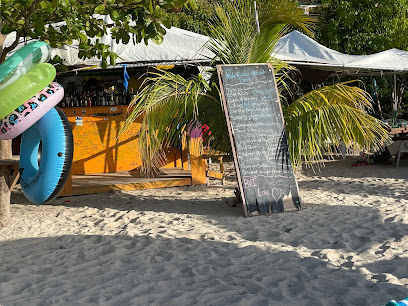
1748 Restaurant
5.9 km
Experience exquisite Caribbean cuisine with stunning views at 1748 Restaurant in Long Bay, British Virgin Islands.
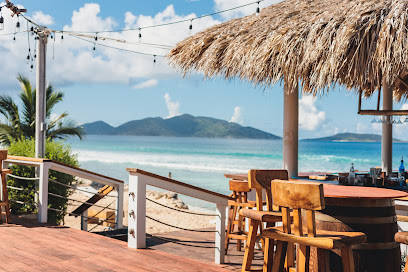
Tropical Fusion Beach Bar And Grill
6.0 km
Experience tropical flavors and breathtaking views at Tropical Fusion Beach Bar And Grill in Long Bay - a culinary gem in the British Virgin Islands.
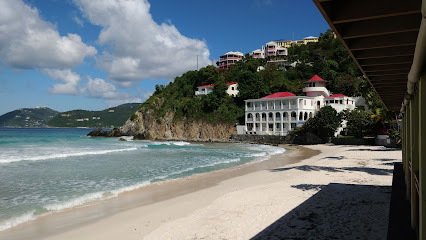
Nardie's Beach Bar
6.4 km
Experience tropical bliss at Nardie's Beach Bar in Tortola - where delicious cuisine meets stunning ocean views.
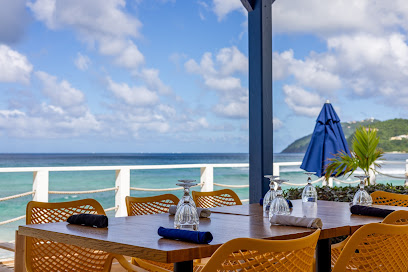
La Flaca
6.4 km
Discover La Flaca: A charming fast food gem in Freshwater Pond serving delicious local flavors and international favorites amidst stunning island scenery.
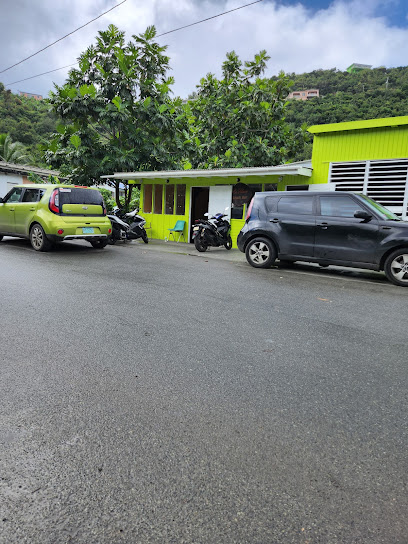
Tramonti Restaurant
7.0 km
Experience authentic Italian cuisine at Tramonti Restaurant in the British Virgin Islands—where flavor meets paradise.
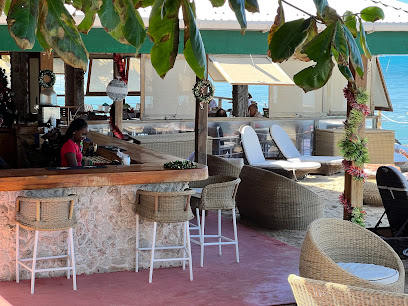
North Shore Shell Museum & Restaurant
8.2 km
Experience authentic Caribbean flavors at North Shore Shell Museum & Restaurant - where culinary excellence meets island charm.
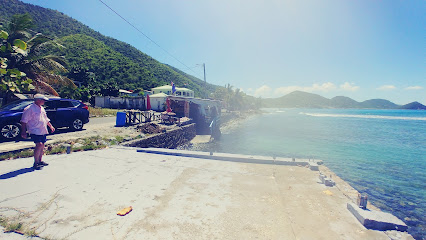
Harris' Place
8.4 km
Discover authentic Caribbean flavors at Harris' Place in Jost Van Dyke—where every meal is a celebration of local culture and cuisine.
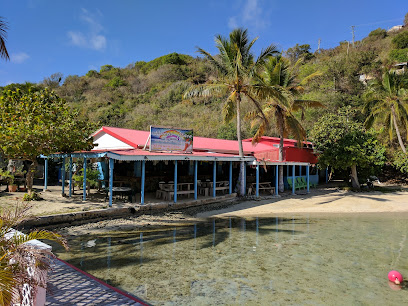
Selly's BBQ Pitt BVI
8.4 km
Experience mouthwatering Caribbean barbecue at Selly's BBQ Pitt BVI in beautiful Carrot Bay.

Sidney's Peace & Love
8.5 km
Discover Sidney's Peace & Love: A charming family-run restaurant in the British Virgin Islands offering fresh local cuisine in an inviting atmosphere.
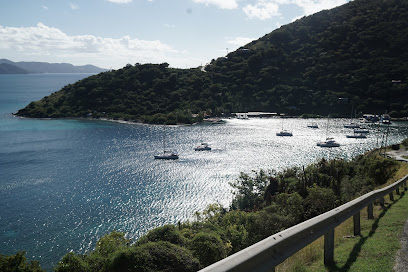
Abes By The Sea Restaurant & Bar
8.6 km
Experience exquisite Caribbean flavors with stunning ocean views at Abes By The Sea on Jost Van Dyke.
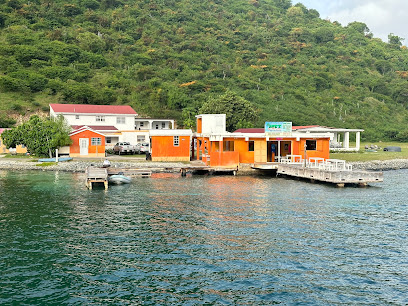
Bananakeet
8.6 km
Discover Bananakeet - A vibrant bar in the British Virgin Islands offering stunning views, refreshing drinks, and unforgettable experiences.
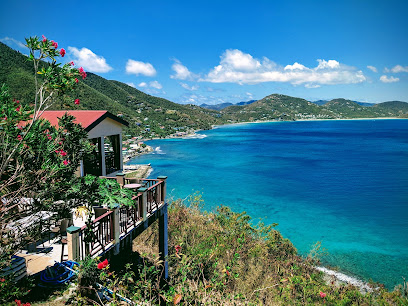
Alice's Restaurant
9.3 km
Discover Alice's Restaurant: A vibrant dining experience in Jost Van Dyke offering Caribbean flavors and breathtaking views.
Markets, malls and hidden boutiques

Riteway Harbour Market
3.8 km
Experience the vibrant local flavors and fresh produce at Riteway Harbour Market in Jost Van Dyke, British Virgin Islands.
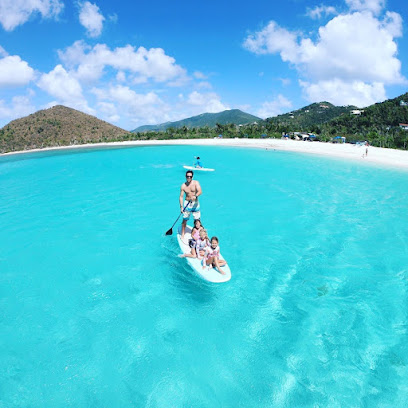
BVI Island Surf and Sail
3.9 km
Experience the thrill of water sports at BVI Island Surf and Sail in the breathtaking British Virgin Islands, where adventure meets paradise.
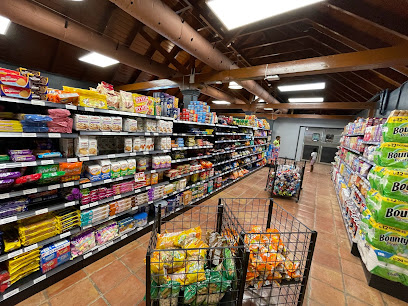
Harbor Market
3.9 km
Discover local flavors and essential supplies at Harbor Market in Soper's Hole, your go-to supermarket in the British Virgin Islands.
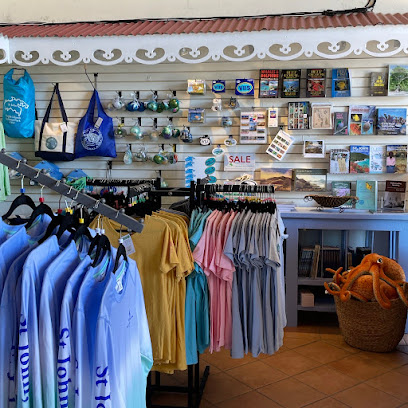
VI National Park Store
7.5 km
Shop for unique souvenirs and support conservation efforts at the charming VI National Park Store in St. John.
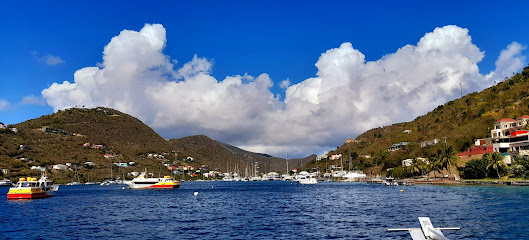
Sage Mountain National Park
8.6 km
Explore Sage Mountain National Park, a stunning national park in the British Virgin Islands, featuring lush trails, breathtaking views, and diverse wildlife.
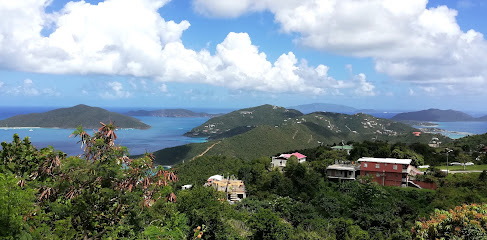
White Bay Villas & Beach Club
9.0 km
Experience the ultimate Caribbean escape at White Bay Villas & Beach Club, where luxury meets natural beauty in Jost Van Dyke.
Pink House Villas
9.2 km
Experience luxury and tranquility at Pink House Villas, your perfect Caribbean getaway in the British Virgin Islands.
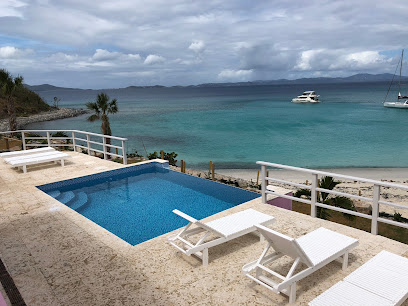
Foxy's Giftshop
9.3 km
Explore the vibrant culture of the British Virgin Islands at Foxy's Giftshop, where unique souvenirs and delicious Caribbean cuisine await.
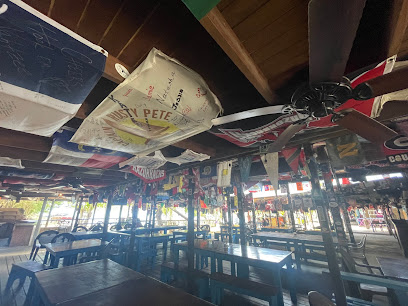
Foxy's, Jost Van Dyke, British Virgin Islands
9.3 km
Experience the vibrant atmosphere and Caribbean culture at Foxy's, the quintessential beachfront bar in Jost Van Dyke, British Virgin Islands.
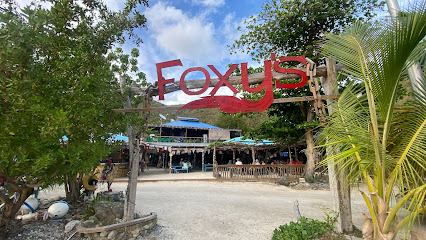
JVD Grocery
9.4 km
Explore JVD Grocery in Great Harbour, Jost Van Dyke for an unforgettable shopping experience with local flavors and essentials.
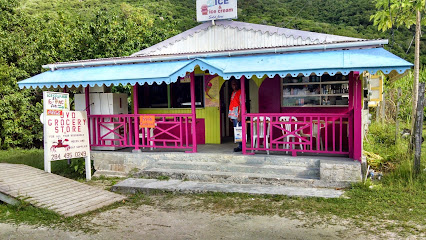
Sugar & Spice Snack Bar
9.4 km
Experience the taste of the Caribbean at Sugar & Spice Snack Bar in Belle Vue, offering a delightful grill menu with stunning coastal views.
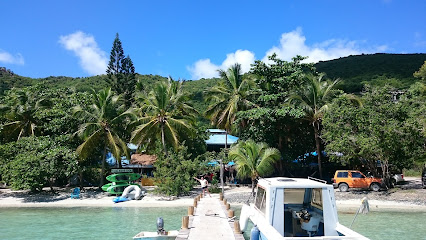
Ivan’s Stress Free Bar, Villas & Beach Bungalows
9.4 km
Discover the vibrant atmosphere and stunning beach views at Ivan’s Stress Free Bar, Villas & Beach Bungalows in the British Virgin Islands.
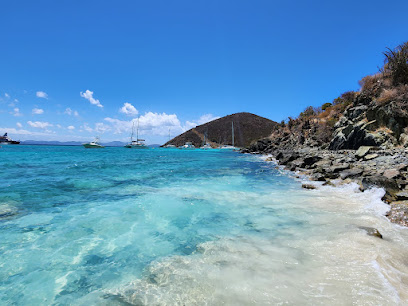
Jost Van Dyke Scuba
9.4 km
Explore the breathtaking underwater world at Jost Van Dyke Scuba, a top diving destination in the British Virgin Islands.
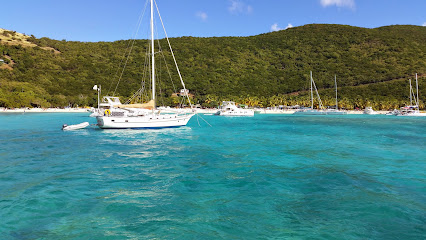
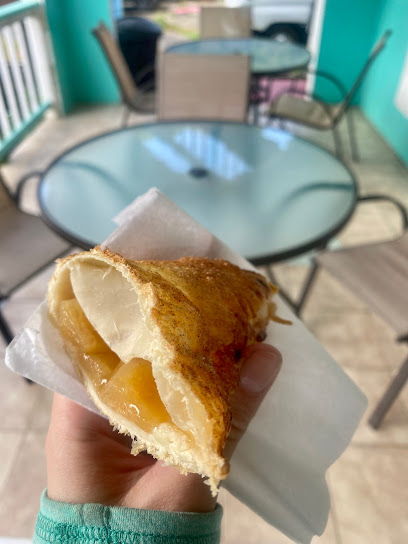
Christine's Bakery
9.5 km
Discover a delightful bakery experience at Christine's Bakery in Belle Vue, offering fresh pastries, artisan bread, and local flavors.
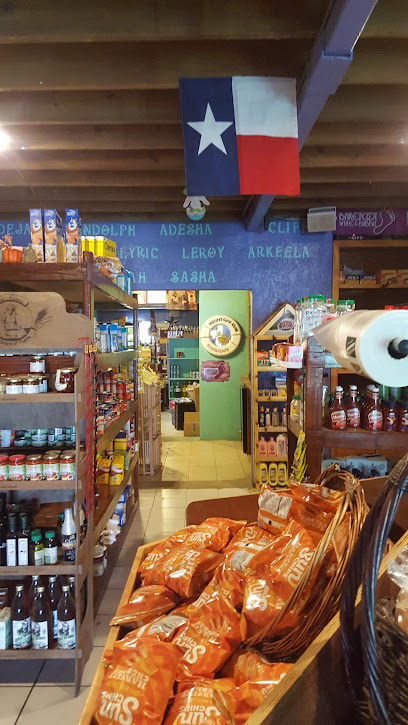
Rudy's Marketplace
9.5 km
Explore the unique offerings of Rudy's Marketplace, a vibrant destination in Belle Vue, British Virgin Islands, blending shopping, dining, and local culture.
Essential bars & hidden hideouts

West End
3.3 km
Explore the natural beauty and vibrant culture of West End, a serene peninsula in the British Virgin Islands perfect for beach lovers and adventure seekers.
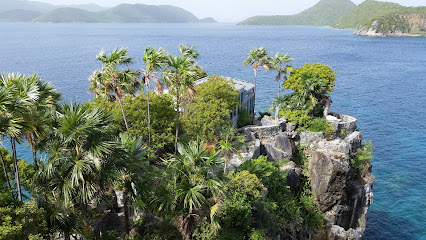
Admiral's Bar
4.0 km
Experience the lively spirit of Admiral's Bar in the British Virgin Islands, where exceptional drinks and a vibrant atmosphere await every visitor.
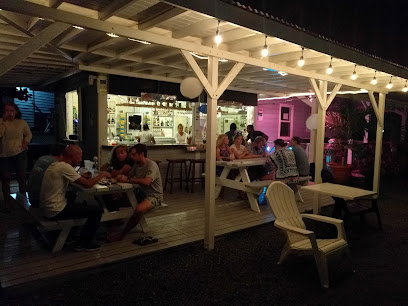
Nigel’s Boom Boom Beach Bar & Grill
4.6 km
Discover the vibrant taste of the British Virgin Islands at Nigel’s Boom Boom Beach Bar & Grill, where delicious food and stunning views await.
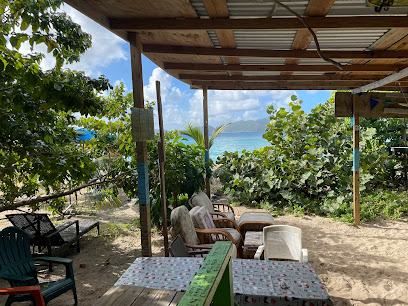
The Windmill Bar
5.0 km
Discover the vibrant flavors and relaxing ambiance of The Windmill Bar in Cruz Bay, a perfect stop for grill lovers and tropical drink enthusiasts alike.
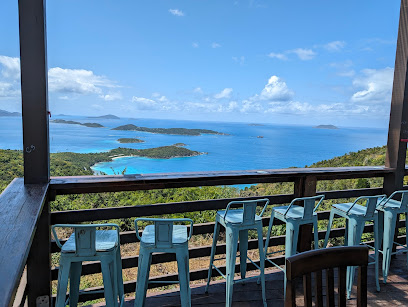
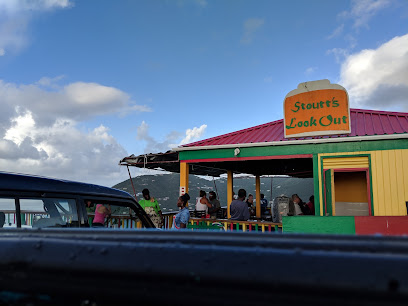
Stoutt's Lookout Bar
8.8 km
Discover the breathtaking views and vibrant atmosphere of Stoutt's Lookout Bar in the British Virgin Islands, where every sip is a celebration of island life.
Coco Locos
9.0 km
Experience the vibrant atmosphere of Coco Locos Beach Bar in White Bay, British Virgin Islands, where refreshing cocktails meet stunning ocean views.
Nightclubs & after hour spots

Cool Breeze Sports Bar & Restaurant
9.4 km
Discover the flavors of the Caribbean at Cool Breeze Sports Bar & Restaurant, where delicious food meets a vibrant sports atmosphere in the British Virgin Islands.
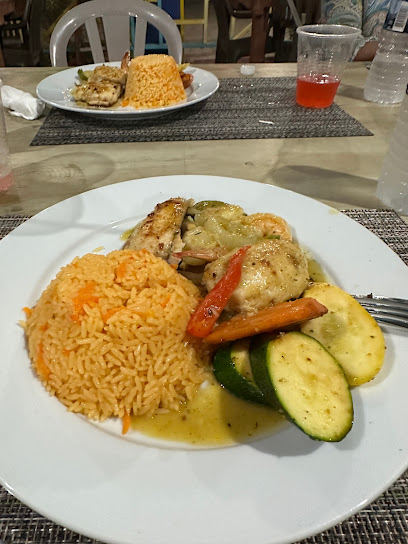
Ali Baba's
9.4 km
Experience the vibrant flavors of the Caribbean at Ali Baba's, a beloved bar and grill in the heart of Belle Vue, British Virgin Islands.
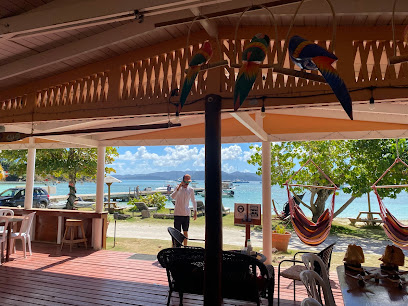
Glen Seaside Bar and Restaurant
10.3 km
Experience the vibrant Caribbean culture at Glen Seaside Bar and Restaurant, where stunning views meet delightful local cuisine.
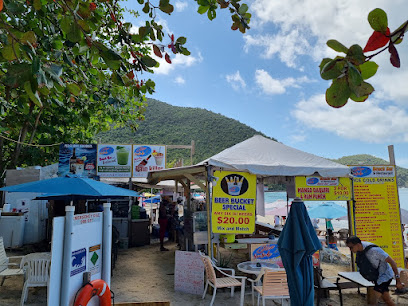
Paradise Club Lounge, Bar, & Restaurant
10.5 km
Experience the ultimate beach bar vibe at Paradise Club Lounge in Cane Garden Bay, British Virgin Islands, with stunning views and refreshing cocktails.
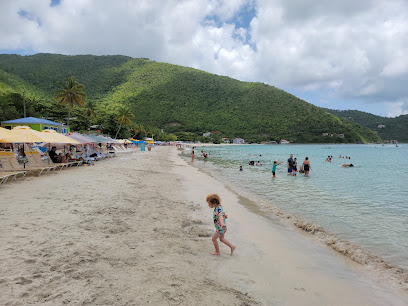
Rudy's Bar
11.6 km
Experience the lively atmosphere and local flavors at Rudy's Bar in the British Virgin Islands, a must-visit for any traveler seeking nightlife.
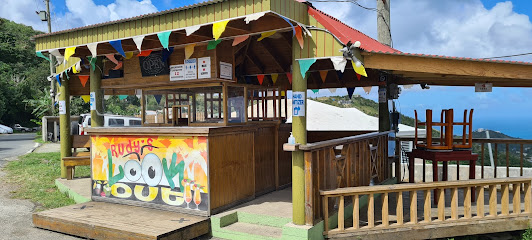
Nicoles Beach Bar
12.1 km
Discover the vibrant Nicoles Beach Bar in the British Virgin Islands, a tropical haven serving delicious food and refreshing drinks with stunning ocean views.
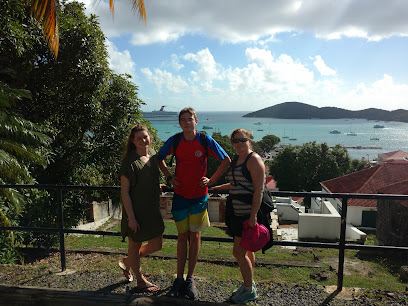
Willy T
12.9 km
Experience the best of island life at Willy T, a floating bar in the British Virgin Islands, known for its vibrant atmosphere and breathtaking views.
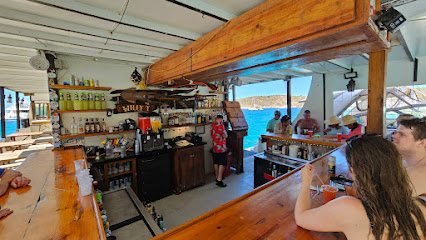
The Bight
13.1 km
Discover the serene beauty and luxurious amenities of The Bight in the British Virgin Islands, where relaxation meets adventure in paradise.
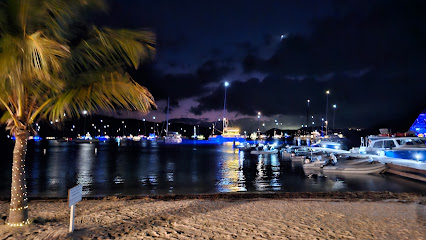
Pirates Bight
13.3 km
Discover the flavors of the Caribbean at Pirates Bight, a stunning waterfront restaurant on Norman Island, British Virgin Islands.
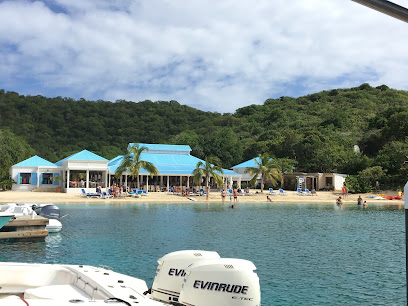
Sandbox45
13.3 km
Discover the lively ambiance of Sandbox45 in Road Town, a bar that blends local flavors with a vibrant nightlife experience in the British Virgin Islands.
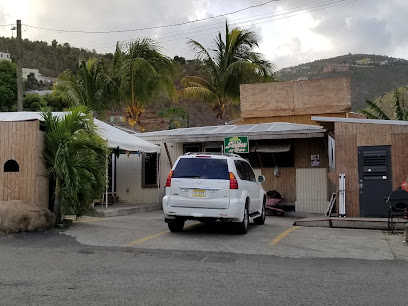
Lounge45 Sports Bar & Restaurant
13.5 km
Experience the vibrant atmosphere of Lounge45 Sports Bar & Restaurant, where Caribbean flavors meet sports entertainment in Road Town.
L'Cachet Bar
13.5 km
Discover the vibrant atmosphere and extensive drink menu at L'Cachet Bar, the perfect spot for relaxation in Road Town, British Virgin Islands.
The avenue bar and lounge
13.6 km
Discover the laid-back charm of The Avenue Bar and Lounge in Road Town, British Virgin Islands - your tropical escape for drinks and relaxation.
Climax on the Hill
13.7 km
Discover Climax on the Hill, a vibrant bar in Tortola offering stunning views, refreshing drinks, and a warm Caribbean atmosphere for tourists.
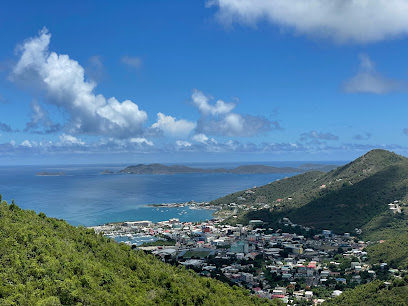
Touchdown Club & Restaurant
13.8 km
Experience the vibrant flavors and lively atmosphere at Touchdown Club & Restaurant, the heart of culinary delight in the British Virgin Islands.


