

Free West End Travel Guide & Mobile App
Plan your West End trip with Evendo. Get free guides to top attractions, restaurants, hotels, and bars. Web access or download the mobile app.


West End, British Virgin Islands, pairs Tortola’s ferry-linked harbour with sailing, snorkelling, island history and quiet coastal scenery in the Caribbean.
Harbour at Tortola’s Western Tip
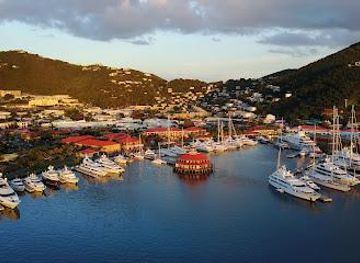
West End occupies the rugged western extremity of Tortola in the British Virgin Islands, where steep green hills descend towards the sheltered waters of Soper’s Hole. Rather than a dense town, it is a small coastal settlement shaped by sailing, ferry travel, marinas and sea-facing businesses. The harbour looks across the Sir Francis Drake Channel towards Frenchman’s Cay and the larger islands of Great Thatch and Little Thatch, giving the area a distinctly maritime character.Read more about West End
Sailing, Beaches and Island Connections
A Quiet Base in the British Virgin Islands
When is the best time to visit West End?
Best: March–May · 31°C| Month | High (°C) | Rainfall (mm) |
|---|---|---|
| January | 31 | 57 |
| February | 31 | 50 |
| March (best) | 31 | 47 |
| April (best) | 31 | 39 |
| May (best) | 31 | 40 |
| June | 32 | 42 |
| July | 32 | 44 |
| August | 32 | 44 |
| September | 32 | 46 |
| October | 31 | 51 |
| November | 31 | 53 |
| December | 31 | 55 |
Getting to and around West End
How to get there
Transportation
Best attractions in West End
West End’s principal attraction is its maritime setting at Soper’s Hole, a sheltered harbour filled with yachts, ferries and boats bound for the neighbouring islands. The waterfront offers views towards Frenchman’s Cay and the small islands scattered along the Sir Francis Drake Channel, while the surrounding hills provide a distinctly Tortolan backdrop. Nearby Smuggler’s Cove is valued for its quieter beach setting and clear water, and Long Bay on the western coast combines a broad sandy shore with open sea views. The route through West End also leads towards Sage Mountain National Park, located inland on Tortola rather than within the settlement, where forested trails offer a different perspective on the island’s terrain. Marine excursions add another dimension, with opportunities for sailing, snorkelling and visiting nearby cays. Sightseeing here is less about a concentration of monuments than about moving between harbour, hill, beach and open water.
-
Beach
Magens Bay Beach
Discover paradise at Magens Bay Beach in St. Thomas: pristine sands, calm waters, and breathtaking scenery await in this Caribbean gem.
38 min drive · 18 km from city centre
-
Aquarium
Coral World Ocean Park
Explore Caribbean marine life up close at Coral World Ocean Park, St. Thomas – an unforgettable underwater adventure for all ages!
34 min drive · 14 km from city centre
-
Duty free store
Mountain Top
Experience breathtaking panoramic views, duty-free shopping, and the world-famous Banana Daiquiri at St. Thomas's iconic mountaintop destination.
40 min drive · 20 km from city centre
-
National park
Virgin Islands National Park
Discover pristine beaches, lush trails & historic ruins in this Caribbean national park. Snorkel vibrant reefs & explore the rich history of St. John.
31 min drive · 11 km from city centre


Best landmarks in West End
West End has few monumental buildings, but several geographical and maritime landmarks express its identity. Soper’s Hole is the defining harbour, a protected inlet whose position on Tortola’s western tip has long made it a natural point of passage through the Virgin Islands. Frenchman’s Cay, immediately offshore, forms a recognisable part of the harbour view, while the channel beyond leads towards the neighbouring islands and historic sailing routes. The western headlands and steep hills are landmarks in their own right, showing the volcanic terrain that shaped settlement patterns across Tortola. Inland, Sage Mountain National Park represents the island’s highest and most forested landscape, though it lies away from West End itself. The lasting significance of the area is therefore maritime and geographic rather than architectural: harbour, channel, headland and island routes define its historical character.
-
Beach
The Baths
Explore the otherworldly landscape of The Baths in Virgin Gorda: a natural wonder of granite boulders, hidden pools, and breathtaking beauty.
55 min drive · 35 km from city centre
-
Park and Garden
Cyril B. Romney Tortola Pier Park
Explore the vibrant Cyril B. Romney Tortola Pier Park in Road Town - a perfect blend of culture, nature, and local flavors in the heart of the British Virgin Islands.
37 min drive · 17 km from city centre
-
Resort hotel
Nanny Cay Resort & Marina
Experience the best of Tortola at Nanny Cay Resort & Marina: a boater's paradise with resort comforts and stunning Caribbean views.
36 min drive · 16 km from city centre
-
Historical landmark
Bluebeard's Castle
Explore the rich history and stunning views at Bluebeard's Castle, a captivating historical landmark in St. Thomas, Virgin Islands.
39 min drive · 19 km from city centre


Explore West End on the map
Plan your West End trip on one map. See where the top attractions, landmarks, restaurants, bars and hotels are, find what's near where you're staying, and book hotels and experiences in a few clicks.
Best hotels in West End
Best restaurants in West End
Dining in West End centres on the waterfront and the marina environment, with restaurants and casual eateries serving visitors who arrive by ferry, yacht or road. Menus commonly reflect the British Virgin Islands’ Caribbean setting through grilled fish, seafood, chicken, rice dishes, salads and tropical drinks, while international sailing culture brings familiar fare to harbour tables. Local food traditions are connected to the wider territory, including dishes influenced by African, British and Caribbean cooking, with provisions shaped by what can be brought through the islands’ ports. Soper’s Hole is the main area for eating near the water, whereas quieter coves have fewer facilities and should not be approached expecting a continuous restaurant strip. Dining is generally informal, and service can follow the relaxed pace of island life, particularly when weather affects deliveries or marine traffic.
-
Restaurant
Soggy Dollar Bar
Experience laid-back island vibes at Soggy Dollar Bar - home of the famous Painkiller cocktail and delicious Caribbean cuisine.
15 min walk · 1.2 km from city centre
-
Restaurant
The Smoking Rooster
Savor fall-off-the-bone BBQ ribs and smoky brisket on shaded patios near St. Thomas cruise docks, where cold beers flow amid lively island energy and generous, flavorful plates.
40 min drive · 20 km from city centre
-
 Resort hotel
Secret Harbour Beach Resort
Palm-fringed beachfront haven on St. Thomas with condo suites, snorkeling paradise, poolside bliss, and watersports adventure—all steps from your private ocean-view retreat.
36 min drive · 16 km from city centre
-
Restaurant
Tap and Still Havensight
Island burgers and cold beers in a laid-back Havensight Mall hotspot.
40 min drive · 20 km from city centre

Best bars in West End
West End’s evening scene is centred on marina bars, waterfront restaurants and informal places where sailors, residents and ferry passengers gather after time on the water. The atmosphere is relaxed rather than club-focused, with sunset drinks, conversation and occasional live music more characteristic than late-night dancing. Soper’s Hole provides the main concentration of evening activity, while the rest of the western peninsula becomes quiet after the day’s boat movements have ended. Visitors seeking a broader choice of bars, cultural events or nightlife can travel towards Road Town, although distances and winding roads make arranging a taxi or designated driver important. Evening entertainment is also shaped by the sea: charter gatherings, sailing events and casual socialising often matter more than dedicated nightclubs. Opening patterns may change with the season, weather and ferry traffic.
-
Restaurant
Pusser's
Discover the authentic flavors of the British Virgin Islands at Pusser's, a vibrant restaurant and pub with stunning waterfront views.
37 min drive · 17 km from city centre
-
Resort hotel
Long Bay Beach Resort
Experience the ultimate relaxation at Long Bay Beach Resort, a serene beachfront paradise in the British Virgin Islands.
31 min drive · 11 km from city centre
-
Bar
Soper's Hole Wharf & Marina
Explore the beauty and charm of Soper's Hole Wharf & Marina in the British Virgin Islands, where adventure meets relaxation in a stunning coastal setting.
30 min drive · 10 km from city centre
-
Bar
Stoutt's Lookout Bar
Discover the vibrant atmosphere and stunning views at Stoutt's Lookout Bar in the British Virgin Islands, where every sip is a taste of paradise.
32 min drive · 12 km from city centre


Best nightclubs in West End
West End’s evening scene is centred on marina bars, waterfront restaurants and informal places where sailors, residents and ferry passengers gather after time on the water. The atmosphere is relaxed rather than club-focused, with sunset drinks, conversation and occasional live music more characteristic than late-night dancing. Soper’s Hole provides the main concentration of evening activity, while the rest of the western peninsula becomes quiet after the day’s boat movements have ended. Visitors seeking a broader choice of bars, cultural events or nightlife can travel towards Road Town, although distances and winding roads make arranging a taxi or designated driver important. Evening entertainment is also shaped by the sea: charter gatherings, sailing events and casual socialising often matter more than dedicated nightclubs. Opening patterns may change with the season, weather and ferry traffic.
-
Bar
Paradise Club Lounge, Bar, & Restaurant
Experience the vibrant nightlife at Paradise Club Lounge, Bar, & Restaurant, where tropical cocktails and live music come together in Cane Garden Bay.
33 min drive · 13 km from city centre
-
Bar
Admiral's Bar
Discover the lively atmosphere of Admiral's Bar in Freshwater Pond, where refreshing drinks and friendly vibes await you in the British Virgin Islands.
30 min drive · 10 km from city centre
-
Bar
Rudy's Bar
Discover the lively ambiance of Rudy's Bar in Leonards, British Virgin Islands, where great drinks and local culture meet.
34 min drive · 14 km from city centre
-
Bar
Climax on the Hill
Experience stunning views and vibrant nightlife at Climax on the Hill, the ultimate bar destination in Tortola, British Virgin Islands.
36 min drive · 16 km from city centre


Best shops in West End
Shopping in West End is concentrated around the harbour, where small businesses connected with sailing and tourism offer practical supplies, beachwear, souvenirs, snacks and locally themed gifts. The area is not a major retail district, and visitors seeking extensive shopping, galleries or larger supermarkets will find more choice in Road Town. Purchases associated with the British Virgin Islands may include rum, island-made food products, jewellery, artwork, clothing and crafts, although selection varies between businesses. Marina shops cater primarily to people travelling by boat, so provisions and marine equipment can be as prominent as conventional souvenirs. Shopping is generally casual and small-scale, with the waterfront setting contributing more to the experience than a continuous commercial street. Visitors should compare payment options and carry some US dollars for smaller establishments.
-
Shopping mall
Havensight Mall
Explore Havensight Mall in St. Thomas for a unique shopping experience with stunning waterfront views and a variety of local and international stores.
40 min drive · 20 km from city centre
-
Marina
Yacht Haven Grande
Explore Yacht Haven Grande: A vibrant marina with shopping, dining, and stunning views in St. Thomas, US Virgin Islands.
39 min drive · 19 km from city centre
-
Supermarket
RiteWay Pasea Estate
Explore diverse local and international products at RiteWay Pasea Estate, your premier supermarket in Road Town, British Virgin Islands.
37 min drive · 17 km from city centre
-
Shopping Centre
Soper's Hole Wharf & Marina
Experience the vibrant atmosphere of Soper's Hole Wharf & Marina, a shopping and dining haven in the British Virgin Islands with breathtaking views.
30 min drive · 10 km from city centre


Get your free copy of our complete guide to West End, delivered straight to you.
Everything on this page, from attractions and restaurants to essentials and local phrases, in one PDF you can read offline, print or share.
Already have an account? Sign in
Your West End guide is ready.
We'll send it to · Not you? Sign out

Getting your guide ready…
We are putting together a fresh copy of the West End guide. This can take up to a minute.
This can take a few moments. If your browser asks, choose Allow so the download can start. You'll find the guide in your Downloads folder.
Nothing happened? Download it again
Sorry, the guide is taking longer than usual. Please try again in a minute, or get it by email instead.
West End essentials
Currency and Payment
Safety
Emergency Situations
Do's and Don'ts
Local Tips
From Eve
Local phrases worth knowing
You don't need to get them perfect. A few words go a long way, and locals appreciate the effort.
Basics
| English | Local | Say it |
|---|---|---|
| Hello | Good day | [gud dey] |
| Goodbye | Goodbye | [gud-bye] |
| Yes | Yeah | [yah] |
| No | No | [no] |
| Please/You're welcome | Please | [pliz] |
| Thank you | Thank you | [tenk yu] |
| Excuse me/Sorry | Sorry | [sari] |
| How are you? | How you do? | [haw yu do] |
| Fine. And you? | Irie. And you? | [eye-ree. and yu] |
| Do you speak English? | You speak English? | [yu spiik ing-glish] |
| I don't understand | I don't get that | [ai dont get dat] |
Eating & Drinking
| English | Local | Say it |
|---|---|---|
| I'd like to see the menu, please | Can I see the menu, please | [kan ai si di men-yu, pliz] |
| I don't eat meat | I don't eat flesh | [ai dont it flesh] |
| Cheers! | Cheers! | [cheers] |
| I would like to pay, please | I want to pay, please | [ai waant tu pey, pliz] |
Emergencies
| English | Local | Say it |
|---|---|---|
| Help! | Help! | [help] |
| Go away! | Go way! | [go wey] |
| Call the Police! | Call di Police! | [kaal di polis] |
| Call a doctor! | Call di doctor! | [kaal di dok-ta] |
| I'm lost | I lost | [ai lost] |
| I'm ill | I sick | [ai sik] |
Shopping
| English | Local | Say it |
|---|---|---|
| I'd like to buy... | I want to buy... | [ai waant tu bai...] |
| I'm just looking | I just looking | [ai jas luking] |
| How much is it? | How much dis cost? | [haw moch dis kost] |
| That's too expensive | Dat too much | [dat tu mach] |
| Can you lower the price? | Can you drop di price? | [kan yu drap di prais] |
Time & Numbers
| English | Local | Say it |
|---|---|---|
| What time is it? | What time it be? | [wat taim it bi] |
| It's one o'clock | It one o'clock | [it wan o'clock] |
| Half past (10) | Half ten | [haf ten] |
| Morning | Morning | [mawn-ing] |
| Afternoon | Afternoon | [afta-noon] |
| Evening | Evening | [ee-ven-ing] |
| Yesterday | Yesterday | [yes-ta-day] |
| Today | Today | [tu-day] |
| Tomorrow | Tomorrow | [to-maw-row] |
| 1 | One | [wan] |
| 2 | Two | [tu] |
| 3 | Tree | [tree] |
| 4 | Fo' | [fo] |
| 5 | Fibe | [fayb] |
| 6 | Six | [siks] |
| 7 | Seven | [sev-en] |
| 8 | Eight | [ait] |
| 9 | Nine | [nain] |
| 10 | Ten | [ten] |
Transport & Directions
| English | Local | Say it |
|---|---|---|
| Where's a/the...? | Where de...? | [wey de...] |
| What's the address? | What de address be? | [wat de address bi] |
| Can you show me (on the map)? | Can you show me (on di map)? | [kan yu show mi (on di map)] |
| When's the next (bus)? | When di nex (bus) deh? | [wen di neks (bus) dey] |
| A ticket (to ....) | A ticket (to ....) | [a tik-et (tu ....)] |
History of West End
Early Caribbean Settlement
The islands around Tortola were inhabited before European colonisation by Indigenous Caribbean peoples, including communities associated with the wider Taíno and Island Carib cultural worlds. Archaeological evidence from the British Virgin Islands indicates movement between islands and the use of coastal resources, although the exact history of settlement at West End is less extensively documented than that of larger sites elsewhere in the territory. The sheltered coves and dependable sea routes around Tortola’s western tip would have made the area useful for maritime travel. Its position beside the Sir Francis Drake Channel also placed it within a wider network connecting the Virgin Islands long before the modern ferry harbour was established.
European Claims and Maritime Routes
Spanish navigators recorded the Virgin Islands during the early period of European exploration, but permanent colonial development was slow because of the islands’ rugged terrain, limited freshwater and exposure to regional conflict. The British established lasting control over Tortola during the seventeenth century, while neighbouring islands were divided among European powers. West End’s importance developed from geography rather than from a formal urban foundation: its sheltered waters offered a natural stopping point for vessels moving through the channels between Tortola, St John, Puerto Rico and the smaller islands. The surrounding passages later became associated with privateering, naval movement and inter-island trade.
Plantations and the British Colony
During the eighteenth century, British settlement on Tortola expanded through plantation agriculture, particularly the cultivation of sugar cane, cotton and other crops suited to the islands’ climate. Much of this economy depended on enslaved African labour, whose descendants form an important part of the British Virgin Islands’ population and cultural identity. The steep western hills limited large-scale agriculture around West End, but the area remained connected to the plantation economy through coastal movement and small settlements. After emancipation in 1834, the territory’s agriculture declined gradually, and many island communities relied increasingly on small farming, fishing, boatbuilding and maritime commerce.
From Coastal Community to Harbour
For much of the nineteenth and early twentieth centuries, West End remained a modest coastal community rather than a major town. Its residents were linked to neighbouring islands by small boats, sailing vessels and informal trade, while the headlands and coves remained more significant as points of passage than as built-up urban spaces. The British Virgin Islands’ wider economy changed substantially during the twentieth century as agriculture weakened and migration, remittances and public administration became increasingly important. Improved roads and marine transport gradually connected West End more closely with Road Town and the rest of Tortola.
Tourism and the Modern Waterfront
From the later twentieth century, sailing and marine tourism reshaped West End. The sheltered waters of Soper’s Hole attracted marinas, charter activity, ferry services and waterfront businesses, while Tortola became an important base for exploring the British Virgin Islands by boat. Development has remained concentrated around the harbour rather than forming a continuous resort town, leaving the surrounding hills and western beaches relatively open. Today, West End’s identity reflects this maritime transition: its older links to inter-island travel continue through ferry connections, while recreational sailing, yachting and beach excursions form the main features of its visitor economy.
West End in Photos
Browse through our photo collection highlighting the charm and character of the destination.
Cities near West End
The closest cities to West End, if you have time for more than one stop.
-

-

-

-

-


Swipe for more cities
Explore more
Explore more of British Virgin Islands
Discover the British Virgin Islands: Pristine beaches, vibrant marine life, and a rich cultural heritage await in this Caribbean paradise.
Explore British Virgin Islands