
Bangar, Brunei Travel Guide
Discover Bangar, Brunei's hidden gem, where lush rainforests meet rich cultural heritage in the serene Temburong District. Perfect for nature lovers and cultural enthusiasts alike.
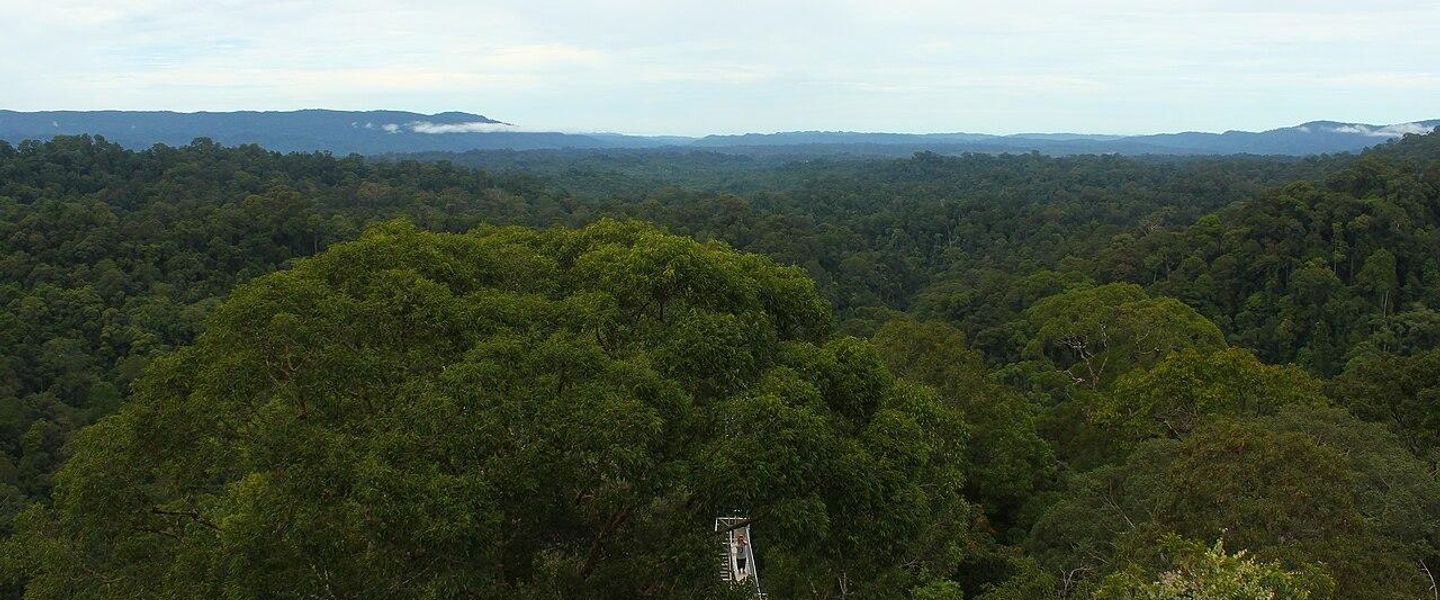
Nestled in the lush greenery of Brunei's Temburong District, Bangar is a quaint town that offers a unique blend of natural beauty and cultural heritage. Known for its serene atmosphere and friendly locals, Bangar is the perfect escape for those looking to experience the untouched splendor of Brunei. One of the main attractions in Bangar is the Ulu Temburong National Park, a pristine rainforest that offers a myriad of outdoor activities. From canopy walks and river cruises to bird watching and jungle trekking, the park provides an immersive experience into Brunei's rich biodiversity. The park is also home to the Belalong Canopy Walkway, a high suspension bridge that offers breathtaking views of the rainforest. In addition to its natural attractions, Bangar is also a great place to learn about Brunei's cultural heritage. The Temburong District Museum offers fascinating insights into the local history and traditions. Visitors can also explore the quaint local markets, where they can sample traditional Bruneian cuisine and purchase handcrafted souvenirs. For those looking to relax, the town's riverside cafes offer a perfect spot to unwind and enjoy the scenic views.

Know before you go
Hi, I'm Eve. Here are a few practical things to know before exploring Bangar.
- Visit Ulu Temburong National Park early in the morning to avoid the crowds and catch the wildlife at its most active.
- Bring insect repellent and wear light, long-sleeved clothing to protect against mosquitoes when exploring the rainforest.
- Take a local river cruise to experience the beauty of the Temburong River and spot unique wildlife.
- Try the local cuisine at the riverside cafes for an authentic Bruneian dining experience.
- Don't forget to bring cash, as some local markets and smaller eateries may not accept credit cards.
Explore Bangar: Things to Do, Places to Eat, Hotels & More
Handpicked recommendations for top attractions, local dining, accommodations, and more

Best attractions in Bangar
Top-rated picks
Best Attractions

Joyful Garden
Discover tranquility and community spirit at Joyful Garden, a lush oasis in Bandar Seri Begawan showcasing nature's beauty and sustainable gardening.

Omar Ali Saifuddien Mosque
Discover the iconic Sultan Omar Ali Saifuddien Mosque in Brunei, a stunning fusion of Islamic and Italian architecture, and a symbol of the nation's heritage.

Gadong Night Market
Experience Brunei's vibrant culinary scene at Gadong Night Market, offering a wide array of local delicacies and cultural experiences.

Jame' Asr Hassanil Bolkiah Mosque
Discover Brunei's largest mosque, a masterpiece of Islamic architecture with stunning golden domes and serene gardens.

Best landmarks in Bangar
Top-rated picks
Best Landmarks
Omar Ali Saifuddien Mosque
Experience the breathtaking beauty of Omar Ali Saifuddien Mosque, a stunning symbol of Brunei's cultural heritage and architectural splendor.

Istana Nurul Iman
Discover the elegance and splendor of Istana Nurul Iman, the royal palace of Brunei, a stunning symbol of the nation's rich heritage and culture.

Jerudong Park Playground
Explore Jerudong Park Playground – a captivating amusement park in Brunei with thrilling rides, serene gardens, and fun for the whole family.

Kianggeh Market
Explore the bustling Kianggeh Market in Bandar Seri Begawan, a vibrant hub of fresh produce, local delicacies, and handcrafted treasures.

Best restaurants in Bangar
Top-rated picks
Best Restaurants

Chop Jing Chew
Discover the rich flavors of Brunei at Chop Jing Chew - where traditional meets deliciously modern dining.

Pondok Sari Wangi Seafood Restaurant
Discover fresh seafood delights at Pondok Sari Wangi Seafood Restaurant in Jerudong Park - where flavor meets Bruneian hospitality.

Tarindak D'Seni
Experience the best of Bruneian cuisine at Tarindak D'Seni - where tradition meets modern culinary art in a stunning setting.

Tandoor.com Restaurant
Discover authentic South Asian cuisine at Tandoor.com Restaurant in Bandar Seri Begawan - where tradition meets taste.

Best bars in Bangar
Top-rated picks
Best Bars

Jazz Bar And Grill
Experience the harmony of exquisite Western cuisine and captivating live jazz at Kiulap's beloved Jazz Bar And Grill.

Royal Brunei Business Class Lounge
Discover the luxurious Royal Brunei Business Class Lounge, a perfect blend of comfort, elegance, and exquisite dining for discerning travelers.

New Tea Kopitiam
Experience the authentic flavors and cozy atmosphere at New Tea Kopitiam, a charming cafe in Bangar perfect for tea lovers and tourists alike.

HUNGRY BAR & BISTRO
Experience the best of local and international cuisine at Hungry Bar & Bistro, Bandar Seri Begawan's culinary treasure.

Best nightclubs in Bangar
Top-rated picks
Best Nightclubs

Gadong Night Market
Discover the vibrant flavors and culture of Brunei at Gadong Night Market, the ultimate destination for food lovers and cultural enthusiasts.

Radisson Hotel Brunei Darussalam
Discover the perfect blend of luxury and tradition at Radisson Hotel Brunei Darussalam, your gateway to the beautiful city of Bandar Seri Begawan.

The Capital Residence Suite
Discover unmatched luxury and comfort at The Capital Residence Suite in Bandar Seri Begawan, where modern amenities meet warm hospitality.
Jubilee Hotel
Discover comfort and convenience at Jubilee Hotel, the perfect base for exploring the cultural treasures of Bandar Seri Begawan.

Best shops in Bangar
Top-rated picks
Best Shops

Market Complex, Tutong
Discover the vibrant flavors and culture of Brunei at the Market Complex in Tutong, where fresh produce and seafood await.

Happy Star Brunei Souvenir Shop
Explore the vibrant world of Bruneian crafts at Happy Star Brunei Souvenir Shop, where every piece tells a story.

Ya-Nur Trading Company
Explore the vibrant selection at Ya-Nur Trading Company, your go-to supermarket in Nagalang Ering for all travel essentials.

Bangar Town Foyer
Discover the vibrant Bangar Town Foyer, a lively pedestrian zone filled with shops, local art, and cultural experiences that captivate every traveler.

Explore Bangar on the Map
A handpicked selection of must-see spots in Bangar, mapped for you.
Bangar Essentials
-
Bangar is located in the Temburong District of Brunei. The nearest airport is Brunei International Airport in Bandar Seri Begawan, approximately 60 kilometers away. From the airport, you can take a taxi or a shuttle service to the capital's ferry terminal. A scenic 45-minute boat ride will take you across the Brunei Bay to Bangar. Alternatively, you can drive to Bangar via the Ulu Temburong National Park route, which involves crossing the border into Malaysia briefly before re-entering Brunei.
-
Bangar is a small town, making it easy to navigate on foot. For longer distances within the Temburong District, local taxis and car rentals are available. There are also buses that connect Bangar to other parts of Brunei. Hiring a local guide with a vehicle can provide a more in-depth exploration of the area, especially for visits to the Ulu Temburong National Park.
-
The official currency of Brunei is the Brunei Dollar (BND). Credit cards are widely accepted in hotels, restaurants, and larger shops. However, it is advisable to carry some cash for smaller establishments and markets. ATMs are available, but it is a good idea to withdraw sufficient cash before heading to more remote areas.
-
Bangar is generally a safe destination for tourists. While there are no specific high-crime areas targeting tourists, it is always best to stay vigilant. Avoid walking alone at night in unfamiliar areas and keep an eye on your belongings in crowded places. Petty thefts can occur, so use common sense and take standard precautions.
-
In case of emergency, dial 993 for police assistance and 991 for medical emergencies. The Bangar Health Centre can handle minor medical issues, while more serious conditions may require transfer to a hospital in Bandar Seri Begawan. It is recommended to have travel insurance that covers medical emergencies.
-
Fashion: Do dress modestly, especially when visiting religious sites. Avoid wearing revealing clothing. Religion: Do respect local customs and traditions, including removing your shoes before entering homes and mosques. Public Transport: Do be respectful and give up your seat to elderly passengers. Don't eat or drink on public transport. Greetings: Do greet people with a friendly 'Selamat' (peace) or a simple handshake. Eating & Drinking: Do try local delicacies and accept food offerings graciously. Don't refuse hospitality, as it is considered impolite.
-
To experience Bangar like a local, visit the Tamu Bangar market where you can buy fresh produce and traditional Bruneian goods. Engage with locals, as they are often friendly and willing to share stories about the town's history and culture. Don't miss a trip to the Ulu Temburong National Park for a unique rainforest adventure. For a traditional experience, try staying in a local homestay.
When is the best time to visit Bangar?
Useful Local Phrases for Bangar
You don't need to speak the language perfectly. Even learning a few simple words can make conversations warmer—and locals usually appreciate the effort.
— Eve

Here are the phrases I use most often in Bangar. Try a few—you'll be surprised how far they go! 😊
❤️
-
- HelloSelamat petang
[suh-lah-mat puh-tang] - GoodbyeSelamat tinggal
[suh-lah-mat ting-gal] - YesYa
[yah] - NoTidak
[tee-dak] - Please/You're welcomeSila
[see-lah] - Thank youTerima kasih
[teh-ree-ma ka-see] - Excuse me/SorryMaaf
[mah-af] - How are you?Apa khabar?
[ah-pah kah-bar] - Fine. And you?Baik. Dan awda?
[bah-eek. dan ow-dah] - Do you speak English?Awda boleh berbahasa Inggeris?
[ow-dah boh-lay ber-bah-hah-sah ing-ga-rees] - I don't understandSaya tidak faham
[sah-yah tee-dak fah-hahm]
- HelloSelamat petang
-
- I'd like to see the menu, pleaseSaya mahu lihat menu, sila
[sah-yah mah-hoo lee-hat meh-noo, see-lah] - I don't eat meatSaya tidak makan daging
[sah-yah tee-dak mah-kan dah-yang] - Cheers!Kanpai!
[kan-pai] - I would like to pay, pleaseSaya ingin membayar, sila
[sah-yah in-geen mem-bah-yar, see-lah]
- I'd like to see the menu, pleaseSaya mahu lihat menu, sila
-
- Help!Tolong!
[toh-long] - Go away!Pergi jauh!
[per-gee jow] - Call the Police!Panggil polis!
[pang-geel po-lees] - Call a doctor!Panggil doktor!
[pang-geel dok-tor] - I'm lostSaya sesat
[sah-yah suh-saht] - I'm illSaya sakit
[sah-yah sah-keet]
- Help!Tolong!
-
- I'd like to buy...Saya ingin membeli...
[sah-yah in-geen mem-buh-lee] - I'm just lookingSaya hanya melihat
[sah-yah hun-yah meh-lee-hat] - How much is it?Berapa harganya?
[ber-ah-pah har-gan-yah] - That's too expensiveItu terlalu mahal
[ee-too ter-lah-loo mah-hal] - Can you lower the price?Boleh kurangkan harga?
[boh-lay koor-ang-gan har-gah]
- I'd like to buy...Saya ingin membeli...
-
- What time is it?Pukul berapa sekarang?
[poo-kool ber-ah-pah suh-kah-rang] - It's one o'clockPukul satu
[poo-kool sah-too] - Half past (10)Setengah (sepuluh)
[suh-teng-ah (suh-poo-looh)] - MorningPagi
[pah-gee] - AfternoonPetang
[puh-tang] - EveningMalam
[mah-lam] - YesterdaySemalam
[seh-mah-lam] - TodayHari ini
[hah-ree ee-nee] - TomorrowEsok
[eh-sohk] - 1Satu
[sah-too] - 2Dua
[doo-ah] - 3Tiga
[tee-gah] - 4Empat
[em-paht] - 5Lima
[lee-mah] - 6Enam
[eh-nahm] - 7Tujuh
[too-joo] - 8Lapan
[lah-pahn] - 9Sembilan
[sem-bee-lahn] - 10Sepuluh
[suh-poo-looh]
- What time is it?Pukul berapa sekarang?
-
- Where's a/the...?Di mana...
[dee mah-nah] - What's the address?Apa alamatnya?
[ah-pah ah-lah-mat-nyah] - Can you show me (on the map)?Boleh tunjukkan kepada saya (di peta)?
[boh-lay toon-jook-kan keh-pah sah-yah (dee peh-tah)] - When's the next (bus)?Bila yang seterusnya (bas)?
[bee-lah yang suh-ter-oos-nyah (bahs)] - A ticket (to ....)Satu tiket (ke ....)
[sah-too tee-keht (keh ....)]
- Where's a/the...?Di mana...
History of Bangar
-
Bangar, situated in the Temburong District of Brunei, has a rich history that dates back centuries. The area was originally settled by the indigenous Iban people, known for their intricate longhouses and vibrant cultural practices. The Iban's traditional way of life, which includes fishing, hunting, and farming, has left an indelible mark on the region. Visitors can still witness traditional Iban customs and crafts, such as weaving and beadwork, which have been passed down through generations.
-
In the 19th century, Bangar and the greater Temburong District came under the influence of the Brooke Dynasty, a British family who ruled the neighboring state of Sarawak. Although the Brookes did not directly govern Brunei, their presence influenced the region's political and economic landscape. Trade between Brunei and Sarawak flourished, leading to the growth of Bangar as a local trading hub. The remnants of colonial architecture and trading posts can still be seen in certain parts of the town.
-
The formal establishment of the Sultanate of Brunei in the 14th century significantly impacted Bangar and the surrounding regions. The sultanate's influence extended throughout Borneo, including the Temburong District. Bangar served as a strategic point for the sultanate, facilitating trade and political control. The spread of Islam during this period also shaped the cultural and religious landscape of Bangar, with mosques and Islamic schools becoming central to community life.
-
During World War II, Bangar, like the rest of Brunei, fell under Japanese occupation from 1941 to 1945. The Japanese military presence disrupted daily life and brought significant hardships to the local population. However, this period also sparked a sense of resilience and resistance among the people. Historical markers and memorials in Bangar commemorate the bravery and sacrifices of those who lived through this tumultuous time.
-
Following Brunei's independence from British protection in 1984, Bangar underwent significant development. The government invested in infrastructure, education, and healthcare, transforming Bangar into a modern town while preserving its cultural heritage. The Ulu Temburong National Park, established in the late 1990s, has become a major attraction, highlighting the region's commitment to environmental conservation. The park offers a glimpse into the pristine rainforests and diverse wildlife of Temburong, attracting eco-tourists from around the world.
-
Bangar is a vibrant cultural hub, hosting various festivals and events that celebrate its rich heritage. The annual Temburong District Festival showcases traditional music, dance, and crafts, drawing visitors from across Brunei and beyond. Other significant events include the Hari Raya Aidilfitri celebrations, which mark the end of Ramadan and are characterized by communal feasts and prayers. These cultural festivities provide a unique opportunity for visitors to immerse themselves in the local customs and traditions of Bangar.
Cities near Bangar
The closest cities to Bangar, if you have time for more than one stop.


Your all‑in‑one travel companion app
Explore expert travel guides, compare and book tours, experiences, hotels, and more—all from the palm of your hand. Download now for seamless trip planning wherever your wanderlust takes you.


Bangar in Photos
Browse through our photo collection highlighting the charm and character of the destination.


Bangar: The Hidden Gem of Brunei
Nestled in the lush greenery of Brunei's Temburong District, Bangar is a quaint town that offers a unique blend of natural beauty and cultural heritage. Known for its serene atmosphere and friendly locals, Bangar is the perfect escape for those looking to experience the untouched splendor of Brunei. One of the main attractions in Bangar is the Ulu Temburong National Park, a pristine rainforest that offers a myriad of outdoor activities. From canopy walks and river cruises to bird watching and jungle trekking, the park provides an immersive experience into Brunei's rich biodiversity. The park is also home to the Belalong Canopy Walkway, a high suspension bridge that offers breathtaking views of the rainforest. In addition to its natural attractions, Bangar is also a great place to learn about Brunei's cultural heritage. The Temburong District Museum offers fascinating insights into the local history and traditions. Visitors can also explore the quaint local markets, where they can sample traditional Bruneian cuisine and purchase handcrafted souvenirs. For those looking to relax, the town's riverside cafes offer a perfect spot to unwind and enjoy the scenic views.
Explore More of Belalong Canopy Walkway

Looking beyond Bangar? Discover Belalong Canopy Walkway for broader travel guides, local hot-spots, and regional highlights.
Explore Belalong Canopy WalkwayExplore More of Brunei

Looking beyond Bangar? Discover Brunei for broader travel guides, local hot-spots, and regional highlights.
Explore Brunei