

Free Tutong Travel Guide & Mobile App
Plan your Tutong trip with Evendo. Get free guides to top attractions, restaurants, hotels, and bars. Web access or download the mobile app.


Tutong, Brunei offers riverfront walks, Tasek Merimbun, coastal scenery, local markets and a quieter window into Brunei’s Malay culture and history.
A Town Shaped by Water
Tutong is a modest riverside town in central Brunei, situated between the capital, Bandar Seri Begawan, and the oil-producing settlements of the west. Its identity is closely linked to the Tutong River, which reaches the South China Sea near the coastal settlement of Kuala Tutong. Compared with Brunei’s capital, Tutong has a quieter, more rural character, with low-rise streets, small commercial areas and broad stretches of surrounding greenery. The town is a useful base for understanding the district’s river, coastal and village landscapes rather than a destination built around a dense concentration of monuments.Read more about Tutong
Coast, Wetlands and Forest
Local Life and Cultural Character
When is the best time to visit Tutong?
Best: January–March · 30–31°C| Month | High (°C) | Rainfall (mm) |
|---|---|---|
| January (best) | 30 | 292 |
| February (best) | 30 | 251 |
| March (best) | 31 | 252 |
| April | 31 | 307 |
| May | 31 | 325 |
| June | 30 | 348 |
| July | 30 | 345 |
| August | 30 | 333 |
| September | 30 | 333 |
| October | 30 | 346 |
| November | 30 | 338 |
| December | 30 | 305 |
Getting to and around Tutong
How to get there
Transportation
Best attractions in Tutong
Tutong’s attractions are defined by open landscapes and close contact with the district’s waterways rather than by a dense historic centre. Sungai Basong Recreation Park, near the town, provides a convenient setting for walking, picnicking and appreciating Brunei’s tropical greenery. At Seri Kenangan Beach, the Tutong River meets the South China Sea, creating a broad coastal outlook and a popular setting for late-afternoon visits. Inland, Tasek Merimbun Heritage Park is the district’s most significant nature attraction, with a dark-water lake, forest and wetland habitats recognised through its ASEAN Heritage Park status. The town’s market and small commercial streets offer glimpses of daily life, local produce and Bruneian snacks, while nearby villages reveal a quieter side of the country’s Malay and indigenous culture. These places are spread out, so sightseeing is more rewarding when planned as a sequence of short town, coast and countryside stops rather than as a compact walking circuit.
-
 Mosque
Omar Ali Saifuddien Mosque
A stunning mosque in Brunei's capital, blending Mughal and Italian architecture with a golden dome, reflecting Islamic faith and cultural heritage.
52 min drive · 32 km from city centre
-
Night market
Gadong Night Market
Experience Brunei's vibrant culinary scene at Gadong Night Market, a feast for the senses with diverse local delicacies and street food.
51 min drive · 31 km from city centre
-
Mosque
Jame' Asr Hassanil Bolkiah Mosque
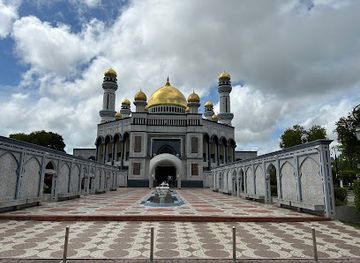
Brunei's largest mosque, a stunning display of Islamic architecture with 29 golden domes, built to honor the Sultan Hassanal Bolkiah.
51 min drive · 31 km from city centre
-
Museum
Royal Regalia Museum
Explore the Royal Regalia Museum in Bandar Seri Begawan, a treasure trove of Brunei's royal heritage and cultural history.
53 min drive · 33 km from city centre


Best landmarks in Tutong
Tutong’s most distinctive landmarks are tied to landscape and public life rather than grand monumental architecture. The Tutong River is the defining geographical feature, linking the town to the coast and reflecting the river-based settlement patterns that shaped the district. Seri Kenangan Beach marks the river’s meeting with the South China Sea and acts as a memorable natural edge to the town’s wider setting. Sungai Basong Recreation Park represents the district’s modern investment in accessible green space, with paths and recreation areas within a forested environment. Further inland, Tasek Merimbun Heritage Park is significant for its large natural lake, peat-swamp ecology and recognition as an ASEAN Heritage Park. The town’s mosque, civic facilities and market are best understood as working landmarks of contemporary Bruneian community life, while village houses and waterways preserve the less formal character of Tutong’s older settlement landscape.
-
Hotel
The Empire Brunei
Experience coastal luxury at The Empire Brunei, a regal resort offering opulent accommodations and world-class amenities on Borneo's stunning shores.
48 min drive · 28 km from city centre
-
Mosque
Omar Ali Saifuddien Mosque
Discover Brunei's iconic mosque: a stunning fusion of Mughal & Italian architecture, shimmering golden domes, and serene lagoon views in the heart of Bandar Seri Begawan.
52 min drive · 32 km from city centre
-
Mosque
Jame' Asr Hassanil Bolkiah Mosque
Discover the architectural wonder of Jame' Asr Hassanil Bolkiah Mosque, the largest mosque in Brunei, where beauty meets spirituality.
51 min drive · 31 km from city centre
-
Tourist attraction
Istana Nurul Iman
Discover the grandeur of Istana Nurul Iman, the official residence of the Sultan of Brunei, a stunning blend of culture and architecture.
50 min drive · 30 km from city centre

Explore Tutong on the map
Plan your Tutong trip on one map. See where the top attractions, landmarks, restaurants, bars and hotels are, find what's near where you're staying, and book hotels and experiences in a few clicks.
Best hotels in Tutong
Best restaurants in Tutong
Tutong’s dining scene is informal and locally oriented, centred on family-run cafés, food stalls, market vendors and small restaurants rather than a large collection of destination dining rooms. Bruneian staples such as nasi katok, rice served with fried chicken and sambal, are easy to encounter, while ambuyat remains an important national dish made from sago starch and traditionally eaten with a bamboo fork called a chandas. Menus may also draw on Malay, Kedayan and wider Borneo traditions, with grilled fish, spiced meats, noodles, rice dishes and sweet kuih-muih sold as snacks. The town’s market is useful for observing the everyday food economy and buying fruit or prepared items, while cafés provide iced drinks and light meals suited to Brunei’s warm climate. Visitors should expect halal food to predominate and should carry cash for smaller vendors.
-
Restaurant
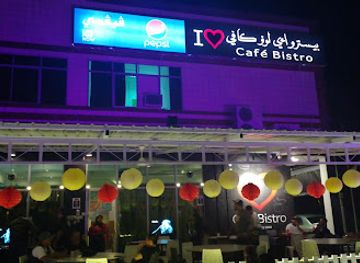
I Luv Cafe Bistro
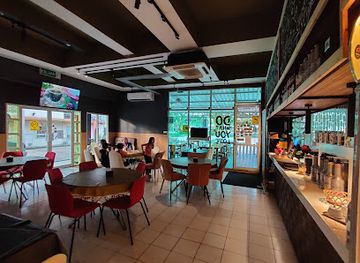
Discover delightful flavors at I Luv Cafe Bistro in Tutong—your go-to spot for local cuisine and international delights.
11 min walk · 0.9 km from city centre
-
Restaurant
Tanda Kasih Restaurant
Experience authentic local cuisine at Tanda Kasih Restaurant in Kampong Keriam - where every meal tells a story.
9 min drive · 3.0 km from city centre
-
Restaurant
Haji K.K Koya Restaurant
Discover the vibrant tastes of India at Haji K.K Koya Restaurant - an affordable gem in Tutong serving authentic Indian cuisine.
5 min walk · 0.4 km from city centre
-
Restaurant
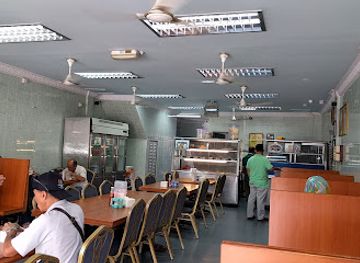
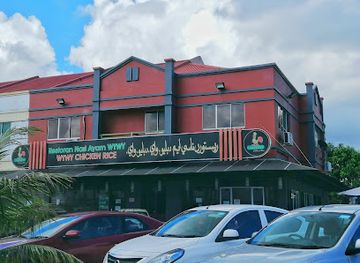
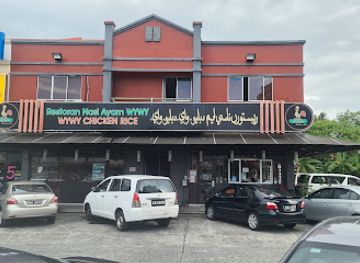
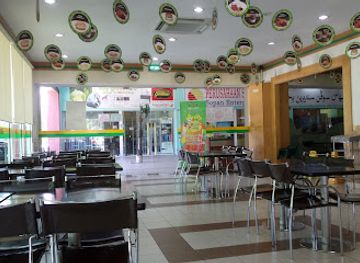
WYWY Restaurant
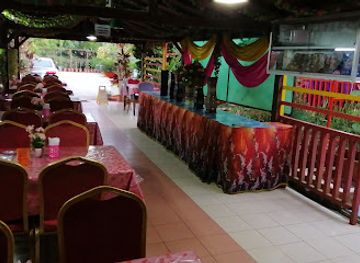
Experience authentic Bruneian cuisine at WYWY Restaurant in Tutong - where flavor meets hospitality!
7 min walk · 0.6 km from city centre
Best bars in Tutong
Tutong has a restrained evening scene shaped by Brunei’s Islamic laws and local social customs. There is no conventional bar and nightclub circuit: alcohol is not sold in the country, and evening activity is more likely to centre on family restaurants, cafés, food stalls, open-air recreation areas and visits to the coast before dark. Small eateries and coffee shops can remain social meeting points after sunset, while community events, religious programmes and occasional cultural performances provide more meaningful evening experiences than late-night clubbing. The town becomes quiet earlier than major Southeast Asian capitals, and entertainment options are limited outside the main commercial areas. Visitors should dress respectfully, avoid loud or disruptive behaviour and remember that public drinking and drunkenness are inappropriate. For night-time travel between scattered villages, beaches and accommodation, private transport is more dependable than expecting frequent public services.
-
Restaurant
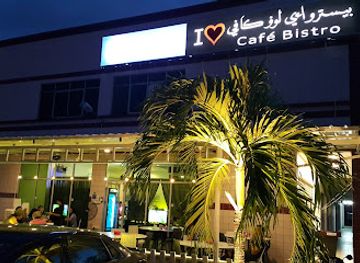
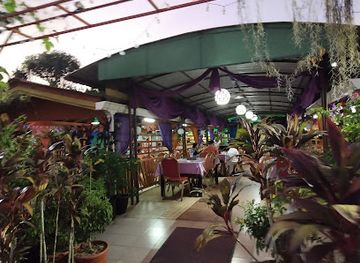
I Luv Cafe Bistro
Discover the best of local and international flavors at I Luv Cafe Bistro in Tutong, a must-visit culinary destination.
11 min walk · 0.9 km from city centre
-
Restaurant
Tanda Kasih Restaurant
Experience authentic Bruneian flavors at Tanda Kasih Restaurant, a must-visit dining destination in Kampong Keriam.
9 min drive · 3.0 km from city centre
-
Restaurant
WYWY Restaurant
Experience the authentic taste of Brunei at WYWY Restaurant in Tutong, where tradition meets flavor in a cozy atmosphere.
7 min walk · 0.6 km from city centre
-
Fast Food
Ideal Cafe & Grill
Experience the vibrant ambiance and delicious menu at Ideal Cafe & Grill, a fast food haven in the heart of Tutong.
9 min walk · 0.7 km from city centre
Best nightclubs in Tutong
Tutong has a restrained evening scene shaped by Brunei’s Islamic laws and local social customs. There is no conventional bar and nightclub circuit: alcohol is not sold in the country, and evening activity is more likely to centre on family restaurants, cafés, food stalls, open-air recreation areas and visits to the coast before dark. Small eateries and coffee shops can remain social meeting points after sunset, while community events, religious programmes and occasional cultural performances provide more meaningful evening experiences than late-night clubbing. The town becomes quiet earlier than major Southeast Asian capitals, and entertainment options are limited outside the main commercial areas. Visitors should dress respectfully, avoid loud or disruptive behaviour and remember that public drinking and drunkenness are inappropriate. For night-time travel between scattered villages, beaches and accommodation, private transport is more dependable than expecting frequent public services.
-
Lounge
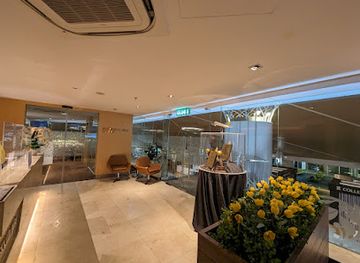
Royal Brunei Business Class Lounge
Experience unparalleled comfort and luxury at the Royal Brunei Business Class Lounge, your serene escape before travels.
54 min drive · 34 km from city centre
-
Cafe
I Luv Cafe Bistro
Discover the delightful flavors of I Luv Cafe Bistro in Tutong, where cozy ambiance meets a diverse menu for every food lover.
11 min walk · 0.9 km from city centre
-
Sports complex
Tutong Sports Complex
Discover the vibrant atmosphere of Tutong Sports Complex, a premier destination for sports enthusiasts and active visitors in Brunei.
9 min walk · 0.7 km from city centre
-
Lounge
Sky Lounge
Experience tranquility and stunning views at Sky Lounge, the perfect retreat in Bandar Seri Begawan's Terminal Building.
54 min drive · 34 km from city centre

Best shops in Tutong
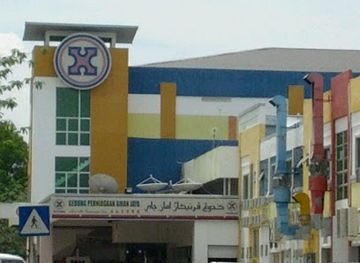
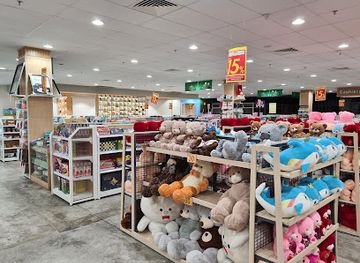
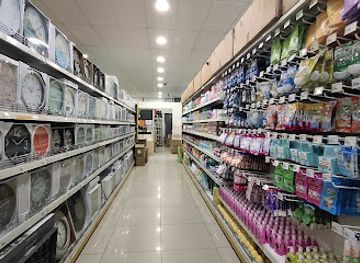
Shopping in Tutong is practical and local, with small commercial streets, grocery shops, market stalls and family businesses rather than a major retail district. Tamu Tutong, the local market, is the natural place to look for fresh produce, prepared foods, snacks and everyday goods, while small shops may stock Bruneian treats, drinks and household items. Travellers seeking distinctive purchases can look for packaged local foods, traditional kuih, woven products and crafts, although the range varies and many goods are intended for local use rather than tourism. Tutong does not have the concentration of large malls found in Bandar Seri Begawan, so shopping is more closely connected with daily life and food culture. Bargaining should not be assumed everywhere; it is more appropriate to ask politely at informal stalls than at fixed-price shops. Cash remains useful for market transactions.
-
Shopping mall
Petani Mall
Discover Petani Mall in Tutong: a vibrant shopping hub featuring local brands, dining delights, and family-friendly entertainment in a modern setting.
9 min walk · 0.7 km from city centre
-
Department store
Hua Ho Department Store Tutong
Discover a shopping paradise at Hua Ho Department Store Tutong, where local flavors and global brands meet in a vibrant shopping experience.
9 min walk · 0.7 km from city centre
-
Market
Market Complex, Tutong
Explore the Market Complex in Tutong for an authentic taste of Brunei's local produce, seafood, and handcrafted goods in a vibrant atmosphere.
18 min walk · 1.4 km from city centre
-
Home improvement store
MR.DIY
Explore MR.DIY in Tutong for affordable home improvement supplies and creative inspiration, making your DIY dreams a reality.
8 min walk · 0.7 km from city centre
Get your free copy of our complete guide to Tutong, delivered straight to you.
Everything on this page, from attractions and restaurants to essentials and local phrases, in one PDF you can read offline, print or share.
Already have an account? Sign in
Your Tutong guide is ready.
We'll send it to · Not you? Sign out

Getting your guide ready…
We are putting together a fresh copy of the Tutong guide. This can take up to a minute.
This can take a few moments. If your browser asks, choose Allow so the download can start. You'll find the guide in your Downloads folder.
Nothing happened? Download it again
Sorry, the guide is taking longer than usual. Please try again in a minute, or get it by email instead.
Tutong essentials
Currency and Payment
Safety
Emergency Situations
Do's and Don'ts
Local Tips
From Eve
Local phrases worth knowing
You don't need to get them perfect. A few words go a long way, and locals appreciate the effort.
Basics
| English | Local | Say it |
|---|---|---|
| Hello | Halo | [ha-lo] |
| Goodbye | Selamat tinggal | [se-la-mat ting-gal] |
| Yes | Ya | [ya] |
| No | Tidak | [ti-dak] |
| Please/You're welcome | Sila | [si-la] |
| Thank you | Terima kasih | [te-ri-ma ka-sih] |
| Excuse me/Sorry | Maaf | [ma-af] |
| How are you? | Apa khabar? | [a-pa kha-bar] |
| Fine. And you? | Baik. Dan awda? | [ba-ik. dan aw-da] |
| Do you speak English? | Awda boleh cakap Inggeris? | [aw-da bo-leh cha-kap ing-ge-ris] |
| I don't understand | Saya tidak faham | [sa-ya ti-dak fa-ham] |
Eating & Drinking
| English | Local | Say it |
|---|---|---|
| I'd like to see the menu, please | Saya ingin melihat menu, sila | [sa-ya in-gin me-li-hat me-nu, si-la] |
| I don't eat meat | Saya tidak makan daging | [sa-ya ti-dak ma-kan da-ging] |
| Cheers! | Sihat! | [si-hat] |
| I would like to pay, please | Saya ingin membayar, sila | [sa-ya in-gin mem-ba-yar, si-la] |
Emergencies
| English | Local | Say it |
|---|---|---|
| Help! | Tolong! | [to-long] |
| Go away! | Pergi jauh! | [per-gi jauh] |
| Call the Police! | Panggil polis! | [pang-gil po-lis] |
| Call a doctor! | Panggil doktor! | [pang-gil dok-tor] |
| I'm lost | Saya sesat | [sa-ya se-sat] |
| I'm ill | Saya sakit | [sa-ya sa-kit] |
Shopping
| English | Local | Say it |
|---|---|---|
| I'd like to buy... | Saya ingin membeli... | [sa-ya in-gin mem-be-li] |
| I'm just looking | Saya hanya melihat | [sa-ya han-ya me-li-hat] |
| How much is it? | Berapa harganya? | [be-ra-pa har-ga-nya] |
| That's too expensive | Itu terlalu mahal | [i-tu ter-la-lu ma-hal] |
| Can you lower the price? | Boleh kurangkan harga? | [bo-leh kur-ang-kan har-ga] |
Time & Numbers
| English | Local | Say it |
|---|---|---|
| What time is it? | Pukul berapa sekarang? | [pu-kul be-ra-pa se-ka-rang] |
| It's one o'clock | Pukul satu | [pu-kul sa-tu] |
| Half past (10) | Setengah (sepuluh) | [se-ten-gah (se-pu-luh)] |
| Morning | Pagi | [pa-gi] |
| Afternoon | Petang | [pe-tang] |
| Evening | Malam | [ma-lam] |
| Yesterday | Semalam | [se-ma-lam] |
| Today | Hari ini | [ha-ri i-ni] |
| Tomorrow | Esok | [e-sok] |
| 1 | Satu | [sa-tu] |
| 2 | Dua | [du-a] |
| 3 | Tiga | [ti-ga] |
| 4 | Empat | [em-pat] |
| 5 | Lima | [li-ma] |
| 6 | Enam | [e-nam] |
| 7 | Tujuh | [tu-juh] |
| 8 | Lapan | [la-pan] |
| 9 | Sembilan | [sem-bi-lan] |
| 10 | Sepuluh | [se-pu-luh] |
Transport & Directions
| English | Local | Say it |
|---|---|---|
| Where's a/the...? | Di mana... | [di ma-na] |
| What's the address? | Apa alamatnya? | [a-pa a-la-mat-nya] |
| Can you show me (on the map)? | Boleh tunjukkan saya (di peta)? | [bo-leh tun-juk-kan sa-ya (di pe-ta)] |
| When's the next (bus)? | Bila bas seterusnya? | [bi-la bas se-te-rus-nya] |
| A ticket (to ....) | Satu tiket (ke ....) | [sa-tu ti-ket (ke)] |
History of Tutong
River Communities and the Tutong People
Tutong developed in a riverine landscape occupied by communities whose livelihoods were connected to fishing, agriculture, forest resources and movement along the waterways. The Tutong people form one of Brunei’s recognised indigenous communities, while Malay and Kedayan communities have also shaped the district’s social history. The river provided both a natural route inland and a link to the coast, helping settlements grow around farming areas and landing places. Rather than beginning as a planned colonial city, Tutong emerged from this network of villages and river-based activity. The district’s geography still explains much of its character: the town remains relatively small, while villages, wetlands and forest occupy much of the surrounding territory.
Brunei’s Islamic Sultanate
Tutong’s history is part of the wider development of the Brunei Sultanate, whose influence extended across northern Borneo through changing patterns of tribute, river authority and trade. Islam became central to the political and cultural order of Brunei from the fifteenth century onwards, and Islamic institutions later shaped education, law and public life in Tutong as elsewhere in the country. Local settlements retained strong ties to the land and waterways while participating in the sultanate’s wider network. The importance of the river, village leadership and customary community life continued even as administrative structures became more formal.
The British Protectorate Period
In 1906, Brunei became a British protectorate, beginning a period in which a British Resident advised the sultan while the monarchy remained in place. The arrangement introduced new administrative practices and strengthened the documentation and organisation of districts such as Tutong. Roads, government services and commercial connections developed gradually, although the area remained predominantly rural. Brunei’s economy and political circumstances were also influenced by the growth of the petroleum industry elsewhere in the country. Tutong did not become an industrial centre on the scale of Seria or Kuala Belait, and its landscape retained a strong agricultural, coastal and forest-based character.
War and Post-War Reconstruction
The Japanese occupation of Brunei during the Second World War disrupted established administration and trade across the sultanate. After the war, British control returned and reconstruction brought renewed attention to roads, schools, communications and public administration. Tutong’s town centre and district services expanded during the post-war decades, supporting a growing population while many residents continued to live in villages beyond the main settlement. The period also saw greater integration between the districts and Bandar Seri Begawan. These changes laid the practical foundations for modern Tutong without erasing the importance of the river, rural settlements and local communities.
Self-Government and National Development
Brunei achieved full independence on 1 January 1984, after which national investment improved roads, public facilities and connections between Tutong and the rest of the country. Tutong town became an administrative and service centre for the district, while conservation gained greater importance as development expanded. Tasek Merimbun was designated Brunei’s first ASEAN Heritage Park in 2005, recognising the significance of its lake, peat-swamp and forest ecosystems. Contemporary Tutong therefore combines the institutions of a modern district centre with older patterns of village life and a landscape in which wetlands, coastline and rivers remain central to local identity.
Tutong in Photos
Browse through our photo collection highlighting the charm and character of the destination.
Cities near Tutong
The closest cities to Tutong, if you have time for more than one stop.
-

-

-

-
-


Swipe for more cities
Explore more

Explore more of Brunei
Explore Brunei, a hidden gem in Southeast Asia, where modern opulence meets untouched natural beauty and rich cultural heritage.
Explore Brunei