

Free Kuching Travel Guide & Mobile App
Plan your Kuching trip with Evendo. Get free guides to top attractions, restaurants, hotels, and bars. Web access or download the mobile app.


Kuching, Malaysia blends Sarawak heritage, riverside history, rainforest culture, vibrant food markets and gateway access to Borneo’s wild landscapes.
A City Shaped by the Sarawak River
Kuching unfolds along the southern bank of the Sarawak River, where a broad promenade, low-rise historic buildings and passing boats establish the city’s distinctive sense of place. The capital of Sarawak in Malaysian Borneo, it is both an easy-going urban centre and a starting point for journeys into the island’s forests, wetlands and coastal landscapes. Its name means “cat” in Malay, a reference celebrated through public sculptures, souvenirs and the city’s Cat Museum.Read more about Kuching
Heritage Streets and Diverse Communities
Food, Museums and Rainforest Connections
When is the best time to visit Kuching?
Best: July–September · 29°C| Month | High (°C) | Rainfall (mm) |
|---|---|---|
| January | 29 | 400 |
| February | 29 | 350 |
| March | 29 | 350 |
| April | 29 | 350 |
| May | 29 | 300 |
| June | 29 | 250 |
| July (best) | 29 | 250 |
| August (best) | 29 | 250 |
| September (best) | 29 | 250 |
| October | 29 | 300 |
| November | 29 | 350 |
| December | 29 | 400 |
Getting to and around Kuching
How to get there
Transportation
Best attractions in Kuching
Kuching’s sightseeing centre is concentrated along the Sarawak River and the adjoining heritage streets. The Kuching Waterfront offers a broad promenade, evening views and perspectives towards the Astana, while the Darul Hana Bridge provides a pedestrian crossing with a different angle on the river. Nearby, the Borneo Cultures Museum presents Sarawak’s peoples, landscapes and material heritage through large modern galleries. The Old Courthouse, Brooke Gallery and Fort Margherita introduce the city’s Brooke-era history from complementary viewpoints, and the shop houses of Main Bazaar and Carpenter Street reveal its commercial past. Tua Pek Kong Temple adds a long-standing Chinese religious presence beside the old town. Outside the centre, the Semenggoh Wildlife Centre and the Sarawak Cultural Village provide organised encounters with regional wildlife and indigenous traditions, although both are excursions rather than central-city attractions.
-
 National park
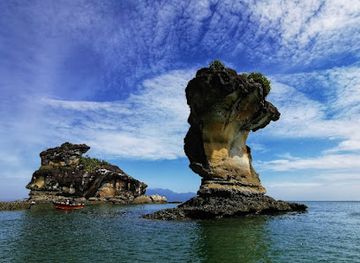
Bako National Park
Discover the natural wonders and rich biodiversity of Bako National Park in Sarawak, Malaysia – a paradise for nature lovers and adventure seekers.
42 min drive · 22 km from city centre
-
Tourist attraction
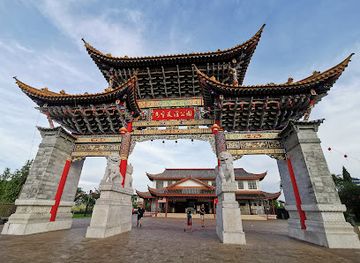
Malaysia-China Friendship Park
Discover tranquility and cultural heritage at Malaysia-China Friendship Park, a serene oasis in Kuching, perfect for relaxation and exploration.
14 min drive · 4.7 km from city centre
-
Museum
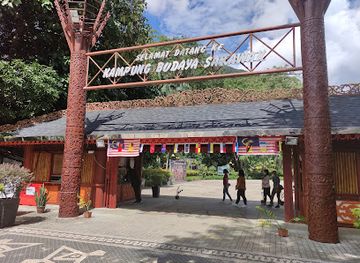
Kampung Budaya Sarawak
Explore the vibrant heritage and traditions of Sarawak at Kampung Budaya Sarawak, a living museum nestled in the lush landscapes of Kuching.
42 min drive · 22 km from city centre
-
Museum
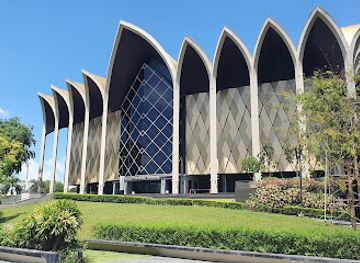
Borneo Cultures Museum
Explore Borneo's diverse cultures and rich history at the Borneo Cultures Museum in Kuching, Sarawak – a cultural gem for every traveler.
5 min walk · 0.4 km from city centre


Best landmarks in Kuching
The Sarawak River provides the setting for several landmarks that express Kuching’s political and cultural history. The Old Courthouse, a substantial nineteenth-century civic complex, recalls the administrative capital of the Brooke era, while Fort Margherita, built in 1879 on the northern bank, was designed to defend the river approach and now houses the Brooke Gallery. Across the water, the Astana remains associated with Sarawak’s rulers and state government, although access is more restricted than the public waterfront. Tua Pek Kong Temple marks the long-established Chinese presence beside the old town, and the ornate Masjid Bandaraya Kuching represents the city’s Islamic heritage. Main Bazaar’s continuous rows of shophouses are less monumental but equally significant, preserving the commercial streetscape that linked river trade with Kuching’s multicultural urban life.
-
National park
Bako National Park
Explore the breathtaking landscapes and diverse wildlife of Bako National Park, a true natural wonder in Sarawak, Malaysia.
43 min drive · 23 km from city centre
-
Park
Malaysia-China Friendship Park
Explore Malaysia-China Friendship Park in Kuching: a serene oasis celebrating cultural ties amidst lush landscapes and tranquil settings.
14 min drive · 4.7 km from city centre
-
Museum
Kampung Budaya Sarawak
Explore the vibrant cultural tapestry of Sarawak at Kampung Budaya Sarawak, a living museum showcasing traditional heritage and customs.
42 min drive · 22 km from city centre
-
Museum
Borneo Cultures Museum
Explore the Borneo Cultures Museum, where Borneo’s diverse heritage comes alive through captivating exhibits and immersive cultural experiences.
5 min walk · 0.4 km from city centre
Explore Kuching on the map
Plan your Kuching trip on one map. See where the top attractions, landmarks, restaurants, bars and hotels are, find what's near where you're staying, and book hotels and experiences in a few clicks.
Best hotels in Kuching
Best restaurants in Kuching
Kuching’s food culture draws on Sarawak’s Chinese, Malay, indigenous and wider Malaysian traditions, with everyday eating often centred on coffee shops, food courts and market stalls rather than formal dining rooms. Sarawak laksa, a rich, aromatic noodle soup, and kolo mee, springy noodles served with meat and seasonings, are local staples; ayam pansuh, cooked in bamboo, reflects an indigenous culinary tradition, while Sarawak pepper, midin fern and freshwater or riverine ingredients appear in regional cooking. Carpenter Street, the old town, Padungan and larger local food centres offer varied places to eat, though individual stalls may specialise in only one or two dishes. Kek lapis Sarawak, the vividly layered local cake, is widely sold as a gift or dessert. Menus may combine traditional recipes with contemporary Malaysian and international influences.
-
Restaurant
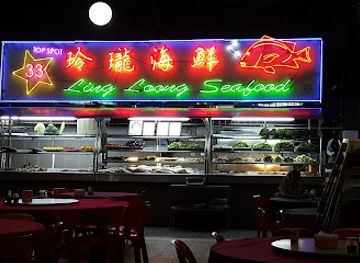
Topspot Food Court
Experience diverse flavors at Topspot Food Court in Kuching - where culinary traditions meet modern tastes.
11 min walk · 0.9 km from city centre
-
Restaurant
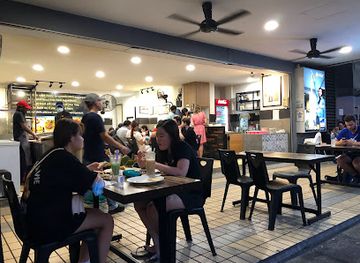
Ceylonese Restaurant Sdn Bhd
Experience authentic Sri Lankan flavors at Ceylonese Restaurant Sdn Bhd in Kuching - a culinary delight awaits every visitor.
7 min walk · 0.5 km from city centre
-
Restaurant
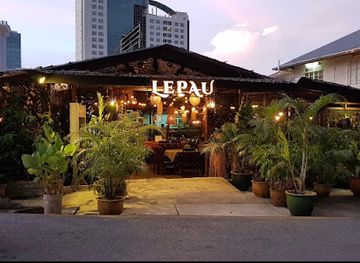
Lepau Restaurant
Discover authentic Sarawakian cuisine at Lepau Restaurant in Kuching – a culinary delight featuring traditional dishes bursting with flavor.
10 min walk · 0.8 km from city centre
-
Seafood
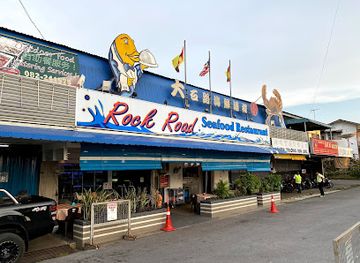
Rock Road Seafood Restaurant
Experience the finest seafood delights at Rock Road Seafood Restaurant in Kuching - where fresh meets flavorful.
7 min drive · 2.5 km from city centre
Best bars in Kuching
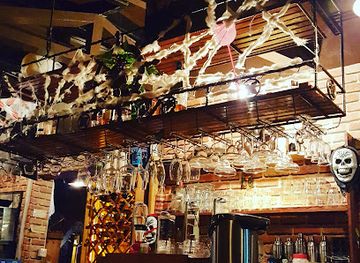
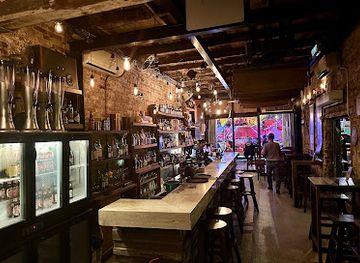
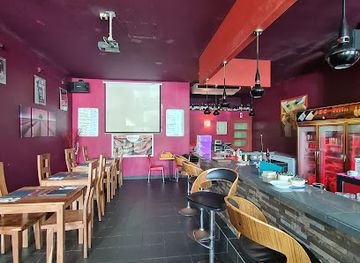
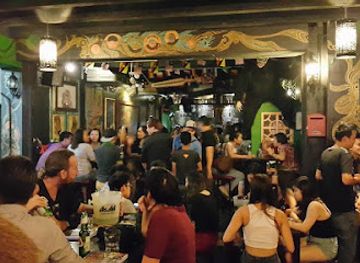
Kuching’s evening scene is sociable rather than dominated by large nightclubs. The waterfront becomes a popular place for an after-dinner walk, with views of illuminated buildings and occasional public activity, while the old town, Carpenter Street and Padungan contain restaurants, cafés, bars and small live-music venues. The Old Courthouse precinct has developed an evening cultural and dining role, and hotels provide some of the city’s more established cocktail, lounge and live-performance settings. Entertainment varies, so visitors should expect a relaxed pace and a mixture of conversation, music and food rather than a concentrated club strip. Kuching is multi-religious and alcohol is not central to every social setting; respectful behaviour is appropriate, particularly near religious buildings and residential streets.
-
Bar
Borneo Redneck's Bar
Discover the vibrant nightlife at Borneo Redneck's Bar in Kuching, where local culture meets refreshing drinks and live entertainment.
14 min walk · 1.2 km from city centre
-
Bar
Drunk Monkey Old Street Bar
Discover the lively Drunk Monkey Old Street Bar in Kuching, where great drinks and a vibrant atmosphere await every traveler.
7 min walk · 0.6 km from city centre
-
Restaurant
Razzmatazz Living It
Discover the vibrant flavors and relaxing ambiance of Razzmatazz Living It, a culinary haven in Kuching's Taman Stutong Indah.
19 min drive · 6.3 km from city centre
-
Bar
Monkee Bar Bistro
Discover the lively Monkee Bar Bistro in Kuching, where vibrant nightlife meets delicious drinks and unforgettable entertainment.
11 min walk · 0.9 km from city centre
Best nightclubs in Kuching
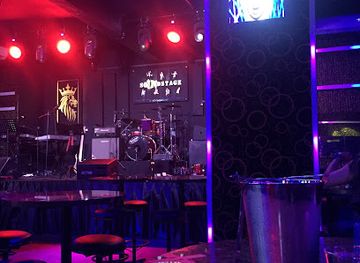
Kuching’s evening scene is sociable rather than dominated by large nightclubs. The waterfront becomes a popular place for an after-dinner walk, with views of illuminated buildings and occasional public activity, while the old town, Carpenter Street and Padungan contain restaurants, cafés, bars and small live-music venues. The Old Courthouse precinct has developed an evening cultural and dining role, and hotels provide some of the city’s more established cocktail, lounge and live-performance settings. Entertainment varies, so visitors should expect a relaxed pace and a mixture of conversation, music and food rather than a concentrated club strip. Kuching is multi-religious and alcohol is not central to every social setting; respectful behaviour is appropriate, particularly near religious buildings and residential streets.
-
Night club
STARGATE星門
Experience the electrifying nightlife at STARGATE星門 in Kuching, where unique cocktails, vibrant music, and an unforgettable atmosphere await.
20 min drive · 6.8 km from city centre
-
Disco club
D'Hideaway Lounge
Discover the vibrant nightlife of Kuching at D'Hideaway Lounge, where music and dance come alive in a welcoming atmosphere.
7 min drive · 2.3 km from city centre
-
Night club
Golden King City Pub &Karaoke
Experience the vibrant nightlife at Golden King City Pub & Karaoke, a premier destination for music, drinks, and unforgettable memories in Kuching.
18 min walk · 1.5 km from city centre
-
Night club
Richman Nightclub
Immerse yourself in an unforgettable nightlife experience at Richman Nightclub, Kuching's ultimate destination for music, dancing, and vibrant entertainment.
7 min drive · 2.4 km from city centre


Best shops in Kuching
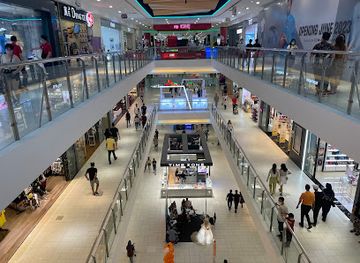
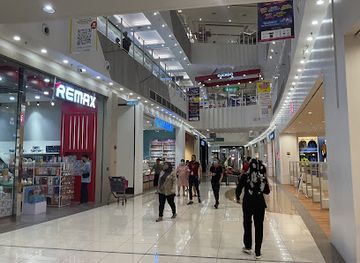
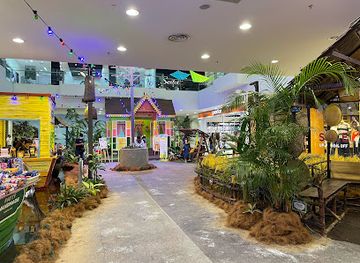
Kuching’s shopping combines heritage streets, local markets and modern commercial centres. Main Bazaar is the best-known traditional retail stretch in the old town, with shops selling Sarawak handicrafts, beadwork, woven baskets, textiles, woodcarvings and souvenirs, while nearby Carpenter Street and India Street retain independent traders and older shop-house character. Satok Weekend Market is associated with local produce, snacks, plants and regional foods, though its activity and layout vary by day. Visitors will also encounter Sarawak pepper, coffee, preserved foods and kek lapis Sarawak, the colourful layered cake, which travels well when properly packed. Contemporary malls provide air-conditioned shopping and familiar brands, but the most distinctive purchases tend to come from specialist craft shops and markets. Quality and provenance vary, so ask about materials and community origin before buying.
-
Shopping mall
Vivacity Megamall
Experience a shopping paradise at Vivacity Megamall, Kuching's vibrant retail and entertainment hub, offering everything from fashion to fine dining.
12 min drive · 4.0 km from city centre
-
Shopping mall
AEON Mall Kuching Central
Discover shopping and dining delights at AEON Mall Kuching Central, the ultimate shopping destination in Sarawak, Malaysia.
9 min drive · 3.0 km from city centre
-
Shopping mall
The Spring Shopping Mall
Discover The Spring Shopping Mall in Kuching: A vibrant blend of shopping, dining, and entertainment awaits in this premier retail destination.
7 min drive · 2.4 km from city centre
-
Shopping mall
Plaza Merdeka
Explore Plaza Merdeka in Kuching - a vibrant shopping mall offering trendy fashion, local cuisine, and unique souvenirs amidst modern architecture.
8 min walk · 0.6 km from city centre
Get your free copy of our complete guide to Kuching, delivered straight to you.
Everything on this page, from attractions and restaurants to essentials and local phrases, in one PDF you can read offline, print or share.
Already have an account? Sign in
Your Kuching guide is ready.
We'll send it to · Not you? Sign out

Getting your guide ready…
We are putting together a fresh copy of the Kuching guide. This can take up to a minute.
This can take a few moments. If your browser asks, choose Allow so the download can start. You'll find the guide in your Downloads folder.
Nothing happened? Download it again
Sorry, the guide is taking longer than usual. Please try again in a minute, or get it by email instead.
Kuching essentials
Currency and Payment
Safety
Emergency Situations
Do's and Don'ts
Local Tips
From Eve
Local phrases worth knowing
You don't need to get them perfect. A few words go a long way, and locals appreciate the effort.
Basics
| English | Local | Say it |
|---|---|---|
| Hello | Selamat petang | [suh-lah-mat puh-tahng] |
| Goodbye | Selamat tinggal | [suh-lah-mat ting-gahl] |
| Yes | Ya | [yah] |
| No | Tidak | [tee-dahk] |
| Please/You're welcome | Sila | [see-lah] |
| Thank you | Terima kasih | [teh-ree-mah kah-seh] |
| Excuse me/Sorry | Maaf | [mah-ahf] |
| How are you? | Apa khabar? | [ah-pah kah-bahr] |
| Fine. And you? | Baik. Dan awak? | [bah-ee. dahn ah-wahk] |
| Do you speak English? | Boleh cakap Bahasa Inggeris? | [boh-leh chah-kahp bah-hah-sah eeng-geh-rees] |
| I don't understand | Saya tidak faham | [sah-yah tee-dahk fah-hahm] |
Eating & Drinking
| English | Local | Say it |
|---|---|---|
| I'd like to see the menu, please | Boleh saya lihat menu? | [boh-leh sah-yah lee-haht meh-noo] |
| I don't eat meat | Saya tidak makan daging | [sah-yah tee-dahk mah-kahn dah-yihng] |
| Cheers! | Yam seng! | [yahm sehh-ng] |
| I would like to pay, please | Boleh saya bayar? | [boh-leh sah-yah bah-yahr] |
Emergencies
| English | Local | Say it |
|---|---|---|
| Help! | Tolong! | [toh-lohng] |
| Go away! | Pergi jauh-jauh! | [pehr-gee jah-oo jah-oo] |
| Call the Police! | Panggil polis! | [pahng-geel poh-lees] |
| Call a doctor! | Panggil doktor! | [pahng-geel dohk-tohr] |
| I'm lost | Saya sesat | [sah-yah suh-saht] |
| I'm ill | Saya sakit | [sah-yah sah-keet] |
Shopping
| English | Local | Say it |
|---|---|---|
| I'd like to buy... | Saya nak beli... | [sah-yah nahk beh-lee] |
| I'm just looking | Saya hanya tengok-tengok | [sah-yah huhn-yah tehng-ohk tehng-ohk] |
| How much is it? | Berapa harganya? | [buh-rah-pah hahr-gahn-yah] |
| That's too expensive | Itu terlalu mahal | [ee-too teh-rah-lah mah-hahl] |
| Can you lower the price? | Boleh kurangkan harga? | [boh-leh koo-rang-kahn hahr-gah] |
Time & Numbers
| English | Local | Say it |
|---|---|---|
| What time is it? | Pukul berapa sekarang? | [poo-kool buh-rah-pah suh-kah-rahn] |
| It's one o'clock | Pukul satu | [poo-kool sah-too] |
| Half past (10) | Pukul setengah (sepuluh) | [poo-kool suh-tuhng-ah (suh-poo-loo)] |
| Morning | Pagi | [pah-gee] |
| Afternoon | Petang | [puh-tahng] |
| Evening | Malam | [mah-lahm] |
| Yesterday | Semalam | [suh-mah-lahm] |
| Today | Hari ini | [hah-ree ee-nee] |
| Tomorrow | Esok | [eh-sohk] |
| 1 | Satu | [sah-too] |
| 2 | Dua | [doo-ah] |
| 3 | Tiga | [tee-gah] |
| 4 | Empat | [em-paht] |
| 5 | Lima | [lee-mah] |
| 6 | Enam | [eh-nahm] |
| 7 | Tujuh | [too-joo] |
| 8 | Lapan | [lah-pahn] |
| 9 | Sembilan | [suhm-bee-lahn] |
| 10 | Sepuluh | [suh-poo-loo] |
Transport & Directions
| English | Local | Say it |
|---|---|---|
| Where's a/the...? | Di mana... | [dee mah-nah] |
| What's the address? | Alamatnya di mana? | [ah-lah-maht-nyah dee mah-nah] |
| Can you show me (on the map)? | Boleh tunjuk saya (di peta)? | [boh-leh toon-jook sah-yah dee peh-tah] |
| When's the next (bus)? | Bila bas seterusnya? | [bee-lah bahs suh-tuh-roos-nyah] |
| A ticket (to ....) | Satu tiket (ke ....) | [sah-too tee-keht (keh)] |
History of Kuching
Early River Settlements
Long before Kuching became a colonial capital, the Sarawak River supported settlements, farming, fishing and river trade involving Malay communities and the indigenous peoples of the surrounding region. The waterway connected the interior with the coast, allowing forest products, food and manufactured goods to circulate. The area was linked to the sultanate of Brunei, which exercised authority over much of Sarawak before the nineteenth century. Kuching’s later importance grew from this established river network: its location offered access inland while remaining connected to maritime routes. The city’s plural character, including Malay, Chinese and indigenous communities, developed through these patterns of movement, exchange and settlement rather than from a single founding moment.
The Brooke Arrival in 1839
In 1839, the English adventurer James Brooke arrived in Sarawak during a period of conflict and political tension. He supported the Brunei-appointed governor, Pengiran Indera Mahkota, in suppressing a rebellion, and in 1841 Brooke was granted the governorship of Sarawak. He subsequently established the Brooke dynasty, whose rulers became known as the White Rajahs. Kuching served as the administrative centre of their expanding territory. Brooke rule altered taxation, trade, law and relations with local communities, while the town acquired government buildings, forts and commercial premises. These changes left a durable architectural and institutional imprint, although the period also involved coercion, territorial expansion and contested relations with indigenous peoples.
Expansion Under the White Rajahs
Under James Brooke and his successors, Charles Brooke and Charles Vyner Brooke, Kuching developed as the capital of a state that expanded through a mixture of treaties, military campaigns and administrative consolidation. The town’s riverfront became a commercial and governmental focus, with Chinese merchant communities playing an important role in trade and urban life. Buildings such as the Old Courthouse and Fort Margherita reflected the administration’s efforts to formalise authority and protect the settlement. Mission schools, religious institutions and new commercial streets added further layers to the town. By the early twentieth century, Kuching had become a multicultural entrepôt whose economy connected riverine communities, interior resources and international trade.
War and Japanese Occupation
The Second World War brought a sharp rupture to Kuching’s colonial order. Japanese forces captured the town in December 1941, and Sarawak remained under Japanese occupation until the war ended in 1945. Administration, supplies and everyday life were reorganised under military rule, while residents experienced shortages, forced labour, fear and political repression. The occupation damaged the authority of the Brooke regime and changed the balance of power that had shaped Sarawak for a century. The period is remembered across Sarawak through family histories, memorials and surviving wartime sites, including the broader network associated with the Kuching area. Its consequences also influenced the political decision that followed liberation.
Cession and Crown Colony Years
In 1946, Charles Vyner Brooke ceded Sarawak to the British Crown, making it a British Crown Colony rather than restoring the Brooke dynasty. The decision was controversial and provoked the anti-cession movement, which drew support from sections of the Malay community and other opponents of direct colonial rule. Kuching remained the administrative capital, and post-war reconstruction gradually reshaped its streets, public services and institutions. The period also saw the development of modern political organisations and a growing debate over self-government. The city’s colonial-era buildings and civic spaces therefore represent not only Brooke administration but also the difficult transition from dynastic rule to a wider twentieth-century political framework.
Sarawak in Malaysia
Sarawak joined the Federation of Malaysia on 16 September 1963, alongside Malaya, Sabah and Singapore, although Singapore left the federation in 1965. Kuching became the capital of the Malaysian state of Sarawak and an increasingly important centre for education, administration, commerce and tourism in Borneo. Modern development extended beyond the historic riverfront, while the old centre retained shop houses, temples, churches, forts and government buildings connected with earlier eras. Contemporary Kuching’s identity reflects this layered history: Malaysian and Bornean, multilingual and multi-religious, urban but closely linked to indigenous communities, protected forests and river systems beyond the city.
Kuching in Photos
Browse through our photo collection highlighting the charm and character of the destination.
Cities near Kuching
The closest cities to Kuching, if you have time for more than one stop.
-

-

-

-

-


Swipe for more cities
Explore more
Explore more of Malaysia
Discover Malaysia: A stunning blend of modernity and nature, where diverse cultures meet, and adventure awaits. From vibrant cities to serene beaches, Malaysia has it all.
Explore Malaysia