

Free Kuala Belait Travel Guide & Mobile App
Plan your Kuala Belait trip with Evendo. Get free guides to top attractions, restaurants, hotels, and bars. Web access or download the mobile app.


Kuala Belait, Brunei’s oil-country town, offers waterfront walks, Belait culture, local food, nearby beaches and a quieter window on Borneo’s river life.
An Oil Town by the Belait River
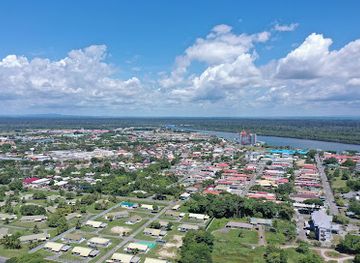
Kuala Belait lies on Brunei’s western coast, close to the mouth of the Belait River and within the country’s principal oil-producing district. Often known simply as KB, it has a more relaxed, working-town character than Bandar Seri Begawan. Its streets are shaped by Malay kampong life, Chinese Bruneian commerce, government services and the long presence of the petroleum industry. The town centre is easy to understand, with shops, cafés and everyday services gathered around established roads such as Jalan Pretty, while the riverfront provides a quieter setting for an evening stroll.Read more about Kuala Belait
Belait Culture and Everyday Life
Coast, River and Regional Excursions
When is the best time to visit Kuala Belait?
Best: January–March · 29–30°C| Month | High (°C) | Rainfall (mm) |
|---|---|---|
| January (best) | 29 | 382 |
| February (best) | 29 | 333 |
| March (best) | 30 | 330 |
| April | 30 | 406 |
| May | 31 | 494 |
| June | 31 | 610 |
| July | 31 | 603 |
| August | 31 | 580 |
| September | 30 | 539 |
| October | 30 | 455 |
| November | 30 | 436 |
| December | 29 | 408 |
Getting to and around Kuala Belait
How to get there
Transportation
Best attractions in Kuala Belait
Kuala Belait’s attractions are modest in scale but closely connected with its riverside setting and everyday life. The Kuala Belait waterfront is the town’s natural focus, offering views towards the Belait River and a place to observe the changing light, fishing activity and movement along the coast. The central streets around Jalan Pretty reveal the town’s commercial character through older shopfronts, cafés and local services. Kampong Pandan and other nearby settlements provide a glimpse of the district’s Malay kampong landscape, although they are residential communities rather than formal visitor attractions. For a wider understanding of the region, Seria’s oil-producing landscape and the Billionth Barrel Monument lie a short drive east, outside Kuala Belait itself. Local markets, particularly evening food markets when operating, add colour through prepared dishes and informal social life. The appeal is less a long list of ticketed sights than the opportunity to see how river, petroleum and community shape western Brunei.
-
Mosque
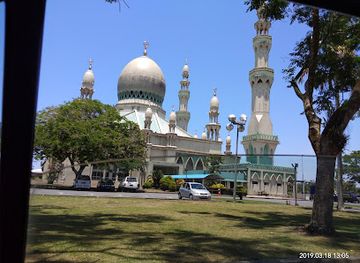
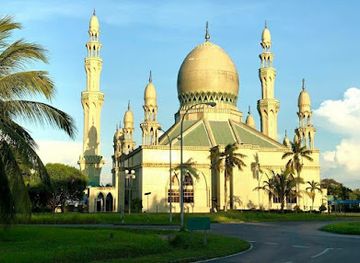
Masjid Kampong Pandan
Discover the serene beauty and architectural grandeur of Masjid Kampong Pandan, a cultural gem in Kuala Belait, Brunei, inviting peaceful reflection.
4 min walk · 0.3 km from city centre
-
Science museum
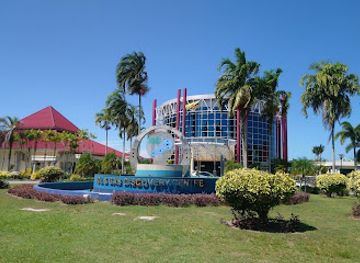
Seria Energy Lab
Explore interactive exhibits and discover the science behind energy at Brunei's premier science center in Seria.
31 min drive · 11 km from city centre
-
Historical place
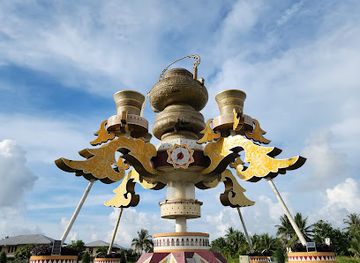
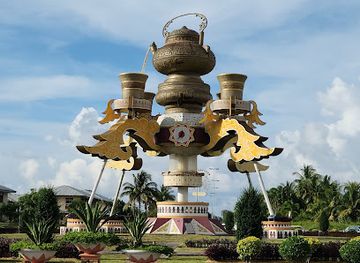
Tea-Pot Roundabout
Discover the iconic Tea-Pot Roundabout in Kuala Belait, a symbol of Brunei's tea culture and warm hospitality, perfect for photos and relaxation.
17 min walk · 1.3 km from city centre
-
Recreation center
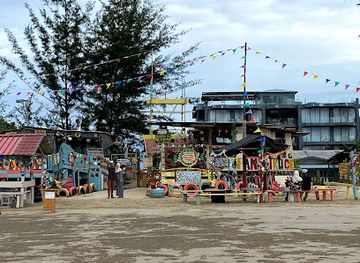
Pantai Ku Ceria (KB Beach)
Discover tranquility and adventure at Pantai Ku Ceria, Kuala Belait's stunning beach retreat, perfect for relaxation and outdoor fun. #PantaiKuCeria #KualaBelait
7 min drive · 2.4 km from city centre
Best landmarks in Kuala Belait
Kuala Belait’s most meaningful landmarks reflect civic life, petroleum history and the geography of the Belait coast. The Kuala Belait waterfront and river edge express the town’s relationship with the waterway that supported settlement, movement and local commerce, while the town’s mosque and public buildings reflect Brunei’s Islamic identity and national institutions. Central shop rows, including the older commercial streets around Jalan Pretty, are significant less for monumental architecture than for showing how a district town developed around trade and oil-related administration. Beyond the city, the Billionth Barrel Monument near Seria commemorates a milestone in Brunei’s petroleum production and is closely associated with the history of the wider Belait District, although it is not in Kuala Belait. Oil installations, service roads and the planned urban landscape around Seria provide further physical evidence of the industry that transformed western Brunei during the twentieth century.
-
Landmark
Billionth Barrel Monument
Explore Brunei's oil legacy at the Billionth Barrel Monument, a landmark celebrating a pivotal moment in the nation's history.
30 min drive · 10 km from city centre
-
Mosque
Masjid Kampong Pandan
Experience the tranquility and beauty of Masjid Kampong Pandan, a stunning mosque in Kuala Belait that embodies Brunei's rich Islamic heritage.
4 min walk · 0.3 km from city centre
-
Park
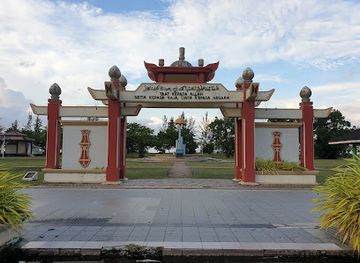
Silver Jubilee Park
Experience the tranquility and natural beauty of Silver Jubilee Park, a perfect haven for relaxation and family fun in Kuala Belait, Brunei.
12 min drive · 4.1 km from city centre
-
Historical place
Tea-Pot Roundabout
Explore the enchanting Tea-Pot Roundabout in Kuala Belait, a unique historical landmark blending culture, art, and community spirit.
17 min walk · 1.3 km from city centre

Explore Kuala Belait on the map
Plan your Kuala Belait trip on one map. See where the top attractions, landmarks, restaurants, bars and hotels are, find what's near where you're staying, and book hotels and experiences in a few clicks.
Best hotels in Kuala Belait
Best restaurants in Kuala Belait
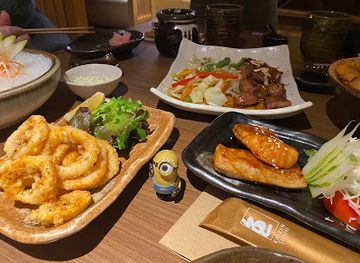
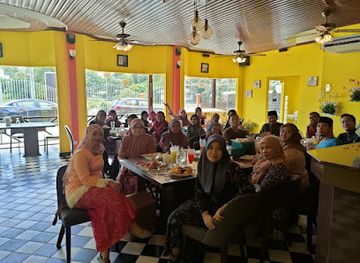
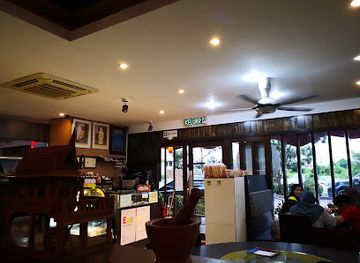
Kuala Belait’s dining scene reflects Brunei’s Malay, Chinese and wider Southeast Asian influences, with modest cafés, food stalls, coffee shops and family-run restaurants more characteristic than destination fine dining. Local specialities to look for include ambuyat, a starchy sago dish traditionally eaten with a bamboo fork and paired with dipping sauces; nasi katok, a simple combination of rice, fried chicken and sambal; grilled fish and seafood; and kuih and other Malay cakes. Chinese-influenced noodle and rice dishes are also part of the town’s everyday food culture. Markets and temporary food bazaars provide opportunities to sample snacks, drinks and cooked dishes in an informal setting, while restaurants around the commercial centre cater to local workers and families. The Belait coast and riverine geography make seafood a natural presence, although menus vary by season and establishment. Halal food is widely available, and visitors should check individual businesses for current menus and opening arrangements.
-
Authentic Japanese
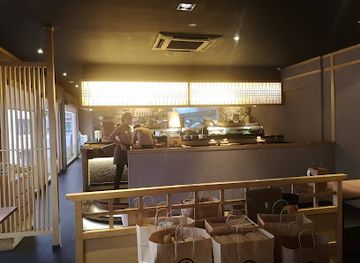
Excapade Japanese Restaurant Kuala Belait
Experience authentic Japanese flavors at Excapsade Japanese Restaurant in Kuala Belait – where tradition meets taste.
18 min walk · 1.5 km from city centre
-
Japanese
Kaizen Sushi Kuala Belait
Experience authentic Japanese flavors at Kaizen Sushi Kuala Belait – where freshness meets creativity in every bite.
13 min drive · 4.4 km from city centre
-
Restaurant
Serikandi Cafe & Restaurant
Savor authentic Bruneian cuisine at Serikandi Cafe & Restaurant in Kuala Belait – where every meal tells a story.
12 min drive · 3.9 km from city centre
-
Restaurant
WYWY RESTAURANT
Discover culinary delights at WYWY Restaurant in Kuala Belait – where local flavors meet global tastes.
5 min drive · 1.5 km from city centre
Best bars in Kuala Belait
Kuala Belait has a restrained evening scene shaped by Brunei’s Muslim culture and strict alcohol regulations rather than by nightclubs and late-night bar districts. After dark, residents tend to gather at cafés, restaurants, food stalls and informal dessert spots, with activity often concentrated around the town centre and commercial areas. Evening markets, when operating, can provide more atmosphere than conventional nightlife, offering local snacks and a sociable setting. Hotels may have lounges or dining spaces, but visitors should check the rules and facilities of their accommodation rather than expect a bar culture. Alcohol is not sold in the usual manner in Brunei, and public drinking is inappropriate. For cultural entertainment, evening community events and festive programmes may occur at particular times of year, though schedules are not constant. Kuala Belait is therefore better suited to quiet meals, conversation and waterfront walks than to clubbing.
-
Hotel
V-Plaza Hotel
Discover modern comfort and local charm at V-Plaza Hotel, the perfect retreat in Kuala Belait for all travelers.
12 min drive · 4.0 km from city centre
-
Japanese
Kaizen Sushi Kuala Belait
Experience the essence of Japan at Kaizen Sushi Kuala Belait with exquisite sushi, warm hospitality, and a delightful dining atmosphere.
13 min drive · 4.4 km from city centre
-
Cafe
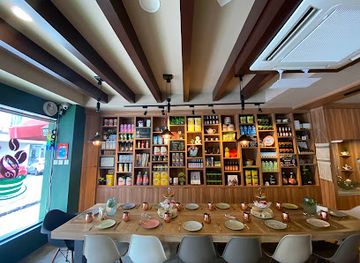
Beanery & Co.
Experience the inviting ambiance and delicious treats at Beanery & Co., a must-visit café in Kuala Belait for all travelers.
13 min drive · 4.3 km from city centre
-
 Hotel
HotelKeoja Hotel
Stay at Keoja Hotel for a blend of comfort and culture in the heart of Kuala Belait, where modern amenities meet warm hospitality.
13 min drive · 4.5 km from city centre
Best nightclubs in Kuala Belait
Kuala Belait has a restrained evening scene shaped by Brunei’s Muslim culture and strict alcohol regulations rather than by nightclubs and late-night bar districts. After dark, residents tend to gather at cafés, restaurants, food stalls and informal dessert spots, with activity often concentrated around the town centre and commercial areas. Evening markets, when operating, can provide more atmosphere than conventional nightlife, offering local snacks and a sociable setting. Hotels may have lounges or dining spaces, but visitors should check the rules and facilities of their accommodation rather than expect a bar culture. Alcohol is not sold in the usual manner in Brunei, and public drinking is inappropriate. For cultural entertainment, evening community events and festive programmes may occur at particular times of year, though schedules are not constant. Kuala Belait is therefore better suited to quiet meals, conversation and waterfront walks than to clubbing.
-
Restaurant
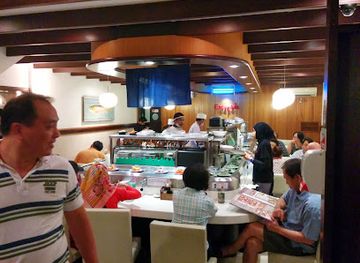
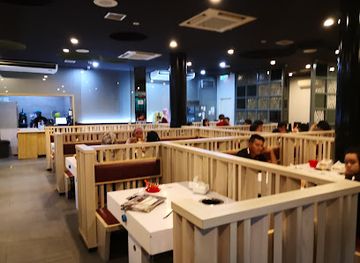
IceBar Shabu Shabu
Experience the art of Shabu Shabu at IceBar Shabu Shabu in Kuala Belait, where fresh ingredients meet delightful flavors in a cozy atmosphere.
10 min walk · 0.8 km from city centre
-
Boat club
Kuala Belait Boat Club
Discover the scenic waterways and vibrant culture at Kuala Belait Boat Club, your gateway to aquatic adventures in Brunei.
12 min drive · 3.9 km from city centre
-
Night club
Billy's Den
Discover the nightlife at Billy's Den, Kuala Belait's premier night club offering vibrant music, energetic ambiance, and unforgettable experiences.
11 min drive · 3.8 km from city centre
-
Bar
The Hoof Inn
Discover the vibrant nightlife of Kuala Belait at The Hoof Inn, a premier bar offering a diverse drink menu in a lively atmosphere.
8 min drive · 2.7 km from city centre


Best shops in Kuala Belait
Shopping in Kuala Belait is practical and local, centred on everyday provision rather than a large luxury or international retail scene. The commercial streets around Jalan Pretty and the town centre contain small shops, supermarkets, cafés and family businesses, while market stalls offer prepared food, fruit, snacks and household goods. Temporary food bazaars and local markets are useful places to encounter Bruneian flavours such as kuih, dried seafood, sambal and packed rice dishes. Visitors may also find textiles, modest clothing, simple handicrafts and regional food products, although choice varies between shops and market days. The town’s retail character is shaped by its role as a district service centre, with residents shopping for daily needs alongside visitors looking for edible souvenirs. Seria provides an additional, separate commercial stop when exploring the oil district, but Kuala Belait itself is best understood through its small businesses, markets and ordinary neighbourhood shopping rather than formal shopping malls.
-
Shopping mall
KB Sentral
Explore KB Sentral, a dynamic shopping mall in Kuala Belait, offering diverse retail, dining, and entertainment options for every traveler.
5 min drive · 1.6 km from city centre
-
Supermarket
Soon Lee Supermarket
Discover the vibrant flavors and unique products at Soon Lee Supermarket, the ultimate shopping destination in Kuala Belait, Brunei.
9 min walk · 0.7 km from city centre
-
Toy store
Nanyang Photo Trading Company
Discover a treasure trove of toys at Nanyang Photo Trading Company in Kuala Belait, where joy and nostalgia meet in a whimsical shopping experience.
13 min drive · 4.4 km from city centre
-
Educational supply store
Early Childhood Publications, Brunei
Explore a world of creativity and learning at Early Childhood Publications in Kuala Belait, Brunei, your destination for educational supplies, books, and toys.
10 min walk · 0.8 km from city centre
Get your free copy of our complete guide to Kuala Belait, delivered straight to you.
Everything on this page, from attractions and restaurants to essentials and local phrases, in one PDF you can read offline, print or share.
Already have an account? Sign in
Your Kuala Belait guide is ready.
We'll send it to · Not you? Sign out

Getting your guide ready…
We are putting together a fresh copy of the Kuala Belait guide. This can take up to a minute.
This can take a few moments. If your browser asks, choose Allow so the download can start. You'll find the guide in your Downloads folder.
Nothing happened? Download it again
Sorry, the guide is taking longer than usual. Please try again in a minute, or get it by email instead.
Kuala Belait essentials
Currency and Payment
Safety
Emergency Situations
Do's and Don'ts
Local Tips
From Eve
Local phrases worth knowing
You don't need to get them perfect. A few words go a long way, and locals appreciate the effort.
Basics
| English | Local | Say it |
|---|---|---|
| Hello | Halo | [ha-loh] |
| Goodbye | Selamat tinggal | [se-la-mat ting-gal] |
| Yes | Ya | [ya] |
| No | Tidak | [tee-dak] |
| Please/You're welcome | Sila | [see-la] |
| Thank you | Terima kasih | [te-ree-ma ka-sih] |
| Excuse me/Sorry | Maaf | [ma-af] |
| How are you? | Apa khabar? | [a-pa kha-bar] |
| Fine. And you? | Baik. Dan awda? | [ba-ek. dan aw-da] |
| Do you speak English? | Awda boleh cakap Inggeris? | [aw-da bo-leh cha-kap ing-ge-ris] |
| I don't understand | Saya tidak faham | [sa-ya tee-dak fa-ham] |
Eating & Drinking
| English | Local | Say it |
|---|---|---|
| I'd like to see the menu, please | Saya mahu lihat menu, sila | [sa-ya ma-hu li-hat me-nu, see-la] |
| I don't eat meat | Saya tidak makan daging | [sa-ya tee-dak ma-kan da-ging] |
| Cheers! | Sihat! | [see-hat] |
| I would like to pay, please | Saya hendak bayar, sila | [sa-ya hen-dak ba-yar, see-la] |
Emergencies
| English | Local | Say it |
|---|---|---|
| Help! | Tolong! | [to-long] |
| Go away! | Pergi jauh! | [per-gi ja-uh] |
| Call the Police! | Panggil polis! | [pang-gil po-lis] |
| Call a doctor! | Panggil doktor! | [pang-gil dok-tor] |
| I'm lost | Saya sesat | [sa-ya se-sat] |
| I'm ill | Saya sakit | [sa-ya sa-kit] |
Shopping
| English | Local | Say it |
|---|---|---|
| I'd like to buy... | Saya ingin membeli... | [sa-ya in-gin mem-be-li] |
| I'm just looking | Saya hanya melihat | [sa-ya han-ya me-li-hat] |
| How much is it? | Berapa harganya? | [be-ra-pa har-ga-nya] |
| That's too expensive | Itu terlalu mahal | [i-tu ter-la-lu ma-hal] |
| Can you lower the price? | Boleh kurangkan harga? | [bo-leh kur-ang-kan har-ga] |
Time & Numbers
| English | Local | Say it |
|---|---|---|
| What time is it? | Pukul berapa sekarang? | [pu-kul be-ra-pa se-ka-rang] |
| It's one o'clock | Pukul satu | [pu-kul sa-tu] |
| Half past (10) | Setengah (sepuluh) | [se-ten-gah (se-pu-luh)] |
| Morning | Pagi | [pa-gi] |
| Afternoon | Petang | [pe-tang] |
| Evening | Malam | [ma-lam] |
| Yesterday | Semalam | [se-ma-lam] |
| Today | Hari ini | [ha-ri i-ni] |
| Tomorrow | Esok | [e-sok] |
| 1 | Satu | [sa-tu] |
| 2 | Dua | [du-a] |
| 3 | Tiga | [ti-ga] |
| 4 | Empat | [em-pat] |
| 5 | Lima | [li-ma] |
| 6 | Enam | [e-nam] |
| 7 | Tujuh | [tu-juh] |
| 8 | Lapan | [la-pan] |
| 9 | Sembilan | [sem-bi-lan] |
| 10 | Sepuluh | [se-pu-luh] |
Transport & Directions
| English | Local | Say it |
|---|---|---|
| Where's a/the...? | Di mana...? | [di ma-na] |
| What's the address? | Apa alamatnya? | [a-pa a-la-mat-nya] |
| Can you show me (on the map)? | Boleh tunjukkan saya (di peta)? | [bo-leh tun-juk-kan sa-ya (di pe-ta)] |
| When's the next (bus)? | Bila bas seterusnya? | [bi-la bas se-te-rus-nya] |
| A ticket (to ....) | Satu tiket (ke ....) | [sa-tu ti-ket (ke)] |
History of Kuala Belait
Belait Communities and River Settlement
The area around Kuala Belait developed from settlements connected with the Belait River, one of Brunei’s major waterways. The Belait people, an indigenous community of western Brunei, have long maintained cultural and linguistic traditions associated with the district. Before the growth of petroleum, river transport, fishing, agriculture and forest resources shaped local livelihoods. Kuala Belait’s position near the river mouth gave it practical importance as a coastal and trading settlement, while nearby kampongs retained the dispersed pattern of life characteristic of the district.
The Rise of Brunei’s Petroleum Industry
The discovery of oil at Seria in 1929 transformed western Brunei and altered the course of the wider sultanate. Seria, east of Kuala Belait, became the centre of extraction and petroleum operations, while Kuala Belait expanded as an administrative, commercial and residential town serving the growing district. The industry brought new infrastructure, workers and technical expertise, linking the Belait coast more closely to international markets. Petroleum wealth later became fundamental to Brunei’s modern economy, even as older riverine and village communities continued alongside the oil settlements.
War and Japanese Occupation
The petroleum fields of western Brunei gave the district strategic importance during the Second World War. Japanese forces occupied Brunei from 1941 until 1945, and oil installations across the Seria area were affected by wartime disruption and the destruction of facilities during the retreat. The occupation caused hardship for local communities and interrupted the administrative and economic systems built around petroleum. Post-war reconstruction restored production and infrastructure, reinforcing the connection between Kuala Belait’s urban development and the oil industry.
Post-War Urban Development
After 1945, Kuala Belait grew as western Brunei’s principal service and commercial centre. Roads, public buildings, schools, shops and housing expanded to support a population connected to government, trade and petroleum employment. The town’s built environment remained lower in scale than that of a major city, with commercial streets and residential kampongs rather than a dense urban core. British colonial-era administration influenced the development of the oil district, while Brunei’s Malay Islamic identity remained central to public life and local institutions.
Oil Wealth and Contemporary Belait
Brunei’s gradual constitutional and political development, culminating in full independence in 1984, provided the national framework for the modern Belait District. Petroleum and natural gas revenues supported public services and infrastructure, while Kuala Belait continued to function as a practical district town rather than a monumental capital. Today, its identity is shaped by the coexistence of oil-country history, Bruneian Malay traditions, Chinese commercial heritage and riverine communities. Nearby Seria preserves the strongest visible connection with extraction, while Kuala Belait expresses the everyday civic life that grew around it.
Kuala Belait in Photos
Browse through our photo collection highlighting the charm and character of the destination.
Cities near Kuala Belait
The closest cities to Kuala Belait, if you have time for more than one stop.
-

-

-

-

-


Swipe for more cities
Explore more

Explore more of Brunei
Explore Brunei, a hidden gem in Southeast Asia, where modern opulence meets untouched natural beauty and rich cultural heritage.
Explore Brunei