

Kampong Ayer, Brunei Travel Guide
Experience the timeless charm of Kampong Ayer, Brunei's historic water village, and immerse yourself in centuries-old traditions and vibrant local culture.
Nestled along the Brunei River, Kampong Ayer is a unique and historic water village that has been inhabited for over 1,300 years. Often referred to as the 'Venice of the East,' this fascinating destination offers a glimpse into a traditional way of life that has largely remained unchanged for centuries. Visitors will be enchanted by the network of stilt houses, wooden walkways, and bustling boat traffic that define this vibrant community. The village is home to around 30,000 residents and features modern amenities such as schools, mosques, and healthcare centers, all built on stilts above the water. The local culture is rich with history and tradition, offering tourists an authentic experience of Bruneian life. Exploring Kampong Ayer can be an adventure in itself. Take a water taxi to navigate the labyrinthine waterways, and make sure to visit the Kampong Ayer Cultural and Tourism Gallery to learn more about the village's history and cultural heritage. The gallery also offers stunning views of the village and the Brunei River. A visit to Kampong Ayer is not complete without experiencing the local cuisine. Numerous floating restaurants serve delicious Bruneian dishes, allowing you to savor the local flavors while enjoying the serene water views. Whether you are a history buff, a cultural enthusiast, or simply looking for a unique travel experience, Kampong Ayer is a must-visit destination in Brunei.

Know before you go
Hi, I'm Eve. Here are a few practical things to know before exploring Kampong Ayer.
- Best time to visit is during the dry season, from March to October.
- Wear comfortable, waterproof footwear as you will be walking on wooden walkways.
- Hire a local guide to gain deeper insights into the history and culture of Kampong Ayer.
- Carry cash as many small shops and restaurants do not accept credit cards.
- Respect local customs and dress modestly, especially when visiting mosques.
Top City Travel Guides in Kampong Ayer
The cities of Kampong Ayer, and the easiest places to base yourself.

Explore Kampong Ayer: Things to Do, Places to Eat, Hotels & More
Handpicked recommendations for top attractions, local dining, accommodations, and more

Top Attractions & Sightseeing in Kampong Ayer
Top-rated picks
Best Attractions

Omar Ali Saifuddien Mosque
Discover Brunei's iconic mosque: a blend of Mughal & Italian architecture, shimmering golden dome, and serene lagoon in Bandar Seri Begawan.

Gadong Night Market
Experience Brunei's vibrant culinary scene at Gadong Night Market, a lively hub of local flavors and cultural experiences open nightly.

Jame' Asr Hassanil Bolkiah Mosque
Discover Brunei's largest mosque, a stunning architectural marvel with 29 golden domes, reflecting the nation's rich Islamic heritage and cultural pride.

Royal Regalia Museum
Discover Brunei's royal heritage at the Royal Regalia Museum, showcasing the Sultan's life, treasures, and the nation's rich history.

Best landmarks in Kampong Ayer
Top-rated picks
Best Landmarks
Omar Ali Saifuddien Mosque
Discover the breathtaking Omar Ali Saifuddien Mosque in Bandar Seri Begawan, a stunning architectural masterpiece and a symbol of Brunei's rich heritage.

Gadong Night Market
Discover the vibrant Gadong Night Market in Bandar Seri Begawan, where culinary delights and local craftsmanship come together in a lively atmosphere.

Jame' Asr Hassanil Bolkiah Mosque
Discover Brunei's largest mosque, a stunning architectural masterpiece with 29 golden domes, reflecting the nation's rich Islamic heritage.

Royal Regalia Museum
Explore Brunei's royal history at the Royal Regalia Museum, featuring exquisite artifacts that showcase the grandeur of the Sultanate.

Best restaurants in Kampong Ayer
Top-rated picks
Best Restaurants
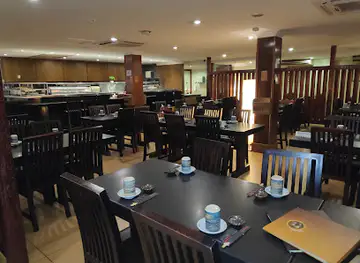
Excapade Japanese Restaurant Regent Square
Experience authentic Japanese flavors at Excapade Japanese Restaurant in Bandar Seri Begawan—where fresh sushi meets warm hospitality.

Chop Jing Chew
Discover authentic Bruneian flavors at Chop Jing Chew, where delicious breakfasts and fresh pastries await every visitor.

Kaizen Sushi Yayasan
Discover exquisite Japanese cuisine at Kaizen Sushi Yayasan in Bandar Seri Begawan, where fresh ingredients meet culinary excellence.

Soto Pabo
Savor the authentic taste of Brunei at Soto Pabo - where tradition meets flavor in every bowl.

Best bars in Kampong Ayer
Top-rated picks
Best Bars

Chop Jing Chew
Discover the delightful flavors of Chop Jing Chew in Bandar Seri Begawan, where breakfast meets bakery in a cozy café atmosphere.

Kaizen Sushi Yayasan
Experience the flavors of Japan at Kaizen Sushi Yayasan, a premier sushi restaurant in Bandar Seri Begawan, renowned for its fresh ingredients and elegant ambiance.

Soto Pabo
Discover the authentic taste of Brunei at Soto Pabo, where traditional flavors and warm hospitality meet in the heart of Bandar Seri Begawan.

My Town Eating House
Experience the vibrant culinary scene at My Town Eating House, where local flavors meet modern dining in the heart of Bandar Seri Begawan.

Best nightclubs in Kampong Ayer
Top-rated picks
Best Nightclubs

The Empire Brunei
Discover unparalleled luxury and serenity at The Empire Brunei, a premier hotel destination with breathtaking views and world-class amenities.

Gadong Night Market
Discover the vibrant flavors and culture of Brunei at Gadong Night Market, the ultimate destination for food lovers and cultural enthusiasts.

Radisson Hotel Brunei Darussalam
Discover the perfect blend of luxury and tradition at Radisson Hotel Brunei Darussalam, your gateway to the beautiful city of Bandar Seri Begawan.

The Capital Residence Suite
Discover unmatched luxury and comfort at The Capital Residence Suite in Bandar Seri Begawan, where modern amenities meet warm hospitality.

Best shops in Kampong Ayer
Top-rated picks
Best Shops

Gadong Night Market
Experience the vibrant flavors and cultural richness of Brunei at Gadong Night Market, a must-visit destination for every traveler.

The Mall Gadong
Discover shopping, dining, and entertainment at The Mall Gadong in Bandar Seri Begawan, Brunei's vibrant retail hotspot.

Times Square Shopping Centre
Experience the best of shopping, dining, and entertainment at Times Square Shopping Centre in Bandar Seri Begawan, a vibrant hub for tourists and locals alike.

Kianggeh Market
Explore Kianggeh Market: A Vibrant Cultural Hub in the Heart of Bandar Seri Begawan, Where Local Flavors and Handicrafts Await.

Explore Kampong Ayer on the Map
A handpicked selection of must-see spots in Kampong Ayer, mapped for you.
Kampong Ayer Essentials
-
Kampong Ayer is located in Bandar Seri Begawan, the capital of Brunei. The nearest international airport is Brunei International Airport (BWN). From the airport, you can take a taxi or a bus to the city center. Once in Bandar Seri Begawan, Kampong Ayer is easily accessible by water taxi from the waterfront area near the Yayasan Sultan Haji Hassanal Bolkiah Complex.
-
Water taxis are the primary mode of transportation within Kampong Ayer. These motorized boats are readily available and can take you to various parts of the water village. Fares are negotiable, so it's best to agree on a price before boarding. Walking is also an option, as many parts of Kampong Ayer are connected by wooden walkways. For trips outside Kampong Ayer, taxis and buses are available in Bandar Seri Begawan.
-
The official currency of Brunei is the Brunei Dollar (BND). Credit cards are accepted in most hotels, restaurants, and shops in Bandar Seri Begawan, but it is advisable to carry cash when visiting Kampong Ayer. ATMs are available in the city center, but they may be scarce within the water village itself, so it’s best to withdraw cash beforehand.
-
Kampong Ayer is generally a safe destination for tourists. However, it's always wise to take standard precautions. Avoid walking alone at night and keep your belongings secure. There are no specific high-crime areas targeting tourists, but staying vigilant is recommended. The wooden walkways can be slippery, especially after it rains, so wear appropriate footwear.
-
In case of emergency, dial 991 for police assistance and 993 for medical emergencies. The nearest medical facilities are located in Bandar Seri Begawan. It's advisable to have travel insurance that covers medical emergencies. For minor health issues, there are pharmacies in the city where you can purchase over-the-counter medications.
-
Fashion: Do dress modestly, as Brunei is a Muslim country. Avoid wearing revealing clothing. Religion: Do respect local customs and traditions. Always remove your shoes when entering homes and mosques. Public Transport: Do be respectful and patient. Water taxi operators are usually friendly and helpful. Greetings: Do greet people with a smile and a slight nod. A handshake is acceptable, but it's best to wait for the local to extend their hand first. Eating & Drinking: Do try local dishes and accept hospitality graciously. Don't eat or drink in public during the fasting month of Ramadan.
-
To experience Kampong Ayer like a local, take a leisurely stroll along the wooden walkways and explore the various stilt houses. Visit the Kampong Ayer Cultural & Tourism Gallery to learn about the history and culture of the water village. Engage with the residents, who are often welcoming and happy to share stories about their way of life. Don’t miss the opportunity to try local delicacies, such as ambuyat, a traditional Bruneian dish.
When is the best time to visit Kampong Ayer?
Useful Local Phrases for Kampong Ayer
You don't need to speak the language perfectly. Even learning a few simple words can make conversations warmer—and locals usually appreciate the effort.
— Eve

Here are the phrases I use most often in Kampong Ayer. Try a few—you'll be surprised how far they go! 😊
❤️
-
- HelloSelamat datang
[suh-lah-maht dah-tahng] - GoodbyeSelamat tinggal
[suh-lah-maht ting-gahl] - YesYa
[yah] - NoTidak
[tee-dahk] - Please/You're welcomeSila
[see-lah] - Thank youTerima kasih
[teh-ree-mah kah-see] - Excuse me/SorryMaaf
[mah-ahf] - How are you?Apa khabar?
[ah-pah kah-bahr] - Fine. And you?Baik. Dan kamu?
[bah-eek. dahn kah-moo] - Do you speak English?Adakah kamu boleh berbahasa Inggeris?
[ah-dah-kah kah-moo boh-leh ber-bah-sah ing-ger-is] - I don't understandSaya tidak faham
[sah-yah tee-dahk fah-hahm]
- HelloSelamat datang
-
- I'd like to see the menu, pleaseSaya ingin melihat menu, sila
[sah-yah ee-ngin meh-lihat meh-noo, see-lah] - I don't eat meatSaya tidak makan daging
[sah-yah tee-dahk mah-kahn dah-ging] - Cheers!Bersulang!
[ber-soo-lahng] - I would like to pay, pleaseSaya ingin membayar, sila
[sah-yah ee-ngin mem-bah-yar, see-lah]
- I'd like to see the menu, pleaseSaya ingin melihat menu, sila
-
- Help!Tolong!
[toh-long] - Go away!Pergi jauh!
[per-gee jah-oo] - Call the Police!Panggil polis!
[pahn-gill poh-lis] - Call a doctor!Panggil doktor!
[pahn-gill dok-tor] - I'm lostSaya sesat
[sah-yah seh-saht] - I'm illSaya sakit
[sah-yah sah-kit]
- Help!Tolong!
-
- I'd like to buy...Saya ingin membeli...
[sah-yah ee-ngin mem-bay-lee] - I'm just lookingSaya hanya melihat
[sah-yah han-yah meh-lihat] - How much is it?Berapa harganya?
[ber-ah-pah har-gah-nya] - That's too expensiveItu terlalu mahal
[ee-too ter-lah-loo mah-hal] - Can you lower the price?Bolehkah kamu turunkan harga?
[boh-leh-kah kah-moo too-roon-kahn har-gah]
- I'd like to buy...Saya ingin membeli...
-
- What time is it?Pukul berapa?
[poo-kool ber-ah-pah] - It's one o'clockPukul satu
[poo-kool sah-too] - Half past (10)Setengah (10)
[seh-teng-ah (sepuluh)] - MorningPagi
[pah-gee] - AfternoonPetang
[peh-tahng] - EveningMalam
[mah-lahm] - YesterdaySemalam
[seh-mah-lahm] - TodayHari ini
[hah-ree ee-nee] - TomorrowEsok
[eh-sohk] - 1Satu
[sah-too] - 2Dua
[doo-ah] - 3Tiga
[tee-gah] - 4Empat
[em-paht] - 5Lima
[lee-mah] - 6Enam
[eh-nahm] - 7Tujuh
[too-joo] - 8Lapan
[lah-pahn] - 9Sembilan
[sem-bee-lahn] - 10Sepuluh
[seh-poo-looh]
- What time is it?Pukul berapa?
-
- Where's a/the...?Di mana ...?
[dee mah-nah] - What's the address?Apa alamatnya?
[ah-pah ah-lah-mah-nyah] - Can you show me (on the map)?Bolehkah kamu tunjukkan saya (peta)?
[boh-leh-kah kah-moo toon-jook-kahn sah-yah (peh-tah)] - When's the next (bus)?Bila bas seterusnya?
[bee-lah bahs seh-tuh-roos-nyah] - A ticket (to ....)Sebuah tiket (ke ....)
[seh-boo-ah tik-et (keh ...)]
- Where's a/the...?Di mana ...?
History of Kampong Ayer
-
Kampong Ayer, often referred to as the 'Venice of the East,' is one of the oldest water villages in the world. Its origins can be traced back over a thousand years, with early records from Chinese merchants in 977 AD describing a thriving community living on the Brunei River. The village's strategic location made it an important trading hub in Southeast Asia.
-
During the 15th and 16th centuries, under the rule of Sultan Bolkiah, Brunei reached its golden age. Kampong Ayer was the center of administration and commerce, attracting traders from across the region, including China, India, and the Arab world. The village's prosperity was reflected in its elaborate stilt houses, mosques, and markets.
-
In the 16th century, European explorers and traders began arriving in Southeast Asia. Portuguese and Spanish expeditions noted the grandeur of Kampong Ayer, describing its extensive network of wooden walkways and bustling marketplaces. Despite European influence, the village maintained its cultural traditions and way of life.
-
In the late 19th century, Brunei became a British protectorate. During this period, Kampong Ayer saw some modernization, including the introduction of schools and medical facilities. However, the village retained its unique architectural and cultural characteristics, continuing to thrive as a center of traditional Bruneian life.
-
Following Brunei's independence from British rule in 1984, Kampong Ayer underwent significant development. The government invested in infrastructure improvements, including the construction of modern amenities while preserving the historical essence of the village. Today, Kampong Ayer is a vibrant community that seamlessly blends tradition and modernity.
-
Kampong Ayer is not only a living testament to Brunei’s rich history but also a major tourist attraction. Efforts have been made to promote its cultural heritage through museums and guided tours. Visitors can experience the unique lifestyle of the water village, explore traditional crafts, and learn about the historical significance of this extraordinary community.
Neighbouring Regions of Kampong Ayer
The closest regions to Kampong Ayer, if you have time for more than one.


Your all‑in‑one travel companion app
Explore expert travel guides, compare and book tours, experiences, hotels, and more—all from the palm of your hand. Download now for seamless trip planning wherever your wanderlust takes you.


Explore More of Brunei

Looking beyond Kampong Ayer? Discover Brunei for broader travel guides, local hot-spots, and regional highlights.
Explore BruneiKampong Ayer in Photos
Browse through our photo collection highlighting the charm and character of the destination.


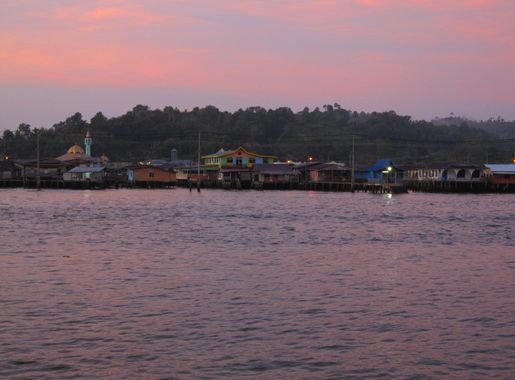


Kampong Ayer: The Venice of the East
Nestled along the Brunei River, Kampong Ayer is a unique and historic water village that has been inhabited for over 1,300 years. Often referred to as the 'Venice of the East,' this fascinating destination offers a glimpse into a traditional way of life that has largely remained unchanged for centuries. Visitors will be enchanted by the network of stilt houses, wooden walkways, and bustling boat traffic that define this vibrant community. The village is home to around 30,000 residents and features modern amenities such as schools, mosques, and healthcare centers, all built on stilts above the water. The local culture is rich with history and tradition, offering tourists an authentic experience of Bruneian life. Exploring Kampong Ayer can be an adventure in itself. Take a water taxi to navigate the labyrinthine waterways, and make sure to visit the Kampong Ayer Cultural and Tourism Gallery to learn more about the village's history and cultural heritage. The gallery also offers stunning views of the village and the Brunei River. A visit to Kampong Ayer is not complete without experiencing the local cuisine. Numerous floating restaurants serve delicious Bruneian dishes, allowing you to savor the local flavors while enjoying the serene water views. Whether you are a history buff, a cultural enthusiast, or simply looking for a unique travel experience, Kampong Ayer is a must-visit destination in Brunei.