

Free Mukim Bokok Travel Guide & Mobile App
Explore Mukim Bokok with free travel guides. Discover regional history, expert tips, proposed trips, and audio guides on web or mobile app.


Mukim Bokok offers forest walks, hill viewpoints and a quiet rural gateway to the natural landscapes of Temburong in Brunei.
Read more about Mukim Bokok
When is the best time to visit Mukim Bokok?
Best: February–April · 30–31°C| Month | High (°C) | Rainfall (mm) |
|---|---|---|
| January | 30 | 201 |
| February (best) | 30 | 151 |
| March (best) | 31 | 171 |
| April (best) | 31 | 181 |
| May | 31 | 191 |
| June | 31 | 201 |
| July | 31 | 211 |
| August | 31 | 221 |
| September | 31 | 231 |
| October | 31 | 241 |
| November | 31 | 251 |
| December | 30 | 261 |
Getting to and around Mukim Bokok
How to get there
Transportation
Top city travel guides in Mukim Bokok
The cities of Mukim Bokok, and the easiest places to base yourself.

Swipe for more cities
Best attractions in Mukim Bokok
Mukim Bokok's attractions are primarily outdoor and ecological. Bukit Patoi Forest Recreation Park is the most recognisable visitor site, offering a forest trail and elevated views across the surrounding Temburong countryside. The hill walk is relatively accessible by regional standards, although tropical heat, humidity and rain can make the route demanding. Peradayan Forest Reserve provides another opportunity to experience lowland rainforest, with marked walking areas and the chance to observe the layered vegetation typical of Brunei's interior. The mukim's villages, roads and small waterways add a quieter rural dimension, particularly for visitors interested in how communities are distributed across a forested landscape. Bokok is not a museum-and-monument destination, and its value lies in landscapes rather than a long list of built attractions. Visitors seeking river expeditions, canopy activities or more extensive rainforest programmes may need to continue to other parts of Temburong, especially the areas around Batang Duri and Ulu Temburong, which are outside the mukim. Local conditions and access arrangements should be checked before setting out.
-
Art gallery
Brunei Energy Hub Dermaga Diraja
Explore Brunei's energy sector and artistic talents at this interactive museum and gallery in Bandar Seri Begawan.
-
Prawn fishing
Pondok Autan
Experience the thrill of prawn fishing amidst Temburong's natural beauty at Pondok Autan, a serene escape for families and fishing enthusiasts.


Best landmarks in Mukim Bokok
Bukit Patoi is Mukim Bokok's most visually distinctive natural landmark, rising above the surrounding lowland landscape and providing a viewpoint over forest and rural Temburong. Its importance is both geographical and recreational: the hill offers a concise introduction to the terrain that covers much of the district. Bukit Peradayan and the adjoining forest reserve form another significant landscape landmark, representing the continuing presence of protected tropical forest close to settled areas. Rather than monumental architecture, Bokok's landmarks are defined by hills, forest boundaries, roads and village clearings that reveal the relationship between human settlement and the rainforest. The absence of a large historic town centre is itself part of the mukim's character. Visitors should distinguish these places from the major river and canopy landmarks of Ulu Temburong National Park, which lie elsewhere in Temburong District and are not within Mukim Bokok.
-
 Mosque
Omar Ali Saifuddien Mosque
Explore the breathtaking beauty and intricate design of Omar Ali Saifuddien Mosque, a cultural gem in Bandar Seri Begawan, Brunei.
-
Night market
Gadong Night Market
Discover the bustling Gadong Night Market in Bandar Seri Begawan, where local flavors and vibrant culture come alive in a unique night market experience.
-
Mosque
Jame' Asr Hassanil Bolkiah Mosque
Discover the grandeur of Jame' Asr Hassanil Bolkiah Mosque, an architectural marvel and spiritual haven in Brunei's capital, Bandar Seri Begawan.
-
Museum
Royal Regalia Museum
Explore Brunei's royal heritage at the Royal Regalia Museum, a treasure trove of artifacts and history celebrating the Sultanate's opulent past.


Explore Mukim Bokok on the map
Plan your trip on one map. See where the top cities, national parks and sights are, and book hotels and experiences in a few clicks.
Best hotels in Mukim Bokok
Best restaurants in Mukim Bokok
Dining in Mukim Bokok is modest and locally oriented, with no dense restaurant quarter. Visitors are more likely to find practical meals through small eateries, food stalls, village businesses or accommodation providers, while Bangar offers the widest nearby choice. Typical Bruneian and Malay dishes may include rice meals, noodles, grilled or fried foods, soups and snacks, often accompanied by tea, coffee or sweet cold drinks. Temburong's riverine and forest setting also makes locally available fish and produce relevant to everyday cooking, although menus vary and should not be treated as a fixed regional cuisine. Visitors travelling to forest recreation sites should carry water and snacks rather than expecting refreshments at every trailhead. In rural areas, opening arrangements can be informal, and advance planning is sensible for groups or visitors with dietary requirements. The broader experience is one of simple, filling food and community-scale hospitality rather than destination dining or elaborate fine dining.
-
Cafe
Chop Jing Chew
Experience authentic Bruneian flavors at Chop Jing Chew - where delightful breakfasts meet local charm in Bandar Seri Begawan.
-
Authentic Japanese
Excapade Japanese Restaurant Bunut
Experience authentic Japanese cuisine at Excapade Japanese Restaurant in Bandar Seri Begawan—where tradition meets taste.
-
Barbecue
braai
Experience the best barbecue in Brunei at Braai – where flavors meet tradition in a warm and welcoming atmosphere.
-
Indonesian
Pondok Seri Wangi Restaurant
Experience the essence of Indonesia at Pondok Seri Wangi Restaurant in Bandar Seri Begawan – a must-visit for authentic flavors.


Best bars in Mukim Bokok
Mukim Bokok does not have a significant bar or nightclub scene. Brunei's legal and cultural environment means that evening life is generally centred on family gatherings, cafés, food outlets and community activities rather than alcohol-led entertainment. After dark, the mukim is quiet, with limited commercial activity outside villages and the road connection towards Bangar. Visitors can expect early starts for forest walks rather than late-night venues. Bangar may provide a few more places to eat or sit in the evening, but it remains a small district centre rather than a nightlife destination. Alcohol is not sold in Brunei, and visitors should respect national restrictions and local expectations. The most characteristic evening experience in Bokok is the calm of a rural settlement, provided visitors avoid excessive noise and remain considerate near homes.
-
Barbecue
braai
Discover the vibrant barbecue scene at Braai in Bandar Seri Begawan, where delicious grilled dishes await every food lover.
-
Restaurant
Gwad Basha Arabic Restaurants
Experience the essence of Arabic cuisine at Gwad Basha, where each dish tells a story of tradition and flavor in Bandar Seri Begawan.
-
Lounge
Royal Brunei Business Class Lounge
Experience unparalleled comfort and luxury at the Royal Brunei Business Class Lounge, where travelers find tranquility before their flights.
-
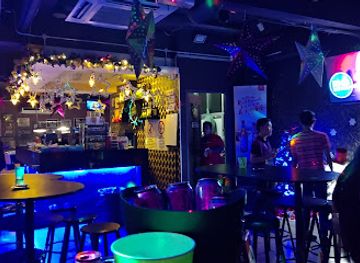
Bar
Meetpoint Cafe&Bistro
Experience the vibrant nightlife and local flavors at Meetpoint Cafe & Bistro in Pekan Limbang, where every evening is a celebration.


Best nightclubs in Mukim Bokok
Mukim Bokok does not have a significant bar or nightclub scene. Brunei's legal and cultural environment means that evening life is generally centred on family gatherings, cafés, food outlets and community activities rather than alcohol-led entertainment. After dark, the mukim is quiet, with limited commercial activity outside villages and the road connection towards Bangar. Visitors can expect early starts for forest walks rather than late-night venues. Bangar may provide a few more places to eat or sit in the evening, but it remains a small district centre rather than a nightlife destination. Alcohol is not sold in Brunei, and visitors should respect national restrictions and local expectations. The most characteristic evening experience in Bokok is the calm of a rural settlement, provided visitors avoid excessive noise and remain considerate near homes.
-
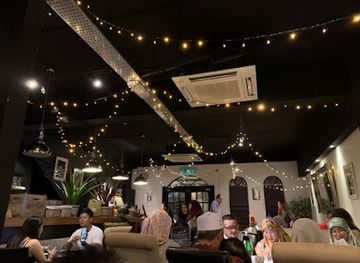
Western
Jazz Bar And Grill
Experience the perfect fusion of Western cuisine and live jazz music at Jazz Bar and Grill in Kiulap, a culinary delight for all visitors.
-
Lounge
Royal Brunei Business Class Lounge
Relax in luxury at Royal Brunei Business Class Lounge with exclusive amenities and serene atmosphere for a perfect pre-flight experience.
-
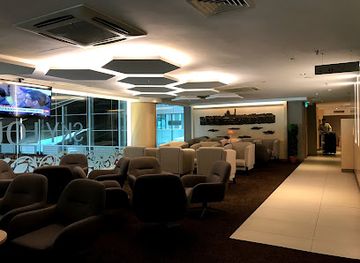
Lounge
Sky Lounge
Experience the tranquility and scenic views at Sky Lounge in Bandar Seri Begawan, the perfect retreat before your next journey.
-
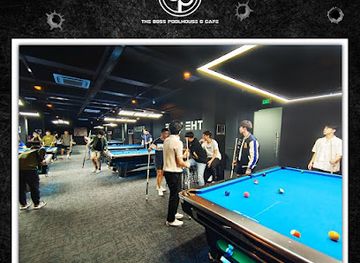
Pool billard club
The Boss Poolhouse & Cafe
Experience leisure and camaraderie at The Boss Poolhouse & Cafe, the perfect spot for billiards and refreshments in Bandar Seri Begawan.
Best shops in Mukim Bokok
Shopping in Mukim Bokok is limited and practical, consisting mainly of small village shops and everyday provisions rather than a dedicated retail area. Bangar is the nearest useful centre for a broader selection of groceries, basic supplies and locally prepared food. Visitors may encounter regional snacks, drinks and simple handmade goods through small businesses or community settings, but availability is variable and should not be assumed. The mukim is better suited to purchasing supplies before a forest excursion than to browsing for fashion, antiques or specialist crafts. For Bruneian food products and a wider range of souvenirs, visitors can shop in larger centres elsewhere in the country, while Temburong's local character is better represented by its forest landscapes and community life than by a distinctive retail tradition. Carry reusable bags and avoid buying products made from protected wildlife, rare plants or unsustainably collected forest materials.
-
Shopping mall
The Mall Gadong
Explore The Mall Gadong in Brunei for a unique shopping experience that blends local culture with modern amenities.
-
Shopping mall
Times Square Shopping Centre
Explore the vibrant shopping scene at Times Square Shopping Centre, where local culture meets global brands in Bandar Seri Begawan.
-
Shopping mall
Rimba Point
Experience the vibrant shopping and dining scene at Rimba Point, Brunei's premier shopping destination offering diverse stores and delicious food.
-
Shopping mall
Hua Ho Department Store Manggis
Discover a world of shopping at Hua Ho Department Store Manggis, where local charm meets modern retail in Bandar Seri Begawan.


Get your free copy of our complete guide to Mukim Bokok, delivered straight to you.
Everything on this page, from attractions and restaurants to essentials and local phrases, in one PDF you can read offline, print or share.
Already have an account? Sign in
Your Mukim Bokok guide is ready.
We'll send it to · Not you? Sign out

Getting your guide ready…
We are putting together a fresh copy of the Mukim Bokok guide. This can take up to a minute.
This can take a few moments. If your browser asks, choose Allow so the download can start. You'll find the guide in your Downloads folder.
Nothing happened? Download it again
Sorry, the guide is taking longer than usual. Please try again in a minute, or get it by email instead.
Mukim Bokok essentials
Currency and Payment
Safety
Emergency Situations
Do's and Don'ts
Local Tips
From Eve
Local phrases worth knowing
You don't need to get them perfect. A few words go a long way, and locals appreciate the effort.
Basics
| English | Local | Say it |
|---|---|---|
| Hello | Salam | [sah-lahm] |
| Goodbye | Selamat tinggal | [suh-lah-maht ting-gahl] |
| Yes | Ya | [yah] |
| No | Tidak | [tee-dahk] |
| Please/You're welcome | Silakan | [see-lah-kahn] |
| Thank you | Terima kasih | [teh-ree-mah kah-see] |
| Excuse me/Sorry | Maaf | [mah-ahf] |
| How are you? | Apa khabar? | [ah-pah kah-bar] |
| Fine. And you? | Baik. Dan kamu? | [bye-k. dahn kah-moo] |
| Do you speak English? | Adakah anda bercakap bahasa Inggeris? | [ah-dah-kah ahn-dah ber-chahk-ahp bah-hah-sah ing-ge-ris] |
| I don't understand | Saya tidak faham | [sah-yah tee-dahk fah-hahm] |
Eating & Drinking
| English | Local | Say it |
|---|---|---|
| I'd like to see the menu, please | Saya ingin melihat menu, silakan | [sah-yah in-gin meh-lih-hat meh-noo, see-lah-kahn] |
| I don't eat meat | Saya tidak makan daging | [sah-yah tee-dahk mah-kahn dah-ging] |
| Cheers! | Selamat! | [suh-lah-maht] |
| I would like to pay, please | Saya ingin membayar, silakan | [sah-yah in-gin mem-bah-yahr, see-lah-kahn] |
Emergencies
| English | Local | Say it |
|---|---|---|
| Help! | Tolong! | [toh-long] |
| Go away! | Pergi jauh! | [per-gee jah-oo] |
| Call the Police! | Panggil polis! | [pahn-gil poh-lis] |
| Call a doctor! | Panggil doktor! | [pahn-gil dok-tor] |
| I'm lost | Saya tersesat | [sah-yah ter-seh-saht] |
| I'm ill | Saya sakit | [sah-yah sah-kit] |
Shopping
| English | Local | Say it |
|---|---|---|
| I'd like to buy... | Saya ingin beli... | [sah-yah in-gin beh-lee] |
| I'm just looking | Saya hanya melihat | [sah-yah han-yah meh-lih-hat] |
| How much is it? | Berapa harganya? | [beh-rah-pah har-gah-nya] |
| That's too expensive | Itu terlalu mahal | [ee-too ter-lah-loo mah-hahl] |
| Can you lower the price? | Bolehkah anda turunkan harga? | [boh-leh-kah ahn-dah too-roon-kahn har-gah] |
Time & Numbers
| English | Local | Say it |
|---|---|---|
| What time is it? | Jam berapa sekarang? | [jahm beh-rah-pah seh-kah-rahng] |
| It's one o'clock | Jam satu | [jahm sah-too] |
| Half past (10) | Setengah (10) | [seh-teng-ah (seh-bilan)] |
| Morning | Pagi | [pah-gee] |
| Afternoon | Tengah hari | [teh-ngah hah-ree] |
| Evening | Petang | [peh-tahng] |
| Yesterday | Semalam | [seh-mah-lahm] |
| Today | Hari ini | [hah-ree ee-nee] |
| Tomorrow | Esok | [eh-sok] |
| 1 | Satu | [sah-too] |
| 2 | Dua | [doo-ah] |
| 3 | Tiga | [tee-gah] |
| 4 | Empat | [em-paht] |
| 5 | Lima | [lee-mah] |
| 6 | Enam | [eh-nahm] |
| 7 | Tujuh | [too-joo] |
| 8 | Lapan | [lah-pahn] |
| 9 | Sembilan | [sem-bee-lahn] |
| 10 | Sepuluh | [seh-poo-loo] |
Transport & Directions
| English | Local | Say it |
|---|---|---|
| Where's a/the...? | Di mana ...? | [dee mah-nah] |
| What's the address? | Apa alamatnya? | [ah-pah ah-lah-maht-nya] |
| Can you show me (on the map)? | Bolehkah anda tunjukkan (di peta)? | [boh-leh-kah ahn-dah toon-jook-kahn (dee peh-tah)] |
| When's the next (bus)? | Bila bas seterusnya? | [bee-lah bahs seh-teh-roos-nya] |
| A ticket (to ....) | Satu tiket (ke ....) | [sah-too tee-ket (kuh ....)] |
History of Mukim Bokok
Early settlement and river-based life
The wider Temburong area has long been shaped by river corridors, forest resources and small settlements rather than by a large urban centre. Communities developed around waterways and cultivable clearings, using the surrounding rainforest for materials, food and travel. In a landscape of steep, wet terrain, rivers and tracks provided practical connections between villages. The rural character of Mukim Bokok reflects this older pattern of dispersed settlement, even though modern roads and public services now provide the principal links between communities.
Temburong within the Brunei Sultanate
Temburong formed part of the historic Brunei Sultanate, whose political influence extended across a much larger area of northern Borneo than the present nation. The district's position east of Sarawak gave it a distinctive geographic relationship with the rest of Brunei. Political authority, trade and movement were mediated through river settlements and local leaders, while the forested interior remained comparatively thinly populated. Bokok's present identity as a Bruneian mukim is inseparable from this long history of eastern contact and territorial continuity.
Colonial-era boundaries and the separated district
Nineteenth- and early twentieth-century treaties and colonial boundary-making altered the political geography of northern Borneo. Brunei lost extensive territories, while Sarawak expanded around areas that had formerly been connected to the sultanate. Temburong remained part of Brunei but became physically separated from the country's western districts by Sarawak territory. This unusual geography explains why travel to Bokok historically involved crossing or navigating around neighbouring territory, a constraint that has strongly influenced the district's transport and administrative development.
Modern roads and public administration
During the twentieth century, roads, government services and improved communications gradually linked Temburong's villages more closely with Bangar and the rest of Brunei. Mukim Bokok developed within Brunei's system of mukims and kampongs, combining local settlement patterns with national administration. The expansion of road access changed everyday mobility, allowing residents to reach schools, markets and services more readily while leaving large areas of forest and recreation land comparatively undeveloped.
Forest conservation and recreation
Brunei's conservation policy has helped retain extensive rainforest in Temburong, including protected landscapes and forest reserves around the district. In and near Mukim Bokok, sites such as Bukit Patoi Forest Recreation Park and Peradayan Forest Reserve present the forest as both an ecological asset and a place for carefully managed recreation. This development represents a shift from viewing the interior chiefly as a source of natural resources towards valuing biodiversity, environmental protection, research and low-impact tourism.
The Temburong Bridge era
The opening of the Temburong Bridge in 2020 created a direct road connection between Temburong and Brunei's western districts without requiring travellers to pass through Sarawak. The bridge has had practical and symbolic importance for the whole district, reducing the sense of physical separation that shaped its earlier history. For Mukim Bokok, it has made road-based visits and the movement of goods and residents more straightforward, while the mukim itself remains a predominantly rural landscape.
Mukim Bokok in Photos
Browse through our photo collection highlighting the charm and character of the destination.
Neighbouring regions of Mukim Bokok
The closest regions to Mukim Bokok, if you have time for more than one.
-

-

-

-

-


Swipe for more regions
Explore more

Explore more of Brunei
Explore Brunei, a hidden gem in Southeast Asia, where modern opulence meets untouched natural beauty and rich cultural heritage.
Explore Brunei