

Free Mukim Labu Travel Guide & Mobile App
Explore Mukim Labu with free travel guides. Discover regional history, expert tips, proposed trips, and audio guides on web or mobile app.


Explore Mukim Labu in Brunei’s Temburong District for forest reserves, rural rivers, village roads and a quiet Borneo borderland.
Read more about Mukim Labu
When is the best time to visit Mukim Labu?
Best: January–March · 30°C| Month | High (°C) | Rainfall (mm) |
|---|---|---|
| January (best) | 30 | 220 |
| February (best) | 30 | 200 |
| March (best) | 30 | 210 |
| April | 31 | 220 |
| May | 31 | 230 |
| June | 31 | 240 |
| July | 30 | 250 |
| August | 30 | 260 |
| September | 30 | 270 |
| October | 31 | 280 |
| November | 30 | 290 |
| December | 30 | 300 |
Getting to and around Mukim Labu
How to get there
Transportation
Top city travel guides in Mukim Labu
The cities of Mukim Labu, and the easiest places to base yourself.

Swipe for more cities
Destinations in Mukim Labu
Resorts, valleys and scenic spots worth a trip of their own.
-

-
 Pulau Selirong Forest Reserve
, Brunei, offers mangrove waterways, proboscis monkeys, birdlife and quiet boat excursions through protected coastal forest.

Swipe for more destinations
Best attractions in Mukim Labu
Mukim Labu’s attractions are primarily environmental and experiential rather than a concentration of ticketed sights. Labu Forest Reserve provides the clearest focus for appreciating the area’s lowland rainforest, with opportunities for observation of tropical vegetation, insects and birdlife where access is permitted. The surrounding roads and settlements offer views of forest margins, streams, cultivated clearings and the quiet rural landscape of southern Temburong. Visitors interested in the borderland dimension can travel towards the Labu crossing, though immigration facilities are working infrastructure rather than a sightseeing attraction and photography may be restricted. The mukim is also a useful complement to wider Temburong itineraries, but major rainforest adventure sites elsewhere in the district should not be presented as part of Labu. Expect few formal amenities, limited signage and a need to arrange transport and local guidance in advance. Its appeal lies in slow travel, natural observation and seeing how villages, roads and forest coexist in one of Brunei’s least urbanised areas.
-
 Mosque
Omar Ali Saifuddien Mosque
A stunning mosque in Brunei's capital, blending Mughal and Italian architecture with a gleaming golden dome and serene lagoon.
-
Mosque
Jame' Asr Hassanil Bolkiah Mosque
Discover Brunei's largest mosque, a symbol of Islamic heritage with stunning golden domes and intricate architecture, open to visitors outside prayer times.
-
Museum
Royal Regalia Museum
Discover Brunei's rich history and culture through the Royal Regalia Museum's impressive collection of royal artifacts and exhibits in Bandar Seri Begawan.
-
Tourist attraction
Istana Nurul Iman
Discover Istana Nurul Iman, the world's largest royal residence and a symbol of Brunei's blend of Islamic heritage and Malay traditions.


Best landmarks in Mukim Labu
The most recognisable landmark associated with Mukim Labu is the Labu land-border complex, which marks one of Brunei’s road connections with Sarawak and expresses the mukim’s position at the edge of two national territories. It is a functioning immigration and transport facility, not a monument, and access and photography are subject to official rules. Labu Forest Reserve is the area’s principal natural landmark: its forested terrain represents the wider ecological identity of Temburong more powerfully than any large building. Roads through the mukim, together with small bridges, streams, village clearings and views towards wooded hills, provide the visual vocabulary of this rural borderland. The area’s significance comes from its combination of forest, dispersed settlement and international boundary rather than from a long list of monumental architecture. Visitors seeking major civic or religious landmarks should look to Bangar or Brunei’s western districts, while treating Mukim Labu as a place whose defining landmarks are landscape-based and infrastructural.
-
Hotel
The Empire Brunei
Explore a luxurious haven at The Empire Brunei, offering unparalleled comfort, exquisite dining, and stunning landscapes for an unforgettable getaway.
-
Mosque
Omar Ali Saifuddien Mosque
A stunning mosque in Brunei's capital, blending Mughal and Italian design with a golden dome and serene lagoon.
-
Mosque
Jame' Asr Hassanil Bolkiah Mosque
Discover the grandeur of the Jame' Asr Hassanil Bolkiah Mosque, Brunei's largest mosque, showcasing stunning architecture and rich Islamic heritage.
-
Tourist attraction
Istana Nurul Iman
Explore the grandeur of Istana Nurul Iman, the largest residential palace in the world, and a symbol of Brunei's royal heritage and stunning architecture.


Explore Mukim Labu on the map
Plan your trip on one map. See where the top cities, national parks and sights are, and book hotels and experiences in a few clicks.
Best hotels in Mukim Labu
Best restaurants in Mukim Labu
Dining in Mukim Labu is modest and locally oriented, with small eateries, village shops and provisions rather than a developed restaurant scene. Expect familiar Bruneian and Malay-style meals such as rice dishes, noodles, soups, fried snacks and drinks, with menus reflecting what individual family-run outlets have available. Halal food is the norm in Brunei, and Bangar is the most dependable nearby place for a broader choice of restaurants, groceries and cooked food. Travellers venturing into rural areas should carry water and snacks, particularly outside conventional meal times. Local produce and home cooking are more significant here than formal culinary presentation, while Temburong’s rivers and forests form an important backdrop to the food culture even when wild ingredients are not offered commercially. Visitors should not expect a nightlife-oriented dining district or a concentration of internationally known restaurants; the practical pleasure is eating simply, buying provisions locally and allowing time for the slower rhythms of a remote district.
-
Restaurant
Soto Pabo
Discover authentic Bruneian flavors at Soto Pabo, where traditional dishes meet warm hospitality in Bandar Seri Begawan.
-
Barbecue
braai
Discover the ultimate barbecue experience at Braai in Bandar Seri Begawan, where every bite tells a story of flavor and tradition.
-
Indonesian
Pondok Seri Wangi Restaurant
Discover the essence of Indonesia through delicious dishes at Pondok Seri Wangi Restaurant in Bandar Seri Begawan.
-
Park
Bukit Patoi Recreational Park
Explore Bukit Patoi Recreational Park: A Natural Retreat Offering Scenic Trails and Breathtaking Views in Brunei.


Best bars in Mukim Labu
Mukim Labu does not have a conventional bar or nightclub scene. Brunei’s national restrictions on alcohol mean that evenings are centred on family life, local eateries, hotel or guesthouse common areas, conversation and quiet travel rather than licensed drinking venues. After dark, the rural environment becomes an attraction in itself, with forest sounds, humid air and very limited artificial light, although visitors should remain near their accommodation unless they have suitable local guidance. For a wider choice of cafés and evening food, Bangar is the practical nearby centre, but it remains a small district town rather than a major nightlife destination. Visitors should dress and behave respectfully in public spaces, observe local and religious customs, and avoid assuming that the evening culture of larger Southeast Asian cities applies in this part of Brunei.
-
Restaurant
Gwad Basha Arabic Restaurants
Experience the essence of Arabic cuisine at Gwad Basha Arabic Restaurants, where every dish tells a story of flavor and tradition.
-
Western
Jazz Bar And Grill
Experience the perfect blend of live jazz and exquisite Western cuisine at Jazz Bar And Grill in Kiulap for an unforgettable night out.
-
Lounge
Royal Brunei Business Class Lounge
Experience unparalleled comfort and elegance at the Royal Brunei Business Class Lounge, a serene haven for discerning travelers in Bandar Seri Begawan.
-
Restaurant
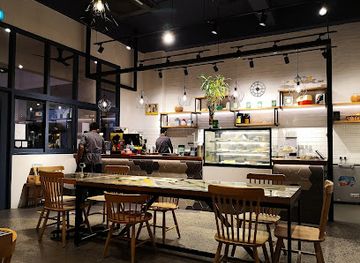
Ximply Chriz One Riverside
Experience the vibrant flavors of Brunei and beyond at Ximply Chriz One Riverside, a culinary haven by the river.


Best nightclubs in Mukim Labu
Mukim Labu does not have a conventional bar or nightclub scene. Brunei’s national restrictions on alcohol mean that evenings are centred on family life, local eateries, hotel or guesthouse common areas, conversation and quiet travel rather than licensed drinking venues. After dark, the rural environment becomes an attraction in itself, with forest sounds, humid air and very limited artificial light, although visitors should remain near their accommodation unless they have suitable local guidance. For a wider choice of cafés and evening food, Bangar is the practical nearby centre, but it remains a small district town rather than a major nightlife destination. Visitors should dress and behave respectfully in public spaces, observe local and religious customs, and avoid assuming that the evening culture of larger Southeast Asian cities applies in this part of Brunei.
-
Hotel
The Empire Brunei
Experience unparalleled luxury at The Empire Brunei, where stunning landscapes and exquisite dining come together for the perfect getaway.
-
Outdoor swimming pool
StarLodge
Discover tranquility and elegance at StarLodge, a premier destination in Brunei featuring an outdoor pool, buffet restaurant, and versatile event spaces.
-
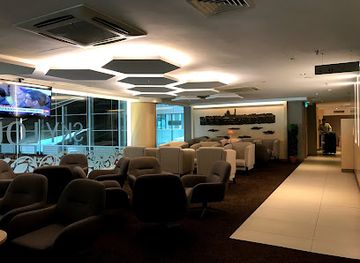
Lounge
Royal Brunei Business Class Lounge
Experience luxury and comfort at Royal Brunei Business Class Lounge, the perfect retreat for travelers seeking relaxation before their journey.
-
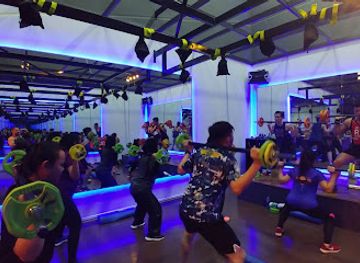
Recreation center
Peak Club
Experience leisure and sports at Peak Club in Bandar Seri Begawan, a top recreational destination for tourists seeking fun and fitness.

Best shops in Mukim Labu
Shopping in Mukim Labu is functional rather than destination-led, with small village shops and roadside outlets supplying drinks, snacks, basic groceries and everyday necessities. Bangar is the more practical place for a wider range of provisions, personal items and locally prepared food before travelling into the mukim. Visitors may encounter Bruneian and Temburong products through small-scale community or roadside sales, but availability is variable and should not be treated as a permanent market schedule. The most suitable purchases are portable local foods, modest souvenirs and practical supplies rather than luxury goods. There is no major shopping centre or established designer retail scene in Labu, and cross-border shopping should not be confused with tourism retail. If buying crafts or forest-related products, ask about their source and choose items that do not involve protected wildlife, illegally collected plants or unsustainable materials.
-
Night market
Gadong Night Market
Delight in the vibrant flavors and local culture at Gadong Night Market, a must-visit destination in Bandar Seri Begawan's culinary scene.
-
Shopping mall
The Mall Gadong
Discover the vibrant shopping experience at The Mall Gadong in Bandar Seri Begawan, featuring diverse stores, dining, and entertainment options.
-
Shopping mall
Times Square Shopping Centre
Explore the vibrant Times Square Shopping Centre for a unique shopping and dining experience in Bandar Seri Begawan.
-
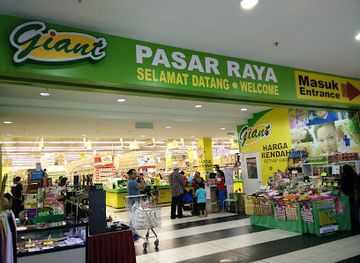
Shopping mall
Rimba Point
Explore Rimba Point, Brunei's premier shopping mall, where local culture meets modern retail and delightful dining options.


Get your free copy of our complete guide to Mukim Labu, delivered straight to you.
Everything on this page, from attractions and restaurants to essentials and local phrases, in one PDF you can read offline, print or share.
Already have an account? Sign in
Your Mukim Labu guide is ready.
We'll send it to · Not you? Sign out

Getting your guide ready…
We are putting together a fresh copy of the Mukim Labu guide. This can take up to a minute.
This can take a few moments. If your browser asks, choose Allow so the download can start. You'll find the guide in your Downloads folder.
Nothing happened? Download it again
Sorry, the guide is taking longer than usual. Please try again in a minute, or get it by email instead.
Mukim Labu essentials
Currency and Payment
Safety
Emergency Situations
Do's and Don'ts
Local Tips
From Eve
Local phrases worth knowing
You don't need to get them perfect. A few words go a long way, and locals appreciate the effort.
Basics
| English | Local | Say it |
|---|---|---|
| Hello | Halo | [ha-lo] |
| Goodbye | Selamat tinggal | [se-la-mat ting-gal] |
| Yes | Ya | [ya] |
| No | Tidak | [ti-dak] |
| Please/You're welcome | Silakan | [si-la-kan] |
| Thank you | Terima kasih | [te-ri-ma ka-sih] |
| Excuse me/Sorry | Maaf | [ma-af] |
| How are you? | Apa khabar? | [a-pa kha-bar] |
| Fine. And you? | Baik. Dan kamu? | [ba-ik dan ka-mu] |
| Do you speak English? | Adakah kamu bercakap bahasa Inggeris? | [a-da-kah ka-mu ber-ca-kap ba-ha-sa in-gge-ris] |
| I don't understand | Saya tidak faham | [sa-ya ti-dak fa-ham] |
Eating & Drinking
| English | Local | Say it |
|---|---|---|
| I'd like to see the menu, please | Saya ingin melihat menu, sila | [sa-ya in-gin me-li-hat me-nu si-la] |
| I don't eat meat | Saya tidak makan daging | [sa-ya ti-dak ma-kan da-ging] |
| Cheers! | Selamat datang! | [se-la-mat da-tang] |
| I would like to pay, please | Saya ingin bayar, sila | [sa-ya in-gin ba-yar si-la] |
Emergencies
| English | Local | Say it |
|---|---|---|
| Help! | Tolong! | [to-long] |
| Go away! | Pergi jauh! | [per-gi ja-uh] |
| Call the Police! | Panggil polis! | [pang-gil po-lis] |
| Call a doctor! | Panggil doktor! | [pang-gil dok-tor] |
| I'm lost | Saya sesat | [sa-ya se-sat] |
| I'm ill | Saya sakit | [sa-ya sa-kit] |
Shopping
| English | Local | Say it |
|---|---|---|
| I'd like to buy... | Saya ingin membeli... | [sa-ya in-gin mem-be-li] |
| I'm just looking | Saya hanya melihat | [sa-ya han-ya me-li-hat] |
| How much is it? | Berapa harganya? | [be-ra-pa har-ga-nya] |
| That's too expensive | Itu terlalu mahal | [i-tu ter-la-lu ma-hal] |
| Can you lower the price? | Bolehkah kamu turunkan harga? | [bo-leh-kah ka-mu tu-run-kan har-ga] |
Time & Numbers
| English | Local | Say it |
|---|---|---|
| What time is it? | Jam berapa sekarang? | [jam be-ra-pa se-ka-rang] |
| It's one o'clock | Jam satu | [jam sa-tu] |
| Half past (10) | Setengah (10) | [se-ten-gah] |
| Morning | Pagi | [pa-gi] |
| Afternoon | Petang | [pe-tang] |
| Evening | Malam | [ma-lam] |
| Yesterday | Semalam | [se-ma-lam] |
| Today | Hari ini | [ha-ri i-ni] |
| Tomorrow | Esok | [e-sok] |
| 1 | Satu | [sa-tu] |
| 2 | Dua | [du-a] |
| 3 | Tiga | [ti-ga] |
| 4 | Empat | [em-pat] |
| 5 | Lima | [li-ma] |
| 6 | Enam | [e-nam] |
| 7 | Tujuh | [tu-juh] |
| 8 | Lapan | [la-pan] |
| 9 | Sembilan | [sem-bi-lan] |
| 10 | Sepuluh | [se-pu-luh] |
Transport & Directions
| English | Local | Say it |
|---|---|---|
| Where's a/the...? | Di mana ...? | [di ma-na] |
| What's the address? | Apa alamatnya? | [a-pa a-la-mat-nya] |
| Can you show me (on the map)? | Bolehkah kamu tunjukkan (di peta)? | [bo-leh-kah ka-mu tun-juk-kan di pe-ta] |
| When's the next (bus)? | Bila bas seterusnya? | [bi-la bas se-te-rus-nya] |
| A ticket (to ....) | Sebuah tiket (ke ....) | [se-buah ti-ket ke] |
History of Mukim Labu
Early Settlement and the Temburong River World
The communities of Temburong developed within a river-based environment of forest, tributaries and small agricultural clearings. Before modern roads, waterways were important for movement, communication and the exchange of forest and farm products. Mukim Labu formed part of this wider Temburong cultural landscape, where settlement was dispersed rather than concentrated in a large town. Brunei Malay Islamic traditions shaped community life, while the forests supplied timber, food and other natural resources. Although the surviving built heritage is modest, the region’s geography remains an important historical record of how people lived alongside Borneo’s tropical environment.
Brunei’s Riverine Administration and the Borderlands
Temburong’s position east of the main body of Brunei gave it a distinct administrative and geographic character. Connections with neighbouring Sarawak were often more practical along local routes and rivers than links with Brunei’s western districts. Over time, government administration, schools, roads and border controls formalised movement through places such as Labu. The modern mukim system reflects Brunei’s organisation of local communities within districts, while the border continues to influence transport, trade and the relationship between isolated settlements and the wider region.
The Brooke Era and Colonial Boundary Changes
During the nineteenth and early twentieth centuries, the territorial history of northern Borneo was shaped by the expansion of the Brooke administration in Sarawak and by Brunei’s changing political position. Temburong remained part of Brunei, but its communities increasingly lived beside formal boundaries that divided older regional networks. These developments helped create the modern borderland around Labu, where roads and immigration posts later replaced many informal patterns of movement. The legacy is visible not through grand colonial monuments, but in the district’s separated geography and its continuing links with Sarawak.
The Japanese Occupation, 1941–1945
Brunei, like other parts of Borneo, experienced Japanese military occupation during the Second World War. Temburong’s forests and difficult terrain made movement different from that in the country’s more urban and oil-producing areas, but local people still faced disruption, shortages and the demands of wartime administration. The occupation interrupted established transport and economic patterns, while the return of British authority after 1945 began a gradual process of reconstruction. Direct physical evidence is less prominent in Mukim Labu than in some other parts of Borneo, yet the period remains part of the region’s twentieth-century collective history.
Roads, Forest Industries and Modern Connectivity
Post-war development brought improved roads, public administration and stronger links between Temburong’s villages and Bangar. Forestry and small-scale agriculture remained important influences on the local economy, although expanding environmental awareness gradually placed greater emphasis on conserving Brunei’s rainforest. Better road connections also changed the balance between river and road travel. For Mukim Labu, modern transport has connected remote communities with national services while preserving a landscape in which forest remains the dominant physical presence.
Brunei’s Independence and the Temburong Bridge
Brunei became fully independent in 1984, and national investment gradually improved access to Temburong District. The Sultan Haji Omar Ali Saifuddien Bridge, opened in the early 2020s, created a direct road connection between western Brunei and Temburong, reducing the district’s former dependence on travel through neighbouring Sarawak or by boat. The bridge changed the practical geography of Mukim Labu by making road journeys from the capital region more straightforward, while also increasing the importance of managing traffic, border arrangements and environmental pressures in a sensitive rainforest district.
Mukim Labu in Photos
Browse through our photo collection highlighting the charm and character of the destination.
Neighbouring regions of Mukim Labu
The closest regions to Mukim Labu, if you have time for more than one.
-

-

-

-

-


Swipe for more regions
Explore more

Explore more of Brunei
Explore Brunei, a hidden gem in Southeast Asia, where modern opulence meets untouched natural beauty and rich cultural heritage.
Explore Brunei