

Free Labi Travel Guide & Mobile App
Explore Labi with free travel guides. Discover regional history, expert tips, proposed trips, and audio guides on web or mobile app.


Explore Labi in Brunei for rainforest, wetlands, longhouse heritage and quiet inland journeys through Belait District.
Read more about Labi
When is the best time to visit Labi?
Best: January–March · 30–31°C| Month | High (°C) | Rainfall (mm) |
|---|---|---|
| January (best) | 30 | 200 |
| February (best) | 30 | 180 |
| March (best) | 31 | 190 |
| April | 31 | 200 |
| May | 31 | 220 |
| June | 31 | 240 |
| July | 31 | 260 |
| August | 31 | 260 |
| September | 31 | 250 |
| October | 31 | 240 |
| November | 31 | 220 |
| December | 30 | 200 |
Getting to and around Labi
How to get there
Transportation
Best attractions in Labi
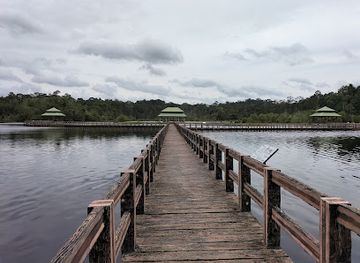
Labi’s attractions are primarily environmental and cultural rather than urban. Luagan Lalak Recreational Park is the most accessible introduction to the area’s wetlands, with a boardwalk and viewing points across a freshwater swamp where visitors may see waterbirds and changing reflections of the surrounding forest. Labi Forest Reserve and the wider interior provide opportunities for nature walks, birdwatching, photography and quiet observation, although access, facilities and trail conditions vary. Streams, small waterfalls and forest picnic areas are best approached with local advice, particularly after heavy rain. Longhouse communities around the Labi area, including Teraja and Mendaram, offer insight into indigenous settlement traditions when visits are arranged appropriately. The journey itself is part of the experience: the built-up oil towns give way to villages, plantations and increasingly dense forest. Visitors should not expect a large concentration of museums, ticketed attractions or family entertainment; Labi rewards those interested in ecology, rural landscapes and living heritage.
-
Tourist attraction
Deer Cave
Explore Deer Cave in Gunung Mulu National Park: Witness colossal cave passages and the nightly bat exodus in a unique rainforest setting.
-
Beach
Muara Beach
Discover Muara Beach: Sun, sand, history, and stunning sunsets await at Brunei's charming coastal gem.
-
Tourist attraction
Wasai Wong Kadir Recreational Park
Discover Brunei's hidden gem: Wasai Wong Kadir Recreational Park, where lush rainforests meet tranquil waterfalls for a perfect nature escape.
-
Visitor center
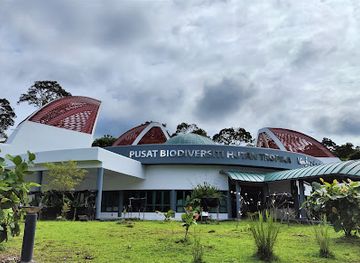
Tropical Biodiversity Centre
Explore Brunei's natural heritage at the Tropical Biodiversity Centre: interactive exhibits, gardens, and education in Sungai Liang.


Best landmarks in Labi
Labi’s most recognisable landmarks are landscapes and community structures rather than monumental buildings. Luagan Lalak’s open freshwater swamp, reached by a boardwalk through surrounding forest, is the area’s clearest geographical emblem and illustrates the wetland environments that distinguish inland Belait. The forested setting of Labi Forest Reserve provides a second defining landmark, although it is a broad protected landscape rather than a single viewpoint or monument. Traditional longhouses associated with settlements such as Teraja and Mendaram are culturally significant examples of communal architecture and should be visited only with appropriate permission. The roads and bridges crossing streams on the journey inland also reveal how settlement, water and forest shape local geography. Unlike Brunei’s mosques and royal buildings in the capital, Labi’s importance lies in the relationship between living communities and an expansive natural environment; its landmarks are best understood through their setting, use and ecological context.
-
Hotel
The Empire Brunei
Experience Brunei in unparalleled luxury at The Empire, a coastal resort with world-class amenities and stunning natural beauty.
-
 Mosque
Omar Ali Saifuddien Mosque
Discover the architectural wonder of Omar Ali Saifuddien Mosque, a stunning symbol of Brunei's rich Islamic heritage and cultural significance.
-
Mosque
Jame' Asr Hassanil Bolkiah Mosque
Discover Brunei's largest mosque, a stunning display of Islamic architecture and a symbol of the Sultan's enduring reign.
-
Museum
Royal Regalia Museum
Explore Brunei's royal heritage at the Royal Regalia Museum, showcasing the nation's rich history through stunning artifacts and exhibitions.


Explore Labi on the map
Plan your trip on one map. See where the top cities, national parks and sights are, and book hotels and experiences in a few clicks.
Best hotels in Labi
Best restaurants in Labi
Labi has few dedicated dining venues, so visitors generally eat before leaving Kuala Belait or Seria and carry water and snacks for the journey. In the rural parts of the mukim, food may be available through small local businesses or by arrangement rather than through a predictable restaurant district. Brunei’s wider food culture remains relevant, with rice dishes, noodles, grilled items, Malay-style curries, kuih and drinks made with tea or coffee commonly found in the country, while inland communities may also use forest and agricultural produce in local cooking. A visit arranged through a longhouse or community contact may provide an opportunity to learn about Dusun food traditions, but meals should never be assumed or requested without prior agreement. For a fuller choice of restaurants, markets and cafés, use the Belait towns as the culinary base and treat Labi as a packed-lunch and locally arranged dining destination.
-
Restaurant
Chop Jing Chew
Discover Chop Jing Chew in Bandar Seri Begawan – where delightful breakfasts meet cozy café vibes for an unforgettable culinary experience.
-
Japanese
Kaizen Sushi Yayasan
Savor authentic Japanese cuisine at Kaizen Sushi Yayasan in Bandar Seri Begawan - where tradition meets culinary excellence.
-
Seafood
Seaworld Neptune Restaurant
Discover fresh seafood delights at Seaworld Neptune Restaurant in Jerudong - where every meal is a celebration of oceanic flavors.
-
Restaurant
Tarindak D'Seni
Experience authentic Bruneian cuisine at Tarindak D'Seni in Bandar Seri Begawan—where every dish tells a story.


Best bars in Labi
Labi has no meaningful nightclub district and evening activity is centred on homes, community life and quiet rural surroundings rather than late-night entertainment. Visitors should not expect a bar scene: Brunei has strict national controls on alcohol, and public drinking is not part of ordinary nightlife. The practical evening options are an early meal in a nearby Belait town, a quiet stay at accommodation outside the mukim, or an arranged cultural visit that respects community routines. After dark, forest and wetland sites should be approached only with local guidance because lighting, mobile coverage and facilities are limited. The absence of nightlife is part of Labi’s character, allowing evenings to focus on the sounds of the forest, conversation and the rural landscape rather than commercial entertainment.
-
Barbecue
braai
Discover the ultimate barbecue experience in Bandar Seri Begawan at Braai, where every bite is a celebration of flavor and culture.
-
Western
Jazz Bar And Grill
Experience the perfect blend of live jazz and exquisite Western cuisine at Jazz Bar and Grill in Kiulap.
-
Lounge
Royal Brunei Business Class Lounge
Experience unparalleled comfort and luxury at the Royal Brunei Business Class Lounge, your oasis in Bandar Seri Begawan's airport.
-
Bar
Maldives Bar
Discover the vibrant nightlife at Maldives Bar in Miri, Sarawak - a perfect blend of refreshing drinks and lively ambiance for an unforgettable evening.


Best nightclubs in Labi
Labi has no meaningful nightclub district and evening activity is centred on homes, community life and quiet rural surroundings rather than late-night entertainment. Visitors should not expect a bar scene: Brunei has strict national controls on alcohol, and public drinking is not part of ordinary nightlife. The practical evening options are an early meal in a nearby Belait town, a quiet stay at accommodation outside the mukim, or an arranged cultural visit that respects community routines. After dark, forest and wetland sites should be approached only with local guidance because lighting, mobile coverage and facilities are limited. The absence of nightlife is part of Labi’s character, allowing evenings to focus on the sounds of the forest, conversation and the rural landscape rather than commercial entertainment.
-
Night market
Gadong Night Market
Explore the vibrant Gadong Night Market, where local flavors and cultural experiences come alive in Bandar Seri Begawan's culinary hotspot.
-
Amusement park
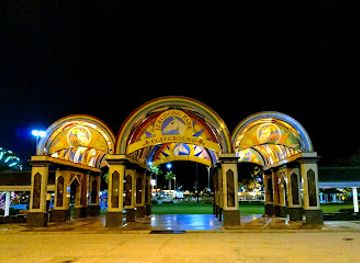
Jerudong Park Playground
Explore Jerudong Park Playground: Brunei's premier amusement park with thrilling rides, beautiful landscapes, and unforgettable family fun.
-
National forest
Labi Forest Reserve
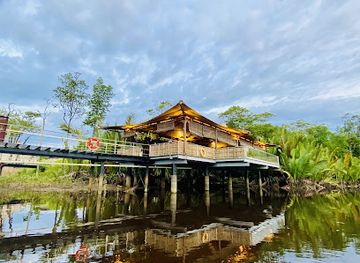
Explore the breathtaking beauty of Labi Forest Reserve, Brunei’s serene national forest rich in biodiversity and adventure.
-
Resort hotel
The Abode Resort & Spa, Temburong
Discover tranquility and adventure at The Abode Resort & Spa, Temburong, where nature meets luxury in breathtaking harmony.
Best shops in Labi
Shopping in Labi is limited and practical rather than centred on a retail district. Visitors should buy fuel, food, cash and outdoor supplies in Kuala Belait, Seria or another larger Belait settlement before travelling inland. Small rural shops may carry basic provisions, but stock and payment facilities cannot be assumed. The area’s most meaningful purchases are locally made or community-linked items, such as traditional foods, seasonal produce or handicrafts offered through an arranged visit, rather than mass-produced souvenirs. Ask about provenance and permission before buying or photographing craftwork, especially when products represent a living cultural tradition. For a broader selection of Bruneian snacks, textiles, gifts and everyday goods, use markets and shops in the coastal towns. Labi’s shopping experience is therefore modest, with the emphasis on respectful exchange and regional produce rather than fashion, antiques or large shopping centres.
-
Shopping mall
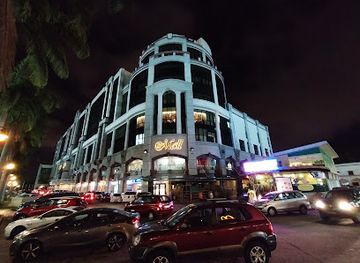
The Mall Gadong
Experience shopping bliss at The Mall Gadong, a vibrant destination in Bandar Seri Begawan with diverse shops and delightful dining options.
-
Shopping mall
Times Square Shopping Centre
Explore Times Square Shopping Centre: A vibrant shopping and entertainment destination in Bandar Seri Begawan with diverse shops and dining options.
-
Shopping mall
Rimba Point
Explore Rimba Point - the vibrant shopping mall in Brunei, where local culture meets modern retail and dining experiences.
-
Shopping mall
Mabohai Shopping Complex
Explore the bustling Mabohai Shopping Complex in Bandar Seri Begawan, a perfect blend of shopping, dining, and local culture.


Get your free copy of our complete guide to Labi, delivered straight to you.
Everything on this page, from attractions and restaurants to essentials and local phrases, in one PDF you can read offline, print or share.
Already have an account? Sign in
Your Labi guide is ready.
We'll send it to · Not you? Sign out

Getting your guide ready…
We are putting together a fresh copy of the Labi guide. This can take up to a minute.
This can take a few moments. If your browser asks, choose Allow so the download can start. You'll find the guide in your Downloads folder.
Nothing happened? Download it again
Sorry, the guide is taking longer than usual. Please try again in a minute, or get it by email instead.
Labi essentials
Currency and Payment
Safety
Emergency Situations
Do's and Don'ts
Local Tips
From Eve
Local phrases worth knowing
You don't need to get them perfect. A few words go a long way, and locals appreciate the effort.
Basics
| English | Local | Say it |
|---|---|---|
| Hello | Salam | [sah-lahm] |
| Goodbye | Selamat tinggal | [seh-lah-maht tihng-gahl] |
| Yes | Ya | [yah] |
| No | Tidak | [tee-dahk] |
| Please/You're welcome | Silakan/Sama-sama | [see-lah-kahn/sah-mah-sah-mah] |
| Thank you | Terima kasih | [teh-ree-mah kah-sih] |
| Excuse me/Sorry | Maaf | [mah-ahf] |
| How are you? | Apa khabar? | [ah-pah kah-bar] |
| Fine. And you? | Baik. Dan anda? | [bye-eek. dahn ahn-dah] |
| Do you speak English? | Adakah anda bercakap Bahasa Inggeris? | [ah-dah-kah ahn-dah ber-chah-kahp bah-hah-sah ing-gehr-iss] |
| I don't understand | Saya tidak faham | [sah-yah tee-dahk fah-hahm] |
Eating & Drinking
| English | Local | Say it |
|---|---|---|
| I'd like to see the menu, please | Saya ingin melihat menu, silakan | [sah-yah ing-in meh-lih-baht meh-noo, see-lah-kahn] |
| I don't eat meat | Saya tidak makan daging | [sah-yah tee-dahk mah-kahn dah-ging] |
| Cheers! | Selamat makan! | [seh-lah-maht mah-kahn] |
| I would like to pay, please | Saya ingin bayar, silakan | [sah-yah ing-in bye-yahr, see-lah-kahn] |
Emergencies
| English | Local | Say it |
|---|---|---|
| Help! | Tolong! | [toh-long] |
| Go away! | Pergi jauh! | [per-gee jah-oo] |
| Call the Police! | Panggil polis! | [pahn-gil poh-lis] |
| Call a doctor! | Panggil doktor! | [pahn-gil dok-tor] |
| I'm lost | Saya sesat | [sah-yah seh-saht] |
| I'm ill | Saya sakit | [sah-yah sah-kit] |
Shopping
| English | Local | Say it |
|---|---|---|
| I'd like to buy... | Saya ingin beli... | [sah-yah ing-in beh-lee] |
| I'm just looking | Saya hanya melihat | [sah-yah han-yah meh-lih-baht] |
| How much is it? | Berapa harganya? | [beh-rah-pah har-gah-nya] |
| That's too expensive | Itu terlalu mahal | [ee-too ter-lah-loo mah-hal] |
| Can you lower the price? | Boleh turunkan harga? | [boh-leh too-run-kahn har-gah] |
Time & Numbers
| English | Local | Say it |
|---|---|---|
| What time is it? | Pukul berapa? | [poo-kool beh-rah-pah] |
| It's one o'clock | Ia pukul satu | [ee-ah poo-kool sah-too] |
| Half past (10) | Setengah (10) | [seh-teng-ah (sepuluh)] |
| Morning | Pagi | [pah-gee] |
| Afternoon | Petang | [peh-tahng] |
| Evening | Malam | [mah-lahm] |
| Yesterday | Semalam | [seh-mah-lahm] |
| Today | Hari ini | [hah-ree ee-nee] |
| Tomorrow | Esok | [eh-sok] |
| 1 | Satu | [sah-too] |
| 2 | Dua | [doo-ah] |
| 3 | Tiga | [tee-gah] |
| 4 | Empat | [em-pah-t] |
| 5 | Lima | [lee-mah] |
| 6 | Enam | [eh-nahm] |
| 7 | Tujuh | [too-joo] |
| 8 | Lapan | [lah-pahn] |
| 9 | Sembilan | [sem-bee-lahn] |
| 10 | Sepuluh | [seh-poo-looh] |
Transport & Directions
| English | Local | Say it |
|---|---|---|
| Where's a/the...? | Di mana ...? | [dee mah-nah] |
| What's the address? | Apa alamatnya? | [ah-pah ah-lah-maht-nya] |
| Can you show me (on the map)? | Boleh tunjukkan saya (peta)? | [boh-leh toon-jook-kahn sah-yah (peh-tah)] |
| When's the next (bus)? | Bila bas seterusnya? | [bee-lah bahs seh-teh-roos-nyah] |
| A ticket (to ....) | Sebuah tiket (ke ....) | [seh-boo-ah tik-et (keh)] |
History of Labi
Early Inland Settlement and Dusun Heritage
The forests and river valleys of inland Belait have supported human settlement and movement for centuries. Dusun communities developed agricultural, hunting and gathering practices suited to the interior environment, with rivers and forest paths linking settlements to the coastal plain. Longhouse traditions reflect a communal way of organising domestic and social life, although their form and use have changed over time. Archaeological evidence in the wider Borneo region points to long histories of movement and forest use, but visitors should distinguish established local heritage from claims about specific sites that may not be formally excavated or interpreted.
Labi within the Brunei Sultanate
Labi forms part of the territory historically shaped by the Brunei Sultanate, whose authority extended through networks of allegiance, trade and administration rather than through dense settlement in every inland area. The Belait River system and routes between the coast and interior connected communities with the wider sultanate. Islamic institutions and Malay political culture became central to Brunei’s identity, while inland communities retained distinct languages, customs and settlement patterns. This layered history helps explain why the region is culturally part of Brunei while also having a strong local and indigenous character.
Belait Administration and the Colonial Period
During the nineteenth and early twentieth centuries, Brunei’s political administration increasingly operated within a British-protected framework. Belait was organised through administrative structures that linked coastal settlements, rivers and inland communities more closely to the government at Bandar Seri Begawan. Labi remained predominantly rural, and its forested geography limited the scale of permanent infrastructure. The period nevertheless helped establish the administrative boundaries, roads and official systems through which the contemporary Belait District is governed.
Oil and the Transformation of Belait
The discovery of commercial oil near Seria in the early twentieth century changed Belait more dramatically than it changed remote Labi. Oil revenues, new roads and expanding coastal settlements reshaped the district’s economy, drawing workers and services towards Seria, Kuala Belait and other developed areas. Labi remained associated with agriculture, forest resources and dispersed villages, but improved road connections brought the interior into closer practical contact with the oil towns. The contrast between Belait’s industrial coast and Labi’s forested interior remains one of the district’s defining geographical features.
Wartime Brunei and Post-war Recovery
Brunei, including Belait’s oil-producing coast, was affected by the Japanese occupation during the Second World War and by the destruction and disruption surrounding the oil industry. The principal military and industrial events were concentrated away from rural Labi, yet the wider conflict altered transport, administration and livelihoods throughout the district. After the war, Brunei rebuilt its infrastructure and public institutions. Inland communities experienced these changes through improved access to schools, services and roads, while continuing to maintain settlement traditions and relationships with the forest.
Forest Conservation and Rural Heritage Today
In contemporary Brunei, areas around Labi illustrate the balance between rural development, biodiversity protection and cultural continuity. Forest reserves, wetland recreation areas and access roads have made parts of the interior available for education and low-impact tourism, while village and longhouse communities retain their own priorities and privacy. Conservation is especially important in a region where peat swamps, rivers and rainforest habitats are vulnerable to pollution, fire and poorly managed access. Labi’s modern identity therefore combines living rural heritage with the national importance Brunei places on maintaining forest cover.
Labi in Photos
Browse through our photo collection highlighting the charm and character of the destination.
Neighbouring regions of Labi
The closest regions to Labi, if you have time for more than one.
-

-

-

-

-


Swipe for more regions
Explore more

Explore more of Brunei
Explore Brunei, a hidden gem in Southeast Asia, where modern opulence meets untouched natural beauty and rich cultural heritage.
Explore Brunei