

Ulu Belait, Brunei Travel Guide
Discover Ulu Belait: Brunei's hidden sanctuary of lush rainforests, diverse wildlife, and rich cultural heritage.
Ulu Belait, nestled in the heart of Brunei, is a hidden gem waiting to be discovered by adventurous travelers. This pristine area offers a unique blend of natural beauty, rich biodiversity, and cultural heritage. The lush rainforests, winding rivers, and serene landscapes provide the perfect setting for those seeking an escape from the hustle and bustle of city life. The Ulu Temburong National Park, which extends into Ulu Belait, is a must-visit for nature enthusiasts. The park is home to a diverse range of flora and fauna, including some rare and endangered species. Visitors can enjoy guided tours, canopy walks, and even boat rides along the river to fully immerse themselves in the natural surroundings. In addition to its natural wonders, Ulu Belait also offers a glimpse into the local culture and way of life. Traditional villages dot the landscape, where visitors can learn about the customs and traditions of the indigenous people. The warm hospitality of the locals adds an extra layer of charm to this already captivating destination.

Know before you go
Hi, I'm Eve. Here are a few practical things to know before exploring Ulu Belait.
- Hire a local guide to explore the rainforests safely and gain deeper insights into the area's biodiversity.
- Bring insect repellent and wear long sleeves to protect against mosquitoes and other insects.
- Visit during the dry season, from March to October, for the best weather conditions and easier access to trails and rivers.
- Respect local customs and traditions when visiting villages. Dress modestly and ask for permission before taking photographs.
- Carry enough cash, as ATMs and card payment options may be limited in remote areas.
Top City Travel Guides in Ulu Belait
The cities of Ulu Belait, and the easiest places to base yourself.


Destinations in Ulu Belait
Resorts, valleys and scenic spots worth a trip of their own.


Explore Ulu Belait: Things to Do, Places to Eat, Hotels & More
Handpicked recommendations for top attractions, local dining, accommodations, and more

Top Attractions & Sightseeing in Ulu Belait
Top-rated picks
Best Attractions

Taman Negara Bukit Lambir
Discover Borneo's biodiversity at Lambir Hills National Park: Hike through lush rainforests, explore stunning waterfalls, and spot unique wildlife.

Silver Jubilee Park
Escape to tranquility at Kuala Belait's Silver Jubilee Park, a lush green haven for relaxation, recreation, and scenic beauty.

Latak Waterfall
Discover the beauty of Latak Waterfall: An accessible rainforest escape with a refreshing natural pool in Lambir Hills National Park, Sarawak.
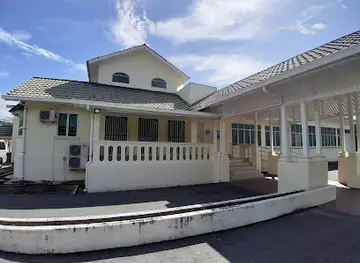
Belait Museum
Explore the cultural heart of Brunei at the Belait Museum, showcasing the district's history, heritage, and oil & gas industry.

Best landmarks in Ulu Belait
Top-rated picks
Best Landmarks
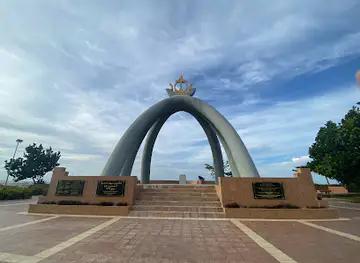
Billionth Barrel Monument
Discover the Billionth Barrel Monument in Seria, a pivotal landmark celebrating Brunei's oil heritage and its impact on the nation's prosperity.

V-Plaza Hotel
Experience comfort and convenience at V-Plaza Hotel in Kuala Belait, offering riverside views and easy access to local attractions and dining.

Masjid Kampong Pandan
Discover the serene beauty and architectural marvel of Masjid Kampong Pandan, a cultural gem in Kuala Belait, Brunei.

Labi Forest Reserve
Discover Brunei's natural beauty at Labi Forest Reserve: hiking, wildlife, and tranquil waterfalls await in this pristine rainforest escape.

Best restaurants in Ulu Belait
Top-rated picks
Best Restaurants

Excapade Japanese Restaurant Kuala Belait
Discover the essence of authentic Japanese cuisine at Excapade Japanese Restaurant in Kuala Belait – where tradition meets taste.

Kaizen Sushi Kuala Belait
Experience the finest sushi and authentic Japanese dishes at Kaizen Sushi Kuala Belait - A culinary journey awaits!
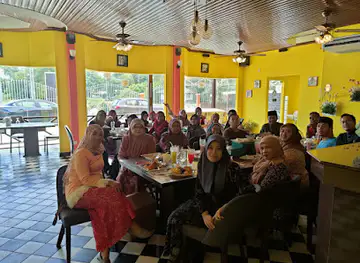
Serikandi Cafe & Restaurant
Experience the rich flavors of Brunei at Serikandi Cafe & Restaurant in Kuala Belait – where local meets international cuisine.

WYWY RESTAURANT
Experience the rich flavors of Brunei at WYWY Restaurant - where local traditions meet global cuisine in a welcoming atmosphere.

Best bars in Ulu Belait
Top-rated picks
Best Bars

V-Plaza Hotel
Experience the perfect blend of comfort and local charm at V-Plaza Hotel in Kuala Belait, offering stunning riverside views and modern amenities.

Kaizen Sushi Kuala Belait
Experience authentic Japanese cuisine at Kaizen Sushi Kuala Belait, where fresh ingredients meet culinary excellence in a captivating atmosphere.

Kaizen Sushi Seria
Experience the authentic taste of Japan at Kaizen Sushi Seria, where fresh sushi and traditional dishes await in a warm, inviting atmosphere.

Beanery & Co.
Explore the unique fusion of local and international flavors at Beanery & Co., Kuala Belait's charming café destination.

Best nightclubs in Ulu Belait
Top-rated picks
Best Nightclubs

Kaizen Sushi Kuala Belait
Discover the authentic taste of Japan at Kaizen Sushi Kuala Belait, where fresh ingredients and traditional recipes create a memorable dining experience.

Silver Jubilee Park
Discover the tranquil beauty of Silver Jubilee Park, a green oasis perfect for relaxation, picnics, and family fun in Kuala Belait.

Liang Lumut Recreational Club
Explore Liang Lumut Recreational Club, a family-friendly destination in Brunei, perfect for leisure, events, and memorable moments amidst stunning landscapes.

Pusat Insani
Discover cultural events and community gatherings at Pusat Insani, the premier event venue in Seria, Brunei.

Best shops in Ulu Belait
Top-rated picks
Best Shops

KB Sentral
Discover shopping, dining, and entertainment at KB Sentral, the premier shopping mall in Kuala Belait, offering a vibrant experience for all visitors.

Happy Star Brunei Souvenir Shop
Explore a delightful array of authentic Bruneian souvenirs and gifts at Happy Star Brunei Souvenir Shop in Bandar Seri Begawan.

Nanyang Photo Trading Company
Explore a magical toy store in Kuala Belait, filled with unique toys and gifts for all ages, perfect for creating lasting memories.

Early Childhood Publications, Brunei
Explore a vibrant selection of educational supplies, art materials, and toys at Early Childhood Publications in Kuala Belait, Brunei.

Explore Ulu Belait on the Map
A handpicked selection of must-see spots in Ulu Belait, mapped for you.
Ulu Belait Essentials
-
Ulu Belait is located in the Belait District of Brunei. The nearest international airport is Brunei International Airport in Bandar Seri Begawan, approximately 100 kilometers away. From the airport, you can take a taxi or rent a car to reach Ulu Belait. The journey typically takes around 1.5 to 2 hours by road. Public buses and shuttle services are also available from the capital to various points in Belait District.
-
Ulu Belait is a relatively remote area, and public transportation options are limited. Renting a car is the most convenient way to explore the area at your own pace. Taxis are available but can be expensive for long distances. For those who prefer not to drive, guided tours are also available and can be arranged through local travel agencies.
-
The official currency of Brunei is the Brunei Dollar (BND). Major credit cards are widely accepted in hotels, restaurants, and larger shops, but it is advisable to carry some cash for smaller establishments and rural areas. ATMs are available in major towns within Ulu Belait, but it's wise to withdraw sufficient cash before venturing into more remote areas.
-
Ulu Belait is generally a safe destination for tourists. However, standard precautions should be taken, such as avoiding isolated areas at night and keeping an eye on personal belongings in crowded places. There are no specific high-crime areas targeting tourists, but it is always best to stay vigilant and aware of your surroundings.
-
In case of emergency, dial 993 for police assistance, 991 for fire emergencies, and 998 for medical emergencies. The nearest hospitals and clinics are located in Seria and Kuala Belait. It is recommended to have travel insurance that covers medical emergencies. Pharmacies are available in major towns for minor health issues and over-the-counter medications.
-
Fashion: Do dress modestly, especially when visiting religious sites. Avoid wearing revealing clothing. Religion: Do respect local customs and traditions. Always remove your shoes when entering mosques and cover your head if required. Public Transport: Do be respectful and give up your seat to elderly passengers. Don't eat or drink on public transport. Greetings: Do greet people with a handshake. A slight bow of the head is also a sign of respect. Eating & Drinking: Do try local delicacies and accept food offerings graciously. Don't refuse hospitality, as it is considered impolite.
-
To experience Ulu Belait like a local, visit the local markets where you can buy fresh produce and traditional Bruneian goods. Engage with locals, as they are often friendly and willing to share stories about the area's history and culture. Don't miss exploring the lush rainforests and enjoying activities such as jungle trekking, river cruises, and bird watching. For a unique experience, participate in a homestay program to immerse yourself in the local way of life.
When is the best time to visit Ulu Belait?
Useful Local Phrases for Ulu Belait
You don't need to speak the language perfectly. Even learning a few simple words can make conversations warmer—and locals usually appreciate the effort.
— Eve

Here are the phrases I use most often in Ulu Belait. Try a few—you'll be surprised how far they go! 😊
❤️
-
- HelloAssalamualaikum
[ah-sah-lah-moo-ah-lay-kum] - GoodbyeSelamat tinggal
[seh-lah-mat teen-gahl] - YesYa
[yah] - NoTidak
[tee-dahk] - Please/You're welcomeSilakan
[see-lah-kahn] - Thank youTerima kasih
[teh-ree-mah kah-see] - Excuse me/SorryMaaf
[mah-ahf] - How are you?Apa khabar?
[ah-pah kah-bar] - Fine. And you?Baik. Dan kamu?
[bye-k dan kah-moo] - Do you speak English?Adakah anda bercakap Inggeris?
[ah-dah-kah an-dah ber-chah-kahm in-gah-ris] - I don't understandSaya tidak faham
[sah-yah tee-dahk fah-hahm]
- HelloAssalamualaikum
-
- I'd like to see the menu, pleaseSaya ingin melihat menu, silakan
[sah-yah in-gin meh-lih-lah menu, see-lah-kahn] - I don't eat meatSaya tidak makan daging
[sah-yah tee-dahk mah-kahn dah-ging] - Cheers!Selamat!
[seh-lah-mat] - I would like to pay, pleaseSaya ingin membayar, silakan
[sah-yah in-gin mem-bah-yar, see-lah-kahn]
- I'd like to see the menu, pleaseSaya ingin melihat menu, silakan
-
- Help!Tolong!
[toh-long] - Go away!Pergi jauh!
[per-gee jah-oo] - Call the Police!Panggil polis!
[pahn-geel poh-lees] - Call a doctor!Panggil doktor!
[pahn-geel dok-tor] - I'm lostSaya sesat
[sah-yah seh-sat] - I'm illSaya sakit
[sah-yah sah-kit]
- Help!Tolong!
-
- I'd like to buy...Saya ingin membeli...
[sah-yah in-gin mem-bay-lee] - I'm just lookingSaya hanya melihat
[sah-yah han-yah meh-lih-lah] - How much is it?Berapa harganya?
[ber-ah-pah har-gah-nya] - That's too expensiveItu terlalu mahal
[ee-too ter-lah-loo mah-hahl] - Can you lower the price?Boleh turunkan harga?
[boh-lay too-roon-kahn har-gah]
- I'd like to buy...Saya ingin membeli...
-
- What time is it?Jam berapa?
[jahm ber-ah-pah] - It's one o'clockJam satu
[jahm sah-too] - Half past (10)Setengah (10)
[seh-teng-ah (10)] - MorningPagi
[pah-gee] - AfternoonPetang
[peh-tang] - EveningMalam
[mah-lahm] - YesterdaySemalam
[seh-mah-lahm] - TodayHari ini
[hah-ree ee-nee] - TomorrowEsok
[eh-sok] - 1Satu
[sah-too] - 2Dua
[doo-ah] - 3Tiga
[tee-gah] - 4Empat
[em-paht] - 5Lima
[lee-mah] - 6Enam
[eh-nahm] - 7Tujuh
[too-joo] - 8Lapan
[lah-pahn] - 9Sembilan
[sem-bee-lahn] - 10Sepuluh
[seh-poo-looh]
- What time is it?Jam berapa?
-
- Where's a/the...?Di mana ...?
[dee mah-nah] - What's the address?Apa alamatnya?
[ah-pah ah-lah-maht-nya] - Can you show me (on the map)?Boleh tunjukkan saya (di peta)?
[boh-lay toon-jook-kahn sah-yah (dee peh-tah)] - When's the next (bus)?Bila bas seterusnya?
[bee-lah bahs seh-too-rus-nya] - A ticket (to ....)Tiket (ke ....)
[tee-ket (keh ....)]
- Where's a/the...?Di mana ...?
History of Ulu Belait
-
The history of Ulu Belait can be traced back to ancient times when indigenous tribes inhabited the area. Archaeological findings suggest that these early settlers engaged in hunting, fishing, and basic agriculture. The dense rainforests provided ample resources for sustenance, and the rivers served as vital transportation routes.
-
During the Sultanate era, Ulu Belait became an integral part of Brunei's expanding empire. The region was known for its natural resources, particularly timber and exotic wildlife, which were highly valued by the Sultanate. The influence of the Sultanate led to the development of trade routes and the establishment of small settlements along the Belait River.
-
In the late 19th and early 20th centuries, Ulu Belait experienced a significant transformation under British colonial rule. The British, interested in exploiting the region’s natural resources, initiated several infrastructure projects, including the construction of roads and bridges. This period also saw the introduction of rubber plantations, which became a major economic activity.
-
The discovery of oil in the early 20th century marked a turning point for Ulu Belait. The region's economy shifted dramatically as oil exploration and extraction began. The establishment of the Seria oil field in 1929 brought in a wave of workers and led to rapid urbanization. Ulu Belait quickly became a focal point for Brunei's burgeoning oil industry.
-
Despite modern developments, Ulu Belait has managed to preserve its rich cultural heritage. Traditional practices, such as weaving and pottery, are still practiced by the local communities. Festivals and ceremonies, deeply rooted in indigenous traditions, are celebrated with great enthusiasm, showcasing the region's cultural diversity and historical continuity.
-
Ulu Belait is renowned for its breathtaking natural attractions. The Labi Hills Forest Reserve and the Sungai Liang Forest Recreation Park offer a glimpse into the region’s pristine environment. These areas are home to a diverse range of flora and fauna, some of which are endemic to Brunei. The natural beauty of Ulu Belait plays a crucial role in its historical and cultural narrative.
Neighbouring Regions of Ulu Belait
The closest regions to Ulu Belait, if you have time for more than one.




Your all‑in‑one travel companion app
Explore expert travel guides, compare and book tours, experiences, hotels, and more—all from the palm of your hand. Download now for seamless trip planning wherever your wanderlust takes you.


Explore More of Brunei

Looking beyond Ulu Belait? Discover Brunei for broader travel guides, local hot-spots, and regional highlights.
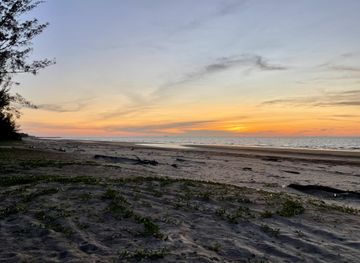
Explore BruneiUlu Belait in Photos
Browse through our photo collection highlighting the charm and character of the destination.


The Untouched Splendor of Ulu Belait
Ulu Belait, nestled in the heart of Brunei, is a hidden gem waiting to be discovered by adventurous travelers. This pristine area offers a unique blend of natural beauty, rich biodiversity, and cultural heritage. The lush rainforests, winding rivers, and serene landscapes provide the perfect setting for those seeking an escape from the hustle and bustle of city life. The Ulu Temburong National Park, which extends into Ulu Belait, is a must-visit for nature enthusiasts. The park is home to a diverse range of flora and fauna, including some rare and endangered species. Visitors can enjoy guided tours, canopy walks, and even boat rides along the river to fully immerse themselves in the natural surroundings. In addition to its natural wonders, Ulu Belait also offers a glimpse into the local culture and way of life. Traditional villages dot the landscape, where visitors can learn about the customs and traditions of the indigenous people. The warm hospitality of the locals adds an extra layer of charm to this already captivating destination.