

Belait District, Brunei Travel Guide
Explore Belait District: Brunei's largest district, where lush landscapes, rich history, and vibrant culture create an unforgettable travel experience.
Belait District, the largest and westernmost district of Brunei, is a treasure trove of natural beauty, rich culture, and unique attractions. This district is home to the bustling town of Kuala Belait and the serene coastal village of Seria, making it a diverse destination that caters to both adventure seekers and those looking for a peaceful retreat. One of the highlights of a visit to Belait District is the iconic Oil and Gas Discovery Centre in Seria. Here, you can learn about Brunei's vital oil industry through interactive exhibits and displays. The nearby Billionth Barrel Monument, celebrating Brunei's billionth barrel of oil, is another must-see landmark. Nature lovers will be enchanted by the lush landscapes and pristine beaches. Sungai Liang Forest Recreation Park offers a serene environment for picnics and nature walks, while the pristine beaches of Lumut and Seria provide perfect spots for relaxation and water activities. Cultural enthusiasts will appreciate a visit to the Labi Longhouses, where you can experience traditional lifestyles and local hospitality. The district is also known for its vibrant local markets, where you can sample delicious Bruneian delicacies and shop for unique souvenirs. With its blend of natural wonders, rich history, and cultural experiences, Belait District is a destination that promises an unforgettable journey for every traveler.

Know before you go
Hi, I'm Eve. Here are a few practical things to know before exploring Belait District.
- Visit the Oil and Gas Discovery Centre in Seria to understand Brunei's oil industry.
- Take a stroll through Sungai Liang Forest Recreation Park for a peaceful nature experience.
- Explore the Labi Longhouses to get a taste of traditional Bruneian culture.
- Relax at the pristine beaches of Lumut and Seria for some sun and sea.
- Don't miss the local markets for delicious food and unique souvenirs.
Top City Travel Guides in Belait District
The cities of Belait District, and the easiest places to base yourself.


Destinations in Belait District
Resorts, valleys and scenic spots worth a trip of their own.


Explore Belait District: Things to Do, Places to Eat, Hotels & More
Handpicked recommendations for top attractions, local dining, accommodations, and more

Top Attractions & Sightseeing in Belait District
Top-rated picks
Best Attractions

Masjid Kampong Pandan
Discover Masjid Kampong Pandan in Kuala Belait: A stunning mosque, cultural landmark, and tranquil retreat for all visitors.

Labi Forest Reserve
Discover Brunei's hidden gem: Labi Forest Reserve, a sanctuary of biodiversity, serene landscapes, and untouched rainforests.

Silver Jubilee Park
Escape to tranquility at Silver Jubilee Park in Kuala Belait, a lush green space perfect for relaxation, recreation, and enjoying Brunei's natural beauty.

Tea-Pot Roundabout
Discover the iconic Tea-Pot Roundabout in Kuala Belait, a symbol of Brunei's tea culture and the Sultan's unifying love for his people.

Best landmarks in Belait District
Top-rated picks
Best Landmarks

Istana Nurul Iman
Discover Istana Nurul Iman, the world's largest royal residence, a symbol of Brunei's rich heritage and Islamic architecture, open to the public during Hari Raya.

Billionth Barrel Monument
Explore the Billionth Barrel Monument, a landmark celebrating Brunei's oil heritage and an essential stop for tourists seeking cultural insights.

Masjid Kampong Pandan
Discover the serene beauty and architectural splendor of Masjid Kampong Pandan, a cultural gem in Kuala Belait, Brunei.

Labi Forest Reserve
Discover the breathtaking beauty of Labi Forest Reserve in Brunei, a sanctuary of lush greenery and vibrant wildlife waiting to be explored.

Best restaurants in Belait District
Top-rated picks
Best Restaurants

Excapade Japanese Restaurant Kuala Belait
Experience authentic Japanese flavors at Excapade Japanese Restaurant in Kuala Belait - where tradition meets taste.

Excapade Japanese Restaurant Seria
Experience authentic Japanese cuisine at Excapade Japanese Restaurant in Seria - where tradition meets taste.

WYWY RESTAURANT
Experience the rich flavors of Brunei at WYWY Restaurant in Kuala Belait – where culinary tradition meets modern dining.
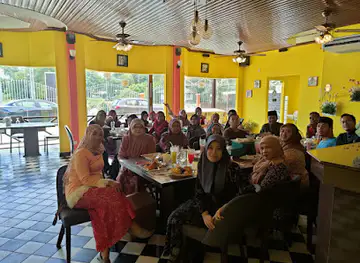
Serikandi Cafe & Restaurant
Experience the best of Bruneian cuisine at Serikandi Cafe & Restaurant in Kuala Belait - where every meal tells a story.

Best bars in Belait District
Top-rated picks
Best Bars

V-Plaza Hotel
Discover comfort and convenience at V-Plaza Hotel in Kuala Belait, the perfect base for your Brunei adventure.

Kaizen Sushi Kuala Belait
Discover the exquisite flavors of Japan at Kaizen Sushi Kuala Belait, where fresh ingredients meet authentic culinary artistry.

Kaizen Sushi Seria
Experience authentic Japanese cuisine at Kaizen Sushi Seria - a culinary gem in Seria, Brunei that promises delightful flavors and a warm atmosphere.

Beanery & Co.
Experience the inviting ambiance and delightful menu at Beanery & Co., a must-visit café in Kuala Belait for every traveler.

Best nightclubs in Belait District
Top-rated picks
Best Nightclubs

The Empire Brunei
Experience unparalleled luxury at The Empire Brunei, where opulence meets natural beauty for an unforgettable getaway.

Labi Forest Reserve
Discover the tranquility of Labi Forest Reserve, a natural gem in Brunei, offering breathtaking landscapes and rich biodiversity amidst lush greenery.

Liang Lumut Recreational Club
Experience leisure and family fun at Liang Lumut Recreational Club, a perfect location for events and relaxation in the heart of Lumut.

The Refinery
Experience top-notch martial arts training in Kuala Belait at The Refinery, where every skill level is welcomed for an enriching journey.

Best shops in Belait District
Top-rated picks
Best Shops

KB Sentral
Experience the best of shopping and dining at KB Sentral, Kuala Belait’s premier shopping destination with diverse options for every visitor.

Billionth Barrel Monument
Explore the Billionth Barrel Monument, a landmark celebrating Brunei's oil heritage, where history and stunning views meet in Seria.

Soon Lee Mega Mart
Experience the heart of local shopping at Soon Lee Mega Mart in Kampung Sungai Liang, where Bruneian culture meets everyday convenience.

Labi Forest Reserve
Discover the enchanting Labi Forest Reserve, a serene haven of biodiversity and nature in Brunei that promises tranquility and adventure for all visitors.

Explore Belait District on the Map
A handpicked selection of must-see spots in Belait District, mapped for you.
Belait District Essentials
-
Belait District is located in the western part of Brunei. The nearest international airport is Brunei International Airport in Bandar Seri Begawan. From the airport, you can take a taxi or rent a car to reach Belait District, which is approximately 100 kilometers away. The journey typically takes around 1.5 to 2 hours by road. There are also bus services available from Bandar Seri Begawan to Belait District, providing a cost-effective option for travelers.
-
Within Belait District, transportation options include taxis, buses, and rental cars. Taxis are readily available and can be hailed on the street or booked via phone. Public buses operate on fixed routes and are an economical way to get around. For greater flexibility, renting a car allows you to explore the district at your own pace. Many roads are well-maintained, making driving a convenient option.
-
The official currency in Brunei is the Brunei Dollar (BND), which is interchangeable at par with the Singapore Dollar (SGD). Credit and debit cards are widely accepted in hotels, restaurants, and larger shops. However, it is advisable to carry some cash for smaller establishments and markets. ATMs are available throughout Belait District, and most accept international cards.
-
Belait District is generally safe for tourists. However, it is always prudent to take standard precautions. Avoid walking alone at night in unfamiliar areas and keep an eye on your belongings in crowded places. While Belait District does not have specific high-crime areas targeting tourists, staying vigilant and aware of your surroundings is always recommended.
-
In case of emergency, dial 993 for police assistance or 991 for medical emergencies. The district has several police stations and medical facilities that are well-equipped to handle emergencies. It is advisable to have travel insurance that covers medical emergencies. For minor health issues, there are pharmacies available where you can purchase over-the-counter medications.
-
Fashion: Do dress modestly, covering your shoulders and knees, especially when visiting religious or cultural sites. Avoid wearing revealing clothing. Religion: Do respect local customs and traditions. Remove your shoes before entering mosques and dress conservatively. Public Transport: Do be respectful and give up your seat to elderly passengers. Don’t eat or drink on public transport. Greetings: Do greet people with a smile and a slight nod. Handshakes are common but use your right hand. Eating & Drinking: Do try local delicacies and accept food offerings graciously. Don’t refuse hospitality, as it is considered impolite.
-
To experience Belait District like a local, visit the local markets where you can buy fresh produce and traditional Bruneian goods. Engage with locals, as they are often friendly and willing to share stories about the district's history and culture. Don’t miss visiting the beautiful beaches and exploring the lush forests. For a unique experience, attend a local festival or cultural event to immerse yourself in the local traditions.
When is the best time to visit Belait District?
Useful Local Phrases for Belait District
You don't need to speak the language perfectly. Even learning a few simple words can make conversations warmer—and locals usually appreciate the effort.
— Eve

Here are the phrases I use most often in Belait District. Try a few—you'll be surprised how far they go! 😊
❤️
-
- HelloSalam
[sah-lahm] - GoodbyeSelamat tinggal
[suh-lah-maht tin-gahl] - YesYa
[yah] - NoTidak
[tee-dahk] - Please/You're welcomeSilakan
[see-lah-kahn] - Thank youTerima kasih
[teh-ree-mah kah-see] - Excuse me/SorryMaaf
[mah-ahf] - How are you?Apa khabar?
[ah-pah kah-bar] - Fine. And you?Baik. Dan kamu?
[bye-k. dahn kah-moo] - Do you speak English?Adakah kamu bercakap bahasa Inggeris?
[ah-dah-kah kah-moo ber-chah-kahp bah-hah-sah ing-geh-ris] - I don't understandSaya tidak faham
[sah-yah tee-dahk fah-hahm]
- HelloSalam
-
- I'd like to see the menu, pleaseSaya ingin melihat menu, silakan
[sah-yah in-gin meh-lih-hat meh-noo, see-lah-kahn] - I don't eat meatSaya tidak makan daging
[sah-yah tee-dahk mah-kahn dah-ging] - Cheers!Selamat!
[suh-lah-maht] - I would like to pay, pleaseSaya ingin membayar, silakan
[sah-yah in-gin mem-bah-yar, see-lah-kahn]
- I'd like to see the menu, pleaseSaya ingin melihat menu, silakan
-
- Help!Tolong!
[toh-long] - Go away!Pergi jauh!
[per-gee jah-oo] - Call the Police!Panggil polis!
[pahn-gil poh-lis] - Call a doctor!Panggil doktor!
[pahn-gil dok-tor] - I'm lostSaya sesat
[sah-yah seh-saht] - I'm illSaya sakit
[sah-yah sah-kit]
- Help!Tolong!
-
- I'd like to buy...Saya ingin beli...
[sah-yah in-gin beh-lee] - I'm just lookingSaya hanya melihat
[sah-yah han-yah meh-lih-hat] - How much is it?Berapa harganya?
[beh-rah-pah har-gah-nya] - That's too expensiveItu terlalu mahal
[ee-too ter-lah-loo mah-hal] - Can you lower the price?Bolehkah kamu turunkan harga?
[boh-leh-kah kah-moo too-run-kahn har-gah]
- I'd like to buy...Saya ingin beli...
-
- What time is it?Pukul berapa?
[poo-kool beh-rah-pah] - It's one o'clockPukul satu
[poo-kool sah-too] - Half past (10)Setengah (10)
[seh-teng-ah (sepuluh)] - MorningPagi
[pah-gee] - AfternoonPetang
[peh-tahng] - EveningMalam
[mah-lahm] - YesterdaySemalam
[seh-mah-lahm] - TodayHari ini
[hah-ree ee-nee] - TomorrowEsok
[eh-sok] - 1Satu
[sah-too] - 2Dua
[doo-ah] - 3Tiga
[tee-gah] - 4Empat
[em-pah-t] - 5Lima
[lee-mah] - 6Enam
[eh-nahm] - 7Tujuh
[too-joo] - 8Lapan
[lah-pahn] - 9Sembilan
[sem-bee-lahn] - 10Sepuluh
[seh-pool-oo]
- What time is it?Pukul berapa?
-
- Where's a/the...?Di mana ada...?
[dee mah-nah ah-dah] - What's the address?Apa alamatnya?
[ah-pah ah-lah-maht-nya] - Can you show me (on the map)?Bolehkah kamu tunjukkan (di peta)?
[boh-leh-kah kah-moo toon-jook-kahn (dee peh-tah)] - When's the next (bus)?Bila bas seterusnya?
[bee-lah bahs seh-teh-roos-nya] - A ticket (to ....)Sebuah tiket (ke ....)
[seh-boo-ahh tee-ket (keh)]
- Where's a/the...?Di mana ada...?
History of Belait District
-
Belait District, known locally as Daerah Belait, is the largest district in Brunei. The district takes its name from the Belait people, one of the indigenous groups in Brunei. Historically, the Belait people were known for their craftsmanship and trade, specifically in the production of sago and other agricultural products.
-
Kuala Belait, the capital of Belait District, has played a significant role in Brunei's economic development. In the early 20th century, the discovery of oil in the district transformed it into an economic hub. The Seria Oil Field, discovered in 1929, is one of the oldest and most productive oil fields in Southeast Asia. This discovery has had a lasting impact on the district's infrastructure and population growth.
-
The Belait District is home to several indigenous communities, including the Belait, Kedayan, and Dusun tribes. These communities have rich traditions, including unique dances, music, and rituals. The 'Adau Gayoh' festival, celebrated by the Belait people, is a significant cultural event that marks the end of the rice harvesting season with traditional songs, dances, and feasts.
-
During World War II, Belait District, like the rest of Brunei, was occupied by Japanese forces from 1941 to 1945. The period was marked by hardship and resistance. Several historical sites, including memorials and former military installations, serve as reminders of this turbulent period in the district's history.
-
After World War II, Belait District underwent significant reconstruction and development. The district's infrastructure, including roads, schools, and hospitals, was rebuilt and expanded. The oil industry continued to play a crucial role in the district's economy, attracting workers and leading to the growth of towns like Seria and Kuala Belait.
-
Belait District is home to several cultural heritage sites that showcase its rich history. The Sungai Liang Forest Recreation Park, for example, offers a glimpse into the district's natural heritage with its diverse flora and fauna. The Labi Longhouses provide insight into traditional communal living, where several families reside under one roof, maintaining their cultural practices and social structures.
-
Today, Belait District is a blend of modernity and tradition. While the oil industry remains a cornerstone of its economy, the district has diversified into other sectors such as tourism, agriculture, and education. The district's modern amenities coexist with its traditional customs, providing a unique experience for visitors.
Neighbouring Regions of Belait District
The closest regions to Belait District, if you have time for more than one.




Your all‑in‑one travel companion app
Explore expert travel guides, compare and book tours, experiences, hotels, and more—all from the palm of your hand. Download now for seamless trip planning wherever your wanderlust takes you.


Explore More of Brunei

Looking beyond Belait District? Discover Brunei for broader travel guides, local hot-spots, and regional highlights.
Explore BruneiBelait District in Photos
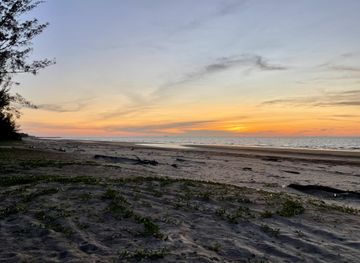
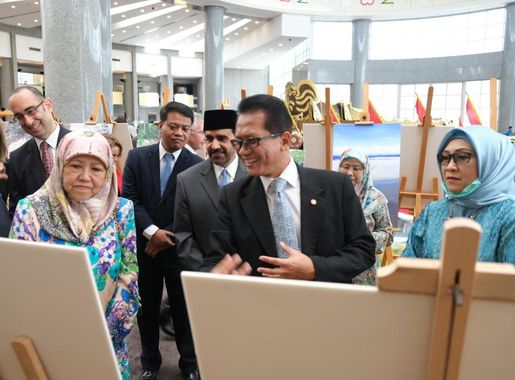
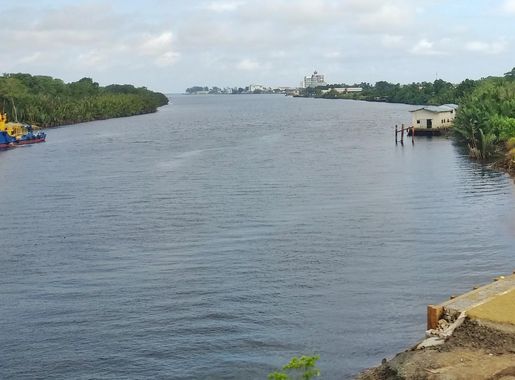
Browse through our photo collection highlighting the charm and character of the destination.




Discover the Hidden Gems of Belait District
Belait District, the largest and westernmost district of Brunei, is a treasure trove of natural beauty, rich culture, and unique attractions. This district is home to the bustling town of Kuala Belait and the serene coastal village of Seria, making it a diverse destination that caters to both adventure seekers and those looking for a peaceful retreat. One of the highlights of a visit to Belait District is the iconic Oil and Gas Discovery Centre in Seria. Here, you can learn about Brunei's vital oil industry through interactive exhibits and displays. The nearby Billionth Barrel Monument, celebrating Brunei's billionth barrel of oil, is another must-see landmark. Nature lovers will be enchanted by the lush landscapes and pristine beaches. Sungai Liang Forest Recreation Park offers a serene environment for picnics and nature walks, while the pristine beaches of Lumut and Seria provide perfect spots for relaxation and water activities. Cultural enthusiasts will appreciate a visit to the Labi Longhouses, where you can experience traditional lifestyles and local hospitality. The district is also known for its vibrant local markets, where you can sample delicious Bruneian delicacies and shop for unique souvenirs. With its blend of natural wonders, rich history, and cultural experiences, Belait District is a destination that promises an unforgettable journey for every traveler.