Archaeological Museum Burgas: Unveiling Ancient Treasures
Explore ancient Thracian, Greek, and Roman history at Burgas' Archaeological Museum, showcasing artifacts from the region's rich cultural past.
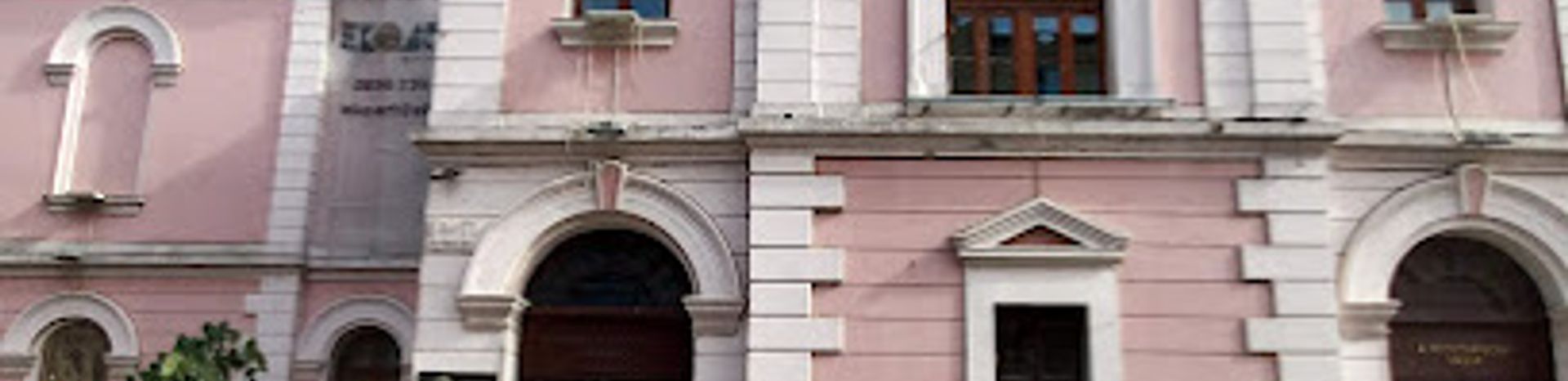
Delve into the rich history of the Burgas region at the Archaeological Museum, showcasing artifacts from Thracian, Greek, Roman, and Byzantine eras. Located in a historic 1894 girls' school, the museum offers a captivating journey through time with exhibits including ancient pottery, jewelry, and the earliest statue found in Bulgaria.
A brief summary to Archaeological Museum Burgas
- bul. Aleko Bogoridi 21, Burgas, Бургас Център, 8000, BG
- +35956843541
- Visit website
Local tips
- Visit during the week to avoid larger crowds, especially during peak tourist season.
- Allocate at least two hours to fully explore the museum's extensive collection of artifacts.
- Check for temporary exhibitions to see if there are any special or new displays during your visit.
- Take advantage of guided tours offered for deeper insights into the exhibits and historical context.
- Photography may be restricted in certain areas, so check the rules before taking pictures.

Getting There
-
Walking
The Archaeological Museum is centrally located on Aleko Bogoridi street, a pedestrian zone in the heart of Burgas. From most central locations like the Sea Garden or the main square ( площад Тройката), it's easily reachable on foot. Simply head towards Aleko Bogoridi street; the museum is located at number 21.
-
Public Transport
Burgas has an extensive public transportation network. Several bus lines stop near the city center. Take a bus to the 'Burgas Center' stop. From there, walk towards Aleko Bogoridi street. The museum is a short walk away at bul. Aleko Bogoridi 21. A single bus fare costs around 1.50 BGN.
-
Taxi
Taxis are readily available in Burgas. Ask your driver to take you to the Archaeological Museum on Aleko Bogoridi street. A short taxi ride within the city center typically costs between 5 and 10 BGN. Several taxi companies operate in Burgas, including Eko Taxi, Burgas Taxi and Orion Taxi.
Discover more about Archaeological Museum Burgas
Iconic landmarks you can’t miss

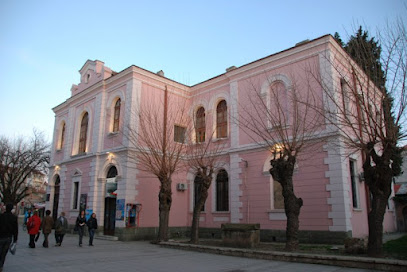
History Museum Burgas
0.1 km
Discover the captivating history of Burgas through its rich collections of archaeological, ethnographic, and natural history artifacts.
Holy Cross
0.1 km
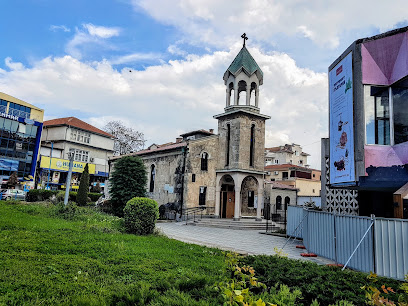
Discover the serene Holy Cross Armenian Church in Burgas, a historical landmark reflecting the city's diverse cultural heritage.
Burgas Free Tour
0.2 km
Experience the rich history and vibrant culture of Burgas through the captivating Burgas Free Tour, a must-do for every traveler visiting this coastal gem.
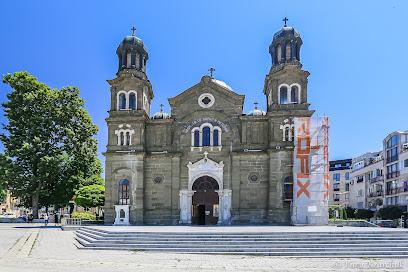
Church Saints Cyril and Methodius
0.3 km
Explore the serene beauty of the Church of Saints Cyril and Methodius, a must-visit Orthodox church in the heart of Burgas, rich in history and artistry.
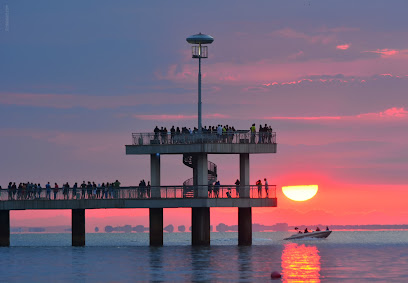
Burgas
0.4 km
Experience the charm of Burgas, a vibrant coastal city where stunning beaches meet rich culture and lively nightlife.
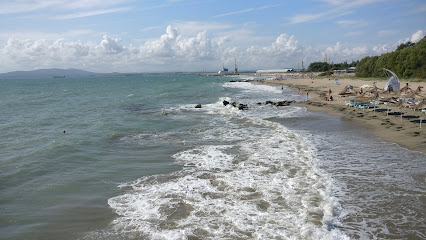
Central Beach Burgas
0.6 km
Discover the allure of Central Beach Burgas, where golden sands meet vibrant culture and exhilarating beach activities await every visitor.
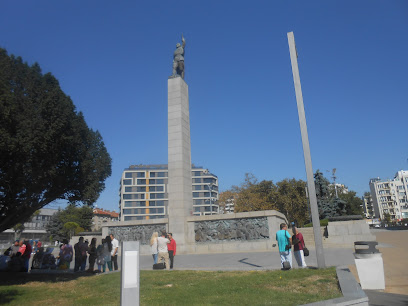
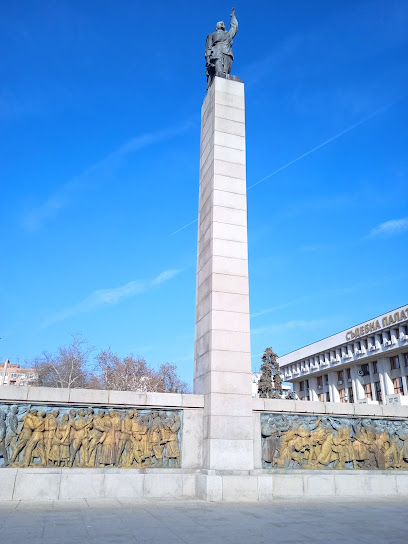
Alyosha Monument
0.6 km
Explore the historic Alyosha Monument in Burgas, a significant memorial honoring World War II heroes, set in a vibrant central square.
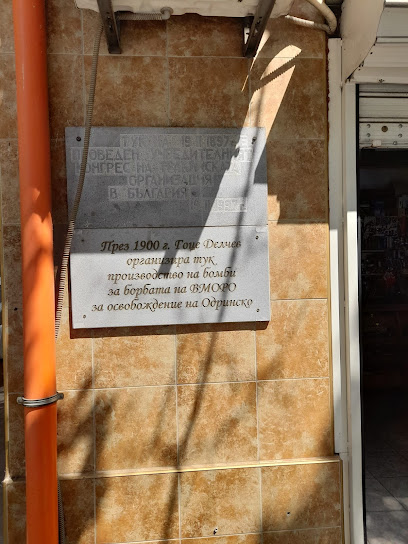
Паметни плочи на ВМОРО и Гоце Делчев
0.8 km
Honoring Macedonian and Thracian heroes in Burgas: Plaques commemorating VMRO activists and Gotse Delchev's revolutionary work.
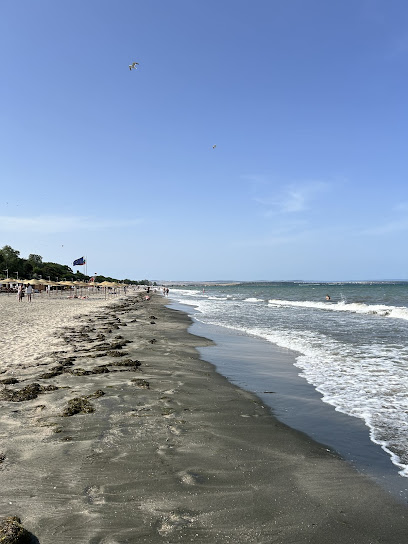
Burgas Beach
1.1 km
Discover the beauty of Burgas Beach, a stunning coastal paradise along the Black Sea, perfect for relaxation and adventure.
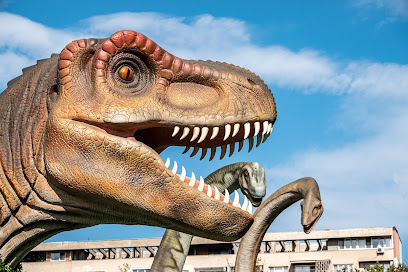
Dino Park
1.8 km
Explore the wonders of the prehistoric world at Dino Park in Burgas, where thrilling rides meet educational experiences for the whole family.
Burgas Bay
6.9 km
Discover the beauty of Burgas Bay: pristine beaches, vibrant culture, and unforgettable sunsets on Bulgaria's stunning Black Sea coast.
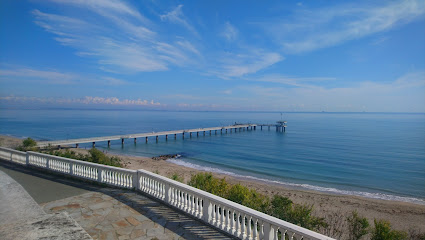
Зоопарк Бургас
12.2 km
Explore the enchanting Burgas Zoo, home to diverse wildlife and engaging educational experiences for families and animal lovers in Bulgaria.
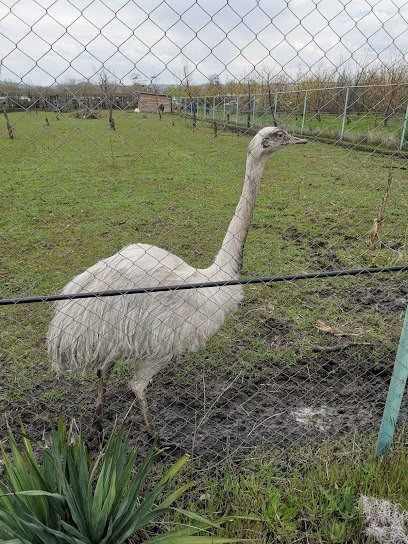
WW2 bunkers of Pomorie
13.4 km
Unearth the remnants of history at the WW2 bunkers in Pomorie, Bulgaria, and connect with the past along the beautiful Black Sea coast.
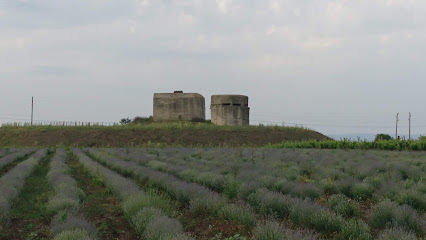
"Saint George" Monastery
14.3 km
Explore the serene beauty of Saint George Monastery in Pomorie, Bulgaria, a peaceful retreat for spiritual reflection and cultural appreciation.
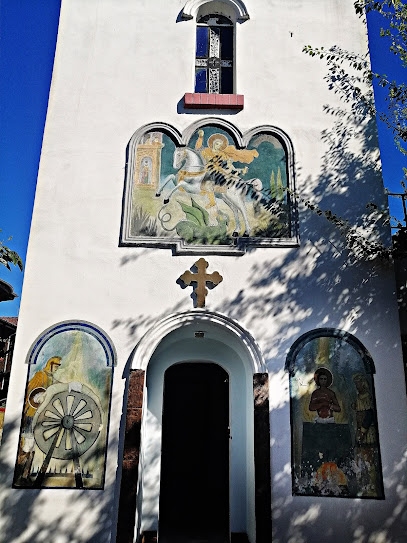
Акве калиде – Термополис
14.7 km
Experience the healing waters and rich history of Aqua Calidae Thermal Baths in Burgas, Bulgaria - a true oasis of relaxation and cultural heritage.
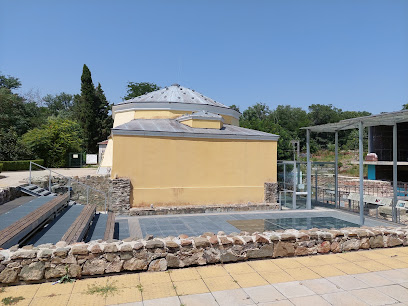
Unmissable attractions to see

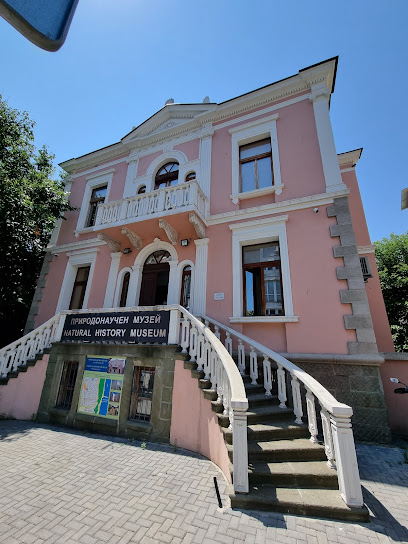
Natural History Museum of Burgas
0.1 km
Explore the Natural History Museum of Burgas - a treasure trove of Bulgaria's biodiversity and a must-visit attraction for nature lovers and families.
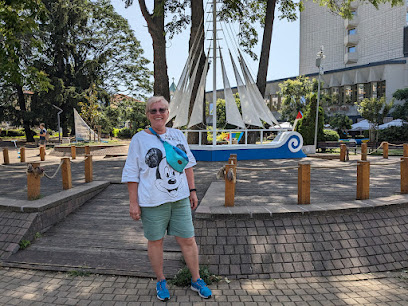
Wasserspiele
0.2 km
Discover the captivating Wasserspiele in Burgas, a stunning water attraction perfect for relaxation and enjoyment amidst the city's vibrant atmosphere.
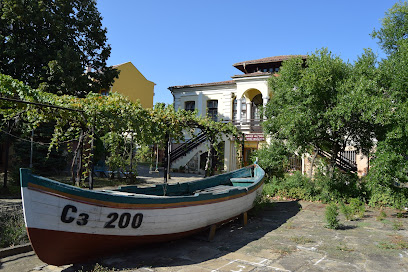
Ethnographic Museum Burgas
0.3 km
Explore the Ethnographic Museum Burgas, a cultural gem revealing the rich traditions and history of Bulgaria through captivating exhibits.
Art House
0.3 km
Explore the vibrant art scene at Art House in Burgas, a cultural hotspot showcasing local talent and creativity.
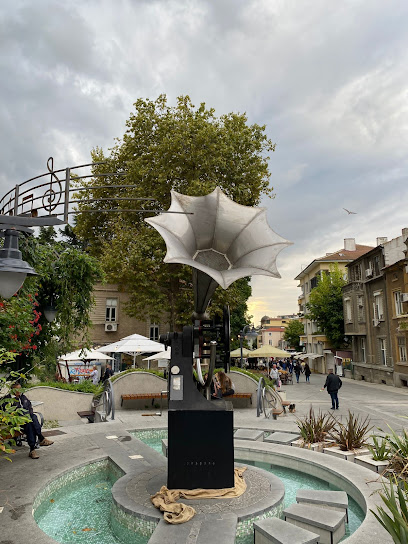
Gramophone
0.4 km
Experience the vibrant culture and culinary delights of Burgas at Gramophone, a must-visit tourist attraction in Bulgaria.
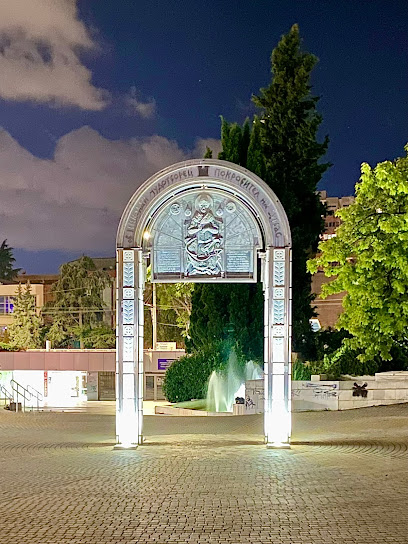
Arch of St. Nicholas the Miracleworker
0.4 km
Explore the Arch of St. Nicholas the Miracleworker, a stunning Burgas landmark that embodies history, culture, and architectural beauty.
Вход за бункера под морската
0.6 km
Explore a quirky fusion of history and art at Burgas Central Beach's submarine bunker, a vibrant landmark reborn as a marine-themed masterpiece.

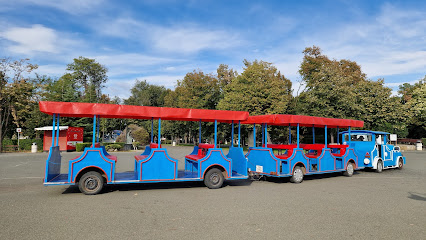
Tourist Attraction Train Burgas
0.6 km
Explore Burgas' Sea Garden in comfort and style aboard the delightful Tourist Attraction Train, a perfect ride for all ages.
Burgas rock docks
0.6 km
Explore the serene beauty of Burgas Rock Docks, a picturesque coastal attraction with breathtaking views and a tranquil atmosphere perfect for relaxation.
The Sea Garden
0.6 km
Explore the lush landscapes and scenic views of The Sea Garden in Burgas, a perfect blend of nature and culture along the Black Sea coast.
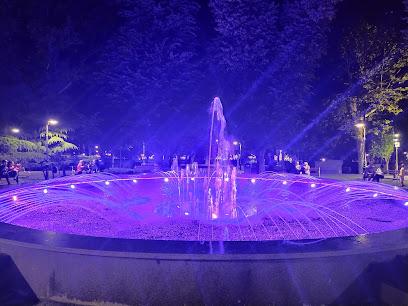
Free Flight Paragliding Burgas
0.7 km
Experience the thrill of paragliding in Burgas and enjoy stunning views of the Black Sea coast from above, an unforgettable adventure awaits!
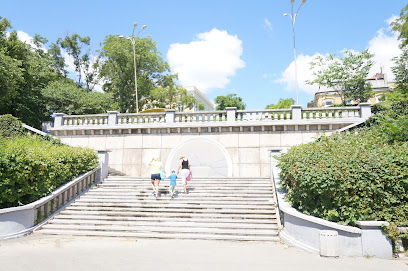
Ship - Attraction "Anastasia"
0.8 km
Experience the maritime heritage and stunning coastal beauty at Ship - Attraction Anastasia in Burgas, a must-visit destination for every traveler.
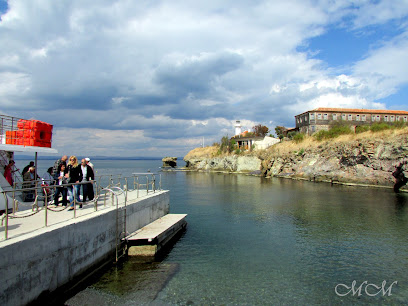
Mushroom Fountain
0.8 km
Explore the magical Mushroom Fountain in Burgas, a unique artistic landmark surrounded by lush greenery, perfect for relaxation and stunning photographs.
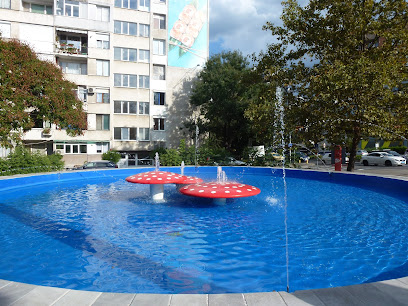
The Pier of Burgas
0.9 km
Discover the serene beauty of the Pier of Burgas, where stunning sea views meet vibrant local culture in a perfect seaside retreat.
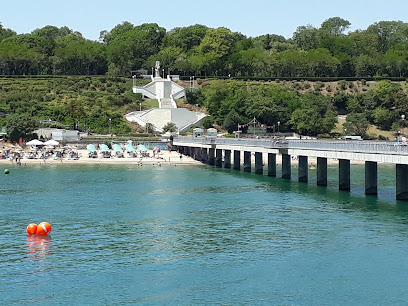
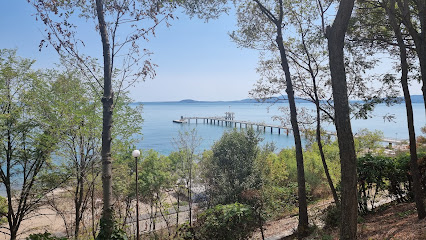
Sea Tower
0.9 km
Experience breathtaking views and rich maritime history at the Sea Tower, Burgas's iconic landmark by the Black Sea.
Essential places to dine

Cardamon Soul Food & Drinks
0.1 km
Experience vibrant flavors at Cardamon Soul Food & Drinks in Burgas - where every bite tells a story.
Diverso
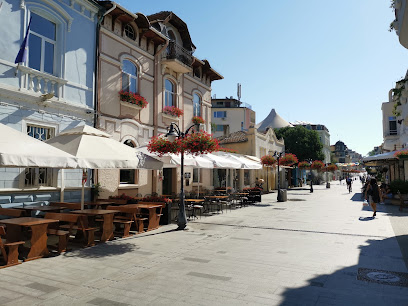
0.2 km
Experience exquisite dining at Diverso in Burgas - where local flavors meet international cuisine in a vibrant atmosphere.
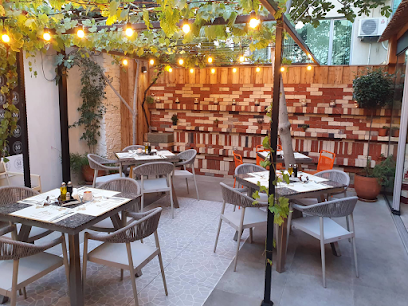
Restorant Bulgaria
0.2 km
Discover authentic Bulgarian flavors at Restorant Bulgaria in Burgas – where tradition meets modern culinary art.
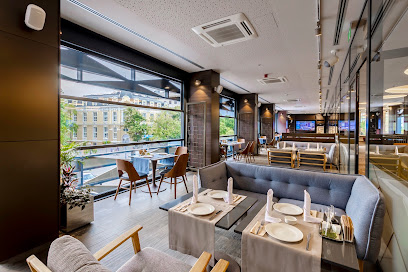
A LA CARTE RESTAURANT at Hotel Bulgaria
0.2 km
Experience the flavors of Bulgaria at A LA CARTE RESTAURANT in Burgas - where local ingredients meet culinary excellence.
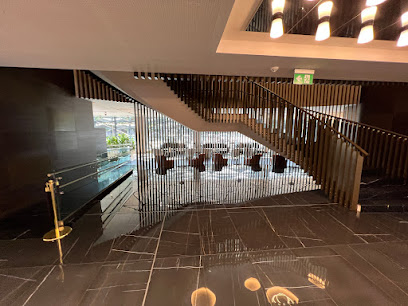
The Old Pub
0.2 km
Discover authentic Bulgarian flavors at The Old Pub in Burgas, where tradition meets hospitality in every dish.
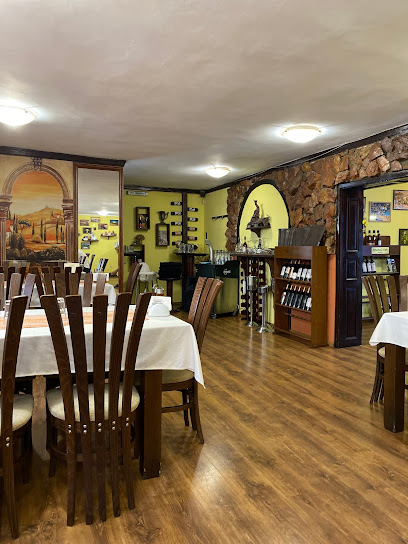
Ethno Restaurant Burgas
0.3 km
Discover authentic Bulgarian cuisine at Ethno Restaurant Burgas - where tradition meets flavor in a cozy atmosphere.
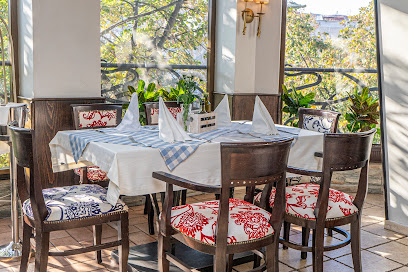
Ti Bar & Kitchen - ресторант и бар в Бургас
0.3 km
Discover the vibrant flavors of modern European cuisine at Ti Bar & Kitchen in Burgas - your ultimate dining destination.
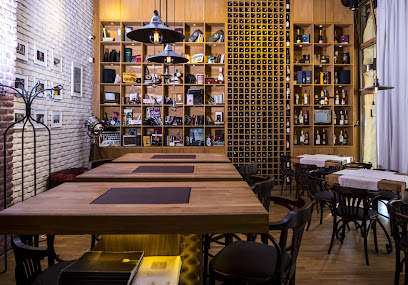
8 Mamas
0.4 km
Experience authentic Bulgarian flavors at 8 Mamas in Burgas – a culinary gem that combines tradition with modern dining.
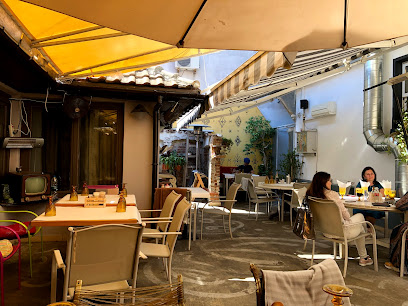
Restaurant Gramophone
0.4 km
Experience exquisite Mediterranean flavors at Restaurant Gramophone in Burgas – where Italian culinary tradition meets modern European flair.
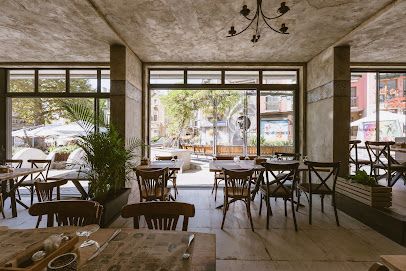
Zlatna ribka
0.4 km
Discover Zlatna Ribka in Burgas for an unforgettable seafood dining experience infused with local Bulgarian flavors.
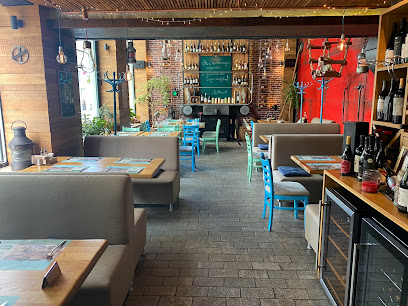
Allegro
0.4 km
Discover authentic Bulgarian cuisine at Allegro Bistro in Burgas - a cozy dining destination filled with flavor and warmth.
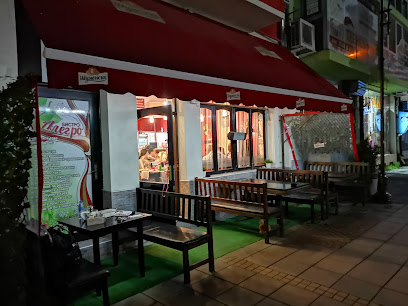
Romance Pub & Pizza
0.4 km
Savor delicious pizzas in the heart of Burgas at Romance Pub & Pizza – where every bite is a slice of heaven.
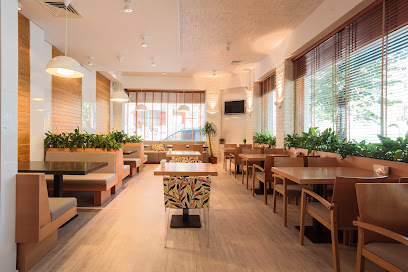
Golden Anchor
0.4 km
Experience the best of Burgas' culinary scene at Golden Anchor – where local flavors meet international cuisine in an inviting atmosphere.
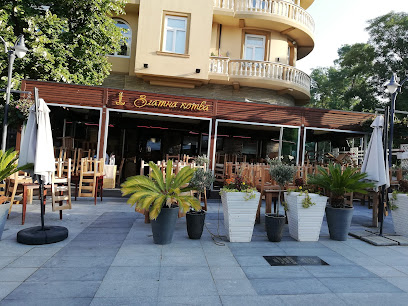
Tony GiGi Burgas
0.4 km
Experience authentic Bulgarian flavors at Tony GiGi in Burgas – where tradition meets taste in every dish.
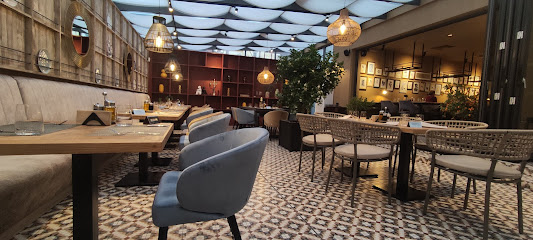
Incanto restaurant
0.5 km
Discover the exquisite flavors of Asian fusion and Italian cuisine at Incanto Restaurant in Burgas - where every meal is a celebration.
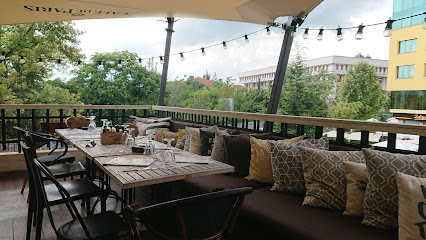
Markets, malls and hidden boutiques

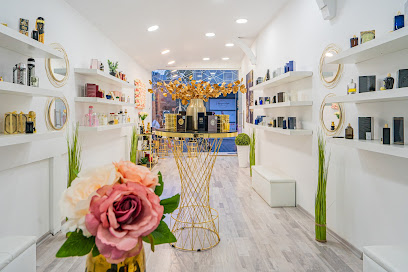
The Dubai Perfumery Burgas
0.1 km
Explore a world of exquisite scents at The Dubai Perfumery Burgas, offering luxury perfumes and cosmetics in the heart of Bulgaria's coastal city.
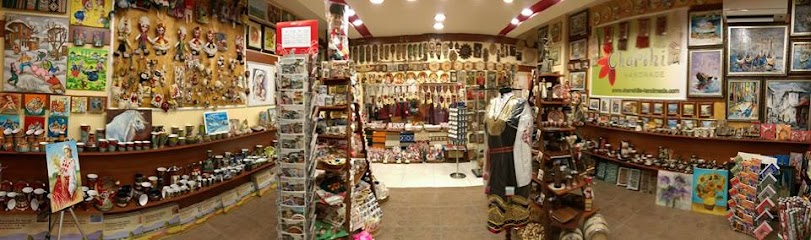
Gift Shop "Charshia"
0.2 km
Explore Charshia Gift Shop in Burgas for unique handmade souvenirs and artistic treasures that embody Bulgarian culture.
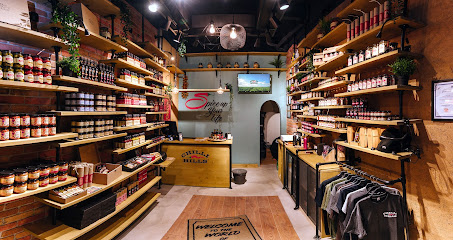
Chilli Hills - Burgas
0.3 km
Explore the essence of Bulgarian culture at Chilli Hills, Burgas' premier gift basket store offering local delicacies and unique souvenirs.
GiftShop
0.3 km
Explore GiftShop in Burgas for authentic Bulgarian souvenirs and unique gifts, capturing the essence of local culture and craftsmanship.
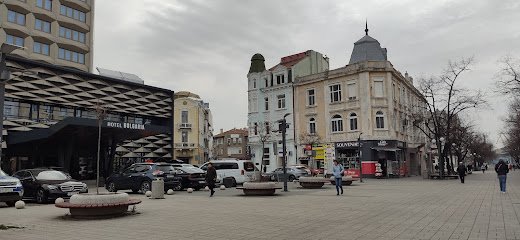
German Shopping Center Burgas
0.3 km
Discover fashion and style at the German Shopping Center Burgas, your premier destination for trendy clothing and unique shopping experiences.
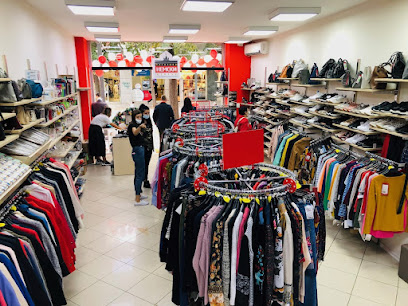
Unique Gold
0.3 km
Explore Unique Gold in Burgas - a treasure trove of exquisite jewelry that combines artistry with elegance, perfect for every occasion.
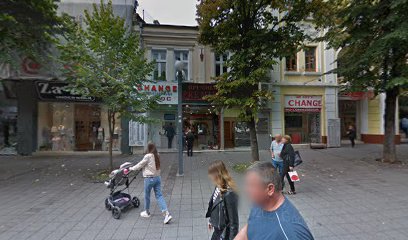
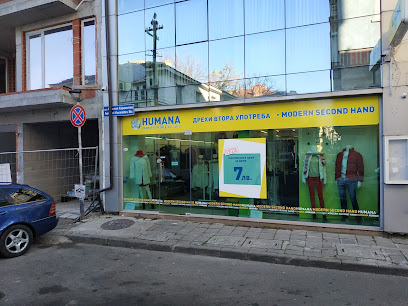
Humana second hand shop
0.4 km
Explore the vibrant Humana Second Hand Shop in Burgas for unique fashion finds and a sustainable shopping experience.
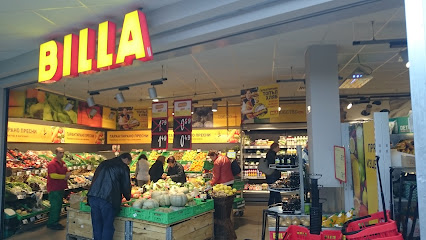
Shopping center Pirgos Style
0.4 km
Experience the best of Burgas shopping at Pirgos Style, where modern retail meets delightful dining in a vibrant atmosphere.
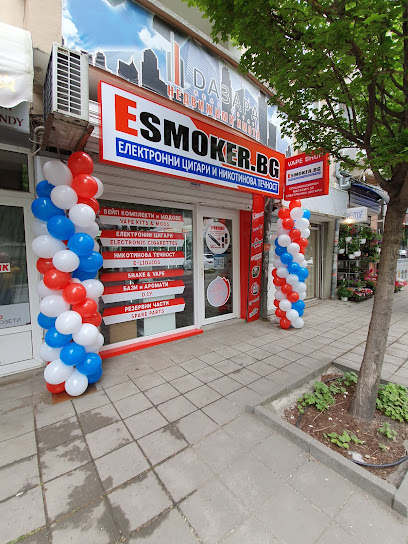
Esmoker.BG
0.4 km
Explore Esmoker.BG in Burgas for premium vaporizers and unique gifts in a welcoming atmosphere.
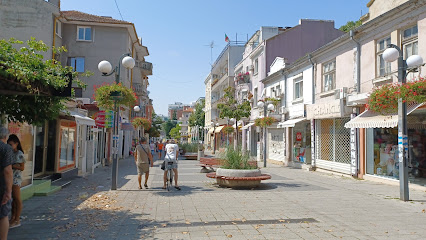
Tria City Center
0.5 km
Experience the vibrant shopping and dining scene at Tria City Center in Burgas, where modernity meets local culture.
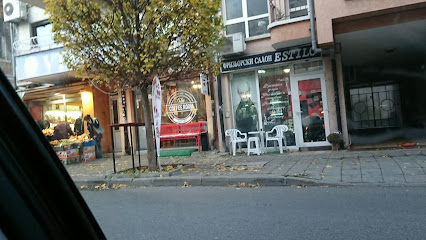
The Coffee Room
0.5 km
Discover the cozy charm of The Coffee Room in Burgas, where quality coffee meets a warm atmosphere perfect for relaxation.
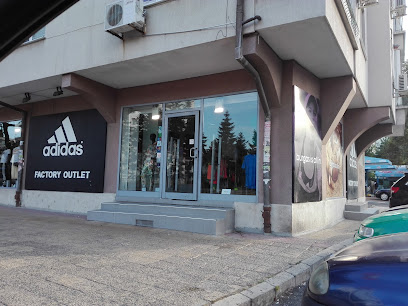
adidas Outlet Store Burgas, Stefan Stambolov Bul.
0.6 km
Explore unbeatable deals on premium sportswear, footwear, and fitness gear at the Adidas Outlet Store in Burgas.
onegift.bg
0.7 km
Discover exquisite gift baskets at OneGift.bg in Burgas – the perfect blend of local charm and delightful flavors.

Magazia 1
0.8 km
Experience the best shopping and dining at Magazia 1 in Burgas, a perfect blend of style, flavor, and seaside charm.
Barutnitsa
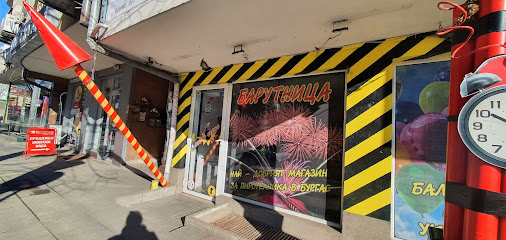
1.0 km
Discover the vibrant world of fireworks at Barutnitsa, Burgas' premier destination for pyrotechnics and celebration essentials.
Essential bars & hidden hideouts

Equilibrium Boutique Bar
0.1 km
Discover the vibrant nightlife at Equilibrium Boutique Bar in Burgas, where innovative cocktails and a lively atmosphere await you.
Piano Bar Sinatra Burgas
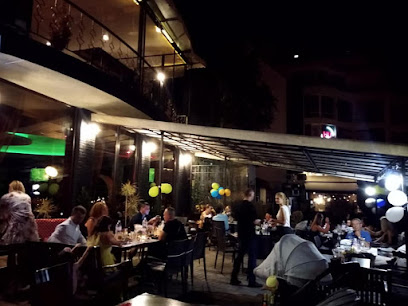
0.2 km
Discover the magic of live music and exquisite drinks at Piano Bar Sinatra, the heartbeat of Burgas nightlife.
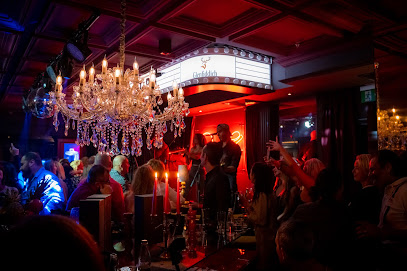
HashtagSTUDIO - The Culture Club.
0.2 km
Experience the vibrant nightlife of Burgas at HashtagSTUDIO - The Culture Club, a premier venue for live music and unforgettable events.
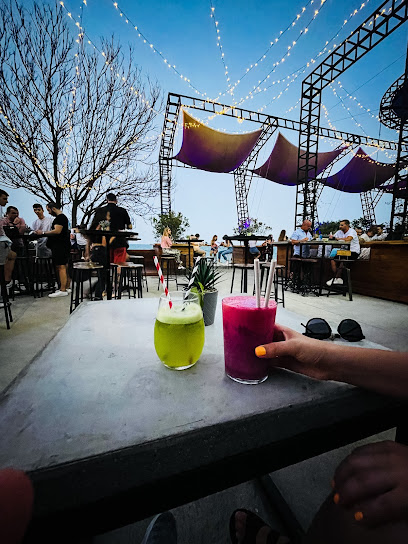
Bar Alive
0.2 km
Experience the vibrant nightlife of Burgas at Bar Alive, where great drinks and a lively atmosphere await you.
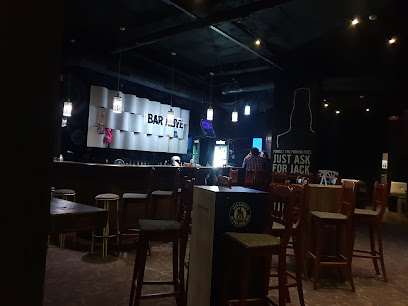
Malibu
0.3 km
Experience the vibrant ambiance of Malibu in Burgas, where exquisite cocktails meet a lively coastal atmosphere for an unforgettable nightlife experience.
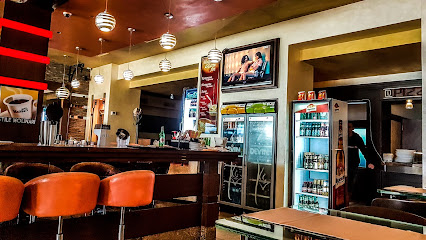
Papa Beer craft beer bar
0.3 km
Discover the vibrant atmosphere and exceptional craft beer selection at Papa Beer Bar, the heart of Burgas' brewing culture.
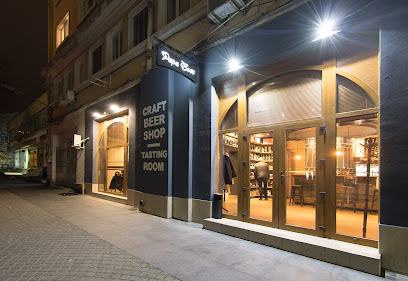
Клуб “Модерен театър”
0.3 km
Discover the vibrant nightlife at Клуб “Модерен театър” in Burgas, where modern design meets a lively atmosphere and local entertainment.
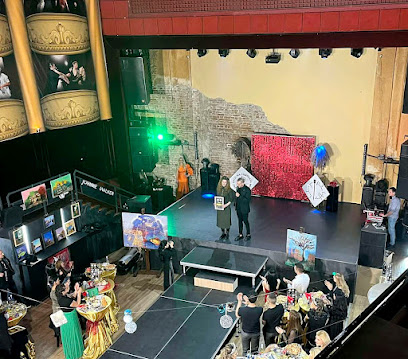
Barcode
0.3 km
Experience the vibrant nightlife of Burgas at Barcode, a retro bar filled with eclectic decor and a diverse drinks menu perfect for all tastes.
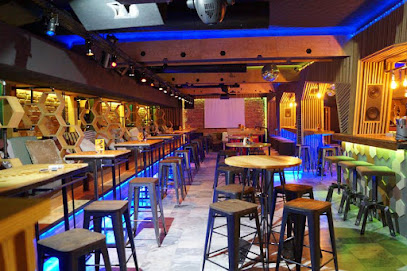
B62 Lifestyle Bar
0.4 km
B62 Lifestyle Bar: Where Burgas Comes Alive with Great Drinks, Live Music, and Unforgettable Nights.
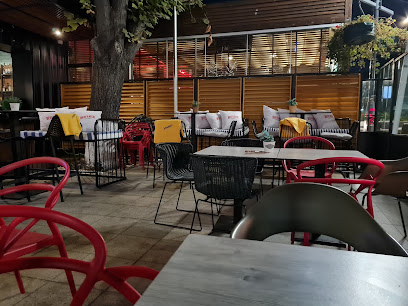
Studyo del Vino
0.5 km
Experience the rich flavors of wine at Studyo del Vino, a cozy wine bar in Burgas, perfect for enthusiasts and casual drinkers alike.
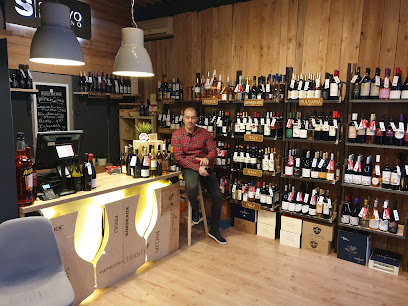
Beer'n'wine pub
0.5 km
Discover the vibrant ambiance and extensive drink menu at Beer'n'wine Pub, the perfect spot for tourists in Burgas to unwind and socialize.
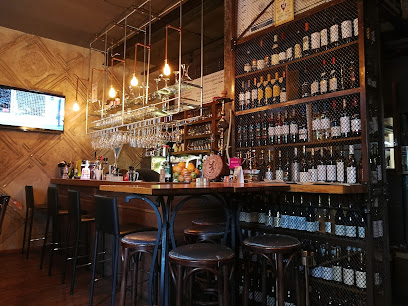
Bar Bossa
0.6 km
Experience the vibrant nightlife at Bar Bossa in Burgas, where great drinks and lively atmosphere meet in the heart of the city.
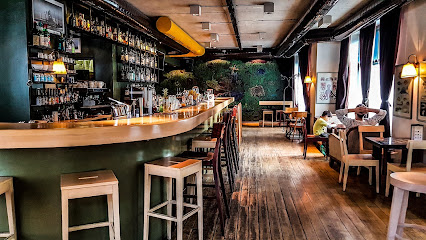
Ten Fingers
0.6 km
Experience the vibrant nightlife at Ten Fingers, a must-visit bar in Burgas with delightful cocktails and a lively atmosphere.
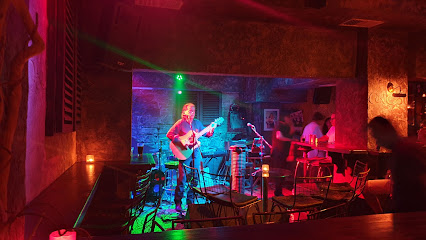
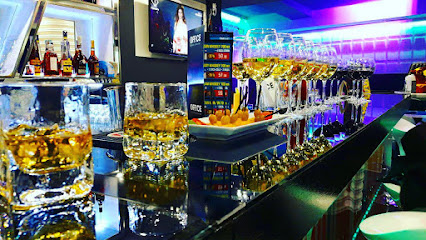
The OFFICE - BUSINESS LOUNGE BAR
0.6 km
Discover Burgas' vibrant nightlife at The OFFICE, a trendy business lounge bar offering exquisite drinks and a stylish atmosphere for relaxation and networking.
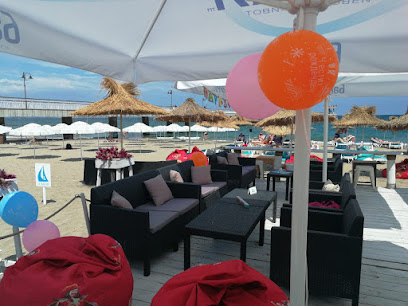
TR Beach Bar
0.7 km
Experience the serene beauty of Burgas at TR Beach Bar, your go-to spot for refreshing drinks and light bites by the sea.
Nightclubs & after hour spots

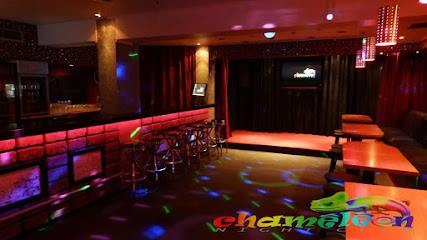
Club CHAMELEON Клуб ХАМЕЛЕОН
0.2 km
Experience the vibrant nightlife of Burgas at Club CHAMELEON, the ultimate gay night club with electrifying music and unforgettable performances.
Club Brass and Chrome
0.3 km
Experience the vibrant nightlife at Club Brass and Chrome in Burgas, where stylish ambiance meets unforgettable music and cocktails.
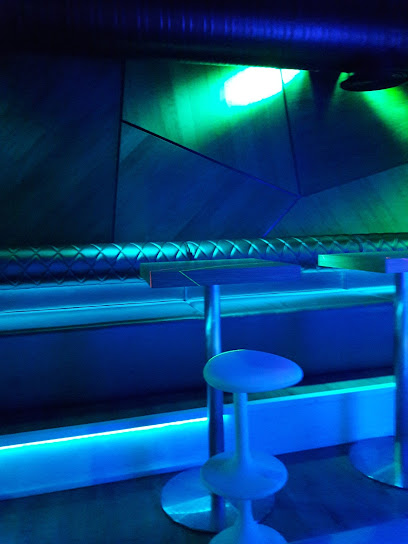
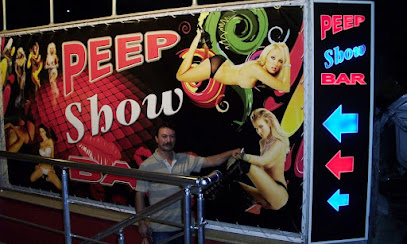
Strip Bar | Peep Show Bar
0.4 km
Discover the vibrant nightlife of Burgas at the Strip Bar, where captivating performances and a lively atmosphere await you.
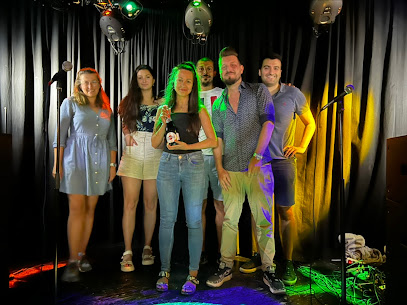
Караоке Бар Бургас
0.5 km
Experience the vibrant nightlife at Karaoke Bar Burgas, where singing, dancing, and socializing create unforgettable memories.
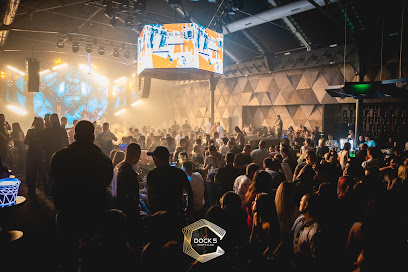
DOCK 5 Night Club
0.9 km
Dive into the vibrant nightlife of Burgas at DOCK 5 Night Club, where music, dancing, and unforgettable memories await every visitor.
little Vegas
1.0 km
Discover the pulse of Burgas nightlife at Little Vegas, where music, dancing, and vibrant energy create unforgettable nights.
Label 69 Club
1.2 km
Experience the vibrant nightlife at Label 69 Club in Burgas, where exceptional drinks and lively entertainment create unforgettable memories.
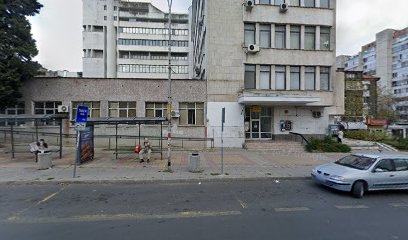
Nero
1.3 km
Experience the vibrant nightlife of Burgas at Nero, the disco club where music and dance meet in an electrifying atmosphere.
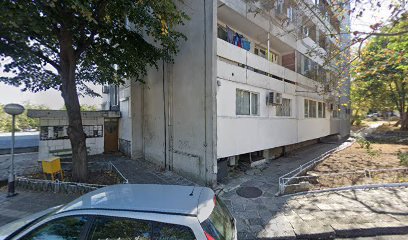
Фургон 5
8.2 km
Discover the electrifying nightlife of Фургон 5 at Burgas Airport, where music, dance, and unforgettable experiences await.
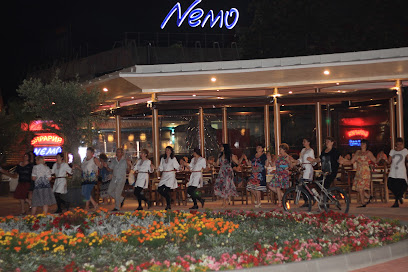
Folk Klub Nemo
15.1 km
Discover the pulse of Pomorie's nightlife at Folk Klub Nemo, where music, dance, and fun come together for an unforgettable experience.
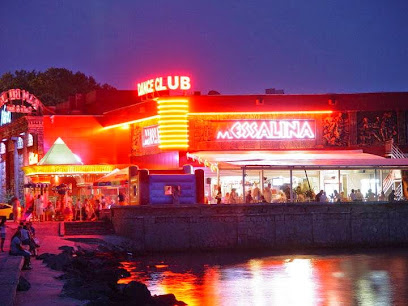
Dance Club Messalina
15.1 km
Dance Club Messalina: Unleash your spirit on the dance floor of Pomorie's ultimate nightlife hotspot, where unforgettable moments await.
Stenichkata
15.1 km
Discover the heart of Pomorie's nightlife at Stenichkata, where music, dance, and culture create unforgettable evenings.
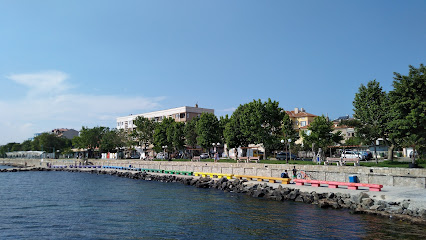
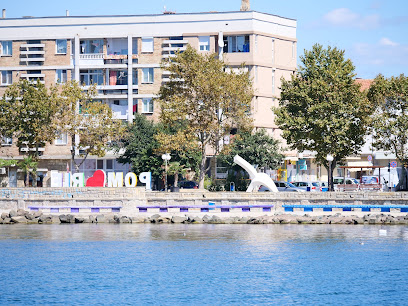
Beach Pomorie
15.2 km
Experience the vibrant nightlife of Pomorie at Beach Pomorie, a premier night club with stunning beach views and electrifying music.
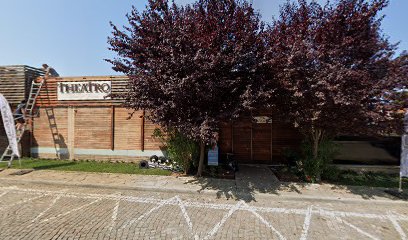
Theatro Piano Live
19.5 km
Discover the vibrant nightlife of Sozopol at Theatro Piano Live, where unforgettable performances and a lively atmosphere await every night.
Mishel
19.6 km
Discover the vibrant jazz scene at Mishel in Sozopol, where traditional Bulgarian charm meets live music in a cozy atmosphere.