

Dobrinishte Travel Guide - Free Web & App
Your ultimate guide to Dobrinishte. Discover top landmarks, proposed trips, and local tips. Free on the web or via the Evendo companion app.


Dobrinishte, Bulgaria blends Pirin mountain trails, mineral springs, narrow-gauge railway journeys, village traditions and access to Bezbog and Popovo Lake.
Mountain Setting and Local Character
Dobrinishte lies in south-western Bulgaria at the eastern foot of the Pirin Mountains, about six kilometres south-east of Bansko. The town combines a working rural character with access to high mountain landscapes, hot mineral springs and some of the most rewarding scenery in the northern Pirin. Its streets lead towards meadows, forested slopes and the mountain road ascending to the Gotse Delchev hut and Bezbog area, while the town itself remains more relaxed and less resort-oriented than nearby Bansko.Read more about Dobrinishte
Springs, Forests and High Lakes
Heritage and Experiences
When is the best time to visit Dobrinishte?
Best: May–June, September · 20–27°C| Month | High (°C) | Rainfall (mm) |
|---|---|---|
| January | 4 | 40 |
| February | 5 | 35 |
| March | 7 | 40 |
| April | 14 | 45 |
| May (best) | 20 | 50 |
| June (best) | 27 | 55 |
| July | 32 | 60 |
| August | 31 | 65 |
| September (best) | 24 | 55 |
| October | 16 | 50 |
| November | 9 | 45 |
| December | 4 | 40 |
Getting to and around Dobrinishte
How to get there
Transportation
Best attractions in Dobrinishte
Dobrinishte’s principal attractions combine the town’s mineral-water tradition with access to the Pirin highlands. The local mineral springs provide opportunities for bathing and relaxation, while the road towards the Gotse Delchev hut leads into forested mountain scenery and the seasonal chairlift route towards Bezbog. From the Bezbog area, experienced walkers can follow established mountain paths towards Popovo Lake, one of the best-known natural features in northern Pirin, subject to weather and park regulations. Within the settlement, the Church of Saints Peter and Paul and the traditional village atmosphere offer a cultural counterpoint to outdoor activities. The Septemvri–Dobrinishte narrow-gauge railway is an attraction in its own right, linking the town with dramatic mountain landscapes beyond the Pirin foothills. Nearby Bansko and the broader Razlog valley provide additional museums, heritage buildings and services, but they are neighbouring destinations rather than part of Dobrinishte itself.
-
Tourist attraction
Holy Trinity Church
Discover the architectural and spiritual beauty of Bansko's Holy Trinity Church, a symbol of resilience and Bulgarian National Revival.
-
City park
Nikola Vaptsarov Square
Experience the vibrant heart of Bansko: Nikola Vaptsarov Square, a blend of culture, nature, and history in the Pirin Mountains.
-
Tourist attraction
City Park
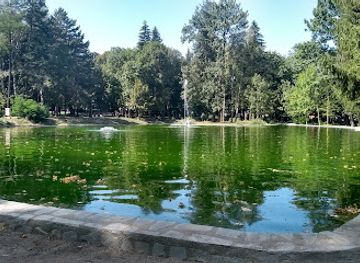
Escape to Bansko's City Park: A serene oasis with lush greenery, playgrounds, and tranquil paths in the heart of the historic town.
-
Tourist attraction
House Museum of Nikola Vaptsarov
Explore the life and legacy of Nikola Vaptsarov, the celebrated Bulgarian poet and anti-fascist, at his birthplace in the heart of Bansko's Old Town.


Best landmarks in Dobrinishte
The Pirin Mountains form Dobrinishte’s defining natural landmark, rising from the town’s mineral-water basin towards forested slopes, rocky summits and glacial highlands. The Gotse Delchev hut and the route to Bezbog mark the principal mountain approach, while Popovo Lake is a significant alpine landmark reached by walking routes from the Bezbog area. Within the settlement, the nineteenth-century Church of Saints Peter and Paul represents the town’s Bulgarian Orthodox and National Revival heritage. The Septemvri–Dobrinishte narrow-gauge railway is another important landmark of regional identity, not a single monument but a historic transport corridor whose tracks and stations connect the Pirin foothills with the Rhodope landscape. The contrast between warm mineral springs, cultivated valley land and high glacial terrain explains Dobrinishte’s distinctive geographical character.
-
Restaurant
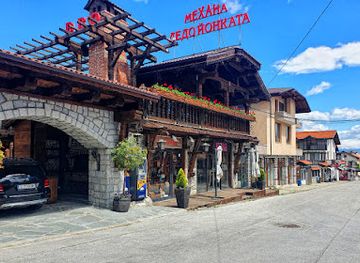
Hotel Makedonska Kruchma
Discover the flavors of Bulgaria at Hotel Makedonska Kruchma in Dobrinishte, where traditional cuisine meets warm hospitality in a beautiful garden setting.
-
Restaurant
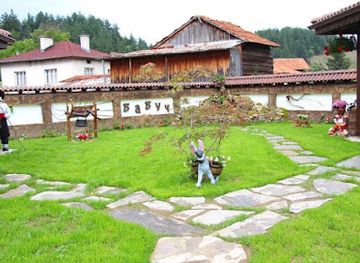
Babuch Mehana
Experience authentic Bulgarian cuisine and hospitality at Babuch Mehana in the charming town of Dobrinishte.
-
Swimming pool
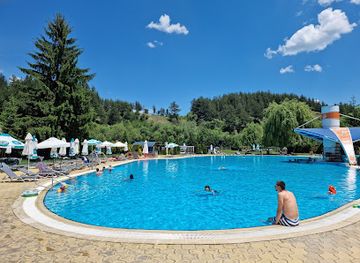
Alpha Spa & Pool Dobrinishte
Relax and rejuvenate in the therapeutic mineral waters of Alpha Spa & Pool Dobrinishte, surrounded by the stunning Pirin Mountains.
-
Restaurant
Gotse Delchev Hut
Experience traditional Bulgarian cuisine and stunning mountain views at Gotse Delchev Hut, a perfect base for exploring the Pirin Mountains near Dobrinishte.

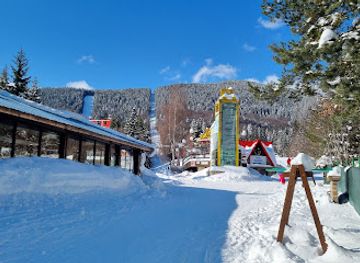
Explore Dobrinishte on the map
Plan your trip on one map. See where the top attractions, landmarks, restaurants and hotels are, and book hotels and experiences in a few clicks.
Best hotels in Dobrinishte
Best restaurants in Dobrinishte
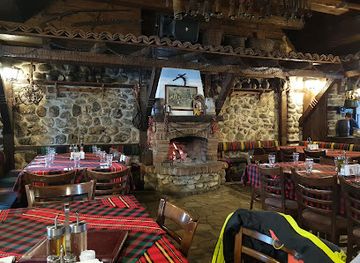
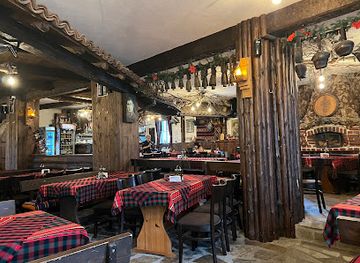
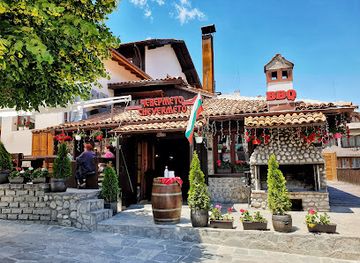
Dining in Dobrinishte is rooted in the food culture of the Razlog and Pirin foothills, with rustic Bulgarian cooking, grilled meats, soups, salads, dairy products, bread and seasonal vegetables commonly associated with the region. Small restaurants, family-run establishments and guesthouses provide the most characteristic opportunities within the town, while Bansko offers a broader choice of restaurants and traditional mehanas a short distance away. Local menus may include regional interpretations of familiar dishes such as kapama, a slow-cooked combination of meat and vegetables, though recipes vary between kitchens. Mountain excursions require planning because food options are limited around remote trailheads and high-altitude huts. Shops and village suppliers can be useful for bread, fruit, cheese and provisions before a walk, while mineral-water facilities may have fewer dining options than the town centre.
-
Restaurant
Hotel Makedonska Kruchma
Discover the flavors of Bulgaria at Hotel Makedonska Kruchma in Dobrinishte – where tradition meets taste in every dish.
-
Restaurant
Babuch Mehana
Savor the best of Bulgarian cuisine at Babuch Mehana in Dobrinishte – where tradition meets taste in every dish.
-
Meyhane
Mehana Chevermeto
Discover the rich flavors and traditions of Bulgaria at Mehana Chevermeto in Bansko - where every meal tells a story.
-
Restaurant
Ruskovets Resort
Discover unparalleled luxury at Ruskovets Resort in Bulgaria's stunning mountains—your ultimate escape for relaxation and adventure awaits.
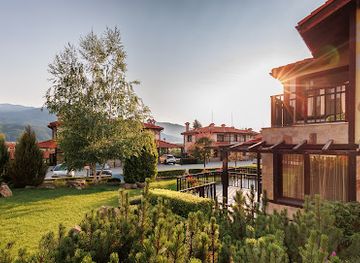
Best bars in Dobrinishte
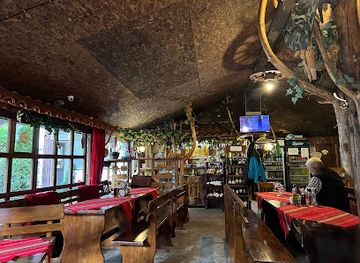
Dobrinishte has a quiet evening character rather than a developed nightlife scene. Visitors generally spend evenings in traditional restaurants, guesthouse dining rooms or modest local cafés, where conversation and regional food are more central than late-night entertainment. The mineral springs and mountain setting encourage an early, relaxed rhythm, particularly after walking or skiing. Bansko, outside Dobrinishte, has a considerably wider selection of bars, live-music venues and seasonal après-ski entertainment, making it the nearest option for a busier night out. In Dobrinishte itself, opening patterns can be seasonal and informal, so evening plans are best kept flexible. Local festivals or community events may add occasional entertainment, but these should be checked locally rather than assumed to run on a fixed schedule.
-
Restaurant
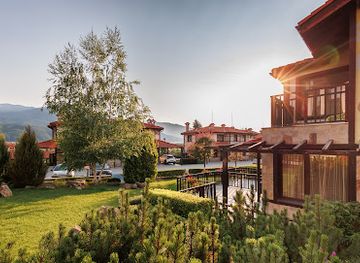
Hotel Makedonska Kruchma
Experience authentic Bulgarian cuisine and warm hospitality in the heart of Dobrinishte at Hotel Makedonska Kruchma.
-
Restaurant
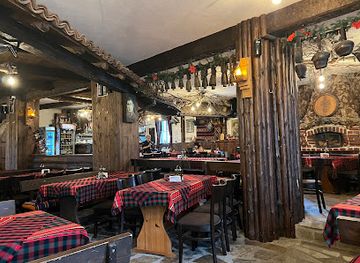
Babuch Mehana
Savor the flavors of Bulgaria at Babuch Mehana, where traditional cuisine meets warm hospitality in Dobrinishte.
-
Bar
Ruskovets Resort
Experience the perfect blend of relaxation, adventure, and wellness at Ruskovets Resort in Dobrinishte, Bulgaria.
-
Fish restaurant
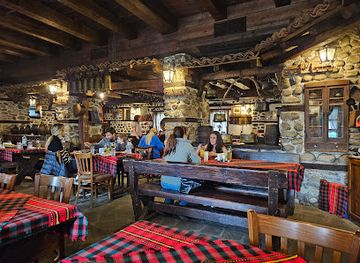
Ribarnika
Discover the culinary delights of Ribarnika, a charming fish restaurant in Dobrinishte, where fresh seafood meets stunning mountain views.
Best nightclubs in Dobrinishte
Dobrinishte has a quiet evening character rather than a developed nightlife scene. Visitors generally spend evenings in traditional restaurants, guesthouse dining rooms or modest local cafés, where conversation and regional food are more central than late-night entertainment. The mineral springs and mountain setting encourage an early, relaxed rhythm, particularly after walking or skiing. Bansko, outside Dobrinishte, has a considerably wider selection of bars, live-music venues and seasonal après-ski entertainment, making it the nearest option for a busier night out. In Dobrinishte itself, opening patterns can be seasonal and informal, so evening plans are best kept flexible. Local festivals or community events may add occasional entertainment, but these should be checked locally rather than assumed to run on a fixed schedule.
-
Bar
Pirin 75
Experience vibrant nightlife at Pirin 75, a top bar in Bansko, Bulgaria, offering a lively atmosphere and an extensive drink selection.
-
Bar
Happy End
Discover the vibrant nightlife at Happy End, a top bar in Bansko offering a lively atmosphere and an extensive drink menu for every taste.
-
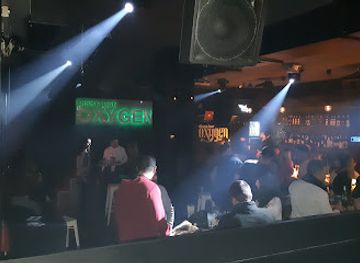
Bar
Oxygen
Experience the vibrant nightlife of Bansko at Oxygen, a lively bar offering a diverse drink selection and an energetic atmosphere.
-
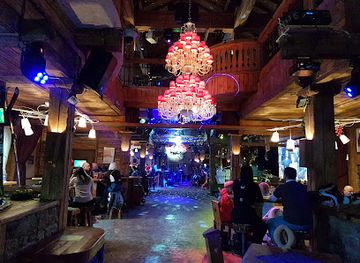
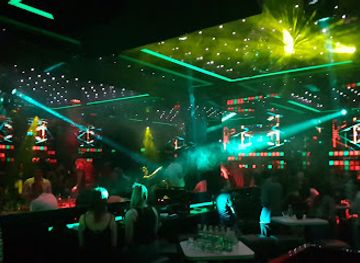
Night club
The Club Bansko
Experience Bansko's vibrant nightlife at The Club Bansko, where music, dancing, and great company create unforgettable memories.

Best shops in Dobrinishte
Shopping in Dobrinishte is modest and practical, reflecting its role as a village, mountain base and mineral-water town rather than a major retail destination. Small shops provide everyday provisions and walking supplies, while guesthouses and local food businesses may offer regional products such as honey, preserves, cheese, dried foods and other Bulgarian specialities when available. Visitors seeking a wider selection of crafts, souvenirs, outdoor equipment and independent shops will find more choice in nearby Bansko and Razlog, which should be treated as neighbouring shopping centres rather than parts of Dobrinishte. The most meaningful purchases are generally locally produced food, small-scale craft goods and practical mountain provisions instead of mass-market souvenirs. Availability can vary by season, particularly outside the main summer and winter visitor periods.
-
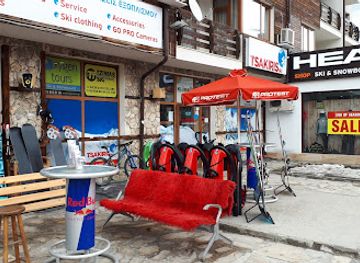
Ski rental service
TSAKIRIS Ski & Snowboard Bansko
Discover the best ski rental service in Bansko with TSAKIRIS Ski & Snowboard, where winter sports dreams come true in the stunning Pirin Mountains.
-
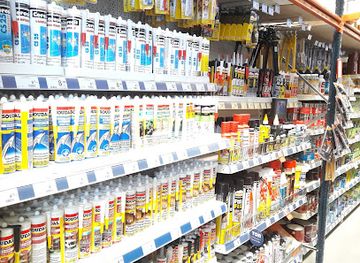
Do-it-yourself shop
Moderator
Discover the best do-it-yourself shop in Bansko, your one-stop destination for tools, building materials, and creative home projects.
-
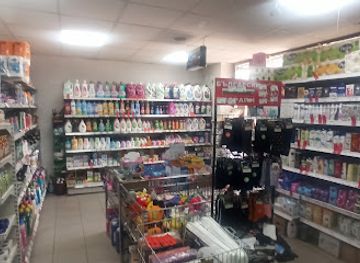
Grocery store
BG MARKET
Discover the flavors of Bulgaria at BG Market, Bansko's vibrant grocery store offering local specialties and international delights.
-
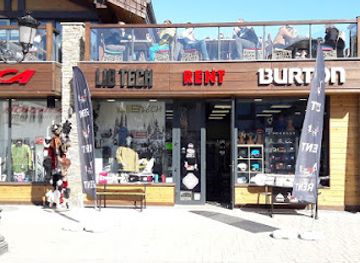
Snowboard shop
sNOw LIMIT shop and rent
Explore Bansko's stunning slopes with top-quality rentals and gear at sNOw LIMIT, your ultimate snowboarding and skiing destination.
Get your free copy of our complete guide to Dobrinishte, delivered straight to you.
Everything on this page, from attractions and restaurants to essentials and local phrases, in one PDF you can read offline, print or share.
Already have an account? Sign in
Your Dobrinishte guide is ready.
We'll send it to · Not you? Sign out

Getting your guide ready…
We are putting together a fresh copy of the Dobrinishte guide. This can take up to a minute.
This can take a few moments. If your browser asks, choose Allow so the download can start. You'll find the guide in your Downloads folder.
Nothing happened? Download it again
Sorry, the guide is taking longer than usual. Please try again in a minute, or get it by email instead.
Dobrinishte essentials
Currency and Payment
Safety
Emergency Situations
Do's and Don'ts
Local Tips
From Eve
Local phrases worth knowing
You don't need to get them perfect. A few words go a long way, and locals appreciate the effort.
Basics
| English | Local | Say it |
|---|---|---|
| Hello | Здравей | [Zdravey] |
| Goodbye | Довиждане | [Dovizhdane] |
| Yes | Да | [Da] |
| No | Не | [Ne] |
| Please/You're welcome | Моля | [Molya] |
| Thank you | Благодаря | [Blagodarya] |
| Excuse me/Sorry | Извинете | [Izvinete] |
| How are you? | Как си? | [Kak si?] |
| Fine. And you? | Добре. А ти? | [Dobre. A ti?] |
| Do you speak English? | Говориш ли английски? | [Govorish li angliyski?] |
| I don't understand | Не разбирам | [Ne razbiram] |
Eating & Drinking
| English | Local | Say it |
|---|---|---|
| I'd like to see the menu, please | Бих искал да видя менюто, моля | [Bih iskal da vida menuto, molya] |
| I don't eat meat | Не ям месо | [Ne yam meso] |
| Cheers! | На здраве! | [Na zdrave!] |
| I would like to pay, please | Бих искал да платя, моля | [Bih iskal da platya, molya] |
Emergencies
| English | Local | Say it |
|---|---|---|
| Help! | Помощ! | [Pomosht!] |
| Go away! | Изчезвай! | [Izchezhvay!] |
| Call the Police! | Обадете се на полицията! | [Obadete se na politsiyata!] |
| Call a doctor! | Обадете лекар! | [Obadete lekar!] |
| I'm lost | Загубен съм | [Zaguben sum] |
| I'm ill | Болен съм | [Bolen sum] |
Shopping
| English | Local | Say it |
|---|---|---|
| I'd like to buy... | Бих искал да купя... | [Bih iskal da kupya...] |
| I'm just looking | Само се разглеждам | [Samo se razglezhdam] |
| How much is it? | Колко струва? | [Kolko struva?] |
| That's too expensive | Това е твърде скъпо | [Tova e tvurde skupо] |
| Can you lower the price? | Можете ли да намалите цената? | [Mozhete li da namalite tsenata?] |
Time & Numbers
| English | Local | Say it |
|---|---|---|
| What time is it? | Колко е часът? | [Kolko e chasat?] |
| It's one o'clock | Един час е | [Edin chas e] |
| Half past (10) | Половина на (10) | [Polovina na (10)] |
| Morning | Сутрин | [Sutrin] |
| Afternoon | Следобед | [Sledobed] |
| Evening | Вечер | [Vecher] |
| Yesterday | Вчера | [Vchera] |
| Today | Днес | [Dnes] |
| Tomorrow | Утре | [Utre] |
| 1 | Едно | [Edno] |
| 2 | Две | [Dve] |
| 3 | Три | [Tri] |
| 4 | Четири | [Chetiri] |
| 5 | Пет | [Pet] |
| 6 | Шест | [Shest] |
| 7 | Седем | [Sedem] |
| 8 | Осем | [Osem] |
| 9 | Девет | [Devet] |
| 10 | Десет | [Deset] |
Transport & Directions
| English | Local | Say it |
|---|---|---|
| Where's a/the...? | Къде е ...? | [Kade e ...?] |
| What's the address? | Какъв е адресът? | [Kakav e adresat?] |
| Can you show me (on the map)? | Можете ли да ми покажете (на картата)? | [Mozhete li da mi pokazhete (na kartata)?] |
| When's the next (bus)? | Кога е следващият (автобус)? | [Koga e sledvashtiyat (avtobus)?] |
| A ticket (to ....) | Билет (до ....) | [Bilet (do ....)] |
History of Dobrinishte
A Settlement at the Pirin Foothills
Dobrinishte developed in the fertile foothill landscape east of Pirin, where access to water, pasture and mountain resources supported settled rural life. The wider Razlog area has experienced settlement and movement since antiquity, with Thracian and later Roman influence recorded in the surrounding region, although the surviving townscape is principally associated with later Bulgarian village development. Its position between the agricultural basin and mountain routes helped connect local communities with upland grazing areas and neighbouring settlements.
Orthodox Heritage and Village Life
During the Ottoman period and the Bulgarian National Revival, Dobrinishte retained a strongly Bulgarian Orthodox identity. The Church of Saints Peter and Paul, dating from the nineteenth century, reflects the religious and communal importance of the settlement during the Revival era. Traditional houses, local customs and seasonal agricultural practices formed part of a broader cultural landscape shared with Bansko, Razlog and the villages of the Pirin foothills. Wool, livestock, timber and small-scale farming were important elements of local life.
Railway Links Through the Mountains
The narrow-gauge railway linking Septemvri with Dobrinishte brought a new connection between the western Rhodopes, the upper Mesta valley and the Pirin foothills. Built in stages during the twentieth century, the line crosses difficult mountain terrain and remains an important example of Bulgaria’s historic railway engineering. Its terminus made Dobrinishte more accessible while preserving the town’s role as a gateway rather than transforming it into a large urban centre.
Mineral Water and Mountain Tourism
The town’s warm mineral springs gradually became an important part of its visitor economy, complementing traditional agriculture and mountain forestry. Tourism expanded further as walking, skiing and mountaineering gained popularity in the Pirin region, particularly around the routes leading towards Bezbog and the high lakes. Dobrinishte developed accommodation and bathing facilities on a smaller scale than Bansko, retaining a village atmosphere while serving visitors seeking access to the mountains.
Protected Landscapes and Modern Conservation
Modern tourism takes place within a landscape shaped by national conservation policy. Pirin National Park protects high mountain habitats, forests, glacial landforms and lakes, and parts of the surrounding mountain terrain are subject to rules governing paths, vehicles and other activities. The contemporary identity of Dobrinishte therefore rests on several overlapping inheritances: a rural settlement, a mineral-water centre, a railway terminus and a gateway to a protected alpine environment.
Dobrinishte in Photos
Browse through our photo collection highlighting the charm and character of the destination.
Neighbouring destination travel guides
The closest destinations to Dobrinishte, if you have time for more than one.
-

-

-

-

-


Swipe for more destinations
Explore more

Explore more of Pirin Macedonia
Discover the beauty of Pirin Macedonia in Bulgaria, where stunning mountains, historic towns, and rich cultural heritage converge for an unforgettable experience.
Explore Pirin Macedonia
Explore more of Bulgaria
Explore Bulgaria: From Sofia's bustling streets to the serene mountains and stunning Black Sea beaches, discover the rich history, culture, and natural beauty of Bulgaria.
Explore Bulgaria