

Free Pirin Macedonia Travel Guide & Mobile App
Explore Pirin Macedonia with free travel guides. Discover regional history, expert tips, proposed trips, and audio guides on web or mobile app.


Explore Pirin Macedonia in southwestern Bulgaria for alpine walks, historic Bansko, Melnik vineyards, mineral springs and layered Balkan heritage.
Read more about Pirin Macedonia
When is the best time to visit Pirin Macedonia?
Best: May–June, September · 24–28°C| Month | High (°C) | Rainfall (mm) |
|---|---|---|
| January | 8 | 45 |
| February | 9 | 40 |
| March | 14 | 45 |
| April | 19 | 50 |
| May (best) | 24 | 55 |
| June (best) | 28 | 50 |
| July | 32 | 40 |
| August | 31 | 40 |
| September (best) | 26 | 45 |
| October | 19 | 50 |
| November | 12 | 55 |
| December | 8 | 50 |
Getting to and around Pirin Macedonia
How to get there
Transportation
Destinations in Pirin Macedonia
Resorts, valleys and scenic spots worth a trip of their own.
-

-
-

-
-

-


Swipe for more destinations
Best attractions in Pirin Macedonia
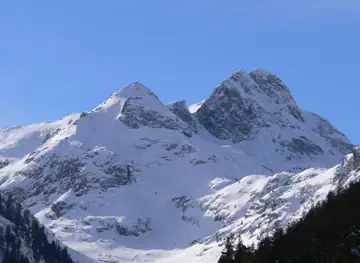
Pirin Macedonia offers a strong combination of mountain, heritage and spa attractions. Pirin National Park is the principal outdoor destination, with high peaks, glacial lakes, conifer forests and routes ranging from accessible woodland walks to demanding alpine ascents. The Vihren area is especially important for experienced hikers, while Bansko provides the most developed base for year-round mountain recreation. Razlog and Dobrinishte offer quieter access to the foothills and mineral-water bathing. In the southern part of the region, Sandanski combines a spa environment with Roman archaeology, and Petrich provides a base for exploring Belasitsa and the Rupite area. Melnik's sandstone formations and wine-producing countryside create a very different landscape, complemented by historic houses and nearby Rozhen Monastery. The Mesta valley adds traditional villages, mountain viewpoints and small-scale rural tourism, including settlements such as Leshten and Kovachevitsa. Attractions are dispersed rather than concentrated in one urban centre, so a car or carefully planned local transfers make it easier to connect protected landscapes with archaeological sites, churches, monasteries and food-producing communities.
-
Park
Park "St. Vrach"
Discover Park St. Vrach in Sandanski: A green escape with diverse flora, recreational spots, and tranquil river views in Bulgaria's spa town.
-
Ski resort
Banderishka meadow
Experience Banderishka Meadow: Skiing, hiking, and stunning Pirin Mountain views await in this Bulgarian paradise near Bansko.
-
Park
Park "Bachinovo"
Immerse yourself in the natural beauty of Park Bachinovo, a peaceful park in Blagoevgrad, Bulgaria, ideal for relaxation and outdoor activities.
-
Park
Park "Razlog"
Discover Park Razlog: A serene escape in the heart of Razlog, Bulgaria, blending nature and local culture for a memorable experience.


Best landmarks in Pirin Macedonia
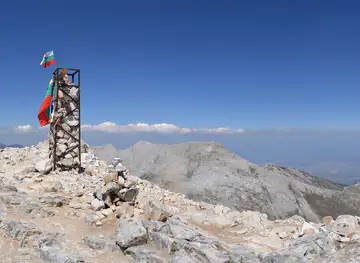
The most recognisable natural landmark is Mount Vihren, Pirin's highest summit and a powerful symbol of the region's alpine character. The surrounding Pirin landscape, with granite ridges, glacial lakes and dark conifer forests, is protected within Pirin National Park and is visually distinct from the warmer valleys below. Bansko's old quarter is another defining landmark, marked by stone-built houses, heavy wooden details and the Church of the Holy Trinity, whose tall bell tower is one of the town's most familiar features. Melnik is distinguished by its steep sandstone earth pyramids and compact historic streets, while the Kordopulov House illustrates the town's prosperous merchant and wine-trading past. Rozhen Monastery, north-east of Melnik, is among the region's most important religious monuments, known for its frescoes, carved woodwork and secluded setting. In Sandanski, the archaeological complex of the ancient town preserves mosaics and basilica remains within the modern spa town. The Rupite area, with volcanic hills and mineral springs, is a striking southern landscape associated with the church complex built in memory of Vanga.
-
 Monastery
Rila Monastery
Discover the enchanting Rila Monastery, a UNESCO World Heritage site nestled in the Rila Mountains, showcasing Bulgaria's rich history and stunning architecture.
-
National park
Rila National Park
Explore Rila National Park: A Natural Gem of Bulgaria with Majestic Peaks, Glacial Lakes, and Diverse Wildlife Awaiting Your Discovery.
-
National park
Pirin National Park
Discover the breathtaking beauty of Pirin National Park in Bulgaria, a UNESCO World Heritage site filled with stunning landscapes and rich biodiversity.
-
Ski resort
Banderishka meadow
Discover the enchanting beauty of Banderishka Meadow, a premier ski resort in Bansko, Bulgaria, with breathtaking landscapes and exhilarating outdoor activities.


Explore Pirin Macedonia on the map
Plan your trip on one map. See where the top cities, national parks and sights are, and book hotels and experiences in a few clicks.
Best hotels in Pirin Macedonia
Best restaurants in Pirin Macedonia
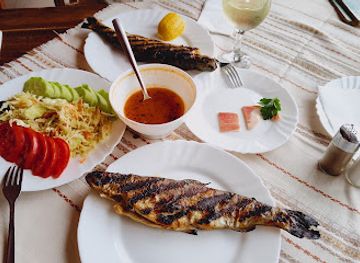
Dining in Pirin Macedonia reflects the meeting of mountain and southern valley traditions. Bansko is known for substantial tavern cooking, with dishes built around beans, potatoes, peppers, grilled meats, cured products and local dairy, while village inns in the Razlog and Mesta areas often serve seasonal food in a more informal setting. The southern Struma valley brings warmer-climate produce, including tomatoes, peppers, herbs, fruit and grapes. Around Melnik, local wine is a central part of the food culture, and tastings may be paired with regional cheeses, preserved meats and simple dishes rather than elaborate menus. Sandanski and Blagoevgrad have the broadest choice of cafés, bakeries and contemporary restaurants, while smaller settlements rely on family-run establishments and guesthouses. Menus often include Bulgarian standards such as shopska salad, banitsa and grilled specialities alongside locally adapted recipes. Farmers' markets and small producers are useful places to look for honey, mountain herbs, fruit preserves and dairy products, although availability varies by season.
-
Bulgarian
The House
Experience authentic Bulgarian cuisine at The House in Bansko - where tradition meets taste.
-
Restaurant
Restaurant Iazovir Krinetz
Experience the best of Bulgarian cuisine at Restaurant Iazovir Krinetz in Bansko – delicious dishes at affordable prices await you.
-
Fish restaurant
Ribarnika
Discover authentic Bulgarian cuisine at Ribarnika, where fresh fish meets breathtaking mountain views for an unforgettable dining experience.
-
Restaurant
Banski Han Traditional Restaurant
Discover the flavors of Bulgaria at Banski Han Traditional Restaurant in Bansko – where every dish tells a story.



Best bars in Pirin Macedonia
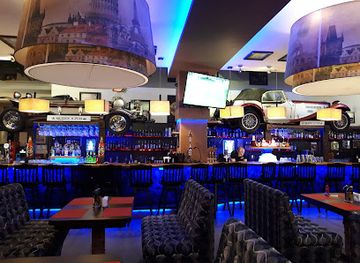
Evening life varies sharply across Pirin Macedonia. Bansko has the region's most developed nightlife, with traditional mehanas, hotel bars, après-ski venues, live music and a selection of late-opening establishments during the winter season; its old town also supports quieter evenings centred on food and local drinks. Blagoevgrad has a younger, more urban atmosphere supported by its student population, with cafés, bars and live entertainment concentrated around the town centre. Sandanski offers restaurant terraces, hotel lounges and relaxed bars linked to its spa and resort identity, while Melnik is better suited to wine tasting and quiet evenings than clubbing. In rural areas, nightlife normally means a long meal, a family guesthouse or a village inn rather than a formal entertainment district. Opening arrangements and seasonal activity change, so visitors should check locally rather than rely on old listings.
-
Restaurant
Queen's Pub Bansko / Куинс пъб Банско
Experience the vibrant atmosphere and delightful cuisine at Queen's Pub Bansko, the ultimate destination for relaxation and socializing in the mountains.
-
Bar
BeFree
Experience vibrant nightlife at BeFree, a lively bar in Blagoevgrad offering a wide selection of drinks and a welcoming atmosphere.
-
Bar
Pirin 75
Discover the lively spirit of Bansko at Pirin 75, a vibrant bar offering a fantastic selection of drinks and a cozy atmosphere for all visitors.
-
Bulgarian
Vodenitsata Traditional Restaurant
Experience the essence of Bulgarian culture with traditional dishes and a warm atmosphere at Vodenitsata Traditional Restaurant in Bansko.


Best nightclubs in Pirin Macedonia
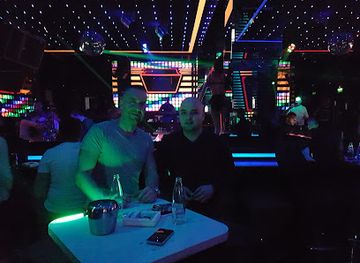
Evening life varies sharply across Pirin Macedonia. Bansko has the region's most developed nightlife, with traditional mehanas, hotel bars, après-ski venues, live music and a selection of late-opening establishments during the winter season; its old town also supports quieter evenings centred on food and local drinks. Blagoevgrad has a younger, more urban atmosphere supported by its student population, with cafés, bars and live entertainment concentrated around the town centre. Sandanski offers restaurant terraces, hotel lounges and relaxed bars linked to its spa and resort identity, while Melnik is better suited to wine tasting and quiet evenings than clubbing. In rural areas, nightlife normally means a long meal, a family guesthouse or a village inn rather than a formal entertainment district. Opening arrangements and seasonal activity change, so visitors should check locally rather than rely on old listings.
-
Bar
Pirin 75
Discover the vibrant nightlife of Bansko at Pirin 75, where exceptional drinks and lively music create unforgettable memories.
-
Night club
Jack’s House Nightclub Bansko
Discover Bansko's nightlife at Jack's House Nightclub, where great music, friendly vibes, and unforgettable memories await in a vibrant atmosphere.
-
Bar
Oxygen
Experience the vibrant ambiance and delightful drinks at Oxygen, the must-visit bar in Bansko, Bulgaria.
-
Night club
The Club Bansko
Discover the energetic nightlife at The Club Bansko, where vibrant music and a lively atmosphere come together for an unforgettable party experience.


Best shops in Pirin Macedonia
Shopping in Pirin Macedonia is strongest in market towns rather than in large retail districts. Bansko's old town has shops selling woollens, embroidered textiles, woodwork, ceramics, local food and practical mountain equipment, while Blagoevgrad provides the broadest choice of mainstream retail, books, cafés and everyday services. Sandanski and Petrich are useful for regional produce, including honey, herbs, preserves, dried fruit, peppers and wine from the Struma valley. Melnik is the key place to look for bottled local wine, although buyers should check provenance and transport arrangements before purchasing larger quantities. Village guesthouses and small producers around the Mesta valley may offer cheese, honey or woven goods directly, but availability is seasonal and not always displayed as formal retail. Markets are generally more useful for food and household goods than for high-end souvenirs. Traditional crafts, locally made textiles, carved objects and pottery make more meaningful purchases than generic Balkan-themed merchandise, while receipts and careful packing are advisable for wine or fragile items.
-
Ski shop
Mega Ski Center - Bansko ski hire & rent
Discover unparalleled skiing experiences at Mega Ski Center in Bansko, offering top-quality rentals and expert services in a breathtaking alpine setting.
-
Coffee shop
Yoanna Cake Boutique
Experience blissful moments at Yoanna Cake Boutique, where exquisite pastries and fine coffee meet in the heart of Blagoevgrad.
-
Sporting goods store
Sport Depo
Explore the great outdoors with top-notch gear from Sport Depo in Blagoevgrad, your one-stop shop for sporting goods and outdoor equipment.
-
Grocery store
Pirin Supermarket
Explore the authentic flavors of Bulgaria at Pirin Supermarket in Bansko – your hub for local delights and fresh produce.


Get your free copy of our complete guide to Pirin Macedonia, delivered straight to you.
Everything on this page, from attractions and restaurants to essentials and local phrases, in one PDF you can read offline, print or share.
Already have an account? Sign in
Your Pirin Macedonia guide is ready.
We'll send it to · Not you? Sign out

Getting your guide ready…
We are putting together a fresh copy of the Pirin Macedonia guide. This can take up to a minute.
This can take a few moments. If your browser asks, choose Allow so the download can start. You'll find the guide in your Downloads folder.
Nothing happened? Download it again
Sorry, the guide is taking longer than usual. Please try again in a minute, or get it by email instead.
Pirin Macedonia essentials
Currency and Payment
Safety
Emergency Situations
Do's and Don'ts
Local Tips
From Eve
Local phrases worth knowing
You don't need to get them perfect. A few words go a long way, and locals appreciate the effort.
Basics
| English | Local | Say it |
|---|---|---|
| Hello | Здраво | [Zdravo] |
| Goodbye | Довидување | [Doviduvanje] |
| Yes | Да | [Da] |
| No | Не | [Ne] |
| Please/You're welcome | Ве молам/Нема на што | [Ve molam/Nema na što] |
| Thank you | Благодарам | [Blagodaram] |
| Excuse me/Sorry | Извинете | [Izvinete] |
| How are you? | Како си? | [Kako si?] |
| Fine. And you? | Добро. А ти? | [Dobro. A ti?] |
| Do you speak English? | Говорите ли англиски? | [Govorite li angliski?] |
| I don't understand | Не разбирам | [Ne razbiram] |
Eating & Drinking
| English | Local | Say it |
|---|---|---|
| I'd like to see the menu, please | Сакам да ја видам менито, молам | [Sakam da ja vidam menito, molam] |
| I don't eat meat | Не јадам месо | [Ne jadam meso] |
| Cheers! | На здравје! | [Na zdravje!] |
| I would like to pay, please | Сакам да платам, молам | [Sakam da platam, molam] |
Emergencies
| English | Local | Say it |
|---|---|---|
| Help! | Помош! | [Pomoš!] |
| Go away! | Оди си! | [Odi si!] |
| Call the Police! | Повикајте полиција! | [Povikajte policija!] |
| Call a doctor! | Повикајте доктор! | [Povikajte doktor!] |
| I'm lost | Сум изгубен | [Sum izguben] |
| I'm ill | Сум болен | [Sum bolen] |
Shopping
| English | Local | Say it |
|---|---|---|
| I'd like to buy... | Сакам да купам... | [Sakam da kupam...] |
| I'm just looking | Само гледам | [Samo gledam] |
| How much is it? | Колку чини? | [Kolku chini?] |
| That's too expensive | Тоа е премногу скапо | [Toa e premnogu skapo] |
| Can you lower the price? | Можете ли да ја намалите цената? | [Mozhete li da ja namalite cenata?] |
Time & Numbers
| English | Local | Say it |
|---|---|---|
| What time is it? | Колку е часот? | [Kolku e chasot?] |
| It's one o'clock | Еден час е | [Eden chas e] |
| Half past (10) | Половина (10) | [Polovina (10)] |
| Morning | Утро | [Utro] |
| Afternoon | Попладне | [Popladne] |
| Evening | Вечер | [Večer] |
| Yesterday | Вчера | [Včera] |
| Today | Денес | [Denes] |
| Tomorrow | Утре | [Utre] |
| 1 | 1 | [1] |
| 2 | 2 | [2] |
| 3 | 3 | [3] |
| 4 | 4 | [4] |
| 5 | 5 | [5] |
| 6 | 6 | [6] |
| 7 | 7 | [7] |
| 8 | 8 | [8] |
| 9 | 9 | [9] |
| 10 | 10 | [10] |
Transport & Directions
| English | Local | Say it |
|---|---|---|
| Where's a/the...? | Каде е...? | [Kade e...?] |
| What's the address? | Која е адресата? | [Koja e adresata?] |
| Can you show me (on the map)? | Можете ли да ми покажете (на мапата)? | [Mozhete li da mi pokažete (na mapata)?] |
| When's the next (bus)? | Кога е следниот (автобус)? | [Koga e sledniot (avtobus)?] |
| A ticket (to ....) | Билет (до ...) | [Bilet (do ...)] |
History of Pirin Macedonia
Thracian and Ancient Foundations
Before the formation of the Bulgarian state, the valleys and mountain approaches of Pirin Macedonia were inhabited by Thracian communities, whose presence is reflected in burial mounds, fortifications and archaeological finds. The Struma valley was an important route through the southwestern Balkans, linking inland settlements with the Aegean world. Ancient religious and trading connections continued under Macedonian, Hellenistic and later Roman influence, although the surviving evidence is unevenly distributed. Sites around Sandanski and the lower Struma valley offer some of the clearest glimpses of urban life in antiquity.
Roman and Early Christian Sandanski
The ancient settlement at Sandanski, commonly identified with the Roman-era town of Parthicopolis, developed around mineral springs and communications through the Struma valley. Archaeological remains include streets, civic buildings, mosaics and early Christian basilicas, demonstrating the town's importance in late antiquity. The site is especially valuable because it shows how bathing, administration and Christianity were connected in a provincial Roman city. Fragments of this past can be seen within modern Sandanski, where the Roman heritage sits alongside the town's continuing reputation as a spa destination.
Medieval Bulgarian States and Frontier Strongholds
During the medieval period, the Pirin and Struma valleys occupied a strategic position between competing Byzantine and Bulgarian powers. Fortified settlements and religious foundations guarded routes through the mountains, while the region's communities were drawn into the political and ecclesiastical life of medieval Bulgaria. Melnik became an important fortified and administrative centre, particularly under the Despot Alexius Slav in the thirteenth century. Churches and remnants of defensive works around the town provide tangible evidence of its medieval prominence, despite the much smaller settlement seen today.
Ottoman Rule and Local Trade
The region came under Ottoman rule in the late fourteenth century and remained part of the empire for several centuries. Towns and villages continued to function as agricultural, pastoral and trading communities, with routes connecting the interior to the Aegean and Macedonian lands. Melnik's wine trade expanded in this wider commercial setting, while local monasteries and churches helped preserve Bulgarian religious and cultural life. Ottoman-period houses, street plans and surviving places of worship reveal a layered society rather than a simple break between medieval and modern history.
National Revival and the Struggle for Macedonia
During the Bulgarian National Revival, education, church organisation and merchant activity strengthened local civic life. The wider Macedonian region became a focus of competing national movements in the late nineteenth and early twentieth centuries, and communities around Pirin were affected by revolutionary activity, armed conflict and shifting political loyalties. The Balkan Wars of 1912–13 transformed borders and prompted population movements across the region. Pirin Macedonia remained within Bulgaria, while neighbouring parts of the larger historical Macedonian area followed different political paths.
Twentieth-Century Borderlands and Economic Change
The twentieth century brought state centralisation, new roads and rail links, agricultural reorganisation and substantial movement between villages and towns. Border controls altered older commercial and family connections with Greece and Yugoslavia, although cultural links did not disappear. In the later twentieth century, Sandanski developed as a spa and health resort, while Bansko and the Pirin foothills increasingly turned towards mountain tourism. These changes created the contemporary contrast between heritage towns, depopulating rural areas, agricultural valleys and internationally recognised outdoor destinations.
Pirin National Park and Modern Mountain Tourism
Pirin National Park was established in 1962 to protect the mountain's forests, alpine habitats, peaks and glacial lakes, and it was later recognised as a UNESCO World Heritage site. Conservation has become an important part of the region's identity, even as ski development and visitor infrastructure have expanded around Bansko. Today the mountains attract climbers, walkers and winter sports enthusiasts, while the lower valleys support spa tourism, wine production and cultural travel. The region's modern economy therefore rests on both protected landscapes and long-established settlement traditions.
Pirin Macedonia in Photos
Browse through our photo collection highlighting the charm and character of the destination.
Neighbouring regions of Pirin Macedonia
The closest regions to Pirin Macedonia, if you have time for more than one.
-

-
-

-
-


Swipe for more regions
Explore more

Explore more of Bulgaria
Explore Bulgaria: From Sofia's bustling streets to the serene mountains and stunning Black Sea beaches, discover the rich history, culture, and natural beauty of Bulgaria.
Explore Bulgaria