

Bansko Travel Guide - Free Web & App
Your ultimate guide to Bansko. Discover top landmarks, proposed trips, and local tips. Free on the web or via the Evendo companion app.


Bansko, Bulgaria combines Pirin mountain skiing, historic stone houses, summer hiking, local cuisine and easy access from Sofia for four-season escapes.
Mountain Setting and Four-Season Character
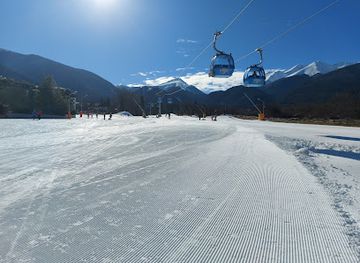
Bansko lies at the north-eastern foot of the Pirin Mountains in south-western Bulgaria, where the broad Razlog Valley meets steep, forested slopes and high alpine ridges. The town is best known as Bulgaria’s leading ski destination, with a modern lift system ascending towards Todorka and the Banderishka Polyana area, but its appeal extends well beyond winter. In warmer months, Bansko provides a practical base for walking in Pirin National Park, a UNESCO World Heritage landscape of glacial lakes, granite peaks, pine forests and high mountain valleys. The summit of Vihren, Bulgaria’s second-highest mountain, is among the defining features of the surrounding landscape.Read more about Bansko
Old Town and Living Heritage
Exploring the Region
When is the best time to visit Bansko?
Best: July–September · 20–24°C| Month | High (°C) | Rainfall (mm) |
|---|---|---|
| January | 1 | 43 |
| February | 1 | 36 |
| March | 5 | 38 |
| April | 11 | 43 |
| May | 17 | 68 |
| June | 22 | 85 |
| July (best) | 24 | 64 |
| August (best) | 24 | 60 |
| September (best) | 20 | 57 |
| October | 14 | 49 |
| November | 7 | 46 |
| December | 4 | 43 |
Getting to and around Bansko
How to get there
Transportation
Best attractions in Bansko
Bansko’s principal attractions span its historic centre and the mountain landscape above it. The old town contains the Holy Trinity Church, Velyanova House and a network of stone lanes lined with traditional houses, while the Nikola Vaptsarov House Museum and Neofit Rilski House Museum introduce two important figures in Bulgarian cultural history. Above the town, the ski area rises towards Todorka and Banderishka Polyana, with winter pistes and summer access towards Pirin’s walking routes. Pirin National Park offers a much wilder setting, including conifer forests, granite ridges and routes to high mountain lakes and peaks. Vihren, Bulgaria’s second-highest summit, is approached from the Bansko side by established mountain routes, though conditions and difficulty vary considerably. Nearby Dobrinishte adds another mountain gateway, while Razlog provides views across the broad valley and access to the region’s rural landscape.
-
Hiking area
Банско
Explore diverse hiking trails in the Pirin Mountains from Bansko, Bulgaria, with routes for all skill levels amidst stunning alpine scenery.
-
Tourist attraction
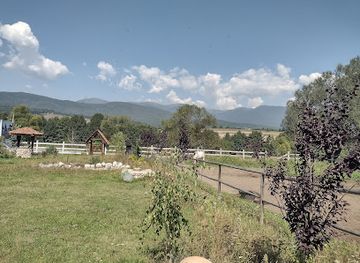
Конна База Каган
Discover the natural beauty and cultural charm of Konna Baza Kagan, a must-visit tourist attraction in Bachevo, Bulgaria, perfect for relaxation and adventure.
-
Tourist attraction
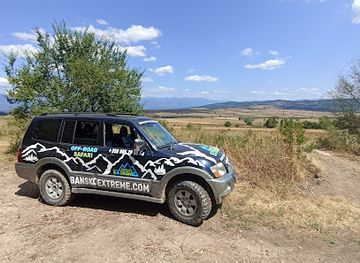
Bansko Extreme - ski & snowboard school and rent
Experience winter thrills at Bansko Extreme, the leading ski and snowboard school offering equipment rentals and unforgettable outdoor activities in Bansko.
-
Monument
Nikola Vaptsarov Monument
Explore the Nikola Vaptsarov Monument in Bansko, a tribute to Bulgaria's literary hero amidst stunning mountain scenery.

Best landmarks in Bansko
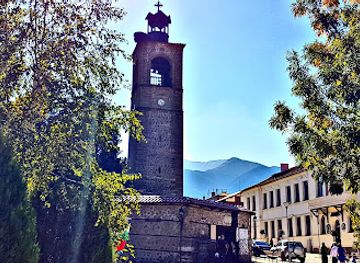
The Holy Trinity Church is Bansko’s most recognisable historic landmark, combining a substantial stone complex with the religious and artistic traditions of the Bulgarian National Revival. Velyanova House illustrates the defensive domestic architecture of the period, with enclosed spaces designed for both family life and security, while the old town’s stone lanes preserve the settlement’s historic urban form. The Nikola Vaptsarov House Museum and Neofit Rilski House Museum mark Bansko’s literary and educational associations. In the natural landscape, Mount Vihren is the defining summit of the local Pirin panorama, and the glacial lakes, granite ridges and conifer forests of Pirin National Park form a protected mountain landmark in their own right. The ski slopes around Todorka represent a newer layer of Bansko’s identity, linking the historic town with its modern role as a winter resort.
-
Ski resort
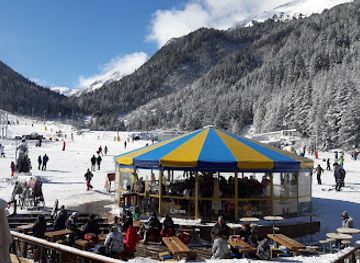
Banderishka meadow
Discover Banderishka Meadow, the ideal destination for skiing, hiking, and immersing yourself in the natural beauty of the Pirin Mountains.
-
Mountain cable car
Bansko Gondola Ski Lift
Reach the slopes of Bansko with ease on this modern gondola, offering stunning views and access to winter and summer mountain activities.
-
Orthodox church
Holy Trinity Church
Experience the tranquility and architectural splendor of Holy Trinity Church, a key cultural landmark in Bansko, Bulgaria, rich in history and beauty.
-
City park
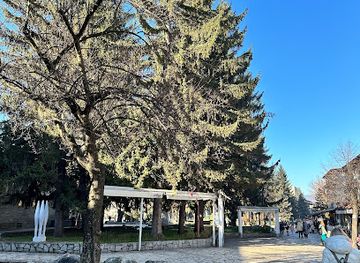
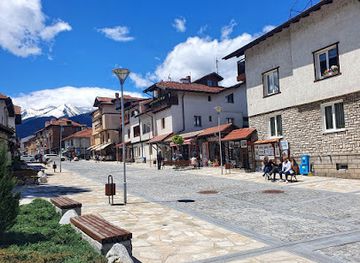
Nikola Vaptsarov Square
Discover the tranquil beauty of Nikola Vaptsarov Square, the heart of Bansko where nature meets culture in a picturesque city park.
Explore Bansko on the map
Plan your trip on one map. See where the top attractions, landmarks, restaurants and hotels are, and book hotels and experiences in a few clicks.
Best hotels in Bansko
Best restaurants in Bansko
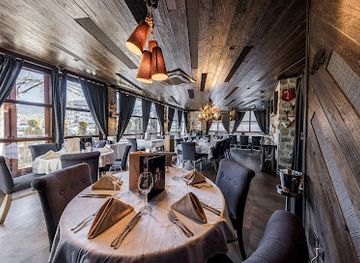
Bansko’s food culture combines Bulgarian mountain cooking with the demands of an international ski resort. In the old town and around the central streets, traditional mehanas serve hearty dishes such as slow-cooked stews, grilled meats, local cheeses, salads, breads and regional specialities, often in buildings that retain a rustic stone-and-timber character. Visitors can also find cafés, pizzerias and more contemporary restaurants catering to winter sports travellers and summer walkers. Local menus reflect the surrounding agricultural region, with dairy products, potatoes, beans, cured meats and seasonal vegetables appearing frequently. Dining options are concentrated in Bansko rather than on the higher mountain slopes, where food and drink facilities are more limited and seasonal. Razlog and Dobrinishte provide additional village restaurants and taverns for travellers exploring the wider valley, although opening patterns can vary outside the main holiday periods.
-
Restaurant
Restaurant Victoria Bansko
Experience exquisite dining at Restaurant Victoria Bansko - where Italian flair meets sushi perfection amidst stunning mountain views.
-
Bulgarian
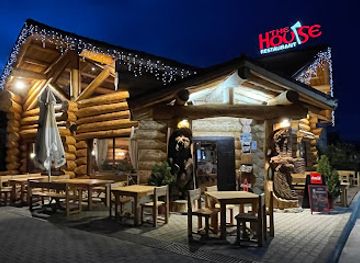
The House
Discover the authentic flavors of Bulgaria at The House in Bansko – where tradition meets modern cuisine in a cozy setting.
-
Meyhane
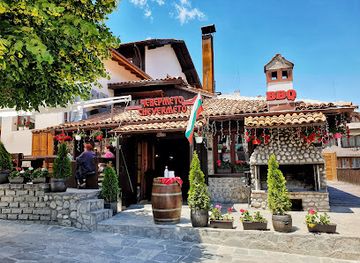
Mehana Chevermeto
Savor traditional Bulgarian flavors at Mehana Chevermeto in Bansko – a culinary gem where authentic dishes meet warm hospitality.
-
Restaurant
Queen's Pub Bansko / Куинс пъб Банско
Discover authentic Bulgarian cuisine and lively entertainment at Queen's Pub in Bansko – your perfect dining destination.
Best bars in Bansko
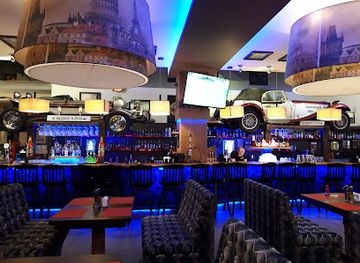
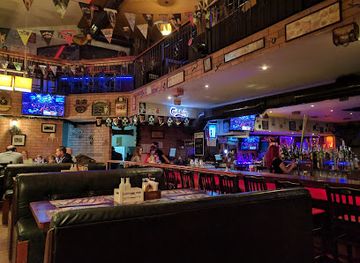
Bansko has a more active evening scene than many Bulgarian mountain towns, particularly during the winter ski season, but it remains concentrated around the resort and central streets rather than forming a large city-style nightlife district. Visitors can choose from traditional taverns, hotel bars, après-ski venues and informal pubs, with the liveliest atmosphere generally found after skiing and during peak holiday periods. The old town offers quieter evenings built around food, local drinks and conversation, while some resort venues cater more directly to international visitors. In summer, evenings are typically calmer, with restaurants, outdoor seating and occasional cultural activity providing the main options. Nearby Razlog and Dobrinishte are better suited to low-key local hospitality than late-night entertainment, and venue schedules should be checked locally rather than assumed to operate year-round.
-
Meyhane
Mehana Chevermeto
Discover authentic Bulgarian cuisine in a charming atmosphere at Mehana Chevermeto, a must-visit restaurant in Bansko's Old Town.
-
Restaurant
Queen's Pub Bansko / Куинс пъб Банско
Discover Queen's Pub Bansko for a unique blend of hearty Bulgarian cuisine, lively atmosphere, and warm hospitality in the heart of the mountains.
-
Pub
Amigo Pub
Experience Bansko's vibrant nightlife at Amigo Pub, where great drinks, hearty food, and friendly atmosphere come together.
-
Bar
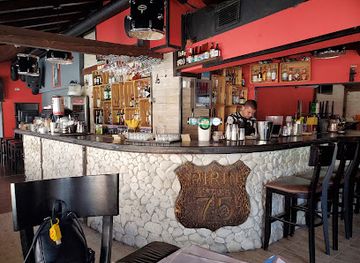
Pirin 75
Experience the vibrant nightlife of Bansko at Pirin 75, a cozy bar offering local drinks and a warm atmosphere for all visitors.
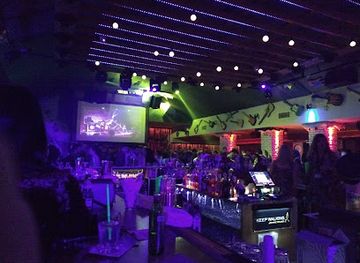
Best nightclubs in Bansko
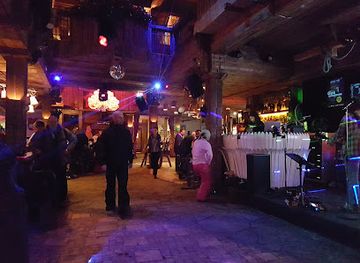
Bansko has a more active evening scene than many Bulgarian mountain towns, particularly during the winter ski season, but it remains concentrated around the resort and central streets rather than forming a large city-style nightlife district. Visitors can choose from traditional taverns, hotel bars, après-ski venues and informal pubs, with the liveliest atmosphere generally found after skiing and during peak holiday periods. The old town offers quieter evenings built around food, local drinks and conversation, while some resort venues cater more directly to international visitors. In summer, evenings are typically calmer, with restaurants, outdoor seating and occasional cultural activity providing the main options. Nearby Razlog and Dobrinishte are better suited to low-key local hospitality than late-night entertainment, and venue schedules should be checked locally rather than assumed to operate year-round.
-
Bar
Pirin 75
Discover the vibrant atmosphere of Pirin 75, a cozy bar in Bansko offering a delightful selection of drinks and a welcoming ambiance for all.
-
Bar
Happy End
Experience the vibrant nightlife at Happy End, Bansko's top bar for cocktails, camaraderie, and mountain views.
-
Night club
Jack’s House Nightclub Bansko
Discover the vibrant nightlife at Jack’s House Nightclub in Bansko, where unforgettable nights of dancing and socializing await.
-
Bar
Oxygen
Experience the vibrant nightlife of Bansko at Oxygen, a lively bar known for its cocktails, music, and welcoming atmosphere for all visitors.

Best shops in Bansko
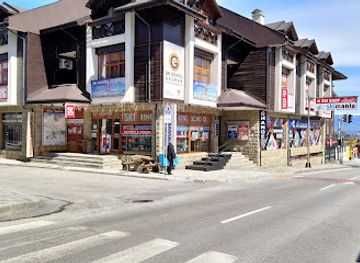
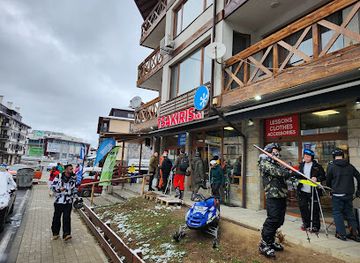
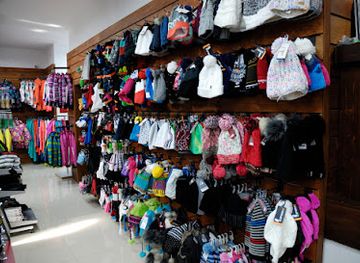
Shopping in Bansko is focused on practical resort needs, regional food and locally made objects rather than extensive urban retail. Central streets contain small shops selling ski and walking equipment, clothing and everyday supplies, while the old town and surrounding hospitality areas offer Bulgarian wine, spirits, honey, preserves, cheeses and other regional produce. Handmade souvenirs, painted objects, textiles and craft items may be found through independent businesses, although the range and availability of artisan goods varies. Village shops and food producers in Razlog and Dobrinishte provide additional opportunities to buy products associated with the Razlog Valley. Visitors seeking a broader selection of Bulgarian brands, specialist equipment or large commercial centres will generally find more choice in Sofia, so Bansko is best approached as a destination for useful outdoor goods and regional products rather than intensive retail.
-
Ski rental service
TSAKIRIS Ski & Snowboard Bansko
Discover the ultimate winter adventure at TSAKIRIS Ski & Snowboard Bansko, where quality ski rentals meet breathtaking mountain landscapes.
-
Sportswear store
SPORTMIXX SHOP | RENT | SCHOOL
Discover top-notch sportswear and rental services at SPORTMIXX SHOP | RENT | SCHOOL, your adventure starts here in beautiful Bansko, Bulgaria.
-
Ski shop
BOGNER
Discover BOGNER in Bansko: Your ultimate destination for premium ski gear and stylish winter apparel.
-
Clothing store
Micro Xtreme
Explore Micro Xtreme in Bansko for top-quality apparel and snowboard gear, perfect for your mountain adventures and stylish outings.
Get your free copy of our complete guide to Bansko, delivered straight to you.
Everything on this page, from attractions and restaurants to essentials and local phrases, in one PDF you can read offline, print or share.
Already have an account? Sign in
Your Bansko guide is ready.
We'll send it to · Not you? Sign out

Getting your guide ready…
We are putting together a fresh copy of the Bansko guide. This can take up to a minute.
This can take a few moments. If your browser asks, choose Allow so the download can start. You'll find the guide in your Downloads folder.
Nothing happened? Download it again
Sorry, the guide is taking longer than usual. Please try again in a minute, or get it by email instead.
Bansko essentials
Currency and Payment
Safety
Emergency Situations
Do's and Don'ts
Local Tips
From Eve
Local phrases worth knowing
You don't need to get them perfect. A few words go a long way, and locals appreciate the effort.
Basics
| English | Local | Say it |
|---|---|---|
| Hello | Здравей | [Zdravey] |
| Goodbye | Довиждане | [Dovizhdane] |
| Yes | Да | [Da] |
| No | Не | [Ne] |
| Please/You're welcome | Моля | [Molya] |
| Thank you | Благодаря | [Blagodarya] |
| Excuse me/Sorry | Извинявайте | [Izvinyavayte] |
| How are you? | Как си? | [Kak si?] |
| Fine. And you? | Добре. А ти? | [Dobre. A ti?] |
| Do you speak English? | Говориш ли английски? | [Govorish li angliyski?] |
| I don't understand | Не разбирам | [Ne razbiram] |
Eating & Drinking
| English | Local | Say it |
|---|---|---|
| I'd like to see the menu, please | Бих искал да видя менюто, моля | [Bih iskal da vida menuto, molya] |
| I don't eat meat | Не ям месо | [Ne yam meso] |
| Cheers! | На здраве! | [Na zdrave!] |
| I would like to pay, please | Бих искал да платя, моля | [Bih iskal da platya, molya] |
Emergencies
| English | Local | Say it |
|---|---|---|
| Help! | Помощ! | [Pomosht!] |
| Go away! | Отиди си! | [Otdi si!] |
| Call the Police! | Обадете полицията! | [Obedete politsiyata!] |
| Call a doctor! | Обадете лекар! | [Obedete lekar!] |
| I'm lost | Загубих се | [Zagubih se] |
| I'm ill | Болен съм | [Bolen sam] |
Shopping
| English | Local | Say it |
|---|---|---|
| I'd like to buy... | Бих искал да купя... | [Bih iskal da kupya...] |
| I'm just looking | Просто разглеждам | [Prosto razglezhdam] |
| How much is it? | Колко струва? | [Kolko struva?] |
| That's too expensive | Това е твърде скъпо | [Tova e tvurde skapо] |
| Can you lower the price? | Можете ли да намалите цената? | [Mozhete li da namalite tsenata?] |
Time & Numbers
| English | Local | Say it |
|---|---|---|
| What time is it? | Колко е часът? | [Kolko e chasat?] |
| It's one o'clock | Един час е | [Edin chas e] |
| Half past (10) | Половина на (10) | [Polovina na (10)] |
| Morning | Сутрин | [Sutrin] |
| Afternoon | Следобед | [Sledobed] |
| Evening | Вечер | [Vecher] |
| Yesterday | Вчера | [Vchera] |
| Today | Днес | [Dnes] |
| Tomorrow | Утре | [Utre] |
| 1 | Едно | [Edno] |
| 2 | Две | [Dve] |
| 3 | Три | [Tri] |
| 4 | Четири | [Chetiri] |
| 5 | Пет | [Pet] |
| 6 | Шест | [Shest] |
| 7 | Седем | [Sedem] |
| 8 | Осем | [Osem] |
| 9 | Девет | [Devet] |
| 10 | Десет | [Deset] |
Transport & Directions
| English | Local | Say it |
|---|---|---|
| Where's a/the...? | Къде е ...? | [Kade e ...?] |
| What's the address? | Какъв е адресът? | [Kakav e adresat?] |
| Can you show me (on the map)? | Можете ли да ми покажете (на картата)? | [Mozhete li da mi pokazhete (na kartata)?] |
| When's the next (bus)? | Кога е следващият (автобус)? | [Koga e sledvashtiyat (avtobus)?] |
| A ticket (to ....) | Билет (до ...) | [Bilet (do ...)] |
History of Bansko
A Mountain Valley Settlement
Bansko developed in the Razlog Valley at the junction of routes linking the Pirin, Rila and Rhodope mountain regions. Its position supported pastoral activity, agriculture, craft production and trade between upland communities and the wider Bulgarian lands. The surrounding mountains shaped both the local economy and the town’s architecture: thick stone walls, timber upper storeys and enclosed courtyards helped households manage cold winters and protect valuable goods. Although the earliest phases of settlement are difficult to separate from the broader history of the valley, Bansko’s historic character reflects centuries of adaptation to a demanding mountain environment.
The Bulgarian National Revival
During the eighteenth and nineteenth centuries, Bansko became an important local centre of commerce, education and religious life. Prosperous merchants travelled widely, and some brought back cultural influences and wealth that were invested in large fortified houses, churches and community buildings. The Holy Trinity Church, completed in the early nineteenth century, became a major expression of the town’s religious and artistic identity. Houses such as Velyanova House preserve the defensive domestic architecture associated with the Bulgarian National Revival, a period when cultural institutions and local communities played an important role in preserving Bulgarian language and traditions under Ottoman rule.
Art, Education and National Identity
Bansko produced several figures associated with Bulgarian cultural history. The town is linked with Neofit Rilski, a monk, teacher and scholar regarded as an important pioneer of modern Bulgarian education and literary culture. It is also the birthplace of Nikola Vaptsarov, whose poetry addressed work, technology, social ideals and human experience in the twentieth century. Museums and commemorative sites in Bansko interpret these connections rather than presenting the town solely as a mountain resort. They help explain why local identity combines religious heritage, education, literature and commercial traditions.
From Rural Economy to Mountain Tourism
For much of its history, Bansko depended on farming, livestock, forestry, crafts and regional trade. Modern tourism developed later, building on the town’s historic centre and access to the Pirin Mountains. Winter sports became increasingly important as ski infrastructure expanded, turning Bansko into an international resort while leaving the old town as a separate layer of the settlement’s identity. The resulting landscape contains both renovated traditional houses and contemporary hotels, restaurants and transport facilities, reflecting the economic transformation experienced by many Bulgarian mountain communities.
Pirin National Park and Conservation
The high mountain environment above Bansko forms part of Pirin National Park, established in 1962 to protect the range’s forests, alpine terrain, lakes and habitats. The park was later recognised by UNESCO for its natural values. Conservation has shaped how visitors encounter the mountains, with marked routes and regulated management intended to limit damage in sensitive areas. Today Bansko’s tourism economy depends on access to this protected landscape, while the park’s environmental requirements remain central to responsible hiking, winter recreation and development around the mountain slopes.
Bansko in Photos
Browse through our photo collection highlighting the charm and character of the destination.
Neighbouring destination travel guides
The closest destinations to Bansko, if you have time for more than one.
-

-

-

-

-


Swipe for more destinations
Explore more

Explore more of Pirin Macedonia
Discover the beauty of Pirin Macedonia in Bulgaria, where stunning mountains, historic towns, and rich cultural heritage converge for an unforgettable experience.
Explore Pirin Macedonia
Explore more of Bulgaria
Explore Bulgaria: From Sofia's bustling streets to the serene mountains and stunning Black Sea beaches, discover the rich history, culture, and natural beauty of Bulgaria.
Explore Bulgaria