

Obzor, Bulgaria Travel Guide
Discover Obzor, Bulgaria's serene coastal town with pristine beaches, ancient history, and a tranquil atmosphere perfect for a relaxing getaway.
Obzor is a charming coastal town located on the Black Sea coast of Bulgaria. Known for its long sandy beaches and crystal-clear waters, it is a perfect place for a relaxing beach holiday. The town's quiet and laid-back atmosphere makes it an ideal destination for families and those looking to escape the hustle and bustle of busier resorts. Obzor has a rich history that dates back to ancient times. Visitors can explore the remains of the ancient Roman temple of Jupiter and other historical sites scattered around the town. The town's central park is a lovely spot for a leisurely stroll, and the local market offers a taste of Bulgarian culture with its fresh produce and handmade crafts. In addition to the beautiful beaches, Obzor offers a variety of activities for visitors. Water sports, hiking in the nearby Balkan Mountains, and exploring the lush forests are just a few of the options. The town also has a number of cozy cafes and restaurants where you can enjoy traditional Bulgarian cuisine while taking in the stunning sea views.

Know before you go
Hi, I'm Eve. Here are a few practical things to know before exploring Obzor.
- Visit the local market early in the morning for the freshest produce and unique handmade crafts.
- Take a hike in the nearby Balkan Mountains for breathtaking views and a chance to connect with nature.
- Try traditional Bulgarian dishes at local restaurants for an authentic culinary experience.
- Explore the historical sites, including the ancient Roman temple of Jupiter, for a glimpse into Obzor's rich past.
- The best time to visit Obzor is from May to September when the weather is warm and perfect for beach activities.
Explore Obzor: Things to Do, Places to Eat, Hotels & More
Handpicked recommendations for top attractions, local dining, accommodations, and more

Best attractions in Obzor
Top-rated picks
Best Attractions

Парк Обзор
Experience the beauty and tranquility of Park Obzor in Burgas, a perfect spot for relaxation, family fun, and cultural exploration.

St. Atanas antique fortress
Explore the St. Atanas Antique Fortress in Byala, Bulgaria, a captivating site of history and stunning views that brings the past to life.

Saint Nicholas Church, Varna
Discover the serene beauty and rich heritage of Saint Nicholas Church in Varna, a captivating Orthodox sanctuary that embodies Bulgaria's spiritual essence.

Clock Tower of Varna
Discover the captivating history and stunning views from Varna's Clock Tower, a must-see landmark that embodies the spirit of this vibrant city.

Best landmarks in Obzor
Top-rated picks
Best Landmarks

Sol Luna Bay All Inclusive
Discover the enchanting Sol Luna Bay All Inclusive, a beachfront haven in Bulgaria offering luxury, relaxation, and vibrant local culture.

хотел Казабланка
Discover unparalleled luxury and vibrant coastal beauty at Hotel Kazablanka in Obzor, Bulgaria, your ideal getaway for relaxation and adventure.

AluaSun Helios Beach
Experience the perfect seaside getaway at AluaSun Helios Beach in Obzor, Bulgaria, where relaxation meets adventure in stunning surroundings.

OBZOR
Experience the captivating blend of history, culture, and breathtaking beaches in Obzor, Bulgaria's hidden coastal treasure.

Best restaurants in Obzor
Top-rated picks
Best Restaurants
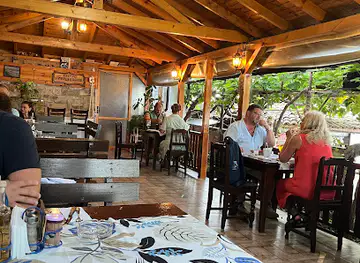
Morska Perla
Discover Morska Perla: A top-rated seafood bistro in Obzor offering fresh dishes and stunning views of the Black Sea.

ОБЗОР Ресторант Морски бриз
Savor fresh seafood and authentic Bulgarian cuisine at Restaurant Morски бриз with breathtaking views of Obzor's coastline.

Pizza & Restaurant The House
Experience authentic Italian flavors at Pizza & Restaurant The House in Obzor – where every pizza tells a delicious story.

Opexa
Experience authentic Bulgarian cuisine at Opexa - the perfect family-friendly dining destination in Burgas.

Best bars in Obzor
Top-rated picks
Best Bars

Corner Bar & Dinner
Discover the lively atmosphere and diverse menu at Corner Bar & Dinner, the perfect spot for tourists in Sunny Beach.

Morska Perla
Savor the fresh flavors of the Black Sea at Morska Perla, Obzor's top seafood bistro, where culinary excellence meets coastal charm.

Condor Bar
Experience the vibrant atmosphere and refreshing drinks at Condor Bar, a must-visit destination in Sunny Beach.

ОБЗОР Ресторант Морски бриз
Experience the best of Bulgarian cuisine and fresh seafood at Restaurant Morski Briz, a culinary haven on the stunning Black Sea coast.

Best nightclubs in Obzor
Top-rated picks
Best Nightclubs

Cacao Beach Club
Experience the vibrant nightlife at Cacao Beach Club, where music, dancing, and beautiful beach views create unforgettable summer nights in Sunny Beach.

Beach Bar Oro
Experience the best cocktails by the beach at Beach Bar Oro, your perfect retreat in Obzor, Bulgaria, where relaxation meets vibrant nightlife.

LAV Premium Club
Dive into the vibrant nightlife at LAV Premium Club in Sunny Beach, where electrifying music and an energetic crowd create unforgettable experiences.

Seaside beach club
Experience delightful dining at Seaside Beach Club in Obzor, where exquisite cuisine meets breathtaking coastal views.

Best shops in Obzor
Top-rated picks
Best Shops

Aldo Supermarket
Explore Aldo Supermarket in Burgas for a diverse selection of local and international products, perfect for every traveler’s needs.

Sunny Markets
Discover the vibrant atmosphere of Sunny Markets in Obzor, where local culture meets a diverse selection of products for all your shopping needs.

Магазин Комфорт Хаус / Comfort House Shop OBZOR
Explore Comfort House Shop in Obzor for unique souvenirs and a taste of Bulgarian culture, all in a welcoming and vibrant shopping environment.

Minimarket Obzor
Explore the diverse offerings of Minimarket Obzor, the ultimate grocery destination in Burgas, Bulgaria, for tourists seeking convenience and quality.

Explore Obzor on the Map
A handpicked selection of must-see spots in Obzor, mapped for you.
Obzor Essentials
-
Obzor is located on the Black Sea coast of Bulgaria, approximately halfway between the cities of Varna and Burgas. The nearest international airports are Varna Airport (VAR) and Burgas Airport (BOJ), both about 60 kilometers away. From either airport, you can take a taxi, rent a car, or use shuttle services to get to Obzor. Additionally, there are regular bus services from Varna and Burgas to Obzor.
-
Obzor is a small town, and most attractions are within walking distance. For longer trips, local taxis are readily available and reasonably priced. Buses connect Obzor to nearby cities like Varna and Burgas. Renting a car can be a convenient option for exploring the surrounding areas at your own pace. Bicycle rentals are also available for a more eco-friendly way to get around.
-
The official currency in Bulgaria is the Bulgarian Lev (BGN). Credit cards are widely accepted in hotels, restaurants, and shops, but it is advisable to carry some cash for smaller establishments and markets. ATMs are available throughout Obzor, and currency exchange services can be found in banks and exchange offices.
-
Obzor is generally a safe destination for tourists. However, as with any travel location, it is wise to take standard precautions. Avoid walking alone at night in secluded areas and keep an eye on your belongings in crowded places. While there are no specific high-crime areas targeting tourists in Obzor, staying vigilant and aware of your surroundings is always recommended.
-
In case of emergency, dial 112 for immediate assistance. There is a local police station and a medical center in Obzor. It is advisable to have travel insurance that covers medical emergencies. Pharmacies are available in the town for minor health issues, where you can purchase over-the-counter medications.
-
Fashion: Do dress modestly, especially when visiting religious sites. Avoid wearing beachwear away from the beach or pool areas. Religion: Do respect local customs and traditions, especially in religious settings. Remove your hat and cover your shoulders when entering churches. Public Transport: Do be respectful and offer your seat to elderly passengers. Don’t eat or drink on public transport. Greetings: Do greet people with a handshake. A smile and 'Zdravei' (Hello) can go a long way. Eating & Drinking: Do try local delicacies and accept food offerings graciously. Don’t refuse hospitality, as it is considered impolite.
-
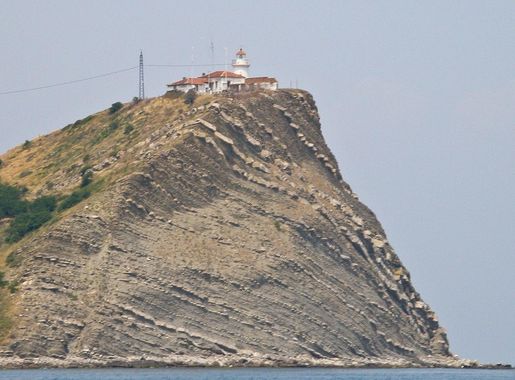
To experience Obzor like a local, visit the local markets where you can buy fresh produce and traditional Bulgarian goods. Engage with locals, as they are often friendly and willing to share stories about the town’s history and culture. Don’t miss visiting the ancient ruins of Heliopolis and the local vineyards for a taste of the region’s wine. For a unique experience, take a walk through the beautiful Emine Cape, offering breathtaking views of the Black Sea.
When is the best time to visit Obzor?
Useful Local Phrases for Obzor
You don't need to speak the language perfectly. Even learning a few simple words can make conversations warmer—and locals usually appreciate the effort.
— Eve

Here are the phrases I use most often in Obzor. Try a few—you'll be surprised how far they go! 😊
❤️
-
- HelloЗдравей
[Zdravey] - GoodbyeДовиждане
[Dovizhdane] - YesДа
[Da] - NoНе
[Ne] - Please/You're welcomeМоля
[Molya] - Thank youБлагодаря
[Blagodarya] - Excuse me/SorryИзвинявайте
[Izvinyavayte] - How are you?Как си?
[Kak si?] - Fine. And you?Добре. А ти?
[Dobre. A ti?] - Do you speak English?Говорите ли английски?
[Govorite li angliyski?] - I don't understandНе разбирам
[Ne razbiram]
- HelloЗдравей
-
- I'd like to see the menu, pleaseБих искал да видя менюто, моля
[Bih iskal da vida menuto, molya] - I don't eat meatНе ям месо
[Ne yam meso] - Cheers!На здраве!
[Na zdrave!] - I would like to pay, pleaseИскам да платя, моля
[Iskam da platya, molya]
- I'd like to see the menu, pleaseБих искал да видя менюто, моля
-
- Help!Помощ!
[Pomosht!] - Go away!Махай се!
[Mahay se!] - Call the Police!Обадете полицията!
[Obadete politsiyata!] - Call a doctor!Обадете лекар!
[Obadete lekar!] - I'm lostЗагубен съм
[Zaguben sum] - I'm illБолен съм
[Bolen sum]
- Help!Помощ!
-
- I'd like to buy...Бих искал да купя...
[Bih iskal da kupya...] - I'm just lookingПросто гледам
[Prosto gledam] - How much is it?Колко струва?
[Kolko struva?] - That's too expensiveТова е твърде скъпо
[Tova e tvurde skapo] - Can you lower the price?Можете ли да намалите цената?
[Mozhete li da namalite tsenata?]
- I'd like to buy...Бих искал да купя...
-
- What time is it?Колко е часът?
[Kolko e chasat?] - It's one o'clockЕдин час е
[Edin chas e] - Half past (10)Десет и половина
[Deset i polovina] - MorningСутрин
[Sutrin] - AfternoonСледобед
[Sledobed] - EveningВечер
[Vecher] - YesterdayВчера
[Vchera] - TodayДнес
[Dnes] - TomorrowУтре
[Utre] - 1Едно
[Edno] - 2Две
[Dve] - 3Три
[Tri] - 4Четири
[Chetiri] - 5Пет
[Pet] - 6Шест
[Shest] - 7Седем
[Sedem] - 8Осем
[Osem] - 9Девет
[Devet] - 10Десет
[Deset]
- What time is it?Колко е часът?
-
- Where's a/the...?Къде е...
[Kade e...] - What's the address?Какъв е адресът?
[Kakav e adresat?] - Can you show me (on the map)?Можете ли да ми покажете (на картата)?
[Mozhete li da mi pokazhete (na kartata)?] - When's the next (bus)?Кога е следващият (автобус)?
[Koga e sledvashtiyat (avtobus)?] - A ticket (to ....)Билет (до ...)
[Bilet (do ...)]
- Where's a/the...?Къде е...
History of Obzor
-
Obzor, known in ancient times as Heliopolis, was originally settled by Thracian tribes. These early inhabitants left behind numerous artifacts and burial mounds, showcasing their rich culture and advanced craftsmanship. The Thracians were known for their intricate metalwork, pottery, and religious rituals, many of which were centered around the worship of the sun god, Helios.
-
During the 5th century BCE, Greek settlers established a colony in the area, naming it Heliopolis, or 'City of the Sun.' This era saw the construction of temples, public baths, and amphitheaters. Later, in the 1st century BCE, the Romans took over, renaming the town to Templum Iovis, dedicated to the worship of Jupiter. The remnants of Roman architecture, including stone pavements and columns, can still be seen today, illustrating the town's importance as a regional hub.
-
Following the decline of the Roman Empire, Obzor came under Byzantine rule. The town was fortified, and several churches were built, reflecting the spread of Christianity. During the medieval period, Obzor was a contested territory between the Bulgarian and Byzantine Empires. The construction of defensive structures, such as the medieval fortress of Kozyak, highlights the strategic importance of the town in regional conflicts.
-
In the late 14th century, Obzor fell under Ottoman control, marking a significant shift in its cultural and architectural landscape. The town was renamed Gyozeken, and many traditional Ottoman-style buildings were constructed. This period also saw the blending of Bulgarian and Ottoman cultures, evident in the local cuisine, folk music, and dance traditions that persist to this day.
-
Following Bulgaria's liberation from Ottoman rule in 1878, Obzor began to develop as a modern town. The early 20th century saw the establishment of schools, libraries, and community centers, fostering a sense of national identity and cultural pride. Today, Obzor is a popular tourist destination, known for its beautiful beaches, historic sites, and vibrant local culture. The town's history is preserved in its architecture, museums, and annual cultural festivals, offering visitors a rich and immersive experience.
Neighbouring destination travel guides
Browse our curated selection of top destinations, scenic points, and must-visit spots in the area.


Your all‑in‑one travel companion app
Explore expert travel guides, compare and book tours, experiences, hotels, and more—all from the palm of your hand. Download now for seamless trip planning wherever your wanderlust takes you.


Explore More of Northeast Bulgaria

Looking beyond Obzor? Discover Northeast Bulgaria for broader travel guides, local hot-spots, and regional highlights.
Explore Northeast BulgariaExplore More of Bulgaria

Looking beyond Obzor? Discover Bulgaria for broader travel guides, local hot-spots, and regional highlights.
Explore BulgariaObzor in Photos
Browse through our photo collection highlighting the charm and character of the destination.
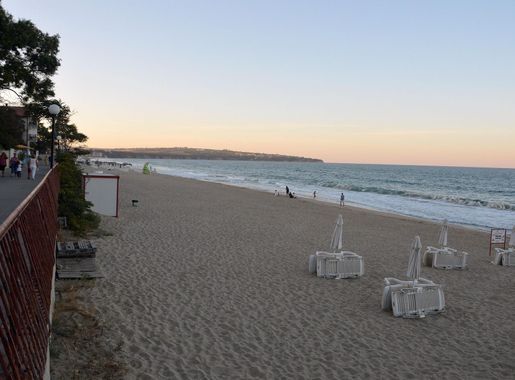
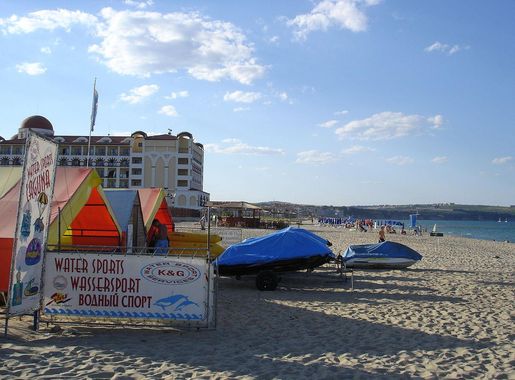


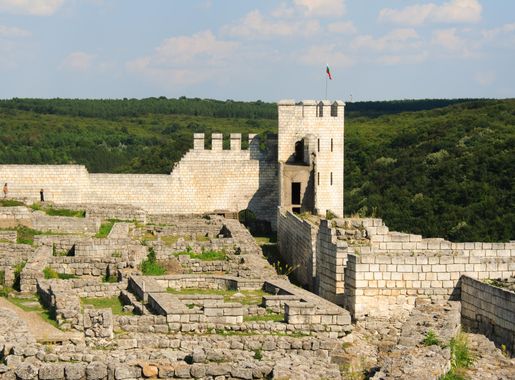


Obzor: The Hidden Gem of Bulgaria's Black Sea Coast
Obzor is a charming coastal town located on the Black Sea coast of Bulgaria. Known for its long sandy beaches and crystal-clear waters, it is a perfect place for a relaxing beach holiday. The town's quiet and laid-back atmosphere makes it an ideal destination for families and those looking to escape the hustle and bustle of busier resorts. Obzor has a rich history that dates back to ancient times. Visitors can explore the remains of the ancient Roman temple of Jupiter and other historical sites scattered around the town. The town's central park is a lovely spot for a leisurely stroll, and the local market offers a taste of Bulgarian culture with its fresh produce and handmade crafts. In addition to the beautiful beaches, Obzor offers a variety of activities for visitors. Water sports, hiking in the nearby Balkan Mountains, and exploring the lush forests are just a few of the options. The town also has a number of cozy cafes and restaurants where you can enjoy traditional Bulgarian cuisine while taking in the stunning sea views.