

Free Sofia Valley Travel Guide & Mobile App
Explore Sofia Valley with free travel guides. Discover regional history, expert tips, proposed trips, and audio guides on web or mobile app.


Discover Sofia Valley in Bulgaria: A captivating blend of history, nature, and culture, nestled in the heart of the Balkan Peninsula.
Read more about Sofia Valley
When is the best time to visit Sofia Valley?
Best: June, August–September · 24–29°C| Month | High (°C) | Rainfall (mm) |
|---|---|---|
| January | 6 | 30 |
| February | 8 | 25 |
| March | 13 | 35 |
| April | 18 | 45 |
| May | 22 | 50 |
| June (best) | 27 | 45 |
| July | 29 | 35 |
| August (best) | 29 | 30 |
| September (best) | 24 | 40 |
| October | 18 | 45 |
| November | 11 | 35 |
| December | 6 | 30 |
Getting to and around Sofia Valley
How to get there
Transportation
Destinations in Sofia Valley
Resorts, valleys and scenic spots worth a trip of their own.
-

-


Swipe for more destinations
Best attractions in Sofia Valley
Nestled in the heart of Bulgaria, Sofia Valley is a treasure trove of historical and cultural wonders waiting to be explored. Visitors can marvel at the ancient relics of Serdica, the Roman city that once thrived here, with its stunning amphitheater and remnants of once-majestic baths. The iconic Alexander Nevsky Cathedral, with its golden domes and intricate frescoes, stands as a testament to Bulgaria's rich Orthodox heritage. Sofia Valley's lush landscapes offer countless hiking trails that lead to breathtaking vistas and hidden monasteries, like the Boyana Church, adorned with medieval frescoes that are a UNESCO World Heritage site. The valley's vibrant markets and lively streets are a blend of old-world charm and modern flair, where you can savor traditional Bulgarian cuisine and shop for unique local crafts. With its seamless blend of history, culture, and natural beauty, Sofia Valley promises an unforgettable experience for every traveler.
-
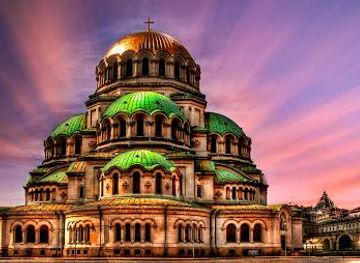
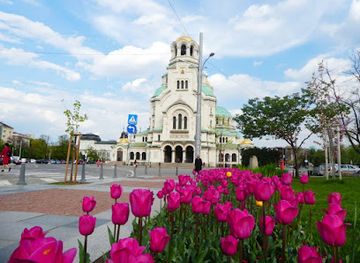
Patriarchal Cathedral of St. Alexander Nevsky
Explore the breathtaking Patriarchal Cathedral of St. Alexander Nevsky, a stunning architectural gem in Sofia, Bulgaria, rich in history and beauty.
-
Tourist attraction
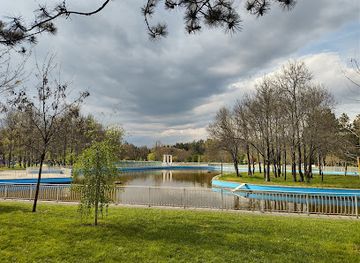
North Park
Discover the serene beauty and vibrant culture of North Park in Sofia, a perfect urban escape for relaxation and recreation.
-
Tourist attraction
Holy Trinity Park
Holy Trinity Park: A tranquil green oasis in the heart of Sofia, perfect for relaxation, picnics, and leisurely strolls amidst nature.
-
Tourist attraction
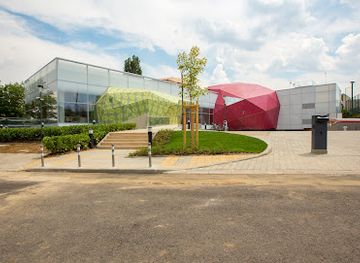
Muzeiko
Interactive science museum in Sofia, Bulgaria, offering hands-on exhibits and educational programs for children of all ages.

Best landmarks in Sofia Valley
Nestled in the heart of Bulgaria, Sofia Valley offers an enchanting blend of ancient history and vibrant modern culture, promising an unforgettable experience. Tourists can explore the majestic Alexander Nevsky Cathedral, a symbol of the city’s spiritual and architectural heritage, and the iconic Vitosha Mountain, perfect for hiking and breathtaking panoramic views. The valley is also home to the National Historical Museum, where millennia of Bulgarian history come to life, and the ancient Boyana Church, a UNESCO World Heritage site adorned with medieval frescoes. For a taste of contemporary Sofia, visitors can stroll through the bustling Vitosha Boulevard, lined with chic cafes, boutiques, and lively street performers. Amidst its historical treasures and modern attractions, Sofia Valley captivates with its unique blend of past and present, making it a must-visit destination.
-
Park
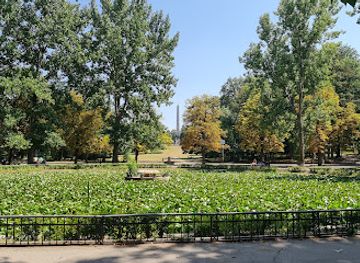
Borisova Gradina Park
Discover the natural beauty and historical charm of Borisova Gradina Park, Sofia's ultimate urban oasis for relaxation and exploration.
-
Eastern Orthodox Church
Patriarchal Cathedral of St. Alexander Nevsky
Discover Sofia's iconic St. Alexander Nevsky Cathedral: a majestic symbol of Bulgarian gratitude, history, and stunning Neo-Byzantine architecture.
-
Monastery
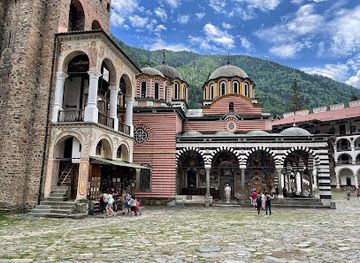
Rila Monastery
Discover the stunning Rila Monastery, a UNESCO World Heritage Site rich in history, breathtaking architecture, and serene natural surroundings in Bulgaria's Rila Mountains.
-
Shopping mall
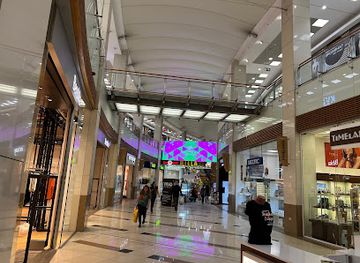
Mall of Sofia
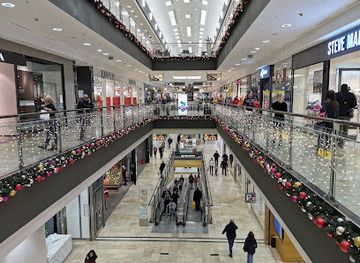
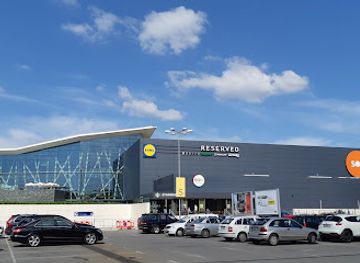
Discover the Mall of Sofia, Bulgaria's ultimate shopping haven with diverse brands, delightful dining, and entertainment for everyone.
Explore Sofia Valley on the map
Plan your trip on one map. See where the top cities, national parks and sights are, and book hotels and experiences in a few clicks.
Best hotels in Sofia Valley
Best restaurants in Sofia Valley
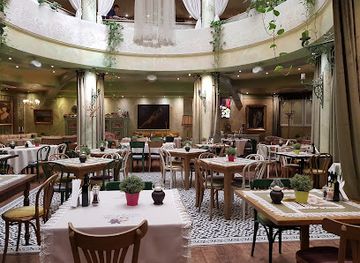
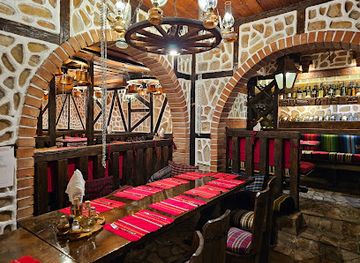
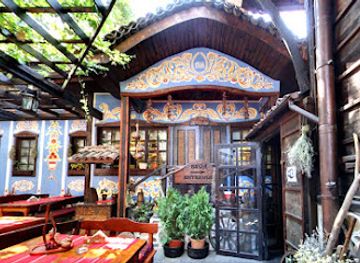
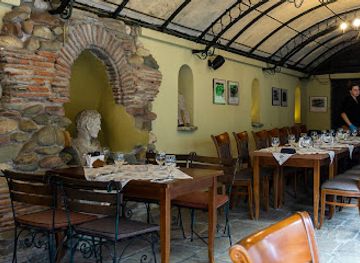
Nestled within the breathtaking landscapes of Sofia Valley, the dining scene is an eclectic mix of traditional Bulgarian cuisine and contemporary culinary artistry that promises to tantalize your taste buds. Visitors can indulge in hearty dishes like banitsa, a flaky pastry filled with cheese, and kavarma, a savory meat stew, served in charming, rustic taverns that echo centuries-old traditions. For those seeking modern flavors, the valley hosts a variety of innovative restaurants where local ingredients are transformed into gourmet masterpieces by talented chefs. The vibrant open-air markets offer a sensory feast with fresh produce, artisan cheeses, and fragrant spices, while cozy cafes invite you to savor a cup of strong Bulgarian coffee paired with sweet baklava. Whether dining in a sophisticated urban bistro or a quaint village eatery, the culinary journey through Sofia Valley is a delightful blend of history, culture, and flavor that captivates every visitor.
-
Restaurant
Shtastlivetsa restaurant Vitoshka
Discover authentic Bulgarian cuisine in the heart of Sofia at Shtastlivetsa Restaurant on Vitosha Boulevard.
-
Bulgarian
Hadjidraganov's Cellars
Discover the heart of Bulgaria at Hadjidraganov's Cellars - authentic cuisine paired with vibrant live music in a charming cellar atmosphere.
-
Bulgarian
Hadjidraganov's Houses Restaurant
Experience authentic Bulgarian cuisine and live music at Hadjidraganov's Houses Restaurant in Sofia - A must-visit culinary gem.
-
Bulgarian
Restaurant "Staria Chinar"
Savor authentic Bulgarian cuisine at Staria Chinar in Sofia - where tradition meets flavor in every dish.
Best bars in Sofia Valley
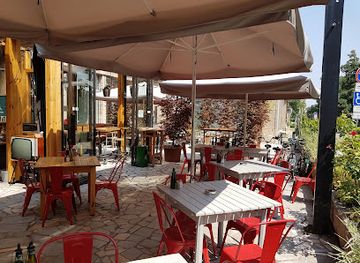
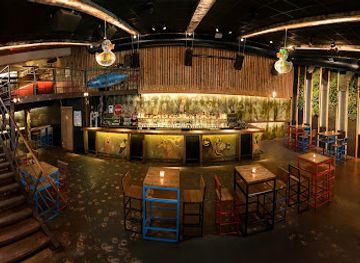
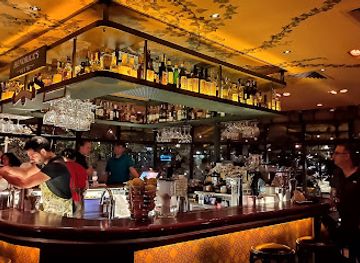
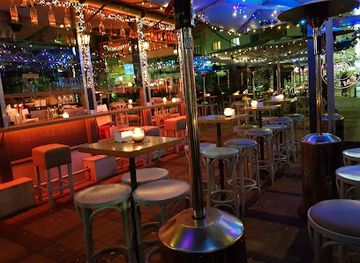
Sofia Valley’s nightlife scene is a captivating blend of historic charm and modern vibrancy, offering an array of experiences for every kind of night owl. Visitors can start their evening in one of the many sophisticated wine bars tucked away in cobbled streets, where they can savor local Bulgarian wines accompanied by traditional mezze platters. As the night progresses, the valley comes alive with trendy rooftop bars offering panoramic views of the cityscape and nearby mountains, perfect for enjoying craft cocktails under the stars. For those seeking more lively entertainment, the area boasts a variety of nightclubs featuring everything from pulsating electronic dance music to live performances by talented local bands, ensuring an unforgettable night of dancing and mingling. Additionally, hidden speakeasy bars with unique, themed interiors provide a more intimate setting for those looking to uncover the valley’s secret nightlife spots. Whether you're looking to unwind with a glass of fine wine or dance the night away, Sofia Valley’s nightlife has something to enchant every visitor.
-
Bar
Raketa Rakia Bar
Discover the essence of Bulgarian cuisine and culture at Raketa Rakia Bar in Sofia, offering delicious food and a wide selection of rakia.
-
Bar
Bar Friday
Experience Sofia's vibrant nightlife at Bar Friday, a cocktail bar and dance club featuring live music and an energetic atmosphere.
-
Cocktail bar
The Cocktail Bar
Discover the art of cocktail making at The Cocktail Bar in Sofia, where creativity meets flavor in every sip.
-
Bar
Memento Rakovska
Experience the vibrant atmosphere of Memento Rakovska, Sofia's go-to bar for exquisite drinks and memorable nights out.
Best nightclubs in Sofia Valley
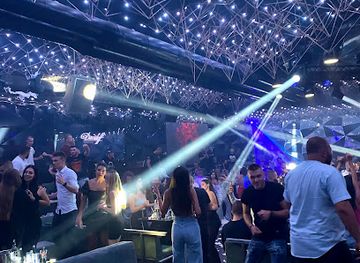
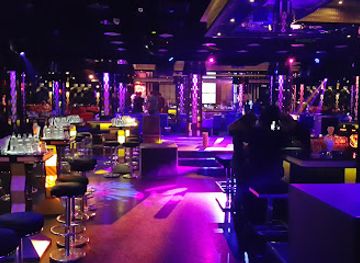
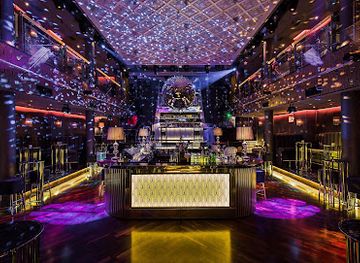
Sofia Valley’s nightlife scene is a captivating blend of historic charm and modern vibrancy, offering an array of experiences for every kind of night owl. Visitors can start their evening in one of the many sophisticated wine bars tucked away in cobbled streets, where they can savor local Bulgarian wines accompanied by traditional mezze platters. As the night progresses, the valley comes alive with trendy rooftop bars offering panoramic views of the cityscape and nearby mountains, perfect for enjoying craft cocktails under the stars. For those seeking more lively entertainment, the area boasts a variety of nightclubs featuring everything from pulsating electronic dance music to live performances by talented local bands, ensuring an unforgettable night of dancing and mingling. Additionally, hidden speakeasy bars with unique, themed interiors provide a more intimate setting for those looking to uncover the valley’s secret nightlife spots. Whether you're looking to unwind with a glass of fine wine or dance the night away, Sofia Valley’s nightlife has something to enchant every visitor.
-
Disco club
club *MIXTAPE 5*
Discover the electrifying nightlife of Sofia at Club Mixtape 5, a premier disco club offering unforgettable music and vibrant atmosphere.
-
Disco club
Club 33
Experience the vibrant nightlife at Club 33 in Sofia, a premier disco club where music and joy collide for an unforgettable evening.
-
Disco club
Plaza dance center
Discover the heart of Sofia's nightlife at Plaza Dance Center, a premier disco club with electrifying music and a vibrant atmosphere that lasts until dawn.
-
Night club
Carrusel Club
Dive into Sofia's nightlife at Carrusel Club, where electrifying beats and vibrant crowds create unforgettable late-night experiences.

Best shops in Sofia Valley
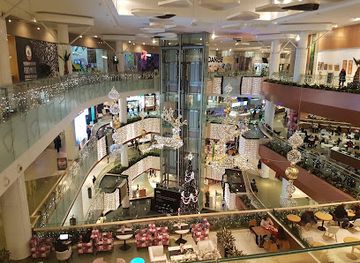
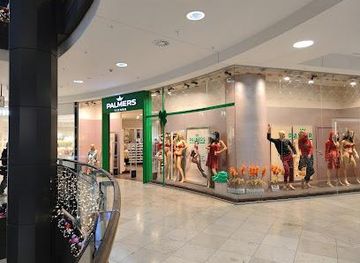
Sofia Valley's shopping scene is a delightful blend of traditional charm and modern sophistication, offering a vibrant experience that caters to all tastes. Visitors can wander through the bustling Vitosha Boulevard, lined with high-end boutiques, international brands, and trendy cafes, or explore the labyrinthine streets of the Central Market Hall, where local vendors sell everything from fresh produce and artisanal cheeses to handcrafted jewelry and vintage treasures. For those craving a unique cultural experience, the open-air markets in the suburbs provide an array of locally made crafts, traditional Bulgarian pottery, and intricate embroidery. Whether you're hunting for luxury items or one-of-a-kind souvenirs, the shopping options in Sofia Valley promise to captivate and delight every traveler.
-
Shopping mall
Paradise Center
Discover endless shopping, dining, and entertainment at Paradise Center, Sofia's top destination for a modern retail experience.
-
Shopping mall
Serdika Center
Explore Serdika Center in Sofia, Bulgaria - a vibrant shopping mall with top brands, diverse dining, and year-round entertainment.
-
Shopping mall
Serdika Center
Discover unmatched shopping, dining, and entertainment at Serdika Center, Sofia's ultimate shopping destination, blending local charm with global brands.
-
Shopping mall
Sofia Ring Mall
Discover the vibrant shopping scene at Sofia Ring Mall, featuring top brands, diverse dining options, and family-friendly entertainment in the heart of Sofia.
Get your free copy of our complete guide to Sofia Valley, delivered straight to you.
Everything on this page, from attractions and restaurants to essentials and local phrases, in one PDF you can read offline, print or share.
Already have an account? Sign in
Your Sofia Valley guide is ready.
We'll send it to · Not you? Sign out

Getting your guide ready…
We are putting together a fresh copy of the Sofia Valley guide. This can take up to a minute.
This can take a few moments. If your browser asks, choose Allow so the download can start. You'll find the guide in your Downloads folder.
Nothing happened? Download it again
Sorry, the guide is taking longer than usual. Please try again in a minute, or get it by email instead.
Sofia Valley essentials
Currency and Payment
Safety
Emergency Situations
Do's and Don'ts
Local Tips
From Eve
Local phrases worth knowing
You don't need to get them perfect. A few words go a long way, and locals appreciate the effort.
Basics
| English | Local | Say it |
|---|---|---|
| Hello | Здравейте | [Zdraveyte] |
| Goodbye | Довиждане | [Dovizhdate] |
| Yes | Да | [Da] |
| No | Не | [Ne] |
| Please/You're welcome | Моля/Няма защо | [Molya/Nyama zashto] |
| Thank you | Благодаря | [Blagodarya] |
| Excuse me/Sorry | Извинете | [Izvinete] |
| How are you? | Как сте? | [Kak ste?] |
| Fine. And you? | Добре. А вие? | [Dobre. A vie?] |
| Do you speak English? | Говорите ли английски? | [Govorite li angliyski?] |
| I don't understand | Не разбирам | [Ne razbiram] |
Eating & Drinking
| English | Local | Say it |
|---|---|---|
| I'd like to see the menu, please | Бих искал да видя менюто, моля | [Bih iskal da vidya menyuto, molya] |
| I don't eat meat | Не ям месо | [Ne yam meso] |
| Cheers! | Наздраве! | [Nazdrave!] |
| I would like to pay, please | Бих искал да платя, моля | [Bih iskal da platya, molya] |
Emergencies
| English | Local | Say it |
|---|---|---|
| Help! | Помощ! | [Pomoshch!] |
| Go away! | Отивай си! | [Otivay si!] |
| Call the Police! | Викайте полиция! | [Vikayte politsiya!] |
| Call a doctor! | Викайте лекар! | [Vikayte lekar!] |
| I'm lost | Загубих се | [Zagubih se] |
| I'm ill | Болен съм | [Bolen sŭm] |
Shopping
| English | Local | Say it |
|---|---|---|
| I'd like to buy... | Искам да купя... | [Iskam da kupya...] |
| I'm just looking | Просто разглеждам | [Prosto razglezhdam] |
| How much is it? | Колко струва? | [Kolko struva?] |
| That's too expensive | Това е твърде скъпо | [Tova e tvarde skŭpo] |
| Can you lower the price? | Можете ли да намалите цената? | [Mozhete li da namalite tsenata?] |
Time & Numbers
| English | Local | Say it |
|---|---|---|
| What time is it? | Колко е часа? | [Kolko e chasa?] |
| It's one o'clock | Часът е един | [Chasŭt e edin] |
| Half past (10) | Полвина (10) | [Polvina (10)] |
| Morning | Сутрин | [Sutrin] |
| Afternoon | Следобед | [Sledobed] |
| Evening | Вечер | [Vecher] |
| Yesterday | Вчера | [Vchera] |
| Today | Днес | [Dnes] |
| Tomorrow | Утре | [Utre] |
| 1 | 1 | [1] |
| 2 | 2 | [2] |
| 3 | 3 | [3] |
| 4 | 4 | [4] |
| 5 | 5 | [5] |
| 6 | 6 | [6] |
| 7 | 7 | [7] |
| 8 | 8 | [8] |
| 9 | 9 | [9] |
| 10 | 10 | [10] |
Transport & Directions
| English | Local | Say it |
|---|---|---|
| Where's a/the...? | Къде е...? | [Kŭde e...?] |
| What's the address? | Какъв е адресът? | [Kakŭv e adresŭt?] |
| Can you show me (on the map)? | Можете ли да ми покажете (на картата)? | [Mozhete li da mi pokazhete (na kartata)?] |
| When's the next (bus)? | Кога е следващият (автобус)? | [Koga e sledvashtiyat (avtobus)?] |
| A ticket (to ....) | Билет (за ....) | [Bilet (za....)] |
History of Sofia Valley
Ancient Thrace and Serdica
The history of Sofia Valley dates back to the ancient Thracian civilization. Around the 8th century BCE, the Thracian tribe of Serdi settled in the region, establishing the settlement of Serdica. The town became an important center due to its strategic location and fertile lands.
Roman Empire Influence
In 29 BCE, Serdica was conquered by the Romans and became an integral part of the Roman Empire. Emperor Trajan declared it a municipium, which led to significant development in infrastructure, including roads, public buildings, and baths. The town was known for its mineral springs and became a significant hub in the Roman province of Thracia.
Byzantine Era
After the fall of the Western Roman Empire, Serdica remained under Byzantine control. During this time, it became a prominent center of Christianity. The city's fortifications were strengthened, and several churches were built, including the St. Sophia Basilica, which later gave its name to the city.
First Bulgarian Empire
In the late 9th century, Serdica was incorporated into the First Bulgarian Empire under the rule of Knyaz Boris I. The city, now known as Sredets, became an important administrative and cultural center. The influence of the Bulgarian Empire brought a flourishing period of Slavic culture and Orthodox Christianity to the region.
Ottoman Rule
Sofia Valley fell under Ottoman rule in 1382. During this period, the city of Sofia became the administrative center of the Rumelia Eyalet. The Ottomans built numerous mosques, baths, and other structures, some of which still stand today. The city's multi-ethnic character was shaped by the diverse population that lived there during Ottoman rule.
Liberation and Modern Bulgaria
Sofia was liberated from Ottoman rule during the Russo-Turkish War of 1877-1878. It was declared the capital of the newly independent Bulgaria in 1879. The city underwent rapid modernization, influenced by European architectural styles and infrastructure development, marking its transformation into a modern capital.
World War II and the Communist Era
During World War II, Sofia Valley witnessed significant turmoil. The city suffered heavy bombing by the Allies. Following the war, Bulgaria fell under Soviet influence, and Sofia became the center of communist governance. This period saw the construction of numerous Soviet-style buildings and monuments, many of which remain prominent in the city's landscape.
Post-Communist Transition
The fall of communism in 1989 marked a new era for Sofia Valley. The city of Sofia began transitioning to a market economy and democratic governance. This period was characterized by political and social changes, economic challenges, and rapid urban development. Today, Sofia Valley is a vibrant region blending historical heritage with contemporary culture.
Sofia Valley in Photos
Browse through our photo collection highlighting the charm and character of the destination.
Neighbouring regions of Sofia Valley
The closest regions to Sofia Valley, if you have time for more than one.
-

-

-

-

-


Swipe for more regions
Explore more

Explore more of Bulgaria
Explore Bulgaria: From Sofia's bustling streets to the serene mountains and stunning Black Sea beaches, discover the rich history, culture, and natural beauty of Bulgaria.
Explore Bulgaria