

Free Southwest Bulgaria Travel Guide & Mobile App
Explore Southwest Bulgaria with free travel guides. Discover regional history, expert tips, proposed trips, and audio guides on web or mobile app.


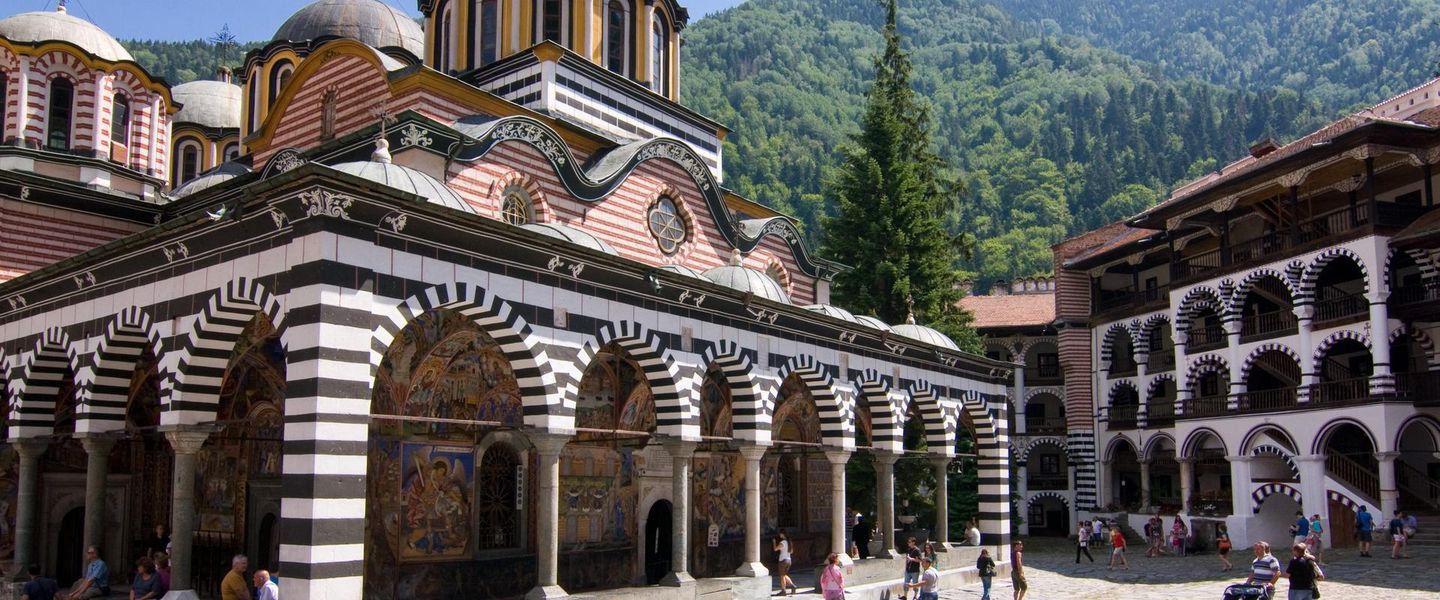


Explore Southwest Bulgaria for Sofia’s heritage, Rila and Pirin mountains, historic monasteries, spa towns, hiking and Struma Valley wines.
Read more about Southwest Bulgaria
When is the best time to visit Southwest Bulgaria?
Best: May–June, September · 23–27°C| Month | High (°C) | Rainfall (mm) |
|---|---|---|
| January | 7 | 40 |
| February | 8 | 35 |
| March | 13 | 40 |
| April | 18 | 45 |
| May (best) | 23 | 50 |
| June (best) | 27 | 55 |
| July | 30 | 45 |
| August | 29 | 40 |
| September (best) | 24 | 35 |
| October | 17 | 40 |
| November | 11 | 45 |
| December | 7 | 50 |
Getting to and around Southwest Bulgaria
How to get there
Transportation
Destinations in Southwest Bulgaria
Resorts, valleys and scenic spots worth a trip of their own.
-

-

-
-

-

-


Swipe for more destinations
Best attractions in Southwest Bulgaria
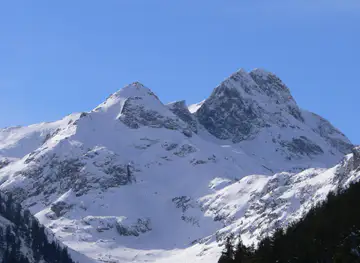
Southwest Bulgaria offers an unusually broad range of attractions within a relatively compact part of the country. Sofia combines Roman Serdica, major national museums, galleries, theatres and historic churches with the immediate outdoor access of Vitosha Mountain. Vitosha suits short walks and longer hikes, while Rila and Pirin provide alpine landscapes, glacial lakes, mountain huts and routes for experienced walkers. Borovets, Bansko and other resorts support winter sports as well as summer activities, although conditions and facilities vary by season. The Rila Monastery is the region’s foremost cultural excursion, linking architecture, religious history and mountain scenery. In the south, Melnik offers a distinctive historic settlement surrounded by eroded sandstone formations and vineyards, while Sandanski is known for its mild climate and mineral springs. Kyustendil adds Roman remains, galleries and spa heritage, and Pernik gives insight into mining and industrial development. Protected forests and highland habitats support wildlife watching, photography and nature walks, but visitors should stay on marked paths and respect conservation rules.
-
Winery
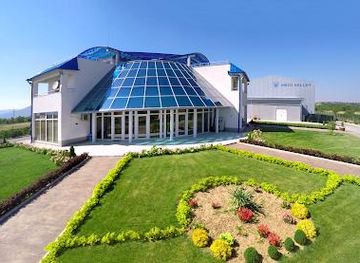
Винарска изба Меди Вали | Medi Valley Winery
Explore Medi Valley Winery in Smochevo - A perfect blend of exquisite wines and breathtaking natural beauty in Bulgaria's picturesque countryside.
Best landmarks in Southwest Bulgaria
Southwest Bulgaria’s best-known landmarks range from capital-city monuments to mountain and religious sites. In Sofia, the Alexander Nevsky Cathedral is the region’s most recognisable civic and religious landmark, while the small Church of Saint George stands within the modern city centre above Roman remains. The Boyana Church, at the foot of Vitosha, is particularly significant for its medieval frescoes and UNESCO status. Rila Monastery is the defining landmark of the southern mountains: its fortified-looking enclosure, striped arcades and richly painted church form a memorable architectural composition in a forested valley. Pirin’s sharp ridges and high peaks provide a natural counterpart, with Vihren and the surrounding alpine terrain among the region’s most visually commanding landscapes. Melnik’s sandstone pyramids distinguish the southern Struma valley, while Kyustendil’s Roman and spa heritage reflects the long importance of mineral springs. Pernik’s industrial structures and mining legacy represent a different but equally important layer of the region’s identity.
-
Eastern Orthodox Church
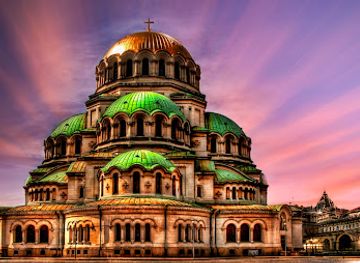
Patriarchal Cathedral of St. Alexander Nevsky
Discover Sofia's iconic St. Alexander Nevsky Cathedral: a symbol of Bulgarian-Russian friendship, Neo-Byzantine architecture, and rich Orthodox heritage.
-
 Monastery
Rila Monastery
Discover the breathtaking Rila Monastery, a UNESCO World Heritage Site, where art, history, and spirituality converge in the heart of Bulgaria's Rila Mountains.
-
Historical landmark
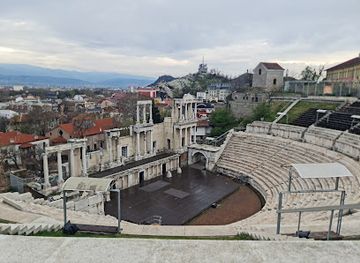
Ancient Theatre of Philippopolis
Discover the Ancient Theatre of Philippopolis in Plovdiv, Bulgaria—a stunning historical landmark showcasing Roman architecture and culture.
-
Ethnographic museum
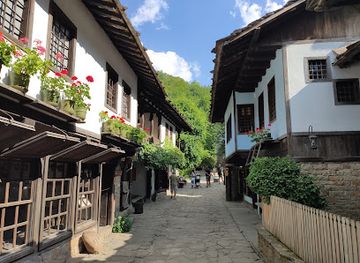
Ethno village Etar
Step back in time at Ethno Village Etar: Experience Bulgarian traditions, crafts, and architecture in this living open-air museum.
Explore Southwest Bulgaria on the map
Plan your trip on one map. See where the top cities, national parks and sights are, and book hotels and experiences in a few clicks.
Best hotels in Southwest Bulgaria
Best restaurants in Southwest Bulgaria
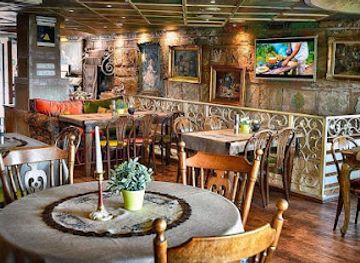
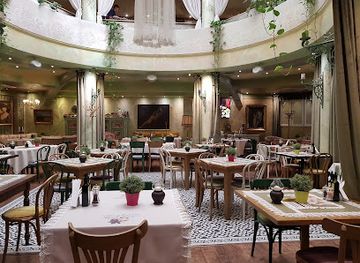
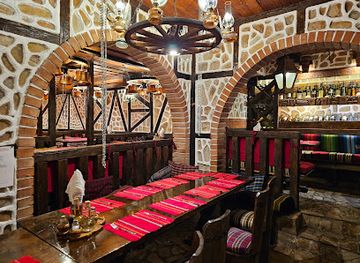
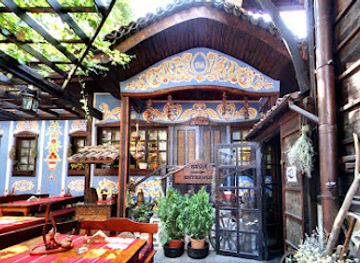
Dining in Southwest Bulgaria reflects the contrast between Sofia’s cosmopolitan restaurant scene and the more traditional cooking of mountain and valley communities. Menus commonly include shopska salad, bean dishes, grilled meats, stuffed vegetables, savoury pastries and yoghurt-based specialities, while mountain restaurants often serve hearty soups, potatoes, cured meats and locally produced dairy. Around Bansko, regional dishes associated with the Pirin area can be found in traditional mehanas, although menus also include familiar Bulgarian food from across the country. The Struma valley has a warmer agricultural climate and is increasingly associated with vineyards, red wines, fruit, herbs and Mediterranean-influenced produce. Melnik and nearby villages are suitable places to explore local wine styles through tasting rooms and small producers. Sofia provides the widest choice of contemporary Bulgarian cooking, international food, bakeries, cafés and specialist shops. In smaller towns, opening hours may be limited outside the main season, so ask guesthouse hosts about dependable local options.
-
Restaurant
Shtastliveca
Experience authentic Bulgarian cuisine with stunning views at Shtastliveca in Veliko Tarnovo.
-
Restaurant
Shtastlivetsa restaurant Vitoshka
Discover authentic Bulgarian cuisine in the heart of Sofia at Shtastlivetsa Restaurant on Vitosha Boulevard.
-
Bulgarian
Hadjidraganov's Cellars
Discover Bulgaria's culinary heritage at Hadjidraganov's Cellars in Sofia – where tradition meets live music for an unforgettable dining experience.
-
Bulgarian
Hadjidraganov's Houses Restaurant
Savor traditional Bulgarian dishes amidst live music at Hadjidraganov's Houses Restaurant in Sofia.
Best bars in Southwest Bulgaria
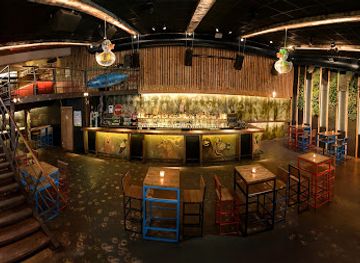
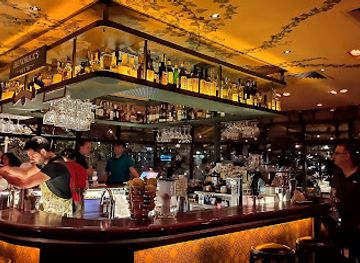
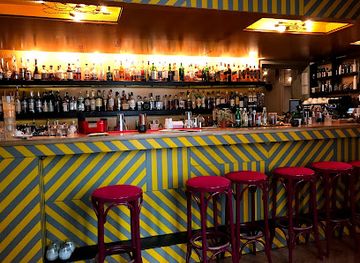
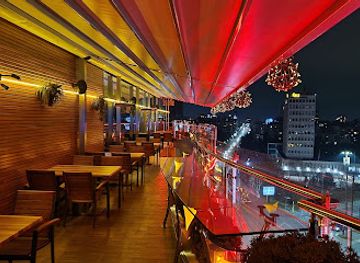
Sofia is the region’s main centre for evening life, with wine bars, craft-beer venues, cocktail bars, live music, theatres and late-night clubs concentrated around the central districts. Its nightlife is more varied than that of the surrounding towns and reflects the capital’s student, professional and international communities. Blagoevgrad also has a youthful evening scene connected with its universities, alongside cafés, restaurants and bars. Bansko combines traditional mehanas with après-ski venues and seasonal nightlife during the winter, while summer evenings are generally quieter and more focused on dining. In Sandanski, Melnik, Kyustendil and mountain villages, evenings tend to centre on restaurants, hotel bars, wine tasting and traditional pubs rather than large clubs. Rural nightlife is seasonal and often finishes earlier, so visitors should not assume that every resort or village operates late throughout the year.
-
Bar
Bar Friday
Experience Sofia's vibrant nightlife at Bar Friday, where cocktails, dancing, and live music create unforgettable moments.
-
Cocktail bar
The Cocktail Bar
Discover Sofia's vibrant nightlife at The Cocktail Bar, where expertly crafted cocktails meet a cozy atmosphere in the heart of the city.
-
Bar
One More Park Bar
Discover the vibrant atmosphere and unique cocktails at One More Park Bar, a must-visit destination in Sofia's beautiful Borisova Gradina.
-
Piano bar
The Corner
Experience the magic of live piano music and exquisite drinks at The Corner, Sofia's premier piano bar in the heart of Hladilnika.
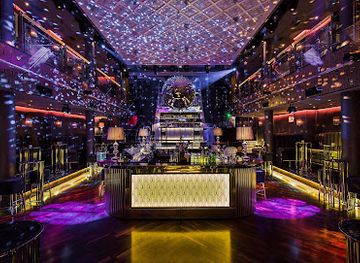
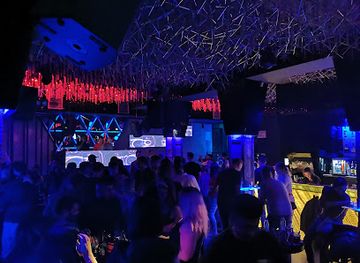
Best nightclubs in Southwest Bulgaria
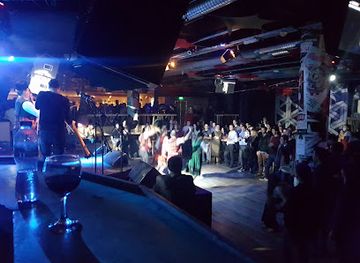
Sofia is the region’s main centre for evening life, with wine bars, craft-beer venues, cocktail bars, live music, theatres and late-night clubs concentrated around the central districts. Its nightlife is more varied than that of the surrounding towns and reflects the capital’s student, professional and international communities. Blagoevgrad also has a youthful evening scene connected with its universities, alongside cafés, restaurants and bars. Bansko combines traditional mehanas with après-ski venues and seasonal nightlife during the winter, while summer evenings are generally quieter and more focused on dining. In Sandanski, Melnik, Kyustendil and mountain villages, evenings tend to centre on restaurants, hotel bars, wine tasting and traditional pubs rather than large clubs. Rural nightlife is seasonal and often finishes earlier, so visitors should not assume that every resort or village operates late throughout the year.
-
Disco club
club *MIXTAPE 5*
Dive into Sofia's electrifying nightlife at Club Mixtape 5, a premier disco club offering great music and an unforgettable party experience.
-
Bar
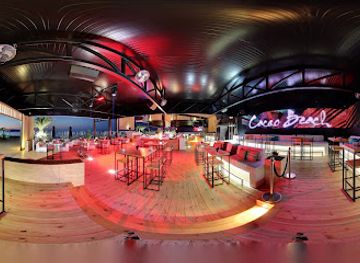
Cacao Beach Club
Experience the vibrant nightlife and stunning beach views at Cacao Beach Club, a premier bar and disco in Sunny Beach, Bulgaria.
-
Night club
Carrusel Club
Dive into Sofia's electrifying nightlife at Carrusel Club, where the beats are hot, and the atmosphere is unforgettable.
-
Disco club
SugarClub
Discover Sofia's nightlife at SugarClub, a vibrant disco club where great music, lively atmosphere, and unforgettable nights await.
Best shops in Southwest Bulgaria
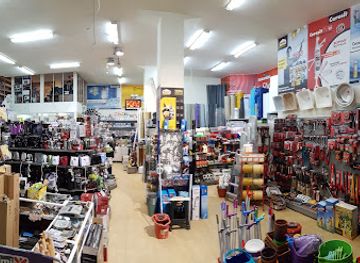
Shopping in Southwest Bulgaria ranges from Sofia’s broad selection of bookshops, design stores, food halls, galleries and international retailers to the independent businesses of smaller towns. Sofia is the best place for contemporary Bulgarian design, art, ceramics, books and packaged food products, while its markets offer fruit, vegetables, cheese, honey and other everyday produce. Blagoevgrad and Kyustendil have practical town-centre shopping and local food shops rather than extensive luxury retail; Kyustendil is particularly associated with orchard produce when in season. Mountain resorts sell outdoor equipment, winter clothing and locally made souvenirs, though prices and choice vary according to the resort and season. Around Melnik and the Struma valley, wine is the most characteristic purchase, alongside honey, herbs, preserves and regional foods. Monastery shops may stock religious items and locally produced goods, but visitors should buy respectfully and avoid treating sacred objects as casual souvenirs.
-
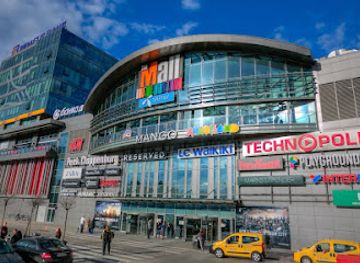
Shopping mall
The Mall
Discover modern shopping and entertainment at The Mall, Sofia's top destination for retail therapy and delicious dining options.
-
Shopping mall
„Ruski Pametnik“ Shopping Centre
Experience the best of shopping and dining at 'Ruski Pametnik' Shopping Centre, Sofia's vibrant hub for tourists and locals alike.
-
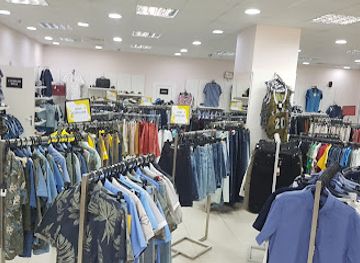
Clothing store
Fashion Gallery
Discover the best of Bulgarian fashion at Fashion Gallery, where style meets sophistication in Sofia's vibrant shopping scene.
-
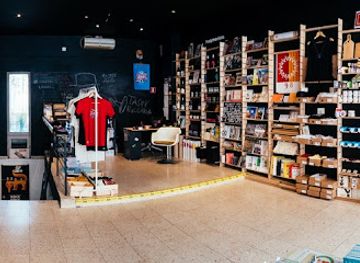
Gift shop
Gifted - Urban Art & Culture Hub
Discover unique gifts and local artistry at Gifted, Sofia's vibrant urban art and culture hub.
Get your free copy of our complete guide to Southwest Bulgaria, delivered straight to you.
Everything on this page, from attractions and restaurants to essentials and local phrases, in one PDF you can read offline, print or share.
Already have an account? Sign in
Your Southwest Bulgaria guide is ready.
We'll send it to · Not you? Sign out

Getting your guide ready…
We are putting together a fresh copy of the Southwest Bulgaria guide. This can take up to a minute.
This can take a few moments. If your browser asks, choose Allow so the download can start. You'll find the guide in your Downloads folder.
Nothing happened? Download it again
Sorry, the guide is taking longer than usual. Please try again in a minute, or get it by email instead.
Southwest Bulgaria essentials
Currency and Payment
Safety
Emergency Situations
Do's and Don'ts
Local Tips
From Eve
Local phrases worth knowing
You don't need to get them perfect. A few words go a long way, and locals appreciate the effort.
Basics
| English | Local | Say it |
|---|---|---|
| Hello | Здравейте | [Zdraveyte] |
| Goodbye | Довиждане | [Dovizhdane] |
| Yes | Да | [Da] |
| No | Не | [Ne] |
| Please/You're welcome | Моля/Няма защо | [Molya/Nyama zashto] |
| Thank you | Благодаря | [Blagodarya] |
| Excuse me/Sorry | Извинете/Съжалявам | [Izvinete/Sazhalyavam] |
| How are you? | Как сте? | [Kak ste?] |
| Fine. And you? | Добре. А вие? | [Dobre. A vie?] |
| Do you speak English? | Говорите ли английски? | [Govorite li angliyski?] |
| I don't understand | Не разбирам | [Ne razbiram] |
Eating & Drinking
| English | Local | Say it |
|---|---|---|
| I'd like to see the menu, please | Може ли да видя менюто? | [Mozhe li da vidya menyuto?] |
| I don't eat meat | Не ям месо | [Ne yam meso] |
| Cheers! | Наздраве! | [Nazdrave!] |
| I would like to pay, please | Искам да платя, моля | [Iskam da platya, molya] |
Emergencies
| English | Local | Say it |
|---|---|---|
| Help! | Помощ! | [Pomosht!] |
| Go away! | Отиди си! | [Otidi si!] |
| Call the Police! | Повикайте полиция! | [Povikayte politsiya!] |
| Call a doctor! | Повикайте лекар! | [Povikayte lekar!] |
| I'm lost | Загубен съм | [Zaguben sum] |
| I'm ill | Болен съм | [Bolen sum] |
Shopping
| English | Local | Say it |
|---|---|---|
| I'd like to buy... | Искам да купя... | [Iskam da kupya...] |
| I'm just looking | Само разглеждам | [Samo razglezhdam] |
| How much is it? | Колко струва? | [Kolko struva?] |
| That's too expensive | Това е твърде скъпо | [Tova e tvarde skupo] |
| Can you lower the price? | Можете ли да намалите цената? | [Mozhete li da namalite tsenata?] |
Time & Numbers
| English | Local | Say it |
|---|---|---|
| What time is it? | Колко е часа? | [Kolko e chasa?] |
| It's one o'clock | Часът е един | [Chasat e edin] |
| Half past (10) | Половин (10) | [Polovin (10)] |
| Morning | Сутрин | [Sutrin] |
| Afternoon | Следобед | [Sledobed] |
| Evening | Вечер | [Vecher] |
| Yesterday | Вчера | [Vchera] |
| Today | Днес | [Dnes] |
| Tomorrow | Утре | [Utre] |
| 1 | 1 | [1] |
| 2 | 2 | [2] |
| 3 | 3 | [3] |
| 4 | 4 | [4] |
| 5 | 5 | [5] |
| 6 | 6 | [6] |
| 7 | 7 | [7] |
| 8 | 8 | [8] |
| 9 | 9 | [9] |
| 10 | 10 | [10] |
Transport & Directions
| English | Local | Say it |
|---|---|---|
| Where's a/the...? | Къде е...? | [Kade e...?] |
| What's the address? | Какъв е адресът? | [Kakav e adresat?] |
| Can you show me (on the map)? | Може ли да ми покажете (на картата)? | [Mozhe li da mi pokazhete (na kartata)?] |
| When's the next (bus)? | Кога е следващият (автобус)? | [Koga e sledvashtiyat (avtobus)?] |
| A ticket (to ....) | Билет (до ...) | [Bilet (do ...)] |
History of Southwest Bulgaria
Thracian and Roman Foundations
The valleys and mineral springs of southwest Bulgaria attracted settlement long before the modern towns appeared. Thracian communities occupied the region, leaving archaeological traces and influencing later traditions. Under Roman rule, Serdica, the settlement that developed into Sofia, became an important urban centre on routes linking the Balkans. Roman roads, fortifications, baths and religious buildings also developed around mineral springs and strategic valleys. Remains beneath central Sofia, together with sites around Kyustendil and other southern settlements, show how urban life, trade and military movement connected the region to the wider Roman provinces of the Balkans.
Medieval Bulgaria and the Sofia Basin
During the medieval period, the Sofia basin and the southwestern valleys changed hands between Bulgarian and Byzantine authorities before becoming part of the Second Bulgarian Empire. Sofia, then known by names including Sredets, was valued for its location between the Danube lands, Thrace and Macedonia. Fortified settlements and religious foundations developed along these routes, while mountain valleys supported agriculture, pastoralism and monastic life. The region’s position also made it a frontier and passageway, exposed to warfare and political change while remaining connected to the cultural centres of medieval Bulgaria.
The Ottoman Period and Monastic Continuity
Southwest Bulgaria became part of the Ottoman Empire in the late fourteenth century and remained within it for several centuries. Sofia grew as an administrative and commercial centre, while towns and villages in the Struma and Mesta valleys participated in regional trade. Christian monasteries and churches preserved religious traditions, manuscripts and artistic practices, with Rila Monastery becoming the most significant spiritual and cultural institution in the mountains. Market towns, craft production and agriculture continued under Ottoman administration, although the region’s communities experienced the taxes, legal structures and political conditions of imperial rule.
The Bulgarian National Revival
In the eighteenth and nineteenth centuries, schools, churches and literary activity helped strengthen Bulgarian cultural identity across the region. Rila Monastery supported education and religious scholarship, while urban centres such as Sofia, Kyustendil and Blagoevgrad developed networks of merchants, craftsmen and teachers. Churches were rebuilt or decorated, and communities invested in Bulgarian-language education. The national revival was not a single event but a gradual cultural and social movement, whose legacy remains visible in historic church interiors, monastery collections, nineteenth-century houses and the commemorative traditions of southwestern towns.
Liberation, Sofia and the Modern State
Following the Russo-Turkish War of 1877–78, the Treaty of Berlin placed most of present-day Bulgaria, including Sofia and the southwestern districts, within the newly autonomous Principality of Bulgaria. Sofia was chosen as the capital in 1879 and expanded rapidly as the administrative, political and cultural centre of the new state. Railways, public institutions and new civic architecture transformed the city, while surrounding towns became more closely integrated with national markets. The capital’s modern boulevards and public buildings stand alongside Roman, medieval and Ottoman-era remains.
Industry, Railways and the Struma Corridor
The twentieth century brought industrialisation, new transport links and substantial urban growth. Pernik became one of Bulgaria’s major coal-mining and metallurgical centres, and its industrial development shaped both the town and the surrounding communities. Railways and roads through the Struma corridor connected Sofia with southwestern Bulgaria, Greece and the wider Balkans, encouraging trade and migration. Blagoevgrad expanded as a regional administrative and educational centre, while mountain resorts developed for tourism, skiing and health treatments. Industrial heritage, railway landscapes and post-war urban districts remain important elements of the region’s modern history.
Conservation, Tourism and Contemporary Change
Since the late twentieth century, conservation and tourism have become increasingly important to the region’s economy and identity. Rila and Pirin are protected for their forests, alpine habitats and glacial landscapes, while the Rila Monastery attracts visitors for both its architecture and religious significance. Bansko, Borovets and other mountain resorts have expanded their winter and summer tourism infrastructure. Sofia has developed into Bulgaria’s principal international city, with a growing cultural and technology sector, while southern towns promote mineral springs, wine and outdoor recreation. The central challenge is balancing access and economic development with the protection of fragile mountain and historic environments.
Southwest Bulgaria in Photos
Browse through our photo collection highlighting the charm and character of the destination.
Neighbouring regions of Southwest Bulgaria
The closest regions to Southwest Bulgaria, if you have time for more than one.
-

-

-

-

-


Swipe for more regions
Explore more

Explore more of Bulgaria
Explore Bulgaria: From Sofia's bustling streets to the serene mountains and stunning Black Sea beaches, discover the rich history, culture, and natural beauty of Bulgaria.
Explore Bulgaria