

Free North Travel Guide & Mobile App
Explore North with free travel guides. Discover regional history, expert tips, proposed trips, and audio guides on web or mobile app.


Explore North Burkina Faso through Yatenga history, Sahelian landscapes and living cultural traditions, subject to strict current security advice.
Read more about North
When is the best time to visit North?
Best: February, November–December · 23–26°C| Month | High (°C) | Rainfall (mm) |
|---|---|---|
| January | 23 | 3 |
| February (best) | 24 | 5 |
| March | 28 | 8 |
| April | 31 | 12 |
| May | 34 | 15 |
| June | 36 | 17 |
| July | 36 | 17 |
| August | 36 | 15 |
| September | 34 | 11 |
| October | 31 | 8 |
| November (best) | 26 | 5 |
| December (best) | 23 | 4 |
Getting to and around North
How to get there
Transportation
Top city travel guides in North
The cities of North, and the easiest places to base yourself.

Swipe for more cities
Destinations in North
Resorts, valleys and scenic spots worth a trip of their own.

Swipe for more destinations
Best attractions in North
The North Region’s attractions are primarily cultural and geographical rather than a developed circuit of visitor facilities. Ouahigouya provides the clearest introduction to Yatenga’s history, with traditional chiefly institutions, urban markets and the everyday life of a major Sahelian regional centre. The wider countryside illustrates how farming and pastoral communities work within a landscape of seasonal rainfall, lateritic ground, cultivated fields and scattered savannah trees. Gourcy, Yako and Titao are significant regional towns, although access to them must be assessed against current security restrictions rather than assumed from a map. Markets, traditional architecture, craft activity and community history can be meaningful points of contact when visits are authorised. There are also opportunities in principle for observing Sahelian landscapes, seasonal agriculture and livestock movement, but rural excursions require exceptional caution and should not be undertaken independently. Many public facilities, heritage sites and transport services may be closed, disrupted or inaccessible because of conflict and displacement, so the region does not currently support conventional sightseeing in the manner of Burkina Faso’s more established destinations.
-
Local history museum
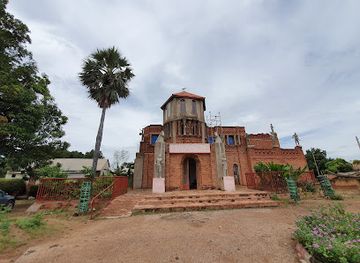
Maasmê Issouka - Palais Du Naaba D'Issouka
Explore the cultural tapestry of Koudougou at Maasmêa Issouka, a must-visit local history museum showcasing the rich heritage of Burkina Faso.
-
Amusement park
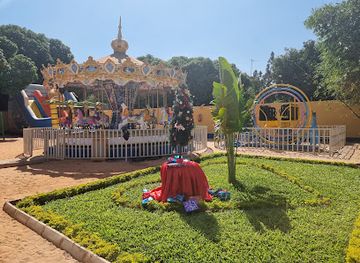
Andrea Magicland Espace de jeux
Experience the thrill and joy of Andrea Magicland, a premier amusement park in Bobo-Dioulasso, where fun knows no age limits.
-
Tourist attraction
Toaré
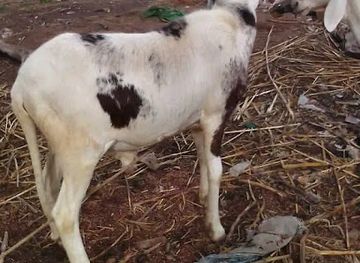
Explore Toaré, a captivating tourist attraction in Bassébétanga, where local culture meets natural beauty for an unforgettable experience.
Best landmarks in North
The most important landmark in the North Region is the historic urban setting of Ouahigouya, whose identity is inseparable from the former Yatenga kingdom and the institutions of Mossi chiefly authority. Its significance is political and cultural as much as architectural: the city represents a continuing regional connection with one of the major precolonial states of the western Sudan. Traditional compounds, earthen construction and public spaces in northern towns also reveal how local building practices respond to heat, seasonal rain and available materials, although individual structures should not be photographed or entered without permission. The open Sahelian plateau is itself a defining geographical landmark, marked by lateritic tracks, cultivated fields, seasonal drainage lines and scattered trees rather than dramatic mountain relief. Towns such as Gourcy, Yako and Titao are important regional reference points, but current access and the condition of civic or historic sites cannot be assumed. Security restrictions may prevent visitors from reaching the region’s most significant places.
-
Park
Parc Bangr Weogo
Explore the lush landscapes and tranquil pathways of Parc Bangr Weogo, an urban oasis in Ouagadougou perfect for relaxation and nature lovers.
-
Entertainment
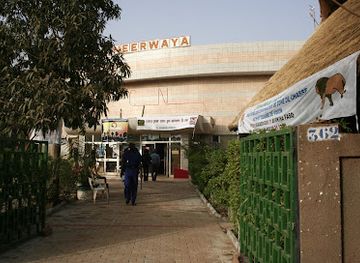
Ciné Neerwaya
Experience the best of African cinema at Ciné Neerwaya, a cultural gem in Ouagadougou showcasing the continent's vibrant stories.
-
Catholic cathedral
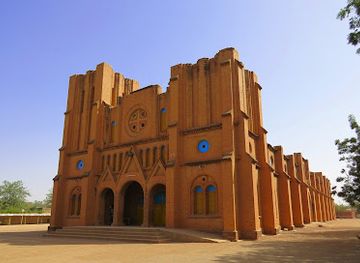
Ouagadougou Cathedral
Explore the stunning Ouagadougou Cathedral, a historic Romanesque masterpiece and a spiritual symbol in the heart of Burkina Faso's capital.
-
Monument
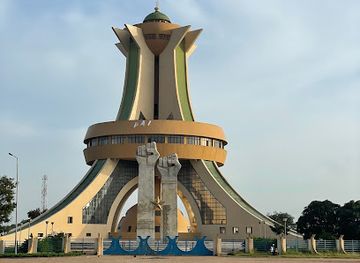
Monument of National Heroes
A striking monument in Ouagadougou honoring Burkina Faso's heroes and their fight for independence, peace, and democracy.
Explore North on the map
Plan your trip on one map. See where the top cities, national parks and sights are, and book hotels and experiences in a few clicks.
Best hotels in North
Best restaurants in North
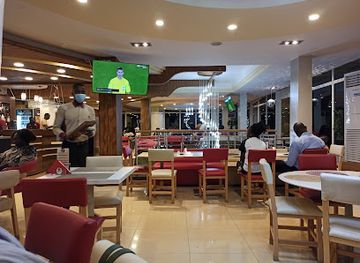
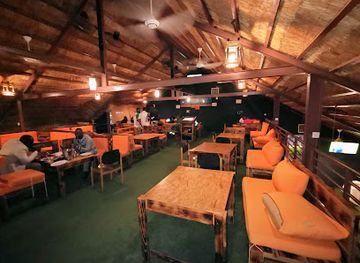
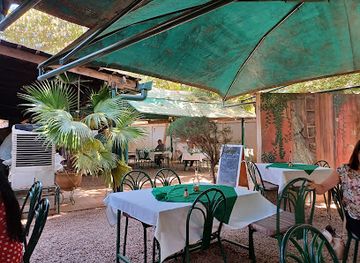
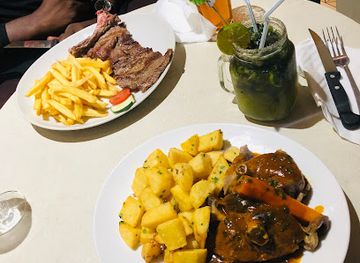
Dining in the North Region traditionally centres on filling Sahelian staples such as tô, a firm porridge commonly made from millet or sorghum and served with a sauce, together with rice, beans, vegetables, grilled meat and seasonal produce. Chicken, goat and beef may appear where supplies permit, while local households and small eateries often adapt menus to availability rather than follow a fixed restaurant tradition. Ouahigouya has historically offered the widest choice of simple cafés, street-food stalls and informal restaurants, but insecurity and disrupted supply chains can affect opening, hygiene standards and food availability. Visitors should eat at established premises recommended by a trusted local contact, choose food that is thoroughly cooked, and drink treated or sealed water. Regional markets are important for grain, pulses, fruit in season and livestock, although food shopping and restaurant activity should be considered in the context of displacement, shortages and changing security conditions rather than as a conventional culinary tourism experience.
-
Restaurant
P'tit Paris Gounghin
Experience the vibrant flavors of Burkina Faso at P'tit Paris Gounghin – where local cuisine meets delightful ambiance.
-
Restaurant
Koffi GOMBO
Experience the rich flavors of Burkinabé cuisine at Koffi GOMBO - a vibrant restaurant in Ouagadougou offering diverse dishes for every palate.
-
Restaurant
Le Verdoyant
Discover the rich flavors of Burkina Faso at Le Verdoyant, a top-rated restaurant offering delightful culinary experiences in Ouagadougou.
-
Restaurant
Cappuccino
Discover Cappuccino in Ouagadougou - where local flavors meet international culinary delights in a cozy setting.
Best bars in North
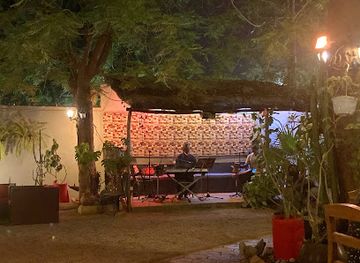
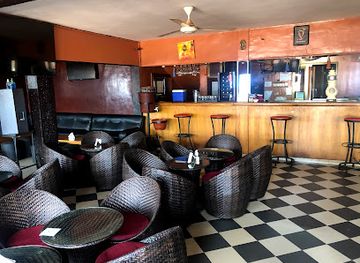
The North Region has never been primarily a nightlife destination, and evening social life traditionally centres on family compounds, cafés, modest restaurants, market conversations and occasional community or cultural gatherings. Ouahigouya has been the most likely place to find informal evening venues, while smaller towns generally offer fewer choices and earlier closing patterns. The current security situation makes night movement especially dangerous, and visitors should not seek out bars, music venues or social events without clear advice from a trusted local host. Alcohol is available in parts of Burkina Faso, but drinking is not necessary for engaging with regional culture, and religious and community norms vary. There is no reliable basis for assuming that particular clubs, music events or opening hours are operating, as businesses and public activities may be disrupted by conflict, curfews or displacement.
-
Bar
SIKA LOUNGE
Discover the lively SIKA LOUNGE in Ouagadougou, where vibrant nightlife meets delicious dining and live music for an unforgettable experience.
-
Bar
Le Titis
Experience the vibrant nightlife of Ouagadougou at Le Titis, a welcoming bar offering local drinks and a lively atmosphere.
-
Bar
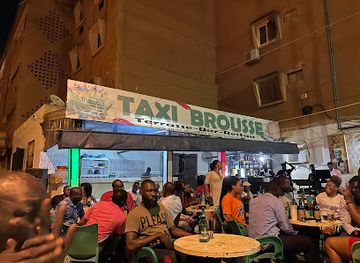
The Taxi Brousse
Discover the vibrant nightlife at The Taxi Brousse, a lively bar in Ouagadougou where locals and tourists gather to enjoy drinks and music.
-
Bar
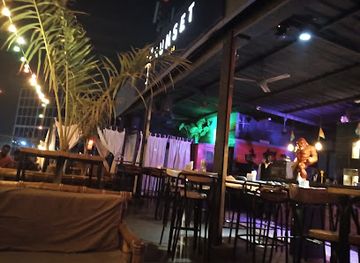
SUNSET OUAGA
Discover Sunset Ouaga, the vibrant bar in Ouagadougou, blending chic ambiance with delicious drinks and a lively atmosphere.
Best nightclubs in North
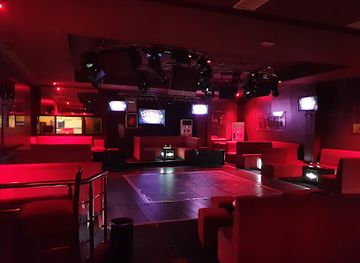
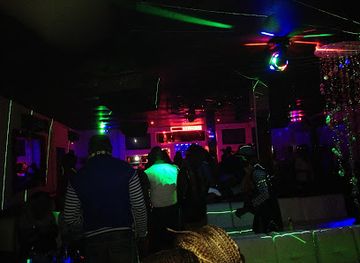
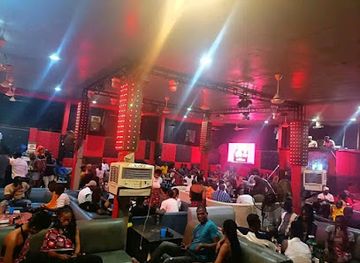
The North Region has never been primarily a nightlife destination, and evening social life traditionally centres on family compounds, cafés, modest restaurants, market conversations and occasional community or cultural gatherings. Ouahigouya has been the most likely place to find informal evening venues, while smaller towns generally offer fewer choices and earlier closing patterns. The current security situation makes night movement especially dangerous, and visitors should not seek out bars, music venues or social events without clear advice from a trusted local host. Alcohol is available in parts of Burkina Faso, but drinking is not necessary for engaging with regional culture, and religious and community norms vary. There is no reliable basis for assuming that particular clubs, music events or opening hours are operating, as businesses and public activities may be disrupted by conflict, curfews or displacement.
-
Disco club
The Mask
Dive into the vibrant nightlife of Ouagadougou at The Mask, where music meets energy for an unforgettable disco experience.
-
Disco club
Level Night Club
Discover the vibrant nightlife of Ouagadougou at Level Night Club, where music, dance, and culture collide for an unforgettable experience.
-
Bar
Waguess Night-Club
Experience the heart of Ouagadougou's nightlife at Waguess Night-Club, where music, dance, and local culture come alive!
-
 Disco club
Night club le Benbao
Discover the energetic nightlife of Ouagadougou at Night Club le Benbao, where music and dance bring people together in a vibrant atmosphere.
Best shops in North
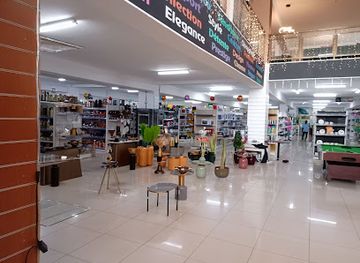
Shopping in the North Region has traditionally focused on markets rather than formal retail districts. Ouahigouya is the principal commercial centre, with stalls and small shops selling grain, pulses, vegetables, household goods, clothing, livestock-related products and everyday necessities. Smaller markets in towns such as Gourcy and Yako serve surrounding farming communities, though their operation and accessibility can change because of insecurity and displacement. Potentially useful regional purchases include woven goods, leatherwork, locally made utensils and packaged food products, but quality and provenance vary; buy respectfully and avoid objects that could be protected antiquities or culturally sensitive items. Bargaining may be normal in informal markets, yet it should remain courteous and proportionate. Visitors should not rely on finding specialist crafts, reliable card facilities or a broad souvenir selection, and should confirm that any item can legally leave Burkina Faso before purchasing it.
-
Furniture store
Orca Deco Burkina
Explore Orca Deco Burkina for exquisite handcrafted furniture and decor that captures the spirit and craftsmanship of Burkina Faso.
-
Shopping mall
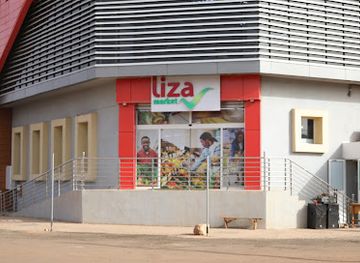
Liza Market Kwame N'krumah
Explore the vibrant Liza Market Kwame N'krumah in Ouagadougou for a unique shopping experience filled with local flavors and crafts.
-
Gift shop
Burkina Pas Chèr
Discover unique souvenirs and local crafts at Burkina Pas Chèr, the ultimate gift shop in Ouagadougou, Burkina Faso.
-
Electronics store
Merveilles
Explore Merveilles in Ouagadougou for all your electronic needs, from gadgets to appliances, all under one roof.
Get your free copy of our complete guide to North, delivered straight to you.
Everything on this page, from attractions and restaurants to essentials and local phrases, in one PDF you can read offline, print or share.
Already have an account? Sign in
Your North guide is ready.
We'll send it to · Not you? Sign out

Getting your guide ready…
We are putting together a fresh copy of the North guide. This can take up to a minute.
This can take a few moments. If your browser asks, choose Allow so the download can start. You'll find the guide in your Downloads folder.
Nothing happened? Download it again
Sorry, the guide is taking longer than usual. Please try again in a minute, or get it by email instead.
North essentials
Currency and Payment
Safety
Emergency Situations
Do's and Don'ts
Local Tips
From Eve
Local phrases worth knowing
You don't need to get them perfect. A few words go a long way, and locals appreciate the effort.
Basics
| English | Local | Say it |
|---|---|---|
| Hello | Bonjour | [Bohn-zhoor] |
| Goodbye | Au revoir | [Oh ruh-vwahr] |
| Yes | Oui | [Wee] |
| No | Non | [Nohn] |
| Please/You’re welcome | S'il vous plaît | [Seel voo pleh] |
| Thank you | Merci | [Mehr-see] |
| Excuse me/Sorry | Excusez-moi | [Ex-kew-zay mwah] |
| How are you? | Comment ça va? | [Koh-mahn sah vah] |
| Fine. And you? | Bien. Et vous? | [Byehn. Eh voo] |
| Do you speak English? | Parlez-vous anglais? | [Par-lay voo ahn-glay] |
| I don't understand | Je ne comprends pas | [Zhuh nuh kom-prahn pah] |
Eating & Drinking
| English | Local | Say it |
|---|---|---|
| I'd like to see the menu, please | Je voudrais voir le menu, s'il vous plaît | [Zhuh voo-dray vwah leuh meh-nu, seel voo pleh] |
| I don't eat meat | Je ne mange pas de viande | [Zhuh nuh mahnzh pah duh vyahnd] |
| Cheers! | Santé! | [Sahn-tay] |
| I would like to pay, please | Je voudrais payer, s'il vous plaît | [Zhuh voo-dray pay-ay, seel voo pleh] |
Emergencies
| English | Local | Say it |
|---|---|---|
| Help! | Au secours! | [Oh se-koor] |
| Go away! | Allez-vous-en! | [Ah-lay voo-zahn] |
| Call the Police! | Appelez la police! | [Ah-peh-lay lah poh-lees] |
| Call a doctor! | Appelez un médecin! | [Ah-peh-lay uhn may-deh-sin] |
| I'm lost | Je suis perdu | [Zhuh swee pair-doo] |
| I'm ill | Je suis malade | [Zhuh swee mah-lahd] |
Shopping
| English | Local | Say it |
|---|---|---|
| I'd like to buy... | Je voudrais acheter... | [Zhuh voo-dray ah-sheh-tay] |
| I'm just looking | Je regarde juste | [Zhuh ruh-gard zhyoost] |
| How much is it? | C'est combien? | [Say kohm-byen] |
| That's too expensive | C'est trop cher | [Say troh shair] |
| Can you lower the price? | Pouvez-vous baisser le prix? | [Poo-vay voo beh-say leuh pree] |
Time & Numbers
| English | Local | Say it |
|---|---|---|
| What time is it? | Quelle heure est-il? | [Kel uhr eh-teel] |
| It's one o'clock | Il est une heure | [Eel eh toone uhr] |
| Half past (10) | Dix heures et demie | [Dee uhr eh duh-mee] |
| Morning | Matin | [Mah-tan] |
| Afternoon | Après-midi | [Ah-pray mee-dee] |
| Evening | Soir | [Swahr] |
| Yesterday | Hier | [Yair] |
| Today | Aujourd'hui | [Oh-zhoor dwee] |
| Tomorrow | Demain | [Duh-mahn] |
| 1 | Un | [Uhn] |
| 2 | Deux | [Duh] |
| 3 | Trois | [Trwah] |
| 4 | Quatre | [Katr] |
| 5 | Cinq | [Sank] |
| 6 | Six | [Sees] |
| 7 | Sept | [Set] |
| 8 | Huit | [Wheat] |
| 9 | Neuf | [Nurf] |
| 10 | Dix | [Dee] |
Transport & Directions
| English | Local | Say it |
|---|---|---|
| Where's a/the...? | Où est un/une...? | [Oo eh uhn/oon] |
| What's the address? | Quelle est l'adresse? | [Kel eh l'ah-dress] |
| Can you show me (on the map)? | Pouvez-vous me montrer (sur la carte)? | [Poo-vay voo muh mohn-tray (sur lah kart)] |
| When's the next (bus)? | Quand est le prochain (bus)? | [Kahn eh luh pro-shen (boos)] |
| A ticket (to ....) | Un billet (pour ....) | [Uhn bee-yay (poor ....)] |
History of North
Early settlement and Sahelian societies
Long before the formation of modern Burkina Faso, the northern plateau was occupied by farming and pastoral communities that adapted to seasonal rainfall and variable water supplies. Archaeological evidence from the wider region points to long histories of cultivation, livestock keeping, metalworking and settlement, although the surviving record is uneven. Communities developed systems of land use and exchange suited to the Sahel, linking villages with market centres and routes extending across the wider western Sudan. These foundations help explain the importance of millet, sorghum, livestock and seasonal markets in the region’s historical economy.
The formation of the Yatenga kingdom
Yatenga emerged as one of the major Mossi kingdoms in the medieval period, traditionally associated with the expansion of Mossi political power across parts of the northern plateau. Ouahigouya became the kingdom’s principal capital and remains closely identified with its history. Authority was organised through a monarchy and a network of chiefly institutions, while local communities retained important responsibilities over land, family affairs and ritual life. The Yatenga political tradition shaped settlement, diplomacy and cultural identity across much of the present North Region and continues to influence how the area understands its heritage.
Trade, Islam and regional exchange
The North Region occupied a zone of contact between the Mossi states, Sahelian communities and commercial networks moving through the western Sudan. Trade connected local markets with wider exchanges in livestock, grain, leather, cloth and other goods. Islam reached communities through merchants, scholars and regional interactions, developing alongside older religious practices rather than replacing them uniformly. This history produced a culturally varied landscape in which chiefly institutions, Muslim communities, Christian minorities and local traditions coexist. Market towns such as Ouahigouya became important points of exchange and communication.
French conquest and colonial administration
French forces incorporated the Mossi kingdoms into the colonial sphere at the end of the nineteenth century, and the territory later became part of French West Africa. Colonial administration altered taxation, labour systems, courts and patterns of authority while retaining or adapting some chiefly structures for practical governance. Roads and administrative links strengthened the prominence of towns such as Ouahigouya, but colonial rule also redirected regional commerce and imposed external priorities on agriculture and labour. The legacy of this period remains visible in administrative geography, public institutions and the continuing interaction between customary and state authority.
Independence, drought and rural transformation
After Upper Volta gained independence in 1960, communities in the North Region continued to depend heavily on rain-fed farming and livestock. Severe droughts and recurrent environmental pressures during the late twentieth century exposed the vulnerability of Sahelian livelihoods, contributing to food insecurity, migration and changes in land use. Development programmes promoted soil conservation, improved water management and more resilient agriculture, while towns expanded as centres for education, administration and trade. These pressures also intensified competition over land and water, particularly where farming and pastoral mobility overlapped.
Conflict, displacement and the contemporary region
Since the mid-2010s, northern Burkina Faso has been severely affected by armed conflict involving extremist groups, community violence, military operations and the displacement of civilians. The North Region has experienced attacks, restrictions on movement, disruption to markets and public services, and pressure on host communities receiving displaced people. These events have transformed everyday life and made many roads and rural areas unsuitable for ordinary tourism. Contemporary understanding of the region must therefore include the resilience of its communities as well as the serious humanitarian and security conditions affecting travel.
North in Photos
Browse through our photo collection highlighting the charm and character of the destination.
Neighbouring regions of North
The closest regions to North, if you have time for more than one.
-

-

-

-

-


Swipe for more regions
Explore more

Explore more of Burkina Faso
Discover Burkina Faso: An authentic African destination with rich culture, stunning landscapes, and warm hospitality, offering a memorable and enriching travel experience.
Explore Burkina Faso