

Sahel, Burkina Faso Travel Guide
Discover the unique blend of culture and nature in the Sahel region of Burkina Faso, where arid landscapes meet rich traditions and vibrant markets.
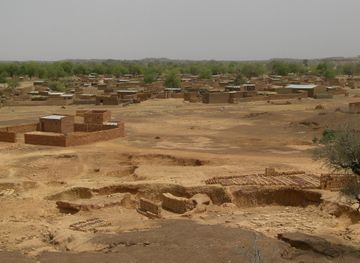
The Sahel region in Burkina Faso offers a unique experience for travelers seeking adventure and cultural immersion. This vast and arid landscape is a stretch of semi-desert that lies between the Sahara Desert to the north and the savannas to the south. It is a place where the harsh beauty of the land meets the rich traditions of the local people. In this region, you will find a tapestry of ethnic groups, each with its own customs and ways of life. The Fulani herders, with their distinctive brightly colored clothing, roam the plains with their cattle. Meanwhile, the Mossi farmers tend to their crops, showcasing the resilience and ingenuity of the people who call this challenging environment home. Visit the bustling markets in towns like Dori and Gorom-Gorom, where you can buy handmade crafts, textiles, and jewelry. These markets are also great places to sample local foods, such as tô (a millet or sorghum porridge) and brochettes (meat skewers). The Sahel is also home to several important cultural festivals throughout the year, including the celebrated Gerewol festival, which features traditional music, dance, and colorful costumes. Nature lovers will appreciate the unique flora and fauna of the Sahel. Despite its arid conditions, the region supports a variety of wildlife, including antelopes, hyenas, and bird species. The W National Park, which extends into Burkina Faso, is a haven for these animals and provides opportunities for wildlife viewing and eco-tourism.

Know before you go
Hi, I'm Eve. Here are a few practical things to know before exploring Sahel.
- Visit during the cooler months from November to February for a more pleasant experience.
- Carry enough water and sun protection as the Sahel can get extremely hot and dry.
- Learn a few basic phrases in French, the official language, to help communicate with locals.
- Respect local customs and traditions, especially when visiting rural areas and cultural festivals.
- Hire a local guide for a more insightful and safe exploration of the region.
Top City Travel Guides in Sahel
The cities of Sahel, and the easiest places to base yourself.

Destinations in Sahel
Resorts, valleys and scenic spots worth a trip of their own.


Explore Sahel: Things to Do, Places to Eat, Hotels & More
Handpicked recommendations for top attractions, local dining, accommodations, and more

Top Attractions & Sightseeing in Sahel
Top-rated picks
Best Attractions

Grande Mosquée de Bobo-Dioulasso
Discover the architectural and spiritual significance of Burkina Faso's Grande Mosquée, a stunning example of Sahelian Islamic design.

Sylvo-Pastoral and Partial Faunal Reserve of the Sahel
Explore the breathtaking beauty and rich biodiversity of the Sylvo-Pastoral and Partial Faunal Reserve of the Sahel in Bouloy, Burkina Faso.

Best landmarks in Sahel
Top-rated picks
Best Landmarks

Ciné Neerwaya
Explore the heart of African cinema at Ciné Neerwaya, where captivating stories and cultural experiences come alive in Ouagadougou.

Ouagadougou Cathedral
Explore the architectural beauty and cultural significance of Ouagadougou Cathedral, a serene retreat in the heart of Burkina Faso's capital.

BIBI PARC
Discover the thrill of rides and family fun at BIBI PARC, Ouagadougou's premier amusement park for unforgettable experiences.

Grande Mosquée de Bobo-Dioulasso
Explore the Grande Mosquée de Bobo-Dioulasso, a stunning architectural marvel and cultural hub in Burkina Faso.

Best restaurants in Sahel
Top-rated picks
Best Restaurants

Koffi GOMBO
Discover Koffi GOMBO: A vibrant restaurant offering delicious Burkinabé cuisine amidst a tropical atmosphere in Ouagadougou.

P'tit Paris Gounghin
Discover authentic Burkinabé cuisine at P'tit Paris Gounghin – where local flavors meet warm hospitality in Ouagadougou.

SIKA LOUNGE
Experience the best of Ouagadougou's culinary scene at SIKA LOUNGE - where vibrant flavors meet lively ambiance.

Le Verdoyant
Experience authentic Burkinabé cuisine at Le Verdoyant in Ouagadougou – where every meal tells a story.

Best bars in Sahel
Top-rated picks
Best Bars

SIKA LOUNGE
Discover the vibrant atmosphere and delicious flavors at SIKA LOUNGE, a top bar and restaurant in Ouagadougou, perfect for tourists!

Le Titis
Discover the lively spirit of Ouagadougou at Le Titis, where vibrant nightlife meets exquisite drinks in a welcoming atmosphere.

The Taxi Brousse
Discover the lively spirit of Ouagadougou at The Taxi Brousse, where local culture meets a vibrant bar atmosphere.

Boulgou Bar
Experience the vibrant atmosphere and local flavors at Boulgou Bar, the perfect spot to unwind in Ouagadougou.

Best nightclubs in Sahel
Top-rated picks
Best Nightclubs

The Mask
Experience the vibrant nightlife at The Mask, Ouagadougou's premier disco club, where music, dance, and culture collide in a dazzling atmosphere.

Level Night Club
Discover the pulse of Ouagadougou at Level Night Club, where music, dance, and vibrant nightlife collide for an unforgettable experience.

Waguess Night-Club
Discover the vibrant nightlife of Ouagadougou at Waguess Night-Club, where music, dance, and local culture come alive in a welcoming atmosphere.

CARTEL LIGHT Night Club
Discover Ouagadougou's nightlife at CARTEL LIGHT Night Club, where the music never stops and the dance floor awaits.

Best shops in Sahel
Top-rated picks
Best Shops

Orca Deco Burkina
Explore Orca Deco Burkina for unique handcrafted furniture and decor, embodying the rich cultural heritage of Burkina Faso in every piece.

Burkina Pas Chèr
Discover unique handmade gifts and local crafts at Burkina Pas Chèr, a vibrant gift shop in Ouagadougou, showcasing the artistry of Burkina Faso.

FASO BEAUTEX PAGNES TISSÉS
Explore the rich cultural heritage of Burkina Faso at Faso Beautex Pagnes Tissés, your destination for authentic handwoven textiles and local handicrafts.

Kiddies Style
Discover trendy clothing for all ages at Kiddies Style, a fashion hotspot in Ousmane offering unique styles and friendly service.

Explore Sahel on the Map
A handpicked selection of must-see spots in Sahel, mapped for you.
Sahel Essentials
-
Sahel in Burkina Faso can be accessed via the Ouagadougou International Airport, which is the main gateway for international travelers. From Ouagadougou, you can take a domestic flight to Dori Airport, which is the closest airport to the Sahel region. Alternatively, you can travel by road from Ouagadougou to Dori, which takes about 5 to 6 hours. Buses and shared taxis (known locally as 'bush taxis') are available for this route.
-
Within the Sahel region, public transportation options include shared taxis and minibuses. For more remote areas, you may need to hire a 4x4 vehicle, especially during the rainy season when roads can become challenging. Bicycles and motorbikes are also commonly used for shorter distances. It's advisable to arrange transportation in advance, especially for longer journeys.
-
The official currency in Burkina Faso is the West African CFA Franc (XOF). Credit cards are not widely accepted, so it's essential to carry enough cash. ATMs are available in larger towns like Dori, but it is advisable to withdraw sufficient cash in Ouagadougou before traveling to the Sahel region. Ensure you have smaller denominations for easier transactions in local markets and rural areas.
-
While the Sahel region in Burkina Faso is generally safe for tourists, certain areas may have higher crime rates, particularly in larger towns. It's advisable to avoid walking alone at night and to be cautious of your belongings in crowded places. Some border areas, particularly near Mali and Niger, are known for instability and should be avoided. Always check travel advisories before your trip.
-
In case of emergency, dial 17 for police assistance and 18 for medical emergencies. Major towns like Dori have police stations and medical facilities. It is highly recommended to have travel insurance that covers medical emergencies and evacuation. For minor health issues, local pharmacies are available, but it is wise to carry a basic first-aid kit and any necessary medications.
-
Fashion: Do dress modestly, especially in rural areas and when visiting religious sites. Avoid wearing revealing clothing. Religion: Do respect local customs and traditions. Always ask for permission before taking photos of people or religious sites. Public Transport: Do be respectful and give up your seat to elderly passengers. Don’t eat or drink on public transport. Greetings: Do greet people with a handshake and use the right hand, as the left hand is considered impolite. Eating & Drinking: Do try local delicacies and accept food offerings graciously. Don’t refuse hospitality, as it is considered impolite.
-
To experience Sahel like a local, visit the weekly markets where you can buy fresh produce and traditional goods. Engage with locals, who are often friendly and willing to share stories about their culture and history. Don’t miss visiting the traditional villages to see the unique Sahelian architecture. For a unique experience, participate in local festivals and ceremonies, which offer a deep insight into the region’s rich cultural heritage.
When is the best time to visit Sahel?
Useful Local Phrases for Sahel
You don't need to speak the language perfectly. Even learning a few simple words can make conversations warmer—and locals usually appreciate the effort.
— Eve

Here are the phrases I use most often in Sahel. Try a few—you'll be surprised how far they go! 😊
❤️
-
- HelloBaara
[Bah-rah] - GoodbyeN'a t'a
[Nah tah] - YesO
[Oh] - NoAyi
[Ah-yee] - Please/You're welcomeS'il vous plaît
[Seel voo pleh] - Thank youMerci
[Mehr-see] - Excuse me/SorryPardon
[Pahr-dohn] - How are you?Nin na?
[Neen nah?] - Fine. And you?Nin na, a ni?
[Neen nah, ah nee?] - Do you speak English?Wili anglè?
[Wee-lee ahn-gleh?] - I don't understandN'a ni na
[Nah nee nah]
- HelloBaara
-
- I'd like to see the menu, pleaseM'biiga menu, s'il vous plaît
[M-bee-gah meh-noo, seel voo pleh] - I don't eat meatN'a yé n'kô
[Nah yay n-koh] - Cheers!Santé!
[Sahn-tay] - I would like to pay, pleaseM'biiga t'a, s'il vous plaît
[M-bee-gah tah, seel voo pleh]
- I'd like to see the menu, pleaseM'biiga menu, s'il vous plaît
-
- Help!Aidez-moi!
[Eh-day mwah!] - Go away!Départ!
[Day-part!] - Call the Police!Appelez la police!
[Ah-peh-lay lah poh-lees!] - Call a doctor!Appelez un médecin!
[Ah-peh-lay uhn meh-de-sahn!] - I'm lostM'biiga t'égare
[M-bee-gah tay-gahr] - I'm illM'biiga malade
[M-bee-gah mah-lahd]
- Help!Aidez-moi!
-
- I'd like to buy...M'biiga t'achèter...
[M-bee-gah tah-sheh-tay...] - I'm just lookingM'biiga dima
[M-bee-gah dee-mah] - How much is it?Y'a combien?
[Yah kohm-byen?] - That's too expensiveY'a trop cher
[Yah troh shair] - Can you lower the price?Pouviez baisser le prix?
[Poo-vee-ay beh-say luh pree?]
- I'd like to buy...M'biiga t'achèter...
-
- What time is it?Y'a quelle heure?
[Yah kel uhr?] - It's one o'clockY'a une heure
[Yah oon uhr] - Half past (10)Demi (10)
[Duh-mee (10)] - MorningMatin
[Mah-tahn] - AfternoonAprès-midi
[Ah-preh-mee-dee] - EveningSoir
[Swahr] - YesterdayHier
[Ee-air] - TodayAujourd'hui
[Oh-zhoor-dwee] - TomorrowDemain
[Duh-mehn] - 1Un
[Uhn] - 2Deux
[Duh] - 3Trois
[Trwah] - 4Quatre
[Kah-truh] - 5Cinq
[Sank] - 6Six
[Sees] - 7Sept
[Seht] - 8Huit
[Wheet] - 9Neuf
[Nurf] - 10Dix
[Dee]
- What time is it?Y'a quelle heure?
-
- Where's a/the...?Où est un/une...?
[Oo eh uhn/oon...?] - What's the address?Quelle est l'adresse?
[Kel eh l'ah-dress?] - Can you show me (on the map)?Pouvez-vous me montrer (sur la carte)?
[Poo-vay voo meh mohn-tray (sur lah kart)?] - When's the next (bus)?Quand est le prochain (bus)?
[Kahn eh leh proh-shan (boos)?] - A ticket (to ....)Un billet (pour ....)
[Uhn bee-yay (poor ....)]
- Where's a/the...?Où est un/une...?
History of Sahel
-
The history of the Sahel region in Burkina Faso dates back to the ancient empires and kingdoms that once flourished here. Notably, the region was part of the powerful Mali Empire, which dominated West Africa from the 13th to the 16th centuries. The Mali Empire was renowned for its wealth, trade networks, and cultural achievements. Following the decline of the Mali Empire, the region saw the rise of smaller kingdoms and chiefdoms that continued to influence local culture and politics.
-
The Mossi people, who are one of the major ethnic groups in Burkina Faso, established several powerful kingdoms in the Sahel region. These kingdoms, such as Ouagadougou, Yatenga, and Tenkodogo, played crucial roles in regional politics and trade. The Mossi were known for their cavalry and military prowess, which helped them maintain power and influence throughout the Sahel.
-
In the late 19th and early 20th centuries, the Sahel region in Burkina Faso came under French colonial rule as part of French West Africa. The colonial period brought significant changes to the region, including the introduction of French administrative systems, infrastructure development, and economic exploitation. Despite resistance from local leaders, the French established control over the region, which lasted until Burkina Faso's independence in 1960.
-
Burkina Faso gained independence from France on August 5, 1960. The post-independence period saw the country navigating political instability, economic challenges, and social changes. The Sahel region, with its unique cultural heritage and historical significance, continued to play a vital role in the nation's identity. Efforts to preserve and promote the cultural traditions and historical sites of the Sahel have been ongoing, contributing to the region's allure for travelers and historians alike.
-
The Sahel region in Burkina Faso is rich in cultural festivals and traditions that reflect the diverse heritage of its inhabitants. Festivals such as the Naba Koom, which celebrates the Mossi kings, and the various local harvest festivals, showcase traditional music, dance, and rituals. These events offer a glimpse into the vibrant and resilient culture of the Sahel, which has been passed down through generations.
-
The Sahel region is home to unique architectural styles, including traditional mud-brick buildings and grand mosques. The use of local materials and techniques has resulted in structures that are both functional and aesthetically pleasing. Notable examples include the ancient mosques in towns like Dori and Gorom-Gorom, which are not only places of worship but also landmarks of the region's historical and cultural landscape.
Neighbouring Regions of Sahel
The closest regions to Sahel, if you have time for more than one.


Your all‑in‑one travel companion app
Explore expert travel guides, compare and book tours, experiences, hotels, and more—all from the palm of your hand. Download now for seamless trip planning wherever your wanderlust takes you.


Explore More of Burkina Faso

Looking beyond Sahel? Discover Burkina Faso for broader travel guides, local hot-spots, and regional highlights.
Explore Burkina FasoSahel in Photos
Browse through our photo collection highlighting the charm and character of the destination.




The Enigmatic Sahel of Burkina Faso
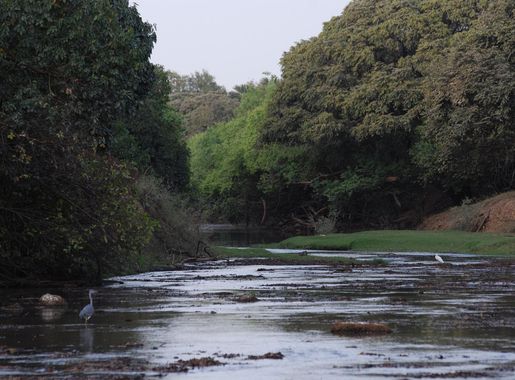
The Sahel region in Burkina Faso offers a unique experience for travelers seeking adventure and cultural immersion. This vast and arid landscape is a stretch of semi-desert that lies between the Sahara Desert to the north and the savannas to the south. It is a place where the harsh beauty of the land meets the rich traditions of the local people. In this region, you will find a tapestry of ethnic groups, each with its own customs and ways of life. The Fulani herders, with their distinctive brightly colored clothing, roam the plains with their cattle. Meanwhile, the Mossi farmers tend to their crops, showcasing the resilience and ingenuity of the people who call this challenging environment home. Visit the bustling markets in towns like Dori and Gorom-Gorom, where you can buy handmade crafts, textiles, and jewelry. These markets are also great places to sample local foods, such as tô (a millet or sorghum porridge) and brochettes (meat skewers). The Sahel is also home to several important cultural festivals throughout the year, including the celebrated Gerewol festival, which features traditional music, dance, and colorful costumes. Nature lovers will appreciate the unique flora and fauna of the Sahel. Despite its arid conditions, the region supports a variety of wildlife, including antelopes, hyenas, and bird species. The W National Park, which extends into Burkina Faso, is a haven for these animals and provides opportunities for wildlife viewing and eco-tourism.