

Free Centre-West Travel Guide & Mobile App
Explore Centre-West with free travel guides. Discover regional history, expert tips, proposed trips, and audio guides on web or mobile app.


Explore Centre-West Burkina Faso for Koudougou's culture, rural savanna landscapes, local markets and a revealing overland route through the country.
Read more about Centre-West
When is the best time to visit Centre-West?
Best: November–January · 33–34°C| Month | High (°C) | Rainfall (mm) |
|---|---|---|
| January (best) | 33 | 0 |
| February | 36 | 0 |
| March | 38 | 3 |
| April | 40 | 15 |
| May | 39 | 45 |
| June | 36 | 70 |
| July | 33 | 120 |
| August | 33 | 150 |
| September | 34 | 110 |
| October | 35 | 60 |
| November (best) | 34 | 5 |
| December (best) | 33 | 0 |
Getting to and around Centre-West
How to get there
Transportation
Top city travel guides in Centre-West
The cities of Centre-West, and the easiest places to base yourself.
-

-

-
-


Swipe for more cities
Destinations in Centre-West
Resorts, valleys and scenic spots worth a trip of their own.
-

-


Swipe for more destinations
Best attractions in Centre-West
Centre-West's attractions are primarily cultural, environmental and experiential rather than a dense sequence of monumental sights. Koudougou provides the region's strongest introduction, with urban markets, educational institutions, craft activity and opportunities to understand contemporary Burkinabè life. The town's association with Norbert Zongo adds an important civic and intellectual dimension. Réo and other provincial centres offer access to local commerce, agricultural landscapes and community traditions, though visitors should arrange rural excursions with reliable local contacts. Southwards, Ziro province has more wooded savanna and seasonal landscapes, creating opportunities for carefully planned nature observation and overland exploration rather than developed resort tourism. Traditional compounds, laterite roads, shea trees, fields and small market settlements give the countryside its visual character. Cultural programmes, music and dance events may take place in Koudougou and other towns, but dates and access are variable. Because security conditions and local restrictions can change, every excursion beyond the main urban areas should be checked shortly before departure.
-
Local history museum
Maasmê Issouka - Palais Du Naaba D'Issouka
Explore the vibrant history and culture of Burkina Faso at Maasmêa Issouka - Palais Du Naaba D'Issouka, a remarkable local history museum.
-
Museum
Musée Rayimi
Explore the artistic and historical treasures of Burkina Faso at the captivating Musée Rayimi in Koudougou.


Best landmarks in Centre-West
The most recognisable built landmark in Centre-West is the railway and station corridor through Koudougou, a reminder of the colonial-era transport link that helped establish the town as a western commercial centre. Koudougou's urban identity is further marked by the campus and public presence of Université Norbert Zongo, named for the city's influential journalist and a significant figure in Burkina Faso's modern civic history. The town's markets and main streets are less monumental than the historic centres of some Sahelian destinations, but they are important expressions of its role as a regional meeting point. Outside Koudougou, the landscape itself becomes the principal landmark: broad cultivated plains, red laterite tracks, shea-studded savanna and the more wooded southern country of Ziro give Centre-West a discernible geographical character. Traditional compounds and village mosques or churches may be locally significant, but access should be arranged respectfully rather than treating inhabited places as open-air attractions.
-
Park
Parc Bangr Weogo
Escape to Ouagadougou's urban oasis: Parc Bangr Weogo, a green sanctuary blending nature, culture, and tranquility in the heart of the city.
-
Entertainment
Ciné Neerwaya
Experience the richness of African cinema at Ciné Neerwaya in Ouagadougou, where culture and entertainment blend in a vibrant atmosphere.
-
Catholic cathedral
Ouagadougou Cathedral
Discover the stunning architecture and cultural significance of Ouagadougou Cathedral, a must-visit landmark in Burkina Faso's capital city.
-
Monument
Monument of National Heroes
Explore the Monument of National Heroes in Ouagadougou, a captivating tribute to Burkina Faso's valorous figures and a cultural landmark for every traveler.


Explore Centre-West on the map
Plan your trip on one map. See where the top cities, national parks and sights are, and book hotels and experiences in a few clicks.
Best hotels in Centre-West
Best restaurants in Centre-West
Dining in Centre-West is centred on everyday Burkinabè food rather than a formal restaurant circuit. In Koudougou, visitors can find modest eateries, cafés and hotel restaurants serving tô, the firm millet or sorghum staple eaten with sauces, alongside rice, maize dishes, beans, grilled meat and seasonal vegetables. Sauces may include leafy greens, okra, groundnuts or other locally available ingredients, while brochettes and fried snacks are common informal choices. Rural meals are often simpler and depend on the harvest, with shea products, cereals and local produce important to household economies. Markets provide fruit, roasted grains and refreshments, although hygiene standards and water access vary, so choose busy, well-kept stalls and drink treated or sealed water. French-style bread, coffee and simple breakfast foods are available in larger towns. Restaurant choice becomes more limited outside Koudougou, making it sensible to carry snacks and confirm meal arrangements before rural travel.
-
Restaurant
La Perle
Discover the authentic taste of Burkina Faso at La Perle, where local flavors meet welcoming ambiance in Ouagadougou.
-
Restaurant
P'tit Paris Gounghin
Discover the unique blend of French and Burkinabé cuisine at P'tit Paris Gounghin in Ouagadougou - an unforgettable dining experience awaits you.
-
Restaurant
Koffi GOMBO
Experience authentic Burkinabé cuisine at Koffi GOMBO in Ouagadougou, where delicious food meets vibrant culture.
-
Restaurant
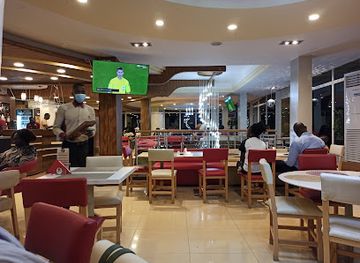
SIKA LOUNGE
Discover the vibrant flavors of Ouagadougou at SIKA LOUNGE – where great food meets an unforgettable atmosphere.

Best bars in Centre-West
Nightlife in Centre-West is modest and concentrated mainly in Koudougou. Evening activity commonly centres on local maquis, informal restaurants, cafés and bars where people meet for conversation, music and televised sport rather than on a large nightclub scene. Some venues play popular Burkinabè and West African music, and occasional cultural or live-music events may add variety, but programmes and opening arrangements are not fixed. In Réo, Léo and smaller settlements, evenings are generally quieter and social life is more likely to take place around food stalls, neighbourhood drinking places or community occasions. Visitors should follow local advice about suitable areas, avoid displaying valuables and arrange transport before dark, particularly when road and security conditions are uncertain. Alcohol is available in urban venues, but experiencing the region does not depend on drinking; tea, soft drinks and non-alcoholic refreshments are widely used social alternatives.
-
Bar
SIKA LOUNGE
Discover the lively ambiance and rich culinary offerings of SIKA LOUNGE, a must-visit bar and restaurant in Ouagadougou, Burkina Faso.
-
Bar
Le Titis
Experience the vibrant nightlife of Ouagadougou at Le Titis, a lively bar offering refreshing drinks and a welcoming atmosphere.
-
Bar
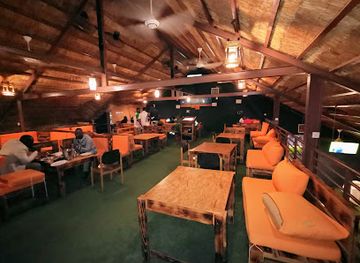
The Taxi Brousse
Discover the vibrant nightlife at The Taxi Brousse, a cultural bar in Ouagadougou offering local drinks and live music in a friendly atmosphere.
-
Bar
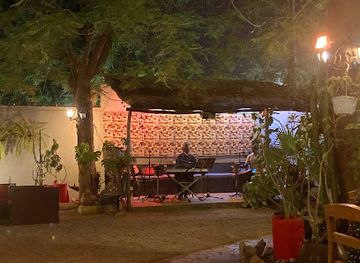
SUNSET OUAGA
Discover the vibrant nightlife at Sunset Ouaga, a chic bar in Ouagadougou offering an eclectic atmosphere and delightful drinks.


Best nightclubs in Centre-West
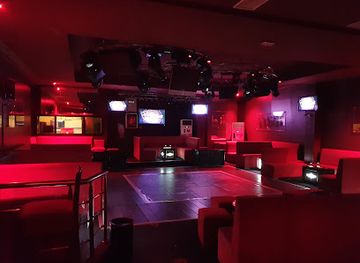
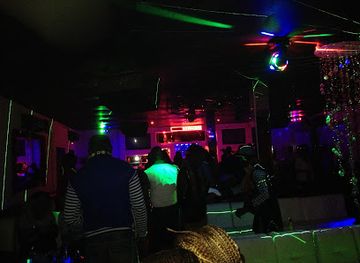
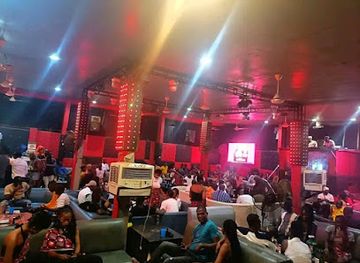
Nightlife in Centre-West is modest and concentrated mainly in Koudougou. Evening activity commonly centres on local maquis, informal restaurants, cafés and bars where people meet for conversation, music and televised sport rather than on a large nightclub scene. Some venues play popular Burkinabè and West African music, and occasional cultural or live-music events may add variety, but programmes and opening arrangements are not fixed. In Réo, Léo and smaller settlements, evenings are generally quieter and social life is more likely to take place around food stalls, neighbourhood drinking places or community occasions. Visitors should follow local advice about suitable areas, avoid displaying valuables and arrange transport before dark, particularly when road and security conditions are uncertain. Alcohol is available in urban venues, but experiencing the region does not depend on drinking; tea, soft drinks and non-alcoholic refreshments are widely used social alternatives.
-
Disco club
The Mask
Experience the electrifying nightlife of Ouagadougou at The Mask, where music and dance come alive in a vibrant disco atmosphere.
-
Disco club
Level Night Club
Dive into the energetic nightlife at Level Night Club in Ouagadougou, where great music and vibrant atmospheres await every party lover.
-
Bar
Waguess Night-Club
Experience the vibrant nightlife at Waguess Night-Club in Ouagadougou, where music, dance, and culture come alive in an unforgettable atmosphere.
-
 Disco club
Night club le Benbao
Explore the vibrant nightlife at Night Club Le Benbao, a top disco club in Ouagadougou, where great music and lively crowds await.
Best shops in Centre-West
Shopping in Centre-West is oriented towards practical markets and locally made goods rather than large-scale retail. Koudougou's markets are the best places to see regional commerce, with cereals, vegetables, fruit, household goods, clothing, sandals and everyday craft items circulating alongside produce brought in from surrounding farming communities. Visitors may encounter woven textiles, baskets, leatherwork, carved objects and shea-based products, although availability and quality vary by season and by seller. Réo, Léo and smaller market towns offer a more local atmosphere, but their trading days and stock should be confirmed locally. Packaged shea products, woven goods and small crafts can make useful purchases when their origin and quality are clear; bargaining is customary in some markets but should remain courteous. Larger supermarkets and specialist shops are limited outside Koudougou, so buy essential toiletries, medicines, snacks and travel supplies before leaving the main urban centres.
-
Supermarket
Liza mall
Liza Mall in Ouagadougou: A vibrant shopping destination combining local culture with modern retail experiences.
-
Gift shop
Burkina Pas Chèr
Explore Burkina Pas Chèr for authentic Burkinabé souvenirs at great prices, perfect for tourists wanting to take a piece of Burkina Faso home.
-
Gift shop
Livres et Loisirs - Livres & Loisirs
Explore Livres et Loisirs in Ouagadougou for a unique shopping experience filled with books, gifts, and local culture.
-
Clothing store
Siege TOVIO
Experience the vibrant local fashion scene at Siege TOVIO, a clothing store in Ouagadougou offering unique styles and cultural insights.


Get your free copy of our complete guide to Centre-West, delivered straight to you.
Everything on this page, from attractions and restaurants to essentials and local phrases, in one PDF you can read offline, print or share.
Already have an account? Sign in
Your Centre-West guide is ready.
We'll send it to · Not you? Sign out

Getting your guide ready…
We are putting together a fresh copy of the Centre-West guide. This can take up to a minute.
This can take a few moments. If your browser asks, choose Allow so the download can start. You'll find the guide in your Downloads folder.
Nothing happened? Download it again
Sorry, the guide is taking longer than usual. Please try again in a minute, or get it by email instead.
Centre-West essentials
Currency and Payment
Safety
Emergency Situations
Do's and Don'ts
Local Tips
From Eve
Local phrases worth knowing
You don't need to get them perfect. A few words go a long way, and locals appreciate the effort.
Basics
| English | Local | Say it |
|---|---|---|
| Hello | Naaniga | [nah-nee-gah] |
| Goodbye | Naaniga bɛ | [nah-nee-gah beh] |
| Yes | Aye | [ah-yeh] |
| No | Bala | [bah-lah] |
| Please/You're welcome | Soo naa | [soo nah] |
| Thank you | Maa fɛ | [mah feh] |
| Excuse me/Sorry | N'ko si | [n'koh see] |
| How are you? | N'ka wa? | [n'kah wah] |
| Fine. And you? | M'ɛ fɛ. N'ka wa? | [m'eh feh. n'kah wah] |
| Do you speak English? | N'ka toɔŋ English? | [n'kah toh-ong English] |
| I don't understand | M'ba n'ka fɛ | [m'bah n'kah feh] |
Eating & Drinking
| English | Local | Say it |
|---|---|---|
| I'd like to see the menu, please | M'ɛ yɛ n'ka menu, soo naa | [m'eh yay n'kah meh-noo, soo nah] |
| I don't eat meat | M'ba yɛ ɲaati | [m'bah yay nyah-tee] |
| Cheers! | Soo naa! | [soo nah] |
| I would like to pay, please | M'ɛ yɛ n'ka ka, soo naa | [m'eh yay n'kah kah, soo nah] |
Emergencies
| English | Local | Say it |
|---|---|---|
| Help! | Ba! | [bah!] |
| Go away! | Bala ta! | [bah-lah tah!] |
| Call the Police! | N'ka fɛ Police! | [n'kah feh Police!] |
| Call a doctor! | N'ka fɛ dɔktɛr! | [n'kah feh doh-kter!] |
| I'm lost | M'ba n'ka fɛ | [m'bah n'kah feh] |
| I'm ill | M'ba n'ka dɔ | [m'bah n'kah doh] |
Shopping
| English | Local | Say it |
|---|---|---|
| I'd like to buy... | M'ɛ yɛ n'ka tɔ... | [m'eh yay n'kah toh...] |
| I'm just looking | M'ɛ yɛ m'ko | [m'eh yay m'koh] |
| How much is it? | Bala n'ka sɔ? | [bah-lah n'kah soh] |
| That's too expensive | O sɔʔ a ti | [oh soh a tee] |
| Can you lower the price? | N'ka tɔɔr sɔʔ? | [n'kah toh-oor soh] |
Time & Numbers
| English | Local | Say it |
|---|---|---|
| What time is it? | N'ka nɛ wɔ? | [n'kah neh woh?] |
| It's one o'clock | N'ka ba n'ni | [n'kah bah n'nee] |
| Half past (10) | N'ka tɔɔr (10) | [n'kah toh-oor (10)] |
| Morning | N'ka kɔkɔ | [n'kah koh-koh] |
| Afternoon | N'ka bɔ | [n'kah boh] |
| Evening | N'ka n'ya | [n'kah n'yah] |
| Yesterday | N'ka n'ko | [n'kah n'koh] |
| Today | N'ka ta | [n'kah tah] |
| Tomorrow | N'ka ta n'ko | [n'kah tah n'koh] |
| 1 | Ba | [bah] |
| 2 | N'ni | [n'nee] |
| 3 | N'ta | [n'tah] |
| 4 | N'na | [n'nah] |
| 5 | N'ni kɔ | [n'nee koh] |
| 6 | N'sɔ | [n'soh] |
| 7 | N'sɛ | [n'seh] |
| 8 | N'na kɔ | [n'nah koh] |
| 9 | N'ni kɔ | [n'nee koh] |
| 10 | N'na | [n'nah] |
Transport & Directions
| English | Local | Say it |
|---|---|---|
| Where's a/the...? | N'ka tɛ ...? | [n'kah teh ...?] |
| What's the address? | N'ka n'ko sɔ? | [n'kah n'koh soh?] |
| Can you show me (on the map)? | N'ka fɛ n'na (n'ka map)? | [n'kah feh n'nah (n'kah mahp)?] |
| When's the next (bus)? | N'ka n'ya (bus)? | [n'kah n'yah (bus)?] |
| A ticket (to ....) | N'ka ticket (to ...) | [n'kah tee-ket (to ...)] |
History of Centre-West
Early settlement and regional societies
The lands of Centre-West have long been occupied by farming communities whose livelihoods developed around seasonal rainfall, savanna soils and access to water. The region lies within the wider cultural zone of several Voltaic-speaking peoples, including Mossi and Gurunsi-related communities, with different local histories and political traditions. Settlement patterns, agricultural fields, craft practices and oral traditions continue to reflect this deep history, although many early accounts were transmitted through archaeology and oral memory rather than extensive written records.
Mossi expansion and local political traditions
From the medieval period onwards, the growth of Mossi states influenced parts of the central and western interior, including areas that now fall within Centre-West. This did not erase older communities or produce a single uniform culture: local chiefs, village authorities and other social institutions continued to shape political and economic life. Trade, farming, livestock keeping and movement between market settlements connected the region to neighbouring areas, helping establish the networks on which later towns developed.
Nineteenth-century commerce and changing frontiers
During the nineteenth century, Centre-West occupied a zone of movement between the Mossi political world to the east and societies and trading routes farther west and south. Long-distance exchange involved livestock, grain, shea products, textiles and other goods, while local markets linked villages with larger settlements. Political authority remained layered and varied, with customary institutions operating alongside wider regional alliances. These patterns help explain why the region retains cultural and linguistic diversity despite its location within contemporary Burkina Faso.
French colonial rule and the railway corridor
French conquest and colonial administration reorganised the area during the late nineteenth and early twentieth centuries, incorporating it into French West Africa and later into the colony of Haute-Volta. Roads, administrative posts and taxation changed local economic relationships. The railway linking Ouagadougou with Bobo-Dioulasso passed through Koudougou and strengthened the town's role as a transport and commercial centre. Colonial boundaries and institutions also helped shape the administrative geography that later became the Centre-Ouest region.
Independence and the Republic of Upper Volta
Burkina Faso became independent as the Republic of Upper Volta in 1960. In the decades that followed, Koudougou grew as an administrative, educational and trading centre within a developing national road and rail network. Rural communities continued to depend heavily on agriculture, while towns expanded through public institutions, commerce and migration. National political changes, including the renaming of Upper Volta as Burkina Faso in 1984, affected the region through new development programmes and changing state structures.
Education, journalism and the legacy of Norbert Zongo
Koudougou is the birthplace of Norbert Zongo, the journalist, editor and writer who became one of Burkina Faso's most prominent advocates of investigative reporting. His assassination in 1998 provoked major public concern and remains an important reference point in the country's political and media history. The city's university, now Université Norbert Zongo, reflects Koudougou's continuing role as an educational centre and keeps his name present in the region's civic and intellectual life.
Contemporary pressures and regional change
Centre-West has experienced the wider pressures affecting Burkina Faso, including population growth, climate variability, changing agricultural conditions and insecurity in parts of the country. Farming remains central, but towns have expanded their roles in education, trade, transport and services. The region's contemporary identity is therefore shaped by both continuity and adaptation: customary life, seasonal agriculture and local languages remain important, while residents engage with national institutions, urban culture and increasingly difficult security and economic conditions.
Centre-West in Photos
Browse through our photo collection highlighting the charm and character of the destination.
Neighbouring regions of Centre-West
The closest regions to Centre-West, if you have time for more than one.
-

-

-

-

-


Swipe for more regions
Explore more

Explore more of Burkina Faso
Discover Burkina Faso: An authentic African destination with rich culture, stunning landscapes, and warm hospitality, offering a memorable and enriching travel experience.
Explore Burkina Faso