

Free Plateau-Central Travel Guide & Mobile App
Explore Plateau-Central with free travel guides. Discover regional history, expert tips, proposed trips, and audio guides on web or mobile app.


Plateau-Central offers Burkina Faso travel through Laongo’s granite sculptures, Mossi heritage, rural markets and the Loumbila reservoir.
Read more about Plateau-Central
When is the best time to visit Plateau-Central?
Best: November–January · 32–34°C| Month | High (°C) | Rainfall (mm) |
|---|---|---|
| January (best) | 32 | 1 |
| February | 35 | 1 |
| March | 38 | 3 |
| April | 39 | 10 |
| May | 38 | 30 |
| June | 35 | 70 |
| July | 33 | 120 |
| August | 33 | 130 |
| September | 34 | 100 |
| October | 35 | 40 |
| November (best) | 34 | 10 |
| December (best) | 32 | 1 |
Getting to and around Plateau-Central
How to get there
Transportation
Top city travel guides in Plateau-Central
The cities of Plateau-Central, and the easiest places to base yourself.
-

-


Swipe for more cities
Destinations in Plateau-Central
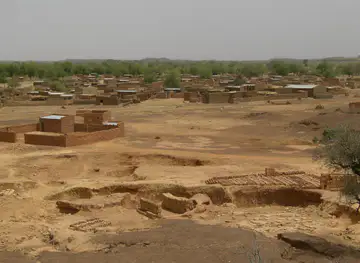
Resorts, valleys and scenic spots worth a trip of their own.
-

-


Swipe for more destinations
Best attractions in Plateau-Central
Plateau-Central’s attractions are primarily cultural, landscape-based and connected with everyday regional life rather than a large concentration of ticketed monuments. The Laongo Sculpture Symposium, near Ziniaré, is the region’s best-known visitor site: monumental works by African and international artists are placed among granite outcrops, creating an open-air meeting point between contemporary art and the natural landscape. The Loumbila reservoir offers a contrasting setting of open water, cultivated land and seasonal birdlife, although visitors should not expect a fully developed resort infrastructure. Ziniaré, Zorgho and Boussé provide opportunities to observe market activity, local commerce and the practical rhythms of provincial towns. Rural roads reveal cultivated savannah, shea trees, granite formations and villages whose architecture and social organisation reflect the central Mossi cultural area. Visitors interested in traditional authority, religion or community life should arrange introductions through local contacts rather than arriving unannounced. The region can also serve as a base for carefully planned cultural excursions, but current security conditions and road accessibility must determine where travel is appropriate.
-
Stadium
4 August 1983 Stadium
Experience the heart of Burkina Faso's sporting culture at this iconic stadium, a vibrant hub for sports, culture, and national pride.
-
Art
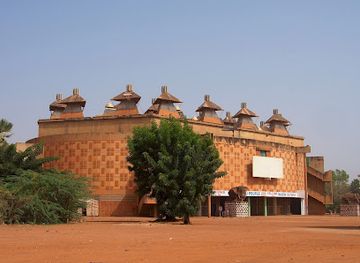
Maison du Peuple
Discover the Maison du Peuple in Ouagadougou, a modernist architectural icon and vibrant hub for culture and events.
-
Stadium
Stadium Issoufou Joseph CONOMBO
Immerse yourself in the vibrant sports culture and community spirit at Stadium Issoufou Joseph CONOMBO in Ouagadougou, Burkina Faso.
-
Mosque
KB et frères
Discover the Grand Mosque of Ouagadougou, a stunning architectural gem and cultural cornerstone in the heart of Burkina Faso's capital.



Best landmarks in Plateau-Central
The defining landmark of Plateau-Central is the granite landscape at Laongo, where large-scale contemporary sculptures occupy a natural setting near Ziniaré. The site is significant not only for its artworks but also for the way it makes the region’s exposed rock formations part of a public cultural environment. The Loumbila reservoir is a different kind of landmark: a major man-made body of water whose shoreline, agricultural surroundings and broad horizon contrast with the dry-season savannah. Ziniaré’s importance is chiefly administrative and historical rather than monumental, and its streets and civic buildings are best understood in relation to the region’s modern development and political memory. Traditional chiefly institutions, mosques, churches and market spaces are also important cultural reference points, though many are functioning community places rather than formal monuments. Plateau-Central’s most meaningful visual identity therefore lies in the combination of granite, seasonal water, cultivated plains and settlements connected to the long history of Mossi political and social organisation.
-
Entertainment
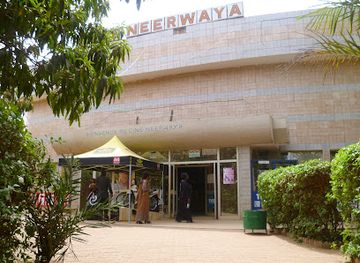
Ciné Neerwaya
Explore the heart of African cinema at Ciné Neerwaya in Ouagadougou, where captivating stories and vibrant culture come to life on the big screen.
-
Catholic cathedral
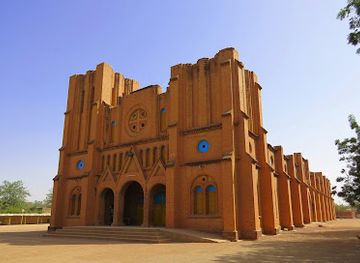
Ouagadougou Cathedral
Discover the architectural beauty and spiritual significance of Ouagadougou Cathedral, a West African landmark built with mud brick.
-
Monument
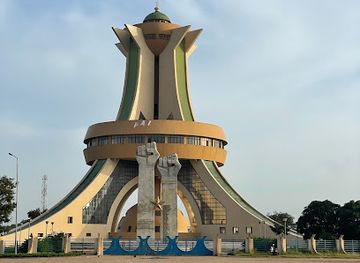
Monument of National Heroes
Discover the powerful history and resilience of Burkina Faso at the Monument of National Heroes, a must-visit landmark in Ouagadougou.
-
Amusement park
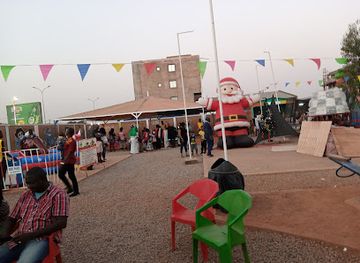
BIBI PARC
Experience unforgettable family fun at BIBI PARC, the premier amusement park in Ouagadougou, featuring thrilling rides and lush green spaces.
Explore Plateau-Central on the map
Plan your trip on one map. See where the top cities, national parks and sights are, and book hotels and experiences in a few clicks.
Best hotels in Plateau-Central
Best restaurants in Plateau-Central
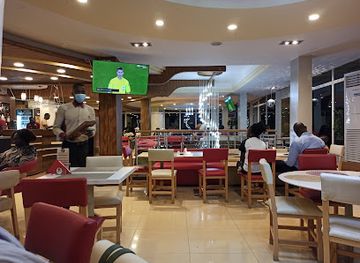
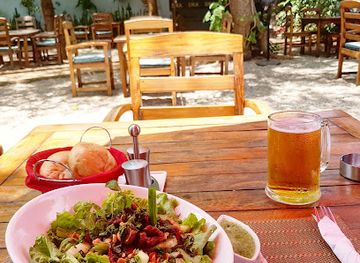
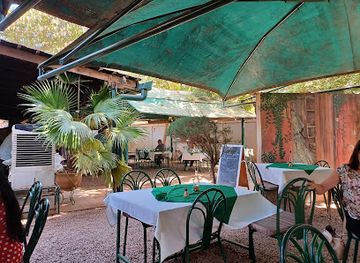
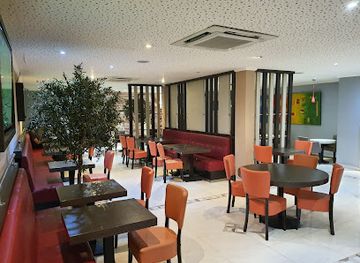
Dining in Plateau-Central is generally informal and locally oriented, with the greatest range of cafés, hotels and restaurants found in Ziniaré and other provincial centres. Common meals draw on Burkina Faso’s wider culinary traditions: tô, a firm maize or millet staple served with sauce; rice dishes; beans; grilled meat; and brochettes sold at modest eateries or roadside stands. Seasonal produce, including grains, vegetables, shea products and mangoes where available, is more visible in markets than in formal menus. Around rural communities, food is often prepared simply and may be available only at particular times of day, so organised visitors should plan meals rather than rely on spontaneous restaurant stops. Ouagadougou, outside Plateau-Central, offers a much broader choice of international and contemporary dining. In the region itself, bottled water is the prudent choice, and travellers should select busy, clean-looking food stalls where dishes are cooked thoroughly and served hot.
-
Restaurant
P'tit Paris Gounghin
Experience authentic French cuisine blended with local flavors at P'tit Paris Gounghin in Ouagadougou.
-
Restaurant
SIKA LOUNGE
Experience the best of Ouagadougou at SIKA LOUNGE, where delicious food meets vibrant nightlife in a cozy atmosphere.
-
Restaurant
Le Verdoyant
Discover authentic Burkinabé cuisine at Le Verdoyant in Ouagadougou – where every dish tells a story.
-
Restaurant
Cappuccino
Discover the vibrant culinary scene at Cappuccino in Ouagadougou – where local flavors meet international cuisine.
Best bars in Plateau-Central
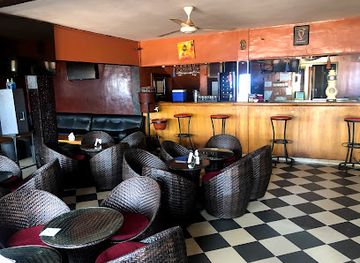
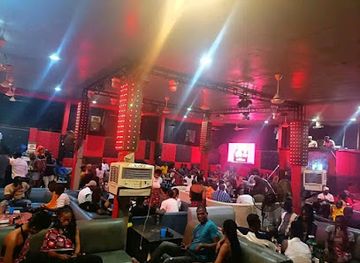
Plateau-Central does not have a large, concentrated nightclub scene; evening life is more commonly centred on modest bars, maquis, neighbourhood eateries and hotel terraces in towns such as Ziniaré and Zorgho. These places may serve beer, soft drinks and simple food, with conversation, football broadcasts and locally popular music shaping the atmosphere. In villages and smaller settlements, nightlife is limited and often concludes early, while Ouagadougou, outside the region, provides the country’s widest selection of live music, clubs and late-opening venues. Visitors should avoid treating alcohol as central to local culture, respect religious and family settings, and confirm security arrangements before going out after dark. Music and social gatherings can vary considerably by town and season, so current local advice is more useful than relying on fixed venue listings.
-
Bar
SIKA LOUNGE
Discover the vibrant atmosphere and delicious flavors at SIKA LOUNGE, a must-visit bar and restaurant in Ouagadougou.
-
Bar
Le Titis
Discover the vibrant atmosphere of Le Titis, a bar in Zogona offering refreshing drinks and a taste of local culture in Ouagadougou.
-
Bar
The Taxi Brousse
Discover the vibrant nightlife of Ouagadougou at The Taxi Brousse, where culture and camaraderie come alive over drinks and music.
-
Bar
SUNSET OUAGA
Discover Sunset Ouaga, a lively bar in Ouagadougou, where vibrant nightlife meets delicious drinks and a welcoming atmosphere.



Best nightclubs in Plateau-Central
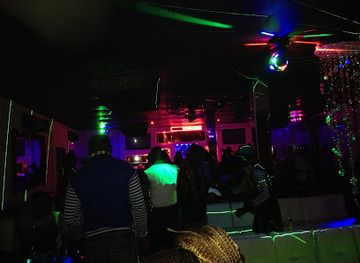
Plateau-Central does not have a large, concentrated nightclub scene; evening life is more commonly centred on modest bars, maquis, neighbourhood eateries and hotel terraces in towns such as Ziniaré and Zorgho. These places may serve beer, soft drinks and simple food, with conversation, football broadcasts and locally popular music shaping the atmosphere. In villages and smaller settlements, nightlife is limited and often concludes early, while Ouagadougou, outside the region, provides the country’s widest selection of live music, clubs and late-opening venues. Visitors should avoid treating alcohol as central to local culture, respect religious and family settings, and confirm security arrangements before going out after dark. Music and social gatherings can vary considerably by town and season, so current local advice is more useful than relying on fixed venue listings.
-
Disco club
Level Night Club
Discover the vibrant nightlife of Ouagadougou at Level Night Club – a top disco destination for dancing and socializing in Burkina Faso.
-
Bar
Waguess Night-Club
Discover the energetic nightlife of Ouagadougou at Waguess Night-Club, the go-to bar for great drinks, music, and a vibrant atmosphere.
-
Disco club
Maquis LE FORGERON
Dive into the vibrant nightlife of Ouagadougou at Maquis LE FORGERON - the ultimate disco club experience.
-
 Disco club
Night club le Benbao
Discover the vibrant nightlife of Ouagadougou at Night Club le Benbao, where music, dance, and culture come alive.

Best shops in Plateau-Central
Shopping in Plateau-Central is focused on market towns, roadside stalls and small independent businesses rather than major retail centres. Markets in Ziniaré, Zorgho, Boussé and surrounding communities are places to find grains, vegetables, fruit in season, household goods, clothing and practical craft items, with activity usually beginning early. Visitors may encounter woven goods, leatherwork, carved objects and locally produced shea-based products, but quality and availability vary, so buying directly from established makers or trusted local contacts is preferable. Laongo provides the strongest connection with contemporary artistic activity, although the sculpture site should not be treated as a conventional shopping district. Regional food products, including dried produce and shea products, can make useful souvenirs when packaged appropriately for travel. Bargaining may be customary in some informal markets but is not appropriate in every setting; ask the seller’s price and negotiate courteously without treating small purchases as an adversarial exchange.
-
Supermarket
Liza mall
Discover Liza Mall in Ouagadougou for an authentic shopping experience, blending local culture with international brands in a vibrant atmosphere.
-
Gift shop
Burkina Pas Chèr
Explore authentic Burkinabé crafts and souvenirs at Burkina Pas Chèr, a charming gift shop in Ouagadougou.
-
Electronics store
Faso matériaux
Explore the latest in electronics at Faso Matériaux, Ouagadougou's top destination for tech enthusiasts and casual shoppers alike.
-
Building materials store
Quincaillerie Wendpouire
Discover authentic building materials at Quincaillerie Wendpouire, a local store showcasing the craftsmanship and culture of Ouagadougou.


Get your free copy of our complete guide to Plateau-Central, delivered straight to you.
Everything on this page, from attractions and restaurants to essentials and local phrases, in one PDF you can read offline, print or share.
Already have an account? Sign in
Your Plateau-Central guide is ready.
We'll send it to · Not you? Sign out

Getting your guide ready…
We are putting together a fresh copy of the Plateau-Central guide. This can take up to a minute.
This can take a few moments. If your browser asks, choose Allow so the download can start. You'll find the guide in your Downloads folder.
Nothing happened? Download it again
Sorry, the guide is taking longer than usual. Please try again in a minute, or get it by email instead.
Plateau-Central essentials
Currency and Payment
Safety
Emergency Situations
Do's and Don'ts
Local Tips
From Eve
Local phrases worth knowing
You don't need to get them perfect. A few words go a long way, and locals appreciate the effort.
Basics
| English | Local | Say it |
|---|---|---|
| Hello | Nǐ bā | [nee bah] |
| Goodbye | Nǐ bǐ lǐ | [nee bee lee] |
| Yes | Wǎ | [wah] |
| No | Bǐ | [bee] |
| Please/You're welcome | Sū bā | [soo bah] |
| Thank you | Mă sǔ | [mah soo] |
| Excuse me/Sorry | Mǐ bǐ zō | [mee bee zoh] |
| How are you? | Nǐ tì gǔ? | [nee tee goo] |
| Fine. And you? | Bǐ sǔ. Nǐ tì? | [bee soo. nee tee?] |
| Do you speak English? | Nǐ gǔ dāng yīng yǔ? | [nee goo dahng ying yoo] |
| I don't understand | Mǐ bǐ zǔ gǔ | [mee bee zoo goo] |
Eating & Drinking
| English | Local | Say it |
|---|---|---|
| I'd like to see the menu, please | Mǐ nǐ bā sǐ lǐ | [mee nee bah see lee] |
| I don't eat meat | Mǐ bǐ nǐ tǐ bǐ | [mee bee nee tee bee] |
| Cheers! | Zā bā! | [zah bah!] |
| I would like to pay, please | Mǐ nǐ bā tǎi | [mee nee bah tie] |
Emergencies
| English | Local | Say it |
|---|---|---|
| Help! | Bǐ mǐ! | [bee mee!] |
| Go away! | Zǔ bǐ lǐ! | [zoo bee lee!] |
| Call the Police! | Nǐ gǔ bǐ lǐ jǐ! | [nee goo bee lee jee!] |
| Call a doctor! | Nǐ gǔ bǐ lǐ yī! | [nee goo bee lee yee!] |
| I'm lost | Mǐ bǐ zǔ dǐ | [mee bee zoo dee] |
| I'm ill | Mǐ bǐ nǐ bǐ | [mee bee nee bee] |
Shopping
| English | Local | Say it |
|---|---|---|
| I'd like to buy... | Mǐ nǐ bā zǔ ... | [mee nee bah zoo ...] |
| I'm just looking | Mǐ dǐ zǔ lǐ | [mee dee zoo lee] |
| How much is it? | Nǐ tì zǔ bǐ? | [nee tee zoo bee?] |
| That's too expensive | Nǐ zǔ zǔ bǐ tǐ | [nee zoo zoo bee tee] |
| Can you lower the price? | Nǐ gǔ bǐ tǐ zǔ? | [nee goo bee tee zoo?] |
Time & Numbers
| English | Local | Say it |
|---|---|---|
| What time is it? | Nǐ tì bǐ gǔ? | [nee tee bee goo?] |
| It's one o'clock | Nǐ tǐ gǔ | [nee tee goo] |
| Half past (10) | Yǔ gǔ bǐ (10) | [yoo goo bee (10)] |
| Morning | Zǔ gǔ | [zoo goo] |
| Afternoon | Zǔ gǔ lǐ | [zoo goo lee] |
| Evening | Zǔ gǔ mǐ | [zoo goo mee] |
| Yesterday | Tǐ bǐ gǔ | [tee bee goo] |
| Today | Nǐ gǔ | [nee goo] |
| Tomorrow | Nǐ mǐ gǔ | [nee mee goo] |
| 1 | Yī | [yee] |
| 2 | Èr | [air] |
| 3 | Sān | [sahn] |
| 4 | Sì | [see] |
| 5 | Wǔ | [woo] |
| 6 | Liù | [lee-oh] |
| 7 | Qī | [chee] |
| 8 | Bā | [bah] |
| 9 | Jiǔ | [jyo] |
| 10 | Shí | [shee] |
Transport & Directions
| English | Local | Say it |
|---|---|---|
| Where's a/the...? | Nǐ tì gǔ lǐ? | [nee tee goo lee?] |
| What's the address? | Nǐ tì gǔ zǔ? | [nee tee goo zoo?] |
| Can you show me (on the map)? | Nǐ gǔ bǐ tǐ gǔ? | [nee goo bee tee goo?] |
| When's the next (bus)? | Nǐ tì gǔ mǐ? | [nee tee goo mee?] |
| A ticket (to ...) | Yī bǐ (tǐ ...) | [yee bee (tee ...)] |
History of Plateau-Central
Early Settlement and Sahelian Exchange
The lands of present-day Plateau-Central have long been occupied by communities adapting agriculture and pastoral activity to a seasonal savannah climate. The region’s position between the central Mossi plateau and routes leading towards the Sahel encouraged exchange in grain, livestock, leather and other goods. Granite formations, water sources and cultivated plains influenced settlement patterns, while oral traditions preserve memories of migration, founding lineages and relations between communities. Although archaeological evidence is less familiar to international visitors than the region’s later political history, the landscape reflects centuries of interaction between farming, trade and changing systems of authority.
The Mossi Political Tradition
Plateau-Central lies within the wider historic sphere of the Mossi kingdoms, whose rulers and chiefly institutions shaped much of central Burkina Faso from the medieval period onwards. The political system was not a single uniform state but a network of kingdoms, courts and local authorities linked by dynastic traditions and negotiated relationships. Oubritenga, whose name is commonly interpreted as referring to a land of chiefs, retains associations with this heritage. Traditional authorities continue to have cultural significance, even though modern administration and national law govern the region’s formal political structure.
Islamic, Christian and Local Religious Histories
Over several centuries, Islam reached communities across the central savannah through merchants, clerics and wider Sahelian networks, while local religious practices remained influential. Christianity expanded later, particularly during the colonial and post-colonial periods, creating a religious landscape in which Muslim, Christian and indigenous traditions coexist. Mosques, churches, shrines and family ceremonies form part of the region’s cultural geography. Religious affiliation varies between communities, and visitors should understand that ceremonies and sacred places are living institutions rather than simply historical sights.
French Colonial Rule and Upper Volta
French conquest and administration in the late nineteenth and early twentieth centuries incorporated the region into French West Africa. Colonial rule reorganised taxation, labour, transport and local authority, often working through or attempting to control existing chiefly structures. The territory became part of the colony of Upper Volta, created in 1919, dissolved in 1932 and re-established in 1947. Roads and administrative centres strengthened links with Ouagadougou, while agricultural production and seasonal labour were increasingly connected to colonial economic demands.
Independence and the Modern State
Upper Volta became independent in 1960 and was renamed Burkina Faso in 1984. Plateau-Central developed within the national process of decentralisation, with provinces and communes gaining administrative roles alongside enduring traditional institutions. Agriculture, livestock, small-scale trade and public services remain central to the regional economy. Growing links with Ouagadougou have brought new housing, transport and commercial activity, while towns such as Ziniaré and Zorgho continue to function as local administrative and market centres.
Ziniaré and Contemporary Political Memory
Ziniaré acquired particular prominence in national political memory as the birthplace of Blaise Compaoré, who served as president of Burkina Faso from 1987 until 2014. His long rule, the 2014 popular uprising that ended it and the subsequent political upheavals remain sensitive subjects in Burkina Faso. The association gives Ziniaré significance beyond its administrative role, but visitors should approach contemporary political history carefully and avoid treating one individual’s biography as a complete representation of the region.
Plateau-Central in Photos
Browse through our photo collection highlighting the charm and character of the destination.
Neighbouring regions of Plateau-Central
The closest regions to Plateau-Central, if you have time for more than one.
-

-

-

-

-


Swipe for more regions
Explore more

Explore more of Burkina Faso
Discover Burkina Faso: An authentic African destination with rich culture, stunning landscapes, and warm hospitality, offering a memorable and enriching travel experience.
Explore Burkina Faso