

Free South-West Travel Guide & Mobile App
Explore South-West with free travel guides. Discover regional history, expert tips, proposed trips, and audio guides on web or mobile app.


Explore South-West Burkina Faso for Gaoua’s cultural heritage, Lobi traditions, wooded savannah and the ancient stone ruins of Loropéni.
Read more about South-West
When is the best time to visit South-West?
Best: November–January · 29–31°C| Month | High (°C) | Rainfall (mm) |
|---|---|---|
| January (best) | 30 | 1 |
| February | 33 | 1 |
| March | 36 | 2 |
| April | 37 | 10 |
| May | 35 | 40 |
| June | 33 | 100 |
| July | 31 | 200 |
| August | 31 | 200 |
| September | 31 | 100 |
| October | 32 | 40 |
| November (best) | 31 | 10 |
| December (best) | 29 | 1 |
Getting to and around South-West
How to get there
Transportation
Top city travel guides in South-West
The cities of South-West, and the easiest places to base yourself.

Swipe for more cities
Destinations in South-West
Resorts, valleys and scenic spots worth a trip of their own.

Swipe for more destinations
Best attractions in South-West
The region’s attractions are centred on archaeology, cultural interpretation and wooded savannah rather than large-scale tourism infrastructure. The Ruins of Loropéni are the outstanding heritage site, with laterite-stone walls rising from a green and historically layered landscape. Gaoua is the main place to learn about the region’s peoples, material culture and traditions through its museums and cultural institutions, subject to current opening and security conditions. Around the regional towns, visitors may encounter traditional compounds, granaries, craftwork and market life, but these are living environments rather than standardised visitor attractions and require local permission. The countryside between Gaoua, Loropéni, Dano and other centres offers views of farms, shea trees, seasonal watercourses and village landscapes. Short nature outings may be possible with trusted local guidance, although facilities, marked trails and wildlife tourism services are limited. The strongest experience comes from combining the archaeological site with careful cultural interpretation and an understanding of how contemporary communities use the land. Security conditions must be checked before any excursion, and some attractions may be inaccessible even when they appear close on a map.
-
Park
Parc Bangr Weogo
Escape to Ouagadougou's urban oasis: Parc Bangr Weogo, a blend of nature, culture, and recreation in the heart of Burkina Faso.
-
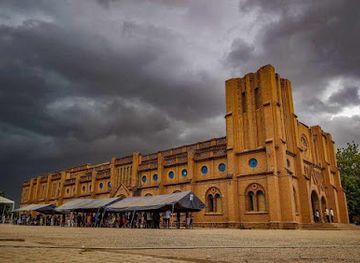
Catholic cathedral
Ouagadougou Cathedral
Experience the architectural beauty and cultural significance of Ouagadougou Cathedral, a must-visit attraction in Burkina Faso's vibrant capital.
-
Monument
Monument of National Heroes
Explore the Monument of National Heroes in Ouagadougou, a significant symbol of bravery and heritage in Burkina Faso.
-
Amusement park
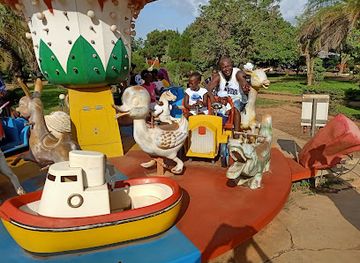
BIBI PARC
Experience thrilling rides, lush gardens, and family-friendly entertainment at Ouagadougou's favorite amusement park, BIBI PARC.


Best landmarks in South-West
The Ruins of Loropéni are South-West Burkina Faso’s most important landmark: a substantial complex of laterite-stone walls set among vegetation and fields in Léraba Province. Their imposing construction and uncertain, multi-layered history make them valuable evidence of earlier settlement, regional exchange and defensive or residential architecture. UNESCO recognition has given the ruins international prominence, but their meaning is best understood within the wider cultural landscape rather than as an isolated monument. Gaoua’s principal civic and cultural buildings are less monumental, yet the town itself functions as the region’s interpretive centre and a visible marker of modern administration in a historically diverse area. Traditional compounds, granaries and village layouts can also be visually distinctive, but they are private or community settings rather than landmarks to enter freely. Seasonal rivers, wooded savannah and red-earth roads provide the region’s natural visual character, although they are not developed viewpoints or formal scenic attractions. Access to every landmark depends on current security conditions and local permission.
-
Park
Parc Bangr Weogo
Explore the lush landscapes and serene beauty of Parc Bangr Weogo, a tranquil park in the heart of Ouagadougou, perfect for relaxation and cultural experiences.
-
Entertainment
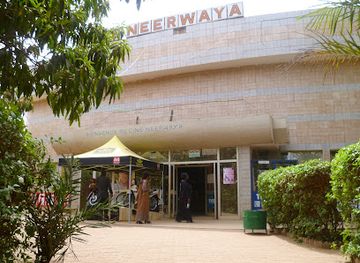
Ciné Neerwaya
Discover the vibrant world of cinema and local culture at Ciné Neerwaya in Ouagadougou, a must-visit entertainment venue for every traveler.
-
Catholic cathedral
Ouagadougou Cathedral
Discover the architectural gem of Burkina Faso: a unique cathedral blending European design with local materials in the heart of Ouagadougou.
-
Monument
Monument of National Heroes
Explore the Monument of National Heroes in Ouagadougou, a stunning tribute to Burkina Faso's freedom fighters amidst serene gardens and rich history.

Explore South-West on the map
Plan your trip on one map. See where the top cities, national parks and sights are, and book hotels and experiences in a few clicks.
Best hotels in South-West
Best restaurants in South-West
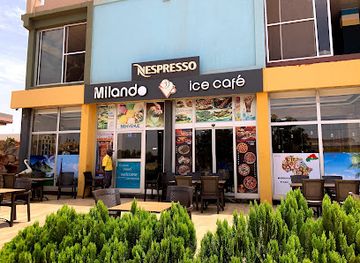
Dining in South-West Burkina Faso is largely local, informal and closely tied to markets, family cooking and small town eateries. Common meals in the region may include tô, a firm maize or millet staple served with sauces, rice dishes, beans, grilled meat and seasonal vegetables. Chicken, beef and goat are widely encountered, while shea products and locally grown crops form part of the broader food economy. Gaoua offers the greatest choice of modest restaurants, cafés and hotel dining rooms, though menus and supplies can vary. In smaller towns, food is more likely to be bought from stalls or simple eateries, where hygiene, freshness and preparation conditions should be considered carefully. Bottled or treated water is advisable. Regional eating is less about a formal restaurant scene than about observing the relationship between farms, markets and household kitchens; visitors should ask before photographing food preparation or people and should not assume that every dish is available every day.
-
Restaurant
P'tit Paris Gounghin
Discover authentic Burkinabé flavors at P'tit Paris Gounghin in Ouagadougou - where local charm meets culinary excellence.
-
Restaurant
Koffi GOMBO
Discover authentic Burkinabé flavors at Koffi GOMBO, a charming restaurant in Ouagadougou that delights every palate.
-
Restaurant
Le Verdoyant
Experience authentic Burkinabé cuisine at Le Verdoyant in Ouagadougou – where flavor meets culture in every dish.
-
Turkish
Restaurant Chez Momo
Discover the authentic taste of Turkey at Restaurant Chez Momo in Ouagadougou—an unforgettable culinary experience awaits you.


Best bars in South-West
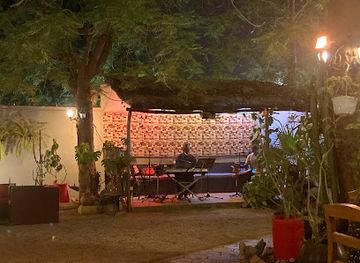
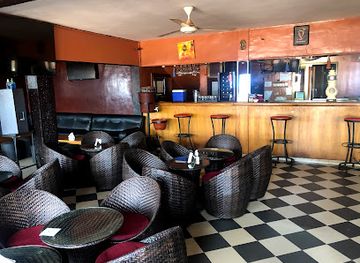
Evening life in South-West Burkina Faso is concentrated in Gaoua and other larger towns, where modest bars, cafés, restaurants and hotel terraces may provide places to meet after dark. In smaller communities, social life generally centres on family visits, market activity and local eateries rather than dedicated nightclubs. Music may feature in town venues or community occasions, but programming and opening arrangements are changeable and should be confirmed locally. Alcohol is available in some establishments, while non-alcoholic drinks and tea are also common choices. Given the security situation, visitors should avoid walking around unfamiliar areas at night, follow local advice about movement, and return to accommodation before any locally recommended curfew or restriction. Nightlife should therefore be treated as a limited urban amenity, not the principal reason to visit the region.
-
Bar
SIKA LOUNGE
Discover the lively ambiance and delightful flavors at SIKA LOUNGE, your go-to bar and restaurant in Ouagadougou.
-
Bar
Le Titis
Experience the vibrant nightlife of Ouagadougou at Le Titis, a lively bar offering a taste of local culture and a friendly atmosphere.
-
Bar
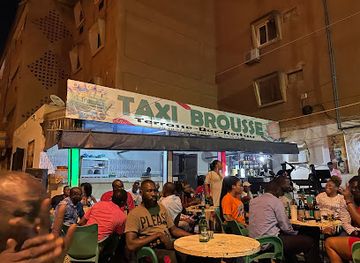
The Taxi Brousse
Experience the lively spirit of Burkina Faso at The Taxi Brousse, a cultural bar in Ouagadougou perfect for unwinding and socializing.
-
Bar
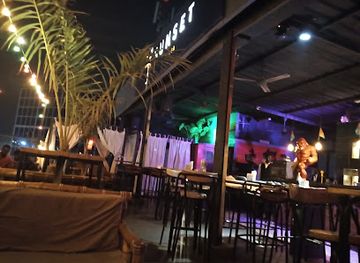
SUNSET OUAGA
Discover the vibrant nightlife at Sunset Ouaga, a must-visit bar in Ouagadougou offering a unique blend of local and international drinks.
Best nightclubs in South-West
Evening life in South-West Burkina Faso is concentrated in Gaoua and other larger towns, where modest bars, cafés, restaurants and hotel terraces may provide places to meet after dark. In smaller communities, social life generally centres on family visits, market activity and local eateries rather than dedicated nightclubs. Music may feature in town venues or community occasions, but programming and opening arrangements are changeable and should be confirmed locally. Alcohol is available in some establishments, while non-alcoholic drinks and tea are also common choices. Given the security situation, visitors should avoid walking around unfamiliar areas at night, follow local advice about movement, and return to accommodation before any locally recommended curfew or restriction. Nightlife should therefore be treated as a limited urban amenity, not the principal reason to visit the region.
-
Disco club
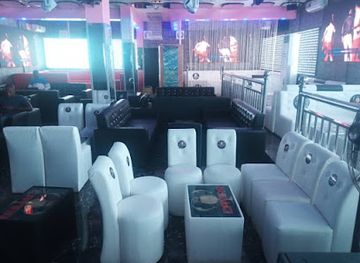
Level Night Club
Discover the vibrant nightlife at Level Night Club, the premier disco club in Ouagadougou, offering unforgettable dance experiences and lively music.
-
Bar
Waguess Night-Club
Discover the energetic nightlife of Ouagadougou at Waguess Night-Club, where music, drinks, and vibrant social scenes await.
-
 Disco club
Night club le Benbao
Discover the electrifying nightlife at Night Club Le Benbao, a premier disco destination in Ouagadougou, perfect for dancing and cultural immersion.
-
Bar
Le CAVIAR Nightclub
Explore the lively nightlife at Le CAVIAR Nightclub in Ouagadougou, where great music and drinks await you.


Best shops in South-West
Shopping in South-West Burkina Faso is primarily market-based, with Gaoua providing the broadest choice of foodstuffs, household goods, clothing and locally made items. Smaller town markets offer a more immediate view of regional commerce, including grains, vegetables, shea products and everyday agricultural goods, but market days and stock vary. Visitors may find woven goods, baskets, leatherwork, beads, carved objects and other craft products, although quality, provenance and cultural meaning differ between sellers. Purchases should be made respectfully and without assuming that sacred or ceremonial objects are simply souvenirs. Local textiles and craftwork can provide more meaningful mementoes than mass-produced items, while packaged foods and shea-based products may travel more easily than fresh produce. Carry cash, bargain politely where bargaining is customary, and remember that some specialist crafts are sold through personal networks rather than permanent shops. Retail choice becomes considerably narrower outside the main towns.
-
Supermarket
Liza mall
Experience the vibrant shopping scene at Liza Mall in Ouagadougou, where local culture meets modern retail.
-
Gift shop
Burkina Pas Chèr
Explore Burkina Pas Chèr for unique souvenirs and traditional crafts that embody the spirit of Burkina Faso, perfect for every traveler.
-
Gift shop
FASO BEAUTEX PAGNES TISSÉS
Explore the rich cultural heritage of Burkina Faso at Faso Beautex, your premier destination for authentic textiles and handcrafted gifts in Ouagadougou.
-
Beauty supply store
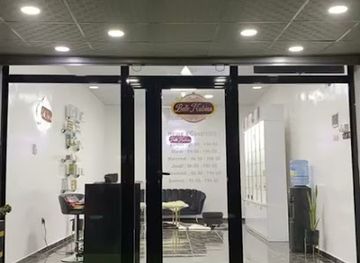
Belle Nubian Burkina
Explore a vibrant array of beauty products at Belle Nubian Burkina in Ouagadougou, where local beauty trends meet quality and care.


Get your free copy of our complete guide to South-West, delivered straight to you.
Everything on this page, from attractions and restaurants to essentials and local phrases, in one PDF you can read offline, print or share.
Already have an account? Sign in
Your South-West guide is ready.
We'll send it to · Not you? Sign out

Getting your guide ready…
We are putting together a fresh copy of the South-West guide. This can take up to a minute.
This can take a few moments. If your browser asks, choose Allow so the download can start. You'll find the guide in your Downloads folder.
Nothing happened? Download it again
Sorry, the guide is taking longer than usual. Please try again in a minute, or get it by email instead.
South-West essentials
Currency and Payment
Safety
Emergency Situations
Do's and Don'ts
Local Tips
From Eve
Local phrases worth knowing
You don't need to get them perfect. A few words go a long way, and locals appreciate the effort.
Basics
| English | Local | Say it |
|---|---|---|
| Hello | Bonjour | [bɔnʒuʁ] |
| Goodbye | Au revoir | [o ʁəvwaʁ] |
| Yes | Oui | [wi] |
| No | Non | [nɔ̃] |
| Please/You're welcome | S'il vous plaît | [sil vu ple] |
| Thank you | Merci | [mɛʁsi] |
| Excuse me/Sorry | Excusez-moi | [ɛkskyze mwa] |
| How are you? | Comment ça va? | [kɔmɑ̃ sa va] |
| Fine. And you? | Bien. Et vous? | [bjɛ̃ e vu] |
| Do you speak English? | Parlez-vous anglais? | [paʁle vu ɑ̃ɡle] |
| I don't understand | Je ne comprends pas | [ʒə nə kɔ̃pʁɑ̃ pa] |
Eating & Drinking
| English | Local | Say it |
|---|---|---|
| I'd like to see the menu, please | Je voudrais voir le menu, s'il vous plaît | [ʒə vudʁɛ vwaʁ lə məny, sil vu ple] |
| I don't eat meat | Je ne mange pas de viande | [ʒə nə mɑ̃ʒ pa də vjɑ̃d] |
| Cheers! | Santé! | [sɑ̃te] |
| I would like to pay, please | Je voudrais payer, s'il vous plaît | [ʒə vudʁɛ peje, sil vu ple] |
Emergencies
| English | Local | Say it |
|---|---|---|
| Help! | Au secours! | [o səkuʁ] |
| Go away! | Allez-vous-en! | [ale vu zɑ̃] |
| Call the Police! | Appelez la police! | [apəle la pɔlis] |
| Call a doctor! | Appelez un docteur! | [apəle ɛ̃ dɔktœʁ] |
| I'm lost | Je suis perdu | [ʒə sɥi pɛʁdy] |
| I'm ill | Je suis malade | [ʒə sɥi malad] |
Shopping
| English | Local | Say it |
|---|---|---|
| I'd like to buy... | Je voudrais acheter... | [ʒə vudʁɛ aʃte] |
| I'm just looking | Je regarde juste | [ʒə ʁəɡaʁd ʒyst] |
| How much is it? | C'est combien? | [se kɔ̃bjɛ̃] |
| That's too expensive | C'est trop cher | [se tʁo ʃɛʁ] |
| Can you lower the price? | Pouvez-vous baisser le prix? | [puve vu besɛ le pʁi] |
Time & Numbers
| English | Local | Say it |
|---|---|---|
| What time is it? | Quelle heure est-il? | [kɛl œʁ ɛ t il] |
| It's one o'clock | Il est une heure | [il ɛ yn œʁ] |
| Half past (10) | Dix heures et demie | [di zœʁ e dəmɪ] |
| Morning | Matin | [matɛ̃] |
| Afternoon | Après-midi | [apʁɛ midi] |
| Evening | Soir | [swaʁ] |
| Yesterday | Hier | [jɛʁ] |
| Today | Aujourd'hui | [oʒuʁdʁi] |
| Tomorrow | Demain | [dəmɛ̃] |
| 1 | Un | [ɛ̃] |
| 2 | Deux | [dø] |
| 3 | Trois | [tʁwa] |
| 4 | Quatre | [kɑtʁ] |
| 5 | Cinq | [sɛ̃k] |
| 6 | Six | [sis] |
| 7 | Sept | [sɛt] |
| 8 | Huit | [ɥit] |
| 9 | Neuf | [nœf] |
| 10 | Dix | [di] |
Transport & Directions
| English | Local | Say it |
|---|---|---|
| Where's a/the...? | Où est un/une...? | [u ɛ ɛ̃ yn/yn] |
| What's the address? | Quelle est l'adresse? | [kɛl ɛ ladʁɛs] |
| Can you show me (on the map)? | Pouvez-vous me montrer (sur la carte)? | [puve vu mə mɔ̃tʁe syʁ la kaʁt] |
| When's the next (bus)? | Quand est le prochain (bus)? | [kɑ̃ ɛ lə pʁɔʃɛ̃ bys] |
| A ticket (to ....) | Un billet (pour ....) | [ɛ̃ bijɛ (puʁ ....)] |
History of South-West
Early settlement and the archaeology of Loropéni
South-West Burkina Faso contains evidence of long-established settlement, metalworking, agriculture and regional exchange. The Ruins of Loropéni are the best-known archaeological expression of this past: substantial laterite-stone walls enclose a fortified settlement in a wooded landscape. The site forms part of a broader cultural area rather than an isolated monument, and its exact date and purpose remain matters for archaeological research. Its importance lies in showing that organised communities in the region possessed the labour, resources and knowledge needed to construct durable defensive or residential compounds before the colonial period.
Gold production and long-distance exchange
For centuries, the wider south-western zone was connected to networks moving gold and other goods across West Africa. Production took place in local environments and was linked to traders and political centres farther north and west, although the nature of these relationships varied over time. This history helps explain why fortified settlements such as Loropéni are often discussed alongside the region’s mineral resources and trade routes. The legacy is archaeological and historical rather than a single surviving commercial tradition, and visitors should avoid treating every old stone structure as a confirmed gold-trading post.
Lobi, Dagara, Birifor and Gan historical landscapes
The region has been shaped by several peoples whose histories overlap but should not be collapsed into one identity. Lobi, Dagara, Birifor and Gan communities developed distinctive settlement patterns, farming practices, artistic traditions and forms of social organisation. Population movements and the formation of local communities continued over many generations, particularly during the eighteenth and nineteenth centuries. Traditional compounds, shrines, sculpture and oral histories preserve aspects of this past, although they belong to living communities and should be understood through respectful local interpretation rather than presented as museum pieces.
The nineteenth-century regional political world
Before French colonial rule, communities in the south-west operated within a fluid political environment of village authority, kinship networks, trade, migration and encounters with larger regional powers. Political control was rarely identical to the fixed provincial boundaries used today. The area’s distance from some northern centres helped preserve strong local institutions and distinctive cultural practices, while routes towards present-day Côte d’Ivoire and Ghana connected it to wider movements of people and goods. This layered history remains important when interpreting modern ethnic and linguistic geography.
French colonial incorporation
French expansion into the region at the end of the nineteenth century brought military campaigns, new administrative divisions, taxation and attempts to reorganise labour and trade. Colonial rule also connected the area more firmly to transport and administrative systems centred elsewhere in the territory, while profoundly altering local political relationships. Missionary activity, schooling and new forms of commerce expanded unevenly. Many present-day town layouts and administrative practices date from or were consolidated during this period, but colonial records provide only one perspective on the region’s history.
Independence and the modern regional identity
Burkina Faso became independent in 1960, and the south-west developed within the new republic’s administrative and economic framework. Government services, roads, schools and markets strengthened the role of Gaoua and other district centres, while agriculture remained central to rural livelihoods. Post-independence interest in archaeology and cultural heritage eventually helped bring Loropéni to wider attention, including its inscription on the UNESCO World Heritage List in 2009. Today the region’s identity combines living cultural communities, modern provincial towns and a growing responsibility to protect heritage amid difficult security and development conditions.
South-West in Photos
Browse through our photo collection highlighting the charm and character of the destination.
Neighbouring regions of South-West
The closest regions to South-West, if you have time for more than one.
-

-

-

-

-


Swipe for more regions
Explore more

Explore more of Burkina Faso
Discover Burkina Faso: An authentic African destination with rich culture, stunning landscapes, and warm hospitality, offering a memorable and enriching travel experience.
Explore Burkina Faso