

Free Hauts-Bassins Travel Guide & Mobile App
Explore Hauts-Bassins with free travel guides. Discover regional history, expert tips, proposed trips, and audio guides on web or mobile app.


Explore Hauts-Bassins for Bobo-Dioulasso’s heritage, western Burkina Faso’s markets, wetlands, music, orchards and Sahelian cultural crossroads.
Read more about Hauts-Bassins
When is the best time to visit Hauts-Bassins?
Best: November–January · 33–34°C| Month | High (°C) | Rainfall (mm) |
|---|---|---|
| January (best) | 33 | 0 |
| February | 36 | 0 |
| March | 39 | 4 |
| April | 41 | 20 |
| May | 39 | 45 |
| June | 37 | 90 |
| July | 34 | 130 |
| August | 33 | 150 |
| September | 35 | 100 |
| October | 35 | 40 |
| November (best) | 34 | 3 |
| December (best) | 33 | 0 |
Getting to and around Hauts-Bassins
How to get there
Transportation
Top city travel guides in Hauts-Bassins
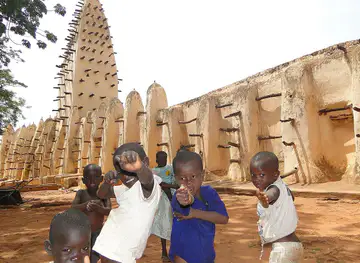
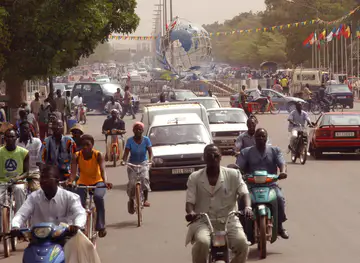
The cities of Hauts-Bassins, and the easiest places to base yourself.
-
-


Swipe for more cities
Destinations in Hauts-Bassins
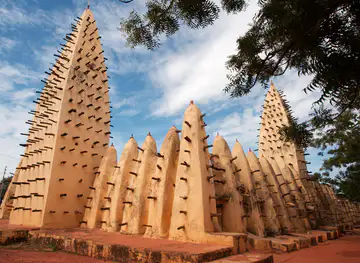
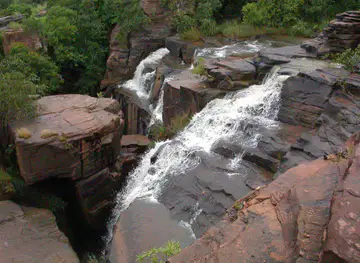
Resorts, valleys and scenic spots worth a trip of their own.
-
-

-


Swipe for more destinations
Best attractions in Hauts-Bassins
Hauts-Bassins combines urban heritage with wetlands, farmland and living cultural traditions. Bobo-Dioulasso’s old quarters, historic mosque, markets and artisan workshops form the region’s most accessible cultural circuit, while music and dance are central to the city’s identity. Outside the city, the Guinguette area near Bama offers a seasonal riverside and woodland setting used for local recreation, subject to current access conditions. The Mare aux Hippopotames, near Bala, protects a significant wetland ecosystem where guided visits may offer opportunities to observe hippopotamuses and water birds, although wildlife is never guaranteed and security arrangements are essential. Orodara and the Kénédougou countryside provide a more agricultural experience, with orchards, village markets and greener scenery during the rainy season. The region also offers opportunities to explore weaving, leatherwork, metalwork and other crafts, but rural excursions should be planned with trusted local partners and undertaken only when current travel advice permits.
-
Cultural center
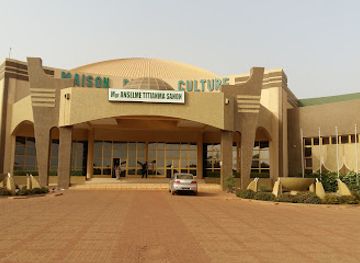
Maison de la Culture
Experience the vibrant cultural scene of Bobo-Dioulasso at Maison de la Culture, where art, music, and community come alive.
-
Church
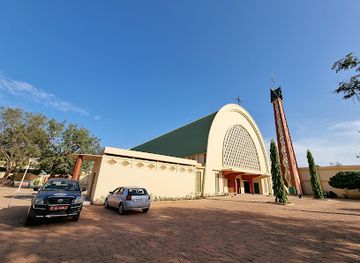
Paroisse Cathédrale Notre Dame des Lourdes
Discover the architectural beauty and serene atmosphere of the Paroisse Cathédrale Notre Dame des Lourdes in Bobo-Dioulasso.
-
Museum
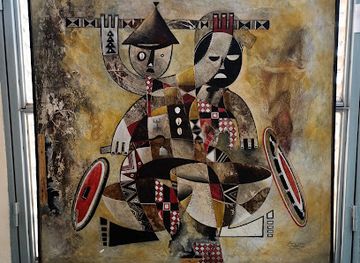
Musée communal Sogossira Sanou
Explore the treasures of Burkina Faso's history and art at the Musée communal Sogossira Sanou in Bobo-Dioulasso.
-
Lake
Mare aux Hippopotames
Explore the serene beauty of Mare aux Hippopotames, a captivating lake in Burkina Faso known for its hippos and vibrant wildlife.

Best landmarks in Hauts-Bassins
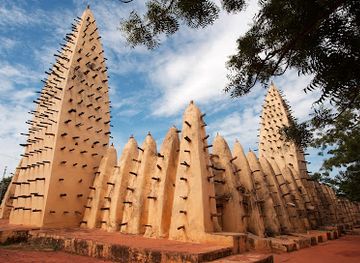
The Dioulasso-Bâ mosque is Bobo-Dioulasso’s best-known historic landmark, an earthen religious building associated with the city’s older quarters and the region’s long Islamic and trading history. Its architectural character reflects local materials and construction traditions rather than monumental stone architecture, and visitors should observe religious etiquette and follow guidance about access. The surrounding old city contains earthen residences, narrow lanes and historic compounds whose value lies in the relationship between buildings, community life and urban history. Bobo-Dioulasso’s railway heritage is another important symbol of the city’s twentieth-century commercial development, linking it to wider West African routes. Beyond the urban area, the waterways and wooded setting of the Mare aux Hippopotames form a natural landmark of regional significance, while the greener orchards and cultivated landscapes around Orodara express Hauts-Bassins’ agricultural geography. These places are best understood in context, with local guides helping visitors distinguish living religious and community spaces from conventional monuments.
-
Monument
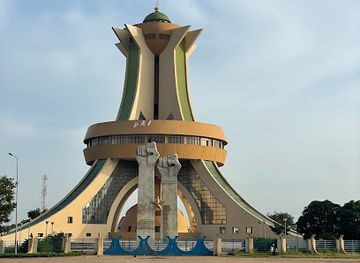
Monument of National Heroes
A towering monument in Ouagadougou honoring Burkina Faso's heroes and their fight for independence, peace, and democracy.
-
Amusement park
BIBI PARC
Experience thrills and laughter at BIBI PARC, Ouagadougou's premier amusement park for families and tourists seeking fun and adventure.
-
Mosque
Grande Mosquée de Bobo-Dioulasso
Explore the Grande Mosquée de Bobo-Dioulasso, a stunning example of Sudano-Sahelian architecture and a vital cultural hub in Burkina Faso.
-
Railroad company
TSR Bobo
Discover the vibrant history and culture of Burkina Faso at TSR Bobo, the charming railroad hub in Bobo-Dioulasso, perfect for travel enthusiasts.

Explore Hauts-Bassins on the map
Plan your trip on one map. See where the top cities, national parks and sights are, and book hotels and experiences in a few clicks.
Best hotels in Hauts-Bassins
Best restaurants in Hauts-Bassins
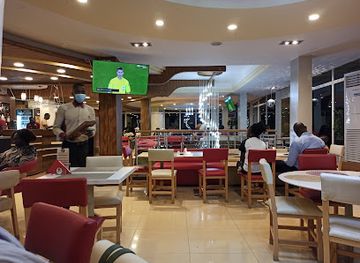
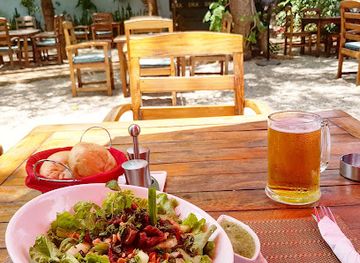
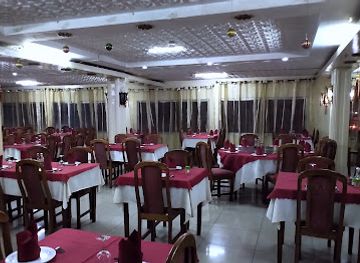
Dining in Hauts-Bassins is rooted in everyday West African cooking rather than a formal restaurant circuit. In Bobo-Dioulasso, visitors can find tô served with vegetable, okra or meat sauces, rice dishes, grilled meat, brochettes, beans and fried plantain, alongside French-influenced cafés and hotel restaurants. Local markets and modest eateries are useful places to encounter seasonal produce, while street food should be selected with attention to hand hygiene, cooking heat and turnover. Rice cultivation around the wetter districts contributes to the regional food economy, and mangoes are especially associated with the orchards around Orodara and the Kénédougou area when in season. Pounded or prepared grain dishes, fresh fruit, sweet drinks and locally produced ingredients reflect the region’s links between farming and urban commerce. Restaurants outside Bobo-Dioulasso are fewer and more basic, so rural trips are best organised with food, water and payment arrangements considered in advance.
-
Restaurant
P'tit Paris Gounghin
Discover the delightful flavors of France at P'tit Paris Gounghin in Ouagadougou – where every meal feels like a special occasion.
-
Restaurant
Restaurant DanKan
Experience authentic Burkinabé cuisine at Restaurant DanKan in Bobo-Dioulasso - a must-visit culinary destination.
-
Restaurant
SIKA LOUNGE
Discover SIKA LOUNGE: Where Local Flavors Meet International Cuisine in the Heart of Ouagadougou.
-
Restaurant
Chick Restaurant
Discover the flavors of Burkina Faso at Chick Restaurant in Ouagadougou – where local cuisine meets international delights.

Best bars in Hauts-Bassins
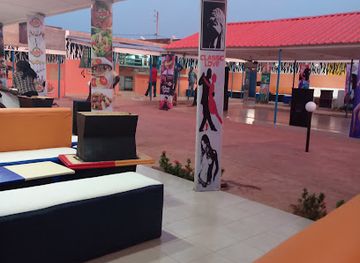
Evening life in Hauts-Bassins is concentrated in Bobo-Dioulasso, where modest bars, hotel lounges, cafés and live-music venues provide more choice than in the surrounding countryside. The city has a strong musical identity, and evenings may include locally rooted styles, contemporary Burkinabè music and dance, although venues and programmes change. Traditional drinking spots and informal food stalls can be part of urban social life, while larger hotels offer a quieter setting for visitors. Outside Bobo-Dioulasso, nightlife generally centres on restaurants, neighbourhood bars and community occasions rather than dedicated clubs. Security conditions require particular caution after dark: avoid isolated streets, arrange transport in advance, respect local guidance and do not treat nightlife as a reason to disregard current travel advisories.
-
Bar
Bar Dancing Le Pylône
Experience the lively nightlife at Bar Dancing Le Pylône, where local culture meets vibrant entertainment in Bobo-Dioulasso.
-
Bar
Bar Dancing L' Entente Terminus
Immerse yourself in the vibrant nightlife of Bobo-Dioulasso at Bar Dancing L' Entente Terminus, where good music and great company await.
-
Bar
Maquis Bar Dancing Santa Baya
Discover the lively atmosphere of Maquis Bar Dancing Santa Baya in Bobo-Dioulasso, where vibrant nightlife meets local culture and great drinks.
-
Bar
Le balanitès
Discover the vibrant nightlife of Bobo-Dioulasso at Le balanitès, a lively bar with local drinks and a welcoming atmosphere.


Best nightclubs in Hauts-Bassins
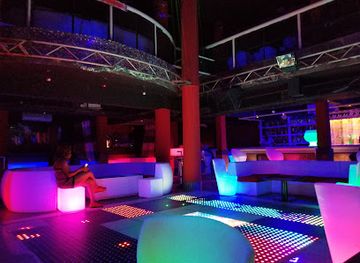
Evening life in Hauts-Bassins is concentrated in Bobo-Dioulasso, where modest bars, hotel lounges, cafés and live-music venues provide more choice than in the surrounding countryside. The city has a strong musical identity, and evenings may include locally rooted styles, contemporary Burkinabè music and dance, although venues and programmes change. Traditional drinking spots and informal food stalls can be part of urban social life, while larger hotels offer a quieter setting for visitors. Outside Bobo-Dioulasso, nightlife generally centres on restaurants, neighbourhood bars and community occasions rather than dedicated clubs. Security conditions require particular caution after dark: avoid isolated streets, arrange transport in advance, respect local guidance and do not treat nightlife as a reason to disregard current travel advisories.
-
Disco club
Level Night Club
Dive into the lively nightlife of Ouagadougou at Level Night Club, where music and culture create unforgettable experiences.
-
 Disco club
Night club le Benbao
Experience the vibrant nightlife of Ouagadougou at Night Club le Benbao, where music and culture collide for an unforgettable evening.
-
Night club
CARTEL LIGHT Night Club
Discover an electrifying nightlife experience at CARTEL LIGHT Night Club in Ouagadougou, where music meets culture and endless fun awaits.
-
Night club
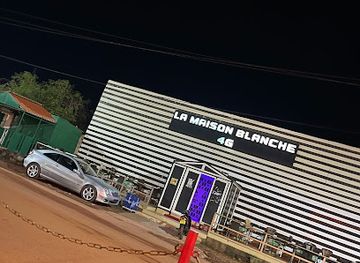
Maison Blanche 4G bobo
Discover the vibrant nightlife of Bobo-Dioulasso at Maison Blanche 4G, where music, dance, and local culture come together for an unforgettable experience.

Best shops in Hauts-Bassins
Bobo-Dioulasso is the region’s main shopping centre, with markets offering food, clothing, household goods, jewellery, leather items and locally made crafts. The Grand Marché and surrounding commercial streets are busy, practical spaces rather than carefully curated tourist bazaars, so visitors should compare prices, protect valuables and bargain politely where bargaining is customary. Artisan workshops and stalls may sell woven cloth, dyed textiles, leatherwork, carved objects and metal goods, with quality and provenance varying between sellers. Orodara and the Kénédougou area are associated with mangoes and other agricultural produce, particularly during the relevant harvest seasons; fresh goods may be easier to buy locally than transport internationally. Useful souvenirs include textiles, baskets and small craft objects, but consider luggage space, customs rules and restrictions on exporting antiquities or protected natural materials. Card payments are unreliable in smaller shops, making cash in modest CFA denominations valuable.
-
Supermarket
Marina Market
Explore Marina Market in Bobo-Dioulasso for fresh local produce, unique crafts, and an authentic Burkinabé shopping experience.
-
Supermarket
Alimentation CAP FASO Bindougsso
Discover the vibrant flavors of Burkina Faso at Alimentation CAP FASO Bindougsso, where local culinary treasures await your exploration.
-
Outlet store
OLVEA BOBO
Discover the vibrant culture of Bobo-Dioulasso at OLVEA BOBO, where unique local crafts and authentic products await your exploration.
-
Clothing store
GAFREH Artisans
Explore authentic Burkinabé craftsmanship at GAFREH Artisans, a vibrant clothing store showcasing local fashion and textiles in Bobo-Dioulasso.


Get your free copy of our complete guide to Hauts-Bassins, delivered straight to you.
Everything on this page, from attractions and restaurants to essentials and local phrases, in one PDF you can read offline, print or share.
Already have an account? Sign in
Your Hauts-Bassins guide is ready.
We'll send it to · Not you? Sign out

Getting your guide ready…
We are putting together a fresh copy of the Hauts-Bassins guide. This can take up to a minute.
This can take a few moments. If your browser asks, choose Allow so the download can start. You'll find the guide in your Downloads folder.
Nothing happened? Download it again
Sorry, the guide is taking longer than usual. Please try again in a minute, or get it by email instead.
Hauts-Bassins essentials
Currency and Payment
Safety
Emergency Situations
Do's and Don'ts
Local Tips
From Eve
Local phrases worth knowing
You don't need to get them perfect. A few words go a long way, and locals appreciate the effort.
Basics
| English | Local | Say it |
|---|---|---|
| Hello | Naba | [Nah-bah] |
| Goodbye | Barka | [Bar-kah] |
| Yes | Ee | [Eh] |
| No | Ayi | [Ah-yee] |
| Please/You're welcome | S'il vous plaît | [Seel voo pleh] |
| Thank you | Medase | [Meh-dah-seh] |
| Excuse me/Sorry | Pardon | [Par-don] |
| How are you? | Nin na? | [Nin nah?] |
| Fine. And you? | Me pa, na wo? | [Meh pah, nah woh?] |
| Do you speak English? | W'ye bɔɔ English? | [W'ye bo ah English?] |
| I don't understand | M'ni nsɛm | [M'nee n-sehm] |
Eating & Drinking
| English | Local | Say it |
|---|---|---|
| I'd like to see the menu, please | Mepɛ sɛ mehwɛ menu no, bɔkɔɔ | [Meh-peh seh meh-hweh meh-no noh, boh-koh] |
| I don't eat meat | M'ni aduane | [M'nee ah-doo-ah-neh] |
| Cheers! | Yɛn bɔ! | [Yen boh!] |
| I would like to pay, please | Mepɛ sɛ meyɛ sika, bɔkɔɔ | [Meh-peh seh meh-yay see-kah, boh-koh] |
Emergencies
| English | Local | Say it |
|---|---|---|
| Help! | Mmoa! | [M-moah!] |
| Go away! | Kɔ kwa! | [Koh kwah!] |
| Call the Police! | Frɛ ɔman no! | [Fre oh-mahn noh!] |
| Call a doctor! | Frɛ dɔkotani! | [Fre doh-koh-tah-nee!] |
| I'm lost | M'ani nsa | [M'ah-nee nsah] |
| I'm ill | M'ani yɛ yare | [M'ah-nee yeh yah-reh] |
Shopping
| English | Local | Say it |
|---|---|---|
| I'd like to buy... | Mepɛ sɛ mɛtɔ... | [Meh-peh seh meh-toh...] |
| I'm just looking | Merehwɛ nko | [Meh-reh-hweh n-koh] |
| How much is it? | Ɛyɛ sika bɛn? | [Eh-yeh see-kah ben?] |
| That's too expensive | Ɛyɛ sika kɛse | [Eh-yeh see-kah keh-seh] |
| Can you lower the price? | Wo betumi asɔ sika no? | [Wo beh-too-mee ah-soh see-kah noh?] |
Time & Numbers
| English | Local | Say it |
|---|---|---|
| What time is it? | Dɛn na ɛyɛ? | [Den nah eh-yeh?] |
| It's one o'clock | Ɛyɛ dɔnhwere baako | [Eh-yeh don-hweh-reh bah-koh] |
| Half past (10) | Afe du | [Ah-feh doo] |
| Morning | Anɔpa | [Ah-noh-pah] |
| Afternoon | Anɔpa ahem | [Ah-noh-pah ah-hem] |
| Evening | Anɔpa anɔpa | [Ah-noh-pah ah-noh-pah] |
| Yesterday | Ɛda a atwa | [Eh-dah ah ah-twah] |
| Today | Ɛda yi | [Eh-dah yee] |
| Tomorrow | Ɛda a ɛbɛba | [Eh-dah ah eh-beh-bah] |
| 1 | Baako | [Bah-koh] |
| 2 | Mmienu | [M-meh-nu] |
| 3 | Mmiɛnsa | [M-meh-n-sah] |
| 4 | Mmienan | [M-meh-nan] |
| 5 | Mmienkɔtɔ | [M-meh-n-koh-toh] |
| 6 | Mmiɛnnum | [M-meh-n-num] |
| 7 | Mmiɛnsa | [M-meh-n-sah] |
| 8 | Mmiɛnsa | [M-meh-n-sah] |
| 9 | Mmiɛnsa | [M-meh-n-sah] |
| 10 | Mmiɛnsa | [M-meh-n-sah] |
Transport & Directions
| English | Local | Say it |
|---|---|---|
| Where's a/the...? | Ɛhe na ...? | [Eh-heh nah ...?] |
| What's the address? | Dɛn na ɔman no? | [Den nah oh-mahn noh?] |
| Can you show me (on the map)? | Wo betumi akyerɛ me (wɔ mmerɛ mu)? | [Wo beh-too-mee ah-kyer-eh meh (woh meh-reh moo)?] |
| When's the next (bus)? | Bere bɛn na ɛbɛyɛ (bus)? | [Beh-reh ben nah eh-beh-yeh (boos)?] |
| A ticket (to ....) | Kɔtɔ (kɔ ...) | [Koh-toh (koh ...)] |
History of Hauts-Bassins
Early settlement and western savannah societies
The lands of present-day Hauts-Bassins have long supported farming, fishing, hunting and regional exchange. Communities associated with the Bobo and related peoples developed settlements around cultivable land and watercourses, while later movements of Dioula-speaking traders strengthened links with towns and kingdoms farther west. Archaeological evidence and oral traditions point to a layered history rather than a single founding population. The region’s productive environment helped sustain permanent settlements and made the area an important meeting point between the western forests, the Sahel and the interior of what is now Burkina Faso.
The Dyula trading networks
From the medieval period onwards, Dyula merchants helped connect western Burkina Faso with markets in present-day Mali, Côte d’Ivoire and Guinea. Trade in kola, textiles, livestock, grain and other goods encouraged the growth of towns and Islamic cultural influence, while local farming communities remained central to regional life. Bobo-Dioulasso developed as one of the principal commercial centres of the western zone. Islam spread through commerce and scholarship, but religious life remained diverse, and older ritual traditions continued alongside Muslim practice.
Bobo-Dioulasso and the nineteenth-century regional order
Before colonial rule, the Bobo-Dioulasso area was influenced by several overlapping political and commercial powers rather than a single modern-style state. The town’s position between the Segu and Kong worlds, together with its links to Dyula commerce, made it strategically important. In the wider region, local authorities, spiritual institutions, farming communities and merchant networks all shaped social organisation. This history remains visible in Bobo-Dioulasso’s old quarters, in the importance of lineage and religious sites, and in the continued use of Dioula as a language of regional exchange.
French conquest and colonial administration
French forces incorporated the area into the colonial territories of French West Africa at the end of the nineteenth century. Bobo-Dioulasso became an administrative and commercial centre, and colonial rule reorganised taxation, labour, agriculture and transport. French institutions existed alongside local authorities and established religious communities, often producing unequal and contested forms of governance. The period also altered the region’s economic orientation by tying western Burkina Faso more closely to colonial trade routes leading south and west.
Railways, commerce and urban growth
The railway linking the interior to the port of Abidjan transformed Bobo-Dioulasso during the twentieth century. The city became a major distribution point for agricultural products and imported goods, while roads and administrative institutions encouraged further urban growth. Cotton, cereals, livestock and horticultural products became increasingly important to the surrounding economy. The railway helped make Bobo-Dioulasso one of the most outward-looking cities in Burkina Faso, with enduring commercial and cultural connections to Côte d’Ivoire and other parts of West Africa.
Independence and the cultural role of Bobo-Dioulasso
After Upper Volta gained independence in 1960 and later became Burkina Faso, Bobo-Dioulasso retained its position as a major economic and cultural centre. Government investment, education, markets and transport expanded the city, while its music, dance, craft and festival traditions gave it a distinctive national profile. The city’s old architecture and religious sites became increasingly important to heritage discussions, even as modern neighbourhoods spread beyond the historic core. Today, Hauts-Bassins remains one of the country’s most agriculturally productive and culturally influential regions.
Agriculture, cotton and contemporary transformation
Modern Hauts-Bassins is shaped by commercial agriculture as well as subsistence farming. Cotton, maize, rice, mangoes and other crops support households, processing activities and market networks, although production is affected by rainfall, prices and wider economic pressures. Irrigation and water-management projects, including development around the Samendéni area, have added new possibilities while also raising questions about land, water and environmental management. Population growth, urban expansion and regional insecurity continue to influence how the region’s towns and countryside develop.
Hauts-Bassins in Photos
Browse through our photo collection highlighting the charm and character of the destination.
Neighbouring regions of Hauts-Bassins
The closest regions to Hauts-Bassins, if you have time for more than one.
-

-

-

-

-


Swipe for more regions
Explore more

Explore more of Burkina Faso
Discover Burkina Faso: An authentic African destination with rich culture, stunning landscapes, and warm hospitality, offering a memorable and enriching travel experience.
Explore Burkina Faso