

Praia do Curral Velho, Cabo Verde Travel Guide
Discover Praia do Curral Velho in Cabo Verde: A secluded beach paradise offering pristine sands, historical ruins, and abundant wildlife for the perfect getaway.
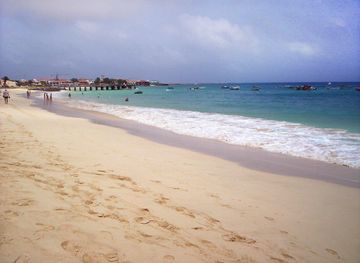
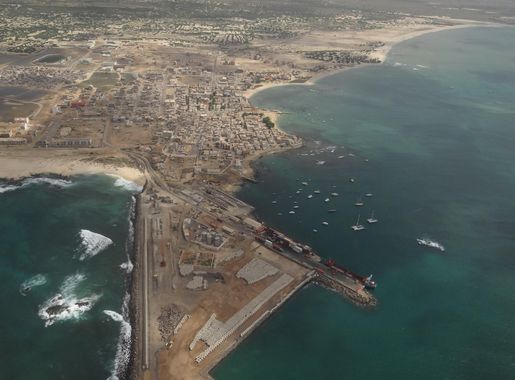
Praia do Curral Velho is a secluded beach located on the southern tip of Boa Vista Island in Cabo Verde. This pristine location offers visitors a chance to experience untouched natural beauty and tranquility. The beach is known for its golden sands that stretch along the coastline, meeting the crystal-clear waters of the Atlantic Ocean. The area is relatively undeveloped, making it perfect for those looking to escape the hustle and bustle of more crowded tourist spots. Historically, Praia do Curral Velho was a small fishing village, and remnants of its past can still be seen today. The ruins of old stone houses and a salt pond provide a glimpse into the island's history. This adds a unique cultural element to the beach, allowing visitors to appreciate both its natural and historical significance. Wildlife enthusiasts will find Praia do Curral Velho particularly appealing. The area is a nesting site for loggerhead turtles, and with some luck, you might witness these magnificent creatures during the nesting season. Bird watchers will also be delighted with the variety of seabirds that frequent the area. Whether you are looking to relax, explore, or immerse yourself in nature, Praia do Curral Velho offers a serene and enriching experience.

Know before you go
Hi, I'm Eve. Here are a few practical things to know before exploring Praia do Curral Velho.
- Visit during the turtle nesting season between June and September for a chance to see loggerhead turtles.
- Bring your own food and water as there are no facilities or shops nearby.
- Wear sturdy shoes if you plan to explore the ruins and salt pond.
- Sun protection is essential; the beach is exposed with little natural shade.
- Consider hiring a local guide for a richer understanding of the area's history and wildlife.
Explore Praia do Curral Velho: Things to Do, Places to Eat, Hotels & More
Handpicked recommendations for top attractions, local dining, accommodations, and more

Best attractions in Praia do Curral Velho
Top-rated picks
Best Attractions

ScubaCaribe - Diving & Water Sports
Experience the thrill of diving and water sports at ScubaCaribe in Boa Vista, Cape Verde. Explore vibrant marine life and stunning underwater landscapes.

Cabo de Curral Velho
Experience the stunning landscapes and serene beauty of Cabo de Curral Velho, a hidden gem in Cape Verde perfect for nature lovers and photographers.

Curral Velho
Explore the haunting ruins of Curral Velho, Boa Vista's oldest settlement, and discover the island's rich history and natural beauty.

Salinas de Curral Velho
Discover the natural beauty and cultural heritage of Salinas de Curral Velho, a unique salt flat experience in Boa Vista, Cape Verde.

Best landmarks in Praia do Curral Velho
Top-rated picks
Best Landmarks

Cabo de Curral Velho
Explore Cabo de Curral Velho, a scenic paradise in Cape Verde, featuring stunning coastal views and serene landscapes perfect for relaxation and photography.
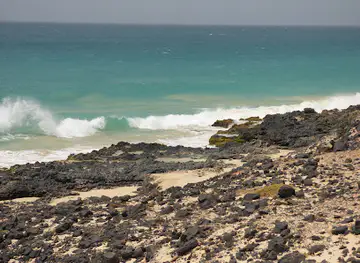
Praia de João Barrosa
Experience the tranquil beauty of Praia de João Barrosa, a hidden paradise in Cape Verde's pristine coastline, perfect for relaxation and adventure.

Curral Velho
Explore the stunning views from Curral Velho Observation Deck, a must-see destination for nature lovers and photographers in Cape Verde.

Salinas de Curral Velho
Explore the stunning landscapes and rich cultural heritage at Salinas de Curral Velho, a must-visit attraction in Cape Verde.

Best restaurants in Praia do Curral Velho
Top-rated picks
Best Restaurants
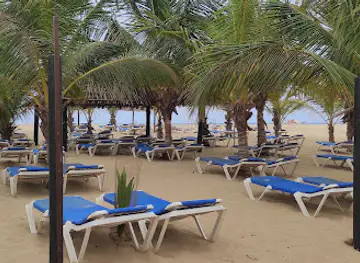
San Antao
Discover culinary diversity at San Antao Buffet Restaurant in Praia Lacacao – where local flavors meet international cuisine.
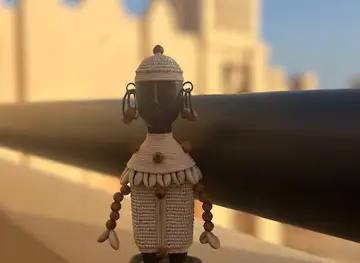
De Marcello
Discover authentic Italian cuisine at De Marcello in Santa Monica - where every meal is a delightful culinary journey.
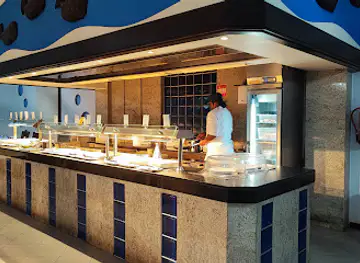
Boavista Restaurant
Discover authentic Cape Verdean cuisine at Boavista Restaurant in Praia Lacacao – where every meal tells a story.

Bereber Pool Restaurant
Discover delicious local cuisine and stunning views at Bereber Pool Restaurant in Praia Lacacao - a must-visit for food lovers!

Best bars in Praia do Curral Velho
Top-rated picks
Best Bars

Santa Monica Bar
Unwind at Santa Monica Bar, a vibrant spot in Curral Velho offering crafted cocktails and stunning views that capture the essence of local nightlife.

Curral Velho
Discover the mesmerizing views at Curral Velho Observation Deck, where nature meets tranquility in Cape Verde.

Salinas de Curral Velho
Explore the breathtaking Salinas de Curral Velho, a unique salt flat in Cape Verde, blending natural beauty with rich cultural heritage.

De Marcello
Discover a slice of Italy in the heart of Cape Verde at De Marcello, where exquisite flavors and breathtaking views converge.


Best shops in Praia do Curral Velho
Top-rated picks
Best Shops

Hotel Riu Touareg
Experience ultimate relaxation and luxury at Hotel Riu Touareg, a top-tier wellness hotel on the stunning shores of Boa Vista, Cape Verde.

Aicha's Beach Shop
Explore Aicha's Beach Shop in Curral Velho, the perfect destination for unique Cape Verdean souvenirs and local crafts.

ScubaCaribe - Diving & Water Sports
Explore the stunning underwater world at ScubaCaribe, your ultimate destination for diving and water sports in Boa Vista, Cape Verde.

Santa Monica Bar
Experience the vibrant nightlife and local flavors at Santa Monica Bar in Curral Velho, a must-visit for every traveler seeking fun.

Explore Praia do Curral Velho on the Map
A handpicked selection of must-see spots in Praia do Curral Velho, mapped for you.
Praia do Curral Velho Essentials
-
Praia do Curral Velho is located on the island of Boa Vista in Cabo Verde. The nearest international airport is Aristides Pereira International Airport (BVC), which is approximately 15 kilometers from the beach. From the airport, you can take a taxi, rent a car, or use a shuttle service provided by some hotels and resorts. The journey to Praia do Curral Velho typically takes around 20-30 minutes by road.
-
Transportation options in Boa Vista include taxis, rental cars, and public minibuses (aluguers). Taxis are readily available but can be relatively expensive. Aluguers are a more budget-friendly option for getting around the island, although they may not be as frequent or convenient. Renting a car can offer more flexibility for exploring remote areas. Bicycles and quad bikes are also popular for short distances and off-road adventures.
-
The official currency in Cabo Verde is the Cape Verdean Escudo (CVE). Credit cards are widely accepted in hotels, restaurants, and larger shops, but it is advisable to carry some cash for smaller establishments and remote areas. ATMs are available in the main towns, including Sal Rei, but may be less accessible in more isolated locations. Currency exchange services are available at the airport and in major towns.
-
Boa Vista is generally considered safe for tourists. However, petty crime such as pickpocketing can occur, especially in crowded areas and tourist hotspots. It is advisable to take standard precautions, such as not leaving valuables unattended and avoiding poorly lit areas at night. There are no specific high-crime areas targeting tourists in Praia do Curral Velho, but staying vigilant and aware of your surroundings is always a good practice.
-
In case of an emergency, dial 132 for police assistance, 131 for ambulance services, and 800 11 11 for fire services. Medical facilities are available in Sal Rei, the main town on Boa Vista, which is about 25 kilometers from Praia do Curral Velho. It is recommended to have travel insurance that covers medical emergencies. Pharmacies in Sal Rei can provide over-the-counter medications for minor health issues.
-
Fashion: Do dress modestly, especially in rural areas and when visiting religious sites. Avoid wearing overly revealing clothing. Religion: Do respect local customs and traditions. Always dress appropriately when entering churches. Public Transport: Do be respectful and offer your seat to elderly passengers in aluguers. Don't eat or drink on public transport. Greetings: Do greet people with a friendly 'Bom dia' (Good morning) or 'Boa tarde' (Good afternoon). Handshakes are common. Eating & Drinking: Do try local dishes and accept food offerings graciously. Don't refuse hospitality, as it is considered impolite.
-
To experience Praia do Curral Velho like a local, visit the local markets where you can buy fresh produce and traditional Cape Verdean goods. Engage with locals, who are often friendly and eager to share stories about the island's history and culture. Don't miss exploring the nearby ruins of the old settlement, which offer a glimpse into the island's past. For a unique experience, consider taking a guided tour to learn more about the local flora and fauna, including the native bird species and sea turtles that nest on the beaches.
When is the best time to visit Praia do Curral Velho?
Useful Local Phrases for Praia do Curral Velho
You don't need to speak the language perfectly. Even learning a few simple words can make conversations warmer—and locals usually appreciate the effort.
— Eve

Here are the phrases I use most often in Praia do Curral Velho. Try a few—you'll be surprised how far they go! 😊
❤️
-
- HelloOlá
[oh-lah] - GoodbyeAdeus
[ah-deh-oos] - YesSim
[seem] - NoNão
[now] - Please/You're welcomePor favor/De nada
[pohr fah-vohr/deh nah-dah] - Thank youObrigado
[oh-bree-gah-doo] - Excuse me/SorryDesculpe
[deh-skool-peh] - How are you?Como estás?
[koh-moh ehs-tahs] - Fine. And you?Bem. E tu?
[behm/eh too] - Do you speak English?Fala inglês?
[fah-lah een-glehsh] - I don't understandNão entendo
[now ehn-tehn-doo]
- HelloOlá
-
- I'd like to see the menu, pleaseGostaria de ver o menu, por favor
[gohs-tah-ree-ah deh vehr oo meh-noo/pohr fah-vohr] - I don't eat meatNão como carne
[now koh-moh kahr-neh] - Cheers!Saúde!
[sow-deh] - I would like to pay, pleaseGostaria de pagar, por favor
[gohs-tah-ree-ah deh pah-gahr/pohr fah-vohr]
- I'd like to see the menu, pleaseGostaria de ver o menu, por favor
-
- Help!Ajuda!
[ah-joo-dah] - Go away!Vai embora!
[vah-ee ehm-boh-rah] - Call the Police!Chama a Polícia!
[shah-mah ah poh-lee-see-ah] - Call a doctor!Chama um médico!
[shah-mah oom meh-dee-koo] - I'm lostEstou perdido
[ehs-toh pehr-dee-doo] - I'm illEstou doente
[ehs-toh doo-ehn-teh]
- Help!Ajuda!
-
- I'd like to buy...Gostaria de comprar...
[gohs-tah-ree-ah deh kohm-prahr] - I'm just lookingEstou só a ver
[ehs-toh soh ah vehr] - How much is it?Quanto custa?
[kwahn-too koosh-tah] - That's too expensiveIsso é muito caro
[ee-soh eh moo-ee-toh kah-roo] - Can you lower the price?Pode baixar o preço?
[poh-deh bahy-shahr oo preh-soo]
- I'd like to buy...Gostaria de comprar...
-
- What time is it?Que horas são?
[keh oh-rahz sah-ooh] - It's one o'clockÉ uma hora
[eh oo-mah oh-rah] - Half past (10)Meia hora (10)
[may-ah oh-rah (deh-eez)] - MorningManhã
[mah-nyah] - AfternoonTarde
[tahr-deh] - EveningNoite
[noyt] - YesterdayOntem
[ohn-tehm] - TodayHoje
[oh-zheh] - TomorrowAmanhã
[ah-mah-nyah] - 1Um
[oom] - 2Dois
[doh-eez] - 3Três
[trehs] - 4Quatro
[kwah-troo] - 5Cinco
[seen-koh] - 6Seis
[saysh] - 7Sete
[seh-teh] - 8Oito
[oy-too] - 9Nove
[noh-veh] - 10Dez
[dehz]
- What time is it?Que horas são?
-
- Where's a/the...?Onde está o/a...?
[ohn-deh ehs-tah oo/ah] - What's the address?Qual é o endereço?
[kwahl eh oo ehn-deh-reh-soo] - Can you show me (on the map)?Pode mostrar-me (no mapa)?
[poh-deh mohs-trahr-meh (noo mah-pah)] - When's the next (bus)?Quando é o próximo (autocarro)?
[kwahn-doo eh oo proh-ksee-moh (ow-toh-kah-roo)] - A ticket (to ....)Um bilhete (para ....)
[oom beel-yeh-teh (pah-rah)]
- Where's a/the...?Onde está o/a...?
History of Praia do Curral Velho
-
Praia do Curral Velho, located on the island of Boa Vista in Cabo Verde, has a rich history that dates back to the Portuguese discovery of the archipelago in the 15th century. The early settlement of the area was primarily driven by the island's strategic location along maritime trade routes. Settlers, including Portuguese navigators and African slaves, established small communities and engaged in fishing, salt collection, and subsistence agriculture.
-
In the 18th and 19th centuries, Praia do Curral Velho became an important hub in the Atlantic whaling industry. American and European whaling ships frequently stopped at Boa Vista to replenish supplies and recruit local men as crew members. The whaling industry brought economic activity to the region, but it also had a profound impact on the local culture and environment, as many young men ventured out to sea, leaving their families behind.
-
The salt flats near Praia do Curral Velho played a significant role in the economic history of Boa Vista. Salt production began in the 17th century and continued for several centuries, with the region becoming one of the main salt suppliers in the archipelago. The labor-intensive process of extracting salt from seawater involved the entire community, shaping the daily lives and social structures of the inhabitants.
-
The strategic location of Praia do Curral Velho made it a target for pirate attacks during the 16th and 17th centuries. These attacks were frequent and often devastating, leading to the construction of small fortifications and lookout points to protect the local population. The constant threat of piracy had a lasting impact on the settlement patterns and defensive strategies of the community.
-
By the late 19th and early 20th centuries, Praia do Curral Velho began to experience a decline. Changes in maritime trade routes, the decline of the whaling industry, and the depletion of salt resources led to economic hardships. Many residents migrated to other parts of Boa Vista or to different islands in search of better opportunities. Eventually, the village was largely abandoned, leaving behind a ghostly landscape of ruins that tell the story of its past.
-
In recent years, Praia do Curral Velho has seen a resurgence of interest, primarily driven by tourism. The abandoned village and its surrounding natural beauty have become a point of attraction for visitors seeking to explore the history and culture of Boa Vista. Efforts to preserve the historical site and promote sustainable tourism have brought new life to the area, offering a glimpse into the rich heritage of Cabo Verde.
Neighbouring destination travel guides
Browse our curated selection of top destinations, scenic points, and must-visit spots in the area.


Your all‑in‑one travel companion app
Explore expert travel guides, compare and book tours, experiences, hotels, and more—all from the palm of your hand. Download now for seamless trip planning wherever your wanderlust takes you.


Explore More of Cabo Verde
Looking beyond Praia do Curral Velho? Discover Cabo Verde for broader travel guides, local hot-spots, and regional highlights.
Explore Cabo VerdePraia do Curral Velho in Photos
Browse through our photo collection highlighting the charm and character of the destination.



Praia do Curral Velho: Cabo Verde's Hidden Gem
Praia do Curral Velho is a secluded beach located on the southern tip of Boa Vista Island in Cabo Verde. This pristine location offers visitors a chance to experience untouched natural beauty and tranquility. The beach is known for its golden sands that stretch along the coastline, meeting the crystal-clear waters of the Atlantic Ocean. The area is relatively undeveloped, making it perfect for those looking to escape the hustle and bustle of more crowded tourist spots. Historically, Praia do Curral Velho was a small fishing village, and remnants of its past can still be seen today. The ruins of old stone houses and a salt pond provide a glimpse into the island's history. This adds a unique cultural element to the beach, allowing visitors to appreciate both its natural and historical significance. Wildlife enthusiasts will find Praia do Curral Velho particularly appealing. The area is a nesting site for loggerhead turtles, and with some luck, you might witness these magnificent creatures during the nesting season. Bird watchers will also be delighted with the variety of seabirds that frequent the area. Whether you are looking to relax, explore, or immerse yourself in nature, Praia do Curral Velho offers a serene and enriching experience.