

Praia de Chaves Travel Guide - Free Web & App
Your ultimate guide to Praia de Chaves. Discover top landmarks, proposed trips, and local tips. Free on the web or via the Evendo companion app.


Praia de Chaves in Cabo Verde pairs a vast Atlantic beach with golden dunes, sea turtles, warm winter sun and easy access from Boa Vista’s Rabil Airport.
Beach and Landscape
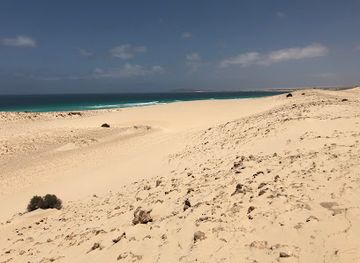
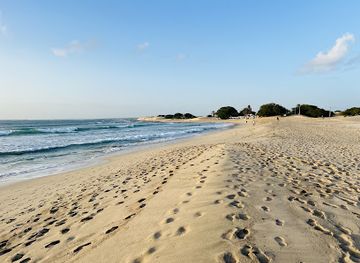
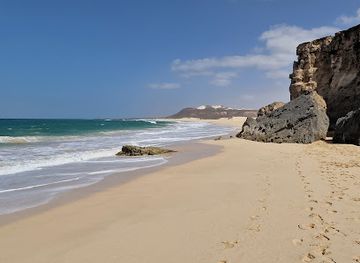
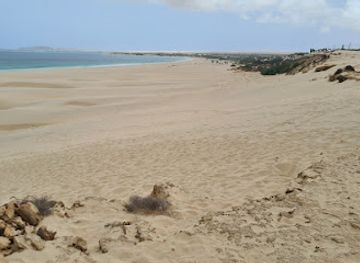
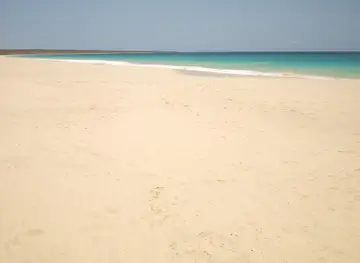
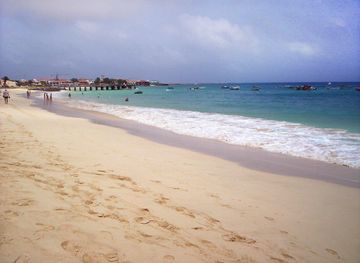
Praia de Chaves occupies a broad stretch of Boa Vista’s western coast, where pale sand extends beside the Atlantic in a landscape shaped by wind, sun and rolling dunes. The beach lies a short distance south of Rabil and is known for its open horizons, exposed shoreline and expansive sense of space rather than for a dense settlement or traditional village centre. Its inland edge gives way to low dunes and dry scrub, characteristic of Boa Vista’s arid terrain, while the sea can shift from calm-looking shallows to stronger surf depending on weather and swell.Read more about Praia de Chaves
Wildlife and Conservation
Exploring the Area
When is the best time to visit Praia de Chaves?
Best: January–March · 27–28°C| Month | High (°C) | Rainfall (mm) |
|---|---|---|
| January (best) | 27 | 0 |
| February (best) | 27 | 0 |
| March (best) | 28 | 0 |
| April | 28 | 0 |
| May | 29 | 0 |
| June | 29 | 0 |
| July | 30 | 0 |
| August | 30 | 0 |
| September | 30 | 0 |
| October | 29 | 0 |
| November | 29 | 0 |
| December | 28 | 0 |
Getting to and around Praia de Chaves
How to get there
Transportation
Best attractions in Praia de Chaves
The principal attraction is the long sandy shoreline of Praia de Chaves, where open Atlantic views, pale dunes and a wide beach create the defining Boa Vista coastal landscape. Visitors can walk along the firm wet sand, relax near the water or observe the changing relationship between beach and wind-shaped dunes, subject to sea conditions and local access guidance. During the nesting season, the beach may also offer carefully managed opportunities to learn about loggerhead turtles through conservation initiatives, rather than through unsupervised wildlife encounters. Inland, the dry terrain around Rabil provides a contrast of volcanic ground, sparse vegetation and scattered settlement. Sal Rei, outside the immediate beach area, adds a harbour, local life and access to island services, while the wider western coast contains other beaches and protected landscapes that require separate transport arrangements. The beach itself is the destination’s central experience, with the surrounding scenery rewarding slow exploration rather than a packed programme of built attractions.
-
Museum
Museu Dos Naufragos
Discover Cape Verde's maritime history and culture at Museu Dos Naufragos in Sal Rei, Boa Vista.
-
Tourist attraction
Deserto de Viana
Explore the surreal Deserto de Viana in Boa Vista: where Saharan sands meet the Atlantic, offering unique landscapes and tranquil beauty.
-
Tourist attraction
Praia da Varandinha
Discover Praia da Varandinha in Boa Vista: a serene beach escape with stunning rock formations, hidden caves, and tranquil turquoise waters.
-
Tourist attraction
sidy tours
Explore the stunning landscapes and rich culture of Cape Verde with Sidy Tours, your gateway to unforgettable adventures in Sal Rei.


Best landmarks in Praia de Chaves
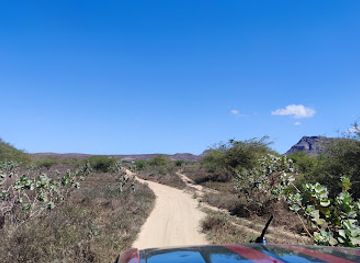
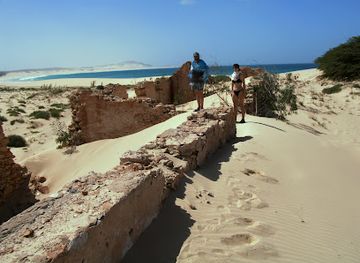
Praia de Chaves itself is the defining landmark: a broad Atlantic beach backed by wind-shaped sand dunes and low, arid terrain. Its significance is both geographical and ecological, since the open shore forms part of Boa Vista’s important nesting environment for loggerhead turtles. The contrast between pale sand, deep-blue water and the island’s volcanic ground gives the coast its recognisable character. Nearby Rabil is historically significant as one of Boa Vista’s older settlements and provides context for the island’s traditional communities, while Sal Rei’s harbour and salt-related history reflect the island’s maritime economy. These landmarks are primarily landscapes rather than monumental buildings; the value of Praia de Chaves lies in the relationship between beach, dune, sea and wildlife. Visitors should distinguish the beach from other Boa Vista features, including the Cabo Santa Maria shipwreck and Morro de Areia, which lie elsewhere on the island.
-
Beach
Chaves Beach
Discover the serene beauty of Chaves Beach in Cape Verde, where golden sands meet crystal-clear waters for an unforgettable seaside experience.
-
Historical landmark
Chaminé de Chaves
Explore the historical essence of Chaminé de Chaves, a captivating landmark in Rabil, Cape Verde, where culture and history come alive.
-
Beach
Praia da Chave
Experience the breathtaking beauty of Praia da Chave, a hidden gem in Cape Verde with golden sands and emerald waters.
-
Observation deck
Dunas des Chaves
Discover stunning views at Dunas des Chaves, an observation deck in Rabil, Cape Verde, perfect for photography and relaxation amidst nature's beauty.
Explore Praia de Chaves on the map
Plan your trip on one map. See where the top attractions, landmarks, restaurants and hotels are, and book hotels and experiences in a few clicks.
Best hotels in Praia de Chaves
Best restaurants in Praia de Chaves
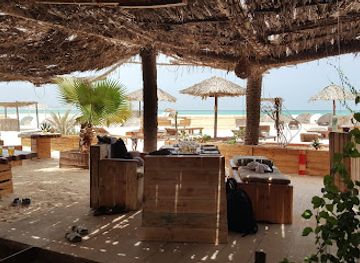
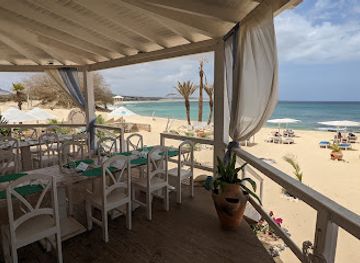
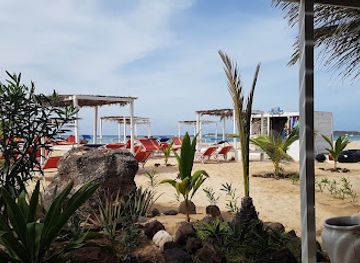
Dining around Praia de Chaves is concentrated mainly in resort accommodation rather than in a traditional restaurant district on the beach. Visitors staying in the area will generally find meals and drinks through their accommodation, while Rabil and especially Sal Rei provide more locally rooted choices, including cafés, small restaurants and informal eateries. Cape Verdean cooking commonly draws on maize, beans, rice, fresh fish and seafood, with cachupa among the country’s best-known dishes; menus can also reflect Portuguese and wider West African influences. Freshly caught fish is significant to island cuisine, although availability varies. In Sal Rei, visitors may encounter simple local meals alongside food aimed at international tourists, while supplies for self-catering are more limited near the beach. Anyone planning a full day away from their accommodation should carry water and snacks rather than assuming that a restaurant or shop will be close at hand.
-
Restaurant
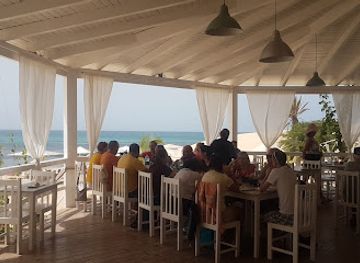
Morabeza Beach Bar & Lounge Restaurant
Experience culinary delights with stunning ocean views at Morabeza Beach Bar & Lounge Restaurant in Cape Verde.
-
Restaurant
Perola D'Chaves
Experience authentic Cabo Verdean cuisine at Pérola D'Chaves, where tradition meets flavor in every dish.
-
Restaurant
Bahia, The Beach
Experience exquisite Cape Verdean cuisine at Bahia, The Beach—where ocean views meet culinary delight on Praia Estoril.
-
Restaurant
Tortuga Beach Resort
Discover culinary delights at Tortuga Beach Resort on Praia d’Estoril, where fresh local flavors meet breathtaking ocean views in Sal Rei.
Best bars in Praia de Chaves
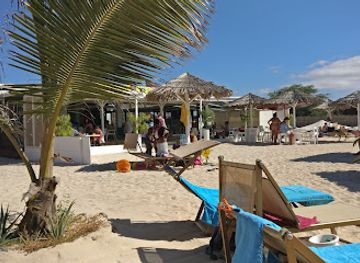
Praia de Chaves has a quiet evening character, with most after-dark activity centred on resort bars, restaurants and occasional accommodation-based entertainment rather than an independent nightlife scene. The beach is not a developed strip of late-opening venues, and walking there after dark requires particular care because of limited lighting, distance and sensitive turtle-nesting habitat. For a more local evening atmosphere, Sal Rei has small bars, cafés and restaurants where music and conversation are more likely than large clubs, although the choice and schedule of entertainment can vary. Rabil is quieter still and is primarily useful for local services and airport access. Visitors should arrange taxis or transfers in advance when returning from evening outings, especially if their accommodation lies away from the main settlements.
-
Restaurant
Morabeza Beach Bar & Lounge Restaurant
Discover the flavors of Cape Verde at Morabeza Beach Bar & Lounge, where stunning ocean views meet delicious cuisine in a vibrant setting.
-
Restaurant
Perola D'Chaves
Experience the authentic flavors of Cape Verde at Pérola D'Chaves, a culinary gem in Rabil offering traditional dishes and warm hospitality.
-
Bar
Boca Beach
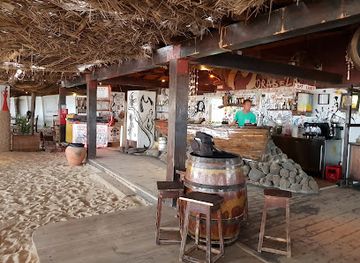
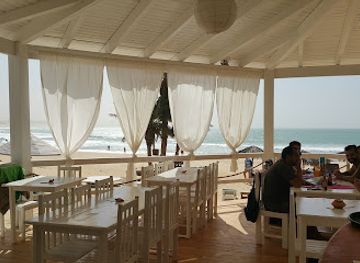
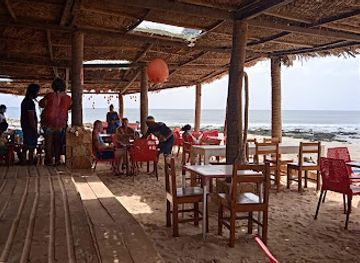
Discover Boca Beach, a tropical bar in Cabo Verde where relaxation meets refreshing drinks and stunning ocean views, ideal for a perfect getaway.
-
Bar
ElciBar
Discover ElciBar, a vibrant seaside bar in Sal Rei, where refreshing drinks and stunning ocean views create the perfect island escape.
Best nightclubs in Praia de Chaves
Praia de Chaves has a quiet evening character, with most after-dark activity centred on resort bars, restaurants and occasional accommodation-based entertainment rather than an independent nightlife scene. The beach is not a developed strip of late-opening venues, and walking there after dark requires particular care because of limited lighting, distance and sensitive turtle-nesting habitat. For a more local evening atmosphere, Sal Rei has small bars, cafés and restaurants where music and conversation are more likely than large clubs, although the choice and schedule of entertainment can vary. Rabil is quieter still and is primarily useful for local services and airport access. Visitors should arrange taxis or transfers in advance when returning from evening outings, especially if their accommodation lies away from the main settlements.
-
 Hotel
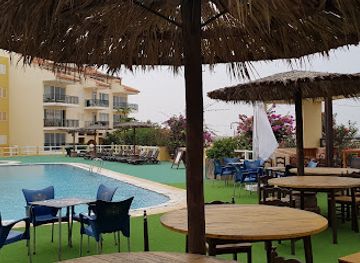
HotelVOI Praia De Chaves Resort
Discover the ultimate beachfront retreat at VOI Praia De Chaves Resort, where luxury meets breathtaking natural beauty in Cape Verde.
-
Restaurant
Perola D'Chaves
Experience authentic Cape Verdean cuisine at Pérola D'Chaves in Rabil, where vibrant flavors meet a lively atmosphere for an unforgettable dining experience.
-
Bar
Bar Ka Kotxe
Discover the vibrant atmosphere and delightful drinks at Bar Ka Kotxe, a must-visit bar in Rabil, perfect for unwinding and socializing.
-
Bar
Bar/Esplanada Ká Cotche
Experience the vibrant nightlife and refreshing drinks at Bar/Esplanada Ká Cotche, a lively bar in Rabil, Cape Verde.
Best shops in Praia de Chaves
Shopping directly at Praia de Chaves is limited and is generally associated with resort services rather than a permanent local retail area. Rabil may provide basic everyday supplies, while Sal Rei is Boa Vista’s principal place for groceries, practical goods, souvenirs and small independent businesses. Visitors can look for Cape Verdean handicrafts, locally produced artwork, woven items and food products, although stock and opening arrangements vary. Fish and agricultural produce are more closely tied to local livelihoods than to formal tourist shopping, and purchases should be made respectfully from established sellers. Praia de Chaves is not suited to extensive retail browsing, so visitors staying on the coast should organise essential supplies before travelling to the beach or use their accommodation’s facilities where available.
-
Supermarket
Boas compras centro comercial
Explore the vibrant Boas Compras Shopping Center in Sal Rei, where local culture meets diverse shopping in an inviting atmosphere.
-
Grocery store
Mercearia Elvis
Experience the authentic local culture and flavors of Cape Verde at Mercearia Elvis, a charming grocery store in Bofarreira.
-
Souvenir store
Aicha's Beach Shop
Explore Aicha's Beach Shop in Curral Velho for unique Cape Verdean souvenirs, handcrafted treasures, and vibrant local culture.
-
Scenic spot
Praia de Chaves
Unwind at Praia de Chaves, a hidden gem in Rabil offering pristine sands, crystal-clear waters, and breathtaking sunsets perfect for all travelers.

Get your free copy of our complete guide to Praia de Chaves, delivered straight to you.
Everything on this page, from attractions and restaurants to essentials and local phrases, in one PDF you can read offline, print or share.
Already have an account? Sign in
Your Praia de Chaves guide is ready.
We'll send it to · Not you? Sign out

Getting your guide ready…
We are putting together a fresh copy of the Praia de Chaves guide. This can take up to a minute.
This can take a few moments. If your browser asks, choose Allow so the download can start. You'll find the guide in your Downloads folder.
Nothing happened? Download it again
Sorry, the guide is taking longer than usual. Please try again in a minute, or get it by email instead.
Praia de Chaves essentials
Currency and Payment
Safety
Emergency Situations
Do's and Don'ts
Local Tips
From Eve
Local phrases worth knowing
You don't need to get them perfect. A few words go a long way, and locals appreciate the effort.
Basics
| English | Local | Say it |
|---|---|---|
| Hello | Olá | [Oh-lah] |
| Goodbye | Tchau | [Chow] |
| Yes | Sim | [Seem] |
| No | Não | [Nown] |
| Please/You're welcome | Por favor/De nada | [Por fah-vor/Day nah-dah] |
| Thank you | Obrigado(a) | [Oh-bree-gah-doo(ah)] |
| Excuse me/Sorry | Com licença/Desculpa | [Kohm lee-sen-sah/Des-kool-pah] |
| How are you? | Como estás? | [Koh-moh es-tahsh] |
| Fine. And you? | Bem. E tu? | [Bain. Eh too] |
| Do you speak English? | Falas inglês? | [Fah-lahsh een-glehs] |
| I don't understand | Não entendo | [Nown en-ten-doo] |
Eating & Drinking
| English | Local | Say it |
|---|---|---|
| I'd like to see the menu, please | Queria ver o menu, por favor | [Keh-ree-ah vair o meh-noo, poor fah-vor] |
| I don't eat meat | Não como carne | [Nown koh-moh kahr-neh] |
| Cheers! | Saúde! | [Sow-djee] |
| I would like to pay, please | Queria pagar, por favor | [Keh-ree-ah pah-gahr, poor fah-vor] |
Emergencies
| English | Local | Say it |
|---|---|---|
| Help! | Socorro! | [So-koh-roh] |
| Go away! | Vai embora! | [Vigh ehm-boh-rah] |
| Call the Police! | Chama a polícia! | [Sha-mah ah poh-lee-see-ah] |
| Call a doctor! | Chama um médico! | [Sha-mah oom meh-dee-koo] |
| I'm lost | Estou perdido(a) | [Eh-stow pehr-dee-doo(ah)] |
| I'm ill | Estou doente | [Eh-stow doo-ehn-teh] |
Shopping
| English | Local | Say it |
|---|---|---|
| I'd like to buy... | Queria comprar... | [Keh-ree-ah kohm-prahr...] |
| I'm just looking | Só estou a ver | [So eh-stow ah vehr] |
| How much is it? | Quanto custa? | [Kwan-toh koosh-tah] |
| That's too expensive | Isso é muito caro | [Ee-soh eh mwee-toh kahr-oo] |
| Can you lower the price? | Pode baixar o preço? | [Poh-deh by-shahr o prey-soh] |
Time & Numbers
| English | Local | Say it |
|---|---|---|
| What time is it? | Que horas são? | [Keh oh-rahsh sah-ow] |
| It's one o'clock | É uma hora | [Eh ooh-mah oh-rah] |
| Half past (10) | Meia hora (10) | [May-ah oh-rah (deh-eez)] |
| Morning | Manhã | [Mah-nyah] |
| Afternoon | Tarde | [Tahr-d] |
| Evening | Noite | [Noyt] |
| Yesterday | Ontem | [On-tehm] |
| Today | Hoje | [Oh-zhee] |
| Tomorrow | Amanhã | [Ah-mah-nyah] |
| 1 | Um | [Oom] |
| 2 | Dois | [Doysh] |
| 3 | Três | [Trehsh] |
| 4 | Quatro | [Kwah-troh] |
| 5 | Cinco | [Seen-koh] |
| 6 | Seis | [Saysh] |
| 7 | Sete | [Seh-teh] |
| 8 | Oito | [Oy-toh] |
| 9 | Nove | [Noh-veh] |
| 10 | Dez | [Dehz] |
Transport & Directions
| English | Local | Say it |
|---|---|---|
| Where's a/the...? | Onde fica o/um(a)...? | [Own-deh fee-kah ooh/oohm(ah)] |
| What's the address? | Qual é a morada? | [Kwahl eh ah moh-rah-dah] |
| Can you show me (on the map)? | Podes mostrar-me (no mapa)? | [Poh-dehs moh-strahr-meh (noh mah-pah)] |
| When's the next (bus)? | Quando é o próximo (autocarro)? | [Kwan-doo eh ooh proh-see-moh (ow-toh-kah-roo)] |
| A ticket (to ....) | Um bilhete (para ...) | [Oom bee-lyeh-teh (pah-rah ...)] |
History of Praia de Chaves
A Volcanic Island in the Atlantic
Praia de Chaves forms part of Boa Vista, one of the Barlavento islands of Cabo Verde. The island’s landscapes developed through volcanic activity and subsequent erosion, while wind and marine processes later shaped the broad sandy coast and dune systems visible around the beach. Its dry climate, limited rainfall and exposed position helped create the open, sparsely vegetated character that distinguishes western Boa Vista from more densely settled parts of the archipelago.
Early Settlement and Portuguese Rule
Boa Vista was settled during the Portuguese expansion of the Cabo Verde islands, although its arid environment limited the scale of agriculture and permanent settlement. Rabil became an important historic centre on the island, and nearby Sal Rei later developed as the principal town and harbour. The communities of Boa Vista traditionally combined small-scale farming and livestock keeping with fishing, salt production and maritime trade, adapting their livelihoods to scarce water and sometimes difficult growing conditions.
Salt, Trade and Island Livelihoods
Salt played an important role in Boa Vista’s economic history, particularly around Sal Rei, where coastal evaporation ponds supported production for regional and maritime trade. Fishing and the movement of goods by sea also connected the island with other parts of Cabo Verde and the wider Atlantic world. Praia de Chaves itself has remained primarily a natural coastal landscape rather than an old urban settlement, but its wider setting reflects the island’s long relationship with beaches, dunes, scarce freshwater and marine resources.
Tourism and Turtle Conservation
The modern history of Praia de Chaves is closely connected with Boa Vista’s growth as a beach destination. Improved air access through Rabil Airport and the development of resort accommodation brought international visitors to the island’s western and southern shores. At the same time, the importance of Boa Vista’s beaches as nesting habitat for loggerhead turtles has encouraged conservation programmes and seasonal protection measures. Tourism and conservation now coexist in a landscape where responsible beach use is essential to protecting nesting areas.
Praia de Chaves in Photos
Browse through our photo collection highlighting the charm and character of the destination.
Cities in Praia de Chaves
The towns and cities of Praia de Chaves, and the easiest places to base yourself.
-

-


Swipe for more cities
Neighbouring destination travel guides
The closest destinations to Praia de Chaves, if you have time for more than one.
-

-
-

-
-


Swipe for more destinations
Explore more
Explore more of Cabo Verde
Discover Cabo Verde: An enchanting archipelago offering beautiful beaches, vibrant culture, and unforgettable adventures, all set against a backdrop of stunning landscapes.
Explore Cabo Verde