

Free Sal Travel Guide & Mobile App
Explore Sal with free travel guides. Discover regional history, expert tips, proposed trips, and audio guides on web or mobile app.


Explore Sal in Cabo Verde for broad Atlantic beaches, salt lagoons, wind sports, marine life and easy island excursions from Santa Maria.
Read more about Sal
When is the best time to visit Sal?
Best: January–March · 25–26°C| Month | High (°C) | Rainfall (mm) |
|---|---|---|
| January (best) | 25 | 2 |
| February (best) | 25 | 2 |
| March (best) | 26 | 1 |
| April | 27 | 1 |
| May | 28 | 0 |
| June | 29 | 0 |
| July | 30 | 1 |
| August | 31 | 20 |
| September | 31 | 40 |
| October | 30 | 10 |
| November | 28 | 5 |
| December | 26 | 3 |
Getting to and around Sal
How to get there
Transportation
Top city travel guides in Sal
The cities of Sal, and the easiest places to base yourself.

Swipe for more cities
Best attractions in Sal
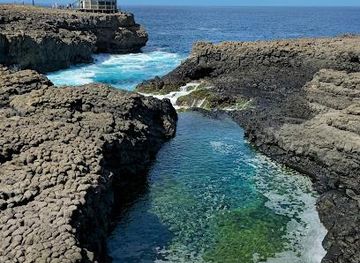
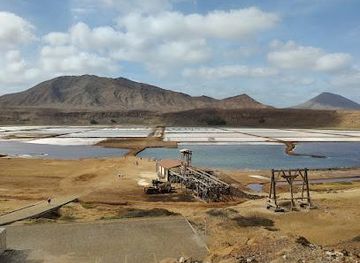
Sal’s attractions centre on elemental landscapes and the sea rather than dense urban heritage. In the south, Santa Maria offers a long sandy beach and a base for swimming, surfing, windsurfing, kitesurfing, diving, sport fishing and boat trips, with conditions varying according to wind and swell. Pedra de Lume is the island’s defining geological and industrial attraction: salt pans occupy an extinct volcanic crater, and visitors can float in the mineral-rich water when access conditions permit. On the north-western coast, Buracona combines dark volcanic rock, sea pools and the Blue Eye cave, while nearby Terra Boa illustrates Sal’s spare inland scenery and heat-created mirages. Palmeira is useful for harbour-based excursions and a glimpse of fishing life, whereas Murdeira provides a more sheltered bay and quieter coastal setting. Shark Bay is known for shallow-water encounters with lemon sharks, best experienced through responsible operators. The island also supports quad-biking, hiking on a modest scale, birdwatching and visits to local communities, although shade and freshwater are limited. Together these experiences reveal the contrast between Sal’s resort beaches, working settlements, salt heritage and arid volcanic plain.
-
Tourist attraction
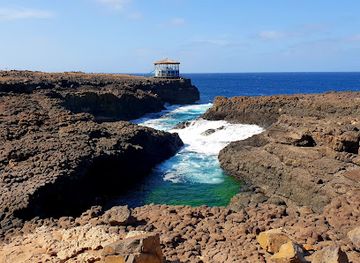
Buracona - Blue Eye Cave
Discover Buracona, Sal's 'Blue Eye': a mesmerizing cave where sunlight creates turquoise magic. Explore volcanic landscapes & natural pools near Palmeira.
-
Tourist attraction
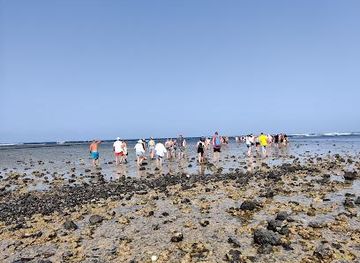
Shark Bay
Observe lemon sharks in their natural habitat at Shark Bay, a unique and unforgettable experience on Sal Island, Cape Verde.
-
Tourist attraction
Salinas de Pedra de Lume
Experience relaxation and breathtaking views at Salinas de Pedra de Lume, where therapeutic salt baths meet stunning landscapes in Cape Verde.
-
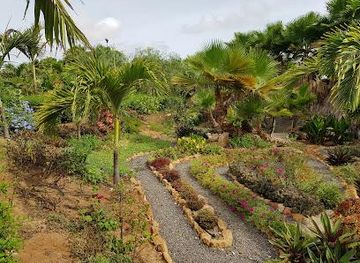
Pachamama Eco Park - Viveiro Botanical Garden
Escape to a green sanctuary in the heart of Sal, Cape Verde. Explore diverse flora, meet rescued animals, and enjoy a tranquil retreat.
Best landmarks in Sal
Pedra de Lume’s salt crater is Sal’s most recognisable historic landscape, with evaporation ponds occupying the interior of an extinct volcano and the remnants of the saltworks recalling the industry that gave the island its name. Buracona’s volcanic coastline is another defining landmark, particularly the sea cave known as the Blue Eye, whose appearance changes with sunlight, tide and water conditions. Santa Maria Pier, extending from the resort town into the Atlantic, is both a visual reference point and a place connected with fishing, market activity and daily coastal life. The long beach and open bay at Santa Maria form a natural landmark in their own right, contrasting with the darker rock and more exposed coastline elsewhere. Palmeira’s harbour represents Sal’s continuing maritime identity, with fishing boats and working waterfront activity rather than grand monumental architecture. Inland, the broad plain around Terra Boa conveys the island’s geological and climatic character through sparse vegetation, pale earth and heat shimmer. The lighthouse at Ponta do Sinó, near Santa Maria, marks the island’s southern maritime edge and is associated with the coastline where land, navigation and tourism meet.
-
Tourist attraction
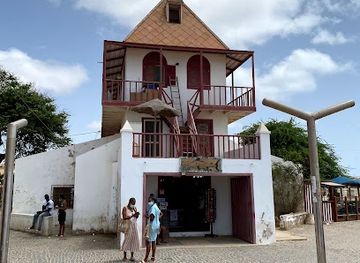
The Pier of Santa Maria
Discover the vibrant charm of The Pier of Santa Maria, where stunning ocean views and local culture create unforgettable memories in Cape Verde.
-
Hotel
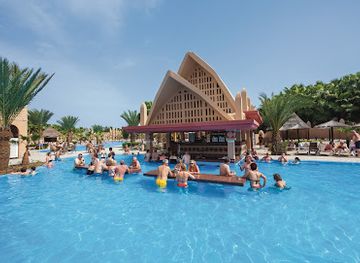
Hotel Riu Funana
Experience the luxury and vibrant culture of Cape Verde at Hotel Riu Funana in Santa Maria, a perfect getaway for relaxation and adventure.
-
Tourist attraction
Buracona - Blue Eye Cave
Discover the breathtaking beauty of Buracona - the Blue Eye Cave, a hidden gem in Cape Verde with stunning blue waters and captivating rock formations.
-
 Hotel
HotelHotel Riu Cabo Verde
Discover the luxurious Hotel Riu Cabo Verde, a wellness hotel on Sal Island offering stunning architecture, exquisite dining, and rejuvenating spa experiences.
Explore Sal on the map
Plan your trip on one map. See where the top cities, national parks and sights are, and book hotels and experiences in a few clicks.
Best hotels in Sal
Best restaurants in Sal
Sal’s dining scene is concentrated in Santa Maria, with additional local restaurants and cafés in Espargos and Palmeira. Seafood is central, including grilled fish, tuna, lobster when available and preparations influenced by Cabo Verdean and Portuguese cooking. Cachupa, the archipelago’s slow-cooked combination of maize, beans, vegetables and often fish or meat, is an important national dish and appears in local as well as visitor-oriented eateries. Grilled meats, rice dishes, fresh salads and Portuguese-style snacks are also common. Restaurants range from informal cafés and beachside establishments to international dining rooms serving Italian, Asian and contemporary food for the island’s diverse visitors. Look for local produce where available, although Sal’s dry climate means that much food is imported and supplies can vary. In Palmeira, the harbour setting gives seafood a particularly natural context, while Santa Maria is the best place to compare Cape Verdean cooking with the international restaurant culture created by tourism. Fresh juices, local beer and grogue, a spirit made from sugar cane elsewhere in the archipelago, may accompany meals; drink responsibly and ask about ingredients if dietary requirements matter.
-
Restaurant
Ocean Cafe
Discover the vibrant flavors of Ocean Cafe in Santa Maria - where delicious pizzas meet a lively pub atmosphere.
-
Restaurant
Ponta Preta
Experience authentic Cape Verdean cuisine at Ponta Preta, where fresh seafood meets vibrant flavors in a stunning seaside setting.
-
Restaurant
Palm Beach
Experience the best of Cape Verdean cuisine at Palm Beach in Santa Maria—fresh fish and delicious pizza await you!
-
Restaurant
Café Criolo
Experience authentic Cape Verdean cuisine at Café Criolo in Santa Maria – where flavor meets warmth and hospitality.

Best bars in Sal
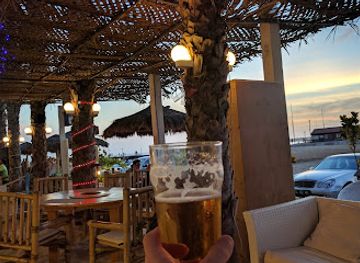
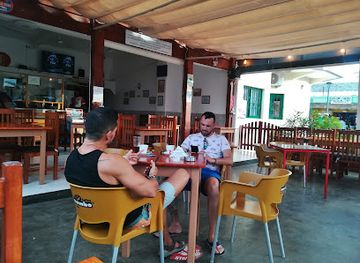
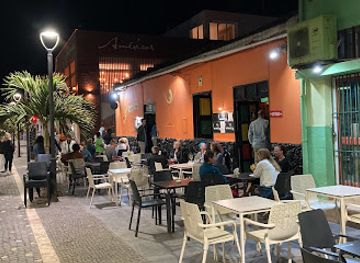
Nightlife on Sal is centred mainly on Santa Maria, where the evening develops around restaurants, beach bars, hotel venues, live music and a small selection of dance-oriented establishments. Cape Verdean music, including morna and related styles, may be heard alongside international playlists, and performances can be more important to the local evening atmosphere than large-scale clubbing. Espargos has a more local pattern of cafés and bars, while Palmeira’s evenings are quieter and connected to its harbour community. The island’s resort scene can continue late during busy periods, but venues and events change seasonally, so current local information is more reliable than fixed listings. Dress is generally relaxed, though some hotel and restaurant venues expect smart-casual clothing. Visitors need not drink to participate in Sal’s evening culture: a meal, music performance, promenade walk or café visit can be equally central to the experience.
-
Restaurant
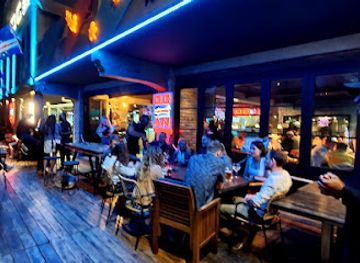
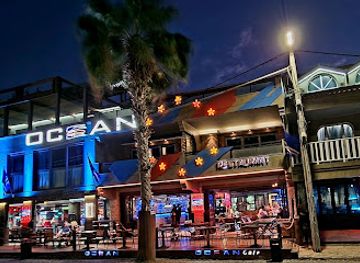
Ocean Cafe
Discover the lively Ocean Cafe in Santa Maria, where delicious pizza meets refreshing drinks in a vibrant atmosphere!
-
Club
Bikini Beach Club
Experience the ultimate beach club vibe at Bikini Beach Club in Santa Maria, where sun, fun, and vibrant nightlife come together.
-
Bar
The Dubliner - Irish Bar
Discover The Dubliner: An authentic Irish Bar in Santa Maria Beach, combining lively entertainment with delicious food and drinks for an unforgettable experience.
-
Bar
Buddy Bar
Discover the lively nightlife at Buddy Bar in Santa Maria, where exceptional drinks and a vibrant atmosphere await every visitor.

Best nightclubs in Sal
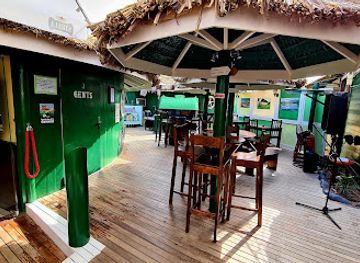
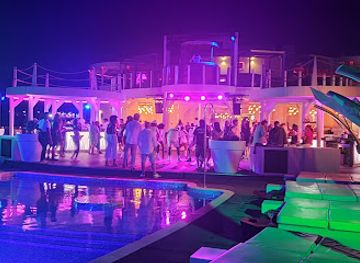
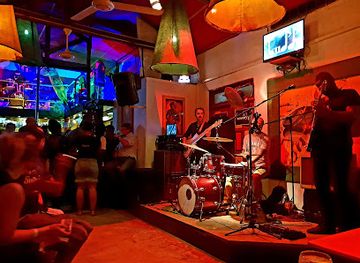
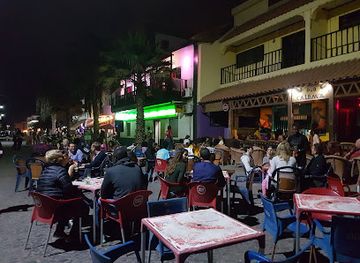
Nightlife on Sal is centred mainly on Santa Maria, where the evening develops around restaurants, beach bars, hotel venues, live music and a small selection of dance-oriented establishments. Cape Verdean music, including morna and related styles, may be heard alongside international playlists, and performances can be more important to the local evening atmosphere than large-scale clubbing. Espargos has a more local pattern of cafés and bars, while Palmeira’s evenings are quieter and connected to its harbour community. The island’s resort scene can continue late during busy periods, but venues and events change seasonally, so current local information is more reliable than fixed listings. Dress is generally relaxed, though some hotel and restaurant venues expect smart-casual clothing. Visitors need not drink to participate in Sal’s evening culture: a meal, music performance, promenade walk or café visit can be equally central to the experience.
-
Club
Bikini Beach Club
Experience the vibrant nightlife at Bikini Beach Club, where tropical vibes, lively music, and stunning beach views create unforgettable memories.
-
Bar
Buddy Bar
Experience the vibrant nightlife of Santa Maria at Buddy Bar, where great music and delicious drinks create unforgettable memories in Cape Verde.
-
Bar
Pub Calema
Discover the vibrant nightlife at Pub Calema in Santa Maria, where refreshing drinks and live music create an unforgettable experience.
-
Bar
Chill Out Bar
Experience the laid-back vibe of Chill Out Bar in Santa Maria, where refreshing drinks and a welcoming atmosphere await.
Best shops in Sal
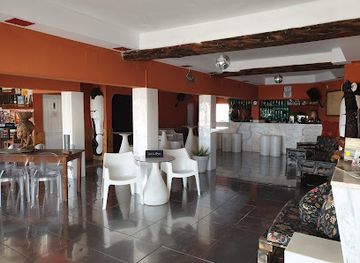
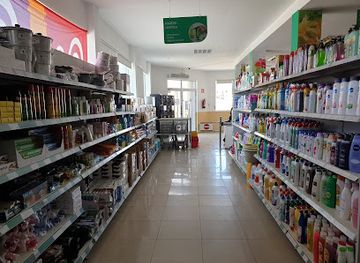
Shopping on Sal is most varied in Santa Maria, where visitors find small boutiques, beachwear, craft stalls, art galleries, souvenir shops and businesses selling watersports equipment. Cabo Verdean handicrafts may include woven goods, jewellery, textiles, woodwork and decorative objects, although quality and provenance vary; buy from makers or established shops when possible and avoid products made from protected wildlife or uncertain materials. Espargos has a more practical local shopping character, with everyday shops and markets rather than a concentrated tourist retail district. Palmeira is associated with harbour life and small local businesses, while food shops and markets offer opportunities to buy coffee, grogue, spices, sweets and packaged island products. Santa Maria’s market area is useful for browsing local crafts and produce, but stock, trading days and individual stalls can change. Bargaining may occur in informal craft settings, yet it is not appropriate to assume that every shop uses negotiable prices. Pack fragile purchases carefully and remember that volcanic stones, shells and natural materials should not be removed from protected or environmentally sensitive sites.
-
Tourist attraction
Buracona - Blue Eye Cave
Experience the stunning Blue Eye Cave at Buracona, a natural marvel with vibrant blue waters and captivating coastal beauty in Cape Verde.
-
Tourist attraction
Pachamama Eco Park - Viveiro Botanical Garden
Explore the lush landscapes and diverse plant life at Pachamama Eco Park, a serene botanical garden in Cape Verde that delights every nature enthusiast.
-
Supermarket
Cazu Supermarket
Cazu Supermarket in Santa Maria: Your gateway to local flavors, fresh produce, and a taste of Cape Verdean culture.
-
Ice Cream
GiraMondo
Discover the sweet taste of GiraMondo in Santa Maria, where every scoop of ice cream is a delightful experience waiting to be savored.
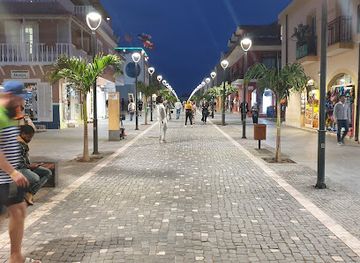
Get your free copy of our complete guide to Sal, delivered straight to you.
Everything on this page, from attractions and restaurants to essentials and local phrases, in one PDF you can read offline, print or share.
Already have an account? Sign in
Your Sal guide is ready.
We'll send it to · Not you? Sign out

Getting your guide ready…
We are putting together a fresh copy of the Sal guide. This can take up to a minute.
This can take a few moments. If your browser asks, choose Allow so the download can start. You'll find the guide in your Downloads folder.
Nothing happened? Download it again
Sorry, the guide is taking longer than usual. Please try again in a minute, or get it by email instead.
Sal essentials
Currency and Payment
Safety
Emergency Situations
Do's and Don'ts
Local Tips
From Eve
Local phrases worth knowing
You don't need to get them perfect. A few words go a long way, and locals appreciate the effort.
Basics
| English | Local | Say it |
|---|---|---|
| Hello | Olá | [oh-lah] |
| Goodbye | Adeus | [ah-deh-oos] |
| Yes | Sim | [seem] |
| No | Não | [nah-ooh] |
| Please/You're welcome | Por favor | [poor fah-vor] |
| Thank you | Obrigado | [oh-bree-gah-doo] |
| Excuse me/Sorry | Desculpe | [des-kool-peh] |
| How are you? | Como está? | [koh-moo es-tah] |
| Fine. And you? | Bem. E você? | [beng. eh voh-seh] |
| Do you speak English? | Você fala inglês? | [voh-seh fah-lah een-glays] |
| I don't understand | Eu não entendo | [eh-oo nah-ooh en-ten-doo] |
Eating & Drinking
| English | Local | Say it |
|---|---|---|
| I'd like to see the menu, please | Gostaria de ver o menu, por favor | [goh-stah-ree-ah jeh veh-ree oh meh-noo, poor fah-vor] |
| I don't eat meat | Eu não como carne | [eh-oo nah-ooh koh-moo kar-nee] |
| Cheers! | Saúde! | [sah-oo-deh] |
| I would like to pay, please | Gostaria de pagar, por favor | [goh-stah-ree-ah jeh pah-gar, poor fah-vor] |
Emergencies
| English | Local | Say it |
|---|---|---|
| Help! | Ajuda! | [ah-zhoo-dah] |
| Go away! | Vai embora! | [vai em-boh-rah] |
| Call the Police! | Chame a polícia! | [sha-meh ah poh-lee-see-ah] |
| Call a doctor! | Chame um médico! | [sha-meh oom meh-dee-koh] |
| I'm lost | Estou perdido | [es-toh per-dee-doo] |
| I'm ill | Estou doente | [es-toh do-ehn-teh] |
Shopping
| English | Local | Say it |
|---|---|---|
| I'd like to buy... | Gostaria de comprar... | [goh-stah-ree-ah jeh kom-prahr] |
| I'm just looking | Estou só a olhar | [es-toh soh ah oh-lhar] |
| How much is it? | Quanto custa? | [kwan-toh koos-tah] |
| That's too expensive | Isso é muito caro | [ee-soh eh mooy-toh kah-roh] |
| Can you lower the price? | Pode baixar o preço? | [poh-deh bye-shar oh preh-soh] |
Time & Numbers
| English | Local | Say it |
|---|---|---|
| What time is it? | Que horas são? | [keh oh-ras sah-ooh] |
| It's one o'clock | É uma hora | [eh oo-mah oh-rah] |
| Half past (10) | Meia hora | [may-ah oh-rah] |
| Morning | Manhã | [mahn-yah] |
| Afternoon | Tarde | [tahr-deh] |
| Evening | Noite | [noy-teh] |
| Yesterday | Ontem | [on-tem] |
| Today | Hoje | [oh-zhay] |
| Tomorrow | Amanhã | [ah-mah-nyah] |
| 1 | Um | [oom] |
| 2 | Dois | [doy-s] |
| 3 | Três | [trays] |
| 4 | Quatro | [kwah-troh] |
| 5 | Cinco | [seen-koh] |
| 6 | Seis | [says] |
| 7 | Sete | [seh-teh] |
| 8 | Oito | [oy-toh] |
| 9 | Nove | [noh-veh] |
| 10 | Dez | [dehz] |
Transport & Directions
| English | Local | Say it |
|---|---|---|
| Where's a/the...? | Onde está um/a...? | [on-deh es-tah oom/ah] |
| What's the address? | Qual é o endereço? | [kwahl eh oh en-deh-re-soh] |
| Can you show me (on the map)? | Pode me mostrar (no mapa)? | [poh-deh meh mos-trar (noh mah-pah)] |
| When's the next (bus)? | Quando é o próximo (ônibus)? | [kwahn-doo eh oh proh-see-moh (oh-nee-boos)] |
| A ticket (to ....) | Um bilhete (para....) | [oom bee-lyeh-teh (pah-rah)] |
History of Sal
Portuguese Discovery and Early Settlement, Fifteenth Century
Portuguese navigators reached the previously uninhabited Cabo Verde islands during the fifteenth century, and the archipelago became part of Portugal’s Atlantic network. Sal was less favourable for early large-scale settlement than islands with better water supplies and agricultural potential, but its position and coastal resources still connected it to maritime activity. Portuguese administration, Catholic influence and the wider Atlantic slave-trading system shaped Cabo Verde as a whole, while African, European and later Brazilian influences contributed to the society and culture that developed across the islands.
Salt Production at Pedra de Lume
Sal’s name refers to its long association with salt, and the salt pans at Pedra de Lume became the island’s most important historic industry. The works occupied an extinct volcanic crater where seawater could reach evaporation ponds through natural underground channels. Salt was extracted, dried and exported, making the site an important part of Sal’s economic history. Production declined as markets, technology and transport patterns changed, but the crater, evaporation pans and associated remains still express how the island’s geology was turned into a commercial resource.
Palmeira and the Maritime Economy
Palmeira developed as Sal’s principal harbour settlement and remains closely connected with fishing, maritime trade and the movement of people and goods. The port helped link the island to other parts of Cabo Verde and to Atlantic shipping routes, particularly as steamship navigation and later modern transport increased the importance of reliable harbour facilities. Fishing and seafaring continue to influence local life, even as tourism has become the dominant economic force in the south. The contrast between Palmeira’s working harbour and Santa Maria’s resort coast reflects Sal’s economic transition.
The Airport and the Opening of Modern Transport
Sal’s flat terrain made it suitable for aviation, and the island became an important stop in Atlantic air routes during the twentieth century. Amílcar Cabral International Airport, near Espargos, helped connect Cabo Verde with Europe, West Africa and other islands. Air access transformed Sal’s role from a remote salt-producing island into the archipelago’s principal beach-tourism gateway. The airport also became strategically significant during the development of long-distance aviation, when Atlantic aircraft required intermediate landing points.
Independence and the Republic of Cabo Verde, 1975
Cabo Verde became independent from Portugal on 5 July 1975 after a liberation movement led by the African Party for the Independence of Guinea and Cabo Verde. Independence established the modern Republic of Cabo Verde and placed Sal within a sovereign island state rather than a Portuguese overseas territory. The island’s later development reflects national priorities as well as international links: improved infrastructure, air connections and investment gradually expanded the service economy while older activities such as fishing and salt production remained part of its identity.
Tourism and the Transformation of Santa Maria
From the late twentieth century onwards, Sal’s reliable climate, beaches, airport and Atlantic position encouraged substantial tourism development, especially around Santa Maria. Hotels, restaurants, watersports businesses and excursion operators reshaped the southern coast and created employment linked to international visitors. This growth brought new roads, services and investment, but also increased pressure on water, waste management, coastal space and housing. Modern Sal is therefore defined by an ongoing balance between a globally connected resort economy and the island’s established communities, maritime traditions and fragile arid environment.
Sal in Photos
Browse through our photo collection highlighting the charm and character of the destination.
Neighbouring regions of Sal
The closest regions to Sal, if you have time for more than one.
-

-

-

-

-


Swipe for more regions
Explore more
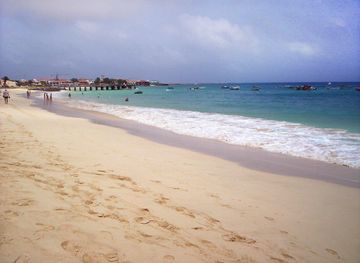
Explore more of Cabo Verde
Discover Cabo Verde: An enchanting archipelago offering beautiful beaches, vibrant culture, and unforgettable adventures, all set against a backdrop of stunning landscapes.
Explore Cabo Verde