

Free Santo Antão Travel Guide & Mobile App
Explore Santo Antão with free travel guides. Discover regional history, expert tips, proposed trips, and audio guides on web or mobile app.


Explore Santo Antão in Cabo Verde for volcanic mountains, green valleys, terraced farms, Atlantic villages and some of the archipelago’s finest hiking.
Read more about Santo Antão
When is the best time to visit Santo Antão?
Best: December–February · 25–26°C| Month | High (°C) | Rainfall (mm) |
|---|---|---|
| January (best) | 26 | 1 |
| February (best) | 26 | 1 |
| March | 26 | 1 |
| April | 26 | 1 |
| May | 27 | 1 |
| June | 28 | 1 |
| July | 28 | 2 |
| August | 29 | 10 |
| September | 29 | 15 |
| October | 28 | 10 |
| November | 26 | 4 |
| December (best) | 25 | 1 |
Getting to and around Santo Antão
How to get there
Transportation
Destinations in Santo Antão
Resorts, valleys and scenic spots worth a trip of their own.

Swipe for more destinations
Best attractions in Santo Antão
Santo Antão’s attractions are primarily outdoors and closely connected to its inhabited mountain landscape. The Cova highlands offer a striking introduction to the island’s volcanic relief, while routes descending towards the Paul Valley pass through terraced fields, sugar-cane plantations and settlements linked by stone paths. Around Ribeira Grande and Ribeira da Torre, hikers encounter steep ravines, cultivated slopes and villages where agriculture remains visible in daily life. The road and trails towards Ponta do Sol and Fontainhas provide changing views of cliffs, valleys and the Atlantic, while the valleys around Janela and Sinagoga combine scenery with local history. More demanding excursions lead towards the high ridges and the island’s highest summit, Topo da Coroa, usually with careful planning and local guidance. Visits to small grogue distilleries, farms and coffee-growing areas offer cultural context rather than formal museum experiences. Beaches are not Santo Antão’s main draw, and the island has relatively little conventional resort entertainment; its appeal lies in walking, photography, village exploration, birdwatching, landscape study and the chance to see how cultivation has adapted to volcanic slopes.
-
Seafood
Mercado De Peixe
Experience the vibrant atmosphere & fresh catches at Mindelo's Mercado De Peixe, a cultural hub offering a true taste of Cape Verdean life.

Best landmarks in Santo Antão
The Cova volcanic crater and highland basin are among Santo Antão’s most recognisable natural landmarks, with steep slopes and cultivated ground illustrating the island’s dramatic geology. Topo da Coroa, the island’s highest summit, dominates the western highlands and is a significant objective for experienced walkers, although access requires planning rather than a casual excursion. In the north-east, the settlement of Ponta do Sol occupies a narrow coastal edge beside dark volcanic cliffs, while nearby Fontainhas is known for its precarious-looking position above deep valleys and the sea. Ribeira Grande’s churches, houses and valley setting express the historical importance of the island’s main north-eastern centre. The old cobbled mountain roads are landmarks in their own right: their switchbacks, stone walls and bridges remain evidence of how communities were connected before modern road travel. The cultivated valleys of Paul and Ribeira da Torre are also defining cultural landscapes, where terraces, irrigation channels and sugar-cane fields make human adaptation to steep volcanic terrain visible.
-
Tourist attraction
The Pier of Santa Maria
Discover the vibrant culture and breathtaking views at The Pier of Santa Maria, the heart of Santa Maria, Cape Verde.
-
Island
Sal
Discover the stunning beaches, vibrant culture, and endless adventures on Sal, the jewel of Cabo Verde's islands.
-
Tourist attraction
Praia da Atalanta
Explore Praia da Atalanta, a serene beach in Ponta Adiante, Cape Verde, known for its crystal-clear waters, vibrant marine life, and stunning sunsets.
-
Island
Boa Vista
Experience the breathtaking beauty and vibrant culture of Boa Vista, Cape Verde's idyllic island paradise, perfect for adventure and relaxation.
Explore Santo Antão on the map
Plan your trip on one map. See where the top cities, national parks and sights are, and book hotels and experiences in a few clicks.
Best hotels in Santo Antão
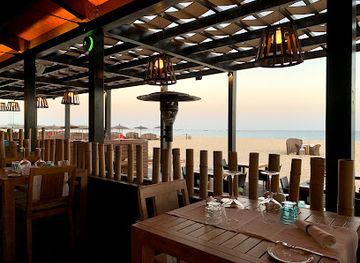
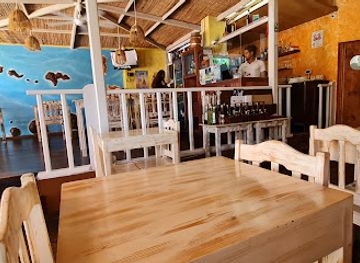
Best restaurants in Santo Antão
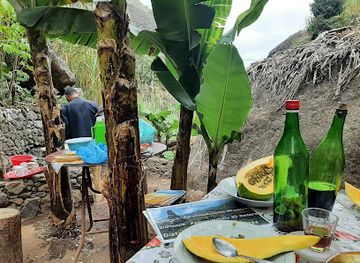
Dining on Santo Antão is shaped by island agriculture, Atlantic fishing and the practical cooking of mountain communities. Small restaurants and guesthouses commonly serve fish, chicken, beans, maize, rice, root vegetables and seasonal produce, with menus varying according to local supply. In the greener valleys, look for dishes accompanied by bananas, mangoes, papayas, sugar-cane products or locally grown vegetables; Santo Antão coffee is also a notable product in suitable upland areas. Grogue, distilled from sugar cane, is the island’s best-known drink and may be encountered in informal tastings or near working distilleries, where responsible sampling is important. Porto Novo, Ribeira Grande, Paul and Ponta do Sol offer the broadest choice of cafés and simple restaurants, while rural guesthouses often require advance notice for dinner. The emphasis is generally on fresh, filling food and local hospitality rather than elaborate restaurant formality, so visitors staying in valleys should plan meals around accommodation arrangements and transport.
-
Restaurant
Ocean Cafe
Experience the flavors of Cape Verde at Ocean Cafe, where delicious pizzas meet vibrant local culture in Santa Maria.
-
Restaurant
The Bounty Beach Restaurant
Experience fresh seafood delights with breathtaking ocean views at The Bounty Beach Restaurant in Santa Maria.
-
Italian
Taverna Sao Vicente
Discover Taverna Sao Vicente in Mindelo – where authentic Italian flavors meet Cape Verdean charm in an unforgettable dining experience.
-
Restaurant
Art Kafé, Santa Maria
Experience the vibrant culinary scene at Art Kafé in Santa Maria – where local flavors meet artistic ambiance.


Best bars in Santo Antão
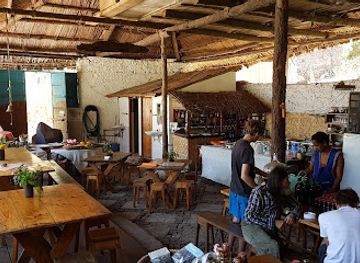
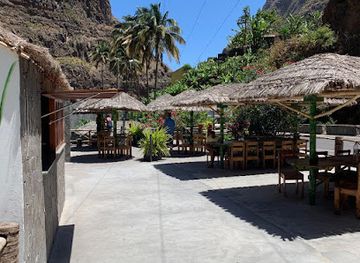
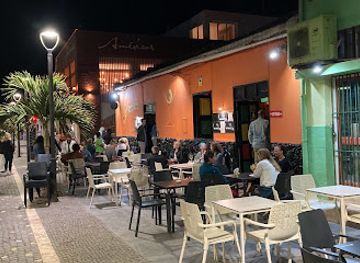
Santo Antão has limited nightlife, and evenings usually centre on family-run restaurants, small bars, cafés and traditional meeting places rather than large clubs. Porto Novo and Ribeira Grande have the widest choice of places for a drink, while Ponta do Sol and Paul may offer relaxed evenings with music, conversation and views of the coast or valley. Grogue and other local drinks appear alongside beer, soft drinks and coffee, but alcohol is not necessary to participate in island social life. Occasional cultural performances, community celebrations and live music may animate a town or village, although these are not dependable nightly attractions. In rural areas, restaurants and guesthouses can be quiet after dinner, making them suitable bases for early starts on walking routes. Ask locally about current events rather than relying on permanent claims about particular venues, since opening arrangements and seasonal activity can change.
-
Restaurant
O Curral
Experience authentic Cape Verdean flavors at O Curral, a cozy restaurant in Pombas offering a delightful culinary journey.
-
Bar
Melícia
Experience the vibrant nightlife of Corda at Melícia, where local culture meets delicious drinks and friendly faces.
-
Bar
Relax Montanha
Experience the beauty of Cape Verde at Relax Montanha, the serene bar offering stunning views and delightful local drinks.
-
 Restaurant
Casa Cavoquinho
Discover authentic Cape Verdean flavors at Casa Cavoquinho, a charming restaurant and guest house in the heart of Santo Antão.
Best nightclubs in Santo Antão
Santo Antão has limited nightlife, and evenings usually centre on family-run restaurants, small bars, cafés and traditional meeting places rather than large clubs. Porto Novo and Ribeira Grande have the widest choice of places for a drink, while Ponta do Sol and Paul may offer relaxed evenings with music, conversation and views of the coast or valley. Grogue and other local drinks appear alongside beer, soft drinks and coffee, but alcohol is not necessary to participate in island social life. Occasional cultural performances, community celebrations and live music may animate a town or village, although these are not dependable nightly attractions. In rural areas, restaurants and guesthouses can be quiet after dinner, making them suitable bases for early starts on walking routes. Ask locally about current events rather than relying on permanent claims about particular venues, since opening arrangements and seasonal activity can change.
-
Club
Bikini Beach Club
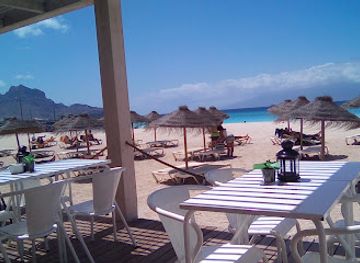
Bikini Beach Club: Your ultimate destination for beach relaxation and vibrant nightlife in Cabo Verde.
-
Bar
Buddy Bar
Experience the lively nightlife of Santa Maria at Buddy Bar, where creative cocktails and vibrant ambiance await every visitor.
-
Bar
Kalimba Beach Club By Oásis Atlântico
Experience the vibrant atmosphere at Kalimba Beach Club, Mindelo's premier bar for relaxation, cocktails, and stunning ocean views.
-
Bar
Pub Calema
Discover the heart of Santa Maria's nightlife at Pub Calema, where locals and tourists unwind with drinks, music, and a welcoming atmosphere.


Best shops in Santo Antão
Shopping on Santo Antão is modest and locally focused rather than centred on large retail complexes. Porto Novo and Ribeira Grande have the broadest selection of everyday shops, small supermarkets and market stalls, while village stores provide basic provisions rather than specialist souvenirs. Visitors can look for locally produced grogue, coffee, fruit preserves and other agricultural products, subject to transport and customs rules when taking liquids or food overseas. Small craft items, woven goods and practical handmade products may be available through guesthouses, community initiatives or local sellers, but stock is not uniform and bargaining should remain courteous. Markets and food stalls are useful for seeing seasonal produce such as bananas, mangoes, root vegetables and sugar cane, particularly in the more fertile valleys. Buying directly from growers, distillers and small producers can support local livelihoods, but ask about provenance and production methods rather than assuming every bottle or craft item is formally packaged for export.
-
Gift shop
Capvertdesign+Artesanato
Explore the vibrant culture of Cape Verde at Capvertdesign+Artesanato, your go-to shop for unique crafts and authentic souvenirs in Mindelo.
-
Store
Shop Fair Trade Djunta Mo Art
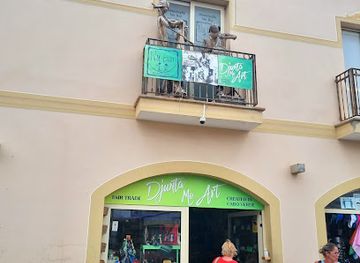
Discover authentic Cape Verdean crafts at Djunta Mo Art, a vibrant fair trade store in Santa Maria that supports local artisans and sustainable practices.
-
Gift shop
Pension Chez Sandro
Experience the beauty of Vallée de Paul at Pension Chez Sandro, where cozy accommodations meet delightful local crafts in a stunning setting.
-
Store
Loja de Branco
Explore Loja de Branco in Mindelo for authentic Cape Verdean crafts and souvenirs that capture the essence of the island's vibrant culture.

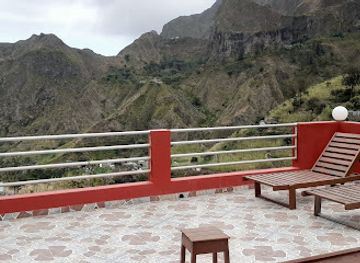
Get your free copy of our complete guide to Santo Antão, delivered straight to you.
Everything on this page, from attractions and restaurants to essentials and local phrases, in one PDF you can read offline, print or share.
Already have an account? Sign in
Your Santo Antão guide is ready.
We'll send it to · Not you? Sign out

Getting your guide ready…
We are putting together a fresh copy of the Santo Antão guide. This can take up to a minute.
This can take a few moments. If your browser asks, choose Allow so the download can start. You'll find the guide in your Downloads folder.
Nothing happened? Download it again
Sorry, the guide is taking longer than usual. Please try again in a minute, or get it by email instead.
Santo Antão essentials
Currency and Payment
Safety
Emergency Situations
Do's and Don'ts
Local Tips
From Eve
Local phrases worth knowing
You don't need to get them perfect. A few words go a long way, and locals appreciate the effort.
Basics
| English | Local | Say it |
|---|---|---|
| Hello | Olá | [oh-lah] |
| Goodbye | Adeus | [ah-deh-oos] |
| Yes | Sim | [seem] |
| No | Não | [now] |
| Please/You're welcome | Por favor | [por fah-vor] |
| Thank you | Obrigado | [oh-bree-gah-doo] |
| Excuse me/Sorry | Desculpe | [des-kool-peh] |
| How are you? | Como está? | [koh-moo es-tah] |
| Fine. And you? | Bem. E você? | [baym. eh vo-seh] |
| Do you speak English? | Você fala inglês? | [vo-seh fah-lah een-gles] |
| I don't understand | Não entendo | [now en-ten-doo] |
Eating & Drinking
| English | Local | Say it |
|---|---|---|
| I'd like to see the menu, please | Quero ver o menu, por favor | [keh-roh vehr oo meh-noo, por fah-vor] |
| I don't eat meat | Não como carne | [now koh-moo kar-nee] |
| Cheers! | Saúde! | [sah-oo-deh] |
| I would like to pay, please | Quero pagar, por favor | [keh-roh pah-gar, por fah-vor] |
Emergencies
| English | Local | Say it |
|---|---|---|
| Help! | Ajuda! | [ah-zhoo-dah] |
| Go away! | Vai embora! | [vai em-boh-rah] |
| Call the Police! | Chame a polícia! | [sha-meh ah poh-lee-see-ah] |
| Call a doctor! | Chame um médico! | [sha-meh oom meh-dee-koh] |
| I'm lost | Estou perdido | [es-toh per-dee-doo] |
| I'm ill | Estou doente | [es-toh do-ehn-teh] |
Shopping
| English | Local | Say it |
|---|---|---|
| I'd like to buy... | Quero comprar... | [keh-roh kom-prahr] |
| I'm just looking | Estou só a ver | [es-toh soh a vehr] |
| How much is it? | Quanto custa? | [kwan-toh koos-tah] |
| That's too expensive | É muito caro | [eh mu-een-toh kah-roh] |
| Can you lower the price? | Pode baixar o preço? | [poh-deh bye-shar oo preh-soo] |
Time & Numbers
| English | Local | Say it |
|---|---|---|
| What time is it? | Que horas são? | [keh oh-ras sah-ooh] |
| It's one o'clock | É uma hora | [eh oo-mah oh-rah] |
| Half past (10) | Meia hora (10) | [meh-yah oh-rah (10)] |
| Morning | Manhã | [mahn-yah] |
| Afternoon | Tarde | [tar-deh] |
| Evening | Noite | [noy-teh] |
| Yesterday | Ontem | [on-tem] |
| Today | Hoje | [oh-zhay] |
| Tomorrow | Amanhã | [ah-mahn-yah] |
| 1 | 1 | [um] |
| 2 | 2 | [dois] |
| 3 | 3 | [três] |
| 4 | 4 | [quatro] |
| 5 | 5 | [cinco] |
| 6 | 6 | [seis] |
| 7 | 7 | [sete] |
| 8 | 8 | [oito] |
| 9 | 9 | [nove] |
| 10 | 10 | [dez] |
Transport & Directions
| English | Local | Say it |
|---|---|---|
| Where's a/the...? | Onde fica um/uma...? | [on-deh fee-kah oom/oo-mah] |
| What's the address? | Qual é o endereço? | [kwal eh oo en-deh-reh-soo] |
| Can you show me (on the map)? | Pode me mostrar (no mapa)? | [poh-deh meh mohs-trar (no mah-pah)] |
| When's the next (bus)? | Quando é o próximo (autocarro)? | [kwan-doo eh oo proh-see-moo (ow-toh-kah-roo)] |
| A ticket (to ....) | Um bilhete (para ...) | [oom bee-lyeh-teh (pah-rah ...)] |
History of Santo Antão
Volcanic formation and early settlement
Santo Antão was formed by volcanic activity, leaving a mountainous island of steep ridges, ravines and high plateaux. Unlike some of the flatter islands in Cabo Verde, its terrain strongly influenced settlement and agriculture. Portuguese colonisation began in the late fifteenth century, after the archipelago’s uninhabited islands were encountered during Atlantic exploration. Early communities concentrated around accessible valleys and coastal areas, gradually adapting imported crops, livestock and farming techniques to a demanding environment.
Portuguese colonial development
During the colonial period, Santo Antão developed as an agricultural island within the Portuguese-controlled Cabo Verde archipelago. Ribeira Grande and other valley settlements became local centres of administration, trade and religious life, while scattered farms occupied land wherever water could be captured. The island’s steep topography limited large-scale development but encouraged intensive cultivation on terraces. Churches, village layouts and old footpaths preserve elements of this colonial-era landscape.
Sugar cane, distilling and valley agriculture
Sugar cane became important in Santo Antão’s warmer, wetter valleys, where small-scale cultivation could thrive despite difficult terrain. Its processing eventually supported the production of grogue, a sugar-cane spirit that remains closely associated with the island. Terracing, irrigation channels and stone retaining walls enabled farmers to grow cane alongside bananas, beans, maize, fruit and other crops. Agriculture continues to shape the appearance, economy and food culture of the Paul and Ribeira Grande areas.
Famine, emigration and a changing population
Like other Cabo Verdean islands, Santo Antão suffered from drought and famine, especially during the severe nineteenth-century crises that affected the archipelago. Limited rainfall, fragile soils and colonial economic conditions made food shortages particularly damaging. Emigration became an important response, contributing to the extensive Cabo Verdean diaspora and changing the social structure of island communities. Remittances later helped families improve homes and support local livelihoods, although outward migration has also contributed to population decline in some rural settlements.
Roads across the mountains
For much of Santo Antão’s history, footpaths were the principal links between valleys and villages. The construction of mountain roads, including routes crossing the central highlands and descending towards Ribeira Grande, transformed access to markets, schools and public services. The famous old cobbled roads remain visually and historically important, even where newer roads provide the practical connection. Their retaining walls, switchbacks and bridges demonstrate the considerable labour required to connect communities across volcanic terrain.
Independence and Cabo Verdean nationhood
Cabo Verde became independent from Portugal in 1975, and Santo Antão became part of the new republic rather than a separate political territory. National development brought improvements in education, transport, health services and infrastructure, while the island retained strong local identities rooted in valley, parish and community life. Porto Novo expanded as the principal maritime gateway, strengthening its role in the movement of people and goods between Santo Antão and the rest of the country.
Contemporary hiking and sustainable tourism
From the late twentieth century onwards, Santo Antão became increasingly recognised for walking, mountain scenery and rural cultural landscapes. Tourism has created income for guides, guesthouses, drivers, restaurants and small producers, particularly around Paul, Ribeira Grande and Ponta do Sol. The island’s appeal remains dependent on its working landscapes and fragile trails. Responsible tourism therefore involves using local services, respecting cultivated land and avoiding pressure on water resources and waste systems.
Santo Antão in Photos
Browse through our photo collection highlighting the charm and character of the destination.
Neighbouring regions of Santo Antão
The closest regions to Santo Antão, if you have time for more than one.
-

-

-

-

-


Swipe for more regions
Explore more
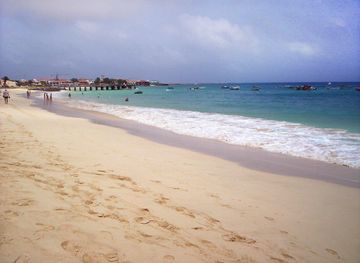
Explore more of Cabo Verde
Discover Cabo Verde: An enchanting archipelago offering beautiful beaches, vibrant culture, and unforgettable adventures, all set against a backdrop of stunning landscapes.
Explore Cabo Verde