Solstice Canyon, Malibu Travel Guide
Discover Malibu's hidden gem: Hike through history and nature in Solstice Canyon, where waterfalls, ruins, and ocean views await just off the Pacific Coast Highway.
Solstice Canyon, nestled in the Santa Monica Mountains near Malibu, offers a captivating blend of natural beauty and historical intrigue. This accessible park features a variety of hiking trails, from easy strolls along a shaded creek to more challenging climbs with panoramic ocean views. Discover the ruins of the Keller House, the oldest stone structure in Malibu, and the remnants of the Roberts Ranch House, a mid-century modern masterpiece designed by renowned architect Paul Revere Williams. The canyon's perennial waterfall, diverse plant life, and rich history make it a memorable destination for hikers of all levels. Be sure to arrive early, especially on weekends, as parking is limited. Remember to bring water, wear sturdy shoes, and be aware of potential hazards such as ticks and poison oak. Solstice Canyon promises a rewarding outdoor experience just a short drive from the Pacific Coast Highway.
A brief summary to Solstice Canyon
- 3455 Solstice Canyon Rd, Malibu, California, 90265, US
- Click to display
- Click to display

Know before you go
Hi, I'm Eve. Here are a few practical things to know before exploring Solstice Canyon.
- Arrive early, especially on weekends, as parking is limited and the lots fill up quickly. Consider carpooling to reduce congestion.
- Bring plenty of water, wear sturdy hiking shoes, and be prepared for sun exposure, even on cooler days.
- Be aware of potential hazards such as ticks, poison oak, and rattlesnakes. Stay on marked trails and check yourself for ticks after your hike.
- Download a trail map before you go, as cell service can be unreliable in some areas of the canyon.
- Explore the ruins of both the Keller House and the Roberts Ranch House to get a glimpse into the canyon's rich history.
Do you manage this location?
Take control to get all the benefits, like improved information, better appearance, and stronger visibility across AI-powered discovery. Learn more about listing your business on Evendo
Activate your presenceOther nearby places you may find interesting
The closest places of the same kind, if this one is not quite what you had in mind.
Explore Solstice Canyon on the Map
A handpicked selection of must-see spots near Solstice Canyon, mapped for you.
Unlock the Best of Solstice Canyon
Buy tickets
-
No tickets available
Book tours with entry


Book tours without entry
-
No tours available
Getting There
-
Driving
From Pacific Coast Highway (PCH), turn inland onto Corral Canyon Road. Drive approximately 0.25 miles to the park entrance on the left. Continue along Solstice Canyon Road to reach either of the two parking lots. Be aware that parking is limited and fills up quickly, especially on weekends. If the lots are full, you may need to park along Corral Canyon Road, ensuring your car is completely outside the road striping to avoid towing. Walking from Corral Canyon Road to the trailhead adds about a mile to your hike.
-
Public Transport
The Metro Bus line 534 runs along Pacific Coast Highway (PCH) and has a stop near Corral Canyon Road. From the bus stop, walk inland along Corral Canyon Road approximately 0.25 miles to reach the park entrance on the left. The bus fare is $1.75 per ride. Download the TAP app for easy fare payment. Be aware that bus schedules may be limited, especially on weekends and holidays. Check the LA Metro website or app for the most up-to-date schedule information.
Discover more about Solstice Canyon













Your all‑in‑one travel companion app
Explore expert travel guides, compare and book tours, experiences, hotels, and more—all from the palm of your hand. Download now for seamless trip planning wherever your wanderlust takes you.


Explore More of Malibu
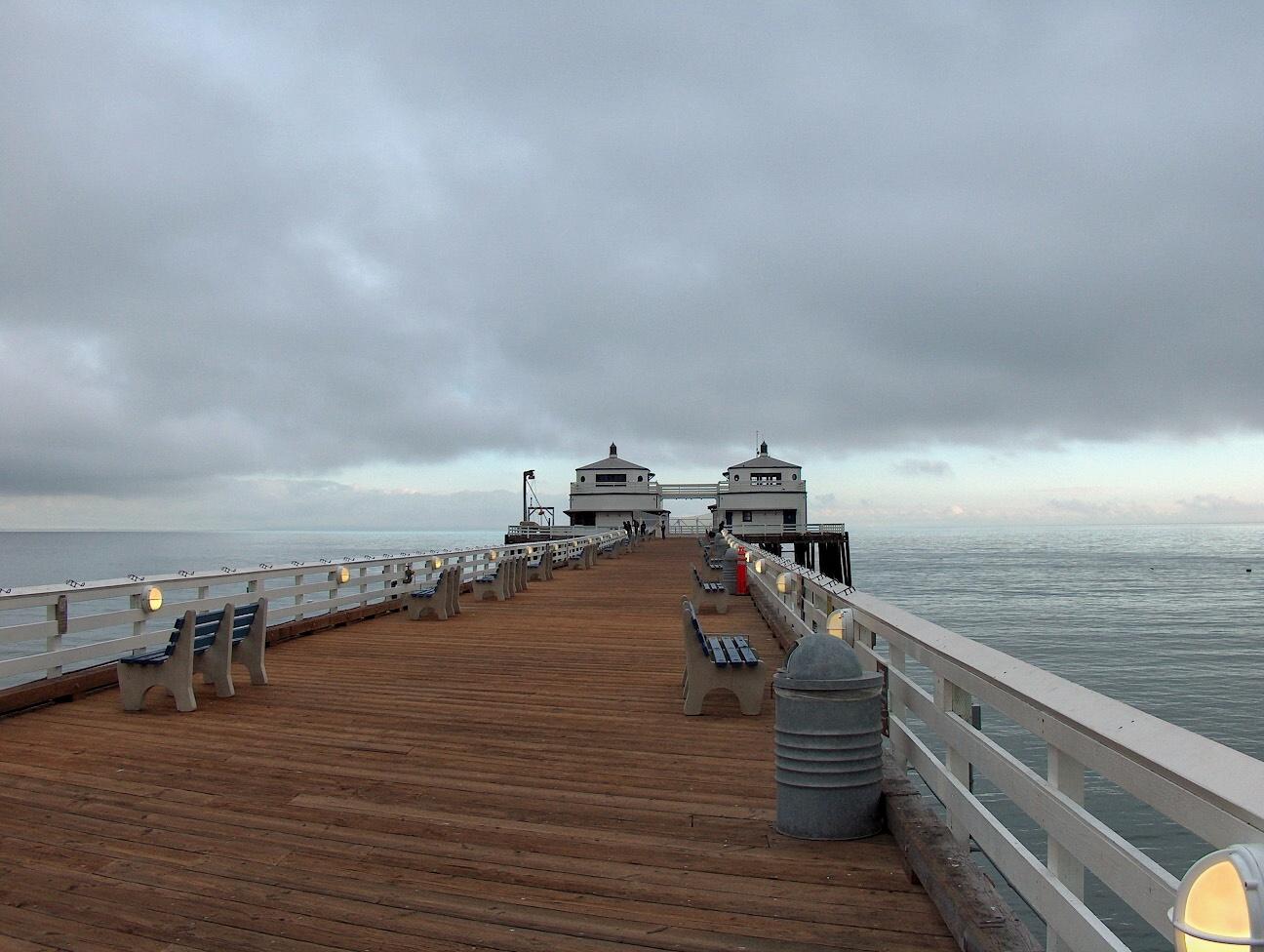
Looking beyond Solstice Canyon? Discover Malibu for broader travel guides, local hot-spots, and regional highlights.
Explore Malibu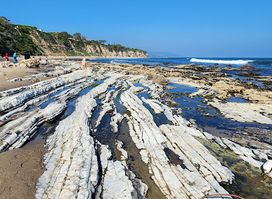
Discover Malibu's hidden gem: El Matador State Beach, where dramatic sea stacks meet pristine shores for an unforgettable coastal escape. A must-see for nature lovers and photographers.
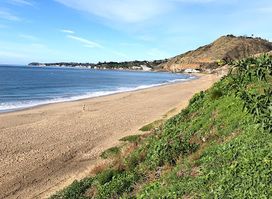
Discover a tranquil Malibu escape at Dan Blocker Beach, offering stunning ocean views, diverse activities, and a rich history along the iconic Pacific Coast Highway.