

Free Stockton Travel Guide & Mobile App
Plan your Stockton trip with Evendo. Get free guides to top attractions, restaurants, hotels, and bars. Web access or download the mobile app.


Stockton, California blends Delta waterways, Gold Rush history, diverse food, waterfront attractions, museums and Central Valley culture for curious visitors.
Waterways and Central Valley Setting
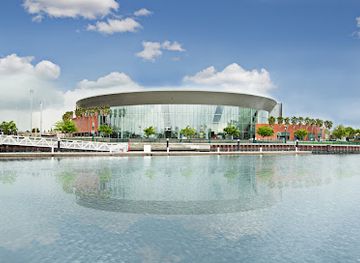
Stockton lies at the northern edge of California’s fertile San Joaquin Valley, where the city’s streets meet the waterways of the Sacramento–San Joaquin Delta. The surrounding landscape is shaped by orchards, vineyards, fields and sloughs, while the Stockton Marina and waterfront provide an accessible introduction to the region’s relationship with water. Downtown, the waterfront promenade, Banner Island Ballpark and Stockton Arena form a compact area for exploring the city’s civic and recreational life.Read more about Stockton
Gold Rush Origins and Western Heritage
Culture, Food and Neighbourhood Life
When is the best time to visit Stockton?
Best: May–June, October · 24–29°C| Month | High (°C) | Rainfall (mm) |
|---|---|---|
| January | 13 | 57 |
| February | 15 | 49 |
| March | 18 | 44 |
| April | 21 | 26 |
| May (best) | 24 | 13 |
| June (best) | 29 | 6 |
| July | 32 | 1 |
| August | 32 | 1 |
| September | 30 | 6 |
| October (best) | 24 | 16 |
| November | 17 | 36 |
| December | 13 | 53 |
Getting to and around Stockton
How to get there
Transportation
Best attractions in Stockton
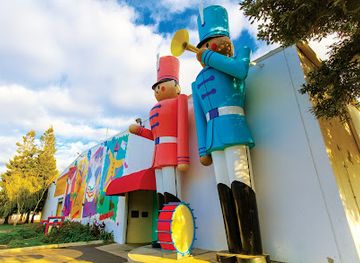
Stockton’s attractions reflect its position between Central Valley farmland and the Delta. The Haggin Museum in Victory Park combines Californian art with local and regional history, while the Children’s Museum of Stockton offers hands-on exhibits for younger visitors. Around the waterfront, the Downtown Stockton Marina, Weber Point Events Center and Stockton Arena create a lively civic and event precinct beside the San Joaquin River. Sports followers can watch the Stockton Ports at Banner Island Ballpark when the baseball season is under way. The Miracle Mile provides a more intimate urban experience, with independent businesses, cafés, restaurants and public art along Pacific Avenue. Families may also enjoy Pixie Woods, a long-established amusement park in Louis Park, while Oak Grove Regional Park offers trails, open space and a lake in the city’s northern area. Seasonal festivals, farmers’ markets and Delta-oriented activities add variety to the formal sightseeing circuit.
-
Tourist attraction
Adventist Health Arena
Experience the excitement at Adventist Health Arena in Stockton, California—your go-to spot for thrilling sports events and unforgettable concerts.
6 min walk · 0.5 km from city centre
-
Tourist attraction
Micke Grove Zoo
Discover exotic and native animals at Micke Grove Zoo, a family-friendly destination in Lodi's Micke Grove Regional Park.
34 min drive · 14 km from city centre
-
Tourist attraction
Adventist Health Arena
Adventist Health Arena in Stockton, CA: A hub for thrilling sports events and unforgettable concerts, perfect for every visitor's entertainment needs.
6 min walk · 0.5 km from city centre
-
Park
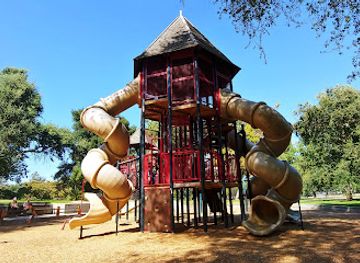
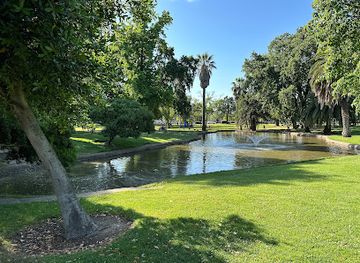
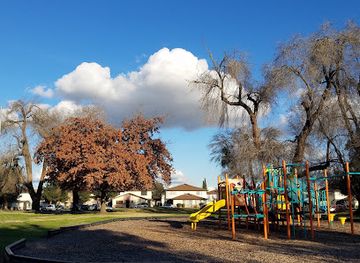
Victory Park
Discover the beauty of Victory Park in Stockton, where lush landscapes meet recreation and relaxation for an unforgettable outdoor experience.
6 min drive · 2.1 km from city centre

Best landmarks in Stockton
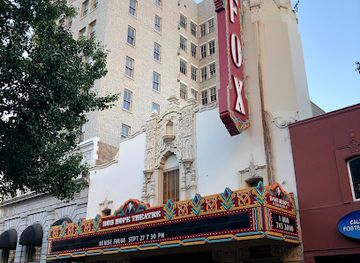
Stockton’s landmarks express its Gold Rush foundation, river-based commerce and later civic ambitions. The Bob Hope Theatre, originally opened in 1930 as the Fox California Theatre, is a prominent Spanish Colonial Revival-style performance building whose ornate interior reflects the era’s grand cinema architecture. The Haggin Museum in Victory Park is significant both as a cultural institution and as a record of Central Valley history, art and industry. Along the waterfront, the Stockton Deepwater Channel and Port of Stockton represent the city’s transformation into an inland maritime centre linked to San Francisco Bay. Weber Point Events Center commemorates the founder Charles M. Weber and occupies a central civic location near the river. The University of the Pacific campus, with its landscaped grounds and historic academic buildings, provides another notable architectural setting and has been part of Stockton’s educational life since 1924.
-
Event venue
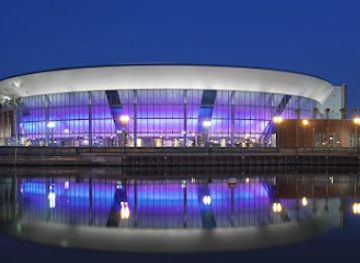
Adventist Health Arena
Stockton's premier entertainment venue for sports, concerts, and community events in the heart of the downtown waterfront.
6 min walk · 0.5 km from city centre
-
Performing arts theater
The Bob Hope Theatre
Experience the magic of a bygone era at Stockton's beautifully restored Bob Hope Theatre, a historic movie palace and vibrant performing arts venue.
8 min walk · 0.7 km from city centre
-
Park
Louis Park
A 60-acre riverfront park in Stockton offering sports, recreation, and community events for all ages. A perfect place for family fun and outdoor activities.
15 min drive · 4.9 km from city centre
-
Children's museum
Children's Museum, Stockton
Ignite curiosity at the Children's Museum of Stockton! Interactive exhibits and hands-on fun for kids of all ages.
10 min walk · 0.8 km from city centre
Explore Stockton on the map
Plan your Stockton trip on one map. See where the top attractions, landmarks, restaurants, bars and hotels are, find what's near where you're staying, and book hotels and experiences in a few clicks.
Best hotels in Stockton
Best restaurants in Stockton
Stockton’s food scene draws on the agricultural abundance of the San Joaquin Valley and the city’s long history of migration. Mexican restaurants and taquerias are widely represented, while Filipino, Vietnamese, Cambodian and other Asian food traditions reflect Stockton’s diverse communities. Central Valley produce, including asparagus, tomatoes, fruit and nuts, appears in markets and seasonal menus, linking everyday dining with the surrounding farms. The Miracle Mile is a useful area for independent restaurants, cafés and casual evening meals, while downtown and neighbourhood shopping centres provide additional choices. Bakers, coffee shops and family-run eateries often offer a more local perspective than chain outlets. Stockton’s food culture is best understood through its combination of regional ingredients and community traditions rather than through a single signature dish; the city’s farmers’ markets and seasonal events provide further opportunities to encounter local produce.
-
Italian
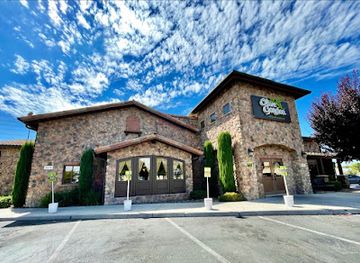
Olive Garden Italian Restaurant
Experience the rich flavors of Italy at Olive Garden in Stockton - where family dining meets culinary excellence.
16 min drive · 5.5 km from city centre
-
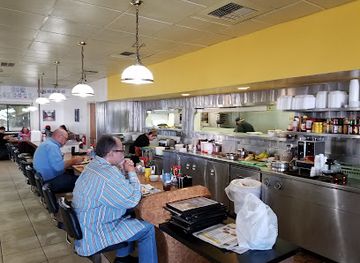
Breakfast
Omelet House
Discover the delightful taste of American breakfast at Omelet House in Stockton—famous for its delicious omelets and cozy atmosphere.
14 min drive · 4.8 km from city centre
-
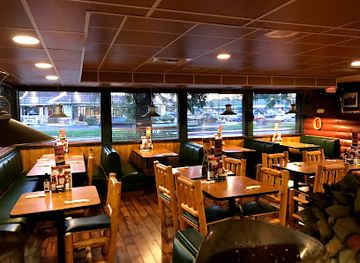
American
Lumberjacks Restaurant
Discover hearty American meals at Lumberjacks Restaurant in Stockton - perfect for breakfast lovers and comfort food enthusiasts alike.
23 min drive · 7.6 km from city centre
-
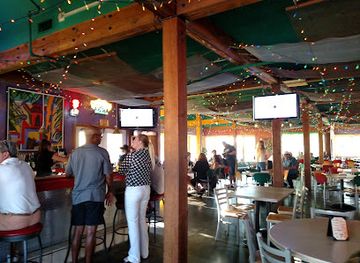
Restaurant
Garlic Brothers Restaurant and Bar
Experience delicious Italian cuisine and crafted cocktails at Garlic Brothers Restaurant & Bar in Stockton – A culinary delight for every palate.
25 min drive · 8.5 km from city centre
Best bars in Stockton
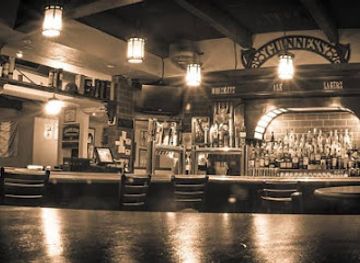
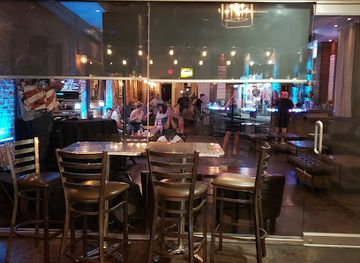
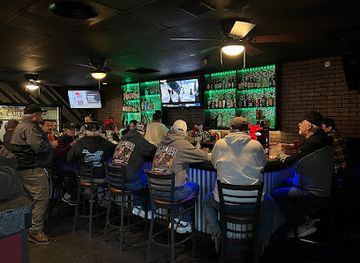
Stockton’s nightlife is moderate rather than club-centred, with evening activity concentrated around the Miracle Mile, downtown and venues connected with sport and live entertainment. The Miracle Mile has bars, lounges, cafés and restaurants where evenings tend to be social and unhurried, while downtown venues offer performances, community events and occasional live music. The Bob Hope Theatre presents concerts and other shows in a restored historic setting, and Stockton Arena and Banner Island Ballpark contribute to the city’s event calendar when games, concerts or organised gatherings are taking place. Breweries and cocktail-oriented venues form part of the contemporary scene, although opening patterns vary. Visitors should expect a spread-out nightlife environment, with driving or rideshare travel often necessary between districts and a quieter atmosphere outside scheduled events.
-
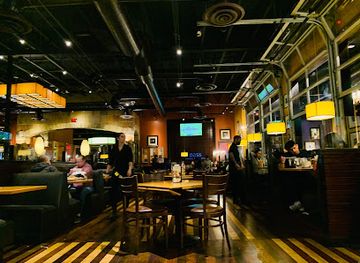
Bar
BJ's Restaurant & Brewhouse
Experience the lively atmosphere and diverse menu at BJ's Restaurant & Brewhouse, Stockton's premier spot for great food, craft beer, and sports.
16 min drive · 5.5 km from city centre
-
Irish pub
Finnegan's Irish Pub & Restaurant
Discover the lively atmosphere and delicious Irish-American cuisine at Finnegan's Irish Pub & Restaurant in Stockton, California.
17 min drive · 5.8 km from city centre
-
Lounge
AVE On The Mile
Discover AVE On The Mile: A vibrant lounge and bistro in Stockton, CA, offering exquisite dining and an inviting atmosphere for all occasions.
6 min drive · 1.9 km from city centre
-
Grill
Winn’s Bar & Grill
Discover the flavors of Stockton at Winn's Bar & Grill, where delicious grilled dishes and a lively atmosphere await every visitor.
12 min drive · 4.0 km from city centre
Best nightclubs in Stockton
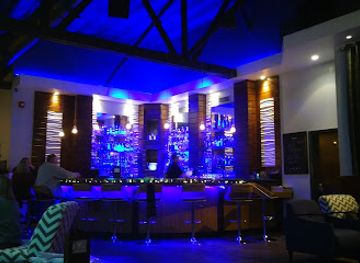
Stockton’s nightlife is moderate rather than club-centred, with evening activity concentrated around the Miracle Mile, downtown and venues connected with sport and live entertainment. The Miracle Mile has bars, lounges, cafés and restaurants where evenings tend to be social and unhurried, while downtown venues offer performances, community events and occasional live music. The Bob Hope Theatre presents concerts and other shows in a restored historic setting, and Stockton Arena and Banner Island Ballpark contribute to the city’s event calendar when games, concerts or organised gatherings are taking place. Breweries and cocktail-oriented venues form part of the contemporary scene, although opening patterns vary. Visitors should expect a spread-out nightlife environment, with driving or rideshare travel often necessary between districts and a quieter atmosphere outside scheduled events.
-
Lounge
AVE On The Mile
Experience the vibrant nightlife and delightful bistro cuisine at AVE On The Mile, Stockton's ultimate lounge destination for tourists.
6 min drive · 1.9 km from city centre
-
Bar
Harry's Cocktail Lounge
Experience the vibrant nightlife at Harry's Cocktail Lounge in Stockton, California, where expertly crafted cocktails meet a welcoming atmosphere.
6 min drive · 2.1 km from city centre
-
Night club
Deja Vu Showgirls Stockton Strip Club
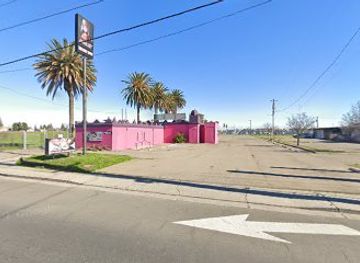
Explore the vibrant nightlife of Stockton at Deja Vu Showgirls, a premier adult entertainment club offering unforgettable performances and a lively bar atmosphere.
11 min drive · 3.8 km from city centre
-
Night club
Paradise Nightclub
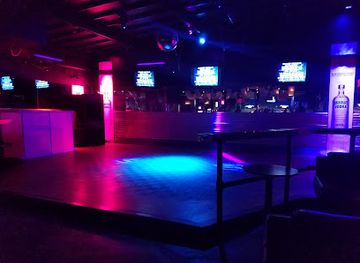
Discover the electrifying atmosphere of Paradise Nightclub, Stockton's premier LGBTQ+ dance venue for unforgettable nights filled with music and joy.
30 min drive · 10 km from city centre
Best shops in Stockton
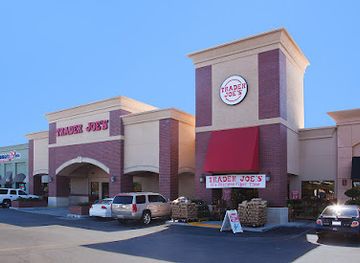
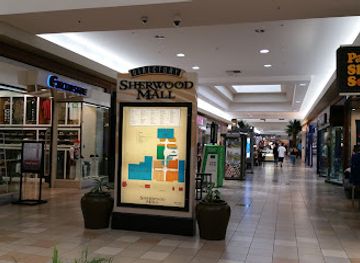
Stockton’s shopping ranges from independent neighbourhood businesses to large suburban retail centres. The Miracle Mile along Pacific Avenue is the most distinctive area for browsing smaller shops, boutiques, cafés and locally oriented services in a walkable setting. Lincoln Center and the Weberstown Mall area provide broader retail, dining and everyday shopping, while Sherwood Mall serves the north-western side of the city. Farmers’ markets are particularly relevant in a region known for orchards, vegetables, nuts and other agricultural products, offering seasonal produce and prepared foods when operating. Visitors may also find Mexican, Filipino and Asian groceries that reflect Stockton’s communities and provide a stronger sense of place than standard retail chains. Local purchases are most closely connected with Central Valley food products, speciality ingredients and small-business goods rather than a single established souvenir craft.
-
Shopping mall
Lincoln Center
Explore the vibrant Lincoln Center in Stockton, CA - a shopping mall that combines retail, dining, and entertainment for an unforgettable experience.
20 min drive · 6.7 km from city centre
-
Shopping mall
Sherwood Place
Sherwood Place: Your ultimate shopping destination in Stockton, California, offering a diverse array of stores and dining options.
15 min drive · 5.0 km from city centre
-
Shopping mall
Calaveras Square
Explore Calaveras Square in Stockton: A vibrant shopping mall with diverse stores, delicious dining, and a lively atmosphere perfect for tourists.
15 min drive · 4.9 km from city centre
-
Shopping mall
Stonecreek Village Shopping Center
Discover a vibrant shopping experience at Stonecreek Village Shopping Center in Stockton, CA, where retail therapy meets delightful dining and entertainment.
16 min drive · 5.5 km from city centre
Get your free copy of our complete guide to Stockton, delivered straight to you.
Everything on this page, from attractions and restaurants to essentials and local phrases, in one PDF you can read offline, print or share.
Already have an account? Sign in
Your Stockton guide is ready.
We'll send it to · Not you? Sign out

Getting your guide ready…
We are putting together a fresh copy of the Stockton guide. This can take up to a minute.
This can take a few moments. If your browser asks, choose Allow so the download can start. You'll find the guide in your Downloads folder.
Nothing happened? Download it again
Sorry, the guide is taking longer than usual. Please try again in a minute, or get it by email instead.
Stockton essentials
Currency and Payment
Safety
Emergency Situations
Do's and Don'ts
Local Tips
From Eve
Local phrases worth knowing
You don't need to get them perfect. A few words go a long way, and locals appreciate the effort.
Basics
| English | Local | Say it |
|---|---|---|
| Hello | Hey | [hey] |
| Goodbye | Later | [ley-ter] |
| Yes | Yeah | [yeh] |
| No | Nah | [nah] |
| Please/You're welcome | Please/No worries | [pleez/no wur-eez] |
| Thank you | Thanks | [th-anks] |
| Excuse me/Sorry | Excuse me/My bad | [ex-kyooz mee/my bad] |
| How are you? | How's it going? | [hows it go-in?] |
| Fine. And you? | Good. You? | [good. yoo?] |
| Do you speak English? | You speak English? | [yoo speek ing-glish?] |
| I don't understand | I don't get it | [I don't get it] |
Eating & Drinking
| English | Local | Say it |
|---|---|---|
| I'd like to see the menu, please | Can I see the menu, please | [kan eye see the m-eh-n-yoo, pleez] |
| I don't eat meat | I don't do meat | [I don't do meat] |
| Cheers! | Cheers! | [cheers] |
| I would like to pay, please | I want to pay, please | [I want to pay, please] |
Emergencies
| English | Local | Say it |
|---|---|---|
| Help! | Help! | [help!] |
| Go away! | Get lost! | [get lost!] |
| Call the Police! | Call the cops! | [call the cops!] |
| Call a doctor! | Call a doc! | [call a doc!] |
| I'm lost | I'm lost | [I'm lost] |
| I'm ill | I'm sick | [I'm sick] |
Shopping
| English | Local | Say it |
|---|---|---|
| I'd like to buy... | I wanna buy... | [I wanna buy...] |
| I'm just looking | I'm just browsing | [I'm just browsing] |
| How much is it? | How much does it cost? | [how much duz it cost?] |
| That's too expensive | That's pricey | [thatz pr-eye-see] |
| Can you lower the price? | Can you drop the price? | [kan yoo drop the price?] |
Time & Numbers
| English | Local | Say it |
|---|---|---|
| What time is it? | What's the time? | [whats the time?] |
| It's one o'clock | It's one | [It's one] |
| Half past (10) | Ten thirty | [ten thur-tee] |
| Morning | Morning | [Morning] |
| Afternoon | Afternoon | [Afternoon] |
| Evening | Evening | [Evening] |
| Yesterday | Yesterday | [Yesterday] |
| Today | Today | [Today] |
| Tomorrow | Tomorrow | [Tomorrow] |
| 1 | One | [One] |
| 2 | Two | [Two] |
| 3 | Three | [Three] |
| 4 | Four | [Four] |
| 5 | Five | [Five] |
| 6 | Six | [Six] |
| 7 | Seven | [Seven] |
| 8 | Eight | [Eight] |
| 9 | Nine | [Nine] |
| 10 | Ten | [Ten] |
Transport & Directions
| English | Local | Say it |
|---|---|---|
| Where's a/the...? | Where's the...? | [wheres the...?] |
| What's the address? | What's the address? | [whats the address?] |
| Can you show me (on the map)? | Can you show me (on the map)? | [kan yoo show me (on the map)?] |
| When's the next (bus)? | When's the next (bus)? | [whens the next (bus)?] |
| A ticket (to ....) | A ticket (to ....) | [A ticket (to ....)] |
History of Stockton
Yokuts Homeland and Delta Environment
Before the arrival of European settlers, the wider San Joaquin Valley and Delta region were home to Indigenous peoples, including groups commonly identified as Yokuts. Their lives were closely connected to the rivers, wetlands, tule marshes and productive seasonal landscape. The waterways supported fishing, hunting, gathering and movement through a region whose geography would later shape Stockton’s commercial importance. European and Mexican incursions altered these established communities through disease, displacement and the transformation of land and water management. Understanding this earlier history places Stockton within a much longer human story than its nineteenth-century founding suggests, while the Delta remains a visible reminder of the environmental setting that supported settlement and agriculture.
Mexican Land Grants and Early Settlement
During the Mexican period of California, the Stockton area formed part of the vast Rancho Campo de los Franceses, granted in 1844 to Charles M. Weber and William Gulnac. Weber, a German immigrant who had arrived in California during the 1840s, later acquired control of the grant and began developing a settlement near the navigable waterways. The site’s position offered access to inland districts and provided a practical base for trade. Mexican rule ended with the American conquest of California in 1846, but the landholding patterns and settlement ambitions established during this period influenced the town that emerged during the following decade.
A Gold Rush City Takes Shape
Charles M. Weber founded Stockton in 1849, during the rush that followed the discovery of gold in the Sierra Nevada. He named the settlement after Commodore Robert F. Stockton, a United States naval officer associated with the conquest of California during the Mexican-American War. Stockton’s location on the San Joaquin River made it a supply and transport centre for miners travelling towards the southern goldfields. The town was incorporated in 1850, the same year California entered the Union. Gold Rush commerce encouraged warehouses, hotels, workshops and river traffic, establishing the trading character that continued after the mining boom subsided.
Railways, Agriculture and Industrial Growth
After the Gold Rush, Stockton’s economy increasingly depended on agriculture, food processing, river transport and rail connections. The Stockton and Copperopolis Railroad, completed in the 1860s, linked the city with mining districts and strengthened its role as an inland distribution point. Railways later connected Stockton with larger Californian markets, while irrigation and improved farming techniques expanded production in the San Joaquin Valley. The city became associated with grain, fruit, vegetables and other agricultural goods, and its warehouses, mills and transport facilities reflected the relationship between urban growth and rural production. This period gave Stockton an economic foundation that remained important throughout the twentieth century.
The Port and the Deepwater Channel
Stockton’s connection with the Delta was reinforced when the Stockton Deepwater Channel was completed in the 1930s, creating a navigable link between the city and San Francisco Bay. The Port of Stockton developed as a major inland port, handling agricultural commodities, industrial materials and other cargo. The project altered the river landscape and strengthened Stockton’s position within regional and international trade. Port activity also encouraged industrial development along the waterfront, while the city’s civic buildings and neighbourhoods expanded away from the original settlement. Modern Stockton therefore reflects two overlapping histories: a river town shaped by small-scale navigation and a planned port city connected to wider shipping networks.
A Diverse Modern City
Twentieth-century Stockton grew through migration, agricultural employment, manufacturing, public-sector development and expansion into surrounding residential districts. Communities from Mexico, the Philippines, Southeast Asia and many other parts of the world helped shape the city’s cultural life, businesses and culinary traditions. Institutions such as the University of the Pacific, which has been located in Stockton since 1924, added an educational and architectural presence. Downtown renewal, waterfront redevelopment and the restoration or continued use of historic theatres and civic buildings have since contributed to the city’s contemporary identity. Stockton today remains closely tied to agriculture and logistics while presenting itself through museums, performing arts, sport and Delta-oriented recreation.
Stockton in Photos
Browse through our photo collection highlighting the charm and character of the destination.
Cities near Stockton
The closest cities to Stockton, if you have time for more than one stop.
-

-

-

-

-


Swipe for more cities
Explore more
Explore more of California
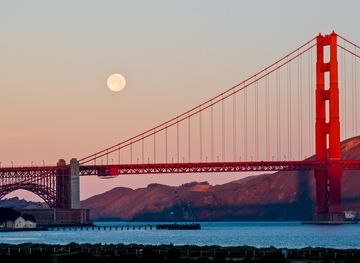
Discover California: A land of diverse landscapes, iconic cities, and endless adventures, from sun-soaked beaches to towering redwoods and vibrant cultural experiences.
Explore California