

Free Lodi Travel Guide & Mobile App
Plan your Lodi trip with Evendo. Get free guides to top attractions, restaurants, hotels, and bars. Web access or download the mobile app.


Discover Lodi, California: A picturesque city known for its world-class wineries, charming downtown, and beautiful natural attractions in the heart of the Central Valley.
Read more about Lodi
When is the best time to visit Lodi?
Best: April–May, October · 22–26°C| Month | High (°C) | Rainfall (mm) |
|---|---|---|
| January | 14 | 68 |
| February | 16 | 53 |
| March | 20 | 47 |
| April (best) | 22 | 23 |
| May (best) | 26 | 13 |
| June | 30 | 3 |
| July | 33 | 0 |
| August | 32 | 3 |
| September | 30 | 8 |
| October (best) | 24 | 25 |
| November | 17 | 46 |
| December | 14 | 64 |
Getting to and around Lodi
How to get there
Transportation
Best attractions in Lodi
Lodi, California, offers a unique blend of history, culture, and natural beauty that will captivate visitors of all interests. From the charming downtown area with its quaint shops and delicious restaurants, to the picturesque vineyards and wineries that produce award-winning wines, there is something for everyone to enjoy. Explore the rich agricultural heritage at the World of Wonders Science Museum, or take a leisurely stroll through the beautiful Lodi Lake Park. Don't miss the chance to attend one of Lodi's famous festivals or events, where you can immerse yourself in the local culture and hospitality. Whether you are a wine enthusiast, history buff, or outdoor adventurer, Lodi has something special waiting for you.
-
Tourist attraction
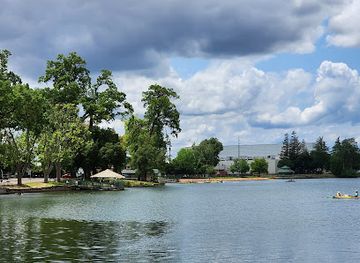
Lodi Lake
Experience the natural beauty and tranquility of Lodi Lake, a perfect destination for outdoor lovers and families seeking leisure in California.
8 min drive · 2.5 km from city centre
-
Tourist attraction
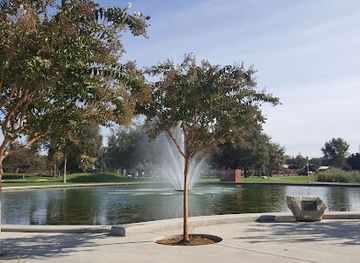
Lodi Lake Wilderness Area
Explore Lodi Lake Wilderness Area, a serene nature preserve perfect for hiking, fishing, and enjoying scenic views in Lodi, California.
8 min drive · 2.7 km from city centre
-
Tourist attraction
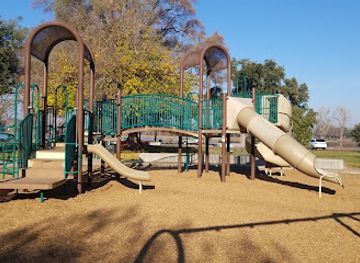
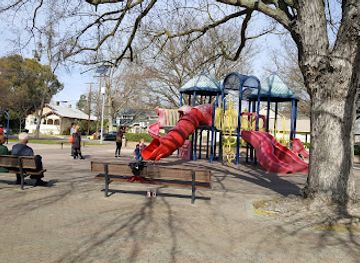
Emerson Park
Explore Emerson Park, a serene retreat in Lodi, California, perfect for outdoor activities, picnics, and family fun in nature's embrace.
11 min walk · 0.9 km from city centre
-
Tourist attraction
Micke Grove Water Park
Discover the thrilling water attractions and serene landscapes of Micke Grove Water Park, a family-friendly destination in Lodi, California.
15 min drive · 4.9 km from city centre
Best landmarks in Lodi
Lodi offers visitors a charming blend of history, culture, and natural beauty. From the iconic Lodi Arch in downtown to the historic Hill House Museum, visitors can immerse themselves in the city's rich heritage. Wine lovers will delight in the numerous vineyards and wineries scattered throughout the area, offering tastings and tours. Nature enthusiasts can explore the scenic Lodi Lake Park or take a leisurely stroll through the beautiful Micke Grove Regional Park. With its welcoming community and diverse attractions, Lodi is a must-visit destination for any traveler.
-
Park
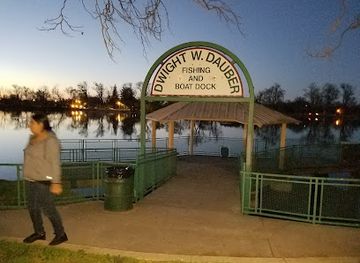
Lodi Lake
Discover the natural beauty and tranquility of Lodi Lake, a perfect retreat for relaxation, recreation, and outdoor adventures in Lodi, California.
8 min drive · 2.5 km from city centre
-
Zoo
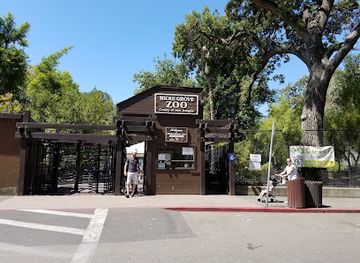
Micke Grove Zoo
Explore the enchanting wildlife and beautiful landscapes at Micke Grove Zoo in Lodi, a perfect family-friendly destination in California.
17 min drive · 5.7 km from city centre
-
Resort hotel
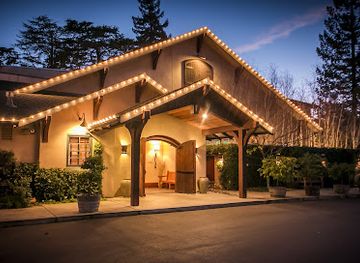
Wine & Roses Hotel, Spa & Restaurant
Discover the ultimate retreat at Wine & Roses Hotel, Spa & Restaurant, blending luxury with the charm of California's wine country.
11 min drive · 3.5 km from city centre
-
Family-friendly
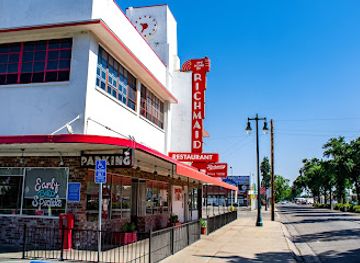
Richmaid Restaurant
Discover Richmaid Restaurant: A family-friendly dining gem in Lodi, California, serving delicious breakfast and lunch with a welcoming atmosphere.
14 min walk · 1.1 km from city centre
Explore Lodi on the map
Plan your Lodi trip on one map. See where the top attractions, landmarks, restaurants, bars and hotels are, find what's near where you're staying, and book hotels and experiences in a few clicks.
Best hotels in Lodi
Best restaurants in Lodi
Lodi offers a diverse dining scene that caters to all tastes and preferences. From farm-to-table restaurants serving fresh local produce to family-owned Italian eateries with authentic cuisine, visitors can indulge in a variety of culinary delights. The city is also known for its vibrant wine culture, with many wineries offering wine tastings paired with delicious bites. Whether you're in the mood for a casual meal or a fine dining experience, Lodi has something for everyone to enjoy.
-
Italian
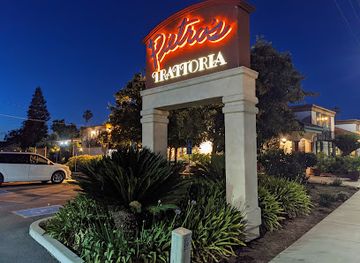
Pietro's Trattoria
Experience authentic Italian cuisine at Pietro's Trattoria in Lodi—where every dish tells a story of tradition and flavor.
5 min drive · 1.6 km from city centre
-
Breakfast
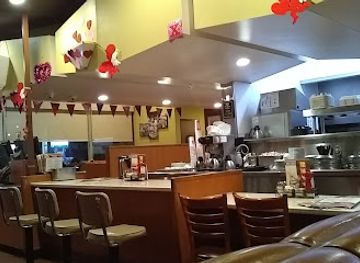
Denny's
Experience classic American comfort food at Denny's in Lodi - open 24/7 with delicious breakfast served all day!
6 min drive · 1.9 km from city centre
-
Fast Food
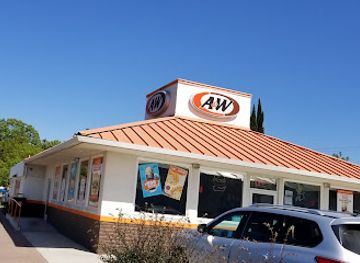
A&W Restaurant
Experience classic American fast food at A&W Restaurant in Lodi—home of the famous root beer and delicious hamburgers.
4 min walk · 0.3 km from city centre
-
American
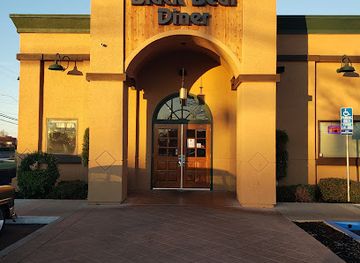
Black Bear Diner Lodi
Experience the charm of American comfort food at Black Bear Diner Lodi - where family-friendly dining meets delicious flavors.
10 min drive · 3.2 km from city centre
Best bars in Lodi
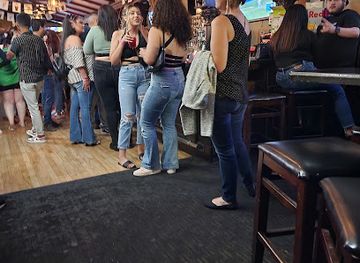
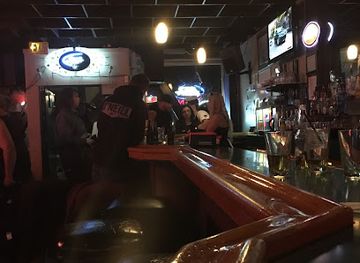
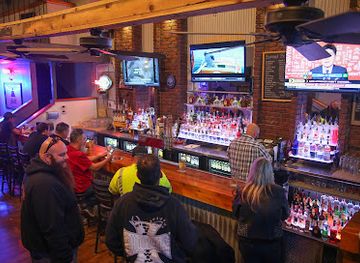
Lodi's nightlife scene offers a vibrant and eclectic mix of bars and nightclubs that cater to every taste and style. From cozy wine bars serving up local varietals to lively dance clubs playing the latest hits, visitors can expect a diverse range of options to enjoy a night out on the town. Whether you're looking for a laid-back evening sipping cocktails on a rooftop patio or a high-energy dance floor to let loose with friends, Lodi's nightlife scene has something for everyone to experience and enjoy.
-
Bar
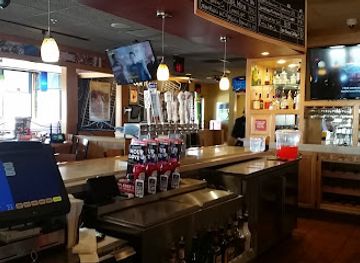
Chili's Grill & Bar
Discover a lively dining experience at Chili's Grill & Bar in Lodi, where American and Tex-Mex cuisine meet in a vibrant atmosphere.
11 min drive · 3.7 km from city centre
-
Brewpub
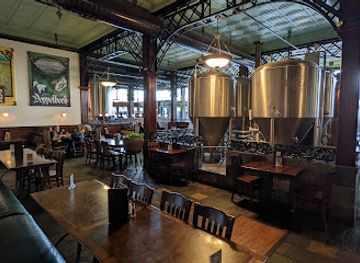
Lodi Beer Company
Discover Lodi Beer Company - a charming brewpub in California offering exceptional craft beers, delightful American cuisine, and a friendly atmosphere for all.
4 min walk · 0.3 km from city centre
-
Restaurant
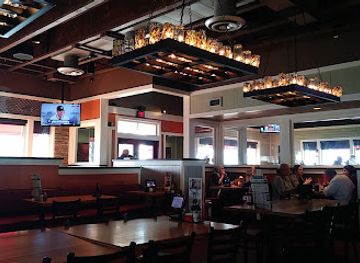
Applebee's Grill + Bar
Experience the casual charm of Applebee's Grill + Bar in Lodi, where delicious American cuisine meets warm hospitality for the perfect dining experience.
10 min drive · 3.4 km from city centre
-
Brewery
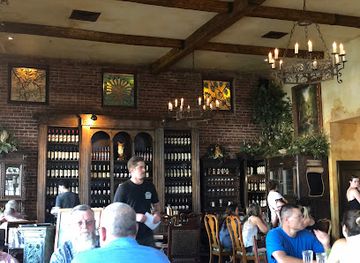
Dancing Fox Winery & Brewery
Experience the best of Lodi at Dancing Fox Winery & Brewery, where handcrafted beers, exquisite wines, and fresh baked goods come together in a delightful atmosphere.
3 min walk · 0.2 km from city centre
Best nightclubs in Lodi
Lodi's nightlife scene offers a vibrant and eclectic mix of bars and nightclubs that cater to every taste and style. From cozy wine bars serving up local varietals to lively dance clubs playing the latest hits, visitors can expect a diverse range of options to enjoy a night out on the town. Whether you're looking for a laid-back evening sipping cocktails on a rooftop patio or a high-energy dance floor to let loose with friends, Lodi's nightlife scene has something for everyone to experience and enjoy.
-
Bar
Ollies Pub
Experience the lively atmosphere and delicious offerings at Ollies Pub, a favorite bar and cafe in Lodi, California.
7 min walk · 0.5 km from city centre
-
Bar
Garry's Lounge
Discover the cozy charm of Garry's Lounge in Lodi, where local flavors and a vibrant atmosphere create unforgettable moments.
5 min walk · 0.4 km from city centre
-
Bar
Stadium
Discover the vibrant nightlife at Stadium Bar in Lodi, CA - a perfect blend of lively atmosphere and extensive drink selection.
5 min drive · 1.7 km from city centre
-
Bar
Stooges Bar & Lounge
Experience the vibrant nightlife at Stooges Bar & Lounge, where great drinks and a welcoming atmosphere await in Lodi, California.
6 min walk · 0.5 km from city centre
Best shops in Lodi
Lodi offers a unique shopping experience for visitors, with a charming mix of boutique shops, antique stores, and local artisans showcasing their handmade goods. Stroll through the historic downtown area to discover one-of-a-kind treasures, from vintage clothing to handcrafted jewelry. The local farmers market is a must-visit for fresh produce and homemade treats, while the nearby vineyards offer a selection of wines to bring home as souvenirs. Whether you're looking for a special gift or simply want to explore the local culture, Lodi's shopping scene has something for everyone.
-
Clothing store
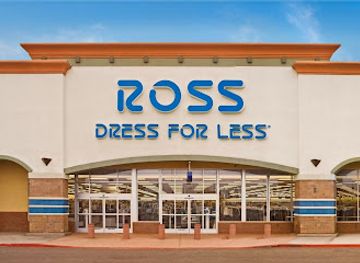
Ross Dress for Less
Shop smart at Ross Dress for Less in Lodi, California, where incredible savings meet stylish fashion for the whole family.
6 min drive · 1.8 km from city centre
-
Department store
Kohl's
Explore trendy fashion and home goods at Kohl's Lodi, where affordability meets style for every traveler.
6 min drive · 1.9 km from city centre
-
Store
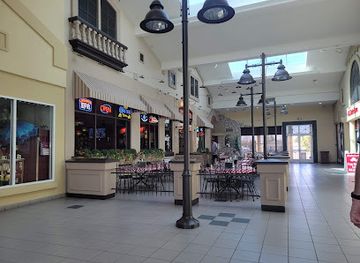
Lakewood Plaza
Explore Lakewood Plaza in Lodi, California: the ultimate shopping mall experience with diverse stores and delicious dining options.
5 min drive · 1.6 km from city centre
-
Thrift store
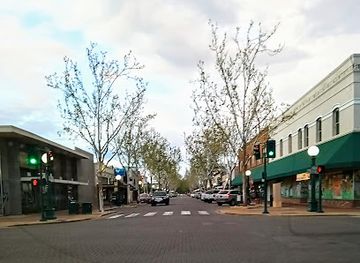
Lodi Junction
Explore Lodi Junction: Your go-to thrift store for unique treasures and vintage finds in Lodi, California.
4 min walk · 0.3 km from city centre
Get your free copy of our complete guide to Lodi, delivered straight to you.
Everything on this page, from attractions and restaurants to essentials and local phrases, in one PDF you can read offline, print or share.
Already have an account? Sign in
Your Lodi guide is ready.
We'll send it to · Not you? Sign out

Getting your guide ready…
We are putting together a fresh copy of the Lodi guide. This can take up to a minute.
This can take a few moments. If your browser asks, choose Allow so the download can start. You'll find the guide in your Downloads folder.
Nothing happened? Download it again
Sorry, the guide is taking longer than usual. Please try again in a minute, or get it by email instead.
Lodi essentials
Currency and Payment
Safety
Emergency Situations
Do's and Don'ts
Local Tips
From Eve
Local phrases worth knowing
You don't need to get them perfect. A few words go a long way, and locals appreciate the effort.
Basics
| English | Local | Say it |
|---|---|---|
| Hello | Howdy | [haw-dee] |
| Goodbye | See ya | [see yah] |
| Yes | Yep | [yep] |
| No | Nah | [na] |
| Please/You're welcome | Please/No problem | [pleez/no prah-blem] |
| Thank you | Thanks | [thanks] |
| Excuse me/Sorry | Pardon me/My bad | [pahr-dun me/my bad] |
| How are you? | Howdy | [haw-dee] |
| Fine. And you? | Good. You? | [good. yoo?] |
| Do you speak English? | You speak English? | [yoo speak ing-lish?] |
| I don't understand | I don't get it | [I don't get it] |
Eating & Drinking
| English | Local | Say it |
|---|---|---|
| I'd like to see the menu, please | Can I see the menu, please | [can I see the menu, please] |
| I don't eat meat | I don't do meat | [I don't do meat] |
| Cheers! | Cheers! | [cheers!] |
| I would like to pay, please | Check, please | [check, please] |
Emergencies
| English | Local | Say it |
|---|---|---|
| Help! | Help! | [help!] |
| Go away! | Get lost! | [get lost!] |
| Call the Police! | Call the cops! | [call the cops!] |
| Call a doctor! | Get a doc! | [get a doc!] |
| I'm lost | I'm lost | [I'm lost] |
| I'm ill | I'm sick | [I'm sick] |
Shopping
| English | Local | Say it |
|---|---|---|
| I'd like to buy... | I wanna buy... | [I wanna buy...] |
| I'm just looking | Just browsing | [just browsing] |
| How much is it? | How much? | [how much?] |
| That's too expensive | That's pricy | [that's pricy] |
| Can you lower the price? | Can you do less? | [can you do less?] |
Time & Numbers
| English | Local | Say it |
|---|---|---|
| What time is it? | What's the time? | [what's the time?] |
| It's one o'clock | It's one | [it's one] |
| Half past (10) | Ten thirty | [ten thirty] |
| Morning | Morning | [morning] |
| Afternoon | Afternoon | [afternoon] |
| Evening | Evening | [evening] |
| Yesterday | Yesterday | [yesterday] |
| Today | Today | [today] |
| Tomorrow | Tomorrow | [tomorrow] |
| 1 | One | [one] |
| 2 | Two | [two] |
| 3 | Three | [three] |
| 4 | Four | [four] |
| 5 | Five | [five] |
| 6 | Six | [six] |
| 7 | Seven | [seven] |
| 8 | Eight | [eight] |
| 9 | Nine | [nine] |
| 10 | Ten | [ten] |
Transport & Directions
| English | Local | Say it |
|---|---|---|
| Where's a/the...? | Where's the...? | [where's the...?] |
| What's the address? | What's the addy? | [what's the addy?] |
| Can you show me (on the map)? | Can you show me (on map)? | [can you show me (on map)?] |
| When's the next (bus)? | When's the next (bus)? | [when's the next (bus)?] |
| A ticket (to ....) | A ticket (to ....) | [a ticket (to ....)] |
History of Lodi
Native American Heritage
Before European settlers arrived, the area now known as Lodi was inhabited by the Miwok and Yokuts tribes. These Native American groups lived off the land, utilizing its resources for food, shelter, and trade. They have left behind a rich cultural legacy that can still be felt in the region today.
Early European Settlements
The first European settlers arrived in the early 19th century. Initially, the area was part of a Mexican land grant known as the Rancho Campo de los Franceses. Following the Mexican-American War and the signing of the Treaty of Guadalupe Hidalgo in 1848, California became a U.S. territory, leading to increased settlement.
Founding of Lodi
Lodi was officially established in 1869. Originally named Mokelumne Station, it was a key stop on the Central Pacific Railroad. The town was renamed Lodi in 1874, reportedly after a racehorse named Lodi that was popular in the area. The arrival of the railroad spurred economic growth and development.
Viticulture and Wine Industry
Lodi has a long history of grape cultivation, which began in the late 19th century. The region's Mediterranean climate and rich soil made it ideal for viticulture. By the early 20th century, Lodi had become renowned for its Zinfandel grapes. Today, Lodi is a significant player in the global wine industry, with over 85 wineries and more than 100,000 acres of vineyards.
Prohibition Era
The Prohibition era (1920-1933) had a profound impact on Lodi's wine industry. Many vineyards were uprooted or converted to other crops. However, some winemakers found creative ways to stay in business, such as selling sacramental wine to churches or producing grape juice. When Prohibition ended, Lodi's wine industry quickly rebounded.
World War II and Economic Boom
During World War II, Lodi experienced significant economic growth due to its agricultural output. The post-war period saw an expansion in both agriculture and industrial sectors. The city’s population grew, and new infrastructure and housing developments were established to accommodate the influx of residents.
Modern Day Lodi
Today, Lodi is a vibrant community that balances its rich history with modern development. It is known for its scenic beauty, historic downtown, and a thriving wine industry. Annual events like the Lodi Grape Festival celebrate the city's cultural heritage, drawing visitors from around the world.
Lodi in Photos
Browse through our photo collection highlighting the charm and character of the destination.
Cities near Lodi
The closest cities to Lodi, if you have time for more than one stop.
-

-

-

-

-


Swipe for more cities
Explore more
Explore more of California
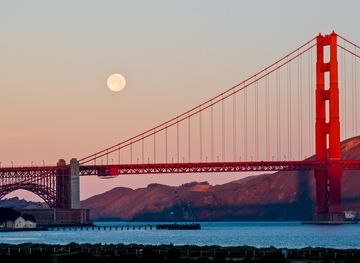
Discover California: A land of diverse landscapes, iconic cities, and endless adventures, from sun-soaked beaches to towering redwoods and vibrant cultural experiences.
Explore California