

Free Tracy Travel Guide & Mobile App
Plan your Tracy trip with Evendo. Get free guides to top attractions, restaurants, hotels, and bars. Web access or download the mobile app.


Tracy, California combines San Joaquin Valley history, rail heritage, local arts, parks, shopping and easy access to Bay Area and Delta landscapes.
A San Joaquin Valley Crossroads
Tracy lies in California’s western San Joaquin Valley, where broad agricultural plains meet the low hills and wind farms of the Altamont Pass. Its location has long shaped its identity: the city developed as a railway and farming centre, and today it remains an important link between the Central Valley, the Bay Area and the northern San Joaquin region. Interstate 205, Interstate 5 and Interstate 580 place several major California destinations within practical reach, while the city itself has a more measured, suburban character.Read more about Tracy
Downtown and Local Culture
Valley Landscapes and Everyday California
When is the best time to visit Tracy?
Best: May–June, October · 24–29°C| Month | High (°C) | Rainfall (mm) |
|---|---|---|
| January | 14 | 70 |
| February | 16 | 62 |
| March | 18 | 48 |
| April | 21 | 24 |
| May (best) | 25 | 11 |
| June (best) | 29 | 4 |
| July | 32 | 1 |
| August | 32 | 2 |
| September | 29 | 7 |
| October (best) | 24 | 22 |
| November | 17 | 42 |
| December | 12 | 63 |
Getting to and around Tracy
How to get there
Transportation
Best attractions in Tracy
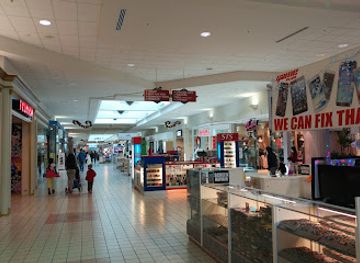
Tracy’s principal attractions are concentrated around local culture, history and everyday community life rather than a large collection of landmark monuments. Downtown Tracy offers a readable historic street grid and independent businesses, while the Grand Theatre Center for the Arts presents performances, exhibitions and arts education in a restored civic setting. The Tracy Historical Museum traces the city’s railway, agricultural and community development through local collections and interpretation. West Valley Mall provides a contemporary retail and leisure setting, and the city’s parks and sports facilities offer open space for walking, recreation and family activities. The surrounding landscape adds another dimension: the grass-covered hills and wind turbines of the Altamont Pass are close enough for a regional outing, although they are outside Tracy itself. Agricultural roads and broad valley skies convey the setting that has shaped the city’s economy and appearance.
-
Tourist attraction
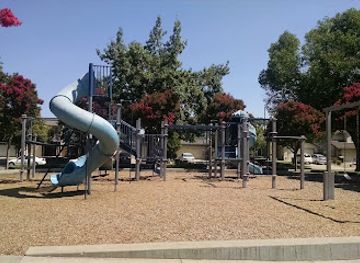
William Larsen Park
Escape to nature in Tracy's William Larsen Park: playgrounds, sports, and peaceful green spaces for family fun and relaxation.
6 min drive · 2.1 km from city centre
-
Tourist attraction
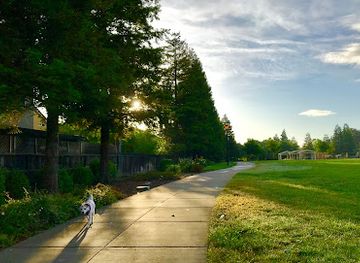
Galli Family Park
A vibrant Tracy park with sports fields, playgrounds, walking paths, and picnic spots for family fun and community events.
9 min drive · 3.0 km from city centre
-
Tourist attraction
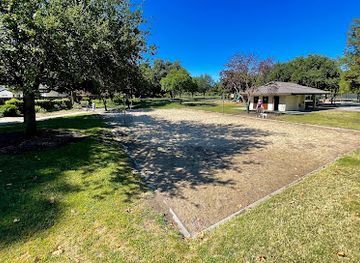
Edgar Thoming Park
A vibrant Tracy park offering playgrounds, sports, walking paths & picnic spots for family fun, fitness & community events. Open 7am-9pm daily.
11 min drive · 3.8 km from city centre
-
Tourist attraction
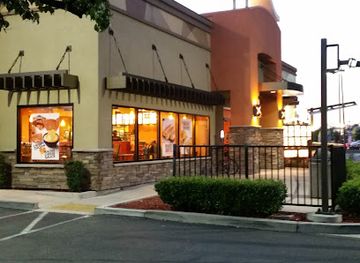
Ritter Family Ball Park
Discover the beauty and recreation of Ritter Family Ball Park in Tracy, California – a perfect escape for nature lovers and families alike.
19 min walk · 1.5 km from city centre
Best landmarks in Tracy
Tracy’s most meaningful landmarks are civic and cultural rather than monumental. The Grand Theatre Center for the Arts occupies a prominent historic theatre complex in downtown and represents the city’s investment in preserving a central cultural venue while adapting it for performances, exhibitions and education. The Tracy Historical Museum is important for its connection to local memory, particularly the railway and agricultural foundations that shaped the settlement. The historic downtown street grid, older commercial façades and civic buildings provide the clearest architectural record of Tracy’s early twentieth-century growth. Railway infrastructure and the city’s continuing relationship with freight and passenger routes are also part of its identity, although operational rail facilities should be viewed only from public areas. Together these places express Tracy’s development from a railroad town into a larger Central Valley community.
-
Restaurant
Purgatory Whiskey Bar & Craft Beer
A haven in downtown Tracy for whiskey and craft beer lovers, offering a curated selection of spirits, artisan food, and a trendy atmosphere.
1 min walk · 0.1 km from city centre
-
Performing arts theater
Grand Theatre Center for the Arts
Experience live performances, art exhibitions, and community events at Tracy's beautifully restored Grand Theatre Center for the Arts.
5 min walk · 0.4 km from city centre
-
Farmers' market
Downtown Tracy Farmers Market
Experience the flavors of Tracy! Fresh produce, artisanal goods, and community spirit every Saturday on N Central Avenue.
4 min walk · 0.4 km from city centre
-
Park
Clyde Bland Park
A central Tracy park offering sports, playgrounds, historical insights, and community gathering spaces.
12 min drive · 4.1 km from city centre


Explore Tracy on the map
Plan your Tracy trip on one map. See where the top attractions, landmarks, restaurants, bars and hotels are, find what's near where you're staying, and book hotels and experiences in a few clicks.
Best hotels in Tracy
Best restaurants in Tracy
Tracy’s dining scene reflects its position between the Bay Area and the agricultural Central Valley, with American comfort food, Mexican and broader Latin American cooking, Asian cuisines, cafés, bakeries and familiar casual dining represented across the city. Independent restaurants and family-run businesses are especially visible around the older downtown area and along the newer commercial corridors, while West Valley Mall provides additional mainstream options. Seasonal produce from the surrounding farming region informs the wider food culture, even when it is not presented as a formal farm-to-table concept. Breakfast cafés, takeaway counters and relaxed family restaurants suit the city’s suburban rhythm; more elaborate dining is available, but Tracy is better understood as a practical, diverse local food centre than as a destination built around a single signature dish or defined restaurant quarter.
-
Steak
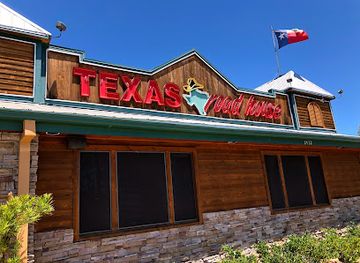
Texas Roadhouse
Experience the authentic taste of America at Texas Roadhouse in Tracy - where every meal feels like a celebration!
11 min drive · 3.8 km from city centre
-
American
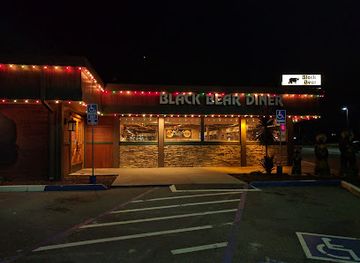
Black Bear Diner Tracy
Experience hearty American cuisine at Black Bear Diner in Tracy – perfect for families and breakfast lovers alike!
10 min drive · 3.4 km from city centre
-
Hamburger
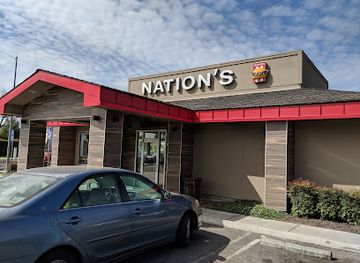
Nation's Giant Hamburgers & Great Pies
Discover the best burgers and homemade pies at Nation's Giant Hamburgers & Great Pies in Tracy, California - a culinary gem waiting for your visit!
8 min drive · 2.6 km from city centre
-
Italian
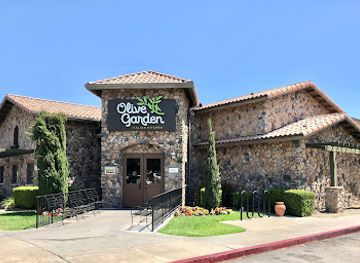
Olive Garden Italian Restaurant
Discover authentic Italian cuisine at Olive Garden in Tracy - perfect for families with gluten-free options and a welcoming atmosphere.
11 min drive · 3.7 km from city centre
Best bars in Tracy
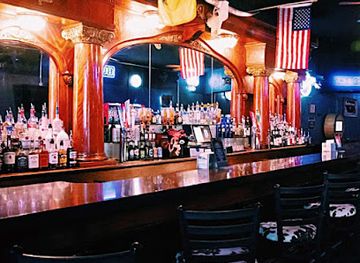
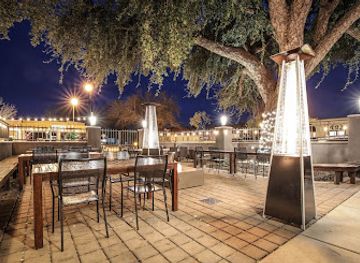
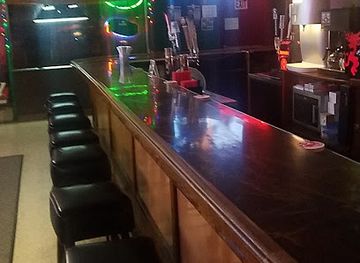
Tracy’s evening scene is modest and locally oriented, with activity centred on restaurants, neighbourhood bars, casual drinks and community events rather than a concentrated nightclub district. Downtown provides the clearest setting for an evening out, with older streets, local businesses and the Grand Theatre Center for the Arts bringing different kinds of after-dark activity. Performances, arts programmes and seasonal civic events can offer an alternative to drinking, while sports bars and relaxed venues serve a predominantly social, suburban audience. Larger Bay Area nightlife destinations are accessible only with a longer journey, so Tracy’s own evening character is better described as unhurried and community-based. Check current programmes and venue arrangements before travelling, as entertainment schedules can change and smaller venues may not operate every night.
-
Bar
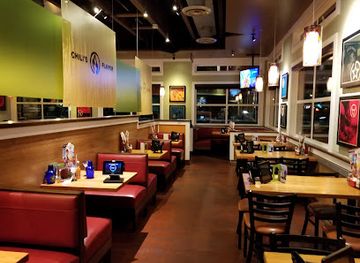
Chili's Grill & Bar
Experience the vibrant flavors of American and Tex-Mex cuisine at Chili's Grill & Bar in Tracy, California, perfect for family dining and casual meals.
8 min drive · 2.8 km from city centre
-
Restaurant
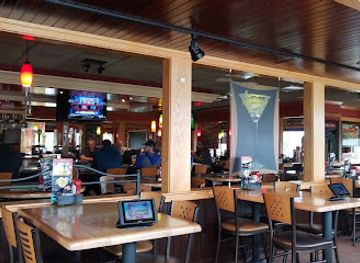
Applebee's Grill + Bar
Discover a welcoming American dining experience at Applebee's Grill + Bar, where delicious food and drinks await in Tracy, California.
11 min drive · 3.7 km from city centre
-
Chicken Wings
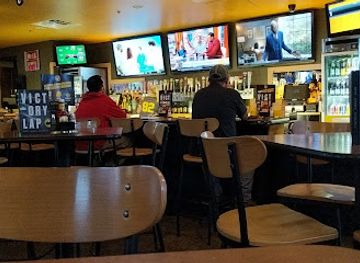
Buffalo Wild Wings
Experience the ultimate sports bar atmosphere at Buffalo Wild Wings in Tracy, where delicious chicken wings and thrilling games come together.
11 min drive · 3.6 km from city centre
-
Sports bar
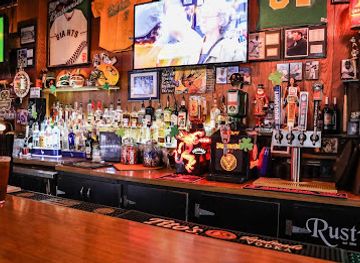
Rusty's
Discover the lively ambiance of Rusty's, Tracy's premier sports bar for delicious food, refreshing drinks, and all your favorite games.
5 min drive · 1.6 km from city centre
Best nightclubs in Tracy
Tracy’s evening scene is modest and locally oriented, with activity centred on restaurants, neighbourhood bars, casual drinks and community events rather than a concentrated nightclub district. Downtown provides the clearest setting for an evening out, with older streets, local businesses and the Grand Theatre Center for the Arts bringing different kinds of after-dark activity. Performances, arts programmes and seasonal civic events can offer an alternative to drinking, while sports bars and relaxed venues serve a predominantly social, suburban audience. Larger Bay Area nightlife destinations are accessible only with a longer journey, so Tracy’s own evening character is better described as unhurried and community-based. Check current programmes and venue arrangements before travelling, as entertainment schedules can change and smaller venues may not operate every night.
-
Bar
Broken Arrow Saloon
Experience the lively spirit of Tracy at Broken Arrow Saloon, where good drinks, live music, and friendly faces await you.
1 min walk · 0.1 km from city centre
-
Wine bar
The Press Wine Bar
Discover The Press Wine Bar in Tracy, CA – a charming destination for wine lovers with a vast selection and inviting atmosphere.
3 min walk · 0.2 km from city centre
-
Bar
Ralph's Club
Experience the lively atmosphere of Ralph's Club in Tracy, CA, where a rocking sports bar meets a charming piano bar, all at affordable prices.
10 min walk · 0.8 km from city centre
-
Bar
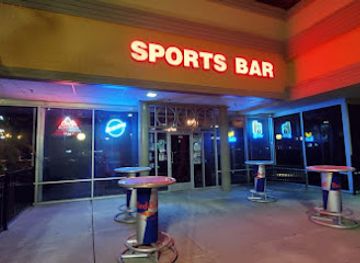
TRACY Sports Bar
Discover TRACY Sports Bar: a vibrant bar in Tracy, California, perfect for nightlife enthusiasts and casual drinkers alike.
9 min drive · 3.0 km from city centre
Best shops in Tracy
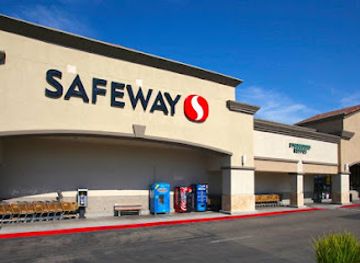
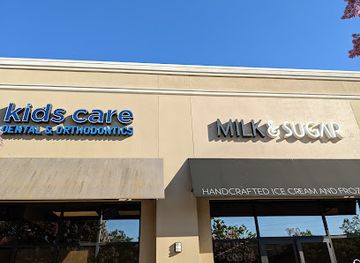
Shopping in Tracy combines the convenience of modern retail with a smaller independent presence in the historic centre. West Valley Mall is the city’s principal enclosed shopping destination, with familiar national retailers, food outlets and services, while surrounding commercial areas provide everyday goods and larger-format stores. Downtown Tracy offers a more local atmosphere, including independent businesses, personal services and occasional community or farmers’ market activity whose timing varies. Visitors are more likely to find practical California goods, regional food products, gifts and locally made items than a specialised traditional craft market. The contrast between the mall, newer retail corridors and older downtown businesses reflects Tracy’s growth from a railway and agricultural town into a sizeable suburban centre serving residents from the surrounding valley.
-
Shopping mall
West Valley Mall
Discover the vibrant shopping experience at West Valley Mall in Tracy, California, where diverse stores meet delightful dining and entertainment.
11 min drive · 3.6 km from city centre
-
Shopping mall
Corral Hollow
Explore Corral Hollow in Tracy, California: a shopping haven featuring diverse retailers, restaurants, and a vibrant atmosphere for all visitors.
6 min drive · 2.0 km from city centre
-
Shopping mall
Tracy Pavilion
Discover Tracy Pavilion, the ultimate shopping destination in Tracy, California, with a variety of stores, dining, and entertainment options for all ages.
12 min drive · 4.1 km from city centre
-
Department store
Macy's
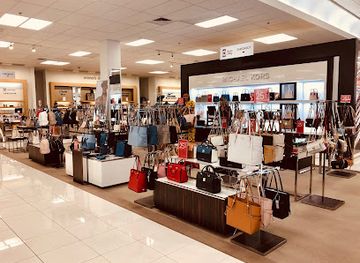
Explore Macy's at West Valley Mall for a diverse shopping experience featuring fashion, beauty, and home essentials in Tracy, California.
11 min drive · 3.7 km from city centre
Get your free copy of our complete guide to Tracy, delivered straight to you.
Everything on this page, from attractions and restaurants to essentials and local phrases, in one PDF you can read offline, print or share.
Already have an account? Sign in
Your Tracy guide is ready.
We'll send it to · Not you? Sign out

Getting your guide ready…
We are putting together a fresh copy of the Tracy guide. This can take up to a minute.
This can take a few moments. If your browser asks, choose Allow so the download can start. You'll find the guide in your Downloads folder.
Nothing happened? Download it again
Sorry, the guide is taking longer than usual. Please try again in a minute, or get it by email instead.
Tracy essentials
Currency and Payment
Safety
Emergency Situations
Do's and Don'ts
Local Tips
From Eve
Local phrases worth knowing
You don't need to get them perfect. A few words go a long way, and locals appreciate the effort.
Basics
| English | Local | Say it |
|---|---|---|
| Hello | Hey | [hey] |
| Goodbye | Later | [lay-ter] |
| Yes | Yeah | [yeah] |
| No | Nah | [nah] |
| Please/You're welcome | Please/No worries | [pleez/no wor-ees] |
| Thank you | Thanks | [thanks] |
| Excuse me/Sorry | Oops/My bad | [oops/my bad] |
| How are you? | How's it going? | [hows it go-ing] |
| Fine. And you? | Good. You? | [good. you?] |
| Do you speak English? | You speak English? | [you speak ing-lish?] |
| I don't understand | I don't get it | [I don't get it] |
Eating & Drinking
| English | Local | Say it |
|---|---|---|
| I'd like to see the menu, please | Can I see the menu? | [can I see the menu?] |
| I don't eat meat | I'm vegetarian | [I'm ve-ji-tear-ee-an] |
| Cheers! | Cheers! | [Cheers!] |
| I would like to pay, please | Check, please | [check, please] |
Emergencies
| English | Local | Say it |
|---|---|---|
| Help! | Help! | [Help!] |
| Go away! | Get lost! | [get lost!] |
| Call the Police! | Call the cops! | [call the cops!] |
| Call a doctor! | Get a doctor! | [get a doctor!] |
| I'm lost | I'm lost | [I'm lost] |
| I'm ill | I'm sick | [I'm sick] |
Shopping
| English | Local | Say it |
|---|---|---|
| I'd like to buy... | I wanna buy... | [I wanna buy...] |
| I'm just looking | Just looking | [just looking] |
| How much is it? | How much? | [how much?] |
| That's too expensive | Too pricey | [too pry-see] |
| Can you lower the price? | Can you do better? | [can you do bet-ter?] |
Time & Numbers
| English | Local | Say it |
|---|---|---|
| What time is it? | What time is it? | [what time is it?] |
| It's one o'clock | It's one o'clock | [it's one o'clock] |
| Half past (10) | Half past ten | [half past ten] |
| Morning | Morning | [morning] |
| Afternoon | Afternoon | [afternoon] |
| Evening | Evening | [evening] |
| Yesterday | Yesterday | [yester-day] |
| Today | Today | [to-day] |
| Tomorrow | Tomorrow | [to-mor-row] |
| 1 | One | [one] |
| 2 | Two | [two] |
| 3 | Three | [three] |
| 4 | Four | [four] |
| 5 | Five | [five] |
| 6 | Six | [six] |
| 7 | Seven | [seven] |
| 8 | Eight | [eight] |
| 9 | Nine | [nine] |
| 10 | Ten | [ten] |
Transport & Directions
| English | Local | Say it |
|---|---|---|
| Where's a/the...? | Where's the...? | [where's the...?] |
| What's the address? | What's the address? | [what's the address?] |
| Can you show me (on the map)? | Can you show me (on the map)? | [can you show me (on the map)?] |
| When's the next (bus)? | When's the next (bus)? | [when's the next (bus)?] |
| A ticket (to ....) | One ticket (to ....) | [one ticket (to ....)] |
History of Tracy
Yokuts Country and Early Settlement
The Tracy area lies within the wider homeland of Yokuts peoples, whose communities lived across the San Joaquin Valley before sustained European settlement. The region’s waterways, grasslands and fertile soils supported established lifeways long before the modern city appeared. Spanish expeditions entered the interior of California in the late eighteenth century, followed by the mission and rancho systems that transformed land ownership and disrupted Indigenous communities. During the Mexican period, large ranchos occupied parts of the surrounding valley and foothills. Tracy’s later urban form was therefore built on a landscape with a much longer Indigenous and agricultural history than its relatively recent incorporation suggests.
Railways Create a Town
Tracy emerged in the nineteenth century as rail transport reached the western San Joaquin Valley. The Central Pacific Railroad established a station and rail connection in the 1870s, opening a practical outlet for agricultural produce and encouraging commercial settlement around the tracks. The town was named for Lathrop J. Tracy, a director of the Southern Pacific Railroad. Railways connected local farms with larger markets and helped establish the street pattern and commercial importance of the growing community. Tracy’s position at the meeting point of routes across the valley became one of the central facts of its development.
Agriculture and Civic Formation
As the railway town matured, agriculture became the foundation of its economy and social life. Farms and orchards in the surrounding valley supplied regional markets, while merchants, warehouses and service businesses grew around the rail connection. Tracy was incorporated as a city in 1910, formalising local government as its population and civic institutions expanded. Schools, churches, commercial buildings and public services gave the settlement a more defined urban identity. The historic downtown and the city’s railway associations preserve elements of this period, when Tracy functioned primarily as a compact agricultural centre rather than as a commuter-oriented suburb.
War, Industry and Changing Connections
The twentieth century brought broader economic and social change to Tracy. Improved roads and expanding motor transport gradually complemented the older railway system, while agricultural processing and distribution remained important. Like many California communities, Tracy experienced population movement connected with wartime employment, post-war suburbanisation and changing patterns of land use. The city’s relationship with the Bay Area strengthened as road connections improved, yet its economy continued to reflect the San Joaquin Valley’s farming and logistics traditions. Civic buildings, established neighbourhoods and the surviving central business district record the transition from a railway settlement to a larger modern municipality.
Growth in the Contemporary Valley
Late twentieth- and early twenty-first-century Tracy saw substantial residential growth as households sought more space outside the Bay Area while retaining access to employment centres around the regional transport network. Interstate 205 and other major roads reinforced the city’s role as a western valley gateway, and logistics became increasingly visible alongside agriculture and local services. New neighbourhoods, shopping areas, schools and recreational facilities extended the urban footprint. At the same time, institutions such as the Grand Theatre Center for the Arts and the Tracy Historical Museum have helped preserve and interpret local identity as the city negotiates the pressures and opportunities of continued growth.
Tracy in Photos
Browse through our photo collection highlighting the charm and character of the destination.
Cities near Tracy
The closest cities to Tracy, if you have time for more than one stop.
-

-

-

-

-


Swipe for more cities
Explore more
Explore more of California
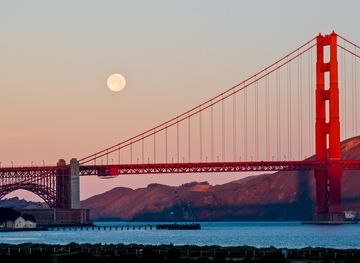
Discover California: A land of diverse landscapes, iconic cities, and endless adventures, from sun-soaked beaches to towering redwoods and vibrant cultural experiences.
Explore California