
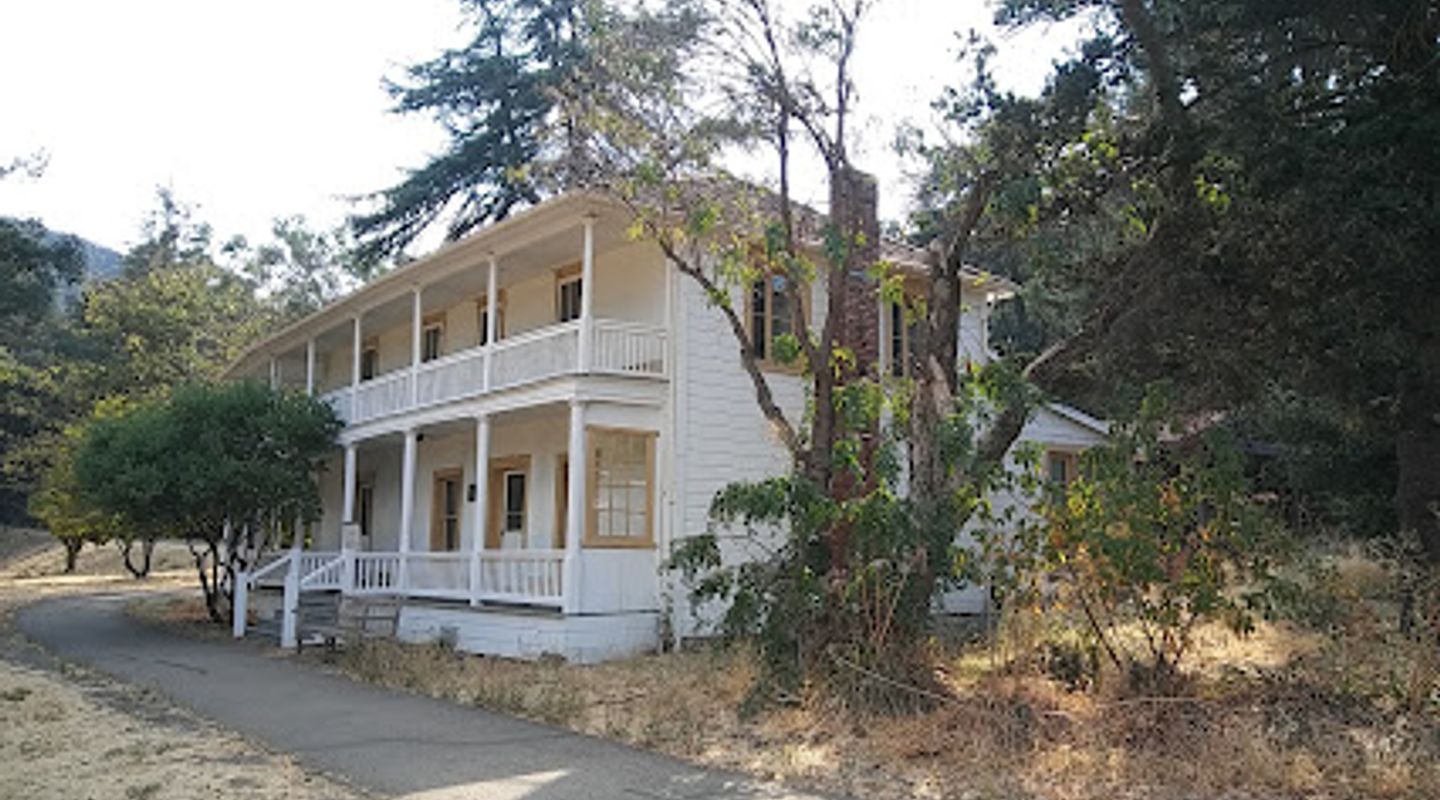
Martinez Adobe, Martinez Travel Guide
Explore the legacy of early California at the Martinez Adobe, a preserved historical landmark within the John Muir National Historic Site, showcasing the region's Spanish and Mexican heritage.
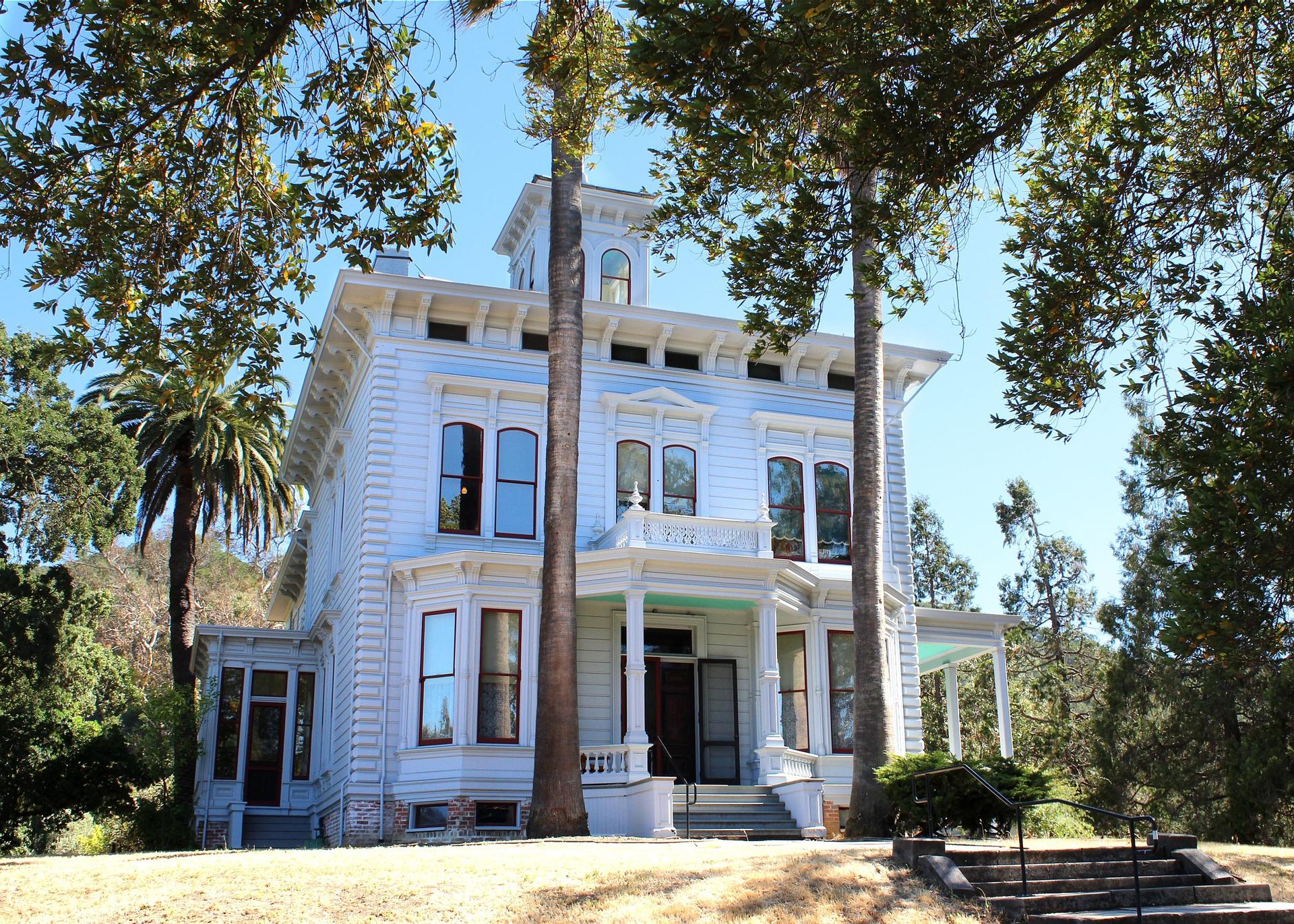
Step back in time at the Martinez Adobe, a historical landmark nestled within the John Muir National Historic Site in Martinez, California. Built around 1849 by Don Vicente Martinez, son of the commandante of the Presidio of San Francisco, this two-story adobe house offers a glimpse into California's Spanish and Mexican past. Explore the building's architecture, featuring thick adobe brick walls and wooden wrap-around porches, and learn about its role in the region's agricultural development. Although currently closed for interior visits due to structural concerns, the exterior remains a captivating sight, inviting visitors to imagine life in early California and appreciate the layers of history embedded in this significant landmark. The Adobe stands as a testament to the area's rich heritage, connecting visitors to the stories of the Anza Expedition and the families who shaped the landscape.
A brief summary to Martinez Adobe
- 4202 Alhambra Ave, Martinez, California, 94553, US
- Click to display
- Click to display

Know before you go
Hi, I'm Eve. Here are a few practical things to know before exploring Martinez Adobe.
- Check the official National Park Service website for updates on the Adobe's opening status, as it is currently closed for interior visits due to structural issues.
- Combine your visit with a tour of the nearby John Muir home to gain a broader understanding of the area's history and the life of the famous naturalist.
- Explore the surrounding grounds and orchards, imagining the landscape as it was during the time of the Martinez family and Dr. John Strentzel.
Do you manage this location?
Take control to get all the benefits, like improved information, better appearance, and stronger visibility across AI-powered discovery. Learn more about listing your business on Evendo
Activate your presenceOther nearby places you may find interesting
The closest places of the same kind, if this one is not quite what you had in mind.

Explore Martinez Adobe on the Map
A handpicked selection of must-see spots near Martinez Adobe, mapped for you.
Getting There
-
Driving
From downtown Martinez, head southeast on Alhambra Avenue. Continue for approximately 2 miles. The John Muir National Historic Site, including the Martinez Adobe, will be on your left. Parking is available at the visitor center. Be aware that parking can be limited, especially during peak season. Check the City of Martinez website for potential parking rate increases in the downtown area, as this may affect parking availability near Alhambra Ave.
-
Public Transport
From the Martinez Amtrak station, several County Connection bus lines (such as the 16, 19, and 316) connect to Alhambra Avenue. Check the County Connection schedules for the most up-to-date routes and times. From Alhambra Avenue, it's a short walk to the John Muir National Historic Site. A single ride on County Connection costs approximately $2.25. Alternatively, you can take a taxi from the Martinez Amtrak station for approximately $10-$15.
-
Walking
If you are already within the John Muir National Historic Site, the Martinez Adobe is located a short walk west of the main visitor center. Follow the marked paths through the historic orchards. The adobe is approximately 300 yards from John Muir's home. Note that the area around the Adobe may be roped off due to ongoing structural issues.
Discover more about Martinez Adobe













Your all‑in‑one travel companion app
Explore expert travel guides, compare and book tours, experiences, hotels, and more—all from the palm of your hand. Download now for seamless trip planning wherever your wanderlust takes you.


Explore More of Martinez
Looking beyond Martinez Adobe? Discover Martinez for broader travel guides, local hot-spots, and regional highlights.
Explore Martinez
Escape to nature in Walnut Creek's Diablo Shadows Park: trails, playgrounds, and picnic spots await in this serene urban oasis.

Discover the Alhambra Way Mural in Martinez, CA: a vibrant celebration of local flora and fauna, transforming a highway underpass into a colorful gateway showcasing community art and ecological beauty.
