

Free Union City Travel Guide & Mobile App
Plan your Union City trip with Evendo. Get free guides to top attractions, restaurants, hotels, and bars. Web access or download the mobile app.


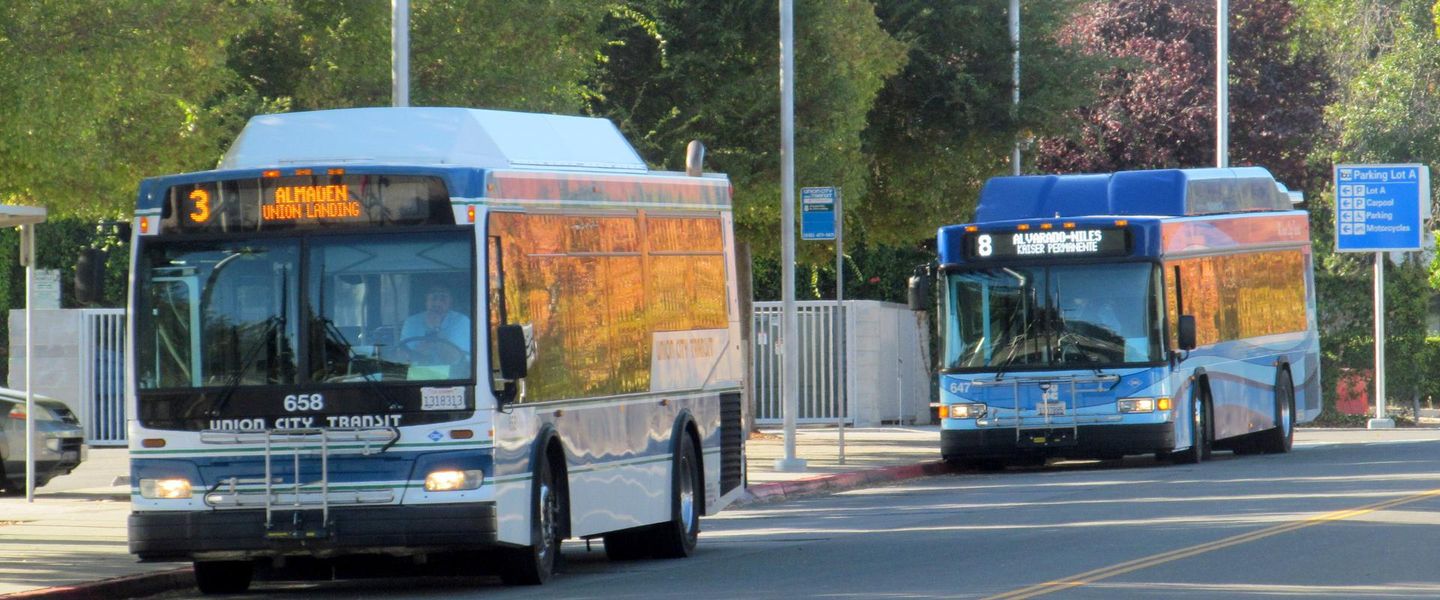


Union City, California, pairs Alvarado history, Bay Area trails, BART access and multicultural dining between San Francisco and Silicon Valley.
A Crossroads of the East Bay
Union City occupies a practical and revealing corner of California’s East Bay, between the industrial shoreline of the San Francisco Bay and the foothills rising towards the inland valleys. It is a suburban city shaped by movement: Interstate 880, BART and major bus routes connect it with San Francisco, Oakland, Berkeley, Fremont and the wider Silicon Valley, while its residential districts reflect decades of migration from across the United States, Latin America and Asia. The result is a place best understood through its everyday life, food, parks and transport links rather than through a concentrated traditional centre.Read more about Union City
Alvarado and the City’s Earlier Communities
Outdoor Space and Contemporary Life
When is the best time to visit Union City?
Best: July–September · 25–26°C| Month | High (°C) | Rainfall (mm) |
|---|---|---|
| January | 15 | 70 |
| February | 17 | 60 |
| March | 18 | 50 |
| April | 19 | 40 |
| May | 21 | 20 |
| June | 24 | 10 |
| July (best) | 25 | 5 |
| August (best) | 26 | 5 |
| September (best) | 25 | 10 |
| October | 22 | 20 |
| November | 18 | 40 |
| December | 16 | 60 |
Getting to and around Union City
How to get there
Transportation
Best attractions in Union City
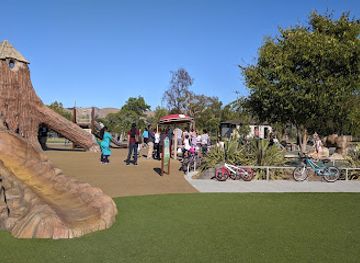
Union City’s attractions are modest in scale but varied in character. The Alvarado Historic District offers the clearest glimpse of the nineteenth-century settlement around which one of the city’s founding communities developed, while the Union City Historical Museum provides local context through artefacts and stories from Alvarado, New Haven and Decoto. Alameda Creek is the city’s principal outdoor setting, with paths suited to walking, cycling and observing the changing landscape towards the bay. Union Landing brings together shopping, restaurants and entertainment in a contemporary commercial environment, and local parks provide everyday green space rather than formal ornamental gardens. The city also works well as a base for nearby experiences: the Don Edwards San Francisco Bay National Wildlife Refuge, Fremont’s historic districts and the wider East Bay regional trail network are close by, but lie outside Union City itself and should be planned as separate excursions.
-
Tourist attraction
Central Park
Explore Central Park in Fremont, California - a lush urban oasis perfect for relaxation, recreation, and family outings amidst nature's beauty.
23 min drive · 7.7 km from city centre
-
Tourist attraction
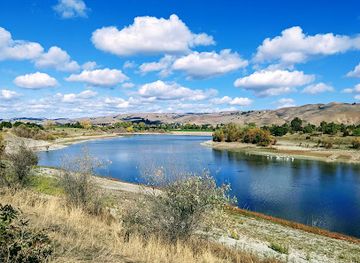
Quarry Lakes Regional Recreation Area
Explore the serene beauty of Quarry Lakes Regional Recreation Area, a perfect retreat for hiking, picnicking, and enjoying nature near Fremont, California.
8 min drive · 2.8 km from city centre
-
Tourist attraction
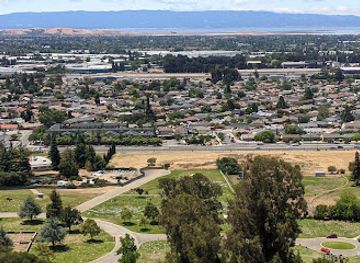
Dry Creek Pioneer Regional Park
Discover the natural allure of Dry Creek Pioneer Regional Park, a perfect destination for hiking and picnicking in California's scenic outdoors.
17 min walk · 1.3 km from city centre
-
Farm
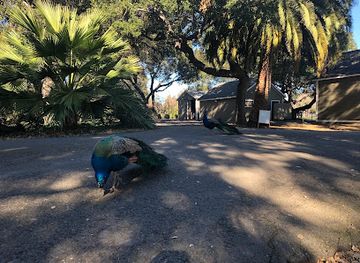
Ardenwood Historic Farm
Explore the enchanting Ardenwood Historic Farm, a historic working farm in Fremont, California, where nature and history meet.
17 min drive · 5.6 km from city centre
Best landmarks in Union City
Union City’s most meaningful landmarks are connected with local settlement history rather than monumental architecture. The Alvarado Historic District preserves the name, street pattern and surviving structures associated with one of the communities united to form the modern city. The Union City Historical Museum records this layered past, with particular relevance to Alvarado, New Haven and Decoto. Alvarado Park and the historic civic surroundings nearby help visitors read the relationship between the old settlement and later suburban expansion. Alameda Creek is a natural landmark, marking a historic route from inland valleys towards San Francisco Bay and continuing to shape the area’s open-space geography. Union City BART station represents a later phase of the city’s identity: the transformation of a group of older settlements into a regional transport suburb connected to the wider Bay Area.
-
Shopping mall
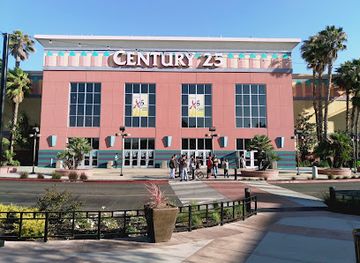
Union Landing
Union Landing: The largest open-air shopping center in Union City, offering diverse retail, dining, and entertainment for the whole family.
13 min drive · 4.2 km from city centre
-
Hotel
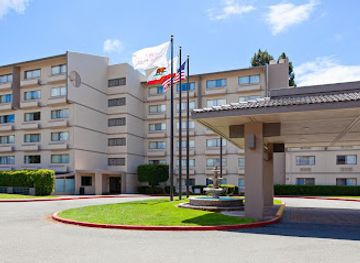
Crowne Plaza Silicon Valley N - Union City, an IHG Hotel
Experience comfort and convenience at Crowne Plaza Silicon Valley N - Union City, your gateway to the best of the Bay Area.
11 min drive · 3.5 km from city centre
-
Arboretum
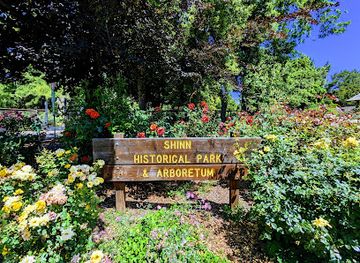
Shinn Historical Park and Arboretum
Discover Fremont's hidden gem: a Victorian home, heritage gardens, and a peaceful escape into local history at Shinn Historical Park.
16 min drive · 5.4 km from city centre
-
Nature preserve
Eden Landing Ecological Reserve
Explore restored wetlands, observe diverse wildlife, and discover the history of salt production at this San Francisco Bay Area ecological reserve.
22 min drive · 7.3 km from city centre

Explore Union City on the map
Plan your Union City trip on one map. See where the top attractions, landmarks, restaurants, bars and hotels are, find what's near where you're staying, and book hotels and experiences in a few clicks.
Best hotels in Union City
Best restaurants in Union City
Union City’s dining scene reflects the Bay Area’s long history of migration and suburban settlement. Filipino restaurants, bakeries and food shops are particularly characteristic, joined by Mexican taquerias, South Asian eateries and Chinese, Vietnamese and other East Asian restaurants along the city’s commercial corridors. Casual dining is often concentrated around shopping areas and arterial roads, where family-run businesses sit beside national chains and newer independent cafés. Menus may include regional Filipino specialities, tacos and other Mexican staples, noodle dishes, curries, grilled meats, rice-based meals and bakery goods, though offerings vary by establishment. Union Landing provides a convenient concentration of restaurants, while smaller plazas can reward browsing for locally established businesses. The practical character of dining here is informal and multicultural, with the strongest sense of place found in the range of cuisines rather than in one defining local dish.
-
Steak
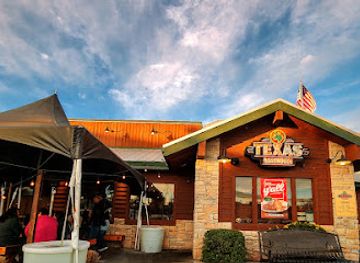
Texas Roadhouse
Experience the best of American cuisine at Texas Roadhouse in Union City - where every meal feels like a celebration!
13 min drive · 4.3 km from city centre
-
Hamburger
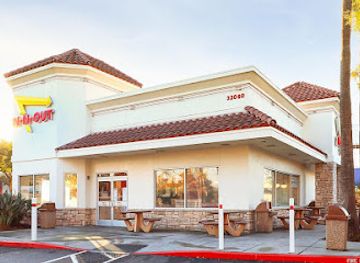
In-N-Out Burger
Experience the classic taste of California at In-N-Out Burger - where freshness meets flavor in every bite.
12 min drive · 4.1 km from city centre
-
Mexican
Chevys
Experience authentic Mexican cuisine at Chevys in Union City – where every meal is a fiesta filled with flavor!
13 min drive · 4.2 km from city centre
-
Restaurant
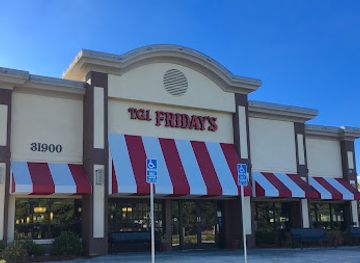
TGI Fridays
Experience the best of American cuisine at TGI Fridays in Union City – where every meal feels like a celebration.
13 min drive · 4.5 km from city centre

Best bars in Union City
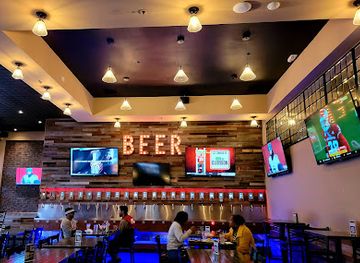
Union City has a relatively restrained nightlife scene, centred more on casual restaurants, neighbourhood bars, sports-oriented venues and cinema or shopping-centre entertainment than on a dense club district. Evening activity is concentrated around commercial corridors and Union Landing, while many residents travel to nearby Fremont, Oakland or San Francisco for larger live-music programmes, cocktail bars, theatres and nightclubs. The city’s multicultural character is more visible after dark through restaurants, community events and social gatherings than through a distinctive late-night strip. Visitors should expect suburban distances between venues and plan transport accordingly, particularly if an evening involves alcohol. Alameda Creek and other open spaces are not nightlife settings and should be treated as daytime or early-evening recreation areas, subject to posted access and safety guidance.
-
Steak
Texas Roadhouse
Experience the heart of Texas in Union City at Texas Roadhouse, where delicious steaks and warm hospitality await you.
13 min drive · 4.3 km from city centre
-
Restaurant
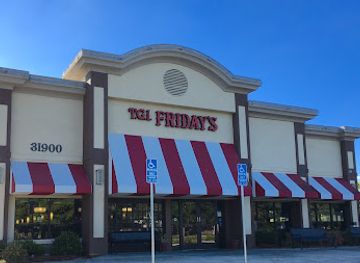
TGI Fridays
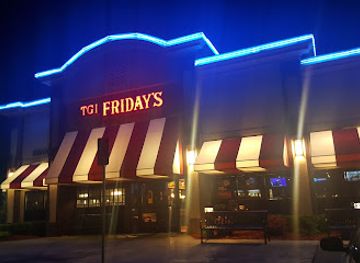
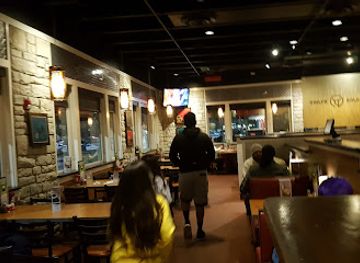
Experience the lively atmosphere and diverse American menu at TGI Fridays in Union City, perfect for casual dining and sports fans alike.
13 min drive · 4.5 km from city centre
-
Chicken Wings
Buffalo Wild Wings
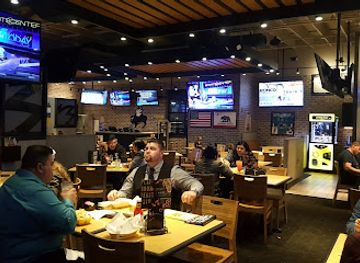
Experience the thrill of game day with mouthwatering wings and a vibrant atmosphere at Buffalo Wild Wings in Union City, California.
13 min drive · 4.3 km from city centre
-
Bar
Chili's Grill & Bar
Savor a delightful mix of American and Tex-Mex cuisine at Chili's Grill & Bar in Union City, perfect for family gatherings and casual dining.
14 min drive · 4.5 km from city centre


Best nightclubs in Union City
Union City has a relatively restrained nightlife scene, centred more on casual restaurants, neighbourhood bars, sports-oriented venues and cinema or shopping-centre entertainment than on a dense club district. Evening activity is concentrated around commercial corridors and Union Landing, while many residents travel to nearby Fremont, Oakland or San Francisco for larger live-music programmes, cocktail bars, theatres and nightclubs. The city’s multicultural character is more visible after dark through restaurants, community events and social gatherings than through a distinctive late-night strip. Visitors should expect suburban distances between venues and plan transport accordingly, particularly if an evening involves alcohol. Alameda Creek and other open spaces are not nightlife settings and should be treated as daytime or early-evening recreation areas, subject to posted access and safety guidance.
-
Restaurant
TGI Fridays
Discover the vibrant atmosphere and delicious American classics at TGI Fridays in Union City, where every meal is a celebration.
13 min drive · 4.5 km from city centre
-
Bar
Chili's Grill & Bar
Experience the vibrant flavors of American and Tex-Mex cuisine at Chili's Grill & Bar in Union City, perfect for families and friends alike.
14 min drive · 4.5 km from city centre
-
Cocktail bar
The Mojo Lounge
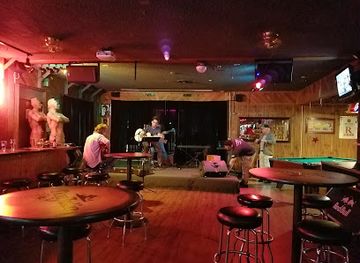
Discover Fremont's nightlife at The Mojo Lounge, a lively spot for cocktails, live music, and sports entertainment in a vibrant atmosphere.
15 min drive · 5.0 km from city centre
-
Gastropub
Pacific PourHouse
Experience the best of American cuisine at Pacific PourHouse, a lively gastropub in Union City, California, renowned for its delicious food and craft beverages.
13 min drive · 4.4 km from city centre
Best shops in Union City
Shopping in Union City is concentrated in modern commercial areas, with Union Landing serving as the best-known cluster of shops, restaurants and entertainment. Additional plazas and arterial-road businesses provide groceries, everyday services, specialist food shops and independently operated retailers. The city’s multicultural population gives shopping a distinctive food-led character: visitors may find Filipino ingredients and baked goods, Mexican groceries, South Asian provisions and products associated with Chinese, Vietnamese and other East Asian cuisines. Rather than a traditional market quarter or luxury shopping street, Union City offers practical suburban retail alongside restaurants and community-oriented businesses. For antiques, major department stores, specialist boutiques and larger makers’ markets, nearby Fremont, San Francisco and Oakland provide broader choices. Local produce and crafts may also appear at seasonal community or farmers’ markets, whose operation can vary.
-
Shopping mall
Union Landing
Discover Union Landing, the ultimate shopping destination in Union City, California, featuring diverse shops, delectable dining, and exciting entertainment.
13 min drive · 4.2 km from city centre
-
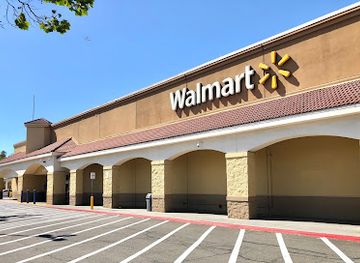
Department store
Walmart
Discover Walmart in Union City for all your shopping needs, from groceries to clothing, electronics, and more, all at unbeatable prices.
13 min drive · 4.3 km from city centre
-
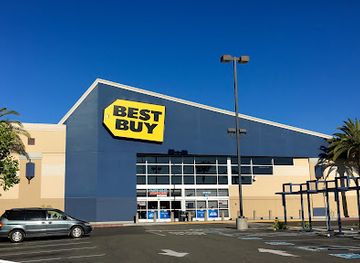
Electronics store
Best Buy
Explore Best Buy in Union City for the latest in electronics, appliances, and tech services amidst a vibrant shopping scene.
12 min drive · 4.0 km from city centre
-
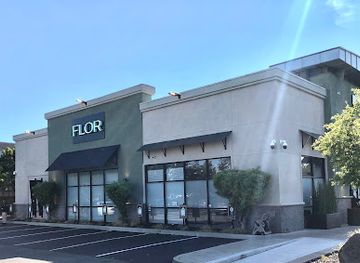
Cannabis store
FLOR - Union City Dispensary
Explore premium cannabis products at Flor - Union City Dispensary, where quality meets community in the heart of California.
13 min drive · 4.3 km from city centre

Get your free copy of our complete guide to Union City, delivered straight to you.
Everything on this page, from attractions and restaurants to essentials and local phrases, in one PDF you can read offline, print or share.
Already have an account? Sign in
Your Union City guide is ready.
We'll send it to · Not you? Sign out

Getting your guide ready…
We are putting together a fresh copy of the Union City guide. This can take up to a minute.
This can take a few moments. If your browser asks, choose Allow so the download can start. You'll find the guide in your Downloads folder.
Nothing happened? Download it again
Sorry, the guide is taking longer than usual. Please try again in a minute, or get it by email instead.
Union City essentials
Currency and Payment
Safety
Emergency Situations
Do's and Don'ts
Local Tips
From Eve
Local phrases worth knowing
You don't need to get them perfect. A few words go a long way, and locals appreciate the effort.
Basics
| English | Local | Say it |
|---|---|---|
| Hello | Hey | [hey] |
| Goodbye | Bye | [bai] |
| Yes | Yeah | [yah] |
| No | Nope | [nohp] |
| Please/You're welcome | Please/You're welcome | [please/yur wel-kum] |
| Thank you | Thanks | [thangs] |
| Excuse me/Sorry | Excuse me/Sorry | [eks-kyoos mee/sor-ee] |
| How are you? | How are you? | [how ar yu] |
| Fine. And you? | Fine. And you? | [fain. and yu] |
| Do you speak English? | Do you speak English? | [doo yu speek Ing-glish] |
| I don't understand | I don't understand | [I dohnt und-er-stand] |
Eating & Drinking
| English | Local | Say it |
|---|---|---|
| I'd like to see the menu, please | I wanna check out the menu, please | [I wan-ah chek out the men-yoo, please] |
| I don't eat meat | I don't eat meat | [I dohnt eet meet] |
| Cheers! | Cheers! | [cheers] |
| I would like to pay, please | I wanna pay, please | [I wan-ah pay, please] |
Emergencies
| English | Local | Say it |
|---|---|---|
| Help! | Help! | [Help!] |
| Go away! | Get lost! | [Get lost!] |
| Call the Police! | Call the Cops! | [Call the Cops!] |
| Call a doctor! | Call a doc! | [Call a doc!] |
| I'm lost | I'm lost | [I'm lost] |
| I'm ill | I'm sick | [I'm sik] |
Shopping
| English | Local | Say it |
|---|---|---|
| I'd like to buy... | I'm interested in buying... | [I'm in-ter-est-ed in buying...] |
| I'm just looking | I'm just browsing | [I'm just browz-ing] |
| How much is it? | How much does it cost? | [How much duz it cost?] |
| That's too expensive | That's too pricey | [That's too prahy-see] |
| Can you lower the price? | Can you give me a discount? | [Can you giv me a dis-count?] |
Time & Numbers
| English | Local | Say it |
|---|---|---|
| What time is it? | What's the time? | [What's the time?] |
| It's one o'clock | It's one | [It's one] |
| Half past (10) | Ten thirty | [Ten thur-tee] |
| Morning | Morning | [Morning] |
| Afternoon | Afternoon | [Afternoon] |
| Evening | Evening | [Evening] |
| Yesterday | Yesterday | [Yesterday] |
| Today | Today | [Today] |
| Tomorrow | Tomorrow | [Tomorrow] |
| 1 | One | [Wun] |
| 2 | Two | [Too] |
| 3 | Three | [Three] |
| 4 | Four | [For] |
| 5 | Five | [Fiv] |
| 6 | Six | [Siks] |
| 7 | Seven | [Sev-en] |
| 8 | Eight | [Ayt] |
| 9 | Nine | [Nine] |
| 10 | Ten | [Ten] |
Transport & Directions
| English | Local | Say it |
|---|---|---|
| Where's a/the...? | Where's the...? | [Where's the...?] |
| What's the address? | What's the address? | [What's the address?] |
| Can you show me (on the map)? | Can you show me (on the map)? | [Can you show me (on the map)?] |
| When's the next (bus)? | When's the next (bus)? | [When's the next (bus)?] |
| A ticket (to ....) | A ticket (to ....) | [A ticket (to ....)] |
History of Union City
Ohlone Country and Alameda Creek
The area around present-day Union City lies within the traditional homeland of Ohlone peoples, whose communities used the marshes, grasslands and waterways of the East Bay for settlement, fishing, gathering and trade. Alameda Creek was a significant natural corridor linking the inland valleys with San Francisco Bay. Spanish and Mexican colonial expansion disrupted Indigenous lifeways through missionisation, introduced diseases and the reallocation of land. Later American settlement further transformed the landscape, but the creek, wetlands and bay edge remain important reminders that the city’s history began long before its incorporation or the arrival of modern roads and railways.
The Emergence of Alvarado
Alvarado developed during the nineteenth century near Alameda Creek and became one of the earliest settled communities in the area. Named for Juan Bautista Alvarado, governor of Mexican California, it served an agricultural hinterland that produced grain and other crops for regional markets. Mills, stores, homes and transport facilities gave the settlement a recognisable civic life. Although later suburban growth changed its surroundings, parts of the Alvarado Historic District preserve the scale and street pattern of this earlier community. The district is especially valuable because it places Union City’s modern suburban landscape within the commercial and agricultural history of the East Bay.
Farming, Industry and New Haven
During the late nineteenth and early twentieth centuries, the communities that would become Union City were shaped by agriculture, rail transport and small-scale industry. New Haven, to the south, grew alongside farms and emerging residential development, while the broader East Bay benefited from rail connections and access to bay shipping. The arrival of industries and warehouses gradually reduced the dominance of agriculture, bringing new employment and residents. These changes linked local settlements to the expanding urban economy of Oakland and the San Francisco Bay region, even as much of the surrounding land remained open or cultivated.
Decoto and the Consolidation of Communities
Decoto formed another important settlement in the area, associated with transport, commerce and the movement of agricultural goods between inland communities and the bay. Alvarado, New Haven and Decoto retained separate identities for much of their history, reflected in local roads, schools and neighbourhood names. Their eventual physical growth made cooperation and municipal consolidation increasingly practical. The three communities were brought together when Union City was incorporated in 1959. The new city inherited a varied historical geography rather than a single founding district, which helps explain why contemporary Union City has several local centres and a strong corridor-based character.
Postwar Suburban Growth
After the Second World War, population growth across the San Francisco Bay Area accelerated the transformation of Union City from a mainly agricultural landscape into a suburban municipality. Housing developments, schools, shopping areas and industrial parks expanded alongside regional highways and later rapid transit. Union City became increasingly connected to the employment centres of Oakland, San Jose and the peninsula, while families from many cultural backgrounds settled in the city. The opening of Union City BART station in 1972 strengthened this regional role. Today, historic Alvarado, newer residential districts and commercial corridors collectively express the city’s journey from rural settlements to an integrated East Bay suburb.
Union City in Photos
Browse through our photo collection highlighting the charm and character of the destination.
Cities near Union City
The closest cities to Union City, if you have time for more than one stop.
-

-

-

-

-


Swipe for more cities
Explore more
Explore more of California
Discover California: A land of diverse landscapes, iconic cities, and endless adventures, from sun-soaked beaches to towering redwoods and vibrant cultural experiences.
Explore California