
Memorial Church, Menlo Park Travel Guide
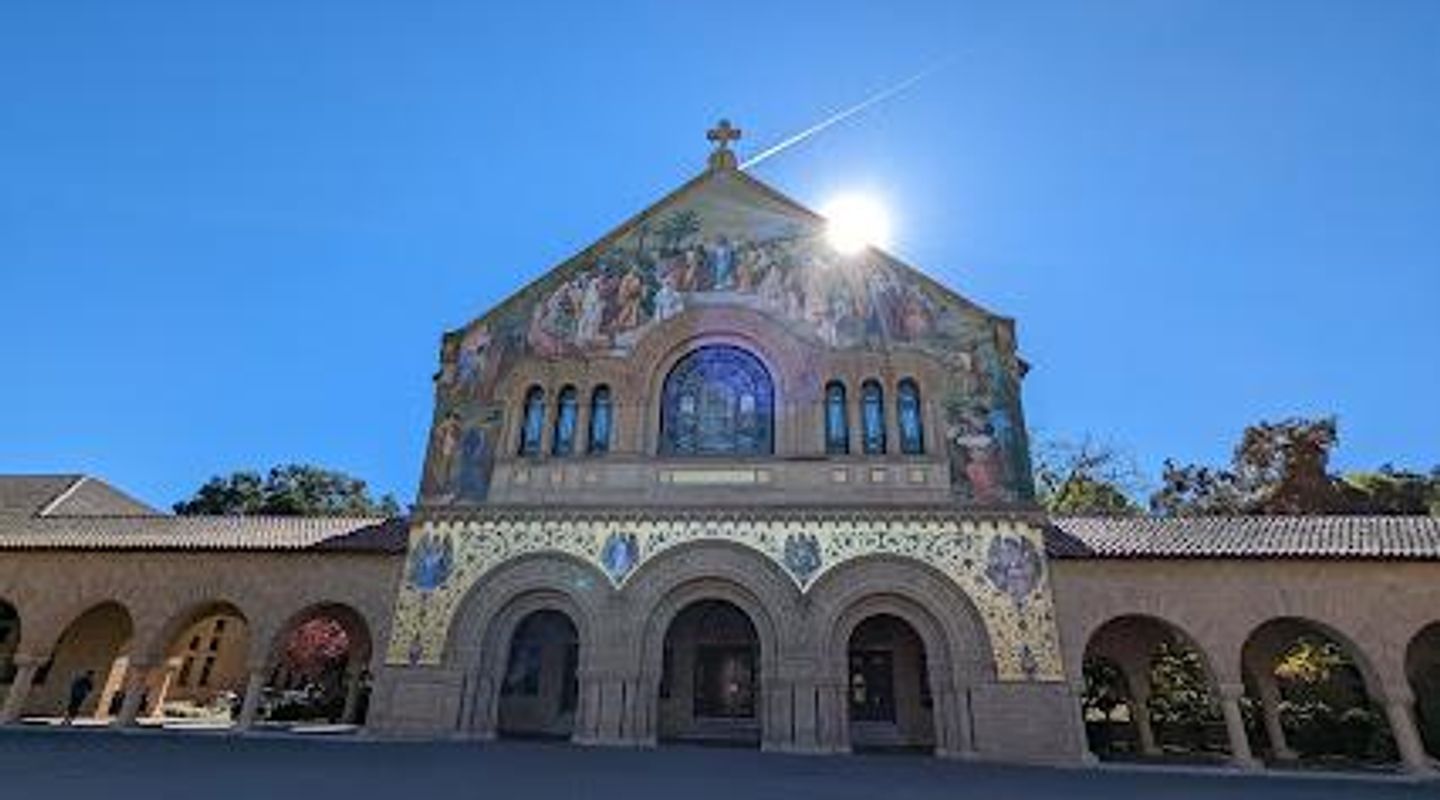
Discover Stanford Memorial Church, a stunning architectural masterpiece blending Romanesque and Byzantine styles, adorned with intricate mosaics and vibrant stained glass, a testament to love and remembrance.
Stanford Memorial Church, affectionately known as 'MemChu,' stands as the architectural crown jewel of Stanford University. Conceived by Jane Stanford as a memorial to her husband Leland, this non-denominational church is a masterpiece of American Renaissance design, blending Romanesque and Byzantine elements. Dedicated in 1903, its awe-inspiring interior showcases intricate mosaics, vibrant stained-glass windows crafted by Frederick Stymetz Lamb, and five pipe organs, creating a space for reflection and spiritual solace. Approach the church from Palm Drive to fully appreciate its grandeur and the surrounding beauty of the Main Quad. Open to visitors, MemChu hosts regular services and events, serving as a vibrant center for the university community and a must-see landmark for tourists exploring the Bay Area.
A brief summary to Memorial Church
- 450 Jane Stanford Way, Stanford, California, 94305, US
- Click to display
- Click to display
- Monday 9 am-4 pm
- Tuesday 9 am-4 pm
- Wednesday 9 am-4 pm
- Thursday 9 am-4 pm
- Friday 9 am-1 pm

Know before you go
Hi, I'm Eve. Here are a few practical things to know before exploring Memorial Church.
- Visit during the week to avoid crowds and fully appreciate the church's serene atmosphere.
- Attend a Sunday service to experience the church's vibrant musical tradition and spiritual community.
- Take a free docent-led tour on Fridays at 11 AM to learn about the church's history, art, and architecture.
- Approach the church from Palm Drive to capture the most iconic and breathtaking view.
- Check the Office for Religious & Spiritual Life website for special events, closures, and holiday schedules.
Do you manage this location?
Take control to get all the benefits, like improved information, better appearance, and stronger visibility across AI-powered discovery. Learn more about listing your business on Evendo
Activate your presenceOther nearby places you may find interesting
The closest places of the same kind, if this one is not quite what you had in mind.

Explore Memorial Church on the Map
A handpicked selection of must-see spots near Memorial Church, mapped for you.
Unlock the Best of Memorial Church
Buy tickets
-
No tickets available
Book tours with entry

Book tours without entry

Getting There
-
Walking
From the Cantor Arts Center, proceed towards the Main Quad. Enter the Quad through one of the archways and continue straight ahead. Memorial Church will be directly in front of you, at the far end of the Quad. The walk is approximately 5-10 minutes and offers a scenic view of the Stanford campus.
-
Public Transport
From the Palo Alto Caltrain station, take the free Marguerite Shuttle (Line Y) towards the Stanford Oval. The shuttle stops directly in front of the Main Quad. From there, walk towards the Quad, and Memorial Church will be directly in front of you. The shuttle ride is approximately 10-15 minutes, and shuttles typically run every 15-20 minutes during peak hours. There is no cost for the shuttle.
-
Driving
From Highway 101, take the University Avenue exit west towards Palo Alto/Stanford. Continue on University Avenue, which turns into Palm Drive as you enter the Stanford campus. Follow Palm Drive to the end, where you'll reach the Oval. Parking is available around the Oval. From the Oval, walk up the steps into the Main Quad; Memorial Church will be directly in front of you. Parking is enforced Monday-Friday from 6 a.m. – 4 p.m., with the exception of the Oval which is enforced until 6 p.m. The cost is $4.46 per hour. Credit cards are accepted. Parking is free on Saturdays and Sundays.
-
Taxi/Ride-Share
Request a drop-off at the Stanford Oval, located at the end of Palm Drive. From there, walk up the steps into the Main Quad; Memorial Church will be directly in front of you. A ride-share from downtown Palo Alto will typically cost between $10-$15, depending on traffic and demand.
Discover more about Memorial Church













Your all‑in‑one travel companion app
Explore expert travel guides, compare and book tours, experiences, hotels, and more—all from the palm of your hand. Download now for seamless trip planning wherever your wanderlust takes you.


Explore More of Menlo Park
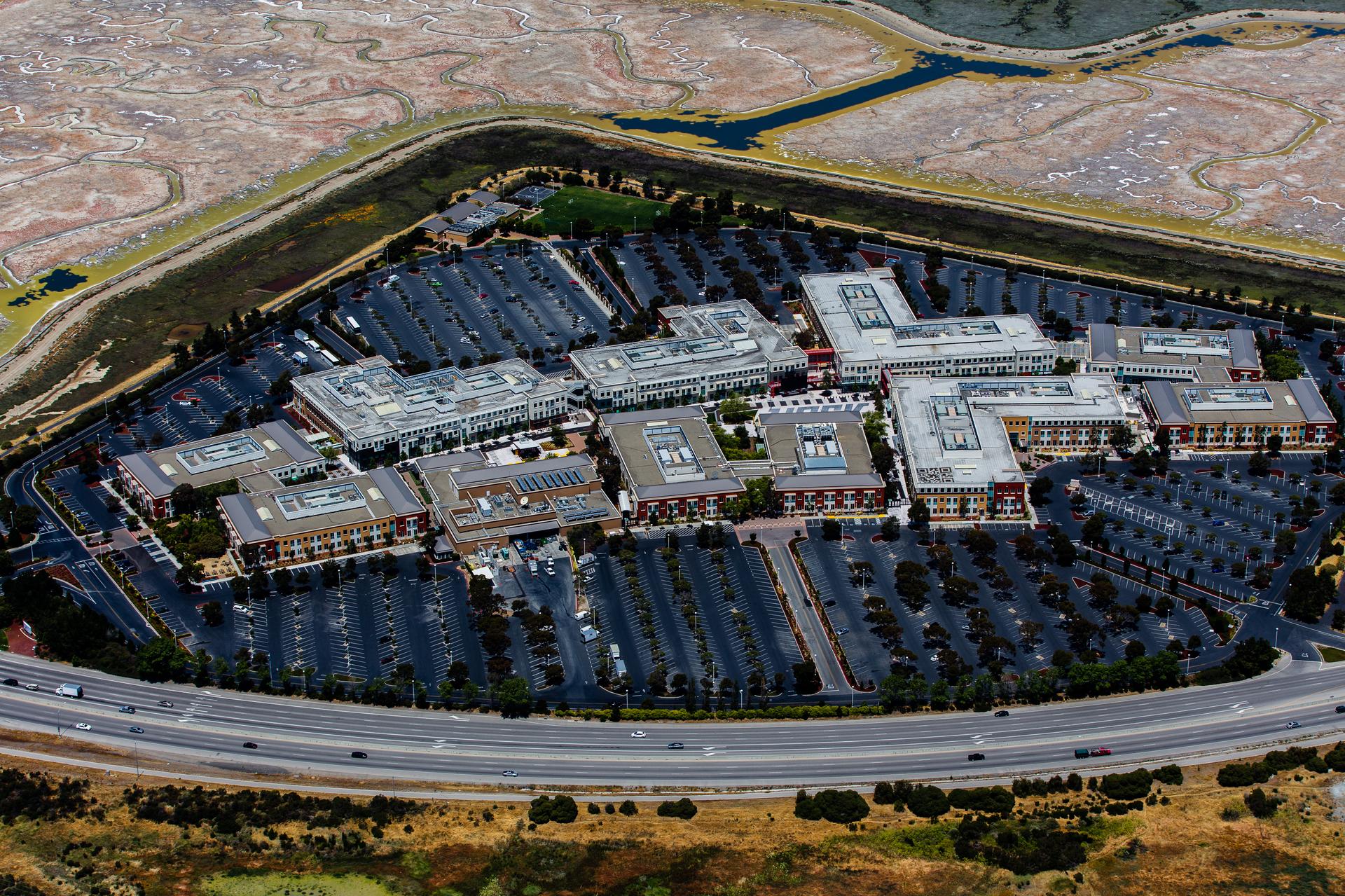
Looking beyond Memorial Church? Discover Menlo Park for broader travel guides, local hot-spots, and regional highlights.
Explore Menlo Park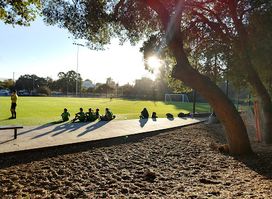
Discover the tranquility of El Camino Park in Palo Alto, a scenic destination offering recreational activities, lush landscapes, and community events.
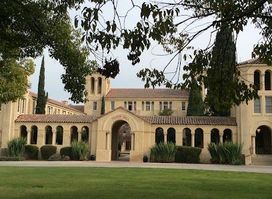
Explore Stanford University: A world-renowned center for innovation, education, and Silicon Valley history on a beautiful California campus.
