
Rodin Sculpture Garden: A Breath of Art at Stanford
Experience the genius of Auguste Rodin at Stanford's free, open-air sculpture garden, showcasing iconic works like 'The Thinker' and 'The Gates of Hell' amidst a serene landscape.
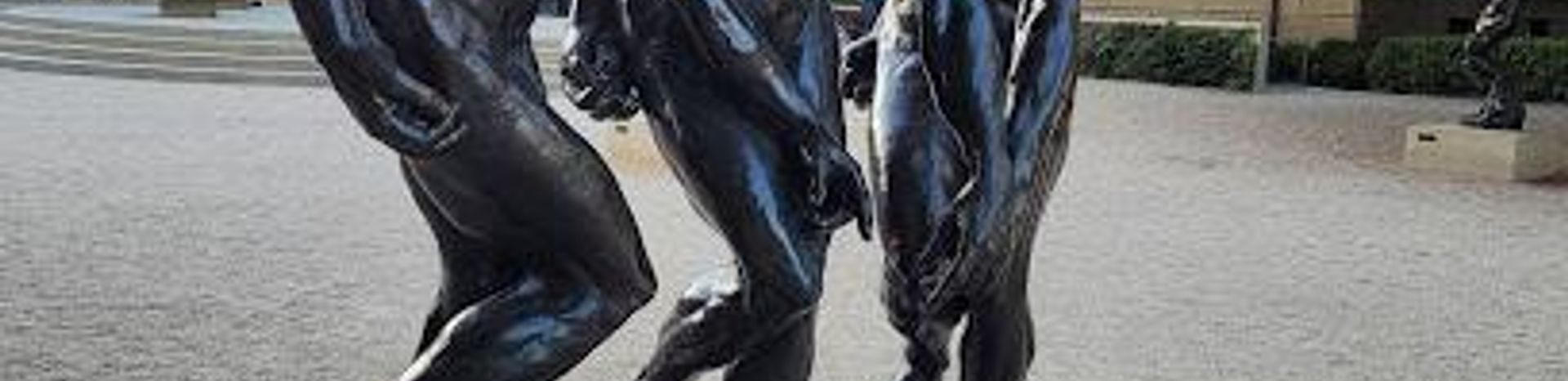
The Rodin Sculpture Garden, a jewel within Stanford University's vibrant campus, invites visitors to immerse themselves in the powerful artistry of Auguste Rodin. This outdoor museum, open around the clock and free to all, presents a curated collection of twenty monumental bronze sculptures, offering a profound experience of Rodin's most celebrated works. The garden's design draws inspiration from the Bagatelle Gardens in Paris, featuring meticulously landscaped grounds with towering cypress trees and winding gravel paths. This carefully crafted environment enhances the viewing experience, creating a sense of tranquility and encouraging visitors to engage with the sculptures on a personal level. The interplay of light and shadow, the rustling of leaves, and the sheer scale of the bronzes combine to create an atmosphere that is both awe-inspiring and deeply moving. Among the garden's highlights is 'The Gates of Hell,' a massive and complex work that dominates the eastern end of the space. Cast in bronze using the lost-wax process, this piece is a testament to Rodin's technical skill and his ability to convey profound emotion through the human form. The intricate details of the figures, writhing in torment and despair, invite contemplation on themes of mortality, sin, and redemption. 'The Thinker,' perhaps Rodin's most iconic sculpture, is also prominently featured in the garden. Its presence encourages visitors to pause and reflect, mirroring the contemplative pose of the figure itself. The sculpture's placement within the garden allows for a dynamic viewing experience, with the surrounding trees and sky providing a constantly changing backdrop. Other notable works in the garden include 'The Walking Man,' a powerful representation of human movement and strength, and two heads from 'The Burghers of Calais,' offering a glimpse into Rodin's exploration of heroism and sacrifice. 'Adam' and 'Eve,' two figures representing the biblical first couple, further showcase Rodin's mastery of the human form and his ability to capture the complexities of human emotion. The Rodin Sculpture Garden is more than just a collection of sculptures; it is a place of learning, inspiration, and reflection. Visitors can explore the garden at their own pace, discovering new details and perspectives with each visit. The garden's accessibility and free admission make it a welcoming space for all, regardless of their background or familiarity with art. Beyond the sculptures themselves, the garden offers a glimpse into Rodin's creative process and his revolutionary approach to sculpture. His emphasis on capturing movement, emotion, and the raw physicality of the human form challenged traditional artistic conventions and paved the way for modern sculpture. The Rodin Sculpture Garden is located adjacent to the Cantor Arts Center, which houses an extensive collection of Rodin's works, including nearly 170 sculptures. Visitors can combine a visit to the garden with a tour of the Cantor Arts Center to gain a deeper understanding of Rodin's artistic vision and his lasting impact on the world of art. The garden's location on the Stanford University campus adds to its unique appeal. The surrounding academic environment fosters a sense of intellectual curiosity and encourages visitors to engage with the sculptures in a thoughtful and informed way. The garden serves as a gathering place for students, faculty, and visitors alike, creating a vibrant and dynamic community. Whether you are an art aficionado, a student seeking inspiration, or simply looking for a peaceful escape, the Rodin Sculpture Garden offers an unforgettable experience. Its combination of world-class art, beautiful landscaping, and a welcoming atmosphere makes it a must-see destination for anyone visiting the Stanford University area. The Rodin Sculpture Garden stands as a testament to the enduring power of art and its ability to inspire, challenge, and connect us to our shared humanity. It is a place where visitors can encounter the genius of Auguste Rodin, reflect on the complexities of the human experience, and find beauty and inspiration in the world around them. Visiting the Rodin Sculpture Garden is an enriching experience any time of day, but consider visiting during the early morning or late afternoon for the most favorable lighting conditions for photography. The soft, diffused light can enhance the details of the sculptures and create a more dramatic visual effect. Also, take the time to read the informational plaques near each sculpture. These provide valuable insights into Rodin's artistic process, the historical context of the works, and the stories behind the figures depicted. Pack a picnic to enjoy on the grounds, making sure to clean up after yourself to preserve the garden's beauty. Check the Cantor Arts Center's website for any special events, guided tours, or temporary exhibitions that may coincide with your visit. These can offer a deeper understanding of Rodin's work and the broader artistic context in which it was created. Finally, remember that the Rodin Sculpture Garden is part of an active university campus. Be mindful of students and faculty as you explore the grounds, and respect the academic environment.
Local tips
- Visit early morning or late afternoon for the best lighting for photography and a quieter experience.
- Read the plaques near each sculpture to gain insights into Rodin's inspirations and techniques.
- Bring a picnic to enjoy on the grounds, but remember to clean up after yourself.
- Check the Cantor Arts Center's website for special events, guided tours, or temporary exhibitions.
- Be mindful of students and faculty as you explore the grounds, respecting the academic environment.

A brief summary to Rodin Sculpture Garden
- Palo Alto, California, 94304, US
- +1650-723-4177
- Visit website
- Monday 11 am-5 pm
- Tuesday 11 am-5 pm
- Wednesday 11 am-5 pm
- Thursday 11 am-5 pm
- Friday 11 am-5 pm
- Saturday 11 am-5 pm
- Sunday 11 am-5 pm
Getting There
-
Walking
From the Palo Alto Caltrain station, head west on University Avenue towards the Stanford campus. Enter the campus and continue following signs for the Cantor Arts Center. The Rodin Sculpture Garden is located adjacent to the Cantor Arts Center. The walk is approximately 20-25 minutes.
-
Public Transport
From the Palo Alto Transit Center, take the free Stanford Marguerite Shuttle. Several lines serve the campus, including the 'Y' line. Disembark at a stop near the Cantor Arts Center or the Main Quad. From there, follow signs to the Rodin Sculpture Garden. The Marguerite is free. Alternatively, from various points in Palo Alto and surrounding areas, several VTA (Valley Transportation Authority) bus lines serve the Stanford campus. Check VTA schedules for specific routes and stops. A single VTA bus fare is $2.50.
-
Driving
From El Camino Real, turn onto University Avenue heading towards Stanford University. Continue onto Palm Drive and follow signs to the Cantor Arts Center. Limited visitor parking is available near the Cantor Arts Center, managed through ParkMobile. Parking is enforced Monday through Friday from 8 AM to 4 PM. After 4 PM and on weekends, parking is free throughout the University. Daily parking permits cost $5.45.
-
Taxi/Ride-Share
Request a ride to the Cantor Arts Center at 328 Lomita Drive, Stanford. The driver can drop you off near the museum entrance. From the drop-off point, the Rodin Sculpture Garden is a short walk away. A ride-share from downtown Palo Alto will typically cost between $8 and $15, depending on demand.


Attractions Nearby to Rodin Sculpture Garden
-
 Cantor Arts Center at Stanford University
-
Anderson Collection
-
Anderson Collection at Stanford University
-
Arizona Garden
-
Stanford Mausoleum
-
Stanford University
-
Memorial Church
-
Hoover Tower
-
Stanford Clock Tower
-
Papua New Guinea Sculpture Garden
-
Allied Arts Guild
-
Main Quad
-
El Camino Park
-
Lytton Plaza
-
Masterworks Fine Art Gallery
Landmarks nearby to Rodin Sculpture Garden
-
 Tootsie's at the Cantor Arts Center
-
Stone River by Andy Goldsworthy
-
Auguste Rodin - The Burghers of Calais
-
Angel of Grief
-
Escondido Turnaround
-
Hostess House
-
Bell's Books
-
Landmark's Aquarius Theatre
-
The Cardinal Hotel
-
Lou Henry Hoover House
-
El Palo Alto Tree - Namesake Tree of City of Palo Alto
-
El Palo Alto Park
-
California Historical Landmark No. 2
-
Telephone Co. Building (Built 1928)
-
Jack W. Lyle Park